
Search Results for: health | Momvity

Infant Care Tips

Infant Care Tips Simple Ways To Keep Your Baby Safe Healthy And Happy 

A newborn’s daily care and safe sleep are matters of utmost importance. Gain practical knowledge about infant care tips—covering timely feeding, hygiene, and necessary precautions—to ensure your baby stays healthy. 

From the moment a baby is born, various questions arise in the minds of most parents. Am I handling everything correctly? Are we managing the feeding schedule, sleep duration, and bathing routine properly? Which signs should actually cause concern? 

First-time parents, in particular, may attach great importance to even the smallest daily details. They might perceive a bit of crying as a sign of a major problem, or worry about unwanted issues if the baby sleeps a little longer than usual. 

It is important to understand that caring for a baby does not mean being perfect at every single moment. Instead, the focus should be on creating a safe environment, ensuring proper nutrition, and facilitating adequate rest for the newborn. These are the areas that require the most attention. 

This is where infant care tips play a vital role, helping new parents understand key aspects of care and create a safe environment for their baby. 

Why Does Early Baby Care Matter So Much? 

In the period immediately following birth, a newborn undergoes various physical and mental changes. This is a time of rapid brain development, which influences processes ranging from sleep patterns to the strengthening of the immune system. As the body and neural pathways develop, the baby’s ability to move gradually improves. Therefore, attentive parents should prioritize the baby’s care during this crucial time. 

Does “care” in this context imply a highly complex or difficult task? 

The short answer is “absolutely not.” Instead, consistently practicing simple habits is far more effective. Examples include ensuring the newborn is always placed in a safe environment, recognizing hunger cues, and, above all, maintaining proper hygiene. 

The World Health Organization (WHO) recommends exclusive breastfeeding for at least the first six months of life. After six months, the baby can be introduced to a variety of appropriate solid foods. However, breastfeeding may continue for two years or longer, provided both mother and child wish to do so. 

What Does A Baby Really Need Every Day? 

A child’s needs change according to their age and stage of development. However, the matter becomes much clearer when daily care is viewed in terms of a few simple categories. 

When following infant care tips, parents might want to focus primarily on the following aspects— 

  • Age-appropriate feeding 
  • Safe sleeping environment 
  • Regular diaper changes 
  • Bathing and hygiene as needed 
  • Supervised tummy time while awake 
  • Talking, singing, and making eye contact 
  • Vaccinations and regular health check-ups 
  • Seeking prompt medical advice if abnormal symptoms appear 

Although these may seem like separate activities, they are actually interconnected. A child can feel at ease through good play and find rest by sleeping safely, while loving interactions during waking hours support their learning and development. 

Daily Care At A Glance 

Care Area Simple Practice Why It Matters 
Feeding Follow age-appropriate feeding guidance Supports growth and nutrition 
Sleep Place baby on the back on a firm flat surface Reduces sleep-related risks 
Hygiene Change diapers regularly and keep skin clean Helps prevent irritation 
Development Talk, sing and use supervised tummy time Supports interaction and movement 
Health Follow local vaccination and checkup guidance Helps protect overall health 

How Should You Feed Your Baby? 

It is quite natural for new parents to worry about feeding. There is no single answer applicable to every baby regarding questions like “How often should the baby eat?” or “How much food indicates they are full?” 

For the first six months, breast milk is the baby’s primary source of nutrition. The WHO recommends feeding day and night based on the baby’s hunger cues; in other words, it is important to observe the baby’s signals of hunger rather than strictly following the clock. 

A baby might show signs such as opening their mouth, bringing their hands to their mouth, turning their head toward the breast, or becoming restless. Conversely, keeping the mouth closed or turning away from the food can be signs of satiety. 

However, crying is not always the first sign of hunger. Therefore, it is beneficial to try and recognize the baby’s other cues before the crying starts. 

When Should Solid Foods Begin? 

Around the age of six months, breast milk alone may no longer fully meet a baby’s nutritional needs; this is when appropriate complementary foods are introduced. 

Initially, the food can be soft, mashed, or semi-solid. The texture can be gradually altered as the baby’s eating skills improve. According to WHO guidelines, most babies learn to eat finger foods by around eight months of age, and by twelve months, most are able to consume nutrient-rich family foods. 

In this section on infant care tips, it is particularly important to remember that breastfeeding can continue even after the introduction of solid foods. Instead of force-feeding, it is best to feed the baby slowly and patiently, while paying close attention to their cues. 

Feeding Guide By Age 

Age Main Feeding Guidance Important Point 
Birth to 6 months Breast milk Exclusive breastfeeding is recommended 
Around 6 months Breast milk + complementary foods Start suitable soft foods 
6 to 8 months Gradually increase food variety Feed patiently and responsively 
9 to 23 months Breast milk + varied family foods Offer nutrient-dense foods 

[Important Note: If there are specific feeding issues, poor weight gain, difficulty swallowing, or any other medical concerns regarding the child, you should consult the child’s pediatrician or a qualified health professional.] 

Is Your Baby Sleeping In A Safe Position? 

A newborn should not be allowed to sleep in just any position. New parents might assume that a newborn will sleep comfortably regardless of the position they are placed in, but this is a complete misconception. 

According to the AAP, placing healthy infants on their backs for every sleep session is the safest and most recommended practice. A newborn’s sleeping surface should be flat and non-inclined; soft pillows and soft toys should never be kept on the bed. 

This is where a very common mistake occurs: many believe that a baby will be more comfortable sleeping on a soft bed. However, they fail to realize that the sleeping area should be clear and flat. Safe sleep is arguably one of the most important aspects of Infant Care Tips. 

Room-sharing—staying in the same room as the baby—is acceptable, but bed-sharing in an adult bed is not a safe option. Ideally, the AAP recommends room-sharing for at least the first six months. Furthermore, if a baby falls asleep in a car seat, stroller, swing, or carrier, they should be moved to a firm, flat sleeping surface as soon as possible. 

What About Tummy Time? 

It is natural to feel a bit confused here—if a baby is supposed to sleep on their back, why is there a need to place them on their stomach while awake? 

In reality, the purposes of these two practices are different. Supervised tummy time while the baby is awake is beneficial for their motor development. According to AAP guidelines, one can start with short sessions and gradually increase the duration as the baby’s tolerance improves. However, it is crucial not to leave the baby unattended for even a moment during this time. 

Therefore, instead of conflating the rules for sleep and tummy time, view them as distinct situations: sleep means lying on the back, while being awake and supervised means tummy time. 

What About Bathing And Everyday Hygiene? 

A baby’s skin is very soft and sensitive. Therefore, bathing them for long periods every day or using a wide range of products does not necessarily constitute good care. 

When bathing a child, many parents have a question in their mind – will the cleanliness of the child be okay if not bathed every day? 

Daily bathing is not essential according to the NHS; It is enough to clean the face, neck, hands and diaper area as needed. But the child cannot be left alone in the water even for a moment. Even if you have a baby bath seat, it is not right to assume that it is safe, because even a small amount of water can cause drowning. 

How Can Diaper Care Prevent Skin Problems? 

Infant Care Tips are an important part of baby’s daily care, where diaper cleanliness and skin care are especially important. Leaving a dirty or wet diaper for a long time can cause irritation and diaper rash on the baby’s tender skin. So it is a good habit to check the diaper regularly and change it quickly if necessary. 

Can even a moment of carelessness while changing a diaper cause discomfort to a baby’s delicate skin? 

Therefore, after cleaning the baby in a safe spot, gently pat the skin dry instead of rubbing it. There is no need to do anything unnecessary regarding the umbilical cord—keeping it clean and dry is what matters. Should you wait if you notice unusual redness or discharge? No, it is safer to consult a healthcare professional in such cases. 

Hygiene Checklist 

Task Recommended Approach Avoid 
Bathing Warm water and safe supervision Leaving baby alone 
Face and neck Clean gently when needed Harsh rubbing 
Diaper area Change diapers regularly Leaving wet or dirty diapers too long 
Umbilical cord Keep clean and dry Unnecessary products 
Ears Clean only the outer area Cotton buds inside the ears 

Can Simple Daily Activities Help Your Baby Develop? 

Is talking to your baby, holding them, or making eye contact really that important? To you, these may seem like small moments, but for the baby, they create a sense of love and security. Even though they cannot speak yet, they are listening to your voice, looking at your face, and gradually learning to communicate. 

Your baby may not be able to speak yet, but when you talk to them, they hear your voice, observe your face, and gradually learn how to interact socially. 

Tips for Infant Care Tips go beyond just feeding, sleeping, or bathing; your presence, touch, and responsiveness are crucial for your baby’s emotional development. 

When you respond to your baby’s cries, look at them while speaking, or smile back when they smile, a small interaction takes place. It is the accumulation of many such small, daily moments that helps create a safe and familiar world for your baby. 

Should You Worry If Development Looks Different? 

Not every child grows at the same pace. Some learn to roll over earlier, while others start making sounds sooner—does this mean your child is lagging behind? 

Such thoughts may naturally cross the minds of new parents, especially when seeing other children acquire new skills quickly. However, there is no need to worry by making unnecessary comparisons. Instead, focus on your child’s own progress. Consult a healthcare professional if a skill is lost, if you notice any abnormalities in movement or feeding, or if you have any concerns. 

Which Signs Should Parents Never Ignore? 

When considering infant care tips, new parents often wonder: is the baby just crying a little, or is there a genuine problem? 

Which signs are normal enough to wait and watch, and when should you seek immediate medical advice? Crying, hiccups, changes in sleep patterns, or minor spit-ups are often normal. However, certain symptoms—such as a fever—should not be ignored. According to the NHS, if an infant under three months of age has a temperature of 38°C or higher, you should seek medical advice immediately. 

Conclusion 

For first-time parents, everything can seem overwhelming at the start due to a lack of familiarity with the routines involved. While the information you have gathered here might seem challenging to implement right now, it will soon become a natural part of your daily routine. 

Therefore, instead of comparing yourself to others, focus on meeting your baby’s essential needs. 

Ultimately, the simplest and safest approach to Infant Care Tips  is to understand your baby’s needs and respond to their cues. 

This is because, alongside major decisions, the small choices and daily acts of care play the most vital role in a child’s development. 
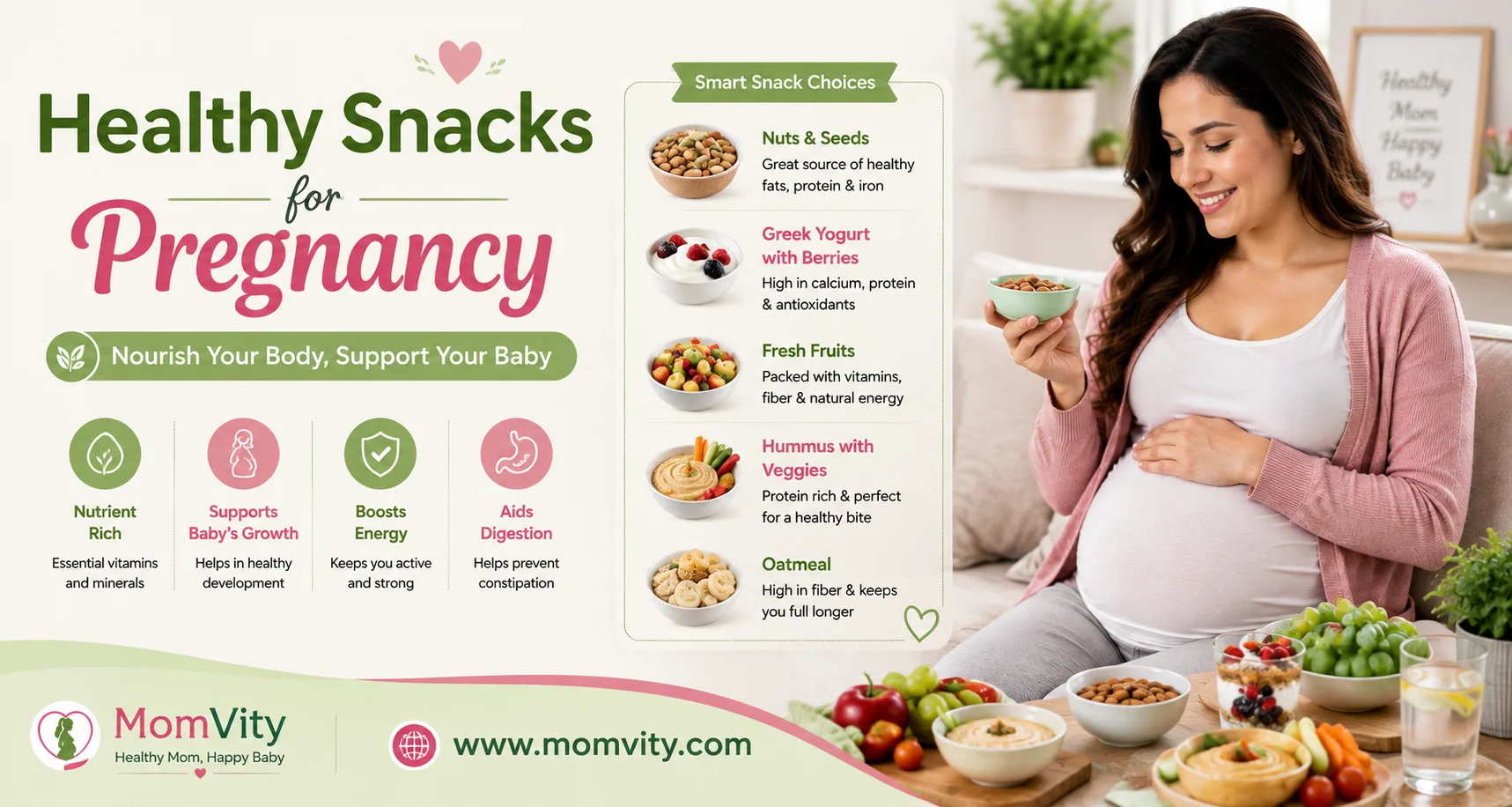
Healthy Snacks Pregnancy

Best Healthy Snacks Pregnancy Choices For Moms And Growing Babies 

Proper nutrition is very important to meet the nutritional needs of the mother and the growing baby during pregnancy. Find out the best nutritious snacks from Healthy Snacks Pregnancy, which can help control appetite, increase energy and have a healthy pregnancy. 

Should you eat any food whenever you feel hungry during pregnancy? 

Absolutely not. Although the body needs extra energy and nutrition at this time, not every snack is equally beneficial. By choosing the right foods, it is possible to get the necessary protein, fiber, healthy fats, vitamins and minerals from even a small amount of food. Eating moderate and nutritious foods, especially without leaving the stomach empty for a long time, helps to maintain the mother’s energy and make her daily diet more balanced. 

The most surprising thing is that even a small snack can sometimes play an important role in meeting the daily nutritional deficit. 

So what kind of food is really good for the mother and the baby in the womb? 

When searching for the answer to this question online, there is a lot of conflicting advice. In reality, it is more reasonable to choose snacks based on personal preference and tolerance, from fruits, nuts, yogurt, eggs, whole grains, and other nutritious options. At the same time, it is important to limit foods high in sugar, salt, and unhealthy fats. 

Remember, the goal of food during pregnancy is not just to satisfy hunger, but to use each meal as a small opportunity for the well-being of the body and the baby. 

Discover more here

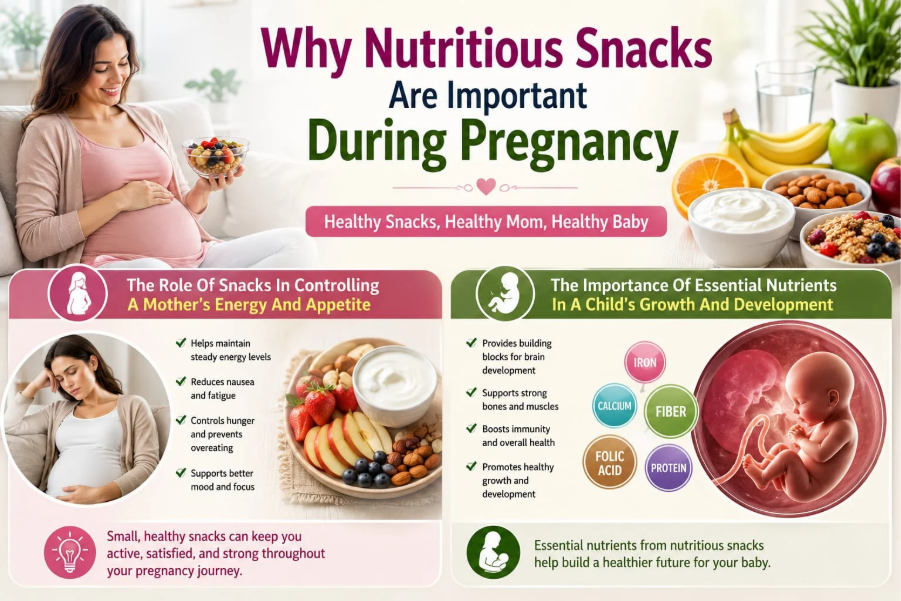
Why Nutritious Snacks Are Important During Pregnancy 

Healthy Snacks Pregnancy can play an important role in managing hunger during pregnancy as well as providing the body with the necessary nutrients. 

But what if you suddenly feel hungry sometimes, just fill your stomach? 

Choosing nutritious snacks like fruits, yogurt, nuts or eggs can help fill the protein, fiber, vitamins and minerals deficiency. So why are the right snacks important? Because they help keep your stomach full for a long time and maintain energy. 

Surprisingly, even a small snack can make a big difference in the nutritional value of the day. 

The Role Of Snacks In Controlling A Mother’s Energy And Appetite 

Nutritious snacks during pregnancy can help keep moms energized throughout the day and control cravings. 

How to avoid overeating when you feel hungry between meals? 

Balanced snacks like fruit, yogurt, eggs, or a handful of nuts can help keep you feeling somewhat full. So why are they so effective? Because protein, fiber, and healthy fats can digest slowly and keep you feeling full for longer. 

Surprisingly, even small snacks can help manage hunger and energy fluctuations. 

Possible Problems With Keeping The Stomach Empty For A Long Time 

  • Fatigue and fatigue may increase due to lack of energy in the body. 
  • You may feel dizzy or unwell, especially after not eating for a long time. 
  • You may have a tendency to eat more food at once later. 
  • Hunger can make it difficult to make healthy food choices. 
  • If you have nausea or stomach discomfort, the problem can be exacerbated by longer meal breaks. 
  • Not getting regular nutritious meals can disrupt your daily nutrient intake. 
  • Therefore, it can be beneficial to take small and nutritious snacks as needed rather than leaving your stomach empty for a long time. 

The Importance Of Essential Nutrients In A Child’s Growth And Development 

Healthy Snacks Pregnancy Getting adequate nutrition from the mother’s diet is very important for the normal growth and development of the baby. 

But which nutrients play a major role in the formation of the baby’s bones, brain and cells? 

Protein, iron, calcium, folate and various vitamins are important in this regard. So why should snacks be considered? Because nutritious snacks can add extra nutrients to the main meal. 

The right selection of small meals can also play a big role in the daily nutritional balance. 

Principles For Choosing Good Snacks During Pregnancy 

When choosing good snacks during pregnancy, it’s important to prioritize nutritional value over taste. 

But which snacks will really fill you up and provide the nutrients you need? 

Protein, fiber, and essential vitamins can be found in fruits, yogurt, eggs, nuts, or whole grains. So why not just sweet or overly processed foods? Because they can provide more sugar, salt, and calories than they provide. 

Surprisingly, even small snacks can make a big difference in your daily nutrition if chosen correctly. 

How To Consider Nutritional Value And Food Balance 

When choosing Healthy Snacks Pregnancy, it is important to pay attention not only to filling the stomach, but also to the nutritional value and balance of the food. 

So what should be in a snack? 

Combining nuts, yogurt, eggs or other protein-rich foods with fruits or vegetables provides a combination of protein, fiber, vitamins and minerals. It is more effective to eat a variety of foods at different times of the day rather than trying to get all the nutrients in one meal. 

Surprisingly, the right combination of small meals can also make an important contribution to daily nutrition. 

Benefits Of Keeping Protein And Fiber Together 

Benefit How Protein Helps How Fiber Helps Combined Advantage 
Better Fullness Helps keep you satisfied Slows digestion and adds bulk Keeps you feeling full for longer 
Steady Energy Supports sustained energy needs Helps slow the release of carbohydrates May help reduce sudden hunger 
Better Digestion Provides essential nutrients Supports regular bowel movements Creates a more balanced snack 
Blood Sugar Support Helps make meals more satisfying Slows carbohydrate digestion Helps avoid rapid spikes after carbohydrate-rich foods 
Muscle Support Provides amino acids needed for muscle maintenance Adds nutritional value through plant foods Makes snacks more nutrient-dense 

Benefits Of Eating By Understanding Hunger And Satiety Signals 

  • Helps reduce overeating. 
  • Helps maintain a healthy weight. 
  • Develops the habit of mindful eating. 
  • Helps in consuming food according to the body’s needs. 
  • Keeps the natural digestive process comfortable. 
  • Develops a healthy relationship with food. 

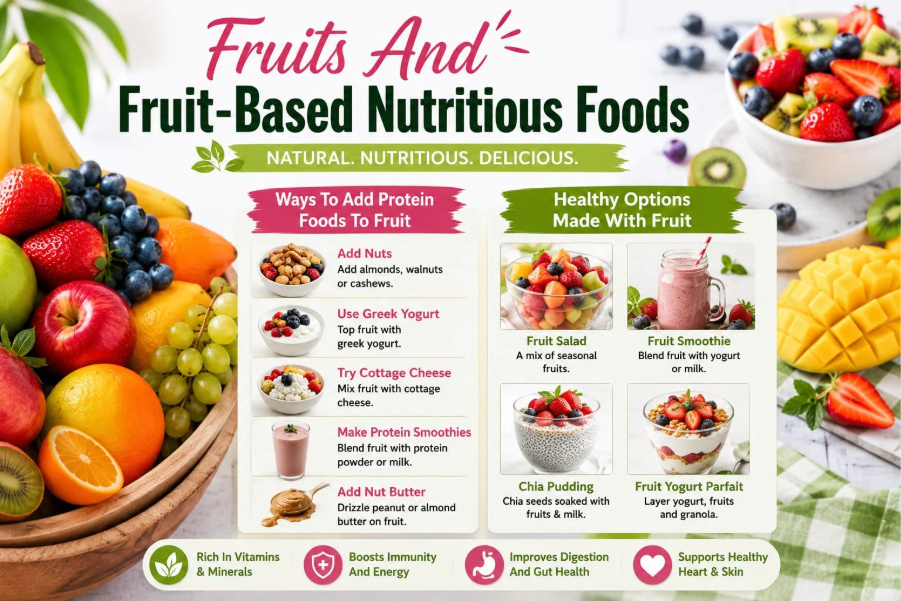
Fruits And Fruit-Based Nutritious Foods 

Healthy Snacks Pregnancy Fruits and fruit-based foods are a good way to easily provide nutrition. 

But why is choosing fruit as a snack beneficial? 

Fresh fruits provide vitamins, minerals, and fiber, which help meet daily nutritional needs. Adding yogurt, nuts, or oats to apples, bananas, oranges, or guavas increases the nutritional diversity of breakfast. Therefore, eating fruit with protein or healthy fats is more satisfying and balanced. 

Ways To Add Protein Foods To Fruit 

  • 🍌Bananas and Yogurt: Eating bananas mixed with yogurt or Greek yogurt adds both protein and fiber to your breakfast. 
  • 🍎 Apples and Almonds: Eating an apple with a handful of almonds or a little peanut butter makes your breakfast more nutritious and satisfying. 
  • 🍓 Berries and Yogurt: Adding yogurt and chia seeds to strawberries or other berries can easily make a nutritious breakfast. 
  • 🥭 Mango and Yogurt: Eating yogurt mixed with mango in moderation provides the taste of fruit as well as protein. 
  • 🍐 Guava and Eggs: Adding a boiled egg with guava to your breakfast adds a good source of protein along with the nutrients of fruit. 
  • 🍊 Oranges and Almonds: Eating a few nuts or seeds with an orange creates a balance of fiber, healthy fats, and protein in your breakfast. 

Healthy Options Made With Fruit 

Fruit Healthy Alternative Key Benefit 
🍎 Apple Apple + Peanut Butter Fiber + Protein 
🍌 Banana Banana + Greek Yogurt Energy + Protein 
🍓 Berries Berry Yogurt Bowl Antioxidants + Protein 
🥭 Mango Mango + Yogurt Vitamins + Protein 
🍐 Guava Guava + Boiled Egg Fiber + Protein 
🍊 Orange Orange + Almonds Vitamin C + Healthy Fats 

Healthy Alternatives To Protein-Rich Snacks 

Healthy Snacks Pregnancy Protein-rich snacks can be an easy way to control hunger and get the nutrients you need. 

Which protein-rich snacks are easy to include in your daily diet? 

Boiled eggs, yogurt, milk, nuts, chickpeas, and peanuts can be good options. They help meet the body’s protein needs and can keep you full for a long time. However, it is important to watch the quantity, especially nuts are high in calories. 

So it is wise to choose your favorite foods and eat them in moderation—even small snacks can provide great nutrition! 

The Importance Of Choosing Pasteurized Dairy Products 

  • Reduces the risk of harmful bacteria 
  • Helps protect against foodborne infections 
  • Good source of calcium and protein 
  • Relatively safe choice during pregnancy 
  • Makes it easier to choose milk, yogurt and cheese 
  • Creates the habit of buying by looking at the label on the package 

Ways To Eat Nuts And Seeds In Moderation 

While nuts and seeds are nutritious, it’s important to be mindful of portion sizes when choosing Healthy Snacks Pregnancy. 

But why are they so beneficial in small amounts? 

Nuts and seeds contain healthy fats, protein, and fiber, so eating a small handful at a time can be enough. It’s better to choose raw or lightly roasted varieties rather than nuts that are seasoned with salt, sugar, or extra spices. 

Eating in moderation will provide you with nutrients without adding extra calories—what a great balance! 

What Are Some Fiber And Whole Grain Snacks? 

Eating foods rich in fiber and whole grains is beneficial when choosing Healthy Snacks Pregnancy. 

But which snacks are easy to add to the diet? 

Oats, whole grain bread, crackers, popcorn, oats with fruit or nuts can be good options. Along with fiber, they help keep the stomach full for longer. However, it is better to avoid packaged foods with extra sugar or salt. 

So snacks made with readily available whole grains and natural ingredients can be effective choices—choosing healthy snacks can be that easy! 

How Fiber Helps Digestion And Keeps The Stomach Full 

  • Aids digestion — Fiber helps keep stools soft and regular. 
  • Keeps the stomach full for longer — Helps food digest slowly, so hunger does not set in quickly. 
  • Works well with water — Fiber can function normally in the intestines if there is enough water. 
  • Helps reduce overeating — The feeling of satiety lasts longer, making it easier to control the amount of food you eat. 
  • Beneficial for intestinal health — Some types of fiber act as food for beneficial bacteria in the intestines. 

How To Make An Easy Combination Of Vegetables And Whole Grains? 

Healthy Snacks Pregnancy Plan Vegetables and whole grains can be easily combined. Oats, brown rice or whole grain bread can be added to your daily meals along with red vegetables, carrots, cucumbers or broccoli. 

So why is it beneficial to eat vegetables and whole grains together? 

This increases the variety of fiber, vitamins and essential nutrients in the food and helps keep the stomach full for a long time. For example, oats khichdi with vegetables or vegetable-wheat bread can be an easy combination. 

In this way, it is possible to bring nutritional balance even in simple foods—great thing! 

Snacks That Are Best To Limit Or Avoid 

Regularly eating snacks that are high in sugar, salt and unhealthy fats can lead to unnecessary calorie intake. 

Which snacks should you limit or avoid? 

It is best to eat less chips, overly sweet biscuits, cakes, pastries, sugary drinks and overly fried foods. Instead, you can choose fruits, nuts or yoghurt. However, you don’t need to completely eliminate your favourite foods; the quantity and eating habits are what matter. 

So choosing snacks consciously can help you to have a more balanced daily diet—what a great, simple solution! 

Last Words 

The truth is, when you feel hungry during pregnancy, it is important to choose food that is not just filling your stomach, but also considering the nutritional needs of the mother and baby. If you are aware of Healthy Snacks Pregnancy, it is possible to add the necessary protein, fiber, calcium, iron and other nutrients to the body even through small meals every day. Eating simple foods like fruits, nuts, yogurt, eggs, oats, vegetables or whole grains in the right amount makes it easier to keep your stomach full for a long time and reduce your dependence on unnecessary junk food. 

The most surprising but important thing is that healthy snacks during pregnancy do not mean expensive or special foods. 

Familiar and easily available foods at home can also be excellent nutritious snacks if chosen correctly. Along with this, the amount of food, personal nutritional needs and doctor’s advice should also be considered. Because every pregnancy is different and everyone’s food needs are not the same. 

Choosing snacks consciously is not just a matter of controlling hunger; it is an important part of the overall diet of a healthy pregnancy. 

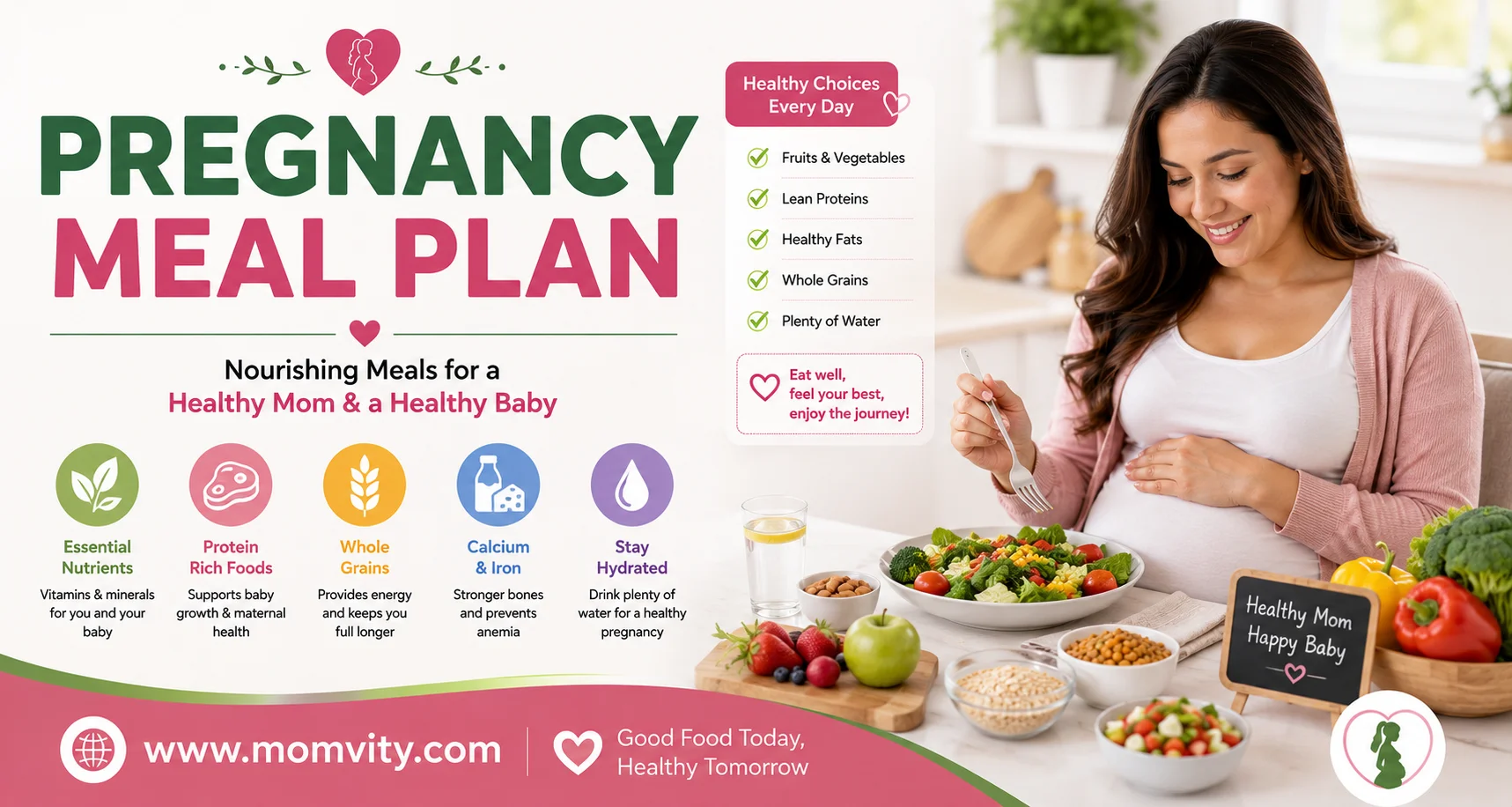
Pregnancy Meal Plan

Pregnancy Meal Plan For A Healthy Pregnancy And Better Nutrition 

Learn about the essential nutrition, healthy food, and simple guidelines for a balanced diet during pregnancy with Pregnancy Meal Plan, which will help in the healthy development of mother and baby. 

Is daily food during pregnancy just to satisfy hunger, or does it play an important role in the well-being of mother and unborn baby? 

In fact, food is very important during this time, because along with the changes in the mother’s body, the baby’s growth and development also continue. Therefore, it is necessary to have adequate nutrition, variety, and balance in the daily diet. It is not enough to just eat more; rather, how much of which food is needed and how it can be added to the daily diet is more important. 

So what should be given importance in a healthy diet? 

First of all, a combination of protein, vegetables, fruits, whole grains, healthy fats, and essential vitamin and mineral-rich foods is needed. Drinking enough water, eating regularly, and limiting excess sugar and unhealthy processed foods is also important. However, the nutritional needs of every mother are not the same. 

So what should you do when choosing food for yourself? 

The safest approach is to determine the type and amount of food, taking into account personal health, the stage of pregnancy, and the doctor’s advice. Because proper nutrition not only helps the mother maintain her strength, but also helps the baby grow normally. 

“Every conscious food decision can be a valuable step on the path to healthy motherhood.” 

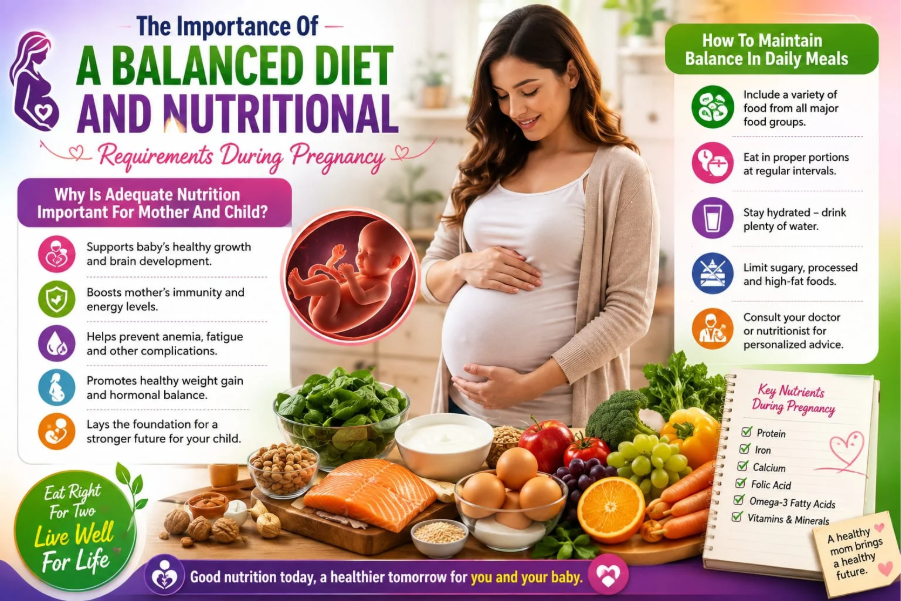
The Importance Of A Balanced Diet And Nutritional Requirements During Pregnancy 

Pregnancy Meal Plan helps maintain a balance between food to ensure the necessary nutrition of mother and baby during pregnancy. 

Can adequate nutrition be obtained by just eating more food? 

No, variety and nutritional value are more important than the amount of food. Protein, iron, folate, calcium, healthy fats, vegetables and fruits need to be included in the regular diet. 

Why is so much variety needed in daily meals? 

Because during pregnancy, the needs of various nutrients also change with the growth of the baby and the changes in the mother’s body. Therefore, it is better to eat a combination of different nutritious foods rather than relying on the same type of food. 

The most surprising thing is that it is possible to get many essential nutrients in ordinary daily foods—the right choice is the key here. 

Find out more here

Why Is Adequate Nutrition Important For Mother And Child? 

  • Supports the growth and development of the baby: Essential nutrients including protein, iron, folate, calcium, and iodine play a role in the normal development of the baby’s various organs and tissues. 
  • Helps maintain the mother’s energy: A balanced diet can help provide the energy needed for daily tasks and reduce excessive fatigue. 
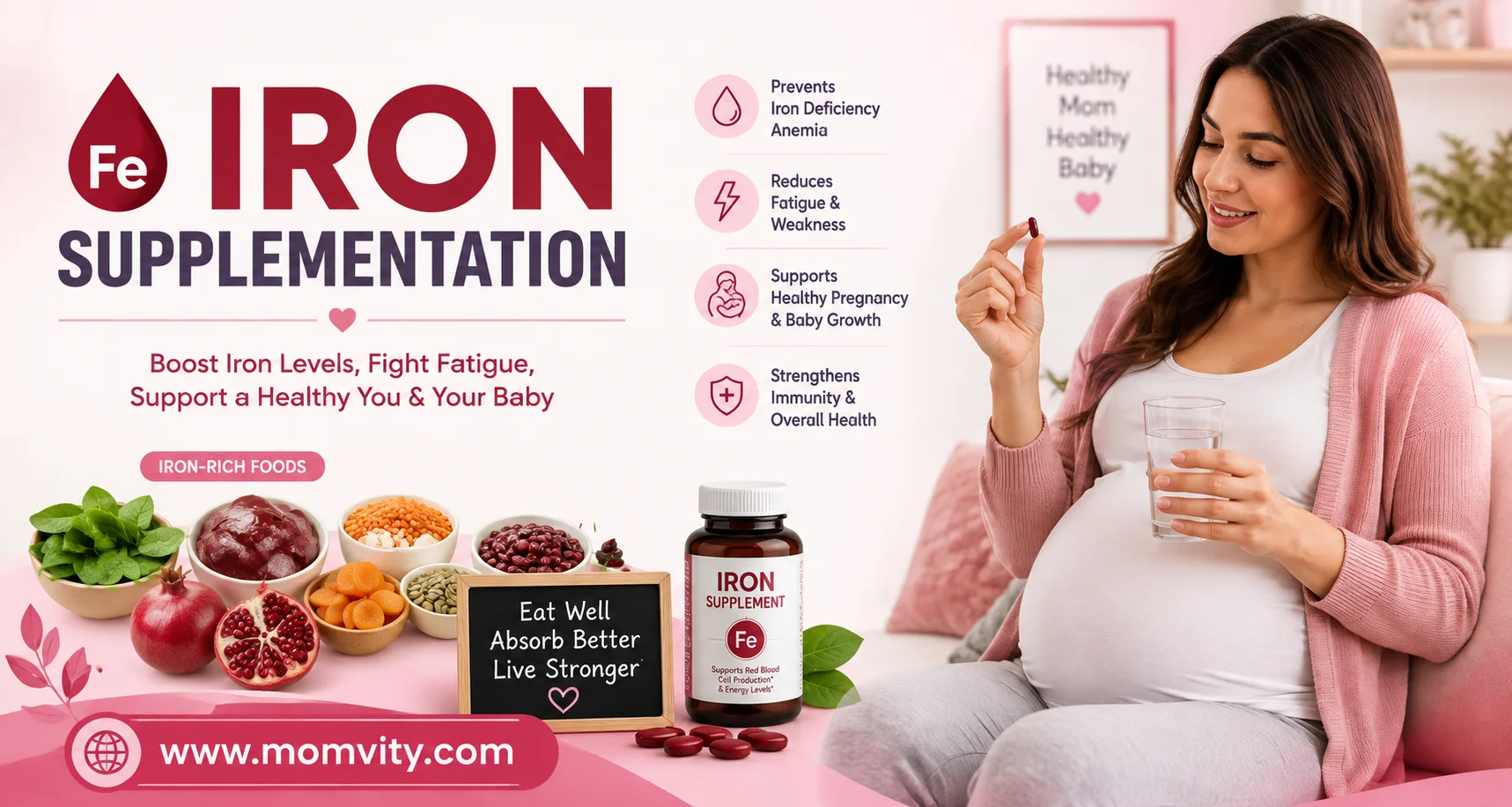
  • Helps reduce the risk of anemia: Including iron-rich foods in the mother’s diet regularly is important to meet the mother’s additional iron needs. 
  • Role in the normal development of bones and teeth: Adequate calcium and vitamin D are important for the mother’s bone health and the baby’s bone development. 

  • Essential for disease prevention and well-being: A variety of fruits, vegetables, whole grains, and protein-rich foods provide the body with essential vitamins, minerals, and other nutrients. 

How To Maintain Balance In Daily Meals 

When planning a pregnancy meal plan, it is important to maintain a variety and balance of nutrients in your daily meals, so that you regularly eat the necessary proteins, vegetables, fruits, whole grains and healthy fats. 

So what is the easiest way to maintain a balanced diet? 

Including multiple food groups in each main meal and limiting excess sweets, salt and processed foods is an effective method. Drinking enough water and eating a healthy snack as needed is also important. 

The most surprising thing is that variety and the right combination are often more important than the amount of food—even small conscious changes can make a big difference in daily nutrition! 

Table Of Essential Nutrients And Main Food Sources 

Nutritional Content Main Role Good Food Source 
Protein Aids in growth and tissue formation Eggs, fish, pulses 
Iron Helps in blood production Vegetables, pulses, meat 
Calcium Helps in the development of bones and teeth Milk, yogurt 
Folate Important in the early development of the child Vegetables, pulses 

Which Food Groups Should Be Included In The Daily Diet? 

Combining different food groups in your daily diet helps to meet the nutritional needs of both mother and baby. Therefore, it is important to include protein, vegetables, fruits, whole grains, milk or yogurt, and sources of healthy fats in your diet. 

But why is it necessary to include so many types of foods in your daily diet? 

Because each food group provides the body with different nutrients, which help with energy, growth, and normal physical activity. Therefore, combining diverse and moderate foods is the most realistic approach. 

Surprisingly, a fairly nutritious daily diet can be created by arranging familiar common foods correctly! 

How To Get The Right Combination Of Protein, Vegetables And Fruits? 

When planning your pregnancy meal plan, including vegetables and fruits of different colors along with protein increases the nutritional diversity of the food and makes your daily diet more balanced. 

How do you best combine these foods? 

Simply put, at least one type of vegetable can be included with a protein source such as eggs, fish, chicken or lentils in each main meal. It is also good to add seasonal fruits at other times of the day. The combination of vitamins, minerals, fiber and protein in vegetables and fruits can help meet the body’s nutritional needs. 

The most amazing thing is that not only adding variety to food, but also the right combination can make daily nutrition more effective! 

The Role Of Whole Grains, Healthy Fats, And Dairy Products 

  • Whole grains: Choosing oats, brown rice, and whole wheat bread can increase fiber intake and provide carbohydrates while keeping you full longer. 
  • Healthy fats: Healthy fats from nuts, seeds, avocado, and appropriate fish provide energy and play an important role in the normal growth and development of the baby. 
  • Dairy foods: Milk, yogurt, and pasteurized cheese are good sources of calcium. 
  • The right combination: Adding protein and vegetables with whole grains at one meal and fruits with yogurt or milk at another meal increases the nutritional diversity of the daily diet. 

Simple Food List By Food Group 

Food Groups Examples How To Add To Food 
Protein Eggs, fish, pulses With main course 
Vegetables Spinach, gourd, carrot At lunch and dinner 
Fruit Guava, orange, banana As a snack 
Whole Grains Oats, red rice In the main meal 

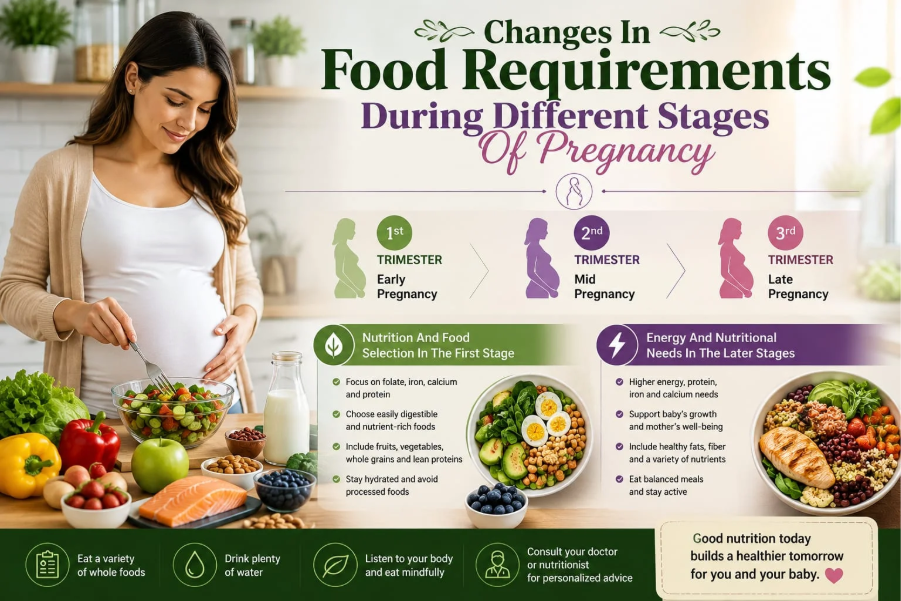
Changes In Food Requirements During Different Stages Of Pregnancy 

Pregnancy Meal Plan plays an important role in planning meals according to the nutritional needs of the mother as the pregnancy progresses. 

As time goes by, does the same type of food and quantity remain sufficient at all stages? 

No, in the early stages, essential nutrients, including folate, are important for the baby’s early development, and later on, more attention is paid to protein, iron, calcium, and other nutrients as the baby grows rapidly and the mother’s increased energy needs increase. 

Therefore, it is important to maintain variety and balance in the diet at each stage. Surprisingly, the right combination of nutrients often becomes more important than the amount of food! 

Nutrition And Food Selection In The First Stage 

Pregnancy Meal Plan It is important to choose food according to the nutritional needs of the mother in the first stage, because this is when the baby’s initial development begins. 

Why is it important to be so careful in choosing food during this time? 

Even if you feel nauseous or have a loss of appetite, it is beneficial to eat nutritious food in small portions. Eggs, pulses, vegetables, fruits, whole grains and foods rich in essential folate can be included in the regular diet. It is also good to limit excess sugar and unhealthy processed foods. 

Energy And Nutritional Needs In The Later Stages 

Pregnancy Meal Plan needs to focus on the mother’s increased energy and nutritional needs in the later stages, as the baby grows rapidly and the mother’s body undergoes many changes. 

Why is giving special attention to your food choices important during this period? 

Regular consumption of adequate protein, iron, calcium, folate, healthy fats, and a variety of foods can help maintain the mother’s energy and support the normal development of the baby. 

Surprisingly, A balanced and nutritious diet is often more important than the amount of food you eat. 

A Healthy Routine From Breakfast To Dinner 

While following the Pregnancy Meal Plan, it is important to maintain a specific and balanced routine from breakfast to dinner. A nutritious breakfast at the beginning of the day, a light snack in the middle, and moderate and balanced meals at lunch and dinner help maintain the body’s required energy. 

So why is it beneficial to divide your meals throughout the day into several small portions? 

This can reduce the tendency to have an empty stomach for a long time and make it easier to cope with nausea or excessive hunger. 

Surprisingly, regularity in meal times can also play an important role in daily well-being! 

Benefits Of Nutritious Meals And Snacks At The Start Of The Day 

  • Provides energy: A nutritious breakfast provides the necessary energy to start the day. 
  • Enhances overall nutrition: Eggs, milk, yogurt, and fruits contribute valuable nutrients to the daily diet. 
  • Controls appetite: A light breakfast in between can reduce excessive appetite. 
  • Helps in managing nausea: Eating small amounts can be comfortable for many people. 
  • Maintains hydration: Drinking water regularly helps in keeping the body refreshed. 

Rules For Maintaining Balance Between Lunch And Dinner 

While following the Pregnancy Meal Plan, it is important to have a balance of protein, vegetables, whole grains, and essential healthy foods in your lunch and dinner. 

How can you make your lunch and dinner more balanced? 

It is better to have fish, eggs, or pulses with a moderate amount of sugar and adequate vegetables instead of eating too much rice or bread at one meal. It can be comfortable to choose a relatively light and easily digestible meal at night. Drinking enough water is also important. 

The most surprising thing is that the right variety and balance are often more important than the amount of food! 

Sample Meal Schedule For A Day 

Time Food Type Possible Foods 
Morning Breakfast Eggs, bread and fruit 
Midmorning Snack Fruit or yogurt 
Noon Main Meal Rice, fish, pulses and vegetables 
Afternoon Snack Nuts or fruits 
Night Main Meal Rice/bread, protein and vegetables 

The Importance Of Adequate Water And Healthy Drinks 

Drinking enough water can help with normal body functions, blood circulation, and reduce constipation during pregnancy. 

Why should you be mindful of the beverages you consume during this time? 

It is beneficial to keep water as the main drink and eat nutritious foods like fresh fruit. It is best to limit excess sugar, caffeinated or soft drinks. The amount of adequate fluid intake can vary from person to person, so thirst and the advice of a doctor should be considered. 

Unbelievable, but even mild dehydration can increase fatigue and discomfort! 

Conclusion  

Pregnancy Meal Plan can be an effective guide to choosing a balanced and varied diet by understanding the daily nutritional needs of the mother during pregnancy. It is not only important to eat more food during this time; it is also necessary to maintain a balance between protein, iron, calcium, folate, healthy fats, vegetables, fruits, whole grains and adequate fluids. The amount and type of food may vary depending on the mother’s physical condition, stage of pregnancy, daily routine and doctor’s advice. 

Drinking enough water, eating regularly, limiting over-processed foods and seeking advice from a doctor or nutritionist if necessary can make this entire journey safer. It is better not to change food or supplements on your own if you have any specific health problems. 

“The foundation of healthy motherhood is not built on big changes, but on small decisions about conscious and correct eating habits every day.” 

Prenatal Wellness Tips

Prenatal Wellness Tips For A Healthy Pregnancy And Happier Journey 

Prepare yourself for a healthy and comfortable pregnancy by following Prenatal Wellness Tips with nutrition, exercise, rest, mental well-being and regular care. 

Have you ever thought about how important small daily habits are to make pregnancy healthier and more comfortable? 

During pregnancy, the mother’s body and mind undergo many changes at the same time. Therefore, it is a good decision to prioritize your health from the beginning. The first step can be to seek regular medical advice and learn about necessary health check-ups. In addition, nutritious food, adequate water, good sleep and safe physical activity according to the body’s capacity can be made a part of daily life. Moderate physical activity is generally beneficial for healthy pregnant women and can help reduce the risk of excess weight gain and gestational diabetes. 

But is it possible to ensure the overall well-being of pregnancy by focusing only on food and exercise? 

No, mental well-being is equally important. If you feel excessive anxiety, loneliness or chronic stress, you should seek help from your partner, family or a healthcare professional as needed. It is also important to avoid smoking, alcohol, and exposure to harmful chemicals, and to discuss necessary medications and vaccinations with your doctor. 

No single habit is enough for a healthy pregnancy; rather, the right information, regular care, and consistent healthy decisions play a key role together. 

Good habits, even small ones, have a big impact—conscious care is the solid foundation for a healthy future. 

Why Overall Wellness Is Important During Pregnancy 

It is important to regularly monitor the physical and mental well-being of the mother during pregnancy by following Prenatal Wellness Tips. The mother’s nutrition, adequate rest, safe physical activity, and regular health check-ups help the body adapt to the changes. 

So is physical care alone enough? 

No, reducing stress, getting enough sleep, and seeking support from family and doctors when needed are also important. Therefore, a balanced lifestyle and regular care are the most realistic foundations for the well-being of the mother and baby. 

You may also read

How Mother’s Health Plays A Role In Child Development 

  • Role in Nutrition: Protein, iron, folate, calcium and other nutrients from a balanced diet of the mother help in the normal growth and development of the fetus. 
  • Transport of oxygen and nutrients: Good blood health of the mother is important for the delivery of oxygen and essential nutrients to the baby. If there are problems like anemia, a doctor’s consultation is necessary. 
  • Monitoring the baby’s growth: Regular prenatal healthcare helps in monitoring the growth and development of the baby as well as the mother and allows for early identification of possible complications. 
  • Maternal disease control: If there is high blood pressure, diabetes or any other health problem, it is important for the mother and the baby to control it properly. 
  • Healthy lifestyle: Nutritious food, safe physical activity and necessary rest help maintain the overall well-being of the mother, which forms the basis for a healthy pregnancy. 

How Regular Care Helps Identify Potential Risks 

Following Prenatal Wellness Tips and getting regular checkups and doctor’s advice can help you identify potential risks during pregnancy early. Regular care includes monitoring blood pressure, weight, baby’s growth, and the mother’s overall health. 

But why is it so important to monitor these things regularly? 

Because if any changes are detected early, the doctor can quickly provide advice, tests, or treatment as needed. So it’s a safe practice to not skip scheduled checkups and to report new or unusual symptoms quickly. 

What Changes Are Important To Report To The Doctor? 

Warning Sign What To Do 
Vaginal bleeding or fluid leakage Contact a healthcare provider 
Severe abdominal pain Seek medical advice promptly 
Severe headache or vision changes Inform the doctor 
Sudden swelling Contact the healthcare provider 
Fever or persistent vomiting Seek medical guidance 
Reduced fetal movement Contact the maternity care provider 

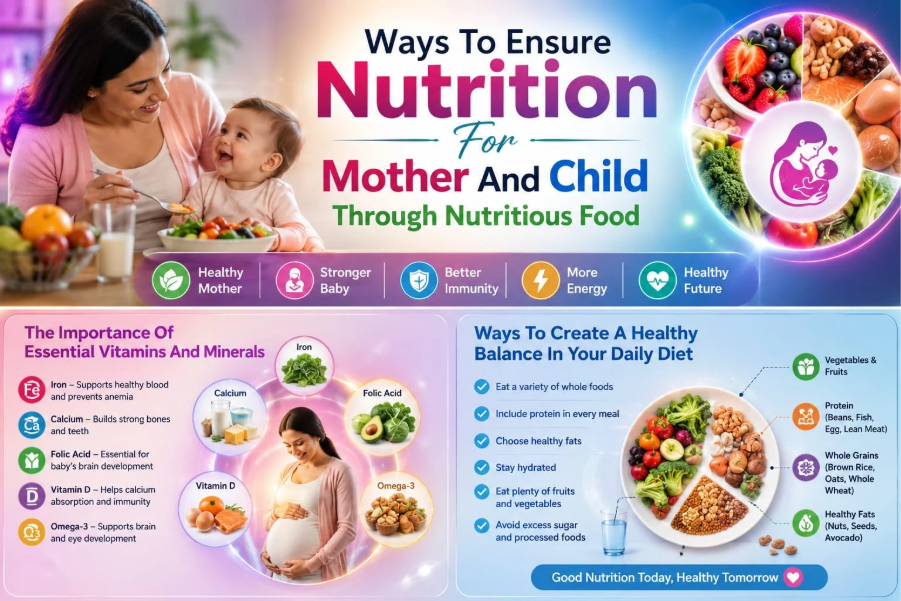
Ways To Ensure Nutrition For Mother And Child Through Nutritious Food 

In the case of Prenatal Wellness Tips, nutritious food plays an important role in ensuring the necessary nutrition of the mother and the baby. 

Why is it important to have enough protein, vegetables, fruits, whole grains, pulses, eggs and fish or meat from safe sources in the diet during pregnancy? 

These foods help maintain the body’s strength and provide the necessary nutrients for the normal growth and development of the baby. Drinking enough water and taking the necessary iron, folic acid or other supplements as recommended by the doctor are also important. So, not only eating more, but choosing a varied and balanced diet is the most realistic way. 

The Importance Of Essential Vitamins And Minerals 

  • Folic acid: Important for the early development of the baby’s brain and spine. Supplements may be necessary as recommended by the doctor. 
  • Iron: Helps in the production of hemoglobin in the mother’s blood and plays a role in supplying the baby with the necessary oxygen. 
  • Calcium: Important for the formation of the baby’s bones and teeth and maintaining the health of the mother’s bones. 
  • Vitamin D: Supports the body’s ability to absorb calcium, which is essential for normal bone development. 
  • Iodine: Essential for the normal development of the baby’s brain and nervous system. 
  • Vitamin B12: Helps maintain proper blood cell and nervous system function, particularly for individuals who consume fewer animal products. 

Ways To Create A Healthy Balance In Your Daily Diet 

It is beneficial to include vegetables, fruits, whole grains, legumes, eggs, fish or other sources of protein and essential healthy fats in your daily diet. 

Why is such a balance in food important during pregnancy? 

A balanced diet helps maintain the mother’s energy and provides the necessary nutrients for the normal development of the baby. Therefore, it is practical to choose a variety of nutritious foods in moderation, not to eat too many meals at once, drink enough water, and limit excess sugar and processed foods. 

Which Foods Should Be Limited Or Avoided? 

Food / Drink Why Limit or Avoid? Safer Approach 
Raw or undercooked meat May contain harmful bacteria or parasites Eat thoroughly cooked meat 
Raw or undercooked eggs Risk of foodborne infections Choose fully cooked eggs 
Unpasteurized milk or dairy May contain harmful bacteria Choose pasteurized products 
High-mercury fish Excess mercury may affect fetal development Choose lower-mercury fish 
Alcohol Can harm fetal development Avoid alcohol during pregnancy 

The Importance Of Adequate Sleep And Rest 

In the case of Prenatal Wellness Tips, adequate sleep and rest play an important role in maintaining the mother’s physical strength, mood, and ability to perform daily tasks. 

Why is it important to give so much importance to sleep during pregnancy? 

Regular rest may be necessary as the body changes, discomfort, and fatigue increase. Therefore, it is beneficial to sleep at a fixed time every day, maintain a comfortable environment, and take breaks as needed during the day. If sleep problems persist, it is also good to discuss them with a doctor. 

How Sleep Deprivation Can Affect Daily Well-Being 

  • May increase daytime fatigue: Not getting enough sleep can make the body feel less energetic and make it difficult to perform normal tasks. 
  • May affect mood: Lack of sleep can increase irritability, restlessness, or a tendency to be moody. 
  • May reduce attention and memory: Lack of sleep can make it difficult to maintain focus, remember information, and make quick decisions. 
  • May slow down daily tasks: Not getting enough rest can take longer to complete tasks and increase the likelihood of making mistakes. 
  • Discomfort may be more noticeable during pregnancy: Sleep problems are relatively common during this time due to hormonal changes, weight gain, and other physical changes. 

Creating A Comfortable Sleeping Environment And Regular Routine 

While following Prenatal Wellness Tips, a regular sleep routine plays an important role in keeping your body and mind healthy. The changes your body goes through during pregnancy may make comfortable sleep more challenging than before. 

So what can you do to create a comfortable sleep environment? 

Going to bed and waking up at about the same time every day, keeping your room quiet and dark, using a comfortable bed, and reducing excessive screen time before bed are all beneficial. It is also important to choose a safe sleeping position as recommended by your doctor if you experience discomfort at night. 

Effective Ways To Maintain Mental Health And Control Emotions 

Taking care of your mental health as part of your Prenatal Wellness Tips is important for your overall health during pregnancy. Anxiety can be triggered by changes in your body, concerns about the future, or the responsibilities of daily life. Getting regular rest, light physical activity, making time for activities you enjoy, and talking to loved ones can be helpful in managing these feelings. 

But what are the most effective habits for reducing stress? 

Paying attention to your feelings, getting enough sleep, social support, and seeking the advice of a healthcare professional when needed are realistic ways to do so. 

Healthy Ways To Manage Anxiety, Fear And Stress 

It is important to address anxiety, fear, and stress as part of your Prenatal Wellness Tips, as emotional changes can naturally occur along with physical changes during pregnancy. 

What can be done to reduce these feelings? 

Getting enough rest, deep breathing, and keeping yourself busy with activities you enjoy can be very important ways to manage your feelings during pregnancy. Sharing your feelings with those closest to you can also be very helpful during this time. 

However, if you have excessive anxiety for a long time, you should definitely consult a good doctor. 

The Importance Of Emotional Support From Family And Loved Ones 

  • Creates a sense of security: Family support and attention can help reduce feelings of anxiety or loneliness. 
  • Provides an opportunity to express yourself: Talking to someone you trust without hiding your fears, worries, or discomfort can help you manage stress. 
  • Boosts self-confidence: Positive support from a partner or family can build the confidence to adapt to changing circumstances. 
  • Signs of mental health problems can be recognized quickly: Noticing long-term changes in behavior or mood can remind you to seek help. 

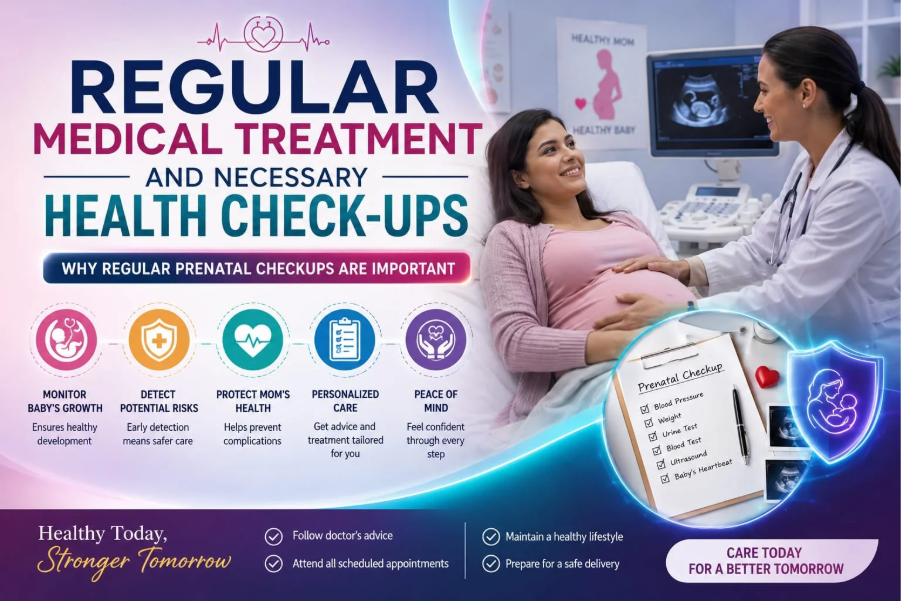
Regular Medical Treatment And Necessary Health Check-Ups 

An important part of Prenatal Wellness Tips is to consult a doctor regularly and get the necessary health tests done. 

Why are regular checkups so important during pregnancy? 

As a result of all these visits, various small things including blood pressure, weight, and baby’s growth are effectively monitored in the mother’s body. If doctors feel the need to do blood tests or other tests, then the tests must be done as per the doctor’s advice. 

Also, even if there is any previous health problem or if any new unusual symptoms appear, you must consult a doctor as soon as possible. Therefore, regular treatment and scheduled tests are important means of monitoring the health of the mother and baby. 

Why Regular Prenatal Checkups Are Important 

Regular medical consultation is a very important and effective way to protect the health of the mother and the baby. As a result, if any abnormal changes are noticed in the mother’s body, it can be treated very quickly. As a result, the mother and baby can remain healthy and well throughout the pregnancy.  It is currently being widely used to monitor the progress of everything during pregnancy. 

The main reason for this is that the changes may start without any obvious symptoms in the beginning, and if they are not treated in time or if necessary measures are not taken, the mother and the baby can be seriously harmed.  

Conclusion  

By following Prenatal Wellness Tips, we can develop some healthy habits that will bring great benefits to ourselves and our future unborn child. At the same time, it becomes easier to avoid being in a state of complete pride and ensure the well-being of the child. During pregnancy, it is also very important to carry out all the activities that are safe for the body, including a balanced diet, adequate water, regular rest, and other activities. 

Teenage Lifestyle Tips For Healthy Growth Better Focus And More Energy 

By following Teenage Lifestyle Tips, you can learn about the various rules for developing healthy habits and master small habits. Which greatly help in ensuring long-term strength and well-being. 

An important question that always comes to our minds is, “Is it really difficult to maintain a healthy body, a good mind, and focus on studies during adolescence?” 

To be honest, this is the most important stage of human physical and mental development. As rapid physical changes occur at this age, so too do thinking, emotions, confidence, and daily decision-making abilities. Therefore, every habit developed at this age can bring about a lasting change in the future lifestyle. 

At this age, adequate sleep and nutritious food should be ensured. Along with this, a habit of doing some physical exercise should be developed. All these things help in keeping the body healthy and increasing the normal functioning and learning ability of the brain. 

On the other hand, if you use too much screen time, sleep irregularly, or develop unhealthy eating habits, the daily performance and attention of that teenager will gradually deteriorate. 

However, you should never try to change everything at once. You should try to build small habits gradually. Regularly coming and following the habits will be most effective. 

Small good habits create the foundation for big changes one day. 

Why Is Healthy Living So Important In Adolescence? 

Following Teenage Lifestyle Tips makes it very easy to develop healthy habits in adolescence. Habits play an important role in future life. The body and brain develop very quickly during this teenage age. Adequate sleep, nutritious food and a mentally balanced lifestyle play a very effective role in increasing mental skills at this age. 

Regular consumption of unhealthy foods can lead to various problems and complications in the long term. Therefore, if you can develop small but consistent habits during adolescence, it is possible to lay a strong foundation for living a healthy life in the future. 

The Role Of Daily Habits In Physical And Mental Development 

  • Adequate sleep: Regular and adequate sleep helps in body growth, brain rest, memory and attention. 
  • Nutritious food: Balanced food provides the body with the necessary nutrients and helps in maintaining the energy required for daily work and studies. 
  • Regular physical activity: Walking, playing sports or exercising helps in keeping the body active as well as increasing mood and mental freshness. 
  • Control screen use: Spending long hours on mobile or other screens can disrupt the balance between sleep, physical activity and study time. 
  • Mental rest: Along with studies and responsibilities, adequate breaks, entertainment and spending time with family help in managing mental stress. 
  • Regular routine: Keeping a fairly fixed time for sleep, meals, studies and exercise every day makes it easier to maintain healthy habits. 
  • Consistency is the most important: Following small good habits regularly is more effective in the long run than making big changes in one day. 

Long-Term Effects Of Adolescent Habits On Future Life 

By following Teenage Lifestyle Tips, the habits developed during adolescence make future life much easier. The most important thing is that by following these small habits for a long time, both the body and the mind remain healthy. 

Along with this, it becomes very easy to develop various habits in other stages of life. By following these rules, laziness is reduced and the body is always functional. 

On the other hand, if life is lived irregularly during adolescence, then changing these habits in the future becomes very complicated. Therefore, small, consistent and realistic habits created during adolescence can build a strong foundation for health, performance and responsible living. 

How Do Small Changes Gradually Become Permanent Habits? 

When it comes to Teenage Lifestyle Tips, small steps are more effective than big changes. Going to bed at the same time every day and studying for a set amount of time will become your daily habits if you follow them for a long time. 

Small Change How It Becomes a Habit Long-Term Benefit 
Fixed Sleep Time Follow it daily Better sleep routine 
Daily Walking Start with short walks Improved physical activity 
Study Schedule Set a regular time Better focus 
Healthy Snacks Keep nutritious options nearby Better food choices 
Screen Breaks Take breaks at fixed intervals Healthier screen habits 
Regular Water Intake Drink water throughout the day Better hydration 

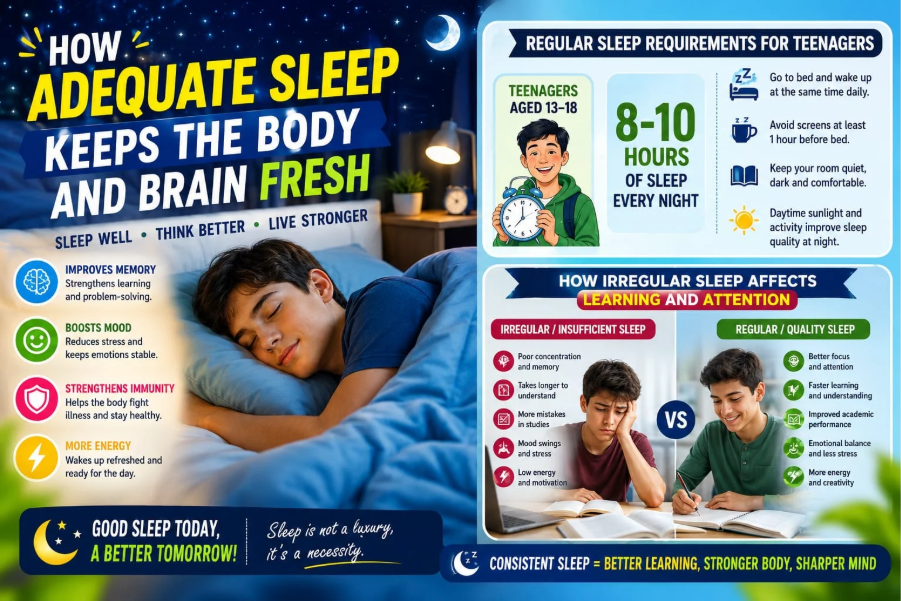
How Adequate Sleep Keeps The Body And Brain Fresh 

A certain amount of sleep is very important for every teenager. The main reason for this is that a certain amount of sleep activates the normal functions of the body and brain. 

During sleep, in addition to resting the body, various complex internal processes are reconstructed and the body continues to develop. A certain amount of sleep also helps in increasing the attention span the next day. It is also very effective in maintaining memory and mood. 

On the other hand, if there is a lack of sleep, you feel tired during the day, your mood is irritable, and it becomes very difficult to maintain attention in studies. Therefore, the habit of sleeping and waking up at a certain time is an important part of a healthy daily routine. 

Regular Sleep Requirements For Teenagers 

  • 8–10 hours of sleep: Helps in the physical and mental development of adolescents. 
  • Brain freshness: Helps maintain memory, learning and attention. 
  • Energy boost: Maintains performance in daily work, studies and sports. 
  • Mood regulation: Helps control emotions by reducing fatigue and restlessness. 
  • Body protection: Supports normal immune function. 

How Irregular Sleep Affects Learning And Attention 

As an important part of Teenage Lifestyle Tips, regular lack of sleep can directly affect learning and concentration. If you form a habit of sleeping too late at night or sleeping at different times every day, you will feel tired in the morning. 

At the same time, your alertness and attention to work will decrease completely. Then, even after reading the same information for a long time, it becomes impossible to remember the correct information. Maintaining a regular sleep schedule is therefore not only important for rest but also for maintaining learning skills and performance. 

Simple And Realistic Night Routine For Good Sleep 

Night Routine Practical Action Why It Helps 
1 Hour Before Bed Reduce screen use Helps the mind wind down 
30 Minutes Before Bed Do a calm activity Prepares the body for sleep 
Fixed Bedtime Sleep at a similar time daily Supports a consistent sleep rhythm 
Comfortable Bedroom Keep the room quiet and comfortable Creates a better sleep environment 
Avoid Late Caffeine Skip caffeinated drinks in the evening Reduces sleep disruption 
Morning Routine Wake up at a consistent time Helps maintain a regular sleep schedule 

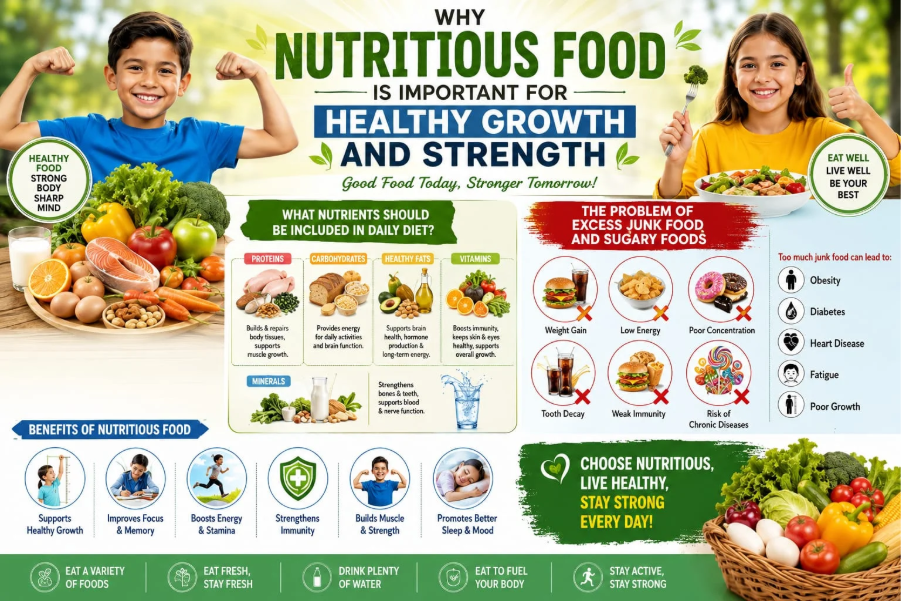
Why Nutritious Food Is Important For Healthy Growth And Strength 

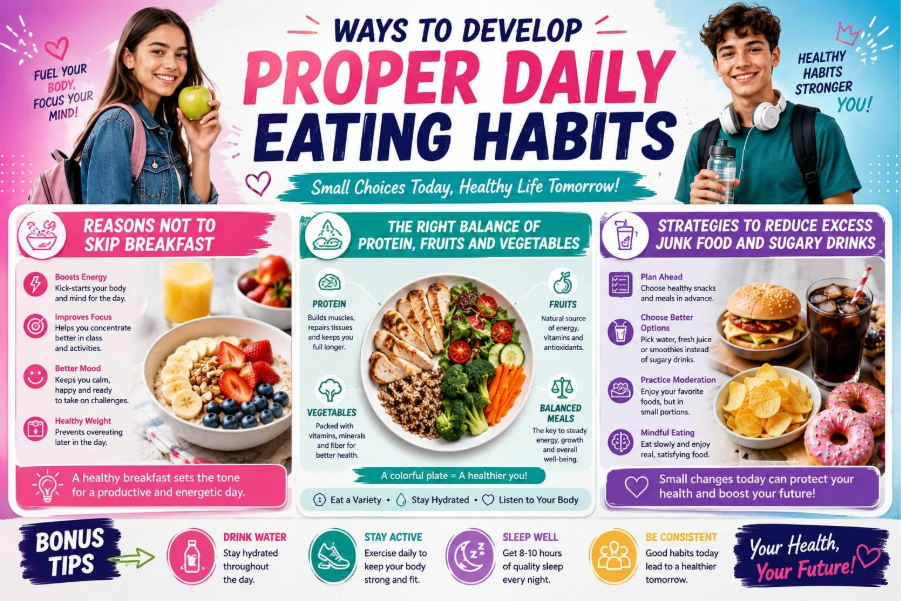
An important aspect of Teenage Lifestyle Tips is nutritious eating habits, as the body undergoes rapid growth and changes during adolescence. A balanced diet provides the body with protein, vitamins, minerals, and essential energy, which helps in growth, brain function, and daily functioning. It is beneficial to have fruits, vegetables, pulses, eggs, fish, or other nutritious sources along with regular meals. On the other hand, excess fast food and sugary foods can disrupt the nutritional balance. 

What Nutrients Should Be Included In Daily Diet? 

  1. Protein: Eggs, fish, meat, milk, pulses and nuts help the body grow and build muscle. 
  1. Carbohydrates: Rice, bread, potatoes and cereals provide the energy needed for daily tasks. 
  1. Healthy fats: Fish, nuts, seeds and vegetable oils help in normal brain function and provide energy. 
  1. Vitamins and minerals: Fruits and vegetables of different colors provide the body with essential vitamins, minerals and other nutrients. 
  1. Calcium: Milk, yogurt and small fish are important for the normal development of bones and teeth. 
  1. Iron: Iron is available from pulses, eggs, meat and vegetables, which is necessary for normal blood function. 
  1. Water and fiber: Adequate water and vegetables, fruits and whole grains help in digestion and maintain normal body function. 

The Problem Of Excess Junk Food And Sugary Foods 

Eating Habit Possible Short-Term Effect Long-Term Concern 
Sugary Drinks Quick energy, followed by a crash Higher risk of excess calorie intake 
Fast Food Heavy feeling and low energy Poor overall diet quality 
Fried Snacks High calorie intake May contribute to unhealthy weight gain 
Sweets & Desserts Temporary energy boost Increased risk of tooth decay 
Frequent Processed Foods Less nutritious meal choices Nutrient gaps over time 
Skipping Balanced Meals Hunger and reduced concentration Poor eating habits may become routine 

How Regular Physical Activity Keeps The Body And Mind Active 

By following Teenage Lifestyle Tips, we can gain special knowledge about the importance of physical exercise. Regular physical exercise plays a very effective role in keeping the mind active and fresh during adolescence. 

Regular walking, playing sports, regular muscle exercises and other exercises that help in normal development can keep the body free from diseases. 

If you are physically healthy, your mind is in a good mood and you also develop the skills to handle stress. Therefore, instead of doing hard exercises, regular and enjoyable activities should be carried out the most. 

The Real Benefits Of Daily Walking And Exercise 

An important aspect of Teenage Lifestyle Tips is regular walking and exercise, which not only keeps teenagers physically active but also increases mental alertness. Some time every day walking, playing sports or age-appropriate exercise helps strengthen muscles and bones, reduce excessive sitting and maintain daily functioning. The habit of being regularly active can build the foundation for a healthy lifestyle in the future. 

  • Increases physical fitness 
  • Helps in bone and muscle development 
  • Helps in increasing attention and mental alertness 
  • Helps in maintaining good mood 
  • Maintains performance in daily tasks 
  • Reduces the harmful effects of sitting for long periods of time 

The Role Of Daily Routine In Increasing Focus In Studies 

One of the most important parts of Teenage Lifestyle Tips is to create a daily routine and manage your work day accordingly. An effective routine helps you to stay focused on various daily tasks including studies. 

Along with this, this daily routine teaches you to use your time properly. Maintaining a fixed time for eating, resting and studying plays an effective role in keeping the brain calm and creative. 

While studying, you should keep away from any kind of electronic media and take small breaks between studying and work. These small breaks are important strategies for maintaining focus. Not excessive pressure, but a consistent and realistic routine is more effective. 

Creating A Balance Between Study Time And Rest 

  • Fixed reading time: Reading at a fixed time every day makes it easier to stay focused on work. 
  • Short breaks: Taking short breaks instead of reading continuously for long periods of time reduces mental fatigue. 
  • Adequate sleep: Instead of reducing sleep and studying excessively, adequate rest should be made a part of the routine. 
  • Breaks from screens: Instead of using mobile phones excessively during reading breaks, it is better to take a walk or rest your eyes. 
  • Realistic goals: Setting a daily reading goal within your ability reduces excess stress and maintains consistency. 

Epilogue 

Teenage Lifestyle Tips outlines the concept of a balanced lifestyle for teenagers to maintain healthy development, good attention and daily performance. Habits formed at this age not only affect current health, but can also lay the foundation for future lifestyles. Therefore, it is important to make adequate sleep, nutritious food, regular physical activity and mental rest a normal part of daily life. 

At the same time, it is necessary to maintain a balance between study pressure, mobile and social media use and entertainment time. Instead of studying or using screens for long periods of time continuously, fixed-time work, short breaks and adequate rest can be more effective. However, no strict rule for a healthy lifestyle will work equally for everyone. It is more realistic to form habits according to age, physical ability, study schedule and family environment. 

Newborn Baby Care

Newborn Baby Care Guide To Build Healthy Daily Habits 

This article will give some very nice tips about easy and practical ways to do Newborn Baby Care. By following which, you can develop healthy habits in the health, cleanliness and safe daily care of the newborn. 

How many times a day should a newborn baby be fed? Or how to create a safe sleeping environment for a newborn baby? 

Those who have already become new parents are quite worried about the above issues. From this worry, numerous questions naturally start to think about them. Those who have become new parents want to understand the needs of the little baby and create a reliable routine of proper daily care but cannot find the right information anywhere. 

You will be happy to hear that this article has been arranged with easy and effective solutions to this problem. 

New parents often make some simple small mistakes without knowing it. Most parents choose the same reason every time as the reason for the baby to cry. On the other hand, there are many who do not give much importance to the issue of sleep safety. 

There are also people who over-cleanse their babies, causing problems for their sensitive skin. 

Table Of Contents 

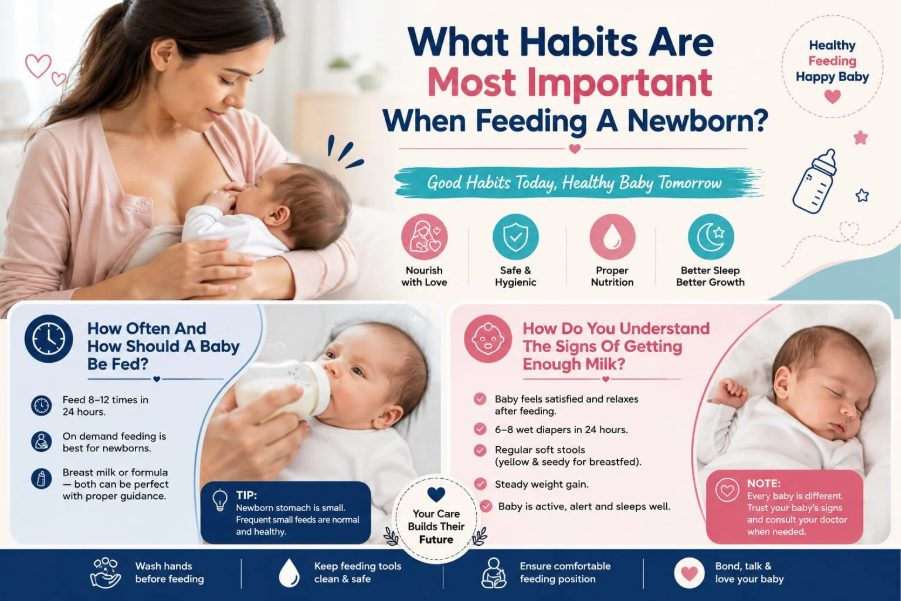
What Habits Are Most Important When Feeding A Newborn? 

The healthy growth of a newborn depends on the correct habits and rules of Newborn Baby Care. Especially, proper eating habits play a very effective role in this regard. 

A newborn baby shows various signals like taking hands to mouth or becoming restless when he is hungry. We should understand all these signs and breastfeed the newborn on time, latch on properly. Along with this, helping a newborn baby to look after itself after feeding is also a very important task. 

It is a good habit to give the most importance to his natural needs rather than force-feeding a baby. 

How Often And How Should A Baby Be Fed? 

  • Watch for hunger cues: It is better to feed your baby based on his/her signs of hunger—looking for his/her mouth, putting his/her hand to his/her mouth, or being restless—than by the clock. 
  • Regular feeding: A breastfed newborn can usually feed about 8-12 times in 24 hours. However, not every baby has the same needs. 
  • Latch correctly: It is important to insert not only the nipple but also some parts around it into the baby’s mouth well. This makes milk intake easier and reduces mother’s discomfort. 
  • Feed at the baby’s pace: There is no need to force feed again if the baby lets go or signals satisfaction. 
  • Burping after feeding: If necessary, hold the baby upright and gently pat the back to help him/her burp. 

How Do You Understand The Signs Of Getting Enough Milk? 

To do Newborn Baby Care, I have to pay special attention to several things. One of them is to ensure that the baby has enough milk. This can be confirmed by looking at several signs. 

For example, if the baby is calm and satisfied after feeding, urinates regularly, and gradually gains weight. If these things occur, it should be assumed that the baby is getting enough milk. In some cases, the baby’s face and skin may also show signs of looking naturally fresh. 

It is not right to make decisions based only on the amount of crying or the softness of the breasts. If the weight does not increase or the urine output decreases abnormally, it is important to consult a doctor. 

What Common Mistakes Should You Avoid When Feeding? 

Common Mistake Why Avoid It? Better Approach 
Feeding on a strict clock only Baby’s hunger needs may vary Watch hunger cues 
Poor latch May reduce effective milk transfer Ensure a deep, comfortable latch 
Forcing the baby to finish Can ignore fullness cues Let the baby stop naturally 
Skipping feeds regularly May affect milk intake Feed frequently as needed 
Ignoring feeding difficulties May delay help when needed Seek professional guidance if concerns persist 

How To Keep A Baby’s Sleeping Environment Safe And Comfortable? 

An important and special part of Newborn Baby Care is creating a safe sleeping environment for a newborn baby. 

A baby should always be placed on a firm and flat bed. Pillows, heavy blankets or soft toys or loose clothes should be avoided in the bed. It is best to keep the room temperature at a tolerable level at all times, it is not advisable to create an environment that is excessively cold or excessively hot. 

A newborn baby’s sleeping place should be kept close to the parents. Along with this, the bed should be cleaned regularly. It should be kept away from any smoke and odorous substances. 

What Things Should Not Be Kept In The Sleeping Area? 

  • Pillows: Pillows should not be placed under a newborn’s head. A flat, firm sleeping surface is safest. 
  • Soft toys: Do not place teddy bears or other soft toys in the baby’s sleeping area. 
  • Loose blankets and sheets: These can cover the baby’s face. Use appropriately fitted sleepwear if necessary. 
  • Bumpers or soft bedding: There is no need to place soft bumpers or extra padding around the crib. 
  • Bottles or feeding items: Bottles should not be placed next to the baby during sleep. 
  • Extra warming materials: Avoid using hot water bags, electric blankets, or extra heavy blankets. 

What Is The Role Of Parents In Creating A Baby’s Sleep Routine? 

As an important part of Newborn Baby Care, parents should maintain patience and consistency in sleep routine. By turning on the dream light every night, creating a sleep environment according to a calm and set temperature, and following some similar simple habits, the baby gradually learns to understand sleep times. 

Discover more here: Causes Of Miscarriage

How To Clean And Care For A Newborn’s Navel? 

Maintaining cleanliness is also a very important aspect of Newborn Baby Care. In addition to keeping the environment around a newborn baby and the baby’s body clean, extra precautions should be taken in caring for the umbilical cord. 

Before touching a newborn’s umbilical cord, you must wash your hands thoroughly with soap and water and clean the area around the umbilical cord and keep the umbilical cord and the area around the umbilical cord dry. 

Using oil, powder, or any household items on the umbilical cord can be harmful. And while putting on a diaper, it should be done in such a way that it is below the umbilical cord. If the umbilical cord is red, swollen, or has a foul-smelling discharge, consult a doctor immediately. 

What Should You Know About Keeping The Navel Area Clean And Dry? 

  • Do not apply any substances: Avoid using oil, powder, ash, turmeric or any household substances on the navel. 
  • Allow for ventilation: Do not wear tight clothing over the navel, but use loose and clean clothing. 
  • Fold the diaper down: Place the front of the diaper below the navel, so that there is no friction or wetness at the base of the navel. 
  • Do not pull on your own: Do not try to pull or tear the remaining part of the navel, even if it is dry; let it fall off naturally. 
  • Watch for unusual symptoms: Seek medical advice immediately if there is redness, swelling, pus or foul-smelling fluid around the navel, or a fever. 

How To Keep Hands And Baby Items Clean? 

Item How to Keep It Clean Important Tip 
Baby’s Hands Gently clean with clean water when needed Keep nails short and clean 
Parents’ Hands Wash with soap and water before touching the baby Especially before feeding 
Feeding Bottles Wash thoroughly after every use Follow proper sterilization guidance 
Pacifiers Clean and sterilize regularly Never clean by putting it in your own mouth 
Towels & Clothes Wash regularly and dry completely Keep them separate and clean 

What Should Parents Know About Baby Skin Care And Bathing? 

In the case of Newborn Baby Care, we should always keep in mind that a newborn’s skin is very soft and sensitive. So we should take extra precautions in this regard. 

Especially when bathing a newborn, lukewarm water should be used. Also, it is better to finish bathing quickly. Gently Clean The Skin With A Mild, Fragrance-Free Cleanser When Needed. After bathing, the water should be gently dried with a soft towel. Try to keep the newborn’s skin folds as dry as possible. 

If the skin is dry, a baby-friendly moisturizer can be used. 

What Gentle Approaches Can Help Care For Sensitive Skin? 

Newborn Baby Care should be as simple and gentle as possible for sensitive skin. Fragrance-free and gentle products can be used before bathing, and the skin should be gently dried with a soft cloth after bathing. 

  • Use gentle products: Avoid products with fragrances and alcohol. 
  • Keep baths short: Do not soak in water for long periods of time. 
  • Handle The Skin Gently: Avoid rubbing and pat it dry with a soft towel. 
  • Wear soft clothing: Choose clean and airy clothing. 
  • Avoid unnecessary products: Consult a specialist before using oils, powders or household ingredients. 
  • Watch for skin changes: Consult a doctor if a rash, sores or unusual redness persists. 

What Should You Do When Your Skin Becomes Red Or Irritated? 

If redness or irritation appears on the skin, the first thing to do is to find out the cause of this rash. This irritation can be caused by various reasons, such as using a new cosmetic, rubbing the skin too much to dry it after bathing, etc. If these problems are noticed, then you should definitely stop using those things. 

If the rash spreads quickly, blisters, pus comes out, or the child has a fever, it is important to consult a doctor without delay. 

What Mistakes Do First-Time Parents Commonly Make In Childcare? 

Those who are new to Newborn Baby Care tend to make some common mistakes due to excessive caution or various misconceptions prevalent in the society. 

Such as dressing the newborn baby with extra clothes, keeping pillows or other soft things in the baby’s sleeping place, feeding the baby at a specific time without understanding the baby’s wetness signals. Along with using different types of oils and home remedies on the navel. Usually these things can be observed significantly. 

Again, it is not right to use unnecessary products just because of a slight rash or crying. If in doubt, it is safe to seek medical advice. 

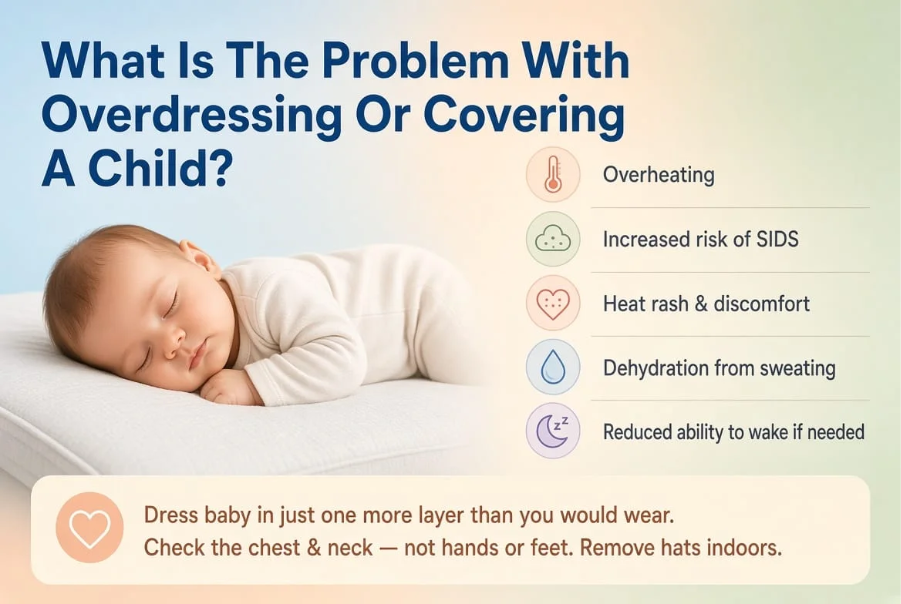
What Is The Problem With Overdressing Or Covering A Child? 

  • Risk of overheating: Wearing too many clothes can increase a baby’s body temperature. 
  • Discomfort and sweating: If your baby is sweating excessively on their neck, chest, or back, you may need to reduce their clothing. 
  • Choose light clothing: Wear comfortable, soft, and breathable clothing according to the weather. 
  • Check the neck or chest: There is no need to add extra clothing if your hands and feet feel cold; try to feel your baby’s neck or chest to see if they are overheated. 
  • Watch out for unusual symptoms: Seek medical attention immediately if you notice excessive sweating, very hot skin, rapid breathing, or unusual lethargy. 

Conclusion 

The main goal of Newborn Baby Care is to create a safe, clean and comfortable environment for the newborn, where his normal growth and development are not hindered. It is very important to feed the baby by understanding his hunger signals, observing whether he is getting enough milk, and maintaining proper habits while feeding. Similarly, it is important to arrange safe sleep, remove pillows and soft objects from the sleeping area, and not cover the baby with excess clothes. 

Keeping the umbilical cord clean and dry, taking gentle care of the baby’s skin, and not using various cosmetics or household items unnecessarily are also part of the newborn’s protection. The biggest responsibility of new parents is to understand the baby’s natural signals and respond patiently. Remember, regular small safe habits create a strong foundation for the baby’s well-being rather than any big event in newborn care. 

Sanjit

Sanjit Das is the founder and primary content creator behind meragadi.com, a dedicated platform for accurate, practical, and easy-to-understand information about cars, bikes, cycles, and scooties. With a strong passion for automobiles and a deep curiosity for how machines work, Sanjit started Carbaar to help everyday users make informed decisions—whether they’re buying a vehicle, comparing models, troubleshooting issues, or simply learning about the latest industry updates. Backed by years of hands-on exploration and real-world experience, Sanjit focuses on delivering content that is simple, reliable, and user-friendly. His goal is to make Carbaar a go-to hub for anyone looking for trustworthy vehicle-related tips, reviews, maintenance guides, and news. When he’s not researching new models or breaking down technical features, Sanjit enjoys riding, testing new vehicles, and helping people choose the right machine based on their needs. Through Carbaar, he aims to empower readers with the knowledge they need to drive smarter, ride safer, and stay updated in the fast-evolving world of automobiles.
10/08/2026
How to maintain mental health during pregnancy

How to maintain mental health during pregnancy easily

How to maintain mental health during pregnancy with daily habits, family support, and calm routines that keep expecting mothers emotionally strong. 

During each month of pregnancy, the mind goes through a lot along with the body. Sometimes tears suddenly come to the eyes, and sometimes the mind is filled with joy for no reason. 

maintain mental health during pregnancy

Recent studies from 2026 and 2027 say that people’s awareness of “How to maintain mental health during pregnancy“ has increased much more than before. Current doctors are also now separately investigating the mother’s mental state in addition to physical examinations at every checkup. Many expectant mothers themselves may not understand what is going on in their minds, only that they feel that everything does not seem normal as before. 

This article discusses in very simple and fluent language how to take care of your mind during this special time and when it is necessary to seek help from others.

Although pregnancy is a very beautiful experience in a woman’s life, it is also a time of physical and emotional changes. During this time, in addition to a new life growing inside the body, countless feelings, doubts and fears also arise in the mother’s mind. We all take more or less care of our bodies, but maintaining mental health is also important, which is often ignored. Therefore, it is important to know how to keep these days worry-free through the love of the entire family and proper habits.

What is the issue?

In simple terms, “How to maintain mental health during pregnancy” means to regularly monitor a mother’s state of mind, her emotions and thoughts during pregnancy. Due to the various fluctuations in hormones inside the body, the feelings inside the mind also change constantly. 

Some people suddenly feel quite restless at this time, while others feel that excessive worry about even small things is gripping their minds.

These are not unusual at all, but this happens in most mothers. However, the main problem is that many people keep these feelings inside their minds without giving them importance and try to continue this mental battle alone. Housework, office responsibilities or countless expectations from people around them – all of them create a great deal of additional pressure on the mind. However, this neglect of the mind also directly affects the body. Therefore, it is wise to move forward without looking at this issue separately, accept the changes in the body and mind naturally.

Hormonal changes and mood swings

mood swings

During pregnancy, the levels of important hormones like estrogen and progesterone in the body change very rapidly. This sudden change causes repeated mood swings. It can be seen that one morning everything seems very good, but the next day you feel tearful or irritable for no apparent reason. 

These incidents happen more in the first three months of pregnancy, but as time goes by, your mood calms down a lot as your body adapts.

It’s not just feeling down

Many people think that this may be a temporary mood swing, and that it will go away on its own after a day or two of rest. But in reality, if you don’t take care of “How to maintain mental health during pregnancy”, this simple mood swing can lead to symptoms like insomnia or severe sleep problems, loss of appetite, or withdrawing from everyone. 

If these feelings continue for a few weeks, it can no longer be called a simple mood swing. Not wanting to talk to people close to you is also a big signal. Therefore, it is very important to keep an eye on your daily feelings and try to understand yourself by taking some time.

Why is this necessary?

When the mother’s mind is calm and cheerful, the entire atmosphere of the house changes. An atmosphere of comfort and joy is also created among other family members. Not only that, the mother’s mental state directly affects the normal growth of the fetus.

 This is why nowadays, doctors take note of the mother’s mental health along with physical examinations and, if necessary, give separate time for open conversations.

This small initiative of the doctor often helps to catch any major mental complications early. When the mother can open up to the doctor about her fears or troubles, it becomes much easier for the doctor to give the right direction.

TopicIf the mind is good and calmIf there is excessive mental stress or anxiety
Mother’s physical conditionBlood pressure is under control, sleep is good, body has energyHigh blood pressure, headache and chronic fatigue
Development of the baby in the wombThe baby is properly formed, born at the right weightThe risk of being born with low birth weight or premature birth
Baby’s behavior after birthThe baby is calm, sleep habits are goodThe baby is overly irritable, sleep is disturbed
Family environmentComfort and mutual love increaseEmotional distance and misunderstanding increase

Taking care of the mind during pregnancy is not just about feeling good temporarily, it is the first foundation for the future well-being of the mother and the new child.

Mother’s well-being

If excessive mental stress remains in the body for a long time, high blood pressure may develop or the normal sleep pattern may be completely destroyed. But if the mind is light and free from worries, the body can also handle these difficult stresses of pregnancy very easily. If there is mental peace, the eating schedule is also regular, which helps ensure the necessary nutrition for the mother’s body.

Relationship with child development

Various scientific studies have shown that prolonged excessive mental anxiety or fear of the mother has a direct impact on the brain structure of the fetus and its mood or sleep pattern after birth. Therefore, “How to maintain mental health during pregnancy” should not be considered only as a matter of the mother alone, but should be seen in conjunction with the child’s well-being. 

A calm mind creates an absolutely safe environment for the child inside the womb, the positive effect of which remains until the child grows up.

Explore more here: What weeks are the second trimester

Who can do this?

There is no special qualification, experience or age requirement for taking care of your mind during pregnancy. Just as a first-time mother can start these habits, so can those who have had children before.

Whether you are a city mother or a rural housewife, an office worker or a stay-at-home mom—this mental well-being is equally important for everyone. Regardless of the family’s ability or financial situation, anyone can adapt these small changes to their daily lives.

                                            [ Equally important for everyone ]

[New mothers]                                     [Working mothers]             [Those with previous stress]

(Eliminating fear of the unknown)     (Managing work stress)           (Regular doctor’s advice)

First-time mothers

As exciting as the experience of becoming pregnant for the first time is, there are many unknown fears. Many times, new mothers cannot understand whether their stomach feelings or mental unrest are normal or something to worry about. Sharing their thoughts with someone experienced at this time can ease a lot of the inner fear and make the mind lighter.

Working mothers

While handling the pressure of office work and family responsibilities at the same time, working mothers often forget to take care of their mind. At the end of the day, physical fatigue weighs on them. In this situation, it is good to talk openly about your current situation with your boss or colleagues at the office, so that the work pressure can be lightened to some extent.

Those who are already under high mental stress

Those who have a history of depression or excessive anxiety before pregnancy, it is necessary to be aware from the beginning. The doctor should be given a clear idea about this at the beginning of pregnancy, so that a good plan can be arranged in advance to handle any situation.

Professional help (counselor/therapist)

If your mind has been feeling heavy for a long time and nothing has helped, then you should talk to a therapist or counselor. This is not a matter of shame, but rather a very wise thing to do. In the current era of 2026, the convenience of getting online therapy through mobile or laptop has become much easier, due to which these suggestions can be taken from home without the hassle of traveling.

How much might it cost? 

Most ways to take care of yourself mentally are free—like talking to your family, walking, or doing breathing exercises—but you can do it for free. However, if you go to a specialist therapist or counselor, you will have to pay a certain fee.

According to current estimates for 2026 and 2027, a typical therapy session in the United States can cost between $100 and $250. However, if you have health insurance, a large part of this cost is covered. Many hospitals are currently including free counseling sessions with their maternity packages. This facility is also available at various community centers or with a monthly subscription to online apps at a low cost.

Insurance and Free Resources 

Various government maternity programs have free mental health helplines for pregnant mothers. It is a good idea to call ahead to find out which counseling services are included in your insurance package.

Advantages and Disadvantages

Just as practicing mindfulness during pregnancy makes every moment of life more beautiful, there may also be some minor challenges in maintaining this practice.

[Advantages] ──> Deep sleep, calm mood, relief from mental fatigue

[Challenges] ──> Finding time in the midst of busyness, hesitation to speak your mind

Advantages

  • Improved sleep and physical strength: Less mental stress leads to better sleep at night, which provides energy to the body throughout the day.
  • Spiritual connection with the child: If the mother is mentally calm, a beautiful emotional bond is created with the baby in the womb.
  • Reduction of fear and anxiety: Unnecessary fears are reduced and a kind of confidence is created in the mind.

Challenges or Disadvantages

Due to various household chores, family responsibilities, or busy work, it becomes difficult for many mothers to take out 15-20 minutes of time for themselves every day. Again, many feel shy to open their minds and talk, thinking that others may not understand their pain.

Finding time can be difficult 

If you find it difficult to find time to set aside due to your busy schedule, then use the small moments between daily tasks. For example, calming your mind with the sound of water during a bath, being silent while having a cup of tea in the afternoon, or lying in bed at night, closing your eyes and thinking about yourself for 5 minutes.

Common Mistakes

While taking care of your mental health during pregnancy, many people unknowingly make some common mistakes that need to be avoided:

  • Ignoring your feelings: It is not right to hide or suppress your feelings by thinking, “Being sad means I can’t be a good mother.”
  • Comparing yourself to others: Comparing yourself to other pregnant women’s happy pictures or videos on social media increases your stress.
  • Considering rest as laziness: Resting as your body needs is not laziness, but rather a necessary means of keeping your baby healthy.
  • Not asking for help from your loved ones: Another common mistake is not asking for help when you are struggling to cope with all your troubles alone.
  • Not telling your doctor: Even if you talk about physical pain, it is not right to hide your sadness or insomnia from your doctor.

Conclusion

It is very important to take care of the mind as well as the body during these beautiful days of pregnancy. Being aware of the topic “How to maintain mental health during pregnancy” means giving both the mother and the child a healthy and beautiful start to life. Taking a little time for yourself in the morning, relaxing at night, or seeking advice from the doctor without hesitation when necessary – these are the small steps that make this special journey peaceful.

With the love of family and the right guidance of the doctor, this long journey of pregnancy becomes much easier and more enjoyable. It is important to remember that expressing your pain or asking for help from others is not a weakness, but rather an expression of absolute love for yourself and your unborn child. Accepting your feelings without avoiding them is the first step to staying healthy. The more we discuss these issues openly in 2026 and 2027, the more our future mothers will be able to begin their motherhood with joy and confidence.

Best Teen Health Tips To Build Healthy Habits For Life 

Learn about the real-world advice on Teen Health Tips and ensure good sleep, nutrition, and mental health in a prescribed manner. These tips are most important in developing long-term healthy habits during adolescence. 

Have you ever thought about how much impact small good habits formed during adolescence can have on future health and self-confidence? 

At this age, the body starts to grow very quickly, along with the fluctuations of hormones. The pressure of studies increases and sometimes neglect of sleep, food, and mental health increases day by day. There are many of us who think that to stay healthy we always have to do complicated procedures and difficult exercises. But the matter is actually not that complicated. In fact, following some simple rules every day can make a big difference in the long run. 

Changing these small habits such as getting enough sleep, eating nutritious food, exercising regularly, and reducing excessive screen time not only strengthens the body but also improves attention and memory. It also prepares us mentally to maintain good relationships with family and friends and express our feelings. 

Our article today highlights practical and easy ways to build a healthy lifestyle as a teenager. It also gives ideas about some effective good habits that can be started today to build a healthy future. Which will make you more productive and confident. 

Why Healthy Habits Are Most Important In Adolescence 

Following Teen Health Tips Healthy and good habits developed during adolescence, i.e. the age of physical activity, can create an important foundation for future physical and mental well-being. During adolescence, physical changes increase very rapidly, along with various hormonal changes. Academic and social pressures also increase suddenly at this age. 

Therefore, adequate sleep and a balanced diet should be taken at this age according to a specific time, and mental care is one of the most important things at this age. 

Studies have shown that if good habits are developed at this age, the risk of weight gain, sleep problems and long-term illness is greatly reduced, and the person becomes confident and focused. 

The Effects Of Rapid Physical Change 

Compared to other ages of human life, the growth of the body begins very rapidly and suddenly during adolescence. Due to hormonal changes, changes in body height, weight and skin color are seen.  

At the same time, the body’s need for adequate nutrition and rest increases to a great extent at this age. Therefore, maintaining a balance of proper eating habits and adequate sleep is very important at this age. 

Notable Effects 

  • Rapid height and weight gain – the body needs extra nutrition. 
  • Hormonal changes – acne and increased sweating may occur on the skin. 
  • Energy fluctuations – fatigue occurs quickly if there is little rest. 

  • Emotional changes – mood can change rapidly. 

  • Confidence challenges – discomfort may arise with body changes. 

The Foundation For Future Health And Performance 

By following Teen Health Tips, you can gain an idea about the healthy habits developed during adolescence. These habits will play an important role in maintaining physical fitness and mental stability in the future. Nutritious food and physical exercise can protect people from major long-term risk diseases and are very effective in increasing productivity. 

Habit Long-Term Benefits 
Get Enough Sleep Increased memory and attention 
Balanced Diet Increased energy and immunity 
Regular Exercise Keeping bones and muscles strong 
Mental Care Coping with stress and increasing confidence 

Ways To Develop Proper Daily Eating Habits 

To develop a proper daily diet, you should eat a balanced diet at a specific time. Nowadays, there are many people who sleep late and skip breakfast. This should not be done at all. A balance of carbohydrates, proteins and other vegetables should be maintained in each meal. 

Physical growth occurs very rapidly during adolescence, so eggs, fish, pulses and other green vegetables should be included in your daily diet. Along with this, you should eat less fried foods or fast food and soft drinks. Drinking enough water improves digestion and increases attention and learning ability. 

Reasons Not To Skip Breakfast 

According to Teen Health Tips, we should never skip breakfast. The main reason for this is that after a long night’s sleep, the body needs to get new energy and nutrients. Eating nutritious foods in the morning helps the blood sugar levels return to normal. 

As a result, the day starts well, attention can be maintained in any task and memory works well. Along with this, excessive fatigue is also eliminated. 

Breakfast should include eggs, milk, fruits, etc. in teenagers. These contain the necessary proteins, vitamins and other energy that effectively help them stay active and focused throughout the day. 

The Right Balance Of Protein, Fruits And Vegetables 

Food Ingredients Simple Daily Goals Benefits 
Protein 2–3 Times Helps build, grow, and maintain muscle strength for a long time 
Fruit 2 Times Provides vitamins, minerals and antioxidants 
Vegetables 3–5 Times Increases fiber, improves digestion, and helps prevent disease 
A Perfect Plate For A Meal 
1/4 portion: protein (eggs, fish, chicken, lentils or chickpeas) 
1/4 portion: Carbohydrates like rice, bread, or oats 
1/2 portion: colorful vegetables and a little fruit 

[Special Note: Try to include at least one protein source, one fruit, and one cup of vegetables in your daily meals.] 

Strategies To Reduce Excess Junk Food And Sugary Drinks 

Following Teen Health Tips makes it much easier to cut down on excess junk food and sugary drinks. Eating too much of these foods during adolescence can increase the risk of weight gain, tooth decay, and fatigue. Therefore, making small but consistent changes to your daily diet will yield the most effective results in the long run. 

  • Soft drink replacement: Choose water, lemonade or coconut water 
  • Healthy snack choice: Eat fruits, nuts or yogurt instead of chips 
  • Portion control: Eat small portions of food instead of large packets 
  • Sugar reduction: Gradually reduce your daily sugary drinks 
  • Label checking: Avoid products with “Added Sugar” 
  • Smart habit: Reduce eating while watching TV or using your mobile phone 

The Importance Of Adequate Sleep And Good Sleep Habits 

According to Teen Health Tips, adequate sleep is very important for the physical growth and brain function of teenagers. Therefore, a teenager should sleep for 8 to 10 hours every day. This adequate sleep will increase his memory, helping greatly in improving attention and immunity. 

To create a good sleep habit, you should go to bed at a specific time every day and wake up at a specific time. Along with this, you should stop using mobile or other 3D screens before sleeping. 

You should create a slightly dark and comfortable environment for sleeping. This will reduce fatigue and maintain the body’s performance throughout the day. 

How Many Hours Of Sleep Do You Need? 

Age Daily Sleep 
6–12 Years 9-12 hours  
13-18 Years 8-10 hours 
18-25 Years 7-9 hours 
26-64 Years 7-9 hours 
65+ Years 7-8 hours 

Tips: 8–10 hours of sleep per day is most beneficial for teenagers. It improves attention, memory, and physical growth. 

Harmful Effects Of Staying Up Late At Night 

  • Decreased attention: Not getting enough sleep makes it difficult to stay focused while studying or working and increases the tendency to make mistakes. 
  • Weakened memory: The brain stores and organizes information during sleep. Regular nighttime waking can make it difficult to remember new information. 
  • Irritable mood: Lack of sleep can increase irritability, anxiety, and stress. 
  • Decreased immunity: Prolonged lack of sleep can make the body less effective at fighting infections. 
  • Risk of weight gain: Waking up at night can disrupt the balance of hormones that control appetite, leading to an increased tendency to overeat. 

How Regular Exercise Changes Daily Life 

If a teenager follows Teen Health Tips in his daily life, then in the future he will be able to get rid of long-term complex and difficult diseases. 

Because regular physical exercise not only keeps the body fit but also plays an important role in increasing the performance of daily life. A teenager should walk for 30 to 60 minutes every day, cycling or light exercise increases energy and keeps the mind fresh. If the mind is cheerful, it becomes very easy to maintain attention to anything. 

You may also read: Baby Sleep Routine By Age From Newborn To 12 Months

Physical exercise improves the quality of sleep, reduces mental stress and is very effective in reducing the risk of various complex and difficult diseases. As a result, a teenager learns to live a more confident and autonomous life. 

Benefits Of Walking, Running And Sports 

According to Teen Health Tips, if a teenager can consistently practice small habits, he will be able to notice significant changes in his future life and his current life. He will be less affected than others and will be able to maintain a lot more attention. 

  • 🔹 Heart health: Regular walking and running help increase the efficiency of the heart. 
  • 🔹 Lungs work better: Oxygen supply to the body increases and breathing becomes more efficient. 
  • 🔹 Stamina increases: Energy is created to work or play for a long time. 
  • 🔹 Stress is reduced: Physical exercise increases the release of feel-good chemicals in the brain. 
  • 🔹 Sleep quality improves: Regular physical activity helps in deep and restful sleep. 

Personal Hygiene And Health Protection 

Personal hygiene is very important for staying healthy during adolescence. Bathing daily, washing hands regularly with soap, wearing clean clothes, and taking care of your teeth and nails can help reduce the risk of infection. Washing your hands after coming from outside and before eating can help prevent the spread of many germs. 

Clean habits not only keep your body healthy, but also boost your confidence and help you feel more comfortable in school, sports, and social activities. 

Regular Hand Washing And Hygiene 

By following Teen Health Tips, it is possible to form some small good habits regularly. For example, regular hand washing is a very important personal hygiene habit to stay healthy in the long term. 

We must wash our hands for at least one minute before eating and after using the toilet. Also, we must wash our hands very well with soap or hand wash after returning home from outside. As a result, the risk of life-threatening infections is greatly reduced. 

In addition, wearing clean clothes, keeping nails short, and bathing daily are very important habits. Also, keeping your personal belongings clean is very important to stay healthy in the long term. 

What To Do If You Develop Symptoms Of Illness 

  • If you feel unwell, get adequate rest first. 
  • If you have symptoms such as fever, cough, sore throat or shortness of breath, seek immediate medical attention. 
  • Drink plenty of water and fluids to avoid dehydration. 
  • Try to eat nutritious and easily digestible foods. 
  • Do not take antibiotics or additional medications on your own. 
  • Monitor your body temperature and other symptoms regularly. 
  • Use a mask if necessary to avoid infecting others and keep your hands clean. 
  • Seek emergency medical attention if you have severe shortness of breath, chest pain, unconsciousness or seizures. 

Key Lessons For Building A Healthy Life In The Long Term 

The key to building a long-term healthy life is to make small good habits a part of your daily life. Regular exercise, adequate sleep, nutritious food, drinking enough water, and stress management—all of these things together help maintain a healthy body and mind. In addition, personal hygiene, controlling screen time, and the habit of taking necessary measures quickly when sick reduce the risk of various diseases in the future. A healthy life is not built in a day; it is the result of conscious and consistent decisions. 

Conclusion 

Following Teen Health Tips is not only important for staying healthy during adolescence, but also for long-term health protection in the future. 

Adolescence is a time when habits form that affect a lifetime of lifestyle choices. Simple habits like exercising regularly, eating nutritious foods, getting enough sleep, and drinking enough water help keep the body healthy and functioning. At the same time, maintaining personal hygiene, washing hands regularly, and taking necessary measures quickly when symptoms of illness appear reduce infections and other health risks. 

Creating healthy routines today is a meaningful investment that supports a healthier future. 

Scroll to Top