
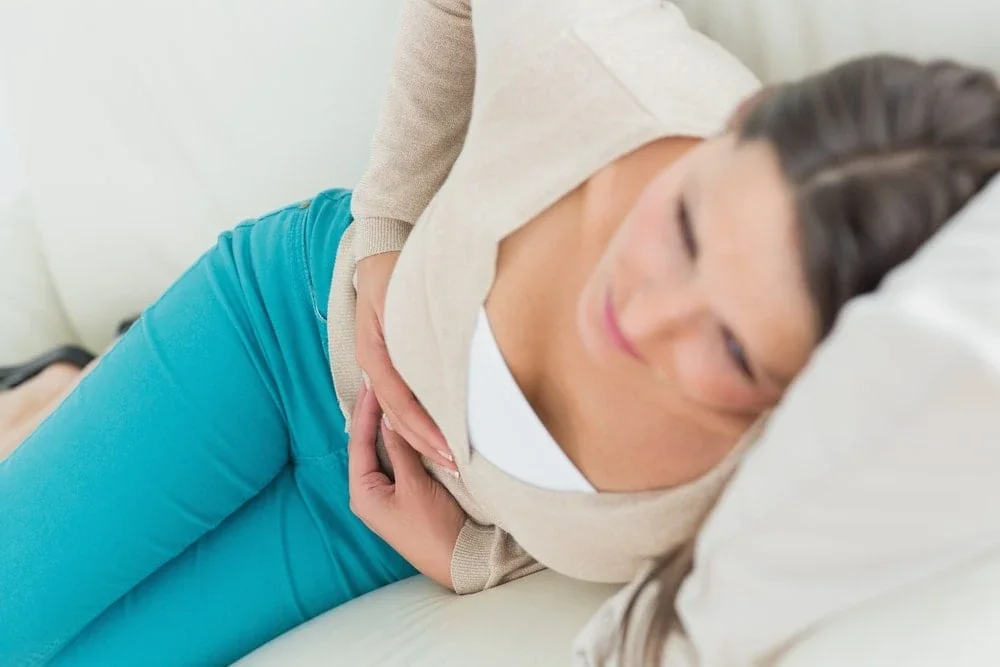
Light twisting or biting in the stomach (which we call cramping) is a very common thing cramping in early pragnancy. New mothers often get quite scared about it, thinking that everything is fine? Actually, when your uterus starts to grow and makes room for the little life there, the surrounding muscles get a little tight and this feels like pain.
Much like the feeling before your period. There is nothing to be afraid of, but it is a kind of signal of your body preparing. However, if this pain becomes unbearable or any other problem occurs, then you need to be a little aware. In fact, in these early days of pregnancy, the body needs a little extra love and care. By making some small changes in your normal lifestyle, it is possible to overcome these discomforts easily.
Why do cramping in early pragnancy?
cramping in early pragnancy can feel a lot like the pain you feel before your period. Many times, new mothers think their period is over, but in reality, something else is going on inside. This cramping occurs when your uterus is making room for the fetus and the walls of your uterus are slowly growing. In addition, a huge hormonal shift can slow down your digestive process, which can also cause cramping from gas or constipation. Simply put, your body is now building a safe home for a little one, and it’s normal to feel a little tension or pressure while preparing that home. It’s wise to take care of yourself during this time rather than getting angry or scared at your body.
Find out exactly what causes this cramping or pulling sensation in the stomach:
Implantation: When the embryo implants itself into the uterine wall at the very beginning of pregnancy, many people may experience mild cramping or a small amount of blood. This is completely normal.
Uterine dilation: As the baby grows, the uterus grows larger. During this growth, the surrounding ligaments and muscles become tense, which can cause cramping.
Hormonal changes: Pregnancy hormones relax your muscles, which slows down digestion and causes gas in the stomach to twist.
Increased blood flow: Your body is now moving a lot more blood around the uterus. This increased blood pressure can also cause a heavy feeling or pulling sensation in the lower abdomen.
Physical fatigue or dehydration: If you don’t drink enough water throughout the day or move around too much, your uterine muscles can become tired and rebel, which manifests as cramping.
What cramping in early pragnancy usually feel like
The feeling of being pinched or twisted in your stomach during early pregnancy can feel different for everyone. However, most women compare it to period pain. You may feel like someone is gently pinching your lower abdomen or pulling on your inner muscles. Sometimes your stomach may feel a little heavy or tight. This feeling is usually not very intense but comes and goes. Especially if you suddenly get up from the couch, laugh out loud or cough, you may feel a sudden pull on one side of your stomach. Simply put, your body is now making room for the new guest and the little noises or vibrations you are feeling as you rearrange the room are that cramping.
Usually, these types of pain are as follows:
Period-like light stinging: A dull or mild pain is felt in the lower abdomen, just like when menstruation is about to begin.
Sudden pulling: A sharp pulling may be felt on one or both sides of the abdomen when you suddenly stand up from sitting or when turning to the side.
Heavy feeling: A constant feeling of pressure or heaviness in the lower abdomen that decreases with rest.
Twisting due to gas: Sometimes the pain can move from one place to another in the abdomen, which is mainly caused by gas.
Short-term duration: This pain usually does not last very long and resolves on its own after a few seconds or minutes.
Difference between cramping in early pragnancy and period pain
Many people confuse early pregnancy cramping with period pain because both occur in the lower abdomen and the feeling is very similar. However, if you pay attention, you will see that there are several differences between them. Period pain usually lasts for a long time and its intensity increases over time until the period clears. But pregnancy cramping is a little different. It comes and goes quite suddenly. You can call it a “game of hide and seek”. This gentle pulling is felt when the body relaxes the muscles of the uterus for a new life. Unlike period pain, it does not completely stop your daily activities but remains as a mild discomfort. In general terms, period pain is a signal of cleansing the body and pregnancy cramping is a joyful signal of preparing the house for a new life.
Easily recognize the differences between these two pains:
Permanence of pain: Period pain usually lasts for a few days. On the other hand, cramping in early pragnancy come in short bursts and subside within a few minutes or less.
Pain intensity: Period pain can be unbearable and does not subside without medication. However, in early pregnancy, the pain is quite mild and tolerable.
Location of pain: Menstrual pain spreads throughout the lower abdomen or waist. Pregnancy cramps are often felt on one side or right in the middle of the uterus.
Type of bleeding: There is a lot of bleeding during menstruation. But if there is blood with pregnancy cramps, it will be very little, which we call spotting.
Other symptoms: Menstrual pain is usually not accompanied by nausea or palpitations. But pregnancy cramps may be accompanied by symptoms like dizziness, weakness, or breast pain.
How long can cramping in early pragnancy be normal?
Many expectant mothers worry about how long this tingling or twisting feeling in the abdomen will last in early pregnancy. In fact, this cramping is usually most common in the first three months or the first trimester. This is because the uterus starts to change itself the fastest during this time. As the uterus grows to make room for the baby, the muscles and ligaments around it become very tense. In some cases, this discomfort can last from a few weeks to a month, while in others, it comes and goes throughout the entire three months. Simply put, until your body is fully adapting to this huge change of pregnancy, this ‘light twisting’ is considered normal from time to time. However, remember that it will not be like a pulling pain but will come and go.
Here’s how long and when this discomfort can be normal:
Implantation cramping: The mild cramping that occurs when the egg implants in the uterus can usually last for the first 1 to 2 weeks of pregnancy.
First Trimester: It is normal to feel the tightening that occurs due to the uterus growing from 12 to 14 weeks of pregnancy.
Sudden movement pain: Sometimes, even after 3 months, you may feel a tightening sensation on one side when you suddenly sneeze, cough, or turn around, which doctors call ’round ligament pain’.
Pain due to gas: If you have digestive problems due to pregnancy, you may experience occasional stomach cramps throughout the entire 9 months, which is not a sign of danger.
Relieves with rest: If your cramping goes away after a while of rest, then you should know that your body is fine and there is nothing to worry about.
What to do to get relief from cramping in early pragnancy
When you start feeling a slight twisting or biting sensation in your stomach, the real thing is to try to calm your body down a bit without getting restless. Most of the time, this pain occurs when your body is very tired or when the uterine muscles are a little tense. Simply put, your body is asking you for a little extra time and rest. We can reduce this discomfort a lot by changing some small habits in our daily lives or by using some simple home remedies. Remember that in these early days of pregnancy, your body is preparing a house for your unborn child, so giving yourself a little comfort means keeping your child comfortable too. If you are a little aware and follow the rules below, you will see that this feeling of stomach cramps has become tolerable very quickly.
You can try these things to reduce discomfort and find peace:
Lie down for a while: As soon as you feel a tightening in your stomach, stop doing your work and lie down a little. Lying on the left side improves blood circulation in the body and reduces pressure on the uterus, which works like magic to reduce pain.
Drink enough water: If the body is dry or dehydrated, the muscles become more tense. So sip water, coconut water or fruit juice throughout the day.
Light heat: Heat a hot water bag or towel and hold it lightly on the lower abdomen or waist. This Om relaxes the muscles and provides instant relief.
Sit comfortably: Do not stand for long. While sitting, place a soft cushion behind your back and raise your legs a little higher on a stool.
Bath in warm water: Taking a bath with lukewarm water that is not too hot but suits the body temperature relaxes the muscles of the whole body and also makes the mind feel alert.
Pay attention to gas: Sometimes, stomach aches can also be caused by gas. So avoid fried, burnt or overly spicy foods and make a habit of eating small amounts frequently.
What kind of cramping is not normal
Just as some stomach cramps are normal in early pregnancy, some pains can also be a sign of something more serious. We often mistake all kinds of pain as ‘common symptoms of pregnancy’. But remember, if your body hurts more than usual or if the type of pain is different, then you should understand that there may be a problem inside. Especially if you have an early pregnancy sporting look, it is important to keep a close eye on the intensity of the pain. Simply put, pain that is stopping your daily activities or making you restless should not be ignored. At this time, it is the safest decision for you and your baby to be careful and not sit around saying “let’s see what happens”.
If you see the following signs, you will know that this cramping is not normal:
Severe and unbearable pain: If the stomach pain is much worse than your period and does not subside in any way, it can be a sign of danger.
Severe pain on one side: If there is severe and sharp pain on one side of the abdomen (right or left), then it can be a sign of ‘ectopic pregnancy’ (pregnancy outside the uterus).
Bleeding or spotting: If red or brown blood is seen along with the pain, then you should consult a doctor without delay. This can be an early sign of miscarriage.
Fever or chills: If you have a fever or severe chills along with the pain in the abdomen, then it is important to understand that there is an infection in the body.
Dizziness or fainting: If the pain makes your vision blurry, you feel dizzy or you feel like you are about to fall, then this is a major emergency signal from the body.
Burning during urination: If you have a burning or painful sensation while urinating along with the pain in the lower abdomen, it can be a sign of a urine infection.
Confusing cramping with gas or digestive problems
In the beginning of pregnancy, many mothers get scared when they see stomach cramps, but the real culprit behind it may be gas accumulated in the stomach. After pregnancy, the hormone ‘progesterone’ increases a lot in the body, which makes your digestive process completely sluggish. Due to the delay in digesting food properly, gas accumulates in the stomach, causing bloating and sometimes cramps. Many times, we increase our anxiety by thinking that this gas pain is uterine pain or something scary. In simple words, just as your uterus may be straining to grow, the pressure of air accumulated in the intestines can also cause your stomach to twist. If you understand the difference between the two, half of your fear will be gone and you will be able to understand when eating a little isabgul husk or water will work and when to rest.
Some easy ways to understand whether the pain is due to gas or not
Change in the location of the pain: Uterine cramping is usually fixed in the middle of the lower abdomen or on one side. But gas pain can move from side to side throughout the stomach.
Relationship with eating: If you notice that the twisting increases after eating something heavy or after being on an empty stomach for a long time, then you should understand that it is a digestive problem.
Flatulence and noise: If the pain is accompanied by a bloated stomach and a rumbling sound inside the stomach, then rest assured that it is nothing more than gas.
Relief from burping or passing air: If you notice sour burping or the stomach pain is decreasing after passing air, then there is no reason to worry.
Bowel irregularities: Constipation is very common during pregnancy. If the stomach is not cleaned regularly, severe cramps or twisting may be felt in the stomach due to the pressure of that solid waste.
Can stress increase cramping in early pragnancy?
Many of us think that stomach cramps only mean a problem inside the body. But the interesting thing is that if your mind is restless or if you worry too much, it has a direct effect on your body. When you are very tense about something, your body produces a type of stress hormone called ‘cortisol’. This hormone tightens the muscles of your body. Since the uterus is also a muscle, due to stress, the muscles of the uterus also get tense and start twisting. In simple words, when you keep fear or anxiety in your mind, your body expresses that fear through ‘stomach cramps’ or cramping. So keeping your mind calm during this time is not only a matter of hobby but also very important for your physical well-being.
How stress can increase the feeling of biting in your stomach:
Muscle tightening: When we tense up, we unconsciously tighten our bodies, which puts extra pressure on the ligaments around the uterus and increases pain.
Increased pain: When we are upset or worried, our body’s tolerance decreases. As a result, even normal or normal cramping may seem much more painful to you.
Disturbance in digestion: Stress disrupts the functioning of your stomach and intestines. This causes more gas to accumulate in the stomach and the pressure of that gas starts causing unbearable cramps.
Sleep disturbances: If you don’t sleep at night due to anxiety, the body does not get enough rest. A tired body cannot handle the minor changes of pregnancy, resulting in increased cramping.
Hypersensitivity of the uterus: When you are under prolonged stress, the nerves in the body are excited, which can occasionally cause mild vibrations or twitching in the walls of the uterus.
When should you definitely consult a doctor?
Although mild cramping or pulling is common in early pregnancy, there are some symptoms that you should not delay at all. We often think, “It will probably be fine in a while” or “The elders of the house say that these are normal”. But ignoring your body when it gives you severe signals means putting your life and that of your unborn child at risk. Especially if you have an early pregnancy sporting look, you should take even the slightest change in pain seriously. Simply put, the wisest thing to do is to seek immediate medical attention without relying on any home remedies when you are experiencing pain that is making you cringe or when you are experiencing any other unusual changes in your body.
If the following conditions occur, contact a doctor without delay:
Heavy bleeding: If cramping or pain is accompanied by bright red bleeding (which is similar to or more than a period), it may be a sign of miscarriage.
Unbearable unilateral pain: If there is severe sharp or stabbing pain on only one side of the abdomen (right or left), it can be a sign of an ectopic pregnancy, which is a medical emergency.
Fever with chills: If the body temperature increases with abdominal pain and chills, it is important to understand that there is a major infection in the uterus or urinary tract.
Severe headache and blurred vision: If you feel dizzy, blurred vision or fainting along with the pain, do not delay.
Abnormal vaginal discharge: If the pain is accompanied by a foul-smelling discharge or a lot of fluid, it can be a sign of infection or another problem.
Pain that does not subside even after resting: If you find that the intensity of the pain does not decrease even after lying down, but rather increases over time, then it is definitely a matter of concern.
Conclusion
Mild cramping or cramping in the stomach during early pregnancy is nothing to be afraid of, but rather a part of the huge changes taking place inside your body. It is very normal to feel a little tension as your body prepares itself, from the growing uterus to the fluctuating hormones. However, the most important thing at this time is to understand your body language. Putting aside work when your body wants to rest drinking enough water and keeping your mind relaxed are the small habits that will make this journey of your pregnancy much easier and more enjoyable. Remember that becoming a mother is a joyful journey, but being aware of yourself during this time is also your first responsibility to your unborn child.