
Fertility problems | Momvity

Infertility In Women

Infertility In Women Best Ways To Improve Fertility Naturally 

Get detailed knowledge about Infertility In Women. You can learn about its causes, symptoms and how to lead a healthy lifestyle to increase fertility naturally through today’s article. 

Have you been trying to conceive for a long time but are not getting the expected results? 

Many people are currently in the same situation mentioned. It is quite normal to get frustrated in this situation. However, it is very important for us to know the right information because only if the right problem of conceiving a child can be identified, then it will be possible to provide an effective solution. 

The dream of becoming a mother is a very important chapter in the life of almost every woman in the world. But due to various physical problems or hormonal problems, obstacles can arise in pregnancy. Pregnancy problems have already started due to the unhealthy lifestyle of the present time. However, the idea that this temporary problem means that it is impossible to enjoy motherhood in the future is not entirely correct. 

Many women of today have been able to successfully overcome these channels by developing modern medical methods and healthy habits. Therefore, it is very important to seek expert medical advice and realistic knowledge without having any misconceptions about this issue. 

In our article today, we will discuss the possible causes of this disease, its early symptoms or risk factors, and the diagnosis method. Which are of course acceptable according to the advice of an expert doctor and the simple solutions will be mentioned very simply in this article. 

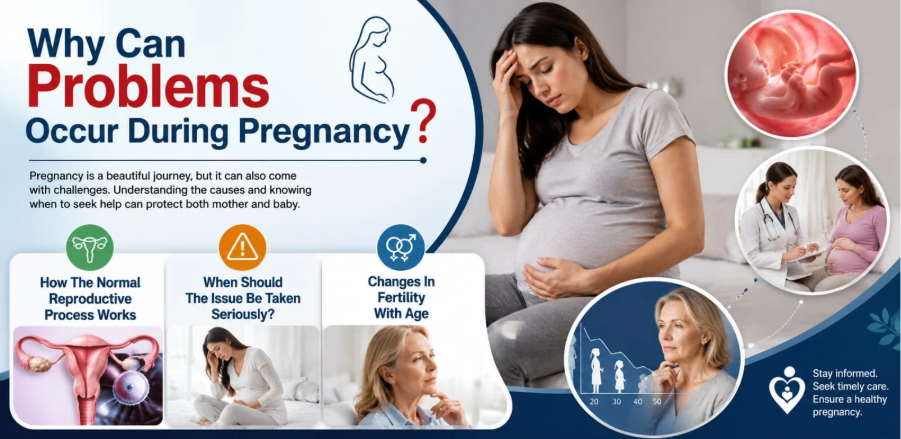
Why Can Problems Occur During Pregnancy? 

Infertility In Women This problem is most often caused by hormonal imbalance or irregular ovulation. In some cases, women are temporarily unable to have children due to problems with the fallopian tubes or due to some chronic complex diseases. 

It is also related to increasing age. Sometimes, reproductive health can be affected due to excessive smoking or mental stress or due to unhealthy lifestyle. 

If we cannot identify the causes at the right time, then various complications of having children in the long term can arise. If the disease is identified at the right time, following the doctor’s advice can be beneficial in many cases. 

How The Normal Reproductive Process Works 

If we observe the normal reproductive process, we see that a mature egg is released from the ovary every month. This egg is released from the ovary and reaches the fallopian tube. When a mature egg reaches the fallopian tube, if the egg meets the sperm, “a fertilized egg is formed”This fertilized egg later goes to the uterus and attaches itself. 

If the mother has the right balance of hormones and healthy ovaries and the fertilized egg attaches itself to the uterus normally, then there is a sure possibility of pregnancy. If there is a problem in any of the stages, various complications can arise during pregnancy. 

When Should The Issue Be Taken Seriously? 

We should not be concerned about Infertility In Women only when the problem comes to our attention. If pregnancy does not occur after one year of regular unprotected intercourse under the age of 34 or six months after the age of 34, then we must consult a specialist doctor. 

Also, if there is irregular menstruation, severe pelvic pain or known reproductive diseases, treatment should be started as soon as possible by consulting a specialist doctor. If a decision is not made quickly on this matter, it is never possible to receive appropriate treatment. 

Changes In Fertility With Age 

Age Stages Changes In Fertility Suggestions To Do 
20–29 years Fertility is usually highest and egg quality is good. Maintain a healthy lifestyle and get regular health checkups. 
30–34 years Fertility gradually begins to decline, but most women can still conceive naturally. If you are planning to get pregnant, it is best not to delay unnecessarily. 
35–37 years The number and quality of eggs begin to decline rapidly, reducing the chances of pregnancy. If you are unable to conceive after six months of trying, you should seek the advice of a specialist. 
38–40 years The chances of pregnancy may decrease further and the risk of miscarriage or chromosomal complications may increase. It is important to receive a prompt evaluation, necessary tests, and treatment plan. 

Note: This is a general guideline. Fertility changes can vary from person to person. Therefore, in addition to age, personal health, hormonal status, and medical history are equally important. 

You may also read: caffeine before pregnancy

Early Signs And Warning Signs 

Infertility In Women is a subject that needs to be understood. Many times, various types of pregnancy-related problems can occur without any obvious symptoms in the beginning. However, pregnancy may not occur even after trying for a long time or the menstrual cycle may suddenly stop due to irregularity. 

Also, prolonged pain in the lower abdomen or hormonal imbalance can cause various symptoms such as excessive hair growth and skin changes. Because these symptoms can be associated with pregnancy complications, they should never be taken lightly. If the diseases are identified in a short time, it becomes easier to receive appropriate treatment. 

Abnormal Changes In Menstrual Cycle 

Irregularity in the menstrual cycle is considered to be the most important sign of reproductive health. Long-term absence of menstruation, irregular bleeding (excessive bleeding or very little bleeding), changes in menstrual periods, and excessive pain during menstruation indicate a complex problem. 

This problem is called ovulation problems. However, specific irregularities are not the only symptoms of the disease. A gynecologist should be consulted to diagnose these diseases. 

Physical And Hormonal Symptoms 

Infertility In Women often begins to manifest itself through physical and hormonal symptoms. Some hormonal symptoms include irregular or prolonged menstrual cycles, excessive bleeding, or abnormal hair growth. 

Sometimes, symptoms such as thinning hair on the head can also be noticeable. In addition, if ovulation problems occur, pregnancy can be delayed. If you develop any of these symptoms, a specialist doctor can provide the appropriate diagnosis and treatment. 

When To Seek Specialist Advice 

Symptoms Or Conditions When To See A Doctor 
Not Getting Pregnant Within 1 Year (If you are under 35 years of age) 
Not Getting Pregnant After 6 Months (If you are 35 years old or older) 
Irregular Or Absent Menstruation Seek expert advice quickly. 
Recurrent Miscarriage Get tested to determine the cause. 
Hormonal Symptoms If you have excessive acne, hair growth, or unusual weight changes. 

How To Correctly Diagnose The Disease 

The correct diagnosis of Infertility In Women is not only made by looking at the symptoms, but also through various medical tests in a step-by-step manner. First, the doctor evaluates the patient’s health history, menstrual cycle, and lifestyle information. Then, as needed, hormone tests, ultrasound, ovulation monitoring, and fallopian tube function tests are performed. In addition, a semen test of the male partner is also important, because the cause of infertility can lie in both partners. Correct diagnosis is the first step in effective treatment. 

Required Physical Assessment 

A physical examination helps doctors identify the factors that may be responsible for infertility. During this time, the doctor evaluates height, weight, body mass index (BMI), blood pressure, and the overall condition of the reproductive organs. They also check for signs of excess hair, acne, thyroid problems, or hormonal imbalances. 

This information serves as a guide for identifying the probable causes and determining the most appropriate diagnostic and treatment plan. 

Laboratory Tests And Imaging 

Laboratory tests and imaging play a very important role in diagnosing Infertility In Women. Blood tests evaluate hormone levels, thyroid function, and ovarian function. In addition, ultrasounds look at the structure of the uterus and ovaries, cysts, or fibroids. 

If necessary, hysterosalpingography (HSG) is performed to check whether the fallopian tubes are open. The combined results of these tests help the doctor diagnose the exact cause and plan an effective treatment plan. 

Effective Ways To Improve Reproductive Health Naturally 

If we want to know about the process of improving the reproductive system naturally, then we must develop some good habits in our daily lives. We must constantly consume nutritious and healthy food and avoid excess fat or fatty foods. We must exercise regularly at a specific time and maintain a balance of adequate rest and sleep. Building the healthy habits discussed above can play an important role in balancing hormones. 

In addition, we must avoid smoking, drinking alcohol or excessive alcohol. We must also keep ourselves stress-free. 

In addition, we must drink enough water and eat vitamin-rich foods. The most important thing that must always be monitored is “regular menstrual cycle”. If there are problems related to pregnancy for a long time, then we must consult a fertility specialist doctor. 

Along with this, we must live a healthy life, only if we are healthy, the chances of having a healthy child increase. 

Nutritious Food And Essential Nutrients 

Infertility In Women A nutritious diet plays an important role in preventing and maintaining good reproductive health. Including vegetables, seasonal fruits, whole grains, eggs, fish, milk, pulses and healthy fats in your daily diet will provide the body with the necessary nutrients. 

In particular, folic acid, iron, zinc, vitamin D and omega-3 fatty acids help maintain normal hormone function and ovarian health. In addition, eating less excess sugar, processed foods and trans fats is equally beneficial. 

Regular Exercise, Adequate Sleep And Stress Management 

  • At least 150 minutes of moderate exercise (such as brisk walking, cycling or swimming) a week helps maintain hormonal balance and improve reproductive health. 
  • Getting 7–9 hours of quality sleep a day is important for maintaining normal hormone secretion and fertility. 
  • Make time for meditation, yoga, breathing exercises or a favorite hobby, which can help increase mental peace and manage stress. 

Medical Methods And Modern Solutions 

Treatment for Infertility In Women is determined entirely based on the underlying cause of the problem. Medication may be used if there is a hormonal imbalance, appropriate treatment may be used if there is an infection, and surgery may be required for specific problems with the uterus or fallopian tubes. 

If these methods are unsuccessful, modern assisted reproductive technologies such as IUI or IVF are considered. Early diagnosis, healthy lifestyle, and regular supervision by a specialist play an important role in increasing the chances of treatment success. 

Drug And Hormone-Based Treatment 

If there are specific reasons like ovulation problems or hormonal imbalance, we must take hormone control medications as per the advice of a specialist doctor. All the medications that play an effective role in the maturation of eggs and regular ovulation. 

Also, taking medications as per the advice of a specialist doctor can restore normal hormonal function. However, one thing we have to keep in mind is that the same type of medication can never be suitable for every patient. Therefore, one should never take medication on their own. One should get tested first and take the right medication according to that test. 

Surgery And Other Treatment Options 

  • Laparoscopy can be used to diagnose and treat endometriosis, cysts, or other problems. 
  • Hysteroscopy can be used to correct polyps, fibroids, or birth defects inside the uterus. 
  • If there is a blockage in the fallopian tubes, surgery is sometimes attempted to correct it. 
  • IUI (Intrauterine Insemination) is used in some cases to increase the chances of pregnancy. 

Conclusion 

Infertility In Women Having the right knowledge about the subject and taking the right steps at the right time, it is possible to maintain reproductive health at all times. Due to healthy reproductive health, infertility is reduced and the dream of motherhood is fulfilled. In many cases, if the diseases can be diagnosed early, it is possible to lead a healthy life with little treatment. 

Along with this, reproductive ability can be maintained well by constantly forming some good habits. For example, eating a balanced diet and controlling stress, as well as avoiding unhealthy habits, results can be obtained very quickly. Along with this, if there is a problem with that normal change in the menstrual cycle or pregnancy for a long time, one should definitely seek the advice of a specialist doctor. 

caffeine before pregnancy

The effect of “Caffeine before pregnancy” on the body

Having the right idea about “caffeine before pregnancy” can help you better understand both hormones and risks while trying to conceive.

The first thing many people do when they wake up in the morning is to put their hands in a cup of coffee. For some, the day doesn’t start without this one cup. Then tea in the afternoon, a soda in the afternoon, maybe a piece of dark chocolate at night. Each one seems insignificant when viewed separately, just like when raindrops fall one by one, you don’t feel wet, but after an hour, you see that your whole body is soaked. When you start planning for pregnancy, many people search for caffeine before pregnancy“and realize that these small sips during the day actually add up to a lot.

What is the point

Caffeine enters the bloodstream very quickly, so quickly that the body doesn’t even realize how much it has entered. Once in the bloodstream, it reaches almost every tissue in the body, from the tissues involved in ovulation to the tissues involved in the process of implantation of the embryo in the uterus. 

The woman who is now trying to conceive, caffeine spreads in her body in the same way, the body makes no exception.

 The real issue here is the total daily caffeine intake. Many women cannot clearly state how much caffeine they consume per day when they first go to the doctor, and this is where most of the misconceptions start. Which can lead to problems later on..

Where does caffeine actually hide 

Many people don’t realize that caffeine isn’t the only thing that enters the body when you drink coffee. Even a cup of tea contains caffeine, albeit in small amounts, which many people don’t even notice. 

When eating a chocolate bar, no one thinks that this ingredient is hidden there too. It’s the same story in soda bottles, caffeine is right there behind the colorful packaging. It is even added to some headache medications, to provide quick relief. Its presence in pre-workout supplements or weight loss pills has almost become the norm.

 A person who doesn’t drink coffee at all, but who drinks three or four cups of black tea a day and eats a piece of dark chocolate in the evening, may be consuming a lot more caffeine than they realize; it’s beyond their imagination. For example, just like sand builds mountains. If you’re trying to conceive, it’s wise to keep track of your daily caffeine intake, not just one glass of the beverage.

How the body responds differently after pregnancy 

The enzymes that break down caffeine work much slower after pregnancy. What used to leave the body in five hours can remain in the body for up to fifteen hours by the end of pregnancy. 

Even if you drink the same amount of coffee, the caffeine in your body will remain in your body in the second or third trimester, much like water that doesn’t want to come out easily if it accumulates in one place. Doctors have been talking about “caffeine before pregnancy” long before the second trimester begins, so that the habit can be established in advance.

This advice to reduce caffeine does not come from a general warning. There are specific reasons why fertility clinics and gynecologists warn about this so far in advance.

Why timing is so important

Caffeine acts as a stimulant in the body, altering blood flow. In the weeks leading up to conception, the lining of the uterus begins to prepare itself, much like a soft bed sheet, for the embryo to settle into. “Does afternoon coffee not leave you sleepy at night? Scientists have been researching this question for years.”

What the research actually says 

Moderate doses are generally considered to be between 200 and 300 milligrams per day, which is about the same as one cup (12 ounces) of coffee. Several studies have found evidence that drinking more than this slightly increases the risk of miscarriage. 

One meta-analysis found that for every 150 milligrams of additional caffeine, the risk of miscarriage increased by about 19 percent. The researchers caution that this association does not necessarily mean that there is a direct causal relationship, and that other lifestyle habits may also play a role.

Why it’s not a good idea to wait until you’re sure you’re pregnant 

Many women don’t find out they’re pregnant until four to five weeks. By then, the tiny brain and spinal cord are beginning to form inside the fetus, just like the foundation of a house is laid in the first few days of construction.

Who needs to be extra careful

The level of caution is not the same for everyone. A woman who is trying to conceive now calculates differently when she sees a cup of coffee. A woman who is undergoing fertility treatment, when she wakes up in the morning, first thinks about the amount of coffee in her cup, and then everything else. 

The fear that works in the mind of a woman who has had a miscarriage before about a cup of coffee does not come from the rules written on the label, but from the experience of the last time. For them, the question of caffeine is no longer a simple fact. It becomes a daily decision, sometimes an hourly decision, long before the second trimester arrives.

Discover more here: Healthy drinks for children

Those who are being treated by a fertility specialist 

Clinics often recommend keeping caffeine under 200 mg during the weeks of stimulation and transfer during an IVF or IUI cycle. The time of embryo transfer is so sensitive that doctors feel comfortable eliminating any uncertain variables.

Those who have had a previous miscarriage 

Women who have had a previous miscarriage may have a fear of experiencing another miscarriage. This fear makes them want to be extra careful than the general guidelines, and it’s as much a medical decision as it is a matter of peace of mind.

What is the role of the partner 

Research suggests that caffeine does not have the same effect on sperm count as alcohol or smoking, but men are also advised to reduce their intake for overall health.

 What you need to know before changing

It is important to understand your situation before changing your habits.

An idea of ​​total daily intake 

Most people are unaware of their caffeine intake because they only count coffee and ignore everything else. If you keep a small notebook for a week, you may suddenly find that the amount is higher than you think.

A plan for the first few days 

After quitting caffeine, you may experience some changes inside you, such as a headache, as if someone is slowly squeezing your head. For some, this fatigue can last for about a week. Having a cup of decaf or herbal tea on hand before you begin this process can help ease the transition.

Easy Way to Gradually Reduce

The table below shows how much caffeine is in each place, making it easier to calculate daily intake.

SourceTypical AmountEstimated Caffeine
Brewed Coffee8 ounces95 mg
Espresso1 shot (1 ounce)63 mg
Black tea8 ounces47 mg
Green Tea8 ounces28 mg
Cola12 oz can34 mg
Energy Drink8 ounces80 mg
Dark Chocolate1 ounce12 mg

Reduce gradually, not abruptly 

Going from four cups a day to zero is like slamming on the brakes and stopping a car suddenly. If you’re not ready, you’ll be shocked. Reducing by one cup every three to four days will help ease the headache and increase the chances of sticking to the new habit.

Change without quitting 

You can switch from your morning coffee habit to a half-caffeinated blend instead of completely quitting. Herbal tea or decaf espresso also works well for some people. 

The amount is reduced, but the familiar feeling of sitting with a cup in your hand remains, just like the melody of your favorite song remains the same, just the volume is turned down a little. This is why many women find it more comfortable to continue the same habit in a reduced amount than to completely abandon the routine.

Cost and the effects it can have on your body

It is also important to keep the cost in mind, although it may not occur to anyone at first. There is not much difference in price when you go to a coffee shop and order decaf or semi-decaf. The real cost is hidden in the time, in the time it takes for the body to adapt to a new habit.

 If someone who is used to more than three hundred milligrams of caffeine a day suddenly reduces it, the first week is not easy. Headaches persist, and the mood also becomes irritable without realizing it.

 It becomes difficult to concentrate on work, and the task in front of the eyes seems to move away. A heavy fatigue sits on the body all day, as if you have not slept even after waking up. Getting through this time is actually the biggest challenge, heavier than the amount of money.

What might a realistic timeframe look like 

Most people feel back to normal within seven to ten days of tapering. According to the 2026 and 2027 fertility guidelines, this short adjustment period is considered a fair trade-off for the potential benefits.

Both benefits and risks

There are clear benefits to cutting back on caffeine, but it’s also important to acknowledge the downsides.

On the upside, many women report better sleep, sustained energy throughout the day, and less anxiety after cutting back on caffeine. For many, simply falling asleep more easily after putting their head on the pillow at night can be a huge relief.

Difficulties in Cutting Down 

Withdrawal headaches are a real problem, and the first week can be tough, especially for those who rely on caffeine to cope with a busy schedule or night shifts.

A word about decaf 

Decaf doesn’t mean zero caffeine. An 8-ounce cup usually contains 2 to 7 milligrams.

Small Mistakes to Watch Out For

Some mistakes keep coming up over and over again in the discussion of “caffeine before pregnancy.” The most common is forgetting to count hidden sources. Chocolate, some protein bars, and over-the-counter pain relievers contain caffeine, which is often not listed. It’s also a common mistake to assume that all coffee shop drinks are the same, with a large cold brew containing two to three times more caffeine than a regular drip coffee, just like the difference between a glass of water and a bucket of water. Many people start by cutting back, then suddenly go back to their old habits within a few weeks.

Q&A

Question 1: How much caffeine is safe when trying to conceive?

Answer: Most guidelines put the upper limit at 200 milligrams per day, which is about one cup (12 ounces) of coffee.

Question 2: Does caffeine really reduce fertility?

Answer: Studies have found mixed results, but some studies have found that taking more than 500 milligrams per day is associated with a slightly longer time to conceive.

Question 3: Should you cut out caffeine altogether?

Answer: No. Staying within the recommended daily limit is enough.

Question 4: Does caffeine also affect male fertility?

Answer: The current study did not find a strong association between moderate caffeine intake and sperm quality.

Conclusion

Being careful about “caffeine before pregnancy” doesn’t mean you have to give up your morning routine. Just keep track of how much caffeine you’re consuming in a day, from cups of coffee, cups of tea, chocolate bars, cans of cold drinks, and everything in between. For most women, this limit is around 200 milligrams a day, and you can stay within this limit with small changes.

The first week of tapering is the hardest. You may experience mild headaches, a feeling of weakness, and it takes time for your body to adjust to the new routine. After this period, the rest seems easier for many women, much less difficult than it seemed at first.

However, for women who are currently trying to conceive or undergoing fertility treatment, the math is a little different. In this case, it’s best to talk to your doctor about your current caffeine intake at your next appointment rather than guessing.

There’s no one-size-fits-all number here. If you’ve had a previous miscarriage, your doctor may give you different advice. “Every mother’s body responds differently, and that’s why the advice of your own gynecologist is much more reliable than general guidelines.”

Popular Posts

Latest Posts

Mum-to-be household Routine: Simple and safe home routine guide for pregnant mothers

Mum-to-be household routine tips help pregnant women manage daily chores safely without exhausting themselves during pregnancy. 

When a pregnant mother is busy with household chores, her body and mind both require completely different care. Without a proper routine, fatigue sets in very quickly.

Many mothers think that pregnancy means that they have to completely stop all household chores. But in reality, it is not that difficult. If you understand the condition of your body, dividing the tasks a little bit can make the whole day much easier. Even making small changes in tasks like managing the kitchen, cleaning the house, or going to the market, you will see a huge difference. 

Nowadays, many families have a very open discussion about dividing the tasks, which is really commendable. The most important thing when setting up a well-organized mum-to-be household routine is to listen to your body—everything else comes after that. Let’s take a look at how to easily spend the entire day from morning to night.

What should be the morning routine 

If the day starts well, the rest of the day will be spent in peace. It is not right to rush to work during pregnancy. After waking up, the body needs some time to wake up, otherwise it can get dizzy. After sitting in bed, stretch your arms and legs for five minutes and then get up slowly, the body will feel quite relaxed.

Many people have the habit of running straight to the kitchen as soon as they wake up in the morning. But before that, drinking some light water is a very good habit to keep the body healthy. 

Honestly, a perfect mum-to-be household routine starts from these first few minutes of the morning. If you keep the first hour of the day light and do not do any heavy work, it is easier to maintain your energy for the whole day. By removing the window curtains and letting the sweet sunshine and light enter the room, your mind will become alert in an instant. You should start the morning in the way that you like, whether it is moving your arms and legs lightly in the morning or sitting on the balcony and getting fresh air.

When you wake up and do your first task

When you get out of bed, do not get up in a hurry, but first turn to one side. Lie down like that for a while and then sit up slowly. Hang your legs down and sit for a few seconds and then stand up. Drinking a glass of lukewarm water after waking up will keep your stomach clean and your body will feel very refreshed. Do not rush for the first 10-15 minutes of the morning.

Easy way to make breakfast

Keep a stool or chair in the kitchen instead of standing while making breakfast. If you cut vegetables or cooking ingredients the night before, you can finish the work quickly in the morning. It is better to choose boiled eggs, oats or nutritious foods that are prepared quickly in the morning. This will fill your stomach with less effort and keep your body healthy.

How to make kitchen work easier

The kitchen is the busiest place in the house, and this is where pregnant mothers need to take extra care. Standing continuously while cooking can cause back and waist pain, which can be quite painful at the end of the day. Therefore, it is very important to have seating arrangements in the kitchen.

It is better not to do heavy tasks like lifting or moving pots and pans during this time. And you should keep a close eye on the kitchen floor so that it is not wet or slippery in any way. If you make a weekly cooking list in advance, you do not have to worry too much about ‘what to cook’ every day. If you sit on a stool instead of standing in between cooking, your body does not get tired all of a sudden. When creating a practical mum-to-be household routine, it is important to give the most priority to the kitchen time.

Tricks to avoid heavy work

Ask someone else in the family to do the work of moving heavy rice and dal bins, gas cylinders or buckets filled with water. Do the work of making curry or batter while sitting down or at the table. There is no need to finish all the work at once, divide the work into small parts.

Safety while cooking

It is not safe to wear loose or hanging clothes while working near the stove. If there is adequate lighting and ventilation in the kitchen, you will not have to pant in the heat. Keep water or wet towels close at hand for emergency use.

Rules for standing near the gas

As the belly grows, it is better to stand at a greater distance from the stove. Working with your sleeves rolled up greatly reduces the risk of fire.

Alternative to lifting heavy pots

Use small pots instead of cooking in one large pot. And if you always use both hands while lifting the pot, the pressure on the body is evenly distributed.

Find out more here: How to maintain mental health during pregnancy

Shopping and Market Management

Even though market shopping is a regular part of life, you need to be a little careful during this time. Walking with heavy bags puts pressure on your lower abdomen and waist. If you make a small plan of what you need before going to the market, your shopping will be completed quickly.

It is better to go out in the morning or afternoon to avoid the crowds. You can also plan this market trip perfectly within your favorite mum-to-be household routine. If you take someone from the family with you, the worry of carrying heavy bags will be completely eliminated.

Ways to avoid carrying heavy things

Instead of bringing heavy things like rice, pulses or oil yourself, have another member of the family bring them. If you shop yourself, divide them into small bags. Nowadays, if you order online, all the groceries are delivered to your home, you can take advantage of this facility. This saves you the risk of going out and also saves your body.

Evening routine and family time

After a day’s work, the evening should be all about yourself and rest. Just as the body is tired at this time, the mind also wants a little refreshment. Spending time with the whole family or watching something light makes the mind feel much better.

It is wise not to engage in any heavy work after the evening. At the end of the day, talking to your loved ones relieves a lot of the inner stress. When you calm down a little, close your eyes and take a deep breath, both the mind and body feel light. The sweetest part of a beautiful mum-to-be household routine is this quiet evening spent with the family.

Importance of light walking

A slow walk of 10-15 minutes in the yard or at home in the evening keeps the body fresh and sleep is also good at night. However, if you feel tired, there is no need to force yourself to walk, go straight to rest.

Preparation before bed

If the night’s sleep is deep and good, the next day will be quite restful. Eating a heavy meal just before going to bed or scrolling on the phone for hours is the biggest enemy of sleep. Try to keep the bedroom as quiet, cool and dark as possible.

If you make a habit of going to bed at a specific time every day, your body’s internal clock will work properly. Reading a light book or listening to music before going to bed works great to calm the mind. Avoid tea or coffee at night.

What should dinner be like

The dinner should be very light and easily digestible. Finish eating at least two hours before going to bed, this will not cause heartburn or acidity problems. It is better not to eat excessively spicy and fried foods at night.

Creating a sleep environment

Do not keep the room completely dark, but keep a light night light on, so that it is convenient to get up at night to go to the bathroom. Always keep the bed sheets and pillow covers clean and tidy, so that you sleep well.

Use of comfortable pillows

When sleeping, make it a habit to sleep with pillows between your legs, behind your back and under your stomach. There are special ‘pregnancy pillows’ available in the market for pregnant mothers, which make the sleeping position very comfortable.

Maintain the right room temperature

It is very normal to feel a little hotter than usual during this time. Therefore, if you keep the room a little cool and ventilated, you will not have the problem of waking up frequently at night.

What to do in an emergency

No matter how organized all the household chores are, if you feel a little unwell, leave everything and go straight to rest. Do not force yourself to do any work if you feel dizzy, have a stomachache or are very tired.

Write the phone number of the doctor, ambulance or the nearest hospital in front of your eyes or on the fridge to contact them in case of emergency. Save the numbers on your mobile phone as well. Do not ignore any discomfort or unusual changes in the body, inform your family members immediately and seek medical advice. The main purpose of a safe mum-to-be household routine is to keep you and your child safe from risk.

When to stop work and rest

If you suddenly experience shaking hands and feet, palpitations, difficulty breathing or feel extremely weak, immediately stop all work and lie down. If you see these symptoms, talk to your doctor without delay.

How to plan your week

It is better to make a small draft plan at the beginning of the week than to wake up every morning and think about it anew. If you know in advance what you will do on a given day, you won’t suddenly be overwhelmed with work.

You can organize some light extra work on the days when your body feels good, and keep the work to a minimum on the days when your body is struggling. When making plans, write down your rest time first. A realistic mum-to-be household routine will never tie you down, but will make your days more worry-free.

Prepare a to-do list in advance

Write down the urgent tasks of the week in a diary or on a mobile note. Sticking the list on the fridge or at work will save you from having to think about it again and again.

Daily small goals

There is no need to do the whole house in one day. Complete one or two small tasks every day. This will get the work done, and you will also have a peace of mind that the work has been done today.

Decision

Taking care of the household during pregnancy does not mean locking yourself in a corner of the house, nor does it mean sacrificing your body by working continuously. The main thing is to understand the rhythm of your body and adjust the pace of work.

Accept small help from family members, share the work. Remember, a good mum-to-be household routine does not mean any strict rules – rather, taking care of yourself and organizing your day beautifully. Don’t blame yourself if you have less work or can’t do it at all on some days. Your body is asking for rest, which means that it is the most important thing now. Enjoy this wonderful journey of motherhood by responding to this call of your body.

Scroll to Top