Food and drink safety | Momvity

foods to avoid during pregnancy

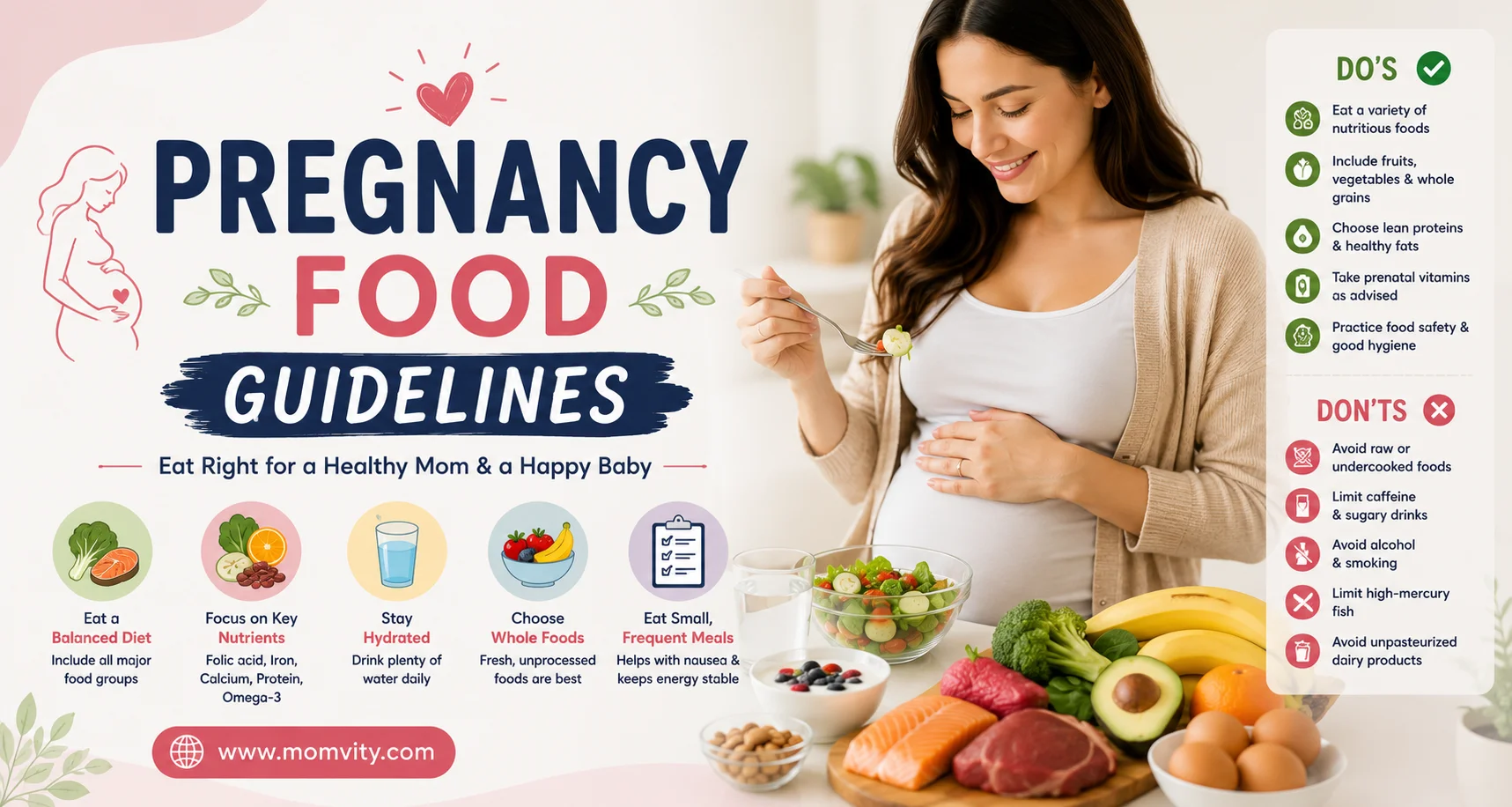
Foods to Avoid During Pregnancy

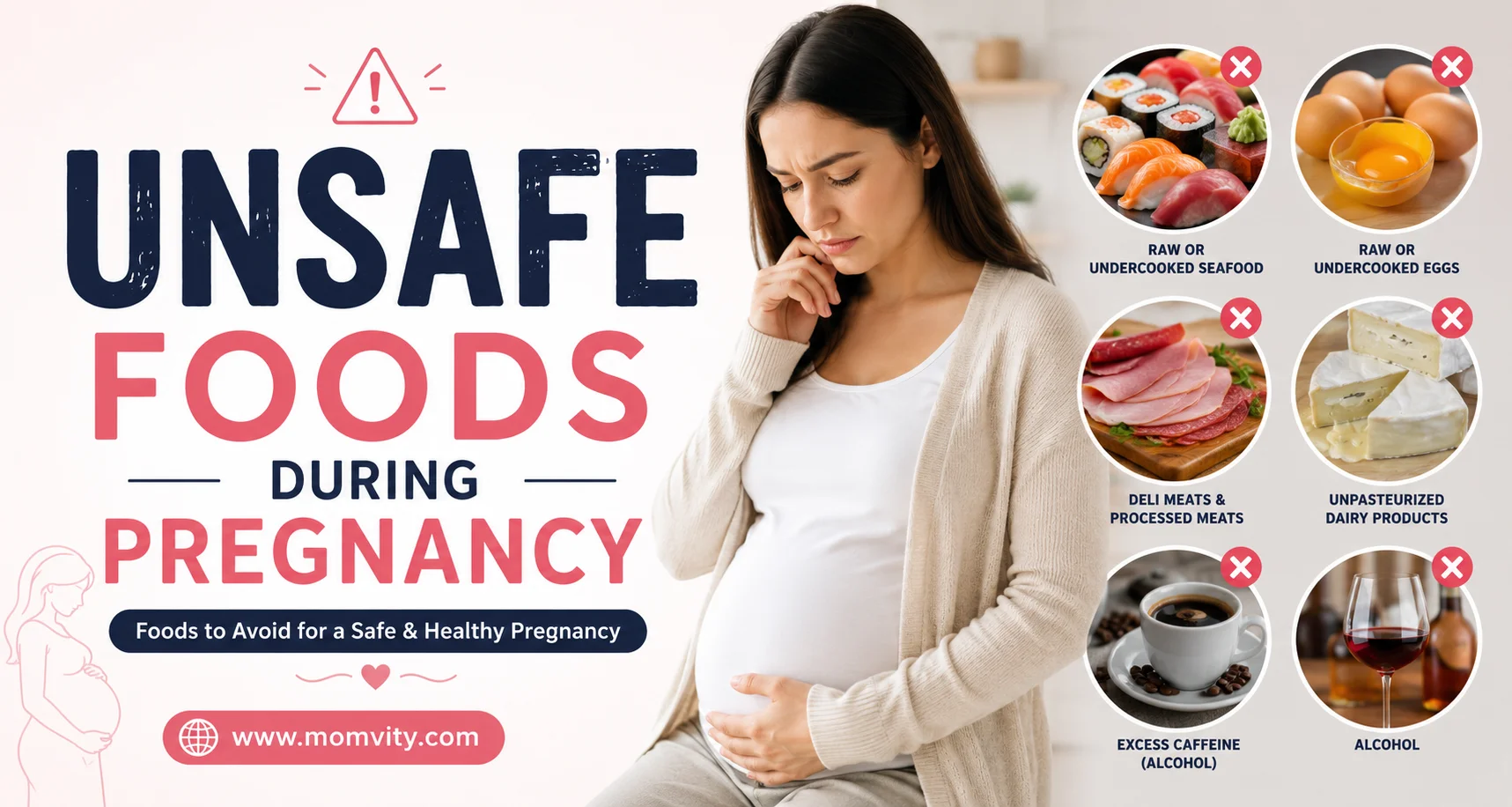
Foods to avoid during pregnancy are critical to know for ensuring the safety of your unborn baby. Read this guide to learn more about why it is important to avoid raw fish, unpasteurized milk, and certain fruits during pregnancy.

Foods to avoid during pregnancy can be confusing for many new mothers who want to provide the best nutrition for their babies.Pregnancy is a time when your eating habits directly affect your baby. Many people think that you should eat a lot during this time, but it is more important to know what you are eating. As much importance as we give to the list of nutritious foods, the list of foods to avoid during pregnancy should be given more importance. Because some foods are safe under normal conditions, they can cause infections or even miscarriage during pregnancy. Since your unborn baby’s immune system is not yet fully developed, it is the main responsibility of every expectant mother to keep a vigilant eye on the food that does not allow any harmful bacteria to enter her body.

Raw or undercooked meat

Eating raw or undercooked meat during pregnancy is very risky because it can contain harmful bacteria and parasites like toxoplasmosis, listeria, and salmonella, which can pose serious health risks to you and your unborn baby. These harmful bacteria are usually killed by cooking at high temperatures, but if the meat remains raw or pink inside, those bacteria can enter your body and cause unwanted conditions like premature labor or miscarriage. Therefore, when eating any type of meat such as beef or chicken during pregnancy, you should ensure that it is cooked thoroughly at sufficient heat and time so that each part of it is completely cooked and all types of bacteria are destroyed.

Risks of raw meat infection and its effect on the baby

Bacteria that enter the body through undercooked meat can cross the placenta through your bloodstream and directly harm the baby, resulting in the risk of vision or hearing problems or complications in brain development after the baby is born. The bacteria called listeria can be very dangerous, especially before delivery, because it often causes infection in the mother’s body without any symptoms. But it can be fatal for the baby. Due to this infection, pregnant mothers can experience flu-like symptoms such as fever, muscle aches or nausea, which are often ignored as a common illness. Basically, eating meat without ensuring a safe internal temperature puts extra stress on your body’s immune system, which is very important to avoid at this time.

Precautions that are important when eating meat

  • When cooking meat, make sure that there is no redness or pinkness from the inside and the meat juices are clear.
  • Be especially careful when eating steak or barbecue bought outside because many restaurants serve them medium-cooked or ‘medium rare’.
  • After cutting raw meat, clean your hands and the knives and cutting boards you used with soap very well to prevent the spread of germs.
  • Reheat cooked meat or leftovers thoroughly before eating them again to prevent any bacteria from growing.

Raw eggs

Eating raw or undercooked eggs should be completely avoided during pregnancy as they are likely to contain a type of harmful bacteria called Salmonella, which can cause severe food poisoning in your body. Although Salmonella does not directly harm your unborn baby, the severe vomiting, diarrhea, and abdominal pain it causes can dehydrate you and indirectly put pressure on the uterus, increasing the risk of premature birth. This bacteria is destroyed at high cooking temperatures, so cooking eggs until the yolk and white are completely hard is considered the safest way for you and your baby to stay healthy during pregnancy.

Hidden sources and physical risks of raw eggs

Many times, we unknowingly consume foods that contain raw eggs, such as homemade mayonnaise, tiramisu mousse cakes, or half-boiled eggs, which can compromise your immune system. This bacterial infection can cause you to suffer from extreme fatigue and fever, which can hinder the normal development of pregnancy. Eggs are a very nutritious food and the Choline and protein are essential for the formation of the baby’s brain, but these nutrients must be taken in a sterile way so that no infection makes this beautiful journey painful. Although pasteurized eggs bought in the market or commercial products made with those eggs are generally safe, the best decision for you is to completely avoid the raw part of the egg when preparing any food at home.

Special precautions when eating eggs

  • Make sure that the egg yolk is not soft or runny, and fry both sides well when making poached or omelettes.
  • Avoid mayonnaise or salad dressings made in outdoor stores because raw eggs are often used there.
  • After buying eggs, do not use them if the shell is cracked or dirty, and keep them separate from other foods when storing in the refrigerator.
  • If you have a habit of eating half-boiled or semi-boiled eggs, change it during pregnancy and develop a habit of eating fully boiled eggs.

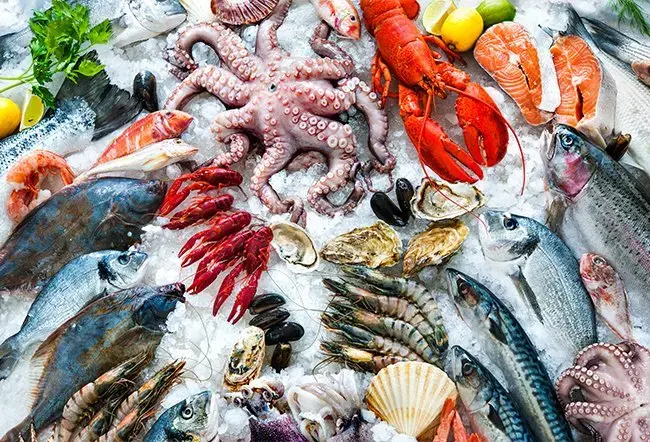
Raw or undercooked seafood

It is important to be very careful with your diet during pregnancy, especially when it comes to seafood. Although seafood contains omega-3 fatty acids and high-quality protein, consuming it raw or undercooked can pose serious health risks for both mother and baby.
The risks of raw or undercooked seafood are:

  • Listeria infection: Raw seafood (such as sushi, sashimi, or raw oysters) can be contaminated with a bacteria called Listeria. Pregnant women are 20 times more likely than the general population to be infected with this bacteria, which can cause miscarriage, premature birth, or serious illness in the newborn.
  • Parasites and bacteria: Raw fish often contain harmful bacteria such as tapeworms or salmonella. These can cause severe digestive upset, vomiting, diarrhea, and dehydration, which can lower the body’s immune system during pregnancy.

Rules for eating seafood safely

Before eating seafood, it should be cooked thoroughly to at least 63°C (145°F) to destroy all harmful bacteria; also, check that the inside of the fish is white and easily separated from the bones to ensure proper cooking.

Foods to avoid or be careful about

Raw sushi and oysters: Avoid any type of raw or undercooked seafood completely. It is best to avoid shark, swordfish, or king mackerel, as they are high in mercury. Avoid seafood that has been dried in an unclean environment or that has been treated with chemicals. Do not eat seafood that has been refrigerated for a long time or that has not been properly packaged.

Fish high in mercury

Although eating fish during pregnancy is very nutritious, consuming fish with high levels of mercury or mercury-containing fish can be very risky for your unborn child because mercury is a toxic metal that can cross the placenta and directly damage the baby’s brain development and nervous system. Mercury accumulates in the body’s tissues for a long time, so this type of fish should be completely avoided from the beginning of pregnancy so that the concentration of mercury in your body does not increase and your baby can grow with a healthy and normal nervous structure.

Effects of mercury and choosing safe fish

Although the omega-3 fatty acids in fish are necessary for the baby’s eyes and brain, high-mercury fish cause more harm than good because this metal enters the baby’s blood and disrupts the normal cell division process. Studies have shown that pregnant mothers who regularly eat high-mercury fish may have slower motor skills or the ability to move their limbs than others, but all It is not the fish itself that is harmful, but special caution is required in the case of tuna fish because ‘white tuna’ or ‘albacore’ tuna contains more mercury than regular tuna. Therefore, being sure about the source and type of fish when eating it will serve as a very important investment in your child’s intellectual development, which will help keep him healthy throughout his life.

Raw milk and cheese

Eating raw or unpasteurized milk and cheese made from it during pregnancy can be very dangerous because it may contain a type of harmful bacteria called Listeria, which can cause mild illness in healthy people but can be fatal for a pregnant woman. Without pasteurization or boiling, these bacteria in milk are not destroyed and can directly cross the placenta and enter your baby’s body, which can lead to premature birth, miscarriage or serious blood infections in the newborn. Therefore, before eating dairy products, always make sure that it is made from pasteurized milk and in no case can raw milk directly from the farm be drunk without boiling it to ensure the safety of you and your baby.

Safe ways to choose dairy products

  • Always choose pasteurized liquid milk or good quality powdered milk that has been sterilized at high heat.
  • Eat hard cheeses such as mozzarella or cheddar cheese instead of soft cheeses because they have less moisture and are less likely to grow bacteria.
  • If you must buy raw or farm milk, boil it thoroughly for at least a few minutes after putting it in the oven to kill all germs.
  • When eating pizza or salad at a restaurant, make sure the cheese served with it is pasteurized, as raw cheese is often used in salads.
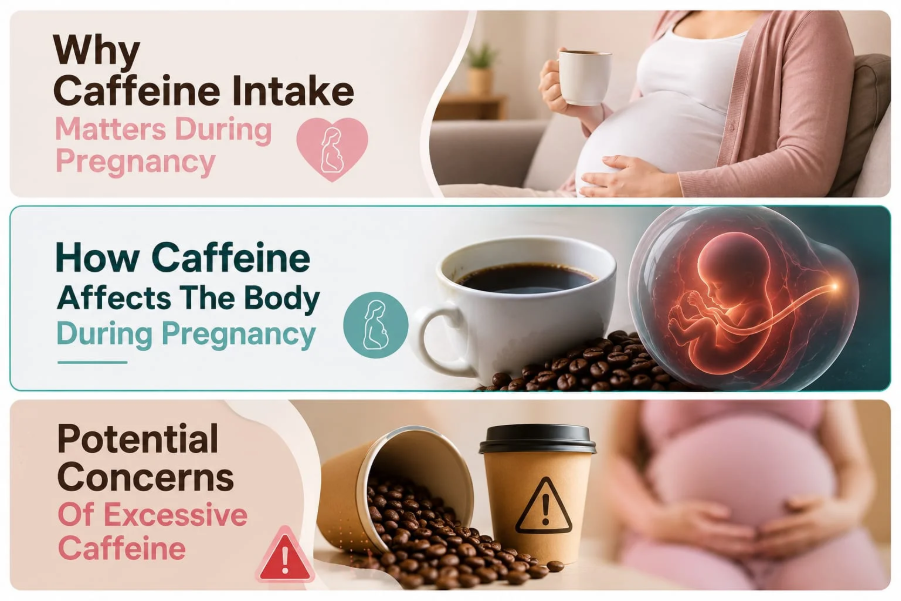
  • The main effects of excess caffeine intake are:
  • Impaired baby’s weight gain: High levels of caffeine intake may not be as expected for the baby’s weight. It can constrict the blood vessels in the uterus, which can hinder the baby’s nutrition supply.
  • Heart rate and restlessness: Since caffeine is a stimulant, it can increase your and your baby’s heart rate. This can make the baby feel extra restless in the womb.
  • Risk of miscarriage and premature birth: Excessive caffeine intake in early pregnancy increases the risk of miscarriage and in the end it can create the possibility of pre-term labor or premature birth.
  • Nutritional Absorption: Caffeine prevents your body from absorbing iron and calcium from food, which can cause anemia and weak bones in both mother and baby.
  • Insomnia and Dehydration: Caffeine disrupts sleep cycles and can make you dehydrated by making you urinate more frequently.

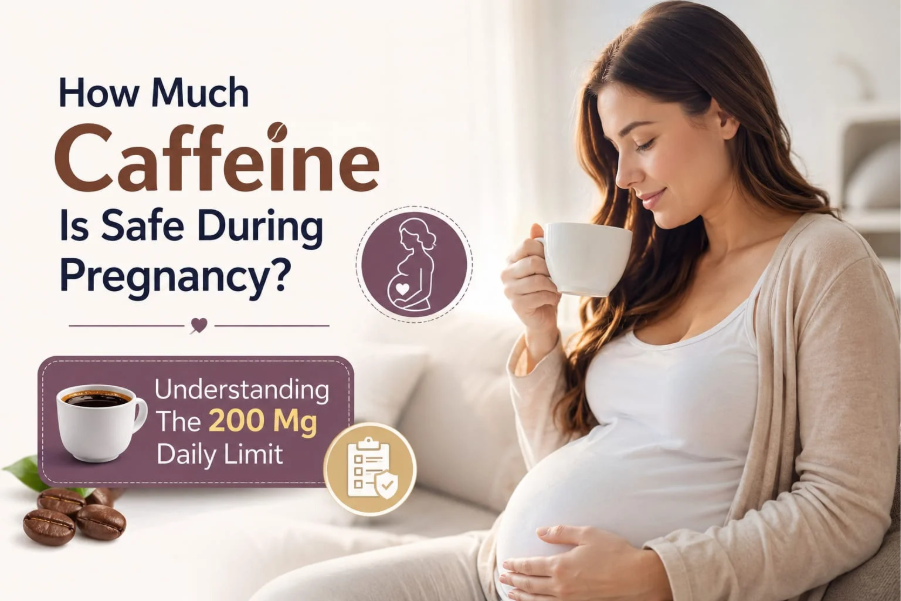
Safe Daily Level of Caffeine

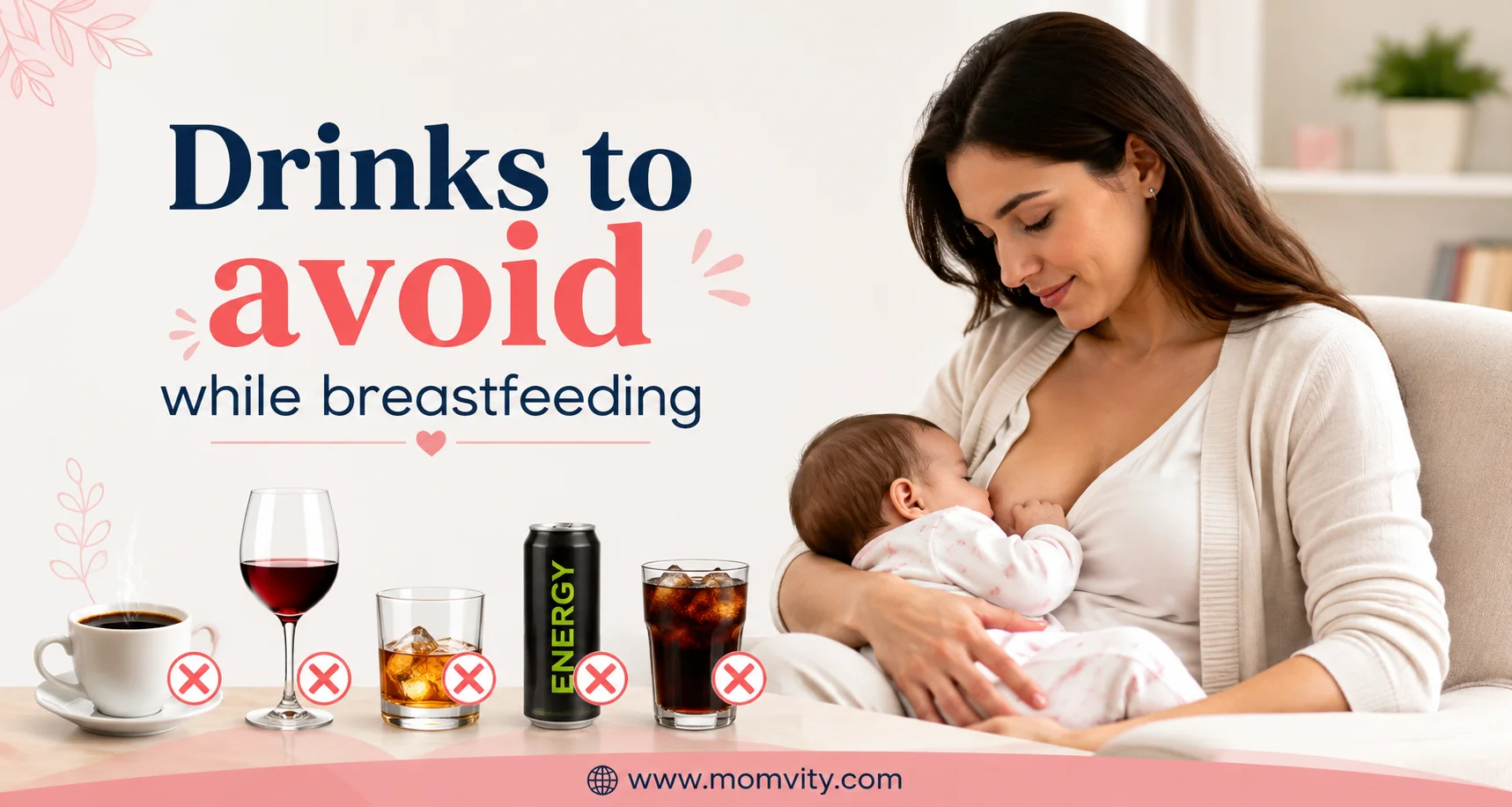
A maximum of 200 mg of caffeine per day is considered safe for a pregnant woman; which is usually the equivalent of one to two cups of regular coffee or two to three cups of tea. Remember, not only tea and coffee, but chocolate and cold drinks also contain caffeine.

Easy Ways to Reduce Caffeine

Use a Smaller Cup: Reduce the size of your coffee or tea cup.

Choose Decaf: Make a habit of drinking decaffeinated coffee instead of regular coffee.

Reduce Gradually: Do not stop drinking tea and coffee suddenly, but gradually reduce the amount to avoid headaches.

Healthy alternative: Try drinking coconut water, fresh fruit juice, or ginger tea instead of coffee.

Alcohol

Drinking alcohol during pregnancy can be the biggest risk to your unborn child because no amount of alcohol is safe for the unborn baby. When you drink alcohol, it passes from your blood directly to your baby through the placenta, and since the baby’s liver is not yet capable of filtering this toxic substance, it can cause permanent damage to the baby’s development. This can lead to fetal alcohol syndrome or FAS, which can cause abnormal facial features, heart problems, and permanent brain damage. Therefore, staying completely away from alcohol for the entire nine months and while breastfeeding your baby ensures a healthy life for your baby.

Physical and mental effects of alcohol

Drinking alcohol can slow down the baby’s physical growth rate and make the baby’s birth weight dangerously low, making it more difficult for him to survive. It affects the baby’s central nervous system, which can lead to long-term problems such as speech problems, behavioral problems, and learning disabilities. Even drinking very little or only occasionally can increase the risk of miscarriage or This sacrifice you make as a mother can increase complications during childbirth. This is the first step in building a bright and healthy future for your child because when the baby’s organs are forming in the womb, even a small amount of alcohol can permanently damage that formation process, which cannot be restored by any treatment.

Over-processed foods

Consuming over-processed foods or ‘ultra-processed foods’ (such as packaged snacks, instant noodles, frozen meals or canned food) during pregnancy is risky for the health of both the mother and the baby. These foods are very low in nutrients, but high in calories, harmful fats and chemicals.

The main harmful aspects of processed foods

  • Empty Calories: These foods contain almost no vitamins, minerals and fiber. They only fill the stomach but do not play any role in the physical and brain development of the child.
  • Excess sodium and high blood pressure: Processed foods contain a lot of salt or sodium to enhance their taste. This is one of the main reasons for water retention (edema) in the body and increasing blood pressure during pregnancy.
  • Harmful preservatives and chemicals: Artificial colors, fragrances and preservatives are used to keep packaged foods good for a long time. These chemicals can affect the child’s hormonal system.
  • Excess weight gain and gestational diabetes: The refined sugar and trans-fats in it increase blood sugar levels rapidly, which increases the risk of gestational diabetes and abnormal weight gain.
  • Digestive problems: Due to the absence of fiber and excess preservatives, these foods aggravate constipation and gastric problems.

Why fresh food is important

By eating fresh fruits, vegetables and homemade food instead of processed foods, your body gets the necessary antioxidants and fiber that boost your immunity; During pregnancy, the baby’s sense of taste is also developed through the mother’s food, so it is best to eat natural food.

Foods to avoid

Instant and packaged foods: Instant soups, noodles or ready-to-eat frozen foods.

Processed meats: Sausages, nuggets, salami or hot dogs.

Sugary drinks: Canned juices, sodas, or energy drinks with added sugar.

Deep-fried snacks: Packaged chips, crackers, or biscuits fried in excess oil.

Street food

Eating street food during pregnancy can be very risky for you and your unborn child because these foods are usually unsafe due to dust, smoke and flies. Food prepared in an open environment on the street is highly likely to contain serious infectious germs like hepatitis A, typhoid and diarrhea, which can weaken your immune system. In addition, the water or ice used in these foods is often contaminated, which can cause severe infections in your stomach. Your digestive system becomes very sensitive during pregnancy, so craving delicious street food can cause long-term physical pain for you, which indirectly risks disrupting the nutrition supply of the unborn child.

Health risks and effects of open food

The poor quality oils and spices used in street food can increase your heartburn and acidity problems several times, which are already a major discomfort during pregnancy. Harmful bacteria entering the body through these foods can cause inflammation in your liver, which increases the risk of jaundice, and jaundice during pregnancy is dangerous for both the mother and the baby. It can be very dangerous. Food that has been eaten by flies or insects contains parasites that can cause long-term infections in your intestines. Basically, there is no guarantee of the cleanliness of street food, and the dehydration or electrolyte imbalance that can occur in your body due to eating food prepared in an unhygienic environment can also increase the possibility of premature labor. Therefore, eating fresh homemade food instead of delicious food from outside is essential for your healthy motherhood.
Unwashed fruits and vegetables

Although eating raw fruits and vegetables during pregnancy is very beneficial for health, eating them unwashed can pose a serious danger to you and your baby. Fruits and vegetables contain various harmful germs and chemicals mixed with the soil, water and during transportation, which are important to clean by washing.
The main risks of eating unwashed fruits and vegetables:

  • Toxoplasmosis: This is a special type of parasite that is often found in the soil. If this parasite attached to unwashed vegetables enters the mother’s body, it can cause brain damage or eye problems in the fetus. In many cases, it even causes complications during pregnancy.
  • Bacterial infections: Unwashed vegetables contain dangerous bacteria like Listeria, Salmonella and E. coli. These can cause severe stomach pain, vomiting and diarrhea, which will quickly dehydrate you during pregnancy.
  • Effects of pesticides: Residues of harmful pesticides and chemicals used during cultivation remain on the skin of the fruit. These chemicals can hinder the neurological development of the baby.
  • Hepatitis A and other viruses: Fruits and vegetables that have been picked or washed with contaminated water can be contaminated with the hepatitis A virus, which can damage the liver.

Proper rules for cleaning fruits and vegetables

Before eating, fruits and vegetables should be washed thoroughly under running water for at least 30 seconds; even fruits that you peel (such as oranges or watermelon) should be washed first so that germs from the outside do not reach the inside when cutting.

Some special tips for staying safe

Use a brush: Use a soft brush to clean soil from hard vegetables such as carrots, sweet potatoes, or potatoes.

Discard damaged parts: If any part of the fruit is rotten or bruised, cut that part off, because bacteria grow quickly there.

Green vegetables: It is more effective to wash vegetables like spinach or lettuce leaves separately under running water rather than soaking them in a bowl.

Wash just before eating: It is better to wash fruits or vegetables just before eating rather than immediately after buying them, as this can prevent spoilage.

Conclusion

Awareness in choosing food during pregnancy is not only for yourself but also serves as the foundation for a healthy and beautiful life for your unborn child. Foods like raw meat, eggs, fish with excess mercury, and unpasteurized dairy products can put your immune system at risk and become a major obstacle to the normal development of your child. As a mother, your main responsibility is to prioritize the quality and cleanliness of food over the taste of your tongue or temporary greed, because every nutritious and safe food you consume is the main source of your child’s healthy nervous and physical structure. During this time, if you completely stay away from outside food or alcohol and rely on fresh and balanced food prepared at home, you will be able to reduce complications during childbirth, and your child will also see the light of the world with a certain level of health.

can pregnant women drink coffee

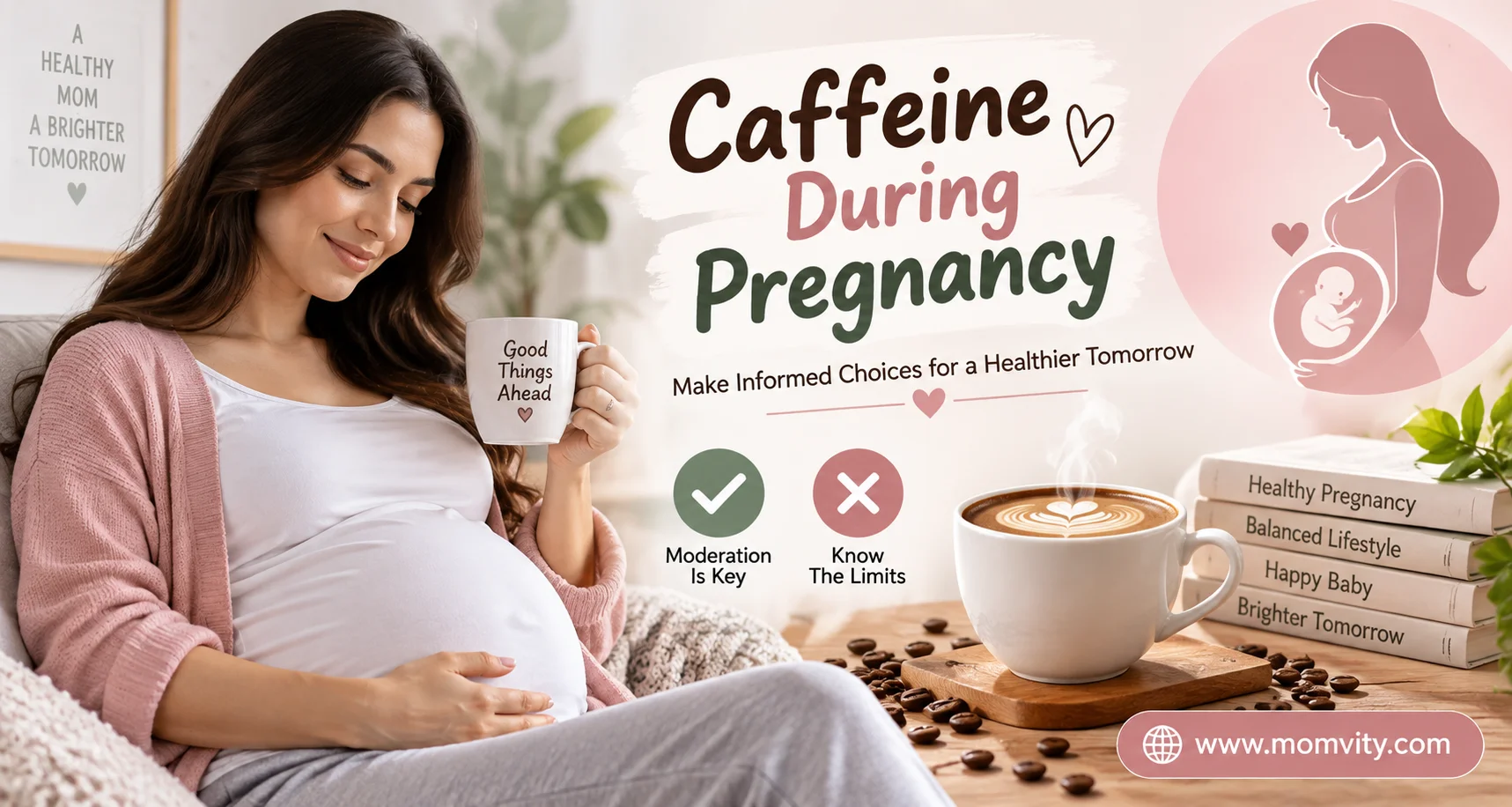
Can Pregnant Women Drink Coffee: Safe Guidelines for Caffeine Consumption During Pregnancy

Meta Description:Can pregnant women drink coffee is a frequent concern for coffee lovers who are expecting a baby. It is very important for every expectant mother to know whether it is safe to drink coffee during pregnancy and how much caffeine she should consume.

Pregnancy is a time when you have to make drastic changes in your diet. Many women who are used to drinking coffee regularly, are a bit hesitant at this time. A cup of hot coffee in the morning may refresh you, but its effects may be different during pregnancy. Can pregnant women drink coffee—this question is not only about taste, but also about the safety of the fetus. Caffeine can cross the placenta and enter the baby’s body directly, which can affect the baby’s heart rate and metabolism. So it is wise to know the exact rules and limitations before drinking your favorite drink during this time.

Can pregnant women drink coffee?

Many mothers are skeptical about whether or not to drink coffee during pregnancy, but according to medical science, pregnant women can drink limited amounts of coffee, which should generally be limited to 200 milligrams of caffeine per day. Although caffeine is quickly absorbed by your body, it crosses the placenta or fetal barrier and enters the baby’s blood directly. Since the baby’s body is not fully prepared to digest caffeine, drinking too much coffee can lead to low birth weight or stunted growth. So if you absolutely cannot live without coffee, it is wise to drink no more than one or two small cups a day so that your caffeine addiction is satisfied and your unborn child is completely safe.

Health effects and limitations of drinking coffee

Coffee or caffeine is basically a stimulant that increases your blood pressure and heart rate, and during pregnancy, it can exacerbate your insomnia or heartburn problems. Excessive caffeine intake increases the tendency to release water and calcium from the body, which can create a deficiency of essential nutrients for your body at this time. Caffeine is often seen It prevents iron absorption, which can cause anemia in pregnant mothers, so it is very important to watch the time when drinking coffee and not drink coffee on an empty stomach because it can negatively affect your and your baby’s metabolism. Since every pregnancy is different, understanding your body’s signals and not going beyond the limits prescribed by your doctor will be the best way for you.

Rules that are important to follow when drinking coffee during pregnancy

  • Keep the total daily caffeine intake below 200 milligrams, which is roughly the same as two cups of instant coffee.
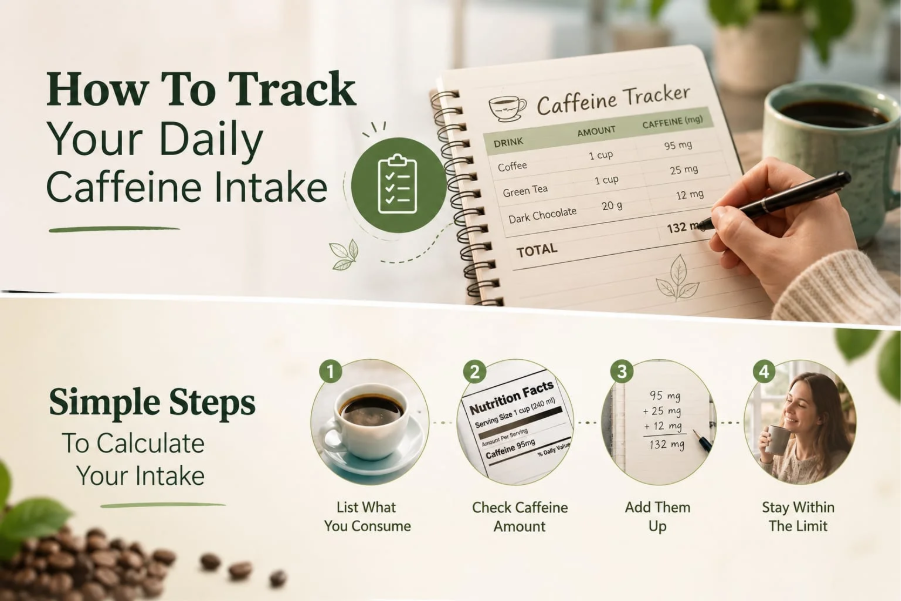
  • Remember that not only coffee but also tea, dark chocolate, and various energy drinks contain caffeine, which should be included in your daily calculation.
  • Instead of coffee, try drinking decaffeinated coffee or herbal drinks, which will give you the taste of coffee but will not harm the body.
  • If you feel your chest palpitations or your baby’s movements seem unusual after drinking coffee, stop drinking coffee immediately and consult a doctor.

How caffeine works in the body

Caffeine is a natural stimulant that has a direct effect on our central nervous system. It mainly relieves your fatigue and helps you stay alert, but its mechanism of action during pregnancy is slightly different and lasts longer than usual.

How caffeine affects pregnancy:

  • Blocking adenosine: Our brain has a substance called adenosine that makes us tired and helps us sleep. Caffeine takes over those receptors in the brain, so the brain does not receive the signal of fatigue and you feel alert.
  • Taking longer to digest: The body takes about 3 times longer to digest or eliminate caffeine from the body during pregnancy than in normal people. As a result, caffeine stays in your blood for a long time and can increase your heart rate.
  • Crossing the placenta: Caffeine can easily cross the placenta or amniotic fluid and reach your baby’s bloodstream directly. Even though your liver can break down caffeine, your baby’s metabolism isn’t fully developed yet, so it can’t easily digest it, which can disrupt your baby’s sleep patterns.
  • Increased blood pressure and urine output: Caffeine increases the hormones cortisol and adrenaline in the body, which can temporarily raise your blood pressure. It’s also a diuretic, which causes your body to lose water, which can lead to frequent urination and dehydration.

Caffeine and nutrient absorption

Caffeine prevents your body from absorbing calcium and iron. Since these two elements are needed in large quantities in the third trimester for the formation of your baby’s bones and blood, drinking too much tea or coffee can deprive your body of essential nutrients. According to the World Health Organization, pregnant women should not consume more than 200 milligrams of caffeine a day (which is about 1-2 cups of coffee or 2-3 cups of tea). Not only tea and coffee, but chocolate, energy drinks, and some soft drinks also contain caffeine, which is important to keep in mind. It is safer to choose coconut water, fruit juice, or herbal tea instead of caffeine.

How much coffee is safe during pregnancy?

Moderation is the key when it comes to drinking coffee during pregnancy because what you consume directly affects your baby. According to the World Health Organization and gynecologists, a pregnant woman can consume up to 200 milligrams of caffeine per day, which is usually equivalent to two cups of regular homemade coffee. If caffeine is within this specific limit, it helps maintain normal blood pressure in your body and does not cause any major obstacles to the development of the baby. However, remember that each person’s body’s tolerance is different, so this 200 milligrams is just a general guideline that can be more or less based on your personal physical condition. It is always safe to stay below this limit to maintain your body’s health.

How to understand caffeine levels and calculations

When determining a safe level of coffee consumption, you should not only look at the number of cups but also pay attention to the type of coffee and its concentration. For example, the amount of caffeine in a cup of filter coffee is slightly less than that in instant coffee. On the other hand, if you buy coffee from a reputable cafe outside, the caffeine level may be much higher, which can easily exceed your daily limit of 200 milligrams. This extra caffeine reaches your baby through your bloodstream, increasing his heart rate and making him restless for a long time, so to be safe, keeping the size of your coffee cup small and avoiding very strong coffee is the best decision for you, which will both satisfy you and reduce the risk.

Effective tips for maintaining safe levels

  • To understand how much caffeine you are consuming each day, use small cups instead of regular mugs, which will reduce your desire to drink more.
  • Spread out your coffee intake throughout the day, such as drinking a cup in the morning and choosing another beverage instead of coffee in the afternoon.
  • In addition to coffee, chocolate cold drinks or green tea also contain caffeine, so reduce the amount of coffee you drink by consuming these foods.
  • If you like strong coffee, increase the amount of milk in it, which will help reduce the intensity of the caffeine and give you extra calcium.

What are the risks of drinking too much coffee?

Excessive caffeine or coffee consumption during pregnancy, especially in the third trimester, can be risky for both the mother and the baby. Since caffeine directly crosses the placenta and reaches the baby, its effects can be quite serious.

The main risks of drinking too much coffee are:

  • Low Birth Weight: Studies have shown that excessive caffeine intake can lead to a lower than expected baby weight. Caffeine can constrict the blood vessels in the uterus, which can hinder the process of nutrients reaching the baby.
  • Risk of Preterm Birth: Excessive coffee consumption can stimulate the uterine muscles, which increases the risk of premature labor or pre-term labor.
  • Baby’s heart rate and sleep disturbance: Since caffeine is a stimulant, it can increase the baby’s heart rate. As a result, the baby’s sleep pattern is likely to be irregular or excessively irritable after birth.
  • Maternal high blood pressure and insomnia: Excessive coffee increases the mother’s blood pressure and heart rate. In addition to the already existing sleep problems in the third trimester, caffeine can exacerbate your insomnia or insomnia problem.
  • Nutritional deficiency: The tannins and caffeine in coffee prevent the absorption of iron and calcium from food. This puts both the mother and the baby at risk of anemia and bone weakness.

Relationship with the risk of miscarriage

Although the risk of miscarriage in late pregnancy is much lower than in the early stages, high caffeine intake can reduce the function of the placenta, which is very risky. According to doctors, these risks can be avoided if you stay within the safe limit (200 mg). If your heartbeat feels much higher than normal after drinking coffee. Caffeine increases the cortisol hormone in the body, which can make you mentally unstable. Trembling hands and feet or muscle tension are side effects of excess caffeine. Frequent urination causes the body to lose essential fluids.

Is it better to avoid coffee in the first trimester?

Yes, it is better to avoid caffeine or coffee as much as possible or drink it in very limited quantities during the first trimester of pregnancy (weeks 1 to 13). This is the main stage of fetal organ formation and the most sensitive time, so doctors advise extra caution during this time.

Why caution is needed when drinking coffee in the first trimester:

  • Miscarriage Risk: Several studies have shown that high caffeine intake (more than 200 mg daily) in the first three months can increase the risk of miscarriage. Caffeine can constrict the blood vessels of the uterus, which affects the blood circulation of the fetus.
  • Morning sickness or nausea: Most women suffer from nausea or ‘morning sickness’ in the first trimester. Coffee increases the level of acid in the stomach, which can make your heartburn and nausea more unbearable.
  • Organ formation and development: During this time, the baby’s heart, brain, and nervous system are forming. Caffeine directly enters the baby’s blood through the placenta and can negatively affect its cell division and early development.
  • Iron absorption inhibition: The body needs extra blood from the beginning of pregnancy. Coffee prevents the body from absorbing iron from food, which can cause anemia in the mother.

Can you not drink coffee at all?

If you have a habit of drinking coffee a lot and find it difficult to quit completely, doctors consider a maximum of 200 mg of caffeine (1 small cup of coffee) per day to be allowed. However, if possible, it is the safest decision to avoid it completely for the first 12 weeks.

What you can take as an alternative to caffeine

Ginger Tea: It is very effective in reducing morning sickness or nausea.

Lemon juice or fresh juice: It will keep you fresh and fulfill the body’s vitamin-C needs.

Coconut water: It maintains the electrolyte balance of the body and prevents dehydration.

Decaf coffee: If you want to drink it for taste, you can drink decaf coffee which has very little caffeine.

Does coffee have a direct effect on the baby?

When you drink a cup of coffee during pregnancy, the caffeine in your blood easily crosses the placenta and reaches your baby’s bloodstream. The main reason why it has a direct effect on your baby is that an immature fetus’s body does not have the ability to metabolize or digest caffeine the way an adult’s body can, which results in caffeine remaining in the baby’s blood for a long time and stimulating its central nervous system. In this process, the baby’s heart rate and metabolic rate may increase abnormally, which poses a risk of disrupting its normal cell formation and development process. So your cup of coffee not only acts as a stimulant for your body, but it also directly puts pressure on your baby’s body.

Signs of direct effects of caffeine on your baby

  • Immediately after consuming caffeine, the baby’s movements may increase abnormally, which is a sign of its restlessness.
  • Due to the constriction of blood vessels, blood flow to the placenta decreases, which disrupts the baby’s nutrient supply.
  • The baby’s heart rate can increase much more than normal, which puts extra strain on his small heart.
  • In the long term, excess caffeine risks damaging the baby’s bone density and the normal process of DNA formation.

Long-term effects of caffeine on the baby’s body

Caffeine acts as a vasoconstrictor, which means it constricts the blood vessels in the body, and when the blood vessels in the placenta constrict, the path for oxygen and essential nutrients to reach the baby is narrowed. This direct effect can lead to a baby weighing less than expected and disrupting his sleep cycle because caffeine makes him restless in the womb. In addition, studies have shown that mothers who drink excess coffee during pregnancy are more likely to have insomnia or irritability after birth, mainly because the baby’s liver cannot eliminate this stimulant from the body until it is fully developed, which directly has the potential to negatively affect every stage of his growth, which can cause complications in his physical and mental development in the future.

Does drinking coffee affect sleep?

It is very natural that drinking coffee during pregnancy will affect your sleep because caffeine is a powerful stimulant that blocks the chemical called adenosine in your brain that helps us feel sleepy. When you drink coffee, caffeine stays in your bloodstream for several hours, keeping your body and mind alert, which exacerbates the problem of insomnia that already increases during pregnancy. During this time, your metabolism slows down, so it takes twice as long to get rid of caffeine from your body than usual. As a result, even a small cup of afternoon coffee can completely disrupt your deep sleep cycle at night, which instead of relieving your body’s fatigue, it actually increases fatigue.

Caffeine and the cycle of insomnia during pregnancy

In late pregnancy, when your body really needs rest, caffeine stimulates your nervous system and makes you mentally restless, as a result of which even when you are lying in bed, your brain cannot calm down and you have to toss and turn repeatedly. Since caffeine acts as a diuretic, it can increase the amount of water in your kidneys. It increases performance, which causes you to get up frequently at night to urinate and disrupts your sleep. In addition, caffeine increases the production of acid in the stomach, which can cause severe heartburn or reflux during sleep, making your sleep painful. This lack of sleep not only makes you irritable, but it also lowers your immune system and makes pregnancy more challenging, so it is better to avoid caffeine to maintain good sleep quality.

Does coffee increase acidity

Yes, drinking coffee greatly increases the chances of acidity or heartburn, especially during pregnancy. This is not only because of the ingredients in coffee, but also because of its effect on the muscles in your body.

How coffee increases acidity:

  • Relaxation of the LES muscle: There is a valve or muscle between our stomach and esophagus that prevents food from going up. The caffeine in coffee relaxes this muscle, allowing stomach acid to easily rise into the esophagus and cause heartburn.
  • Increased acid production: Coffee increases the secretion of a hormone called gastrin in the stomach, which stimulates the stomach to produce more hydrochloric acid. This excess acid causes digestive upset and stomach discomfort.
  • Hormonal effects: During pregnancy, the digestive process is already slowed down due to the hormone progesterone. In addition, drinking coffee delays stomach emptying, which doubles the risk of acid reflux.
  • Effect on an empty stomach: Drinking coffee on an empty stomach directly irritates the stomach lining, which can be very uncomfortable for pregnant women.

Coffee type and acidity

Not all types of coffee produce acidity equally; dark roast coffee is generally slightly less acidic, but it is not completely safe due to the presence of caffeine. If you already have gastric problems, drinking coffee during pregnancy can exacerbate your problems.

Ways to avoid acidity

Do not eat on an empty stomach: Eat something light before drinking coffee so that the stomach acid does not directly damage the lining.

Use of milk: Adding a little milk to coffee reduces its acidity somewhat, but it is better to avoid it if you are lactose intolerant.

Limit your intake: Try not to drink more than one cup of coffee a day.

Opt for an alternative: Instead of coffee, you can drink ginger tea or basil tea, which helps calm the stomach.

When should you reduce your coffee intake?

Even if you have a habit of drinking coffee during pregnancy, there are certain physical conditions where you must reduce it or completely avoid it. It becomes necessary to stop consuming caffeine if there are any special changes in your or your baby’s health.

Situations where you must reduce your coffee intake:

  • High Blood Pressure: If you are at risk of high blood pressure or ‘preeclampsia’ during pregnancy, you should reduce your coffee intake completely. Caffeine temporarily increases blood pressure, which can be dangerous for both the mother and the baby.
  • Severe heartburn or acidity: If you regularly suffer from acidity, heartburn or gastric problems, coffee will relax your stomach valve and make this problem more unbearable.
  • Anemia or iron deficiency: If you have low hemoglobin in your blood in the third trimester, stop drinking coffee with or right after meals. Coffee prevents the body from absorbing iron, which can hinder the growth of the baby.
  • Insomnia or sleep problems: If you do not sleep at all at night or wake up repeatedly, then you should understand that your body is not able to digest caffeine quickly. In that case, completely avoid coffee in the afternoon or evening.
  • If the baby’s movements are abnormal: If you see that the baby is moving abnormally or becoming restless in the stomach after drinking coffee, then you should understand that caffeine is stimulating him. In addition, it is better to avoid coffee if the baby weighs less than normal (IUGR).

The right way to reduce coffee

If you suddenly quit coffee, you may experience headaches, irritability or fatigue; so reduce the amount of coffee gradually. Reduce the size of the cup or make a habit of mixing ‘decaf’ with regular coffee so that the body has time to adapt. Heartbeat seems higher than normal after drinking coffee. Long-term headache due to the effects of caffeine or as a result of quitting it. Unsteadiness or a kind of tremor in the body. The body becomes dry and the color of urine becomes dark yellow.

Conclusion

Drinking coffee during pregnancy mainly depends on your personal awareness and body tolerance, but it is wise to control the amount of caffeine while considering the safety of the baby. While coffee in limited quantities can help relieve your daytime fatigue, its excessive consumption can negatively affect your baby’s development and your own sleep. Every mother and her pregnancy situation is different, so it is important to understand how your body is responding to caffeine and seek medical advice if necessary. Developing the habit of drinking nutritious drinks or adequate water instead of coffee will make your journey safer and more comfortable because your healthy eating habits lay the foundation for the arrival of a healthy and vibrant baby.

Popular Posts

Latest Posts

very early signs of pregnancy 1 week

Signs of the very early signs of pregnancy 1 week Awareness Guide

In America’s busy life, when we race day and night against the clock then the small changes that occur inside the body often escape our attention. But when a woman dreams of becoming a mother then every pulse of her body becomes very important. Very early signs of pregnancy 1 week or the signs of the very first week of pregnancy means stepping on the path of a new dream. Although doctors say that pregnancy is not fully understood in the first week because this is the time of preparation of the body, some subtle signs also start to give the body.

very early signs of pregnancy 1 week

Come on, whether you live in an open field in Texas or travel in the crowded subway of New York understanding your own body is the real work. Women in America are now much more aware and they note even the small changes in their diaries. In the first week, the counting of days begins with the time of your last menstruation During this time, the body prepares itself so that a new life can settle in the uterus. Many people think that big signs will appear in the first week but in fact, this time is a time of very quiet change. The modern American health system teaches us how to take care of ourselves by paying attention to these subtle signs.

Are the first week signs really understandable?

American reproductive experts say that in the first week, you may not realize that something magical is starting to happen inside you But those who keep track of their bodies very well can feel some changes. Very early signs of pregnancy 1 week The biggest sign is missing a period Although this is clearer towards the end of the first week or in the second week. However, hormones can start playing in the body in the first week Which can make you a little tired or exhausted.

Do you think that nausea will start on the first day? No, brother, this is a misconception. In the first week, your uterus is basically preparing itself at this time, you may feel a slight twisting or cramping in the lower abdomen, which feels a lot like menstrual pain. Many people mistake this for menstruation but this may be the first sign of your unborn child. In America, women pay attention to their ‘basal body temperature’ or body temperature at this time if you see that your body temperature is slightly higher than normal, this can be a big sign. If you understand these subtle things, you can be aware of it from the beginning which is very good for your future.

Hormonal changes and mood swings

In the first week, a huge wave of estrogen and progesterone hormones flows in the body due to this, it is very normal to feel sad or angry all of a sudden. In America, this is called ‘Mood Swing’ maybe you cry for no reason or get angry over very trivial things. This is not madness rather, it is a sign of a great catastrophe happening inside your body. At this time, the love and patience of your partner is very important because he may not understand what is going on inside you.

In the developed American society, these mental changes are now given great importance. Doctors say that it is very important to keep mothers’ minds open during this time. If you feel that you are alone then talk to someone you love. This game of hormones will try to overcome you but you have to be strong. Remember that the little soul inside you is trying to grow it can understand your thoughts. So keeping yourself calm and staying away from unnecessary worries is the big task of this time.

Breast tenderness or heaviness

At the very beginning of pregnancy, the body starts preparing to produce milk in the first week, many times it may feel that the breasts are a little heavy or a little sore. It may be a little uncomfortable when clothes touch or someone touches it this is an advance message from the body that tells you that big changes are coming in the coming days. Many health apps in America give great importance to this symptom because it often appears before a missed period.

Implantation

When the embryo implants itself in the uterine wall towards the end of the first week then a kind of commotion is created inside the body. Sometimes a little blood or spotting may appear which many people mistake for menstruation. But this blood is very light and short-lived. American doctors value this sign very much because this is the real news of the baby’s birth.

Fatigue and excessive sleep: Listening to the body’s call

In America’s busy life, we always try to keep ourselves energized by drinking coffee But if you suddenly see that your body is not moving even after sleeping all night, then this can be a big sign of Very early signs of pregnancy 1 week. At this time, the body uses all its energy to strengthen the walls of the uterus and produce hormones So the body of a woman who is on the way to becoming a mother gets tired very quickly.

Bye go, if you work sitting at a desk or provide service standing This fatigue will make your work difficult. At this time, it is completely normal to yawn repeatedly or want to lie down Many people think that this may be due to the pressure of work, but in fact, your body is working hard to make room for a new life. At this time in America, doctors say that it is better to rest the body and eat nutritious food Coffee or caffeine-like things are better to avoid at this time because the body should be allowed to produce them naturally. This deep fatigue This is a sign from nature that warns you.

Diet and food care in America: The real power of mother and child

In America, we often fill our stomachs with fast food in a hurry but in the first week of pregnancy, this habit has to be completely shaken off. Your body is now a huge factory where a new human being is being made step by step. Therefore, it is very important to have nutritious things on your plate. In the first week, start eating foods rich in folic acid such as spinach and lentils American doctors say that this works like magic in building the baby’s spine and brain.

Bye, if you live in a cold place like Illinois or Chicago then getting fresh vegetables can be a little difficult. Still, always try to find fresh goods rather than frozen goods ‘Organic’ food is available in American supermarkets which is very good for pregnancy. Eating at least one raw egg and a glass of milk every morning is the biggest act of kindness which will give a lot of strength to your body. Reduce sugar and sweets at once because these will make your body lazy and weak. There is no alternative to drinking water in the first week of pregnancy drinking at least eight to ten glasses of water a day will improve your blood circulation and keep the uterus fresh. This advanced American diet will strengthen the foundation of your unborn child which will help him grow healthily.

Say ‘no’ to raw or semi-cooked food

Many restaurants in America sell raw fish or semi-cooked meat which is called ‘Sushi’ or ‘Rare Steak’ in the first week of pregnancy, you should say no to these at once. Raw food often contains some toxic bacteria that can cause great harm to your little fetus and even increase the risk of miscarriage. Always cook food very well and wash fruits very well before eating because this small precaution in a foreign land will save you from many big dangers.

Controlling Tea, Coffee and Caffeine

In American life, coffee has become a lifeline but caffeine should be consumed in moderation during the first week of pregnancy. Excessive coffee consumption can hinder the growth of the fetus Doctors say that one cup of coffee can be consumed at most a day. Still, it is best to give it up completely Instead of coffee, make a habit of drinking fresh fruit juice or coconut water, which will keep your body cool and fresh.

Discover more here: miscarriage and baby loss awareness month

The value of mental peace and light exercise in the first week

American life is often very stressful but in the first week of pregnancy, your peace of mind is your baby’s biggest medicine. If you are tense and worried all day then your body’s hormonal game can be disrupted. At this time, talk openly with your life partner and try to be happy and smiling many American mothers do light yoga at this time, which helps a lot in keeping their mind calm.

Do you think that when you are pregnant, you have to stay in bed all day long? No, brother, this is a completely wrong idea. In the first week, light walking is very beneficial for the body do not rush, walk at least 20 minutes every day in a calm environment. If you walk in the parks of America in the morning, your lungs will get fresh air and your blood circulation will increase the more active your body is, the more comfortable your pregnancy will be. However, remember not to put excessive burden on your body in any way give your body some time and rest it when it wants a little bit of rest. This correct lifestyle of America will take you a long way on the path to becoming a healthy mother which will increase your courage even more.

The cause of sadness and sudden crying

During the first week, due to hormones, you may cry for trivial reasons or become irritable this problem becomes even bigger in places like America where people are alone a lot of the time. During this time, talk to your parents on video calls or think of something nice that you love Remember that this is not a mental illness but a part of your body’s transformation. Loving yourself and taking care of yourself is the biggest task of this time which will keep you mentally strong.

Restful sleep and body rest

People working in the night shift in America often suffer from sleep problems But in the first week of pregnancy, at least 8 hours of deep sleep every day is absolutely mandatory for you. If you do not sleep properly, your body will not get the strength to grow the fetus Try to sleep in a completely dark room instead of using your mobile phone or doing office work at night. When your body is rested in peace Then it works the most to build your child’s future.

American Doctors and Hospitals: Preparing for the First Checkup

When you get a positive result in a foreign country then after dealing with the first happy shock, your real job is to find a good ‘OB-GYN’ or midwife. Even though the American healthcare system is very advanced, getting an appointment here is often a test of patience So when you call the clinic after understanding the symptoms in the first week, they may tell you to be patient until at least eight weeks. But if you have any previous physical problems Then it is very important to see you at the beginning because it is not right to take any risks in a foreign country.

Bye, whether you live in a sunny city in Florida or in the bitter cold of Michigan Always keep your health insurance or insurance papers handy. At the first checkup in American hospitals, they will take detailed information about your blood pressure, your weight and all your previous illnesses At this time, tell the doctor everything – whether you have any special food restrictions or have you undergone any major surgery before. Sharing the fear or joy that arises in your mind after seeing the symptoms in the first week with the doctor will make your mind much lighter American doctors are very compassionate and will explain every step to you like water. Ask them all your questions without any shame or hesitation so that no superstition or nonsense thoughts can take root in your mind.

Ultrasound and the illusion of seeing the first picture of the baby

Although the face of the fetus is not clearly visible in the ultrasound in the first week still, doctors often do this test to understand the condition of the uterus. With the advanced American machine, you may see the first picture of your baby like a drop of light which will bring tears of joy to your eyes. At this time, you should carefully file each report because in the American system, the cost of these documents is very high. These small reports will be of great help during the birth of your baby and the next check-up which will remove all the worries in your mind.

The correct rules for taking vitamins and pills

‘Prenatal Vitamin’ or special pregnancy pills are available in American pharmacies Thai doctors recommend taking these in the first week so that the baby’s bones and blood are properly formed. However, do not swallow any nonsense pills on your own or after listening to someone even before taking a simple Napa or Paracetamol, talk to your doctor. Doing anything wrong in a foreign land means damaging your unborn baby so always being vigilant about your medications is your first job.

Loneliness and the struggle for mental strength in a foreign land

In American life, many times we are alone thousands of miles away from our loved ones In this beautiful time of motherhood, when your birth mother or grandmother is not there, your heart is very sad. Very early signs of pregnancy 1 week or during that tiring time of the first week when no one is making you a cup of tea then the pain and loneliness of expatriates increases a lot. At this time, your mental strength and patience become your biggest shield Spend time with your life partner and make him understand that this is not your fight alone but this is a new dream for both of you.

Do you think this loneliness will harm your child? No brother, if you are strong inside, your child will also come into the world brave. There are many online groups in America where there are thousands of Bengali mothers like you talk to them and listen to their experiences so that your mind is refreshed. Watch good words or inspirational videos on YouTube or Facebook that will give you courage the more you love your body, the safer your child will be. Take this lonely life in America as an opportunity to develop a deep love for your child try to always keep yourself happy because a mother’s beautiful mind works like magic in the development of a child’s intelligence.

Maternity Leave Tips

If you work for a company in America then it is wise to start by talking to your boss about your leave. Although this is just the beginning it is very important to know your rights in advance. Understanding how much leave you will get or what the salary arrangement will be according to the American ‘Family Leave’ law will reduce your mental anxiety a lot Start a plan to save money now because a new guest means bringing a lot of expenses with you.

Keep up your hobbies

When you feel very tired in the first week then do not give up your small hobbies at once. Listening to music or reading a good book will relax your mind Sit in the beautiful parks of America and spend time with nature. The better your mind is, the more tolerable these pregnancy symptoms will be do not confine yourself within four walls and expose yourself to the light and air outside.

Final warning: What to give up at once

There are many things in American behavior that have become part of our habits But it is obligatory for you to give up these things in the first week of pregnancy. Stop taking drugs or alcohol at once Because this can completely destroy the brain and body structure of the baby. Smoking or going near the smoke of bidi-cigarettes is also very dangerous As soon as you notice Very early signs of pregnancy 1 week, you should make your life completely white and clean so that the baby does not suffer any harm.

Bye go, if you have the habit of going to the gym regularly, then stop lifting heavy weights or doing exercises that put direct pressure on the stomach. It is also not a good idea to take a hot tub or steam bath at this time because excessive heat can harm the fetus. Do not hold your urine or stool in any way because there is a risk of getting a yeast infection, which is a big problem for American expatriates. Always wear loose cotton clothes so that your body can breathe it is better to reduce chemical dyes or heavy makeup at this time because these toxins can mix with the baby’s blood through the skin. If you consider yourself a sacred trust and follow these precautions, you can become the mother of a healthy and beautiful baby which will be the best achievement of your life.

The fight between coffee and sleep

I have said before that you should reduce your coffee intake completely this coffee culture in America can disrupt your sleep, which is harmful to the baby. When the body is working day and night for the baby, you have no alternative to deep sleep Give your body complete rest by avoiding staying up late watching movies or doing office work. Your peace of mind means the good health of your baby so give yourself some time.

Anxiety and fear of the internet

Many times, people get scared after reading nonsense news on the internet remember that every person’s body is different. What happened to one person does not mean that it will happen to you if you get unnecessarily scared, your blood pressure can increase, which can be a life-threatening situation for the baby. Always read good news and trust your body if you trust your superior, all the worries in your mind will go away in an instant.

Conclusion: A song of a new life

The first week of pregnancy is a time when you are opening the door to a new world Very early signs of pregnancy 1 week or the first week’s symptoms are just a hint of a strange magic of your body. At this time, taking care of yourself, keeping your diet in check, and following the advice of doctors is the biggest sign of a conscious mother.

I pray that your journey of becoming a mother in America will be a good one remember that you are not alone, another life is beating inside you now. Always be cheerful, eat nutritious food, and believe in yourself you can handle a mountain alone in a foreign land if you have courage and immense love in your heart. Stay healthy and prepare yourself beautifully for your future guest victory will be yours!

Scroll to Top