
Why do stomach aches and diarrhea occur in early pregnancy?
At the beginning of pregnancy, a huge storm of hormones sweeps through the body. These hormonal changes mainly cause disturbances in the digestive process. Sometimes, when the fetus is set in the uterus, the uterine muscles stretch a little, which can cause mild cramping pain in the lower abdomen
. At this time, the progesterone hormone increases in the body, which sometimes slows down the work of the stomach and intestines and sometimes makes it very fast. This can cause problems like diarrhea or diarrhea. Many women get scared when they notice that they are having mild stomach pain along with early pregnancy sporting look-alike or light bleeding. However, remember that if this pain or diarrhea is not too severe, it is just a part of the body’s adaptation to the new environment.
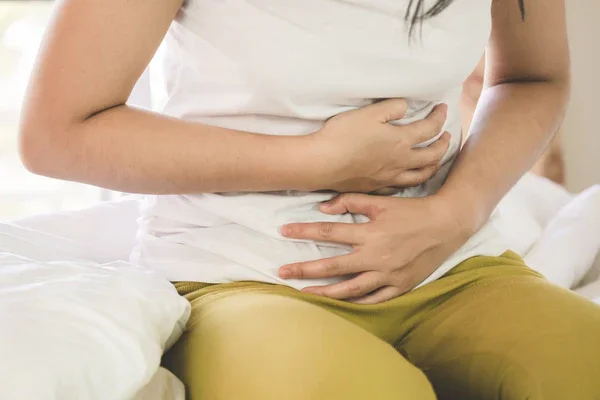
Why do you get cramping in early pregnancy?
Mild cramping is very common in the early stages of pregnancy. As the embryo implants itself into the uterine wall, the uterus changes shape slightly and the muscles tighten. During this process, many women experience early pregnancy spotting or light bleeding. Simply put, it feels like period pain in the lower abdomen as the uterus prepares to enlarge and blood flow increases. Sometimes, this cramping can also be caused by excess gas or constipation. However, if the pain is not too severe and the bleeding does not increase at the same time, there is nothing to worry about. It is a sign that your body is making room for a new guest.
Main causes of abdominal cramps or cramping
After reading the points given below, you will understand why the abdomen twists at this time and what is the relationship between it and the early pregnancy sporting look like:
Implantation or implantation of the embryo: When the embryo sits firmly on the uterine wall, the uterine muscles may contract, causing abdominal cramps.
Uterine size changes: As the baby grows, the uterus expands, which causes pain due to tension in the ligaments or surrounding tissues.
Gas and digestive problems: During pregnancy, hormones reduce digestion, which can cause gas to accumulate in the stomach and cause cramps or discomfort.
Increased blood circulation: During pregnancy, blood flow to the uterus increases a lot, which causes a feeling of heaviness or mild pain in the lower abdomen.
Physical fatigue: If you work or stand for a long time without adequate rest, the abdominal muscles may tense and cramp.
Urinary tract infection: Sometimes, a urinary tract infection can occur in the beginning, which can also cause problems like lower abdominal pain or cramping.
Why diarrhea can occur in early pregnancy
Diarrhea or loose stools in early pregnancy are quite uncomfortable for many expectant mothers. In fact, at this time, a huge hormonal fluctuation starts in the body, which directly affects our digestive system. Especially due to the increase in the progesterone hormone, some people get constipation, while others suddenly have diarrhea due to an increase in bowel movements. Many times, when these hormones change inside the body, the early pregnancy sporting look-alike symptom or light blood spots may appear. Many people mistake this loose stools and stomach pain for periods, but in fact, it is just an attempt by the body to adapt to the new situation.
Main causes of diarrhea in early pregnancy
Simply put, the reasons why you may have loose stools at this time are:
Effect of hormones: The new hormones of pregnancy make your digestive system much more sensitive, which can lead to diarrhea.
Changes in diet: If you suddenly start following a diet for becoming a mother, your stomach cannot absorb more fiber or any new food.
New vitamins: Sometimes, calcium or iron tablets given at the beginning of pregnancy also cause diarrhea in many people.
Lack of water: When the water balance in the body is disturbed, intestinal function is disrupted, which often increases discomfort such as early pregnancy sporting a look-alike.
Emotional tension: Tension caused by the joy or fear of becoming a mother directly affects the stomach, resulting in loose motions.
Food poisoning: During this time, the body’s immunity decreases slightly, resulting in a quick upset stomach from outside food or less clean food.
Discover more here: early pragnancy spotting look like
Is it normal to have stomach cramps and diarrhea together?
Early pregnancy cramps and diarrhea or diarrhea together can be a cause of panic for many expectant mothers. To be honest, in most cases, this is not unusual. When your body’s hormones prepare the uterus for the baby, those hormones also affect your intestines. As a result, on the one hand, the uterus can contract and cause stomach cramps, while on the other hand, the digestive process can be disrupted and diarrhea can occur. Sometimes, between these two problems, a mild early pregnancy sporting look or pink spotting can be seen. If the pain and diarrhea are tolerable and there is no fever, then you can understand that your body is trying to adapt to the new hormones.
How to know if it’s normal
The following points will help you understand how normal your condition is:
Pain intensity: If the cramping or cramping is less than period pain and subsides after a while, it’s normal.
Hormonal manipulation: When the progesterone hormone increases in the body, the intestinal muscles relax, which can cause gas, cramping, and loose stools.
Water intake: Diarrhea causes water to be released from the body, which can cause a slight stretch in the uterus, which can lead to the early pregnancy sporting look-alike symptom.
Food effects: If you suddenly start taking iron or folic acid, cramping and loose stools are completely normal side effects.
Improvement in rest: If the cramping or cramping decreases after drinking enough water and lying down for a while, there’s nothing to worry about.
When to be careful: If the twisting is unbearable, there is blood in the stool, or your body temperature rises, it is not normal at all.
Do these feel like premenstrual cramps
Yes, many early pregnancy symptoms can look exactly like premenstrual cramps. This is why many women don’t realize they are pregnant at first. Just like many people experience mood swings, stomach cramps, or breast tenderness before their period, early pregnancy symptoms are similar. However, the big difference comes when you notice that your period is no longer coming but you are still experiencing early pregnancy spotting or spotting. Premenstrual cramps or discomfort usually subside once the bleeding starts, but in pregnancy, this discomfort or nausea can continue for a few days.
Similarities and differences between menstruation and early pregnancy symptoms
If you pay attention to the points given below, you will be able to understand the difference between the symptoms before the period:
Type of pain: The pain before menstruation is usually very intense, but the pain that accompanies early pregnancy sporting look-alikes is very mild or a slight tingling.
Difference in blood: Spotting before menstruation quickly turns into heavy bleeding, but spotting during pregnancy stops after a few drops.
Breast changes: In both cases, the breasts may be soft or heavy but during pregnancy, the area around the nipples becomes much darker.
Fatigue: Although you may feel a little tired before menstruation, the fatigue or sleepiness of early pregnancy is much deeper.
Dislike of food: Many people want to eat more before their period, but in early pregnancy, the smell of certain foods makes them nauseous.
Mood swings: Feeling sad or irritable can occur during both periods, but in pregnancy, it tends to last longer.
When can stomach cramps and diarrhea be a cause for concern?
Although stomach cramps or loose stools may seem normal in early pregnancy, it is not always right to ignore them. If you find that your stomach pain is unbearable and the loose stools do not stop, then you should understand that there may be another problem inside the body. Especially if the pain is accompanied by early pregnancy sporting look-alike or light bleeding that suddenly increases, this is a cause for concern. Sometimes this can also be due to an ectopic pregnancy or an infection. If the body becomes very weak and if you cannot keep even water in your stomach, it can be a risk for both you and your unborn child.
Symptoms that should be seen by a doctor without delay
Note the points given below. If any of these occur, immediate action should be taken:
Severe and continuous pain: If the stomach pain is much worse than during your period and you feel a sharp biting or twisting sensation on one side of the stomach.
Heavy bleeding: If your spotting is not just the early pregnancy spotting that you see, but is bright red and heavy.
Signs of dehydration: If you urinate very little or have a dark yellow color and your mouth and throat are repeatedly dry.
Fever or chills: If your body temperature goes above 100 degrees with an upset stomach or pain.
Bloody stools: If you have blood or mucus (slimy) in your stools.
Dizziness or fainting: If you have frequent blackouts or fainting due to low blood pressure.
What to do during this time
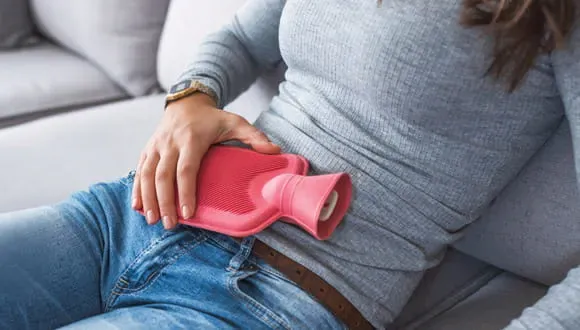
When your body goes through various changes in the early stages of pregnancy, especially abdominal cramps, diarrhea, or mild early pregnancy sporting look-like symptoms, your body needs special care. Your main goal during this time should be to keep your body calm and prevent dehydration. Since hormones weaken your digestive system, it is better to avoid heavy or oily foods. Taking small steps to take care of yourself can help you overcome these discomforts quickly. Below are some tips that will help you stay physically and mentally healthy during this time.
Effective ways to relax
If you follow the habits given below, you will quickly benefit:
Get enough rest: When the body tries to take on new life, it feels very tired. So, sleeping for at least 7-8 hours a day and taking short breaks will help keep your stomach muscles relaxed.
Drink plenty of water and fluids: When you have diarrhea or loose stools, salt and water are lost from the body. So drink water, ORS, coconut water or diluted fruit juice frequently.
Light and easily digestible food: If you have an upset stomach, do not eat fried or outside food at all. Instead, eat bananas, toast biscuits, boiled potatoes or rice which keep the stomach cool.
Eat small amounts frequently: Eat small amounts of food frequently instead of eating a full stomach at once. This will reduce gas in the stomach and reduce the discomfort of twisting or cramping.
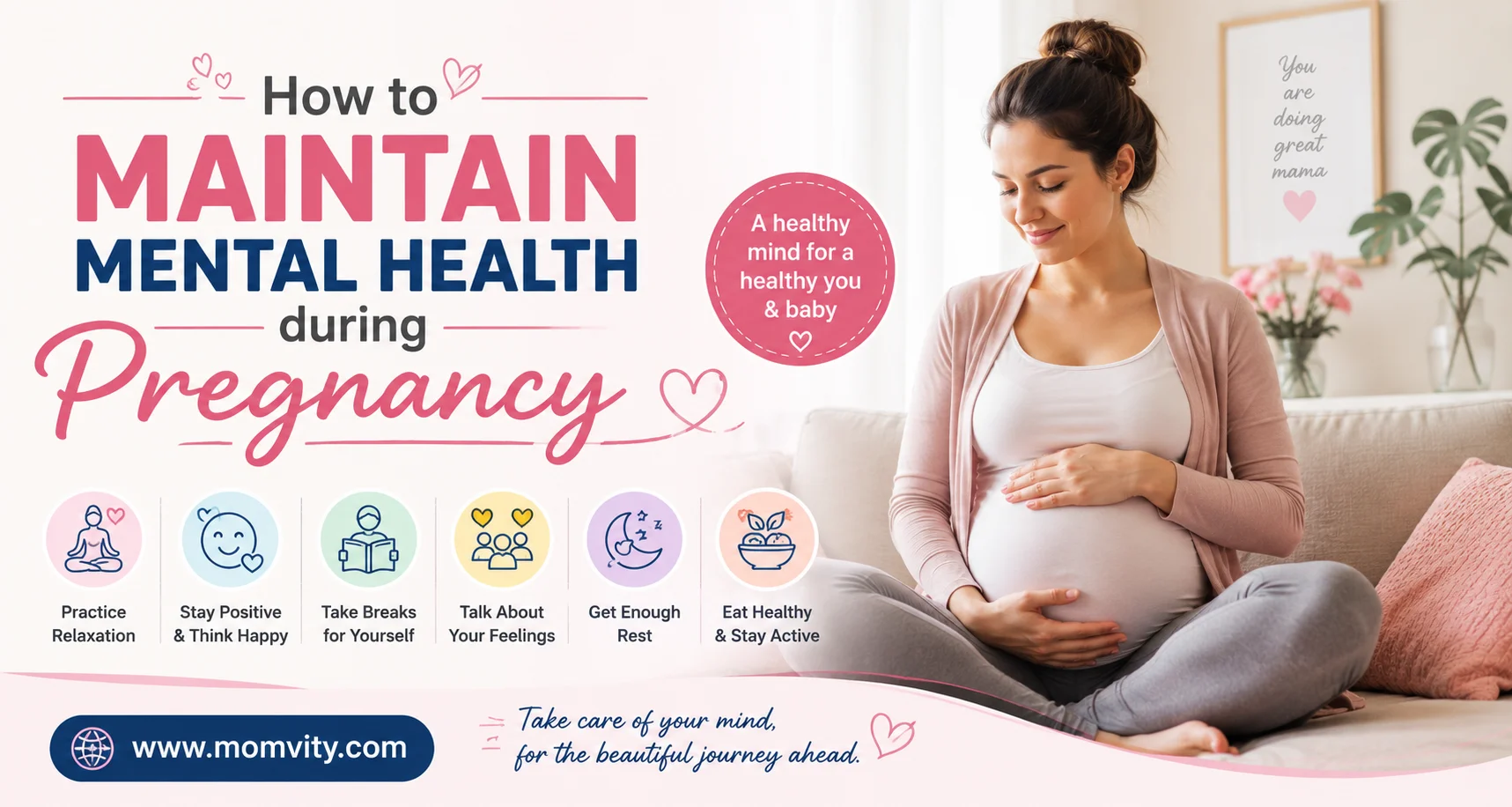
Mental peace: Worrying disrupts the hormonal balance, which can increase early pregnancy sporting look or bleeding. So keep your mind calm by listening to light music or reading books.
Warm water bath: If you have mild twisting in the stomach, then use a very warm water bag You can soak your lower abdomen. But be careful not to let the water get too hot.
Can stress increase this problem?
Yes, stress or anxiety can increase physical problems in early pregnancy many times over. It is very natural to feel scared or excited when you get the news of becoming a mother or see any physical changes. But this excess stress directly affects your nervous system and hormones. Especially when you worry too much, the body releases a stress hormone called ‘cortisol’, which hinders the digestive process and can prolong stomach cramps or diarrhea. In many cases, even due to excessive fear, the uterine muscles may tighten and the amount of early pregnancy sporting look like or light bleeding may increase slightly. Therefore, it is very important to keep your mind calm first to keep your body healthy.
How stress affects the body
The links between stress and physical problems are given below:
Digestive disorders: When you worry too much, blood circulation in the stomach is disrupted, which increases stomach pain or loose motions.
Uterine contractions: Excessive tension can cause the uterine muscles to contract, which can make the early pregnancy sporting a look or cramping more intense.
Reduced immunity: Stress lowers your body’s natural immunity, so even a minor stomach upset doesn’t heal quickly.
Sleep disturbances: If you don’t sleep properly due to anxiety, the body doesn’t get enough rest, which increases physical fatigue and discomfort.
Muscle tension: Stress causes the muscles throughout the body to tighten, which can worsen lower abdominal or back pain.
Hormonal fluctuations: The work of the progesterone hormone, which is essential for pregnancy, can sometimes be disrupted due to stress.
When to Talk to a Doctor
Many symptoms may seem normal in early pregnancy, but it is important to recognize when your body is giving you a warning sign. Although early pregnancy spotting or light bleeding is often normal, it is not a good idea to delay if it occurs with certain symptoms. Especially the first three months of pregnancy is a very sensitive time. Therefore, it is wise to talk to a doctor without harboring any doubts or fears in your mind. For the safety of you and your unborn child, seek medical attention immediately if you experience the following symptoms.
Take immediate action if symptoms occur
Do not stay home in any of the following situations:
Increased bleeding: If your spotting is no longer light and turns into heavy bleeding like a period.
Severe one-sided pain: If you have severe pain on one side of the abdomen, it may be a sign of ectopic pregnancy (pregnancy outside the uterus).
Fever and chills: If you have a fever along with an upset stomach or pain, it could be a sign of an infection.
Severe weakness: If you feel dizzy, vomit repeatedly, and feel so weak that you have trouble standing up.
Chronic diarrhea: If you have loose stools for more than 24 hours and you are unable to keep any food or water down.
Bleeding: If you see a large blood clot or tissue-like mass coming out of your vagina.
Burning during urination: If you experience severe pain or burning while urinating, seek medical attention immediately.
Conclusion
Finally, the beginning of pregnancy is as joyful as it is challenging for the body and mind. During this time, things like stomach cramps, loose stools, or early pregnancy sporting a look-alike or light bleeding are mostly part of normal physiological changes. As your body prepares to grow a new life, various ups and downs can occur in everything from digestion to mental state due to the effects of hormones. The most important thing is to understand your body language and stay calm without panicking unnecessarily. These initial discomforts can be easily overcome by getting proper rest, nutritious food, and drinking enough water.
Some final tips for your healthy journey
To stay healthy in the coming days, always keep the following things in mind:
Symptom monitoring: Keep an eye on the color and amount of your spotting and the intensity of the pain, this will help you make the right decision.
Rest and caution: Any kind of physical or mental stress is not desirable during this time, so try to keep yourself as cheerful and stress-free as possible.