
How does progesterone increase in early pregnancy?
Progesterone is called the ‘pregnancy hormone’. It works like magic in your body from the beginning of pregnancy. Simply put, every month when an egg is released from your ovary, a temporary gland called the ‘corpus luteum’ is formed there. This gland starts producing progesterone.
If you are pregnant, the amount of this hormone increases by leaps and bounds. It makes the walls of your uterus like a soft mattress, so that the baby can grow safely there. Many times, the muscles of the body relax due to the effect of this hormone, due to which you can experience symptoms like twisting in the stomach or early pregnancy sporting a look like.
What is the progesterone hormone?
Simply put, progesterone is a hormone that plays a major role in maintaining pregnancy and keeping the baby safe in the mother’s uterus. It is also sometimes called the ‘mother hormone’ or ‘pregnancy hormone’. This hormone acts as a shield throughout the entire pregnancy, from regulating your period cycle to supporting it. Only when progesterone levels are right can an embryo implant firmly in the uterine wall, which can sometimes be seen through light early pregnancy-sporting spotting or implantation bleeding.
Functions and importance of progesterone hormone
Here’s what exactly this hormone does in your body:
- Building the uterine wall: After your period, it thickens and nourishes the inner layer of the uterus (Endometrium) so that the embryo can find food and shelter there.
- Protecting the fetus: It keeps the uterine muscles calm so that there are no premature contractions, which helps prevent miscarriage.
- Helps in the production of breast milk: Changes the breast tissue during pregnancy so that the baby can receive breast milk after delivery.
- Regulating the immune system: It regulates the body’s immune system in such a way that your body accepts the fetus without considering it an enemy.
- Helpful signs: This hormone causes a slight increase in body temperature, which many people can see when they are pregnant or ovulating.
Role of progesterone in early pregnancy
In the first three months of pregnancy or Early Pregnancy, the progesterone hormone is called the “lifeline”. Without it, it is almost impossible to sustain a pregnancy. In early pregnancy, this hormone acts like a skilled manager inside your body that keeps everything in its right place. When the embryo takes shelter in the uterus, progesterone ensures that the uterus does not expel it. The manipulation of this hormone increases blood circulation inside the uterus, which can sometimes appear as early pregnancy sporting a look like or mild implantation spotting.
Main functions of progesterone in Early Pregnancy
Below are the important roles of this hormone in simple terms:
Maintaining the lining of the uterus: Progesterone does not allow the inner wall of the uterus to break down. If this hormone decreases, bleeding like the start of a period can occur.
Preventing miscarriage: It keeps the uterine muscles relaxed. If the uterus contracts repeatedly, there is a risk of miscarriage. Progesterone stops those contractions and protects the fetus.
Support until the placenta is formed: Progesterone ensures the supply of nutrients to the fetus until the placenta or womb is fully formed for the first 10-12 weeks of pregnancy.
Formation of cervical plug: It creates a thick mucus or sticky coating at the mouth of the uterus so that no outside bacteria or infection can enter the uterus and harm the baby.
Changes in digestion: It relaxes all the muscles in the body, which slows down the work of the stomach. Due to this, you may experience stomach cramps or gas problems.
Progesterone levels in early pregnancy
Here are the changes in progesterone in the very early days of pregnancy:
Surge after ovulation: Progesterone starts to increase when the egg is released from the ovary. If pregnancy occurs, this level does not decrease but continues to increase.
Being above 10 nanograms: According to doctors, for a healthy pregnancy, the level of this hormone is usually above 10 ng/mL at the very beginning of pregnancy. However, sometimes it can be as high as 20 or 30 ng/mL.
Symptoms: Due to the increase in progesterone during this time, your body temperature may increase slightly (it may feel like 99 degrees Fahrenheit).
Protecting the lining of the uterus: The hormone causes the blood vessels inside the uterus to dilate so that the embryo can receive nourishment. At this time, the blood vessels rupture, which is often the symptom of early pregnancy sporting a look-alike.
Muscle relaxation: Early on, progesterone causes your intestinal muscles to relax, which can cause symptoms like bloating or constipation.
What do you feel when your progesterone levels are low?
If progesterone levels don’t rise enough in the beginning, your body can’t maintain the lining of your uterus. This can cause bright red bleeding that resembles your period, which many people mistake for the normal early pregnancy spotting. If the bleeding is accompanied by severe abdominal pain, it could be a sign that your progesterone levels are dropping.
What can you feel if you have high progesterone?
High progesterone levels in the body are usually a positive sign of a healthy pregnancy. However, when this hormone increases too much, its effects on various parts of the body become clear. Progesterone mainly relaxes the muscles of the body, and because of this relaxation, you may feel some physical discomfort. In the beginning of pregnancy, when the fetus establishes itself in the uterus and the hormone increases, many people experience symptoms like early pregnancy sporting a look-alike or light spotting, as well as severe fatigue.
Changes that occur in the body when progesterone is high
You can understand if your progesterone levels are quite good or high by looking at the symptoms given below:
Prolonged sleepiness and fatigue: Progesterone acts like a natural sleeping pill on the brain. So if this hormone is high, you will feel very tired and sleepy all day long.
Slow digestion: It relaxes the muscles of the intestines, so it takes a long time to digest food. This can cause gas, heartburn, and constipation.
Morning Sickness: The hormones progesterone and hCG together make the stomach sensitive, causing nausea in the morning or at the smell of food.
Breast Changes: This hormone activates the mammary glands. As a result, the breasts may be much heavier, softer, and may feel sore to the touch.
Increased Body Temperature: Progesterone increases the body’s metabolism, which can cause your body temperature to be slightly higher than normal (around 99° Fahrenheit).
Mood Swings: Hormonal imbalance can cause sudden mood swings, crying spells, or excessive irritability.
Can you tell everything by just looking at the chart?
No, it is not possible to understand the entire status of pregnancy by just looking at a chart or a number of lab reports. Although the Progesterone levels in early pregnancy chart gives us a general idea, everyone’s body and pregnancy are different. Some people can give birth to a healthy baby even if their progesterone levels are near the lower end of the chart, while others may have other complications despite their levels being much higher. Therefore, it is more important to pay attention to your physical symptoms and doctor’s advice rather than considering the number on the chart as the last word. Sometimes, when the embryo is set in the uterus, early pregnancy can look like or light spotting, which can happen even though the progesterone level is normal.
You may also read: What does spotting look like in early pregnancy?
Why is the chart not enough?
You will understand why relying on the chart alone is not right after reading the reasons given below:
Laboratory differences: The testing method may be different in each laboratory, which may result in different results for the same blood sample in different charts.
Hormonal fluctuations: Progesterone levels can vary throughout the day. They can even change slightly depending on what you’ve eaten or how stressed you are.
Body type: Everyone’s body is different. What looks “low” on the chart may be perfectly adequate for your body.
Role of other hormones: A healthy pregnancy requires not only progesterone but also the right balance of hCG and estrogen hormones, which can’t be determined from a simple chart.
Asymptomatic problems: Sometimes, progesterone levels are perfectly normal on the chart, but other problems with the uterus can cause symptoms like early pregnancy-like cramping or pain.
How is the real decision made?
Doctors usually don’t just look at a blood test chart. They also do an ultrasound (USG) to check if the baby’s heartbeat is normal and the condition of the uterus. If your progesterone levels are a little low but everything is fine on the ultrasound report, there is nothing to worry about.
When to get a progesterone test
It is not mandatory for everyone to get a progesterone test early in pregnancy. However, in certain situations, doctors recommend doing this test to be sure. Especially when there is any discomfort in the body or there is a need for extra caution with the pregnancy. Many times, when a woman notices early pregnancy sporting look-alike or light spotting like a period, the doctor wants to see if the body’s progesterone level is sufficient to sustain the pregnancy.
Situations in which this test is necessary
Below are some of the main reasons when a progesterone test is needed:
Bleeding or spotting: If you have light vaginal bleeding (which we call early pregnancy sporting look-alike) in the first few weeks of pregnancy, a blood test can be used to see if the hormone level is decreasing.
Severe abdominal pain or cramping: If the lower abdomen is very twisted or there is severe pain on one side, doctors try to understand whether there is a risk of ectopic pregnancy through hormone tests.
If there is a history of previous miscarriages: In those who have a history of previous miscarriages, progesterone is checked immediately after pregnancy is confirmed so that supplements can be given at the beginning.
Infertility treatment: Progesterone levels are regularly monitored in those who have conceived artificially or with hormonal drugs.
If there is doubt on ultrasound: If there is any doubt about the growth of the fetus on ultrasonography, doctors want to be sure by looking at the hormone levels.
High-risk pregnancy: If the mother is older or has other hormonal problems in the body, it is safe to test progesterone at the beginning.
How does the test work?
This is a simple blood test. This blood can be given at any time of the day. After receiving the report, the doctors compare your results with the Progesterone levels in early pregnancy chart and take necessary action accordingly.
What to do to increase progesterone
If the progesterone hormone level in the body is low or if you want to make the pregnancy more secure, doctors take various measures. There are basically two types of methods to increase progesterone: medical methods and natural lifestyle changes. If you experience early pregnancy sporting look-alike or light bleeding, it becomes very important to give the body extra hormonal support so that the uterus can hold the fetus tightly.
1. Medical Treatments
When the hormone deficiency in the body is very high, doctors recommend giving progesterone supplements directly:
Progesterone tablets or pills: This is the most common method. Doctors usually recommend taking this medicine once or twice a day.
Vaginal suppositories or gel: It is used vaginally. Since it works directly near the uterus, its effectiveness is very fast and there are fewer side effects like nausea.
Hormone injections: If the risk of bleeding is high, doctors may give weekly or daily progesterone injections.
Cream: In some cases, progesterone cream is recommended for application to the skin, but it is less commonly used during pregnancy.
2. Natural Ways and Lifestyle
Although progesterone is not found in food directly, some habits and foods help the body produce this hormone:
Foods rich in vitamins B6 and C: Bananas, nuts, fish, and citrus fruits increase the body’s ability to produce hormones.
Foods rich in zinc: Pumpkin seeds, lentils, and red meat are good for uterine health and help in hormone secretion.
Reduce stress: Excessive worry causes the body to produce the hormone ‘cortisol’, which prevents the production of progesterone. Therefore, it is very important to keep the mind calm.
Adequate rest: When the body is at rest, the hormones get the opportunity to work at the right level.
Weight control: Even if the body weight is too high or too low, the hormonal balance is disrupted. However, eating nutritious food rather than losing weight during pregnancy should be the main goal.
Important Warning
Remember, never take hormone medication on your own just because of early pregnancy sporting a look-alike or any other symptoms. Excess progesterone can also be uncomfortable for the body at times. Always follow the dosage given by the doctor based on blood tests and ultrasound reports.
What is most important at this time
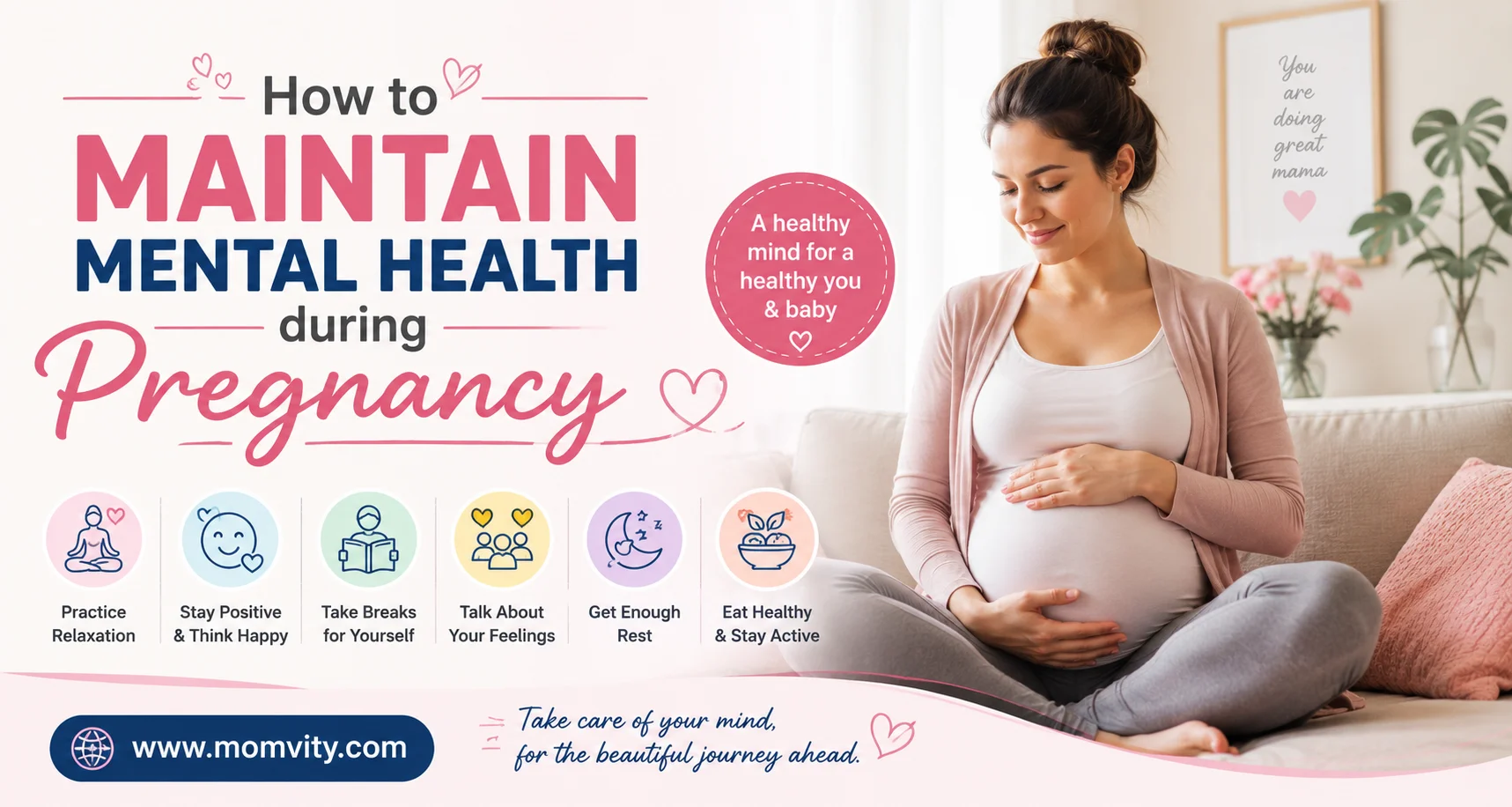
In early pregnancy, especially when your body is undergoing rapid hormonal changes and you are facing symptoms like early pregnancy sporting look-alike or light spotting, the most important thing is to listen to your body and be patient. This time is as much a test of your mental strength as it is of physical changes. For a healthy pregnancy, medication or diet alone is not enough, but your awareness and calmness play the biggest role.
5 things that should be your priority at this time:
Don’t panic: It is normal to feel nervous when you see a little bleeding or a twisting of the stomach, but excessive worry can further disrupt the hormonal balance of your body. Remember that early pregnancy sporting look-alike symptoms also occur in many healthy pregnancies.
Accurate information and expert advice: Although there is a lot of information on the internet, your doctor knows your body’s condition best. It is most important to talk to a specialist directly without taking medicine for any unusual symptoms.
Adequate hydration and nutrition: Your body is now working for two. So drinking plenty of water and eating easily digestible foods is very important. This will help reduce constipation or gas pains that can sometimes be mistaken for pregnancy cramps.
Physical and mental rest: During this time, your body uses a lot of energy to build your uterus and placenta. So, if you feel tired, do not force yourself and get enough rest. Sleep and rest help your progesterone hormone to function properly.
Monitoring the symptoms: Keep an eye on your body. Is the spotting increasing? Is the pain becoming unbearable? Noticing these small changes and keeping a note of them if necessary will help the doctor make the right decision at the next checkup.
Can progesterone fluctuations change symptoms?
In early pregnancy, progesterone hormone is not always the same. Some days it may be a little more and some days it may be a little less. Due to this fluctuation, many women notice that one day their body feels the same and the next day it feels a little different. This is nothing to be afraid of.
Changes that can be seen in the body during this hormonal fluctuation
- • More sleep one day and less sleep the next day
- • Sometimes mild discomfort in the lower abdomen and sometimes nothing
- • Sudden changes in mood
These changes are often very subtle, so many people do not realize that hormones are working behind them. As long as there is no major problem such as severe pain or heavy bleeding, these fluctuations are usually considered normal.
The best thing to do at this time is
• Notice the changes in your body
• Don’t worry unnecessarily
• Get regular rest
Conclusion
This early period of pregnancy is a combination of physical and emotional feelings. Starting from the effects of the progesterone hormone to the early pregnancy sporting look, each symptom confronts you with a new experience. Sometimes it is normal to feel worried when you see discomfort in your body or a little bleeding, but remember that in most cases these are part of a healthy pregnancy. Your body is now working day and night to contain a new life and it needs some time and patience to adapt to these changes.
Some final words for your coming days:
Awareness is protection: Notice every small change in your body. If the discomfort increases too much, do not hesitate to seek expert advice.
Stay positive: Keeping your mind calm and thinking positively will work like medicine to balance your hormones.