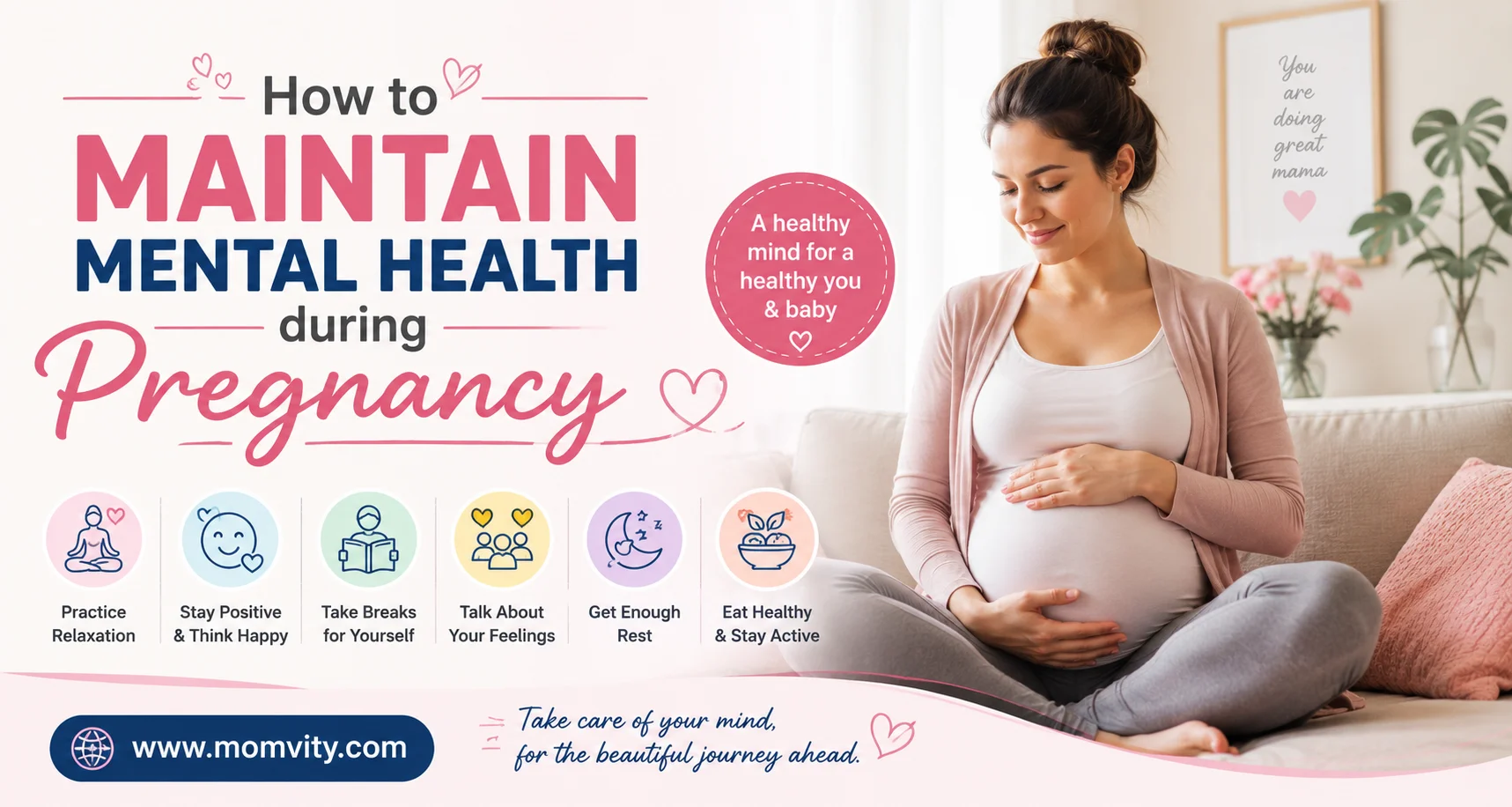

Pregnancy symptoms that may appear before a missed period
Many times, the body slowly starts giving some signals before a missed period. Even then, someone may not be sure that they are pregnant, but their body does not feel the same as before. The symptoms during this period are very mild, so they can easily be confused with the normal problems before menstruation.
Although missing a period is the biggest sign of pregnancy, your body starts giving you some signals long before that. When the embryo implants itself in the uterine wall, hormonal changes affect your body. In many cases, this is when you can see early pregnancy-like spotting or light spotting that occurs before your period.
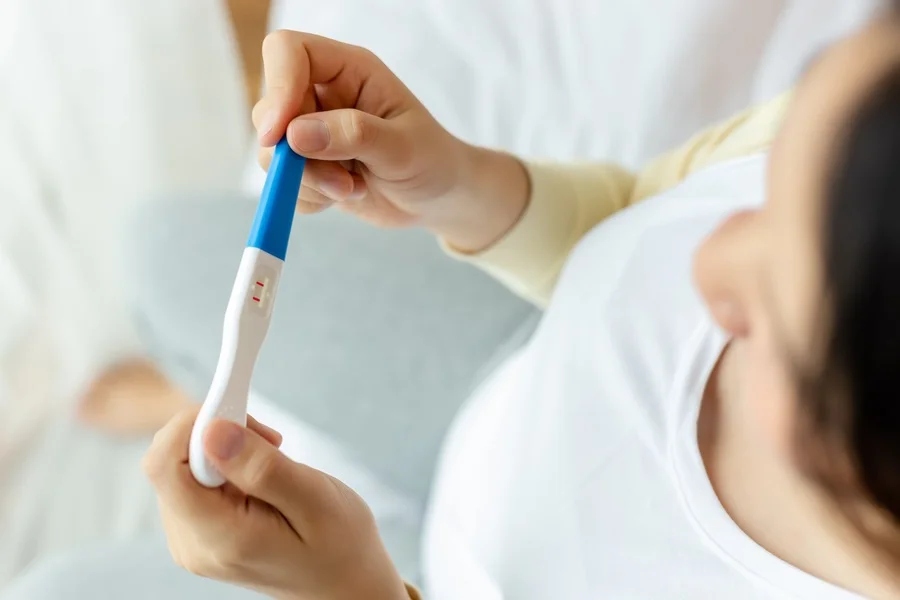
Feeling very tired for no reason
The most common symptom that many women experience before their period is extreme fatigue or exhaustion. Even without doing any hard work, it may feel like all your body’s energy is gone. This fatigue is not ordinary fatigue, it is a type of fatigue that does not want to go away even after adequate sleep. This is mainly due to the sudden increase in the level of the progesterone hormone in the body at the beginning of pregnancy. When the embryo takes refuge in the uterus and early pregnancy sporting look-alike or light spotting appears, the body starts preparing extensively to create a new life inside.
What are the main causes of this fatigue?
Below are the main causes of this abnormal fatigue:
Effect of progesterone: The progesterone hormone acts like a natural sleeping pill on the brain. When it increases, the body relaxes and creates a sense of sleepiness.
Increased blood production: The body starts producing a lot of blood to maintain the pregnancy and ensure nutrition for the fetus. This makes the heart work harder, which makes you feel tired.
Changes in metabolism: Your body is now spending more calories than before to build the uterine wall and the baby’s basic structure.
Decreased blood pressure and sugar levels: Due to hormonal changes, blood pressure can drop slightly and blood sugar levels can drop, which directly affects your energy levels.
What you can do to reduce fatigue
- Since this fatigue is hormonal, it is not possible to completely eliminate it, but it can be controlled with some habits:
- Rest your body: Whenever you feel tired, take a 10-15 minute power nap if possible. Do not force your body to work.
- Nutritious food: Eat protein and iron-rich food. This will eliminate anemia and provide energy.
- Drink enough water: Dehydration or lack of water increases fatigue. So drink water little by little throughout the day.
- Light walking: Do not lie down or sit down at all
Heaviness or discomfort in the breasts
One of the first and strongest signs of pregnancy before a missed period is breast changes. Many women notice that their breasts are heavier, swollen, or more tender than usual a week or two before their period. When the body begins to change hormones and the embryo settles in the uterus, early pregnancy sporting look-alikes or light spotting appear, the breast tissue begins to prepare for the future.
Causes and feelings of these changes
Here’s why this happens and what exactly you might feel:
Hormonal surge: After pregnancy, the hormones estrogen and progesterone increase rapidly. These hormones increase blood flow to the breasts, making them feel larger and heavier than usual.
Hypersensitivity: The breasts or nipples become so sensitive that even rubbing against ordinary clothing or touching can cause discomfort or pain. Many people think of it as PMS (premenstrual cramps), but this pain during pregnancy is usually a little more intense.
Nipple changes: If you look in the mirror, you may notice that the dark area around the nipple (areola) has become darker or larger than before. There may be small bumps or raised areas like pimples that are more obvious.
Visibility of blood vessels: The blood vessels under the skin of the breast, such as bluish veins, may become more obvious than before because of increased blood flow there.
Some tips to reduce discomfort
This change is normal and indicates that your body is preparing itself to nourish the baby. However, there are things you can do to reduce this discomfort:
- Use a supportive bra: Wearing a comfortable cotton sports bra or a wire-free bra will make your breasts feel less heavy and reduce friction-related pain.
- Rest and care: Take gentle care of your breasts while sleeping or bathing. It is best to avoid tight or synthetic clothing during this time.
- Warm water soak: If the pain is severe, soaking a towel in warm water can provide relief.
Light pulling or pressure in the lower abdomen
Before a missed period, many women experience a strange feeling in their lower abdomen that is slightly different from period pain. Some describe it as a light pulling, while others feel like a heavy pressure or gentle twisting in the lower abdomen. When the embryo implants itself in the uterine wall (called implantation), the uterine muscles begin to stretch. As part of this process, early pregnancy may be accompanied by some cramping or light bleeding, as well as this discomfort in the lower abdomen.
Characteristics of this pulling or pressure
Here are some reasons why and how you might feel it:
Implantation cramping: The uterus contracts slightly when the egg implants itself into the uterine wall. This may feel like early period pain, but it is usually not as severe and resolves within a short time.
Uterine dilation: The uterus begins to change its shape from the very beginning of pregnancy. This change causes slight tension in the surrounding ligaments or tissues, which creates pressure in the abdomen.
Gas and bloating due to hormonal effects: The hormone progesterone slows down the digestive process. As a result, gas can accumulate in the abdomen and cause bloating which can give a feeling of increased pressure in the lower abdomen.
Increased blood circulation: Blood flow to the uterus and pelvic area increases manifold, which can make the lower abdomen feel a little heavy or tight.
When is this symptom not normal?
Mild discomfort or tightness in the lower abdomen is very common in early pregnancy. However, you should be aware of the following symptoms:
- If this tightness or pain is felt intensely on only one side of the abdomen.
- If the pain is accompanied by a lot of red bleeding (which is much more than the normal early pregnancy sporting look).
- If you have difficulty standing up straight due to pain or have a fever.
Light spotting or colored discharge
One of the most confusing but important signs of pregnancy before a missed period is light spotting or colored discharge. This is called ‘implantation bleeding’ in medical terms. Many women mistake it for a sign of the start of their period. Basically, when the fertilized egg or embryo implants itself in the soft inner wall of the uterus, there may be a very light bleeding from there. This event usually occurs a few days before the expected date of the period and it looks very much like early pregnancy sporting a look or light spotting.
Difference between period and pregnancy spotting
How do you know if it’s your period or a sign of pregnancy? Note the following differences:
Color variation: Period blood is usually bright red. But implantation spotting or this colored discharge in early pregnancy is usually light pink or dark brown.
Amount: In the case of periods, bleeding increases over time and requires the use of pads or tampons. On the other hand, this spotting is so light that it is only visible when wiping with a tissue or as a small stain on the underwear.
Duration: Periods usually last 3 to 7 days. But pregnancy spotting can last from a few hours to a maximum of 1-2 days and is not continuous.
Nature of pain: There may be severe abdominal pain or cramps during periods. If there is pain with this spotting in early pregnancy, it is very mild or feels like a slight pulling.
Why is this symptom important?
If you notice such early pregnancy sporting look a like or colored discharge a few days before your period, then you should understand that the progesterone hormone is actively working in your body and the uterus has accepted the embryo. However, keep in mind that this spotting may not occur in all pregnant women. Again, this means that your body is very sensitive now.
Sudden discomfort with smell
Many women notice that their sense of smell has become unusually heightened before their period is due. Smells that you used to love or that seemed very ordinary (such as the smell of cooking spices, perfume, coffee or soap) may suddenly seem unbearable or strong to you. This symptom of pregnancy can be so pronounced that you may even feel immediately nauseous at any particular smell. This is mainly a result of the rapid changes in the hormones progesterone and estrogen in the body. When the embryo begins the process of settling in the uterus and early pregnancy sporting look-alikes or light spots appear, the part of the brain that controls smell becomes very sensitive under the influence of hormones.
Some common symptoms of discomfort with smell
Why this change occurs and what you can do about it are given below:
Intense sensitivity: You may smell cooking oil from across the room that you never had before. This “super smell” ability is a sign of the very beginning of pregnancy.
Food aversion: You may develop aversion or hatred for a particular food due to discomfort with the smell of a particular food. Many people especially have problems with the smell of fish or onion and garlic.
Morning sickness or nausea: This intense sensitivity to smell directly stimulates your stomach, which can cause you to feel nauseous.
Role of hormones: According to researchers, this is a protective charm of the body. The body may increase its sense of smell in this way to keep the mother and baby away from harmful or rotten things at the beginning of pregnancy.
What you can do to deal with this discomfort
Since it is hormonal, it is difficult to completely stop it, but you can find comfort in some ways:
- Air circulation: Keep the windows open while cooking or staying at home so that air can circulate and strong odors do not accumulate.
- Cold food: Cold food spreads less odor than hot food. So if you cannot tolerate the strong odor of food, you can eat the food slightly cold.
- Lemon scent: Sometimes, instead of a strong bad smell, inhaling the refreshing scent of lemon or ginger can help reduce nausea or discomfort.
- Avoid natural fragrances: Try using herbal or unscented cosmetics instead of harsh perfumes or air fresheners.
Changes in food taste
Before your period is missed, your favorite foods may suddenly taste bad or you may develop a strong desire for foods that you didn’t like before. This is called ‘food craving’ or ‘food aversion’. This dramatic change in your taste may start when your body is experiencing a surge of hormones and the embryo settles in the uterus.
What are the types of these taste changes?
There are three main types of changes in food taste in early pregnancy:
Bad or metallic taste: Many women complain that they always have a bitter or metallic (iron-like) taste in their mouth. This is called ‘dysgeusia’ in medical terms. This is due to changes in the estrogen hormone.
Distaste or aversion: Your body may feel nauseous at the smell of your favorite coffee, tea, or fried food. When your body thinks that it will be difficult to digest a food, hormones create aversion to that food.
Cravings: You may suddenly have a strong desire to eat sour foods, pickles, or something very spicy. This can be a natural way to meet the body’s nutritional needs.
What should you do during this time?
Changes in taste can lead to nutritional deficiencies in the body. So keep these things in mind:
- Eat small amounts frequently: Instead of eating a lot at once, eat small amounts of nutritious food throughout the day. This reduces nausea and maintains appetite.
- Find alternative foods: If you have aversion to fish or meat, try eating lentils, paneer, or nuts to meet your protein needs.
- Adequate water and fruits: You can eat lemon juice or sour fruits such as amla or malata to increase appetite. This also helps eliminate the metallic taste in the mouth.
Abnormal mood swings
Before a missed period, many women notice that their emotions or moods are changing rapidly for no apparent reason. We call this a ‘mood swing’. At this time, you may become emotional, cry, or suddenly become very irritable for some very small reason. When the embryo establishes itself in the uterus and your body is flooded with progesterone and estrogen hormones, the brain loses some balance while adapting to these hormonal changes. Along with this mental instability, early pregnancy sporting look-alikes or light spotting can increase anxiety.
Why do these sudden mood swings occur?
Below are some of the main reasons for these mental changes:
Effects of hormones: Estrogen and progesterone directly affect the chemicals in the brain that control our mood. As a result, you can suddenly feel very happy or very sad.
Physical discomfort: Physical problems like fatigue, nausea, or breast pain in early pregnancy put pressure on your mind, which is why it is normal to become irritable.
Uncertainty and anxiety: In the days before a missed period, there is a kind of tension or fear in the mind that whether or not pregnancy has occurred. This mental stress is also responsible for mood swings.
Metabolic changes: Fluctuations in blood sugar and blood pressure in the body can directly make your mood irritable.
Ways to deal with this situation
This mental instability is a completely normal process. What you can do to control it:
- Give yourself time: Don’t blame yourself if you are in a bad mood. This is just a hormonal process in your body.
- Adequate sleep: Lack of sleep makes your mood more irritable. So ensure 7-8 hours of restful sleep daily.
- Talk to your loved ones: Share how you are feeling with your loved ones. This will relieve a lot of mental stress.
- Light exercise or meditation: Do pranayama or deep breathing exercises for at least 10-15 minutes every day. This increases the supply of oxygen to the brain and keeps the mind calm.
Body feels a little hot
Many women feel that their body feels a little hotter than usual before they miss their period. This is not exactly like a fever, but a kind of warmth or ‘hot flash’ feeling inside the body. In medical terms, this is called an increase in basal body temperature. When the egg is fertilized and the embryo settles in the uterus, the body’s internal temperature starts to increase.
What is the real reason for the body feeling hot?
The main reasons for this feeling of heat are explained below:
The role of the hormone progesterone: After ovulation or ovulation, the hormone progesterone increases in the body, which increases the body temperature slightly. If you become pregnant, the level of this hormone does not decrease anymore, so the body may feel hot for a few weeks.
Increased metabolism: After pregnancy, the body’s metabolic rate or metabolism increases. The body is now generating energy for both you and the fetus, which generates heat inside the body.
Increased blood circulation: During pregnancy, blood vessels dilate and the amount of blood in the body increases. You may feel hot externally due to increased blood circulation near the skin.
Things to watch out for during this time
If you have symptoms of missed period along with hot flashes, keep the following in mind:
- Temperature monitoring: If you use a thermometer regularly, you will see that your body temperature is about 0.5 to 1 degree Fahrenheit higher than normal.
- Drink enough water: Dehydration or lack of water can occur if the body feels hot. So drink plenty of water and fruit juices.
- Cotton and loose clothing: Wear comfortable cotton clothing so that body heat can escape easily.
- Avoid excessive sun exposure: It is better to avoid staying in direct sunlight for a long time during this time as it can cause dizziness or fatigue.
Feeling light-headed or weak
Many women experience sudden dizziness or light-headedness before their period. Sometimes, when you stand up suddenly from a sitting position, the surroundings may seem dark. At the very beginning of pregnancy, when your body prepares to hold a new life and when the fetus settles in the uterus, early pregnancy sporting look-alikes or light blood spots appear, such weakness is felt due to massive changes in blood circulation and hormones.
Main causes of feeling light-headed
Here are some scientific reasons why you feel this way in early pregnancy:
Blood vessel dilation: Due to the increase in the progesterone hormone, the blood vessels in the body relax and dilate. As a result, blood pressure can decrease slightly, which is one of the main reasons for feeling light-headed.
Decreased blood sugar levels: The body is now spending extra energy to strengthen the walls of the uterus. As a result, blood sugar levels can drop suddenly, which makes you weak.
Anemia: Iron deficiency often occurs when the body starts producing extra blood for the baby. As a result, there is a delay in reaching enough oxygen to the brain, which causes dizziness.
Dehydration and fatigue: Nausea or frequent urination in early pregnancy can lead to a lack of water in the body, which is directly linked to dizziness or weakness.
What you can do to overcome this weakness
If you feel light-headed or weak, do not panic and follow the following tips:
- Move slowly: When getting up from a lying or sitting position, do not get up suddenly, but take your time. This will prevent a sudden drop in blood pressure.
- Eat small, frequent meals: Do not go without food for a long time. Have a light and nutritious snack every two to three hours to keep your blood sugar levels stable.
- Adequate fluids: Drink plenty of water, coconut water or fruit juice throughout the day to keep the body hydrated.
Not feeling the same as before
Many women report a strange feeling before their period, where there is no specific physical problem, but there is a change in the mind and body. Many also call it a “sixth sense” or intuition. This feeling of not feeling the same as before is not an imagination but a signal of a huge hormonal revolution taking place inside your body. From the moment the embryo settles into the uterine wall and signs such as early pregnancy sporting a look-alike or light spotting appear, your body starts telling you that something big is happening inside.
The real reason behind this “not feeling the same as before”
Why do you feel like you are not in your usual rhythm? Some of the reasons are given below:
Emotional and physical connection: When the body changes itself for a new life, it affects the central nervous system. As a result, you may feel a kind of separation or otherness within yourself.
Subtle effects of hormones: The sudden increase in progesterone and estrogen affects your ability to think and concentrate. Many people call this ‘pregnancy brain’ or a foggy state of mind that can make you forget even very familiar tasks.
Inner changes: Even a slight increase in your heart rate or a change in the rhythm of your breathing can create a kind of discomfort in your subconscious mind.
A combination of excitement and fear: If you are trying to conceive, a kind of expectation and fear work at the subconscious level of the mind that makes you mentally unstable.
What you should do if you feel this way
If you feel like a stranger to yourself, do not be upset and take these steps:
- Trust yourself: Do not ignore what your body is feeling. Give yourself some time to adjust to this new feeling.
- Watch for the symptoms: In addition to not feeling the same as before, take note of if you have early pregnancy sporting look like heavy breasts or severe fatigue. These are all part of a chain reaction.
- Rest and stay calm: Spend time with yourself during this time by not going to too many social events. Reading a book or listening to music will help keep your mind calm.
conclusion
Early pregnancy symptoms before missed period are very subtle and do not appear the same in everyone. Not all symptoms come together and not all women experience the same symptoms. Therefore, it is most important to pay attention to the small changes in your body.
Although mild symptoms are often normal, it is safest to seek advice without delay if you feel anything unusual.