

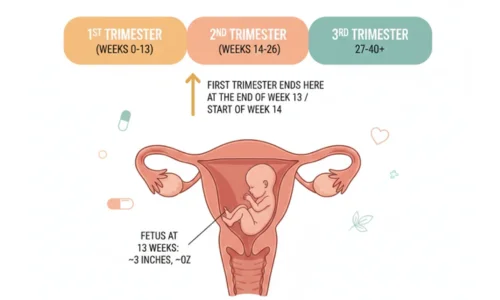
The journey of pregnancy is basically divided into three parts, the first part of which is the First Trimester. According to medical science, the period from the first day of pregnancy to 13 weeks and 6 days is called the first trimester. That is, it is the first three months of your pregnancy.
Interestingly, How Long Is First Trimester from the first day of your last menstrual period (LMP), although the actual process of conception occurs about two weeks after that. This 13 weeks or about 90-94 days is very important, because in this short period of time, the main organs of the baby’s body, such as the heart, brain and spine, start to form from a small cell. Many mothers find this period the most challenging, because it is during these thirteen weeks that the body’s hormones change the most and morning sickness or nausea is prominent. As the first trimester ends, the risk of miscarriage decreases a lot and the mother starts to feel more stable physically and mentally.
When does the first trimester start?
Many people think that pregnancy begins from the day you miss your period or the day your pregnancy test comes back positive, but medical science has a slightly different calculation. The correct answer to when does the first trimester start is from the first day of your last period or menstruation. This is called LMP (Last Menstrual Period). Although the process of fertilization of the egg occurs about two weeks after the period, doctors still count the first week of pregnancy from the day your period starts. That is, the first trimester starts from day zero. This calculation is used because it is difficult to say the exact moment of conception with certainty, but it is easy to remember the day your period starts. So, How Long Is First Trimester depending on the day you found out you were pregnant, you could already be 4 or 5 weeks pregnant. From this time, the rapid development of the fetus begins and the initial symptoms begin to appear in the body due to hormonal changes.
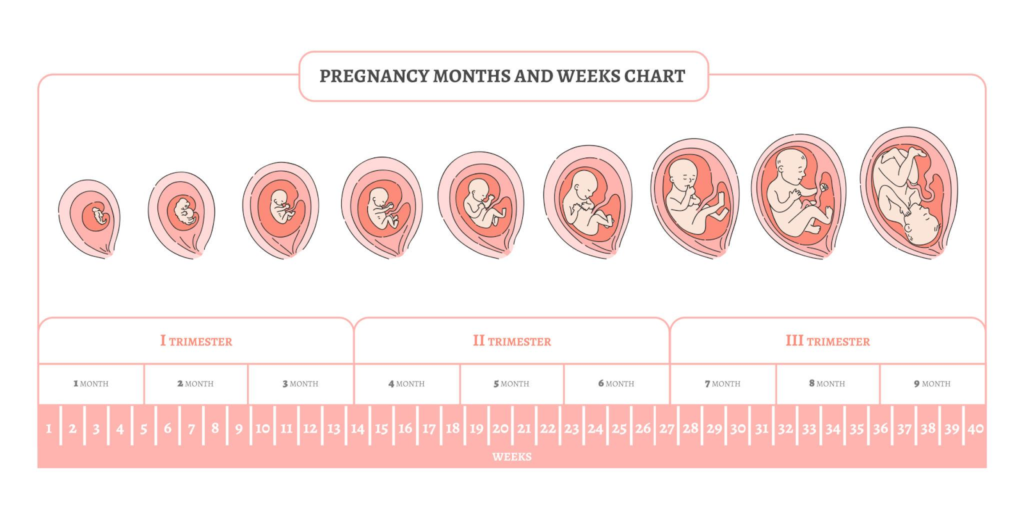
Here are some important points about the start of the first trimester and the calculation method:
- Start of calculation: The first day of pregnancy is the first day of your last normal menstrual period.
- 2-week difference: In the first two weeks of pregnancy, you are not actually pregnant, your body is just preparing for ovulation
- Implantation: Around the 3rd or 4th week, the embryo implants itself in the uterine wall, which can be called the actual start of pregnancy.
- Week count: The entire period from the 1st week to 13 weeks and 6 days is included in the first trimester.
- Medical examination: Based on the date of the start of your period, the doctor determines the expected date of birth or EDD (Expected Delivery Date) of your baby.
- Important time: These first few weeks are the most sensitive for the life of the fetus because during this time its nervous system and heart begin to form.
Why is the first trimester considered up to twelve weeks
The main reason behind separating How Long Is First Trimester of pregnancy as the first trimester is the pattern of fetal development and the level of risk. During this period, every important organ of the baby’s body such as the heart, brain, limbs and lungs takes its initial form from a single cell. At the end of 12 weeks, the baby is the size of a large lemon and its bones and muscles begin to form. According to doctors, these thirteen weeks are the ‘organogenesis’ period of pregnancy or the main time for the formation of organs. In addition, the risk of miscarriage decreases dramatically at the end of the first trimester (up to about 65-70 percent). After 12 weeks, the placenta or womb is fully functional and takes over the responsibility of nourishing and hormonally supplying the baby, due to which morning sickness or nausea starts to decrease in the mother’s body. This beginning of pregnancy is marked as a specific milestone due to these major physical and hormonal changes.
The main reasons why this twelve or thirteen week period is so important are given below:
- Organ formation: During this period, the primary structure of all the major organs of the fetus’s body is formed and the baby acquires a human form.
- Placental control: After 12 weeks, the responsibility of producing the progesterone hormone passes from the mother’s ovaries to the placenta or womb.
- Risk reduction: After the first trimester, the risk of miscarriage due to chromosomal defects decreases significantly.
- Hormonal status: At the end of this period, the level of hCG hormone starts to decrease, which reduces the mother’s physical discomfort and nausea to a great extent.
- Embryo to fetus: After 12 weeks, the fetus is no longer called an ’embryo’ in medical terms, it is then known as a ‘fetus’.
- Screening test: Around 12 weeks, important tests like ‘NT Scan’ can be used to confirm whether the baby has any birth defects.
First trimester by week
How Long Is First Trimesterbrings new changes for both the fetus and the mother. In the beginning, i.e. between the 1st and 4th weeks, the fertilized egg implants in the uterus and the secretion of pregnancy hormones begins. Between the 5th and 8th weeks, the baby’s heart starts beating and the buds of the arms and legs appear; this is when mothers feel severe nausea or fatigue. Between the 9th and 12th weeks, the fetus starts growing rapidly, its face becomes clear and the kidneys start working. By the end of the 12th week, the baby has the shape of a full-fledged human being and although it starts moving, the mother cannot immediately perceive it. The first trimester ends at the 13th week, which is basically a milestone for the mother and the baby to reach a stable stage.
The main stages of the first trimester are as follows:
- Weeks 1-4: Fertilization of the egg and implantation of the embryo in the uterus; missed period and positive pregnancy test.
- Weeks 5-6: Baby’s heartbeat begins and neural tube (which later becomes the brain and spinal cord) forms.
- Weeks 7-8: Baby’s fingers, toes and eyes begin to form; morning sickness or nausea reaches its peak.
- Weeks 9-10: Tail-like part disappears and baby’s bones begin to harden; the embryo is now known as a ‘fetus’.
- Weeks 11-12: Baby’s sex is determined (although not visible on ultrasound) and its major organs begin to function.
- Weeks 13: Placenta takes over full responsibility for providing nutrition and baby’s fingerprints are formed
What changes in the body during this time
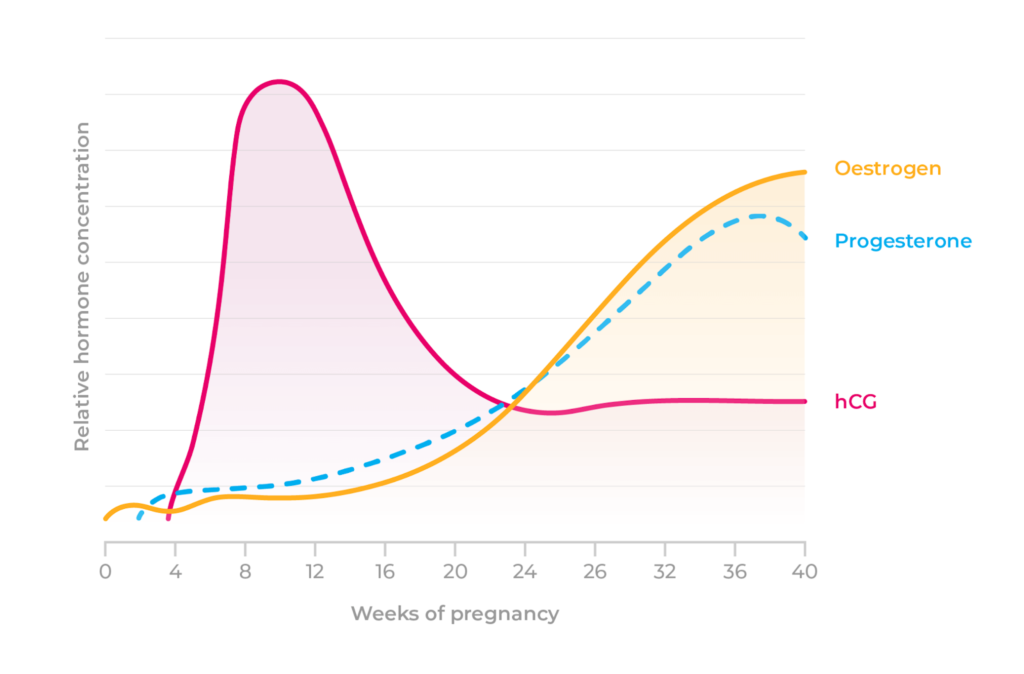
The first trimester is a festival of changes in the body of the pregnant mother, most of which occur internally. The biggest change during this period is the surge in hormones, especially the sharp increase in estrogen, progesterone and hCG hormones. These hormones are the reason for the body to tell that a new life is growing inside. Your uterus, which is usually the size of a pear, gradually begins to expand, which puts pressure on the bladder and causes frequent urination. In addition, the body’s blood circulation increases by about 50 percent, so that the fetus gets enough nutrition. As a result, the heart rate may increase slightly and many mothers feel strange fatigue or dizziness. The increase in breast size and increased sensitivity are also one of the main symptoms of this period. Although your baby bump or belly is not very noticeable from the outside, every cell in your body is working hard to create a safe home for the baby.
The main changes that occur in the body during the first three months of pregnancy are given below:
- Morning sickness: Hormonal changes can cause nausea, vomiting, or a strong aversion to food at any time of the day.
- Breast changes: The breasts become heavier and more sensitive, and the area around the nipple (areola) start to darken and enlarge.
- Extreme fatigue: The body uses a lot of energy to produce the placenta, which can cause sleepiness or fatigue.
- Frequent urination: The growing uterus puts pressure on the bladder, which may make you have to go to the toilet more often than before.
- Emotional changes: Hormonal fluctuations can cause mood swings such as irritability, crying spells, or excessive anxiety.
- Skin and hair changes: Some people have a bright skin (Pregnancy Glow), while others may have problem with acne or blemishes on their faces.
Why is the first trimester a sensitive time?
The main reason why the first thirteen weeks of pregnancy or How Long Is First Trimester is called the most sensitive is because the foundation of every major organ in the fetus’s body is laid during this time. This is a stage when the baby’s heart, brain, spine and limbs start to form from a small cell. Since the organs are in the early stages of formation, any harmful effects such as taking the wrong medication, high levels of radiation (X-rays), tobacco or alcohol can cause permanent damage or birth defects in the development of the fetus. In addition, the placenta or womb is not fully formed during this time, so the fetus is very delicately attached to the mother’s uterus. Most miscarriages occur in the first three months because nature usually prevents any defective fetus at this stage. This is why doctors advise mothers to refrain from heavy work and live with extra caution in the first trimester.
The main reasons why the first trimester is the most sensitive are given below:
- Organogenesis: This is the time when the baby’s complex organs like the heart, lungs,kidneys and brain are formed, which are very sensitive to any kind of toxic substance.
- Risk of miscarriage: Statistics show that about 80 percent of miscarriages occur within the thirteen weeks of the first trimester.
- Hormonal instability: The sudden increase in estrogen and progesterone in the mother’s body makes the mother physically and mentally fragile, which also affects the immune system.
- Effect of viruses and infections: Common fever or flu can cause major obstacles in the development of the baby’s nervous system during this period.
- External influences: Harmful chemicals, harsh drugs or radiation can disrupt the cell division of the fetus during this period.
- Importance of nutrition: Lack of nutrients like folic acid is the main cause of spinal or brain defects in the baby at this stage.
What changes after twelve weeks
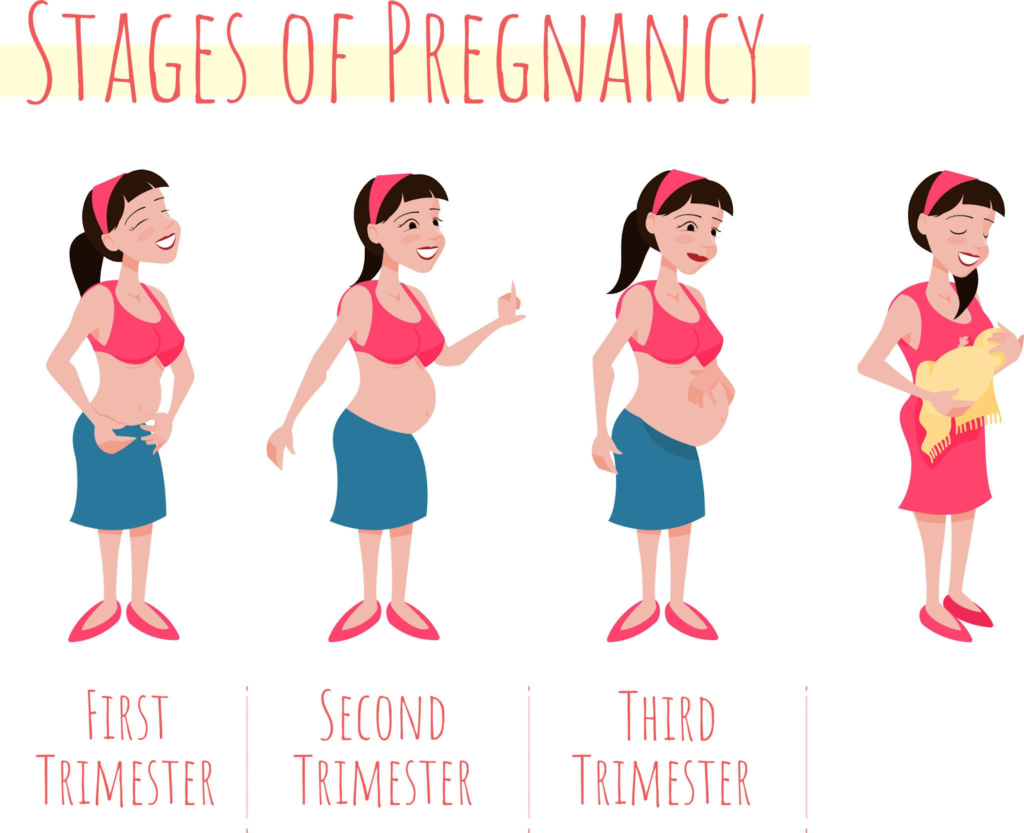
Twelve weeks means passing the most difficult and sensitive stage of pregnancy. From this time on, a revolutionary change occurs in the body of both the mother and the baby. The biggest change in the baby is that the main organs of his body are now formed and from now on they will start to grow and mature rapidly. A kind of calmness also returns to the mother’s body; as the level of hCG hormone in the blood decreases slightly, most mothers’ nausea and aversion to food begin to disappear. As a result, the mother can enjoy normal food again and regain the lost strength of the body. In addition, after twelve weeks, the uterus starts to rise above the lower abdomen, which reduces pressure on the bladder and the tendency to go to the toilet frequently decreases. From this time on, your pregnancy basically starts to be felt from the outside and your familiar ‘baby bump’ starts to peek out.
Things that change noticeably after crossing twelve weeks:
- Morning sickness gone: Most mothers’ nausea and dizziness problems start to decrease like magic after this time.
- Increased energy in the body: The unbearable fatigue of the first three months is gone and the mother feels much more lively and active.
- Full control of the placenta: The placenta is now fully formed, which takes on the main responsibility of providing oxygen and nutrients to the baby as well as producing the necessary hormones.
- Reduced risk of miscarriage: After crossing the 12-week milestone, the survival rate of the fetus increases significantly and the risk of spontaneous miscarriage drops to the lowest level.
- Body shape: The waist size starts to increase and a small belly or bump becomes visible as the uterus rises beyond the pelvic area towards the abdomen.
- Mental peace: The mother’s mental anxiety is greatly reduced as the baby’s organs are formed and physical discomfort decreases.
Does everyone experience the first trimester the same way?
The first trimester of pregnancy is a completely unique and personal experience for every woman. The simple answer is no, not everyone experiences it the same way. Even the experiences of the same mother giving birth to two children can vary greatly. Some mothers experience severe nausea, fatigue, and food odors that make their daily lives difficult. Many others do not experience any specific symptoms of pregnancy; they can continue to do everything normally, which many call a ‘silent pregnancy’. The main reason for this variation is that everyone’s body’s ability to absorb hormones and lifestyle is different. So it is not right to compare your symptoms with someone else’s. The way your body is responding to these changes is normal for you. Pregnancy is not a competition, but rather your own and wonderful journey.
Here are some of the main reasons why this experience is different for everyone:
- Hormonal Variations: Everyone’s body has a different rate of hCG and progesterone, which determines the severity of physical symptoms.
- Heredity: Your experience may be similar or different depending on how your mother or sister’s pregnancy went.
- Body Build and Tolerance: Everyone’s body build and ability to tolerate pain or discomfort is different, which affects how you feel.
- Lifestyle and Diet: Those who eat a nutritious diet and are mentally stress-free may experience less pregnancy discomfort.
- Mental State: Excessive anxiety or fear can sometimes exacerbate physical symptoms, which vary from person to person.
- Silent Pregnancy: Some women go through the first trimester without any nausea or fatigue despite hormonal changes.
What to watch out for during this time
Since the first trimester of pregnancy is the main time for the formation of the baby’s organs, you will have to take some radical changes in your lifestyle and take special precautions during these 13 weeks. First of all, pay close attention to your diet; it is better to avoid outside food, semi-cooked meat or eggs, and excess caffeine (tea-coffee). It is very important to regularly take ‘folic acid’ rich foods or supplements prescribed by the doctor during this time because it prevents birth defects of the baby’s brain and spine. Secondly, avoid lifting heavy objects or excessive exertion because the uterus is still very sensitive. Drinking enough water and sleeping at least 8 hours a day will help maintain the hormonal balance of your body. Apart from this, do not take common headache or gastric medicine without consulting a doctor. Remember that every small habit of yours affects the healthy growth of the baby during this time.
Things you should especially keep in mind in the first trimester:
- Precautions in taking medicines: Do not take any kind of painkiller, antibiotic or even herbal medicine without consulting a doctor.
- Nutritious diet: Include green vegetables, fruits, milk and sufficient protein (fish, meat, pulses) in your daily diet.
- Rest and sleep: In addition to adequate sleep, take a short rest in the afternoon to relieve body fatigue and for mental peace.
- Avoid heavy work: Avoid lifting buckets full of water, moving furniture or going up and down stairs quickly.
- Smoking and alcohol: Stay away from indirect smoking (other people’s bidi smoke), as it prevents the baby from getting oxygen.
- Symptom monitoring: Contact a doctor without delay if you experience symptoms such as vaginal bleeding, severe abdominal pain or high fever.
When to be concerned
The body goes through many new changes in the first trimester of pregnancy, not all of which are normal. There are some specific symptoms that should make you worry without delay and require immediate medical attention. The biggest cause for concern may be any type of bright red vaginal bleeding. While light spotting is normal at times, if the amount of blood is heavy and accompanied by severe abdominal pain, it is a warning sign. Also, if your body temperature is over 100.4 degrees Fahrenheit or you experience severe burning and foul odor during urination, it indicates an internal infection that can be harmful to the baby. Remember, you should never underestimate any discomfort during pregnancy; if your sixth sense or mind tells you that something is not right, then pay attention to that feeling.
You should definitely be concerned if you experience the following symptoms:
- Heavy bleeding: If you have heavy bleeding like your period or if you pass blood or clots.
- One-sided abdominal pain: If you have severe, sharp pain on one side of your lower abdomen, which may spread to your neck or shoulder (this may be a sign of an ectopic pregnancy).
- Persistent vomiting: If you are unable to keep down any food or water and vomit several times in 24 hours, causing you to become completely dehydrated.
- Vision problems: Sudden blurred vision, severe headache, or unusual swelling of the hands, feet, or face.
- Watery discharge: If you suddenly start to have a continuous, watery discharge from your vagina.
- No fetal heartbeat: If the doctor has any doubts about the baby’s heartbeat after an ultrasound or you feel seriously ill.
Conclusion
In conclusion, the first trimester of pregnancy or the first 13 weeks is the beginning of an amazing and revolutionary journey of motherhood. As challenging as this period can be due to physical and mental changes, it is also the main time for the formation of every important organ of your unborn child. Although fatigue, nausea and various worries may surround you at this stage, remember that this is a temporary stage. Successfully passing the first trimester means that you have conquered the most sensitive stage of pregnancy. Proper nutrition, adequate rest and regular advice from the doctor will take you and your child towards a healthy future. Take care of your body without listening to unnecessary fears or negative information on the internet and try to spend this special time with a smile. Awareness and a positive mindset can be the key to your safe motherhood.