
A jJelly Discharge Pregnancy – First Trimester during the first trimester of pregnancy is a very normal physiological process, which is called Leukorrhea in medical terms. It is mainly the result of a sudden increase in the hormone estrogen.
This discharge is usually clear or light white in color and does not have any pungent odor. From the beginning of pregnancy, the body increases this secretion to ensure the protection of the uterus, which acts as a natural protective charm. It washes out harmful bacteria and dead cells from the vagina, so that the fetus growing inside the uterus is protected from any kind of infection.
Why does discharge increase in the first trimester
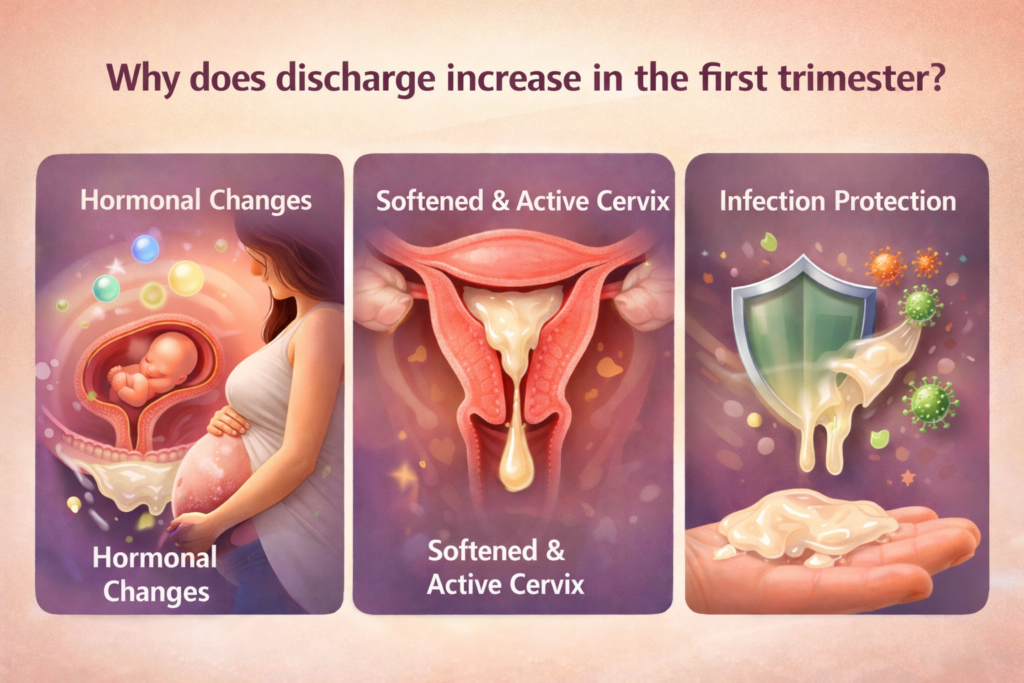
Increased Jelly Discharge Pregnancy – First Trimester or discharge is a very normal physiological change during the first 13 weeks of pregnancy. The main reason for this is the massive increase in estrogen hormone in the body. Immediately after conception, the body starts producing large amounts of estrogen to protect the fetus and maintain the pregnancy. This hormone increases blood circulation in the cervix and vaginal walls. Due to the increase in blood flow, the mucous membranes in this area become much more active than before and secrete more fluid. This excess discharge basically acts as a cleanser, which removes dead cells and harmful bacteria from the vagina and protects the uterus from any kind of infection.
The main reasons for increased discharge in early pregnancy are discussed below:
- Hormonal surge: Increased estrogen hormone levels are the biggest reason for increased discharge. It stimulates the glands in the vagina.
- Increased blood circulation: Increased blood flow around the uterus and pelvic area increases the body’s ability to secrete.
- Natural protection: The cervix becomes much softer and more sensitive during this time, which produces extra mucus to protect the baby.
- Formation of a mucus plug: The body quickly tries to create a protective wall or ‘mucus plug’ at the cervix, which results in more discharge during this time.
- Prevention of infection: The body tries to prevent the growth of harmful bacteria by keeping the vagina moist and acidic.
What does jelly-like discharge look like?
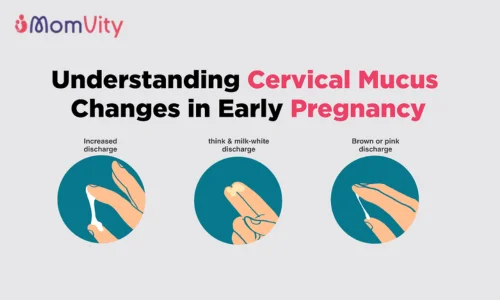
Normal Jelly Discharge Pregnancy – First Trimester is usually clear or looks like raw egg white. Its texture is quite slippery and stretchy, which can be long like a thread when taken between the fingers. Sometimes it can also appear white or light cream-colored like thin milk. When this discharge gets on underwear and dries, it may take on a slightly yellowish color, which is completely normal. It usually does not have a pungent or fishy odor. The consistency of this discharge can vary from time to time—sometimes it is quite thin like water, and sometimes it can feel quite thick and jelly-like, which mainly depends on the body’s hormonal fluctuations.
The visible characteristics of normal jelly-like discharge during pregnancy are given below:
- Color type: It is usually clear (like water) or milky white in color.
- Texture: It may be slippery, smooth, and sticky or rubbery.
- Clarity: It may sometimes be completely clear like glass, but may also be slightly cloudy or turbid white.
- Nature of the stain: It may form a white or slightly yellowish coating after drying on underwear.
- Anemia: It is normally free of red, pink, or brownish tinges or blood spots.
- Non-coagulation: It does not break down like curd or milk, but rather comes out as a smooth liquid or jelly.
Is it part of the baby’s protection
Yes, thisJelly Discharge Pregnancy – First Trimester is a very important and essential part of your unborn baby’s protection. In medical terms, it is called a ‘natural protective amulet’. Right from the beginning of pregnancy, the body produces this sticky mucus to seal the cervix, so that no harmful bacteria, viruses or fungi from the outside environment can enter the uterus. This discharge maintains the pH balance of the vagina and creates an acidic environment, which prevents the growth of bacteria. In simple words, it creates an invisible wall around your uterus and the growing fetus, which keeps the baby safe from external infections and helps it grow healthily.
How jelly-like discharge helps ensure the baby’s safety:
- Prevents infection: It washes away dead cells and harmful bacteria from the vagina so that they cannot reach the baby’s amniotic sac.
- Mucus plug formation: These jelly-like secretions combine to form a tight ‘seal’ or mucus plug at the cervix, which keeps the cervix closed throughout pregnancy.
- Creating an acidic environment: This maintains the acidity of the vagina, which is toxic to harmful bacteria but beneficial to your body.
- Maintaining cervical moisture: This keeps the cervix moist and flexible, which helps the body adapt to the changes of pregnancy.
- Prenatal protection: This protective mechanism continues until just before delivery, ensuring that the baby grows in a sterile environment.
When is it considered normal?
Increased vaginal discharge during pregnancy is usually a sign of a healthy pregnancy. According to doctors, if this discharge is clear or milky white, then it is completely normal. It is called ‘leucorrhoea’, which is caused by hormonal changes. A major feature of normal discharge is that it will not have a strong or foul odor and it will not cause any itching, redness or burning in the vagina. If your jelly-like discharge feels slippery or sticky when you takeJelly Discharge Pregnancy – First Trimester between your fingers and leaves a light yellowish stain on your underwear after drying, then you know that your body is working properly to protect the fetus.
What is considered completely normal:
- Color type: If the discharge is clear or thin white like water or glass.
- Odorless: If it does not have any kind of fishy or rotten smell (there may be a very light normal smell).
- Discomfort: If there is no itching, rash, or redness in or around the vagina.
- Painlessness: If there is no burning or discomfort when urinating or sitting for a long time.
- Consistency: If it is smooth and sticky (not lumpy or curd-like).
- Absence of blood: If there are no red, pink, or brown blood spots in this jelly-like discharge.
When to be careful
Although discharge is normal during pregnancy, a sudden change in its color, smell, or texture can be a sign of an infection. If your jelly-like discharge suddenly turns yellow, greenish, or gray, it is a sign of bacterial vaginosis or another infection. Especially if the discharge has a strong fishy or putrid odor, it is not normal at all. In addition, if the Jelly Discharge Pregnancy – First Trimester by unbearable itching, burning, or pain during urination, it is important to consult a doctor without delay. If any type of infection during pregnancy is not treated on time, it can cause complications such as preterm labor or rupture of the water sac around the baby.
If the symptoms mentioned below occur, you need to be careful and contact a doctor immediately:
- Color change: If the discharge is thick yellow, greenish, or gray.
- Strong odor: If the discharge is fishy or has a very pungent odor.
- Itching and redness: Excessive itching, rash, or redness around the vagina.
- Cottage cheese-like discharge: If the discharge is not jelly-like but rather cottage cheese-like, it is usually a sign of a yeast infection.
- Blood: If there is red, pink, or brown blood or streaks with the discharge.
- Watery discharge: If there is a sudden, clear, watery discharge (this could be amniotic fluid).
- Severe pain: Severe cramping pain in the lower abdomen or a severe burning sensation when urinating.
Is this a sign of miscarriage?
Usually, clear or white jelly-like discharge during pregnancy is not a sign of miscarriage; rather, it is part of a healthy pregnancy. However, if this jelly-like discharge is accompanied by bright red blood, brownish spotting, or small pieces of flesh, it can be an early sign of miscarriage. In cases of miscarriage or miscarriage, there is not only discharge, it is usually accompanied by severe cramping in the lower abdomen that can be worse than period pain. If the jelly-like discharge is clear or white and you do not have any other physical discomfort, there is nothing to panic about. But if the discharge is accompanied by bleeding and severe pressure in the back or abdomen, you should seek emergency medical care without delay.
The following symptoms may indicate a miscarriage if you have jelly-like discharge:
- Bleeding: If you have jelly-like discharge with fresh red blood or blood clots.
- Severe cramping pain: Severe pain in the lower abdomen or lower back that increases and feels like period pain.
- Tissue discharge: If you have a lump of tissue or a gray/pinkish area that comes out with the discharge.
- Lower back pain: Feeling severe pressure or pain in the lower back that is associated with vaginal pain.
- Decreased pregnancy symptoms: Sudden nausea or breast tenderness (soreness) completely disappear and the body feels unusually light.
- Fluid discharge: If you suddenly start to see a large amount of clear fluid or amniotic fluid instead of jelly.
Role of hormones in the first trimester
In the first three months of pregnancy, your body basically becomes a powerful hormone factory. Immediately after conception, the levels of hCG, estrogen, and progesterone hormones in the body start increasing rapidly. These hormones are mainly responsible for maintaining the pregnancy and ensuring the safe growth of the fetus. The estrogen hormone increases blood circulation in the uterus, which is the main reason for the increase in the amount of Jelly Discharge Pregnancy – First Trimester. On the other hand, the progesterone hormone relaxes the uterine muscles so that the fetus can attach well to the uterine wall. This sudden surge of hormones creates symptoms like nausea, breast tenderness, and mood swings in your body.
The functions of the main hormones in the first trimester are highlighted below:
- hCG: This hormone confirms the pregnancy and helps produce progesterone until the placenta is formed in the first few weeks.
- Estrogen: This helps in the formation of the fetal organs and increases the secretion of vaginal discharge to maintain the health and moisture of the vagina.
- Progesterone: This is called the ‘pregnancy hormone’; it keeps the cervix closed and reduces the risk of premature birth.
- Relaxin: This hormone relaxes the ligaments or joints of the body to make room for the growing uterus.
- Thyroid hormone: The production of thyroid hormone also increases during this time to maintain the baby’s brain development and the mother’s metabolism.
How to take care of yourself
Since the body produces more secretions than usual during pregnancy, the main task at this time is to maintain proper hygiene of the vagina. Due to hormonal changes, your skin and mucous membranes are now more sensitive, so you should refrain from using any kind of chemical-containing perfumed soaps or cosmetics. Drinking enough water and eating nutritious food is not only good for the baby, but also helps in maintaining the pH balance of your body, which prevents the infection of harmful fungi or bacteria. Apart from this, using comfortable cotton underwear and keeping yourself worry-free is a very important step for the good health of you and your baby during this time.
Special care rules during this time during pregnancy are given below:
- Personal hygiene: Try to keep the vagina clean and dry at all times. Make a habit of wiping from front to back after using the bathroom so that bacteria from the anus cannot spread.
- Choosing the right underwear: Use loose cotton underwear instead of synthetic or silk. This helps air circulate and does not allow moisture to accumulate, thus reducing the risk of infection.
- Avoid chemicals: Do not use perfumed sprays, powders or douches in or around the vagina. These destroy the beneficial bacteria in the body and increase the risk of infection.
- Adequate hydration: Drink at least 8-10 glasses of water every day. It flushes out toxins from the body and is very effective in preventing urinary tract infections (UTIs).
Probiotic-rich foods: Include yogurt or probiotic-rich foods in your diet regularly. This maintains the balance of good bacteria in the body and protects against yeast infections.
- Rest and anxiety relief: Excessive stress affects hormones. So get enough rest and ensure at least 8 hours of restful sleep at night.
When to see a doctor
- It is important to consult a doctor immediately if the following situations occur:
- Abnormal changes in discharge: If the jelly-like discharge is not clear or white but gray, green, or dark yellow in color.
- Strong odor: If the vaginal discharge starts to smell fishy or rotten.
- Bleeding or spotting: If the discharge is accompanied by bright red blood, clotted blood, or brown spots.
- Severe pain and cramping: Pain in the lower abdomen or lower back that is more severe and lasts longer than period pain.
- Itching and burning: If the area around the vagina is excessively itchy, red, swollen, or has a severe burning sensation when urinating.
- Fever and weakness: If the body temperature is over 100.4 degrees Fahrenheit and you feel tired or shivery.
- Fluid discharge: If you suddenly have a large amount of clear water or fluid coming out of the vagina (which could be amniotic fluid).
Does the jelly-like discharge stay the same throughout the day?
No, the jelly-like discharge during pregnancy does not stay the same throughout the day; rather, it can fluctuate based on your physical exertion, changes in position, and body moisture. Usually, when you first stand up after waking up in the morning or after lying down for a long time, the mucus that has accumulated at the mouth of the cervix may come out all at once, which may seem like a lot. Also, walking or doing housework during the day can increase the flow rate slightly due to the force of gravity. Since the body’s hormone secretion does not follow a specific rhythm, sometimes the discharge may seem very thin and clear, and other times it may appear quite thick and sticky like jelly. As long as it is odorless and blood-free, these changes are completely normal.
Changes in the pattern of discharge that can be observed throughout the day during pregnancy:
- Morning discharge: The discharge that accumulates in the vagina due to staying up all night may be released all at once after waking up in the morning.
- The effect of physical exercise: Lifting heavy objects or walking a lot puts pressure on the pelvic muscles, which temporarily increases the amount of discharge.
- Body temperature: The discharge may become slightly thinner or watery if the weather or the body’s internal temperature increases.
- Food and water: If you drink enough water, the discharge is usually thin and clear, but if the body is dehydrated, it may be thicker or jelly-like.
- Changes at the end of the day: The amount of discharge in the evening may feel slightly different than at other times of the day after fatigue throughout the day or standing for a long time.
Is there anything you can do to reduce jelly-like discharge?
Since jelly-like discharge is a normal physiological process and a result of hormonal changes during pregnancy, it cannot be completely “stopped” with medication, and it should not be done for the safety of the baby. However, there are some effective steps you can take to reduce the discomfort caused by excessive discharge. This discharge is essentially keeping the mouth of your cervix clean and the baby’s home sterile, so it is more important to manage it healthily than to reduce it. Keeping the vaginal environment healthy and maintaining a proper lifestyle will keep the amount of discharge at a normal level and prevent it from turning into an uncomfortable infection. Remember, trying to reduce this natural discharge by using any kind of soap or herbal medicine can be dangerous for you and your baby.
Here are some easy and healthy ways to manage excessive discharge:
- Using cotton underwear: Wear loose cotton underwear throughout the day. This helps air circulate and keeps the vaginal area dry, which reduces discomfort due to excess discharge.
- Stay clean: Clean the area with lukewarm water at least twice a day. However, only wash the outside, do not try to clean the inside (douching).
- Use panty liners: If the amount of discharge is very heavy, you can use a thin cotton ‘panty liner’. However, make sure to change it every few hours.
- Reduce sugar and sweet foods: Eating excess sugar or refined carbohydrates can increase yeast or fungal infections in the body, which makes the discharge thicker and more uncomfortable.
- Eat sour yogurt: Include sour yogurt in your daily diet. The probiotics in it increase the good bacteria in the body and help prevent excess discharge or bad odor.
- Stay dry: Wipe and dry the area thoroughly after bathing or using the bathroom. High humidity increases the risk of discomfort and itching from discharge.
Conclusion:
Clear or white jelly-like discharge during the first trimester of pregnancy is a natural and positive sign, indicating healthy hormonal activity in your body and the safety of the baby. It basically acts as a strong defense mechanism which seals the cervix and keeps the fetus safe from any outside germs. Although these new physical changes may cause temporary anxiety in your mind, with the right information and awareness, you can enjoy this time much more peacefully. Remember, each stage of pregnancy is unique and your body is preparing itself extraordinari to raise your baby. Therefore, it is wise not to panic at the sight of a little jelly-like discharge and focus on your own care; however, if you notice anything unusual in its color or smell, do not hesitate to seek the advice of a specialist doctor immediately.