

Meta Description: How Long Is the First Trimester is the first question every new mother asks to plan her pregnancy journey. Read our simple discussion about the first three months or 13 weeks of pregnancy that will help you stay worry-free.
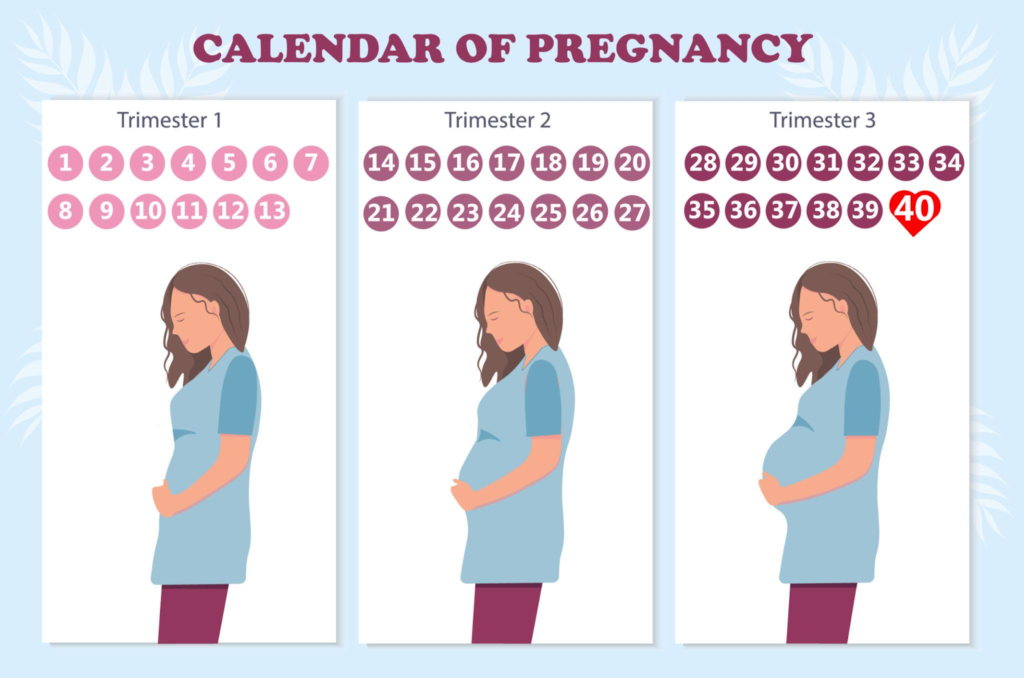
In fact, the first question that comes to our mind after hearing the news of becoming a mother is how long is the first stage of pregnancy or How Long Is the First Trimester? Simply put, the period from the first day of your last menstrual period to exactly 13 weeks is called the first trimester. If you count it as a month, it is about three months. This time is as joyful as it is a little scary for an expectant mother. Because in these thirteen weeks, the main organs of your little one’s body start to form. Inside the body
When does the first trimester start?
Many new mothers are a little confused about when the first trimester starts. In simple terms, doctors do not start counting your pregnancy from the day you conceive, but from the first day of your last menstrual period. As such, the time from 1 week to exactly 13 weeks is your first trimester. The interesting thing is that when you take a pregnancy test and find out that you are going to become a mother, usually 4 to 5 weeks have passed. That means that the period when the first trimester starts has begun without you knowing it. These first three months or 13 weeks are the most sensitive time of pregnancy. This is when the fetus’s heartbeat is formed and its small arms, legs and brain start to form. Since this is the time when the risk of miscarriage is highest, you should understand when the first trimester starts and move very carefully from the beginning. Due to hormonal changes, you may feel very tired during this time, you may feel nauseous all the time, and no food may taste good to you. These are all normal symptoms of the body so there is nothing to worry about. If you can go through this 13-week journey with patience and caution, your foundation of motherhood will become much stronger.
Here are the things you need to do from the time the first trimester starts:
- Rest and sleep: The body gets tired very quickly, so get enough rest both day and night.
- Food type: Eat small, nutritious meals frequently to avoid nausea rather than eating too much at once.
- Avoid heavy work: Do not do anything like lifting buckets or moving heavy furniture during this time.
- Folic acid: Take folic acid or vitamins that help in the formation of the baby’s bones and brain regularly as advised by the doctor.
- Drink water: Drink at least 8 to 10 glasses of safe water throughout the day to keep the body hydrated.
- Doctor’s advice: After knowing when the first trimester starts, stay under the supervision of a specialist doctor and get regular checkups
Why the first trimester is so important
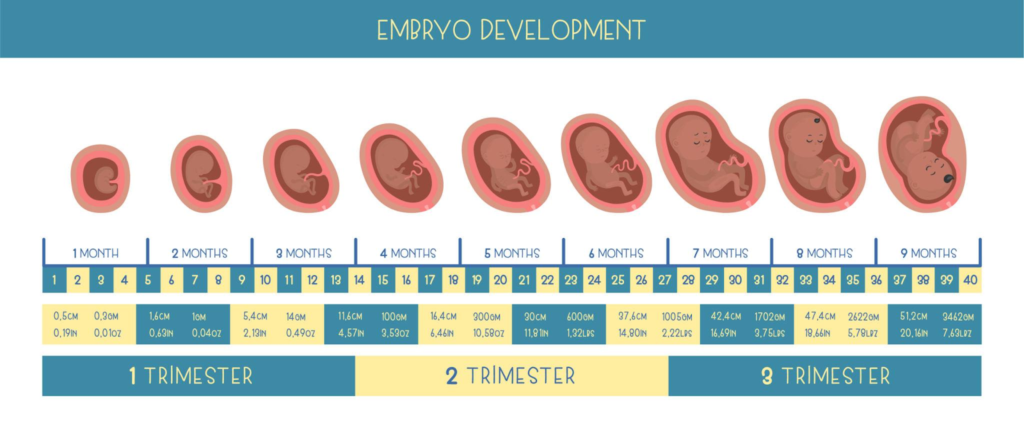
To understand why the first trimester is so important, you need to know that this is the time to lay the foundation for your child’s life. The first 13 weeks or the first three months of pregnancy is the time when a whole human body begins to form from a tiny cell. During this time, your unborn baby’s heart starts beating, its brain is formed, and its tiny arms, legs, and fingers take shape. Since all the major organs of the body are formed during this time, any harmful external influence or lack of proper nutrition can cause permanent damage to the baby. Many mothers want to know why the first trimester is so important. The answer is that this is the time when the risk of miscarriage is highest. The body goes through massive hormonal changes during this time, which puts a lot of stress on the mother’s body. What you eat during these thirteen weeks, the environment you are in, or the kind of mental state you are in will directly affect the baby. Therefore, this period is called the most ‘critical’ or delicate time of pregnancy. Only proper care and awareness can ensure the birth of a healthy and strong baby.
Keeping in mind why the first trimester is so important, here are some important points:
- Organ formation: This is when the baby’s important organs like the brain, heart, lungs, and nervous system are formed.
- Dangerous period: The risk of miscarriage is highest during this time, so extreme caution is required in movement.
- Nutritional basis: Folic acid and iron, which are necessary for the development of the baby’s bones and brain, are most needed during this time.
- Mother’s body: Due to hormonal changes, fatigue and nausea appear in the mother’s body, which is important to manage properly.
- Start treatment: Whether there are any complications of pregnancy can be identified at this time through the first ultrasound or test.
- Quitting harmful habits: Caffeine, smoking, or strong drugs can harm the baby, so this is the main time to quit these habits.
First Trimester Week-by-Week Concepts
Having a first trimester week-by-week concept is very important for every expectant mother because during this time, a miracle or miracle happens inside you every week. This journey from 1 week to 13 weeks begins with the time of your last menstrual period. In the first few weeks, you may not realize that you are pregnant but your body starts making room for the baby inside. When you reach 4 or 5 weeks, your period usually misses and the test comes with a positive result. It is at this time that the baby’s little heart starts beating. According to the first trimester week-by-week concept, around 8 to 10 weeks, the baby’s hands, feet and fingers become clear and he starts moving, although you may not realize it right away. By 12 or 13 weeks, all the baby’s major organs are formed and he now looks like a complete little human. During these entire thirteen weeks, the mother’s body sometimes feels very tired, sometimes irritable, and sometimes nausea does not leave. Each passing week means that your baby is getting closer to becoming a full-fledged baby.
Here are some important milestones according to the week-by-week concept of the first trimester:
- 1-4 weeks: During this period, the embryo is implanted in the uterus and the body’s hormones begin to change.
- 5-8 weeks: The baby’s heartbeat begins and the brain and spinal cord begin to form; this is when mothers are most likely to experience morning sickness.
- 9-10 weeks: The baby’s tail-like part disappears and the fingers, toes, and ears begin to form.
- 11-12 weeks: The baby’s nails and hair start to grow and its bones begin to harden.
- 13 weeks: The last week of the first trimester; during this period, the baby’s vocal cords or voice are formed and the risk of miscarriage is greatly reduced.
- Regular checkups: You should stay in touch with the doctor throughout this period and have ultrasounds to check whether the baby is growing properly.
What changes in the body during this time
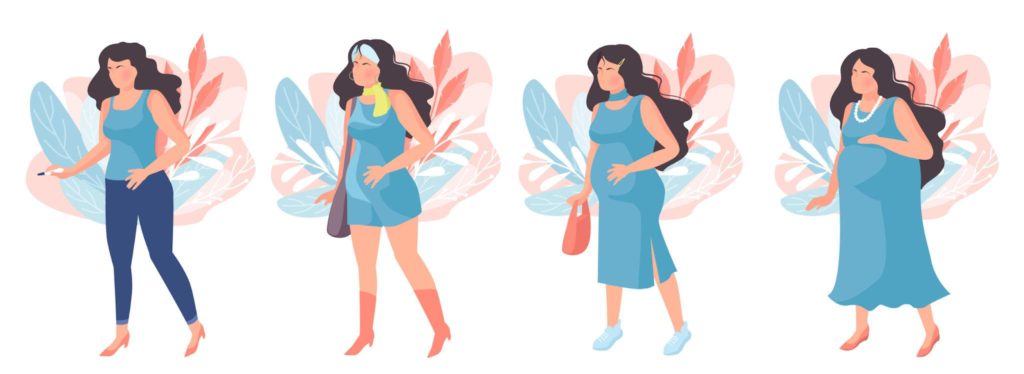
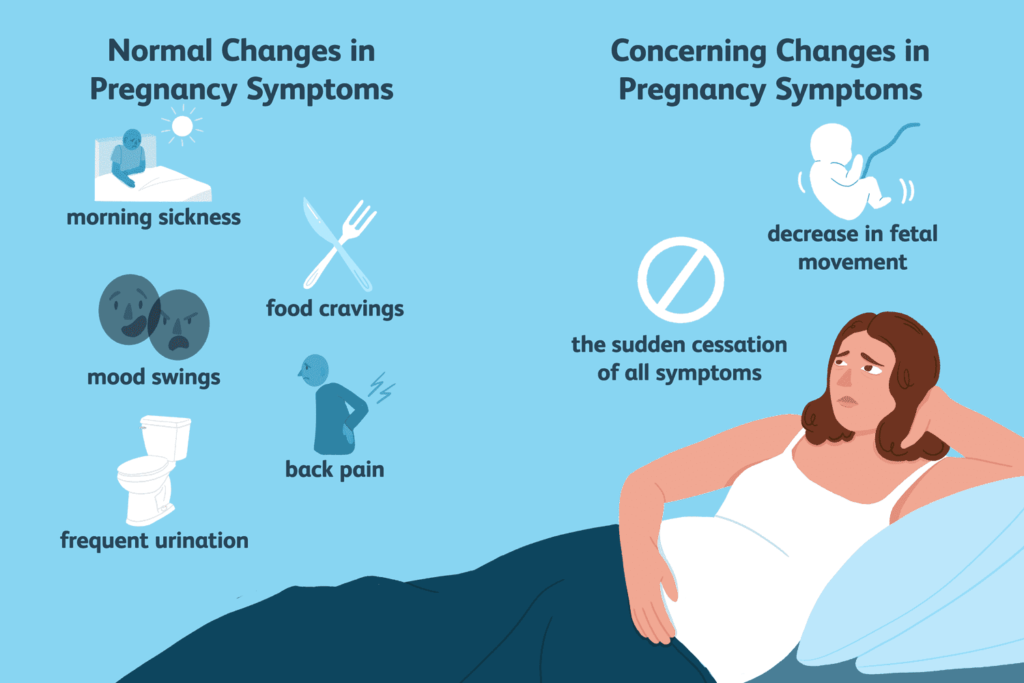
During the first three months of pregnancy, a huge storm of hormones takes place in the mother’s body, and this is why it is very important to understand what changes occur in the body during this time. From the moment you first find out that you are going to be a mother, the levels of hCG and progesterone hormones in the body start increasing rapidly. This has the biggest impact on your mood and energy. It is seen that after waking up in the morning, you feel extremely tired and feel like you have not slept all night. In addition, the taste of food changes completely, you feel nauseous when you see your favorite food, and you may want to eat something that you have never liked before. One of the changes in the body during this time is the change in the breasts. The breasts often become heavy or may feel slightly painful when touched. In addition, the growing uterus puts pressure on the bladder, which can result in frequent urination. Your digestion process also slows down a bit, so you may experience gas or constipation problems. All these changes are actually signs of your body preparing for the baby, so there is nothing to worry about.
Some important physical and mental symptoms of the changes that occur in the body during this time are given below:
- Morning sickness: Feeling dizzy or nauseous after waking up in the morning, which can sometimes last throughout the day.
- Excessive fatigue: Due to hormonal changes, the body becomes tired very quickly and needs a lot of sleep.
- Food aversion: Not being able to tolerate the smell of a certain food or developing a strong attraction to a particular taste.
- Frequent urination: As the uterus grows, pressure is created on the urinary bladder, which results in frequent visits to the toilet.
- Mood swings: Due to the effects of hormones, the mind suddenly becomes bad, crying or becomes very irritable.
- Breast tenderness: Due to hormonal changes, the breasts may swell slightly or feel heavy and sensitive.
When does the first trimester end
When does the first trimester endThis question is on the mind of every new mother because passing this period means freedom from a big worry. Usually, your first trimester ends exactly at the end of 13 weeks of pregnancy. Many mothers think that the first stage is over after three months, but according to doctors, it lasts for 13 weeks or three months and a few days. When you reach 14 weeks, you will understand that your second stage or second trimester has begun. The biggest joy of knowing when the first trimester ends is that after this period, the unbearable nausea and tiredness of mothers decreases a lot. All the major organs of the baby’s body are formed within these 13 weeks, so the baby’s weight gain starts from then on. In addition, after this period, the fear or risk of miscarriage also decreases a lot, due to which expectant mothers feel much more calm mentally. Passing this 13-week journey with patience means that you have conquered the first major obstacle of motherhood.
The changes that will come in your life after understanding when the first trimester ends are given below in point form:
- Reduction in nausea: In most mothers, morning sickness or nausea decreases a lot after 13 weeks.
- Return of energy: The extreme fatigue and sleepiness that was present at the beginning disappears and the body starts to feel fresh again.
- Stomach becomes clear: At the end of the first stage, the uterus moves over the pelvis, as a result, the stomach starts to feel lighter.
- Reduced risk of miscarriage: After completing 13 weeks, the fear of miscarriage or abortion decreases by more than 90 percent.
- Return of taste in food: The reluctance to eat due to smell disappears and the mother-to-be’s taste for food begins to return to normal.
- Emotional relief: The mother becomes much more confident and cheerful mentally after the complications of the first stage are gone.
What to be careful about in the first trimester
The first three months or the first thirteen weeks of pregnancy are the most delicate time, so knowing what to be careful about in the first trimester is the biggest lesson in life for every expectant mother. During this time, every important organ of the baby’s body is formed, so even a small mistake on your part can cause great harm to the baby. The biggest warning is that you should not do heavy work during this time, such as lifting buckets full of water, moving heavy furniture, or climbing stairs very quickly. You should also be very careful about medications. Taking even common gastric or headache medications without a doctor’s advice can be dangerous during this time. Food is also very important in the list of what to be careful about in the first trimester. You should stay away from eating raw papaya, pineapple, or half-cooked eggs and meat, as they increase the risk of miscarriage by causing uterine contractions. Take care that the body temperature does not rise too much and avoid standing for long periods or overexerting yourself. Remember, a little awareness on your part at this time can ensure the birth of a healthy and beautiful baby.
Here are some important precautions to be aware of in the first trimester:
- Lifting heavy objects: Avoid lifting or pushing anything heavy like buckets, shopping bags or furniture.
- Food awareness: Avoid eating raw papaya, pineapple and marine fish that contain high levels of mercury.
- Medication: Do not take any kind of medication or herbal remedies without a doctor’s prescription.
- Pollution and chemicals: Stay away from strong-smelling cleaners (such as phenyl or bleaching powder) and pesticides.
- Caffeine and addiction: Reduce the amount of tea and coffee you drink and protect yourself from smoking or secondhand smoke.
- Travel precautions: Avoid traveling for long periods on bumpy roads or in vehicles that shake excessively.
- Fever or infection: If you develop a fever or experience burning sensation in your urine consult a doctor immediately.
Is the first trimester the same for everyone?
Many people think that the beginning of pregnancy is the same for all mothers, but in fact, the answer to the question of whether the first trimester is the same for everyone is a resounding ‘no’. Just as every human body is different, so is every pregnancy. Some mothers may spend the first three months with severe nausea and fatigue, while others may not even realize that their bodies are changing. Everyone’s hormonal response is different. Some may become restless at the smell of rice, while others may develop a strong craving for ice cream or sour foods. Many mothers feel completely refreshed in the first three months and can do all the household chores normally, while for others, it becomes difficult to get out of bed. Even the experiences of the same mother during her first and second child can be completely different. So there is no need to worry about comparing your symptoms to someone else’s. Your body structure, lifestyle and hormonal balance determine how your thirteen-week journey will be.
Some common reasons and differences as to why the first trimester is not the same for everyone are given below in point form:
- Physical symptoms: Some people experience severe morning sickness or vomiting, while others get through this period without any discomfort.
- Food preferences: Some people develop a strong aversion to certain foods, while others have a very increased appetite.
- Mental state: Some people become very emotional or irritable, while others are quite calm mentally.
- Fatigue level: Due to hormones, some people want to spend the whole day sleeping, while others are quite alert and active.
- Body shape: In some cases, the size of the stomach is understood very quickly, while in some cases no changes are understood from the outside in the first three months.
- Variation in complications: In some cases, there may be problems like light bleeding or spotting, which does not happen at all in others.
The importance of rest during this time
The importance of rest during this time cannot be overstated to cope with the stress that your body goes through during the first three months of pregnancy. You may not be doing much work from the outside, but inside your body, a great sacrifice is being made to create a whole human being. During this time, the placenta is formed the baby’s circulatory system is activated, and the hormone levels increase several times, which consumes all the body’s energy. This is why expectant mothers feel sleepy all the time and feel extremely tired. The importance of rest during this time is immense because if you do not get enough rest, the mother’s blood pressure can increase and if the body becomes excessively tired, the development of the baby can be hindered. Rest does not only mean lying down, but also keeping the mind free from worries. When you allow the body to calm down, the blood flow to the uterus increases, which ensures the nutrition of your unborn baby. So, do not feel lazy during these thirteen weeks and give yourself time as your body demands. Remember, a little extra rest ensures a safe and healthy start for your baby.
Some of the main reasons why rest is so important during this time are given below in point form:
- Restoration of physical strength: Due to hormonal changes, the body gets tired quickly, which can be overcome by adequate sleep and rest.
- Mental peace: Resting improves mood and reduces irritability or anxiety during pregnancy.
- Increased blood circulation: Lying calmly improves blood circulation in the uterus and placenta, which is essential for the nutrition of the fetus.
- Blood pressure control: Resting at regular intervals greatly reduces the risk of high blood pressure during pregnancy.
- Muscle relaxation: Resting can relieve the pain and discomfort that occurs in the bones and muscles of the body during pregnancy.
- Immunity: Adequate sleep and rest increase the mother’s immune system, making it easier to avoid minor illnesses.
What changes after the first trimester
Any expectant mother will be happy to know what changes occur after the first thirteen weeks of pregnancy or the first trimester. This period is called the “honeymoon period” of pregnancy. Because the unbearable nausea, dizziness, and shortness of breath of the first three months are almost over. The body becomes alert again and your lost appetite returns. The biggest change that occurs after the first trimester is the safety of the baby. Since all the major organs of the baby are formed, the risk of miscarriage is now greatly reduced. From this time, your uterus starts to grow and your stomach starts to feel lighter, which you can feel yourself that life is beating inside. As the hormonal tide calms down a bit, the mood is also much better than before. From this stage, a strange spiritual bond starts to form between the mother and the baby, because from now on, the days of feeling the baby’s movements or sounds are approaching.
The main symptoms of the changes that occur after the first trimester are given below in point form:
- Relief from nausea: In most mothers, morning sickness or nausea is reduced or completely gone.
- Energy surge: The extreme fatigue and lethargy of the first three months are gone and the body becomes active and alert again.
- Abdominal enlargement: As the uterus rises from the pelvis, the abdomen gradually begins to become visible.
- Return of appetite: Aversion to smells disappears and both interest and appetite for nutritious foods increase.
- Mental comfort: The mother is much more relaxed and cheerful mentally as the major risks of the first trimester are gone.
- Skin and hair glow: Due to the effects of hormones, a kind of glow or “pregnancy glow” appears on the skin of many people and hair loss decreases.
- Baby’s movements: Towards the end of this stage, the exciting experience of feeling the baby’s light movements or “fluttering” begins.
Conclusion
Finally, it can be said that the first thirteen weeks of pregnancy or the first trimester is the story of the beautiful beginning of a new life. As this time may seem a little difficult due to physical changes, it is also the most memorable chapter in a woman’s life. The real task is to understand How Long Is the First Trimester or how long the first stage is and start taking care of it at the right time. Remember that pregnancy is not an illness but a natural and joyful process of life. Trust your body during this time and handle the situation calmly without panicking over any minor problems. Your proper diet, adequate rest and a worry-free mind can give your child a healthy world. Family members should also be by the side of the expectant mother at this time and provide her with all kinds of mental and physical support.