
What changes occur in second trimester weeks of pregnancy

Tahmina Noor

Published: 17/02/2026
Updated: 17/02/2026

The second trimester weeks of pregnancy is often called the “Golden Period.” It’s a relaxing period between the physical discomfort of the first trimester and the extra weight of the third trimester. It usually begins around week 13 or 14 and lasts until week 27. This is when you’ll start to feel your baby move for the first time making your sense of motherhood even more real.
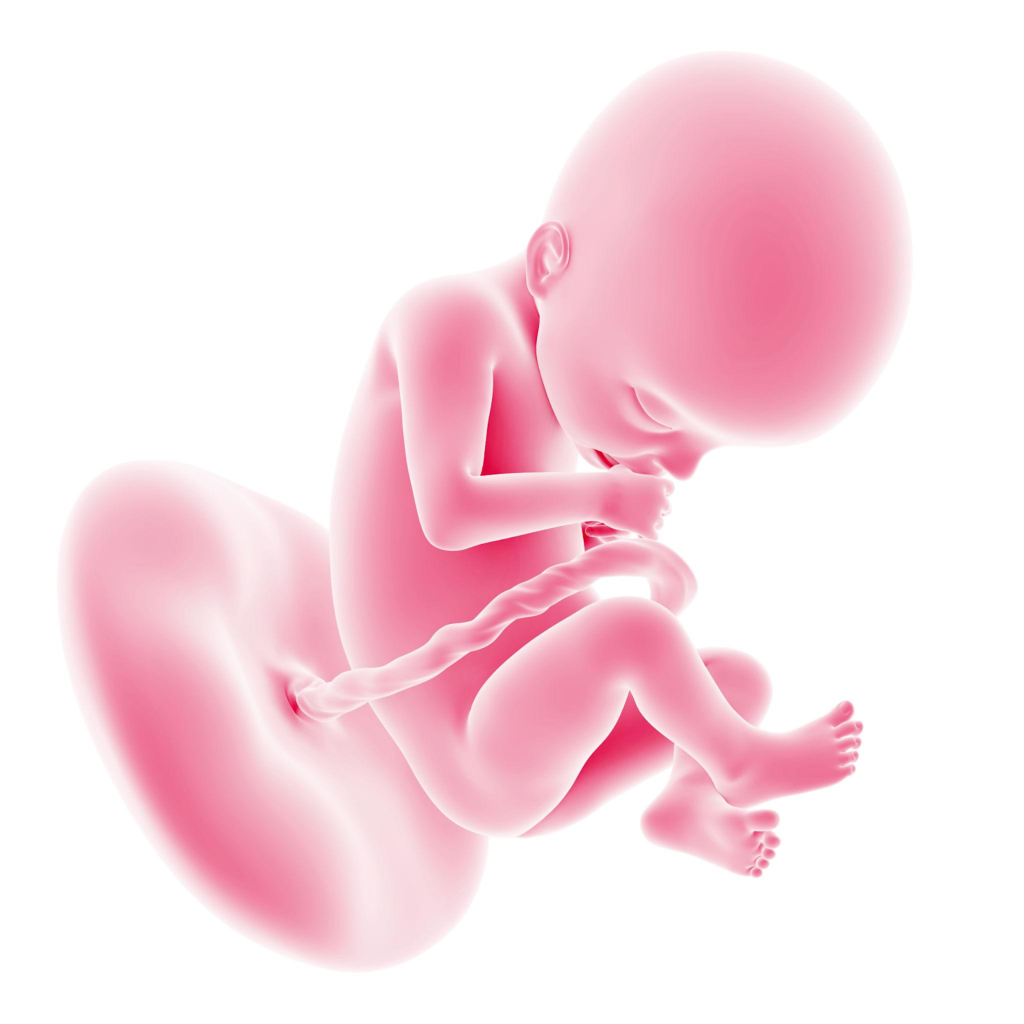
starts from which second trimester weeks

The second trimester of pregnancy is usually counte from the beginning of the 14th week. According to medical calculations, the first trimester lasts  13 weeks and 6 days, and the second trimester comes into effect from the very next day, i.e. the beginning of the 14th week. However, in many cases, doctors consider the entire period from the end of the 13th week or the beginning of the 14th week as a transition period. This stage lasts until the end of the 27th week. The second trimester is called the most comfortable period of pregnancy because during this time the severe nausea and fatigue of the first trimester are greatly reduced and the risk of miscarriage is also dramatically reduced.

The duration and division of the second trimester by week are given below:

  • Starting time: The first day of the 14th week (after completing 13 weeks).
  • Duration: From 14 weeks to 27 weeks (a total of 14 weeks).
  • In terms of months: It includes the fourth, fifth and sixth months of pregnancy.
  • Ending time: The third or last trimester begins on the last day of the 27th week.
  • Importance: During this time, the development of the baby’s major organs is complete and the baby begins to grow rapidly.

What happens in weeks 14 to 18

The period from 14 to 18 weeks is a joyful stage of pregnancy, where your ‘baby bump’ or belly shape begins to become clear. During this time, the baby’s body parts become more mature; for example, its neck lengthens and its arms and legs grow in proportion to its body. The baby’s kidneys start working in full swing and it start urinating in the amniotic fluid, which is a normal process at this time. This time is a relief for the mother because under the influence of the progesterone hormone the fatigue and nausea of ​​the first trimester are greatly reduced and the body is infused with new energy. However, due to the growing uterus, you may feel a slight pull in your waist or lower abdomen, which is a sign that your body is making room for the baby.
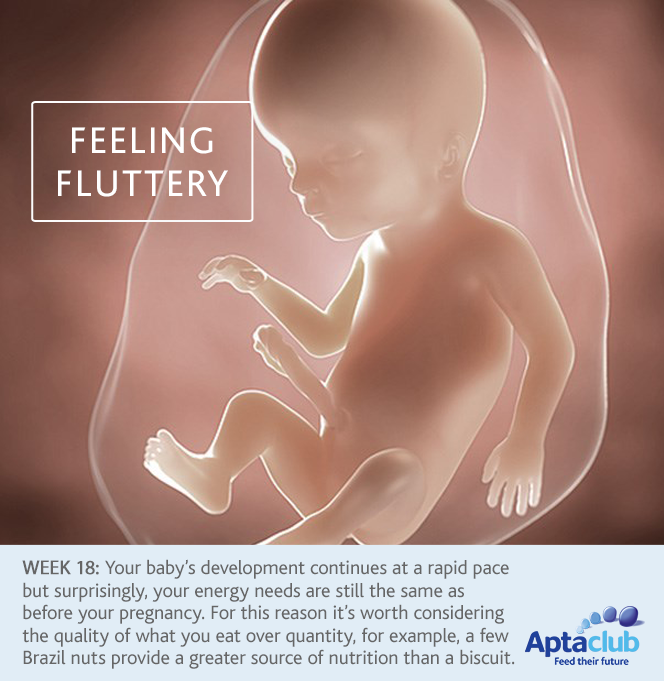
The main changes from the 14th to the 18th week are given below:

  • Baby’s fingerprints: By 16 weeks, the baby’s unique fingerprints are formed on the tips of his fingers.
  • Eye movement: Even though the baby’s eyes are closed, he can now move his eyeballs and is sensitive to light.
  • Skin protection: A type of fine hair called ‘lanugo’ grows on the baby’s body, which protects him from the moisture of the amniotic fluid.
  • Tension in the mother’s ligaments: Due to the expansion of the uterus, there may be ’round ligament pain’ or mild pain on both sides of the abdomen.
  • Hearing ability: Around 18 weeks, the baby’s ear bones become stronger, so he can hear the mother’s heartbeat and loud outside sounds.
  • First movements (Quickening): Some mothers, especially those who are pregnant for the second time, can feel the baby’s light movements around 18 weeks.

Changes from Weeks 29 to 22

The period from weeks 29 to 22 is a very emotional stage of pregnancy, as it is during this time that most mothers can clearly feel their baby’s movements or ‘quickening’ for the first time. The baby’s brain is now developing rapidly and he is starting to use his five senses – sight, hearing, taste, touch and smell. During this time, a whitish waxy coating called ‘vernix caseosa’ forms on the baby’s body, which protects the baby’s skin from prolonged exposure to the amniotic fluid. Although this is a stable period for the mother, as the uterus reaches the navel there is a need to maintain physical balance and make some changes in the way she lies.

You may also read: Second Trimester

The main changes from weeks 29 to 22 are given below:

  • Brain development: Sensory cells are now being arranged in specific places in the baby’s brain, which enhance his ability to hear and understand.
  • Anomaly scan: This important ultrasound is usually done between 18 and 22 weeks where each of the baby’s organs (heart, kidneys, brain) is examined thoroughly.

Visible movements: As the baby’s bones and muscles are stronger his kicks or movements are no longer just fluttering, but much more visible and strong.

  • Sleep cycle: The baby now has a specific sleep and wake routine; you can see that he moves more when he is awake.
  • Stretch marks in the mother: Stretch marks or reddish spots may start to appear on the stomach, thighs or breasts due to the rapid growth of the belly.
  • Increased appetite: As nausea is completely gone, the mother’s appetite for food increases a lot and the baby now needs extra calories and nutrients for growth.

Weeks 23 to 26

Weeks 23 to 26 is the last stage of the second trimester, where your unborn baby starts gaining weight rapidly and looks like a full-fledged newborn. During this time, the baby’s lungs start producing ‘surfactant’, which is essential for its survival. The baby’s skin is now losing its transparency and gradually taking on a normal color, and fat start accumulating under the body. This period can be a bit challenging for the mother as the pressure of the large uterus can cause edema in the legs, back pain, or occasional shortness of breath. However, the baby’s regular kicks and his response to external sounds will give you a strange sense of peace.

The main changes from weeks 23 to 26 are given below:

  • Lung preparation: Blood vessels and air sacs form in the baby’s lungs, which prepare him to breathe in the outside world.
  • Hearing: The baby can now clearly hear the mother’s voice as well as music or people talking outside and often responds with movements.
  • Eyes open: Around the 26th week, the baby can open its eyelids for the first time and begins to blink.
  • Swollen feet: The ankles or feet may swell slightly as blood circulation in the lower body slows down due to the pressure of the growing uterus.

Braxton Hicks: The uterus may sometimes tighten in preparation for labor, which is called ‘false labor pains’ or Braxton Hicks contractions.

  • Fat formation: Brown fat begins to accumulate under the baby’s body, which helps regulate its body temperature after birth.

General Body Changes
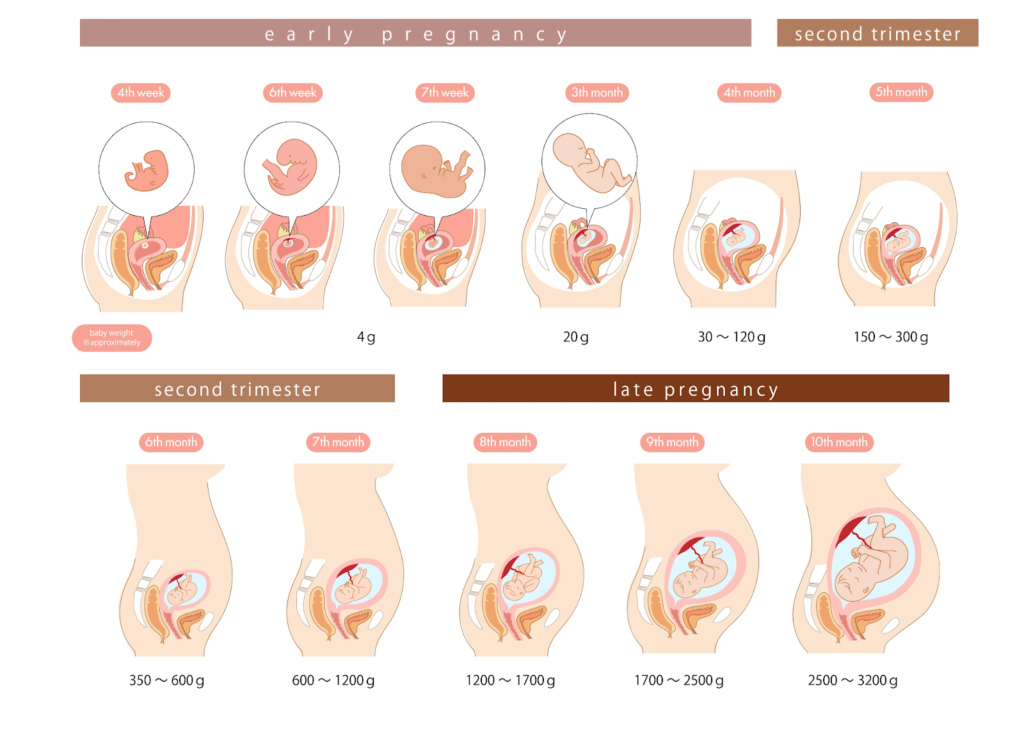
As you enter the second trimester, your body begins to undergo major changes, both externally and internally. During this time, your uterus begins to grow rapidly, resulting in a noticeable ‘baby bump’ and your body’s ‘center of gravity’ change. Your skin and hair may become brighter due to the effects of hormone which many call the ‘pregnancy glow’. However, at the same time, you may experience lower back pain due to the pressure of the enlarged uterus and some discomfort in movement due to the softening of the ligaments. In addition, your heart rate may increase slightly due to the increased blood circulation in the body and the nasal membranes may swell and feel blocked. These changes indicate that your body is fully adapting to nurturing a growing baby.

Changes that are commonly seen in the mother’s body in the second trimester:

  • Increased size of the abdomen and breasts: The abdomen grows as the uterus rises to the navel, and the breasts now begin to grow larger and heavier in preparation for later breastfeeding.
  • Skin pigmentation: Due to hormones, dark spots (Linea Nigra) or dark spots (Chloasma) may appear in the middle of the abdomen.
  • Stretch marks: As the skin of the abdomen stretches, pink or silvery elongated spots appear on the skin of the abdomen, thighs, and breasts.
  • Swelling of the legs and varicose veins: Increased blood flow and pressure from the uterus increase the tendency for water to flow to the legs or the veins in the legs to become blue and swollen (Varicose veins).
  • Digestive problems and heartburn: The hormone progesterone relaxes the muscles of the digestive system, which can delay the digestion of food and cause heartburn or constipation.
  • Bleeding gums: As blood circulation increases, the gums become very sensitive and may bleed slightly while brushing.

Increased energy levels: The intense fatigue and sleepiness of the first trimester are largely gone during this time and you feel mentally more refreshed than before.

Emotional Feelings

The second trimester is considered a “period of emotional comfort” for most mothers. The hormonal fluctuations, mood swings, and fear of miscarriage of the first trimester are greatly reduced during this time so you can feel more stable and confident than before. It is during this time that a deep emotional bond is formed between the mother and the child as a result of seeing the baby’s body through ultrasound and feeling its first movements. However, as the belly grows in size, it is not uncommon to have some anxiety about your physical changes or mild anxiety about the responsibility of becoming a mother in the future. Basically, this period is a beautiful moment to prepare for welcoming a new life and fully enjoy the joy of motherhood.

The following are the common emotional states of mothers in the second trimester:

  • Pregnancy Glow: The mind is cheerful as physical discomfort decreases and energy is restored.
  • Increased bonding: After feeling the baby kick or move, the tendency to talk to the baby or plan for it increases.
  • Body changes anxiety: Rapid weight gain or seeing stretch marks can cause some mothers to lose confidence.
  • Planning for the future: During this time, mothers are more mentally active about decorating the baby’s room or naming it (called ‘nesting’).
  • Pregnancy brain: Sometimes, hormones can cause you to forget small things or have trouble concentrating.
  • Restlessness and nightmares: Sometimes, you may have strange dreams or temporary anxiety about the delivery or the baby’s well-being, which is a common effect of hormones.

What tests are done during this period

The second trimester is the main time to thoroughly examine the physical structure of the fetu and the internal health. The most important test at this stage is the Anomaly Scan which is usually done between 18 and 22 weeks. Through this ultrasound the development of every organ, including the baby’s heart, brain, kidneys and spine is thoroughly examined. In addition, it is very important to check the mother’s blood sugar level, because the risk of gestational diabetes or polyuria during pregnancy increases during this period. Regular blood pressure tests and urine tests also confirm whether there is pre-eclampsia or any hidden infection. These tests not only solve the problem but also give you psychological assurance that your pregnancy is progressing in the right direction.

Tests that are usually recommended in the second trimester:

  • Anomaly Scan: This is the most important ultrasound to any birth defects.
  • Glucose Screening Test (GCT/OGTT): This test is done between 24 and 28 weeks to confirm whether there is sugar or diabetes during pregnancy.
  • Blood Pressure and Weight Measurement: The mother’s high blood pressure (High BP) and weight balance are monitored at each checkup.
  • Urine Test (Urine R/E): The presence of protein or sugar in the urine and any infection are regularly checked.
  • Complete Blood Count (CBC): It is check whether the mother has anemia or low hemoglobin levels.
  • Triple or Quadruple Screening: This blood test may be done to understand whether the baby is at risk of having any genetic problems (such as Down syndrome).

How to take care of yourself

Although the second trimester is called the “golden period”, your body is under extra pressure due to the rapid growth of your baby during this time. Therefore, the main aspects of care during this time should be nutritious food, proper posture and mental peace. It is essential to include foods rich in calcium, iron and omega-3 in your diet for the development of your baby’s bones and brain. Since your center of gravity change due to the growth of the uterus, it is important to be careful while walking and sleeping. In addition, your energy level is high during this time, so light exercise or a daily walk of 20-30 minutes will improve your blood circulation and prepare your body for delivery. Taking care of yourself is not only about physical fitness, but also about getting enough sleep and being stress-free.

Follow the following points to take proper care of yourself in the second trimester:

  • Nutritious diet: Include plenty of green vegetables, fruits, pulses, eggs and lean meat in your diet. Ensure milk and dairy products for bone health.
  • Sleep properly: From this time on, make it a habit to sleep on your left side. This helps increase blood and nutrient supply to the uterus and the baby’s body.
  • Drink enough water: Drink at least 2.5 to 3 liters of water a day. This will help relieve constipation and prevent urinary tract infections.
  • Comfortable clothes and shoes: Wear loose cotton clothes and avoid heels and choose flat and comfortable shoes that will maintain your body’s balance.
  • Light exercise: Do prenatal yoga or Kegel exercises regularly with the advice of a doctor which will strengthen your pelvic muscles.
  • skin care: Use coconut oil, olive oil or moisturizer regularly to prevent stretch marks on the stomach and breasts.
  • Rest and breaks: Do not stand or sit in one place for a long time. Take breaks between work, spread your legs so that water does not get on your feet.

How much weight gain is normal in the second trimester weeks

The second trimester is a prime time for weight gain, as your baby’s bones, muscles, and organs are developing rapidly. It’s generally consider ideal to gain an average of 1 pound or about 500 grams per week between weeks 14 and 27. However, the amount of weight gain depends on your pre-pregnancy BMI. If you’re already underweight, it’s best to gain a little more weight; if you’re overweight, it’s best to slow down your weight gain. Remember, not all of this extra weight is fat—a lot of it is from your growing uterus, amniotic fluid, increased blood flow, and of course, your growing baby.

General weight gain estimates for the second trimester of pregnancy:

  • Weekly average gain: About 0.5 kg or 1 pound per week.
  • Total gain for the entire trimester: Typically, you can gain 5 to 7 kg (11 to 15 pounds).
  • Variations according to BMI: If your BMI is normal, a total weight gain of 11-16 kg is expected, but if your BMI is more than 30, it is recommended to limit weight gain to 7-9 kg.
  • Role of body changes: A large part of this extra weight is due to excess tissue and water retention in the body.
  • Sudden weight gain: If you gain more than 2-3 kg in a week and your feet swell, you should inform your doctor immediately (to avoid the risk of pre-eclampsia).
  • Metabolic changes: Calorie requirements increase during this time (300-350 extra calories per day). Increased appetite is one of the reason for weight gain.

Sleep changes in second trimester weeks

After the excessive sleepiness or fatigue of the first trimester, many mothers find some relief in their sleep in the second trimester. However, as the uterus grows in size new challenges arise regarding sleeping positions or postures. Although deep sleep is possible at this time as your hormone levels are somewhat stable, it becomes difficult to sleep comfortably due to the baby’s movements or a large belly. In addition, leg cramps or heartburn in the middle of the night can disrupt sleep. The biggest change at this stage is to give up the habit of sleeping on your back, as this can put pressure on the main blood vessels of the body and disrupt blood circulation. Therefore, sleeping on your left side and using the right pillow is the main key to improving the quality of your sleep.

Common sleep changes and things to do in the second trimester:

  • Position changes: From this time on, doctors recommend sleeping on your left side which helps increase blood flow to the uterus and placenta.
  • Use of pillows: Using pillows between the legs and behind the back reduces back pain and provides a comfortable sleep.
  • Leg cramps or muscle tension: Leg muscles may tighten in the middle of the night and may wake you up; this is usually due to a lack of calcium or magnesium.
  • Nasal congestion: Due to the estrogen hormone the nasal membranes may swell and the nose may be blocked, and in some cases, snoring may start.
  • Frequent urination: Although the frequency may be slightly reduced compared to the first trimester, you may have to get up several times during sleep at night due to the baby’s movements.
  • Dreaming: During this time, mothers see more vivid or strange dreams (Vivid dreams), which is a normal mental manifestation of hormonal changes.

Conclusion

The second trimester is a unique time of pregnancy when you start to feel the presence of your baby firsthand. After overcoming the physical complications of the first trimester, this stage gives you an opportunity to take care of yourself and prepare mentally and environmentally for the arrival of your baby. Regular health check-ups, proper diet and staying happy—these three things can make your journey  joyful one. Remember, every healthy habit you have not only keeps your body fresh, but also ensures a strong and healthy future for your unborn child. Take this time positively and celebrate every small change of motherhood.


Related Articles

pregnancy labour and birth

Pregnancy labour and birth: A complete guide for a healthy mother and baby

Pregnancy labour and birth is a transformative journey that requires physical preparation emotional resilience and expert medical guidance for every expectant mother. Becoming a mother is an amazing feeling but it is very important to know the right information throughout this entire process. Every step from the beginning of pregnancy to childbirth is as joyful as it is very cautious. In this article we will discuss how you can safely pass this special time according to the latest information from modern medical science.

The 9 months and 10 days of pregnancy are basically divided into three parts. As the mother’s body changes in each part new turns appear in the development of the baby. No matter where you are in El Dorado Hills or anywhere in the world recognizing the signs of labor pain in advance and being mentally prepared for delivery is the biggest challenge. We will go into this topic step by step so that no mother feels helpless.

StageDetailed discussion
    PregnancyBody care and nutrition from the first day until delivery.
    LabourWays and stages of labor pain recognition.
    BirthModern guidelines for normal delivery and cesarean section.

The first stage of pregnancy: Essential tips for a healthy start

The first three months of pregnancy or the first trimester are very important for a healthy baby. During this time there are huge changes in hormones in the body. Pregnancy labor and birth starts with a healthy conception and continues with consistent prenatal care throughout the trimesters. Many mothers feel nausea or fatigue during this time which is very normal. However proper nutrition and rest can make your journey much easier.

Regular checkups and ultrasound

It is important to consult a good gynecologist at the beginning of pregnancy. The baby’s heartbeat and position can be confirmed through ultrasound. This will help you stay worryfree.

Essential nutrition and folic acid

It is necessary to consume folic acid from the very beginning for the development of the baby’s brain. In addition foods rich in iron and calcium will protect your bones and teeth. Try to eat fresh homemade food.

Mental peace and meditation

If the mother is happy it has a positive effect on the baby. Listening to music reading books or taking a light walk will keep your mind fresh. Staying away from worries is the main condition at this time.

Adapting to body changes

It is normal to gain weight or change your skin during pregnancy. Accept these changes with joy. Remember a new life is being born inside you.

The correct way to recognize labor pains

Every mother is a little worried when the time of delivery approaches. It is very important to understand the difference between real labor pains and false pains. Pregnancy labor and birth education helps mothers distinguish between Braxton Hicks contractions and true active labor pains. Usually labor pains start from the back and spread to the lower abdomen and it becomes more intense with time.

Three main stages of labor pains

1. Early labor: The cervix starts to dilate and mild pain is felt.

2. Active labor: The pain comes very frequently and at this time you have to prepare to go to the hospital.

3. Transition phase: This is the most challenging time when the baby is ready to be born.

Water breaking

If fluid starts to come out through the vagina it means that the water has broken. This is a major sign of the onset of labor. In such a situation you should seek medical attention without delay.

Breathing exercises

During labor pains taking long deep breaths and exhaling can help reduce the intensity of the pain. This helps the body relax and provide the baby with enough oxygen.

Support from a partner or family

If the mother is not alone during labor and has someone to hold her hand she will feel much more courageous. The presence of a loved one provides mental strength at this time.

Childbirth: The arrival of a new life

When the final moment of childbirth comes all the patience and strength of the mother are tested. Modern medicine now also has the facility of painless delivery. Pregnancy labour and birth is a natural process but medical intervention is sometimes necessary to ensure the safety of mother and baby. Whether it is a normal delivery or a cesarean the main goal is to ensure the wellbeing of the mother and the baby.

Explore more here: Early signs of pregnancy

Benefits of normal delivery

In a normal delivery the body recovers quickly and the mother can breastfeed the baby very soon. However for this regular walking and exercise are necessary during pregnancy.

When is a cesarean section necessary?

  • If the baby is not in the right position or the mother has any physical complications doctors recommend a cesarean section. In the modern era cesarean section is very safe and there is nothing to fear.
  • Skintoskin contact is very important in the first few hours after birth

After the baby is born it is very important to let him touch the mother’s skin (SkintoSkin contact). This creates a deep bond between the mother and the baby and keeps the baby warm.

  • Postpartum care for mothers

After giving birth mothers need plenty of rest and nutritious food. During this time they should eat more ironrich foods to eliminate anemia in the body.

List of essential nutrients and foods during pregnancy

Pregnancy labour and birth journey depends heavily on the nutrients the mother consumes during the forty weeks of gestation. An expectant mother should eat a balanced diet which contains the right amount of protein vitamins and minerals. Remember you are not only eating for yourself now but also for the little life growing inside you. However that does not mean that you have to eat the same food for two rather the quality of the food should be improved.

Importance of protein and calcium

For the muscle and bone formation of the baby you should eat foods like fish meat eggs and pulses regularly. Milk or yogurt is an excellent source of calcium which prevents bone loss in the mother.

The need for iron and folic acid

To prevent anemia in the body you should eat more foods like spinach liver and pomegranate. This gives you the strength to handle excessive bleeding during childbirth.

Fresh fruits and vegetables

It is important to have at least one bowl of colorful vegetables and one seasonal fruit in your daily diet. This helps to relieve constipation and boost immunity.

Drink plenty of water

It is very important to keep the body hydrated during pregnancy. Drinking at least 810 glasses of water a day reduces the risk of urinary tract infections and keeps the body fresh.

Exercise and physical preparation necessary for safe delivery

Not only food is enough to have a healthy mother and baby but light physical activity is also necessary. Pregnancy labour and birth outcomes are often improved when the mother remains physically active throughout her pregnancy. Regular exercise as advised by the doctor greatly increases the chances of normal delivery. However it should be remembered that you should not lift heavy weights or get too tired. To prepare for a safe delivery experts at El Dorado Hills are emphasizing regular prenatal yoga. This type of exercise relaxes and tones the muscles in your lower body which is very effective during labor. Doctors say that walking lightly for at least 20 to 30 minutes every day improves the function of your heart and lungs. This improves blood circulation in your body and ensures that your baby gets enough oxygen. However remember that it is important to consult a doctor before starting any new exercise regimen.

  • Walking habit

Walking at a normal pace for at least 2030 minutes every morning or afternoon improves blood circulation in the body and keeps the leg muscles strong.

  • Pelvic floor exercises

Kegel exercises or pelvic floor exercises make the birth canal flexible which increases the ability to tolerate pain during childbirth.

  • Yoga and breathing

Breathing deeply and releasing in a calm environment calms the mind. This helps not to panic during labor pains.

Special precautions and planning in the weeks before delivery

Mothers become a little more worried towards the end of pregnancy. This is the time to stay calm and prepare for delivery. Pregnancy labor and birth planning involves choosing a hospital packing a bag and knowing when to call the doctor. If you organize everything in advance there will be no lastminute problems.

Packing a hospital bag

At least a month before delivery pack the necessary clothes tissues soap and other necessary things for yourself and the baby in a bag.

Emergency contact numbers

Keep your doctor’s and ambulance numbers in a place where anyone in need can quickly find them. Talk to your family members about this as well.

Postpartum support arrangements

Decide in advance who will be there to take care of you and your baby after the birth. The mother needs complete rest during this time.

Mental preparation and courage

It is natural to be afraid of labor pain but have faith in yourself. Mothers have been going through this process for thousands of years and so can you.

Some habits to avoid during pregnancy

It is very important to refrain from certain activities for the safety of yourself and the baby. Pregnancy labour and birth safety is compromised if the mother is exposed to harmful substances or excessive stress. Keep the following things in mind to stay healthy:

1. Do not eat raw or undercooked meat and eggs as they may contain bacteria.

2. Reduce drinking excess tea or coffee as it can disrupt your sleep.

3. Do not take any kind of medicine without the advice of a doctor.

4. Avoid wearing very high shoes or heels as this increases the risk of falling.

5. Do not get upset or overly worried always try to stay cheerful.

Different stages of labor pain and relief

The most important part of this entire process of pregnancy labor and birth is labor pain. This feeling is different for every mother but its consistency is almost the same. When labor pain starts it is necessary to keep the mind calm rather than getting scared. When the cervix starts to dilate the first stage of labor begins. How patiently and bravely you go through this period depends on how quickly you recover.

Symptoms of early labor

At this time the pain is not very intense and comes at a certain time. For example the pain may come every 10 or 15 minutes. It is better to stay at home at this time. The body gets strength by sleeping a little or eating light nutritious food.

Active labor

When the pain is very intense and comes every 3 to 5 minutes then you will understand that you are in the active labor stage. Pregnancy labor and birth progresses very quickly in this stage and this is the best time to go to the hospital. Taking long deep breaths during this time is very helpful to reduce the pain.

Transition phase or final stage

This is the most difficult but shortest stage of labor. At this time the cervix opens completely. At this time the mother feels a lot of fatigue and pain but after this stage the baby is born. So it is very important to have a little courage.

Some easy methods to reduce labor pain

There will be pain but if you do some things this pain will be a little easier to bear. Using the right position and relaxation techniques during this stage of pregnancy labor and birth it is possible to reduce the intensity of the pain a little. If you walk a little instead of lying down or change your sitting posture the pain may seem less.

Breathing exercises (Breathing)

When the pain comes take a long breath through your nose and slowly exhale through your mouth. This keeps the body relaxed and gives strength to endure pain.

Change body position

Take a walk or sit on a large ball and rock for a while. This helps the baby to descend and reduces the pain to some extent.

Hot water baths

Sometimes applying hot water baths to the lower back can reduce the pain a lot. It softens the muscles and soothes them.

Hospitalization and the role of doctors

If your water breaks or there is blood you should go to the hospital without delay. Pregnancy labor and birth is best done in the hospital for the safety of the mother and the baby. Doctors and nurses will check your condition and give you painrelieving drugs or oxygen if necessary.

Epidural or painrelief facilities

These days many hospitals have facilities for painless childbirth. If you cannot tolerate the pain you can tell the doctor. They can reduce the pain by giving you an injection in your spine.

Baby Heart Rate Monitoring

The baby’s heart rate is constantly checked in the hospital. If any problem arises the doctors can take action quickly. This is very safe for you and the baby.

Pushing or getting the baby out

Start pushing only when the doctor tells you to. Pushing before that can make you unnecessarily tired. If you follow the doctor’s instructions the delivery process becomes very easy.

Adverse conditions during delivery and their solutions

Many times everything does not go as planned. Some problems may arise but there is nothing to be afraid of. If the baby has any problems during pregnancy labor and birth the doctors may decide to perform a cesarean section. This is done for the safety of the mother and the baby.

Improper positioning of the baby

If the baby is upside down instead of head down the doctors may recommend a cesarean section instead of a normal delivery. This is the safest way for the baby.

Slow labor

If labor pains are very slow doctors provide pain relief through saline. This speeds up the labor process.

The first 24 hours after delivery

A mother’s work does not end after the birth of the baby. The first day is very important. After the placenta is released from the mother’s body at the end of pregnancy labor and birth a deep bond is formed between the mother and the baby. During this time the mother needs a lot of rest and nutrition.

The magic of skintoskin touch

If the baby is placed on the mother’s chest the baby feels calm and his body temperature is right. It also keeps the mother’s mind calm.

Breastfeeding first

‘Shal dudh’ or first milk is like nectar for the baby. It increases the baby’s immunity. Therefore it is necessary to breastfeed the baby as soon as possible.

Physical and Mental Care of the Mother After Childbirth

After this long journey of pregnancy labor and birth a mother’s body is put under a lot of stress. Even though everyone focuses on the baby after the birth of the child the mother should not forget about her own care. If the mother is not healthy she will not be able to handle her baby properly. During this time the mother’s uterus starts to return to its previous state and there are huge changes in hormones. Many times mothers feel very weak so rest and nutritious food are the main medicine during this time.

Importance of adequate rest and sleep

In the first few weeks after giving birth mothers do not have the opportunity to sleep enough. However whenever the baby sleeps the mother should also take a nap. If there is someone in El Dorado Hills or your area who can help ask them for help so that you can get time to rest.

Postpartum Bleeding and Precautions

It is normal to bleed for a few weeks after delivery which is called ‘lochia’. However if the bleeding is very heavy or has a foul odor you should contact a doctor immediately. This can be a sign of an infection inside the body.

Mood or ‘baby blues

Many mothers suddenly feel sad or tearful after giving birth. This is called ‘baby blues’. It is caused by hormones and resolves within a few days. However if this sadness lasts long it can be called ‘postpartum depression’ and in that case it is important to seek expert advice.

Special care for the first few days of a newborn baby

The arrival of a new life brings joy to the entire family. But a newborn baby is very sensitive so no shortage of care can be left for him. Pregnancy labor and birth concludes with the successful arrival of the baby but the care continues through early infancy. It is very important to keep the baby warm and in a clean environment.

Benefits of breastfeeding

The mother’s first milk or breast milk is the best food for the baby. It protects the baby from diseases. For at least six months babies should be breastfed exclusively and there is no need to give them water.

Baby’s umbilical cord care

Do not apply water or anything else to the baby’s umbilical cord until it dries out. The area should always be kept dry. If the umbilical cord turns red or pus appears see a doctor immediately.

Keeping the baby at the right temperature

The baby’s body can get cold very quickly. So wrap him in soft cotton clothes. But make sure that the baby does not sweat too much.

Postpartum diet and healthy lifestyle

After giving birth the mother needs a lot of calories to build her body and make breast milk. Pregnancy labour and birth outcomes are sustained when the mother recovers with proper nutrition postdelivery. Neglecting diet can lead to longterm fatigue in the mother.

Liquid food: Drink plenty of water fruit juice and souplike foods.

Calcium and iron: Eat milk eggs and legumes to strengthen bones and prevent anemia.

Easily digestible foods: Eat more fiberrich foods like oats pulses and vegetables to avoid constipation.

Light exercise: Whether it is a cesarean or normal start light walking if your body allows it.

Conclusion

Pregnancy labor and birth—this whole process is like a miraculous experience. A mother brings a new life into the world with all her life’s energy. With proper preparation nutritious food and support from all the family this difficult path becomes very joyful. If you are pregnant do not be afraid. Trust your body and get regular checkups. Remember only a healthy mother can give a healthy and beautiful future. May your journey of motherhood be successful and safe.

Scroll to Top