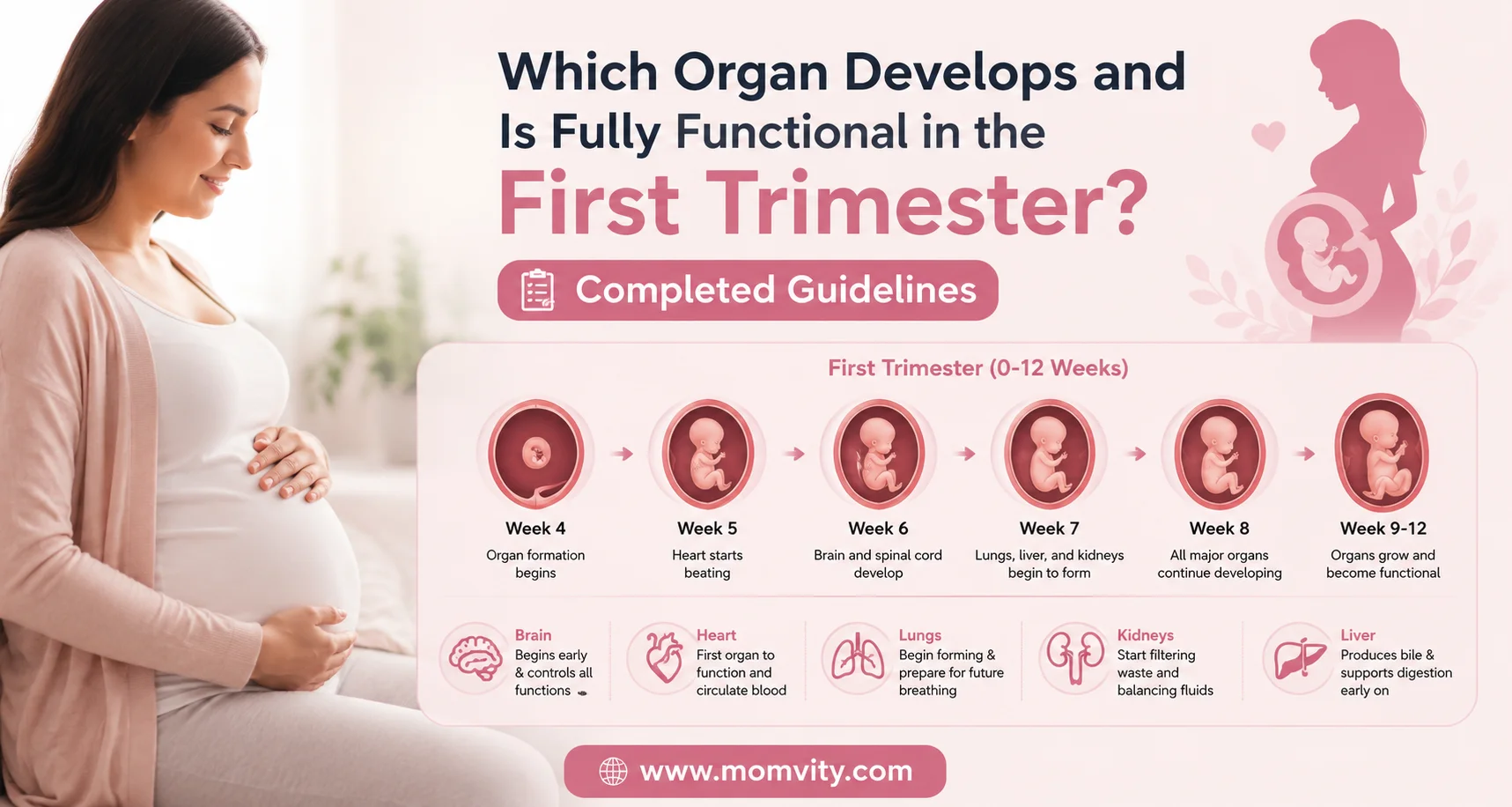
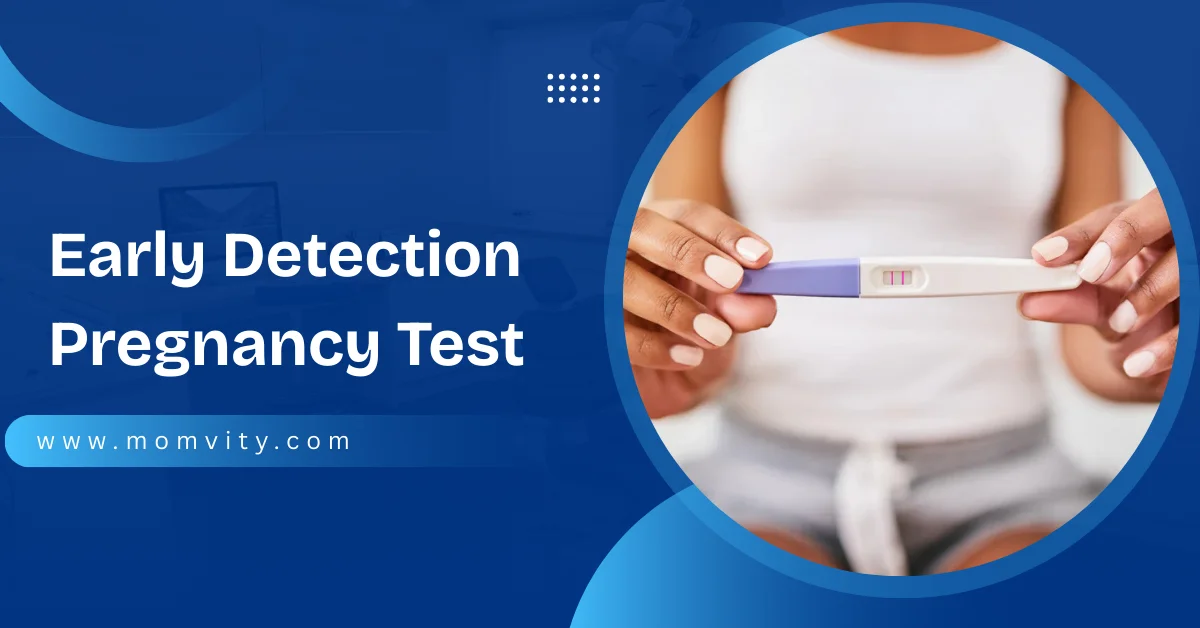
Early pregnancy | Momvity

Stomach Cramps and Diarrhea in Early Pregnancy

Why do stomach aches and diarrhea occur in early pregnancy? Normal symptoms or cause for concern?

Why do stomach aches and diarrhea occur in early pregnancy?

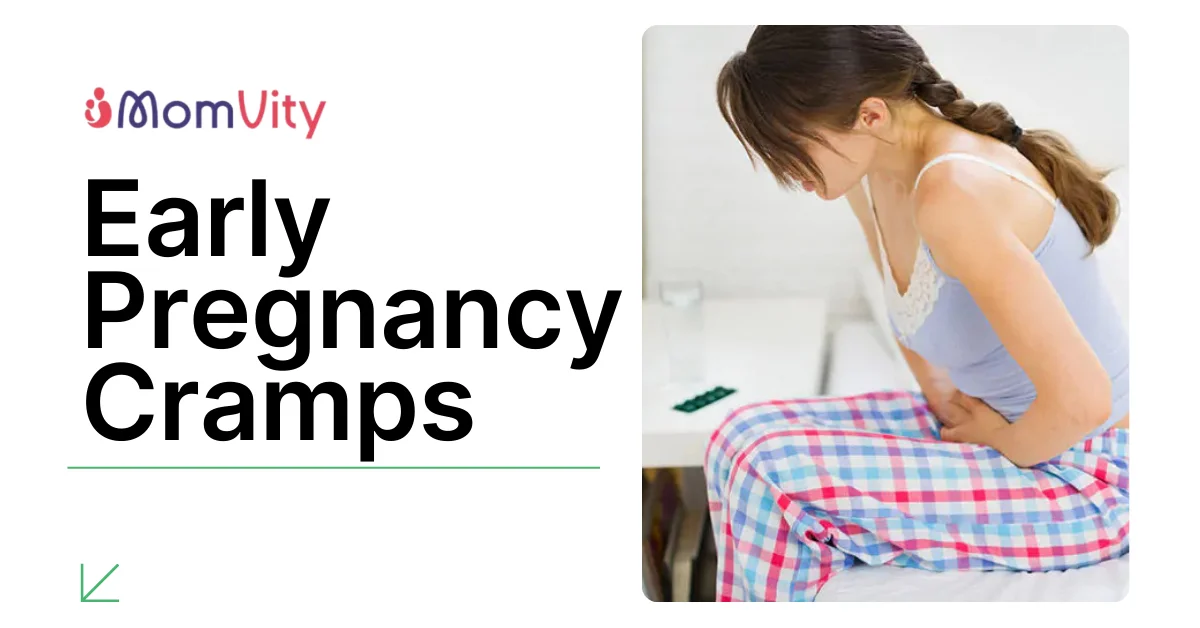
 At the beginning of pregnancy, a huge storm of hormones sweeps through the body. These hormonal changes mainly cause disturbances in the digestive process. Sometimes, when the fetus is set in the uterus, the uterine muscles stretch a little, which can cause mild cramping pain in the lower abdomen

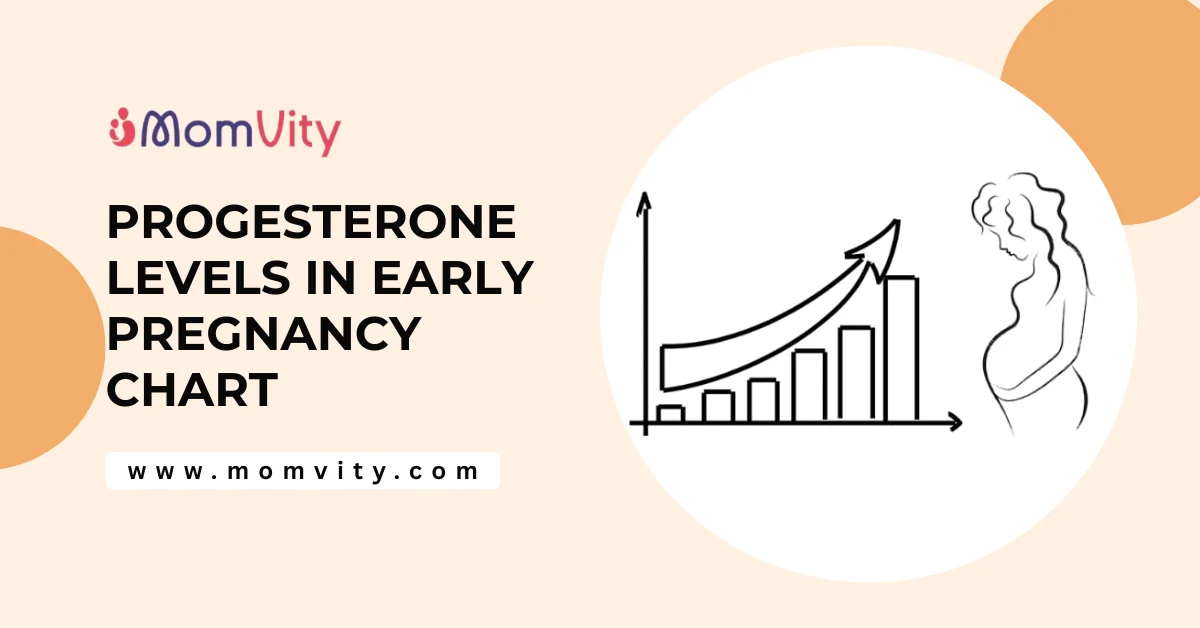
. At this time, the progesterone hormone increases in the body, which sometimes slows down the work of the stomach and intestines and sometimes makes it very fast. This can cause problems like diarrhea or diarrhea. Many women get scared when they notice that they are having mild stomach pain along with early pregnancy sporting look-alike or light bleeding. However, remember that if this pain or diarrhea is not too severe, it is just a part of the body’s adaptation to the new environment.

Why do you get cramping in early pregnancy?

 Mild cramping is very common in the early stages of pregnancy. As the embryo implants itself into the uterine wall, the uterus changes shape slightly and the muscles tighten. During this process, many women experience early pregnancy spotting or light bleeding. Simply put, it feels like period pain in the lower abdomen as the uterus prepares to enlarge and blood flow increases. Sometimes, this cramping can also be caused by excess gas or constipation. However, if the pain is not too severe and the bleeding does not increase at the same time, there is nothing to worry about. It is a sign that your body is making room for a new guest.

Main causes of abdominal cramps or cramping

After reading the points given below, you will understand why the abdomen twists at this time and what is the relationship between it and the early pregnancy sporting look like:

Implantation or implantation of the embryo: When the embryo sits firmly on the uterine wall, the uterine muscles may contract, causing abdominal cramps.

Uterine size changes: As the baby grows, the uterus expands, which causes pain due to tension in the ligaments or surrounding tissues.

Gas and digestive problems: During pregnancy, hormones reduce digestion, which can cause gas to accumulate in the stomach and cause cramps or discomfort.

Increased blood circulation: During pregnancy, blood flow to the uterus increases a lot, which causes a feeling of heaviness or mild pain in the lower abdomen.

Physical fatigue: If you work or stand for a long time without adequate rest, the abdominal muscles may tense and cramp.

Urinary tract infection: Sometimes, a urinary tract infection can occur in the beginning, which can also cause problems like lower abdominal pain or cramping.

Why diarrhea can occur in early pregnancy

Diarrhea or loose stools in early pregnancy are quite uncomfortable for many expectant mothers. In fact, at this time, a huge hormonal fluctuation starts in the body, which directly affects our digestive system. Especially due to the increase in the progesterone hormone, some people get constipation, while others suddenly have diarrhea due to an increase in bowel movements. Many times, when these hormones change inside the body, the early pregnancy sporting look-alike symptom or light blood spots may appear. Many people mistake this loose stools and stomach pain for periods, but in fact, it is just an attempt by the body to adapt to the new situation.

Main causes of diarrhea in early pregnancy

Simply put, the reasons why you may have loose stools at this time are:

Effect of hormones: The new hormones of pregnancy make your digestive system much more sensitive, which can lead to diarrhea.

Changes in diet: If you suddenly start following a diet for becoming a mother, your stomach cannot absorb more fiber or any new food.

New vitamins: Sometimes, calcium or iron tablets given at the beginning of pregnancy also cause diarrhea in many people.

Lack of water: When the water balance in the body is disturbed, intestinal function is disrupted, which often increases discomfort such as early pregnancy sporting a look-alike.

Emotional tension: Tension caused by the joy or fear of becoming a mother directly affects the stomach, resulting in loose motions.

Food poisoning: During this time, the body’s immunity decreases slightly, resulting in a quick upset stomach from outside food or less clean food.

Discover more here: early pragnancy spotting look like

Is it normal to have stomach cramps and diarrhea together?

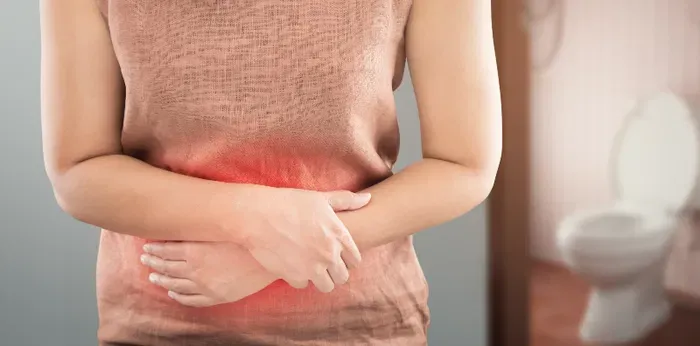
 Early pregnancy cramps and diarrhea or diarrhea together can be a cause of panic for many expectant mothers. To be honest, in most cases, this is not unusual. When your body’s hormones prepare the uterus for the baby, those hormones also affect your intestines. As a result, on the one hand, the uterus can contract and cause stomach cramps, while on the other hand, the digestive process can be disrupted and diarrhea can occur. Sometimes, between these two problems, a mild early pregnancy sporting look or pink spotting can be seen. If the pain and diarrhea are tolerable and there is no fever, then you can understand that your body is trying to adapt to the new hormones.

How to know if it’s normal

The following points will help you understand how normal your condition is:

Pain intensity: If the cramping or cramping is less than period pain and subsides after a while, it’s normal.

Hormonal manipulation: When the progesterone hormone increases in the body, the intestinal muscles relax, which can cause gas, cramping, and loose stools.

Water intake: Diarrhea causes water to be released from the body, which can cause a slight stretch in the uterus, which can lead to the early pregnancy sporting look-alike symptom.

Food effects: If you suddenly start taking iron or folic acid, cramping and loose stools are completely normal side effects.

Improvement in rest: If the cramping or cramping decreases after drinking enough water and lying down for a while, there’s nothing to worry about.

When to be careful: If the twisting is unbearable, there is blood in the stool, or your body temperature rises, it is not normal at all.

Do these feel like premenstrual cramps

 Yes, many early pregnancy symptoms can look exactly like premenstrual cramps. This is why many women don’t realize they are pregnant at first. Just like many people experience mood swings, stomach cramps, or breast tenderness before their period, early pregnancy symptoms are similar. However, the big difference comes when you notice that your period is no longer coming but you are still experiencing early pregnancy spotting or spotting. Premenstrual cramps or discomfort usually subside once the bleeding starts, but in pregnancy, this discomfort or nausea can continue for a few days.

Similarities and differences between menstruation and early pregnancy symptoms

If you pay attention to the points given below, you will be able to understand the difference between the symptoms before the period:

Type of pain: The pain before menstruation is usually very intense, but the pain that accompanies early pregnancy sporting look-alikes is very mild or a slight tingling.

Difference in blood: Spotting before menstruation quickly turns into heavy bleeding, but spotting during pregnancy stops after a few drops.

Breast changes: In both cases, the breasts may be soft or heavy but during pregnancy, the area around the nipples becomes much darker.

Fatigue: Although you may feel a little tired before menstruation, the fatigue or sleepiness of early pregnancy is much deeper.

Dislike of food: Many people want to eat more before their period, but in early pregnancy, the smell of certain foods makes them nauseous.

Mood swings: Feeling sad or irritable can occur during both periods, but in pregnancy, it tends to last longer.

When can stomach cramps and diarrhea be a cause for concern?

 Although stomach cramps or loose stools may seem normal in early pregnancy, it is not always right to ignore them. If you find that your stomach pain is unbearable and the loose stools do not stop, then you should understand that there may be another problem inside the body. Especially if the pain is accompanied by early pregnancy sporting look-alike or light bleeding that suddenly increases, this is a cause for concern. Sometimes this can also be due to an ectopic pregnancy or an infection. If the body becomes very weak and if you cannot keep even water in your stomach, it can be a risk for both you and your unborn child.

Symptoms that should be seen by a doctor without delay

Note the points given below. If any of these occur, immediate action should be taken:

Severe and continuous pain: If the stomach pain is much worse than during your period and you feel a sharp biting or twisting sensation on one side of the stomach.

Heavy bleeding: If your spotting is not just the early pregnancy spotting that you see, but is bright red and heavy.

Signs of dehydration: If you urinate very little or have a dark yellow color and your mouth and throat are repeatedly dry.

Fever or chills: If your body temperature goes above 100 degrees with an upset stomach or pain.

Bloody stools: If you have blood or mucus (slimy) in your stools.

Dizziness or fainting: If you have frequent blackouts or fainting due to low blood pressure.

What to do during this time

When your body goes through various changes in the early stages of pregnancy, especially abdominal cramps, diarrhea, or mild early pregnancy sporting look-like symptoms, your body needs special care. Your main goal during this time should be to keep your body calm and prevent dehydration. Since hormones weaken your digestive system, it is better to avoid heavy or oily foods. Taking small steps to take care of yourself can help you overcome these discomforts quickly. Below are some tips that will help you stay physically and mentally healthy during this time.

Effective ways to relax

If you follow the habits given below, you will quickly benefit:

Get enough rest: When the body tries to take on new life, it feels very tired. So, sleeping for at least 7-8 hours a day and taking short breaks will help keep your stomach muscles relaxed.

Drink plenty of water and fluids: When you have diarrhea or loose stools, salt and water are lost from the body. So drink water, ORS, coconut water or diluted fruit juice frequently.

Light and easily digestible food: If you have an upset stomach, do not eat fried or outside food at all. Instead, eat bananas, toast biscuits, boiled potatoes or rice which keep the stomach cool.

Eat small amounts frequently: Eat small amounts of food frequently instead of eating a full stomach at once. This will reduce gas in the stomach and reduce the discomfort of twisting or cramping.

Mental peace: Worrying disrupts the hormonal balance, which can increase early pregnancy sporting look or bleeding. So keep your mind calm by listening to light music or reading books.

Warm water bath: If you have mild twisting in the stomach, then use a very warm water bag You can soak your lower abdomen. But be careful not to let the water get too hot.

Can stress increase this problem?

 Yes, stress or anxiety can increase physical problems in early pregnancy many times over. It is very natural to feel scared or excited when you get the news of becoming a mother or see any physical changes. But this excess stress directly affects your nervous system and hormones. Especially when you worry too much, the body releases a stress hormone called ‘cortisol’, which hinders the digestive process and can prolong stomach cramps or diarrhea. In many cases, even due to excessive fear, the uterine muscles may tighten and the amount of early pregnancy sporting look like or light bleeding may increase slightly. Therefore, it is very important to keep your mind calm first to keep your body healthy.

How stress affects the body

The links between stress and physical problems are given below:

Digestive disorders: When you worry too much, blood circulation in the stomach is disrupted, which increases stomach pain or loose motions.

Uterine contractions: Excessive tension can cause the uterine muscles to contract, which can make the early pregnancy sporting a look or cramping more intense.

Reduced immunity: Stress lowers your body’s natural immunity, so even a minor stomach upset doesn’t heal quickly.

Sleep disturbances: If you don’t sleep properly due to anxiety, the body doesn’t get enough rest, which increases physical fatigue and discomfort.

Muscle tension: Stress causes the muscles throughout the body to tighten, which can worsen lower abdominal or back pain.

Hormonal fluctuations: The work of the progesterone hormone, which is essential for pregnancy, can sometimes be disrupted due to stress.

When to Talk to a Doctor

Many symptoms may seem normal in early pregnancy, but it is important to recognize when your body is giving you a warning sign. Although early pregnancy spotting or light bleeding is often normal, it is not a good idea to delay if it occurs with certain symptoms. Especially the first three months of pregnancy is a very sensitive time. Therefore, it is wise to talk to a doctor without harboring any doubts or fears in your mind. For the safety of you and your unborn child, seek medical attention immediately if you experience the following symptoms.

Take immediate action if symptoms occur

Do not stay home in any of the following situations:

Increased bleeding: If your spotting is no longer light and turns into heavy bleeding like a period.

Severe one-sided pain: If you have severe pain on one side of the abdomen, it may be a sign of ectopic pregnancy (pregnancy outside the uterus).

Fever and chills: If you have a fever along with an upset stomach or pain, it could be a sign of an infection.

Severe weakness: If you feel dizzy, vomit repeatedly, and feel so weak that you have trouble standing up.

Chronic diarrhea: If you have loose stools for more than 24 hours and you are unable to keep any food or water down.

Bleeding: If you see a large blood clot or tissue-like mass coming out of your vagina.

Burning during urination: If you experience severe pain or burning while urinating, seek medical attention immediately.

Conclusion

Finally, the beginning of pregnancy is as joyful as it is challenging for the body and mind. During this time, things like stomach cramps, loose stools, or early pregnancy sporting a look-alike or light bleeding are mostly part of normal physiological changes. As your body prepares to grow a new life, various ups and downs can occur in everything from digestion to mental state due to the effects of hormones. The most important thing is to understand your body language and stay calm without panicking unnecessarily. These initial discomforts can be easily overcome by getting proper rest, nutritious food, and drinking enough water.

Some final tips for your healthy journey

To stay healthy in the coming days, always keep the following things in mind:

Symptom monitoring: Keep an eye on the color and amount of your spotting and the intensity of the pain, this will help you make the right decision.

Rest and caution: Any kind of physical or mental stress is not desirable during this time, so try to keep yourself as cheerful and stress-free as possible.

early pragnancy spotting look like

What does spotting look like in early pregnancy? Normal signs and things to watch out for

What does spotting look like in early pregnancy?

 When the embryo is implanted in the uterine wall at the very beginning of pregnancy, light blood spots appear. Many of us call this implantation bleeding. Many women confuse it with their period, but early pregnancy spotting looks very different from a normal period. It is not actually a disease but a sign of the existence of a new life in the body.

 This spotting is very light and short-lived. When you see light pink or brown spots just a few days before your period starts, you should understand that your body is giving you a new signal. Its biggest feature is that it does not increase over time like a period but ends very quickly.

What does early pregnancy spotting usually look like?

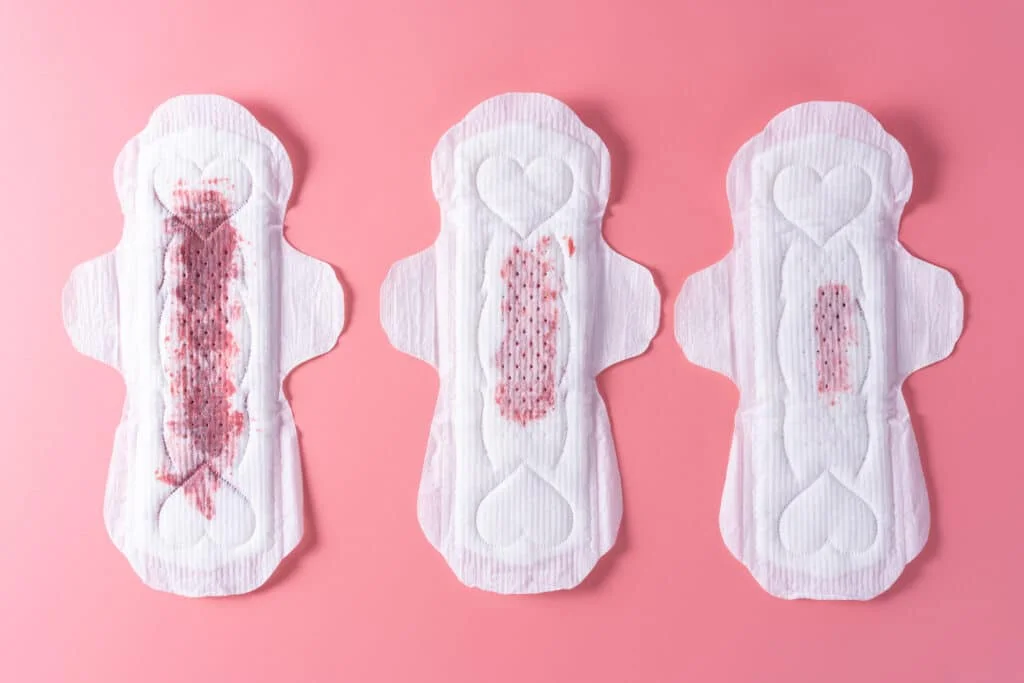
 Many first-time mothers confuse their period with pregnancy spotting. In fact, early pregnancy spotting will not look like your normal period at all. It is basically a light spotting that occurs when the embryo implants itself in the uterine wall. Simply put, when you notice a light pink or dark brown spot on your underwear a few days before your period is due, you can understand that it may be implantation bleeding or spotting. The amount is so small that instead of soaking a pad, you can just use a pantyliner or tissue. It does not fall continuously from the body, but appears as light spots from time to time and stops much earlier than your period.

Key Ways to Recognize Early Pregnancy Spotting

Simply put, early pregnancy spotting looks like the following:

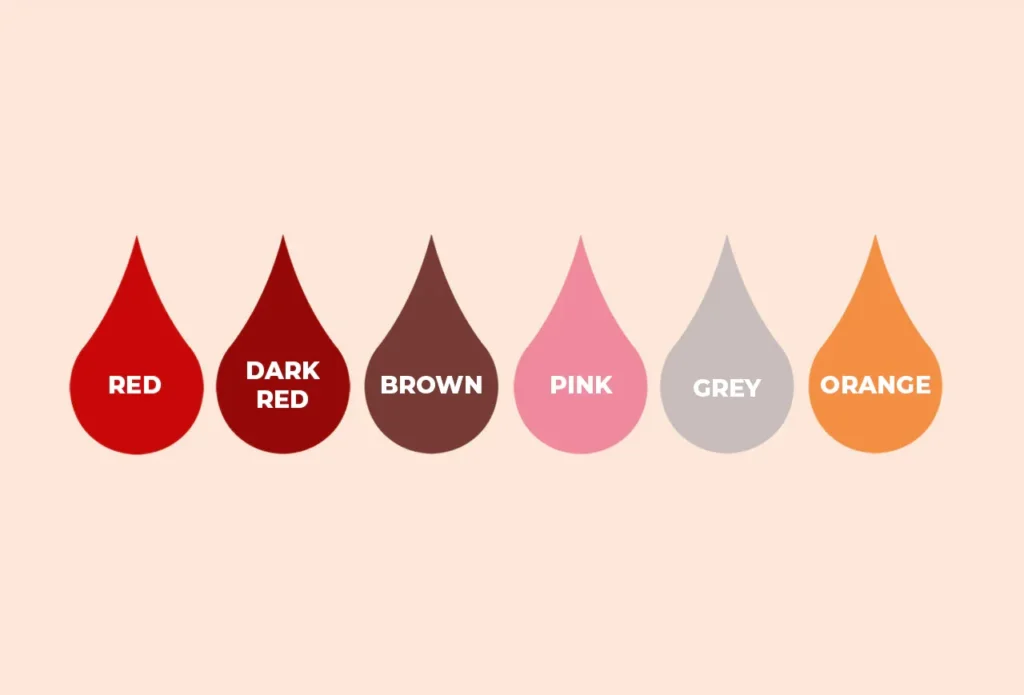
Light color: It is not the bright red color of your period, but is usually a light pink or rusty brown.

Very light bleeding: There is no blood flow like during your period. You may only see a few drops of blood on your tissue or panties when wiping.

Very short duration: It usually lasts from a few hours to 1-2 days at most. It will not last for 3 to 5 days like your period.

Mild cramping: There may be a very light or slight cramping pain in your abdomen, which is not even close to the severe pain of your period.

Other hormonal symptoms: In addition to spotting, you may notice that your breasts are heavy, you feel lethargic all day, or you can’t stand the smell of certain foods.

What is the color of spotting?

 You can easily understand whether it is your period or something else by looking at the color of the bleeding that occurs at the beginning of pregnancy. Usually, early pregnancy sporting look-alike is not like your normal menstrual red blood. Spotting does not happen like the dark red blood seen at the beginning of the period. Its color is either very pale or light. In most cases, it is a light pink hue. Sometimes, if the blood is a little late in coming out of the uterus, it can also turn light brown or rusty iron-like when exposed to air. This color difference will tell you that your body is preparing for a new guest.

Types of spotting colors and ways to recognize them

Simply put, early pregnancy sporting look-alike and its color characteristics are:

Light pink: It usually appears as a very light pink stain, which is much lighter than the blood at the beginning of the period.

Dark or dark brown: Sometimes the blood comes out after a while in the body, so it looks more like coffee or brown.

Not clear blood: It is not completely fresh or bright red like period blood.

Thin like water: Sometimes it is seen to come in a very thin or watery liquid form that does not have any dark appearance.

Stains on clothes: If it gets on underwear, it looks like a yellowish or light rust color after it dries.

No tissue or wheels: Along with the color, you will notice that it does not have any fleshy parts or wheels of accumulated blood like a period.

How much spotting is there?

 Many people worry about the amount of bleeding that occurs in early pregnancy. In simple terms, early pregnancy spotting is a condition where the bleeding is very minimal. Spotting is not like we have heavy flow during our period and have to change pads frequently. It is actually very light like some drops or spots. Sometimes you may not even notice it, just when you go to the bathroom and wipe it with a tissue, you will see a slight tint of color. Simply put, the amount of this spotting is so small that you will not even need to use a regular pad; a pantyliner will do the job.

How to understand the amount of spotting

To recognize early pregnancy spotting by looking at the amount, note the following points:

Blotted blood: It usually looks like one or two drops of blood on the underwear that do not flow continuously.

No pads needed: Bleeding like a period does not occur here, just a light spotting is seen.

It can be understood by wiping: Many times the bleeding does not come out, but if you wipe the urinary tract with a tissue, a light pink or brownish tint can be seen.

Short-term: As the period lasts for a few days, this spotting may stop all at once or may appear slightly after a while.

Non-flowing: The blood of the period comes out like a flow or stream, there is no flow in the case of spotting.

Light spotting: When it gets on the clothes, it creates a very small circle-like spot that does not grow over time like a period.

How long can spotting last?

 Many people think that spotting may last for several days like a period, but it is not. Early pregnancy sporting look-alike is much shorter in duration than a period or menstruation. It can usually last from a few hours to a maximum of one or two days. Since it is caused by the embryo implanting in the uterine wall, it is not permanent. Unlike period bleeding, which starts from less on the first day and increases on the second or third day, spotting is not like that. It can appear once and then disappear again. In very rare cases, it lasts up to three days, but its amount never increases, but rather decreases and stops completely.

Signs of spotting persistence

Simply put, to understand how long or how long early pregnancy sporting look-alike will last, note the following points:

Very short time: In most women, it lasts for a few hours or just a day.

Does not last: It does not last for five to seven days like a period, but comes and goes suddenly.

Intermittent: You may see a drop in the morning, then it is gone for the rest of the day, and then you may see a little at night.

Ends in a short time: It usually does not last more than 48 hours or two days.

Does not increase in amount: The amount of blood does not increase with time, which is its main difference from a period.

Stops quickly: It stops on its own very quickly without any medication.

Discover more here: brown spotting or blood

Is spotting painful?

 Spotting is not usually painful like a period. Early pregnancy is an experience where there is pain, but it is very minor. In fact, when the embryo implants itself in the uterine wall, the uterine muscles contract slightly. This can cause a very mild tingling or pulling sensation in your lower abdomen. Many people confuse it with period pain, but this pain is not as severe and goes away very quickly. In simple words, while period pain makes it difficult for you to do your daily activities or want to lie down, spotting pain is not as serious.

Types of Spotting Pain and How to Recognize It

Simply put, early pregnancy spotting looks like and the discomforts that come with it are:

Very mild pain: It is not like the severe pain of a period, but more like a mild tickling or tingling in the abdomen.

Short-term: This pain does not last all the time, and it usually goes away after a few minutes or a few hours.

Pain may be on one side: Sometimes, there is a mild discomfort or tightness on one side of the lower abdomen instead of the middle.

Mild cramping: Due to the stretching of the uterine muscles, there may be a very mild biting sensation in the abdomen, which is tolerable.

Back pain: In very rare cases, a very mild pain may be felt in the lower abdomen as well as the lower back.

Comfort with rest: This discomfort gets better very quickly if you rest a little or lie down, and no painkillers are needed.

How to tell the difference between spotting and menstruation

It can be difficult to tell the difference between your period and early pregnancy spotting, especially if your period is due soon. However, if you look closely, you will see that early pregnancy spotting looks very different from menstruation. Menstruation starts lightly, but after a day, the blood flow increases significantly and continues for several days. On the other hand, pregnancy spotting is light from the very beginning and does not increase at all with time. Menstrual blood is usually bright red in color and may have clots of blood, but the bleeding that occurs at the beginning of pregnancy is more like water or just a light colored stain.

Easy ways to differentiate menstruation and spotting

In simple terms, you can differentiate early pregnancy spotting from menstruation by the following factors:

Color of blood: Menstrual blood is usually dark red, while spotting is light pink or dark brown in color.

Permanence: Menstruation lasts 4 to 7 days but spotting usually ends within a few hours to 1-2 days.

Blood flow: Menstruation is continuous and requires the use of pads but spotting comes in drops or streaks.

Pain intensity: Menstruation can be very painful or cramping, but spotting is usually mild or non-existent.

Blood clots: Menstrual blood can often contain clots that have accumulated over time, which is not the case with spotting.

Other symptoms: If you experience breast tenderness or nausea along with spotting, it is more likely to be a sign of pregnancy.

When is spotting not normal

Although it is normal to have light spotting in early pregnancy, it is not always appropriate to take it lightly. If early pregnancy spotting turns into bleeding that is heavier than a period, it can be a cause for concern. Sometimes, bleeding can also occur at the beginning of problems like ectopic pregnancy or miscarriage. If you see that the color of the blood has turned bright red and is accompanied by a lot of pain, then you should understand that the body is giving a danger signal. It is best to keep any bleeding during pregnancy under the advice of a specialist because even a small symptom can sometimes be an indication of a bigger problem.

Symptoms to be careful of

If the following things happen to you, then you should understand that early pregnancy spotting is not normal:

Heavy bleeding: If you see that the bleeding does not decrease with time, but increases and you have to change the pad repeatedly.

Severe abdominal pain: If you feel unbearable twisting pain or aching sensation on one side of your lower abdomen or throughout your entire abdomen.

Bright red blood: If the spotting is fresh and bright red instead of pink or brown.

Blood clots: If you see large clots or lumps of blood coming out along with the blood.

Fever or body shivering: If you have a high fever or body shivering a lot along with the bleeding.

Dizziness or fainting: If you feel very weak, dizzy, or faint along with the bleeding.

What to do if you are spotting

It is very normal to get nervous when you suddenly see blood stains on your underwear. However, remember that since early pregnancy sporting look-alike is different from your period and is normal in many cases, you should first stay calm. It is not right to put extra stress on your body at this time. Doing heavy work or worrying puts pressure on hormones, which is not good in early pregnancy. Your first task will be to pay close attention to the color and amount of bleeding. If it is light pink or brown and the amount is very small, then there is nothing to worry about. However, it is most important to be a little more careful with your body and get enough rest during this time.

What to do if spotting occurs

If you realize that your condition is similar to early pregnancy sporting look-alike, you can take the following steps:

Rest: If spotting occurs, stop all work and lie down for a while. Many times, light bleeding stops on its own if you give your body enough rest.

Use a pad: To understand the amount of bleeding, use a clean pad instead of tissue or tampon. It makes it easier to understand the color and amount of blood.

Avoid heavy work: Avoid sweeping the house, lifting heavy buckets, or climbing stairs a lot during this time.

Avoid intercourse: It is better to avoid having physical intercourse until the spotting has completely stopped, as this will not put pressure on the uterus.

Tell the doctor: If you have already seen a doctor, call him and inform him about the matter. Consulting a doctor even for minor matters gives peace of mind.

Get tested: If you miss your period and then spotting occurs, test with a home pregnancy kit to be sure.

Can spotting occur more after physical work?

 Yes, sometimes it is seen that light bleeding can occur after doing heavy work or running a lot. In early pregnancy, the blood vessels around the uterus are very soft and sensitive. If you suddenly lift a heavy bucket, stand for a long time, or climb stairs quickly, the uterus may experience slight pressure. As a result, the early pregnancy sporting look-like symptom may appear in you. This is basically a signal from the body that you need to calm down a bit now. If you see such light spots after work, it is most important not to panic and give your body a rest.

What to look for when spotting occurs after work or stress

If you feel that it is early pregnancy sporting look-like after physical work, then compare the following points:

Type of work: Have you recently lifted something very heavy or traveled for a long time? If so, this spotting may be due to that stress.

Does it decrease with rest: If the spotting decreases after stopping work and lying down for a while, it means that the body was lacking rest.

Color change: Spotting that occurs after work is usually very light brown or pink in color.

Physical intercourse: Sometimes light spotting can occur after intercourse due to vaginal sensitivity, which is usually not harmful.

Abdominal tightness: Try to remember if you felt any kind of tightness in your abdomen during heavy work.

Continuous standing: Standing for a long time while cooking or working can cause spotting due to pressure on the uterus.

Can spotting increase due to stress or fear

The relationship between the mind and the body is very deep, especially when you are thinking about becoming a mother. Many times, excessive anxiety, fear or stress can upset the balance of hormones in the body. When you are too tense, stress hormones increase in the body, which can affect the hormones in the early stages of pregnancy. As a result, it is not impossible for the early pregnancy sporting look-like symptom to appear in you. Excessive fear or stress can also cause a kind of contraction in the uterine muscles, which causes light bleeding. Therefore, it is very important for physical well-being to keep the mind calm and not panic unnecessarily at this time.

Signs of understanding the relationship between stress and spotting

Understand how your state of mind is affecting your body and whether it is Early Pregnancy Sporting Look-like or not by looking at the points below:

Excessive anxiety: Are you very afraid of something all the time? This fear can affect your blood circulation and cause spotting.

Lack of sleep: If you do not sleep at night due to tension, the body becomes tired and there is a risk of light bleeding.

Sudden startle: If you are very scared or emotionally shocked for some reason, the pressure on the uterus can cause spotting.

Changes when you calm down: Notice if the spotting decreases when you calm down a little or feel lighter after talking to someone you love?

Hormonal variations: Due to mental stress, the hormone ‘progesterone’ that maintains pregnancy may decrease slightly, which can take the form of spotting.

Importance of rest: If the bleeding stops after resting both the mind and body, then you will understand that it was mainly due to mental stress.

Conclusion

Finally, at the beginning of the journey of becoming a mother, the issue of early pregnancy sporting look like becomes a cause of worry for many. However, if we pay attention to its symptoms, color and quantity with a calm mind, we can easily understand whether it is a period or an early message of the arrival of the child. Remember that light spotting is normal in most cases in early pregnancy and it is just a sign of the embryo setting in the uterus from the body. However, it is better to be aware of any changes in the body. Have faith in yourself and give your body enough time and rest so that you can spend this beautiful time healthily.

Some last important things about early pregnancy

At this special time of yours, it is very important to keep the following things in mind with early pregnancy sporting look like:

Awareness: Pay attention to the small changes in the body and try to understand the difference between it and your period.

Reduce anxiety: Excessive tension or fear can have a negative effect on the body, so keep your mind calm.

early pragnancy brown period blood on pad

Why is there brown blood on the pad in early pregnancy? Normal causes and precautions

What does it mean if you see brown blood on your pad at the beginning of pregnancy?

Light brown spotting or blood on the pad at the very beginning of pregnancy is a very common occurrence for many women. Simply put, when a new life forms in our body, a lot of ups and downs happen inside the uterus. If it is brown in color instead of bright red like period blood, then it is old blood that is being released from the body late.

During this time, if you do any heavy work, walk for a long time, or have sex with your spouse, a little blood may leak from the cervix. Since this blood does not come out immediately, it accumulates inside the uterus for a while, its color changes from red to brown or gray when exposed to air. According to doctors, as long as this brown spot is not accompanied by severe abdominal pain, cramps, or heavy bleeding, there is no reason to worry. This is considered a process of the body adapting.

What does brown blood actually mean?

When a woman sees light brown blood stains on her pad or underwear at the beginning of pregnancy, it is very natural to have various fears and superstitions in her mind. However, to put it simply, this brown blood is not a major illness of the body, but rather it is a bit of ‘old blood’. When our blood is fresh, it looks bright red. But if that blood is stored inside the uterus or vagina for a while, it mixes with the oxygen in the air and turns black or brown. In the first few weeks of pregnancy, when the baby tries to sit firmly on the wall of the uterus, a few drops of blood may come out. Doctors call this ‘implantation bleeding’. Since the blood is shed in very small amounts, it does not come out immediately. When it comes out after a while, you see it as brown discharge or stains. In addition, during pregnancy, the mouth of the uterus or cervix is ​​very soft because there is a lot of blood flow there. In this situation, if there is a slight movement in the uterus or for any very simple reason, a few drops of old blood can come out. In most cases, it will be fixed within two to three days and it will not harm the fetus. However, it is a signal from your body that you need to be a little careful and rest now. When the body starts adapting to this new change, it is not uncommon for such small things to appear. So do not panic, but take a little extra care of your body.

Brown Blood Symptoms and Precautions

By paying attention to the following points, you can easily understand how common your condition is or when you need to be a little extra careful:

Signs of old blood: Brown spots mean that it is old blood that is coming out of the body late. It is usually not as dangerous as fresh bleeding.

Need for rest: Whenever you see such spots, immediately refrain from all kinds of strenuous work and give the body complete rest.

Pain monitoring: If these brown spots are not accompanied by severe twisting pain in the abdomen or back, then there is very little reason to fear.

Precautions for intercourse: If such spots appear in early pregnancy, the couple should refrain from intercourse or heavy lifting for at least a few weeks.

Why can brown blood occur in early pregnancy?

 After getting the news of pregnancy, even a small spot of blood in the underwear can be a cause of panic for any new mother. However, remember that brown blood or discharge in early pregnancy does not mean anything bad. Simply put, during pregnancy, a huge storm of hormones flows through our body. During this time, blood flow in the uterus and the surrounding area increases several times. The most common cause of brown blood is ‘implantation bleeding’. When the small embryo firmly establishes itself in the uterine wall, some of the fine blood vessels there can tear. When that blood does not come out immediately and accumulates inside for a while, its color changes from red to brown due to the effect of oxygen. In other words, brown blood does not mean fresh blood but old blood inside the body. Apart from that, another major reason is the change in the cervix. During pregnancy, the cervix becomes very soft and sensitive. As a result, a little blood can leak from there after a slight movement, standing for a long time, doing heavy work, or having sex between husband and wife. Since the amount of blood is very small, it turns brown before coming out. In most cases, it appears for a day or two and stops on its own. According to doctors, such spots can sometimes appear even if the progesterone hormone level in the body decreases slightly. Therefore, it is important to be a little aware rather than panic if you see such brown discharge in the beginning of pregnancy. Accept it as part of a new experience of the body and try to keep yourself physically and mentally calm.

Main causes of brown blood

You can understand more clearly why this problem occurs from the following points:

Implantation or embryo placement: When the baby implants itself in the uterine wall, a little old blood is a very normal process.

ormonHal fluctuations: Due to the fluctuations of new pregnancy hormones in the body, sometimes a little brown spotting can appear around the date of the period.

Cervical Sensitivity: During pregnancy, the cervix becomes sensitive, which can cause slight bleeding with any physical pressure or intercourse.

Infection: Sometimes, even if there is a fungal or bacterial infection in the vagina, the discharge may change color to brown.

Difference between brown blood on pads and menstruation

Many times, when people see light brown blood at the beginning of pregnancy, they think that menstruation or period has started. But in fact, there is a huge difference between menstruation and this brown blood. When menstruation or menstruation occurs, it has a certain pace. At first, it is light, then the amount of bleeding increases and the color of the blood is bright red. Menstrual blood usually lasts for 3 to 7 days continuously and in it, blood wheels or clots are often seen. But the brown blood that appears at the beginning of pregnancy is very small in quantity. It is better to call it ‘spotting’ rather than bleeding. This blood is not fresh at all, but because it is old, its color looks more like brown or rusty iron. Unlike menstruation, it does not soak the pad, but only leaves light stains on the underwear or tissue when wiping. Another big difference is the duration. While menstrual blood lasts for a few days, this brown blood or implantation bleeding lasts for a few hours to one or two days at most and stops on its own. In addition, during menstruation, there is severe cramping or pain in the lower abdomen which increases with time, but with this initial brown blood, there is usually no pain or if there is, it is very slight and can be easily tolerated. In simple terms, menstruation is the loss of the egg from your body and this brown blood is a sign of a new life taking place in your uterus. So, without mistaking it for a period, you can easily distinguish between the two by observing the changes in your body.

The main differences between menstruation and brown blood

By observing the following points, you can quickly be sure whether it is menstruation or a sign of pregnancy:

Color of blood: Menstrual blood is usually bright red in color, while the blood in early pregnancy is light pink or dark brown in color.

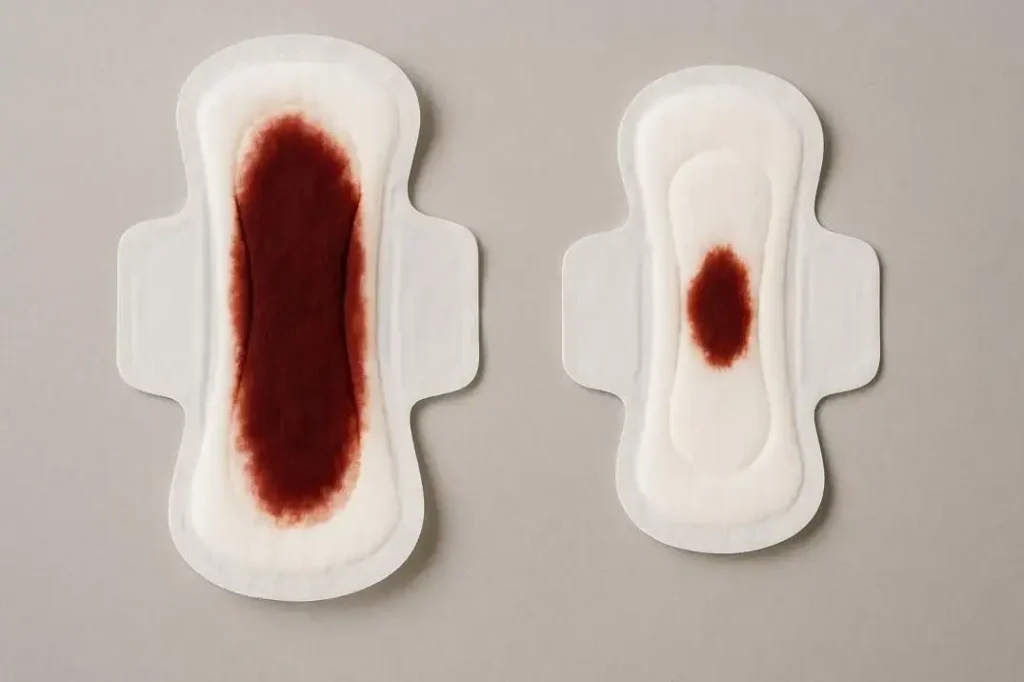
Amount of blood: Menstrual blood is heavy, which requires frequent changes of the pad, but brown blood is only in the form of drops or spots.

Duration: Menstruation lasts for several days while brown spotting during pregnancy lasts for a few hours or a maximum of two days.

Pain type: Menstrual pain is usually severe and radiates from the waist to the lower abdomen, but there is no pain at all during implantation or brown spotting.

How long can brown blood last?

 When brown blood appears in early pregnancy, the biggest question that comes to mind is how long it can last. Simply put, this brown blood or spotting does not last very long. In most women, it can last from a few hours to a maximum of two or three days. Since it is not a regular bleeding like menstruation, it is not continuous. Maybe it appeared once now and then appeared a little after a few hours or the next day. The reason for this is that it is basically old blood inside the uterus which is slowly coming out of the body. When the embryo implants itself in the wall of the uterus (implantation), the body takes very little time to clear the little bleeding that occurs. However, sometimes such light brown spots can appear occasionally during the first three months of pregnancy, especially if you work very hard, stand for a long time or lift something heavy. The body then signals that you need to rest. If you see that this spotting is not lasting more than two-three days and its amount is not increasing, then there is usually nothing to worry about. But remember that not everyone’s body type is the same; in some cases, it stops as a drop only once, while in others it can continue lightly for two days. But if it continues for more than three days and gradually turns from brown to red blood, then it is not right to take the matter lightly. Simply put, it is a temporary issue that ends quickly with the new changes in the body.

Some important points about durability and symptoms

Understand how long or how long brown blood is normal and when it is scary from the following points:

Normal duration: Usually, brown spots stop completely within a few hours to a maximum of 48 hours or two days.

Irregularity: It is not continuous like menstruation and may stop with light spots once or twice a day.

Effect of rest: If you take complete rest after seeing the spots, it is seen that it will be fixed very quickly, i.e. within a few hours.

The amount is very small: It is usually so small that it does not completely soak a pad and only slightly stains underwear.

What does it mean if there is pain with brown blood?

 Although it is normal to see light brown blood in early pregnancy, when it is accompanied by pain in the abdomen or waist, the matter should be taken seriously. In simple terms, if only brown spots appear, we do not assume that it is old blood that the body is cleansing. But when those spots are accompanied by twisting, cramping or pain in the lower abdomen, then it should be understood that some kind of instability has developed inside the uterus. Many times, when the uterus starts to grow, the surrounding muscles may be tense and cause mild pain, which is not very scary. However, if this pain is more than menstrual pain or if a sharp stinging is felt on one side of the abdomen, it can be a cause for concern. Especially in the case of ‘ectopic pregnancy’ (the baby is sitting outside the uterus), brown or red blood appears with such severe pain. Again, many times, this type of spotting begins with pain in the back or lower abdomen as an early sign of miscarriage. If you feel that the pain is continuous and does not subside even after resting, then you should understand that your body is giving you a danger signal. The early days of pregnancy are very sensitive, so when pain and bleeding occur together, your body tries to warn you. In most cases, mild cramping pain and brown spotting will resolve in a day or two with rest, but severe pain should never be ignored. It can be an early sign of some internal change or problem in the body.

Special symptoms of pain and brown blood occurring together

Here are some things to keep in mind if pain and brown spotting occur together and when to be careful:

Pay attention to the type of pain: If the pain is a very common cramp, it is not scary, but if it is severe, like menstruation, you should be careful.

Pain on one side of the abdomen: Severe pain in a specific place on the right or left side of the abdomen can be a danger sign.

Pain that does not subside with rest: If you see that the pain does not decrease even after lying down, but rather gradually increases, then it is not normal.

Color change: If the blood suddenly turns red while there is pain along with brown spots, you should seek medical advice immediately.

When is brown blood not normal?

 While brown blood is usually not a cause for concern in early pregnancy, it is not always a good idea to take it lightly. In simple terms, there are certain signs that indicate that something is not right inside your body. If the brown blood or spotting is small and stops in a day or two, it is normal. But if you see that the amount of brown discharge or blood is increasing day by day and it becomes much more like a period, it is a sign of danger. Especially if the brown color is mixed with bright red blood, then you should understand that there is fresh bleeding inside. An even bigger reason for fear is if this spotting is accompanied by other problems in the body. For example, if you feel very dizzy, your body becomes completely weak, or you feel like fainting. Sometimes, brown blood is accompanied by a very bad odor from the vagina or if there is severe itching and burning, then you should understand that there is an infection or infection in the uterus or vagina. Another scary thing is the continuous pain of brown blood. If the pain is such that you cannot stand up straight or if someone is stabbing you with a knife in one corner of your stomach, it can be a sign of a bigger problem. Doctors say that if brown spots suddenly appear after 10 or 12 weeks of pregnancy, it is not normal. In simple words, any uncomfortable symptom that interferes with your normal lifestyle and does not subside even with rest should be considered ‘abnormal’ and immediate action should be taken.

Symptoms that you see will tell you that the situation is not normal

Keep the following points in mind. It is not right to delay at all if these things occur:

Color change: If the brown color suddenly changes to bright red or heavy bleeding starts, it is a sign of a big danger.

Severe pain and cramps: If you feel a biting or twisting pain in the abdomen or back that is much worse than menstrual pain.

Dizziness and weakness: If the brown spots are accompanied by cold hands and feet, your chest may palpitate or you may feel very weak.

Abnormal odor: If the brown discharge is accompanied by a very strong or rotten fishy odor, it could be a sign of a serious infection.

Chronic: If brown bleeding continues for more than 3 to 4 days and shows no signs of stopping.

What to do at this time

Whenever you see brown blood stains on your pad or underwear in the beginning of pregnancy, the first and foremost thing is to stay calm. Crying out of fear or nervousness puts extra pressure on the body, which is not good at all in this situation. The first thing you need to do is to stop all kinds of work and keep your body in complete rest. In simple words, stop doing any heavy work, standing for a long time, cooking or walking. Try to lie on your stomach and keep your legs a little elevated with a pillow under your feet, this reduces the pressure on the uterus. Drinking plenty of water is very important at this time because many complications are reduced if the body is moist. Be careful about what kind of pad you are using, of course use clean cotton cloth or good quality pad and try to count or keep track of how often you stain or how much blood is flowing. This will help you give the doctor accurate information later. Apart from that, read a light book or listen to music to keep your mind calm. Do not take any painkillers or herbs as you wish. Remember that this early stage of pregnancy is as fragile as glass, so a little bleeding does not mean that it is bad, but it is a warning that your body needs a little extra care and affection. So do not stress yourself and rest for at least two-three days.

Quick things to do and precautions in this situation

To manage the condition and keep yourself safe, follow the following points:

Complete Bed Rest: Go to bed as soon as you see the spotting. Do not do any heavy work or climb stairs for at least 24 to 48 hours.

Informing the doctor: Inform your doctor about the matter over the phone or in person. He may give you a supportive medicine (such as progesterone) that helps to maintain the pregnancy.

Avoiding physical intercourse: Until the bleeding stops completely and the doctor gives the green signal, avoid sexual intercourse between husband and wife.

Maintaining cleanliness: Do not use soap or any chemicals to keep the vagina clean, use only plain water and keep the area dry.

What can increase bleeding?

If you experience light brown spotting in early pregnancy, the first thing you should do is be careful because even if you forget something small, this small spot can turn into a large amount of bleeding. Many of us have the habit of continuing with all the household chores without paying attention to it even if we feel a little discomfort in our body. But remember that during pregnancy, doing things like lifting heavy buckets, sweeping the house, or moving heavy furniture puts a lot of pressure on the abdomen. This pressure can damage the delicate blood vessels inside the uterus and increase bleeding. In addition, standing for a long time, cooking, or walking for a long time can also create pressure on the lower part of the uterus, which can change the light brown blood into fresh red blood. Another important factor is mental stress or anxiety. If you are afraid or tense all the time, the hormonal balance in the body is disrupted, which can indirectly increase bleeding. Sometimes, due to constipation, even if you strain excessively during defecation, the uterine mouth is put under pressure and bleeding can start. In addition, consuming any medication or hot food (such as spicy food or raw papaya) without a doctor’s advice can increase uterine contractions and cause complications.

conclusion

In conclusion, brown blood on the pad at the beginning of pregnancy is not something to be afraid of, but rather a sign of a natural change in the body. In most cases, it resolves itself with a little rest and awareness. However, it is not right to ignore any small problem when it comes to the safety of your body and the baby in the womb. Instead of being afraid or worried about this beautiful journey of becoming a mother, be patient and try to understand the body’s language. Seeking doctor’s advice at the right time, eating nutritious food, and being worry-free are three things that can guarantee you a healthy and beautiful future. Remember, your awareness is the biggest protection for your child.

sins of early pregnancy

Signs of Early Pregnancy: Common Signs of the First Stage of Motherhood

Signs of early pregnancy are the first indicators that a new life is beginning to grow inside you. From missed periods to nausea, read our guide to learn more about the early signs of pregnancy.

This journey of having a baby is very exciting and amazing. When a new life is born inside the body, the body starts expressing it through various signals. Many times these symptoms may seem like common physical ailments, but in fact these are signs of early pregnancy. If you are planning to get pregnant or have missed your period, it is important to pay attention to the small changes in your body. If you understand these early signals, you can take a pregnancy test at the right time and start taking the necessary care. Awareness can ensure a healthy and safe motherhood from the beginning of pregnancy.

Physical reasons behind initial fatigue

There are several scientific and physical reasons behind feeling tired in the first few weeks of pregnancy

Increase in progesterone hormone: Immediately after conception, the level of progesterone hormone in the body increases drastically. This hormone helps to maintain the pregnancy, but it acts like a natural sleeping pill, which keeps you sleepy or tired throughout the day.

Increased blood production: The body now starts producing a lot more blood to ensure the nourishment of the baby. The heart has to work a lot harder to pump this extra blood, which quickly tires the body.

Changes in metabolic processes: Creating a new organ (placenta or embryo) is a very energy-intensive task for the body. Your body’s metabolism rate increases significantly during this time, making you feel weak.

Decreased blood pressure and sugar: Due to hormonal changes, blood pressure and blood sugar levels can decrease in early pregnancy, which directly causes fatigue and dizziness.

Mental and emotional effects

In addition to physical changes, the mixed reactions (joy, fear or excitement) that arise in the mind after receiving the news of pregnancy can be quite tiring mentally; this mental stress or ’emotional drain’ makes the body even more tired.

Ways to relieve this fatigue

  • Listen to your body: Whenever you feel very tired, take a short sleep or ‘power nap’ of at least 15-20 minutes.
  • Drink enough water: Dehydration increases fatigue, so drink plenty of water and fluids throughout the day.
  • Nutritious food: To keep your blood sugar levels stable, try to eat small, nutritious meals frequently rather than eating too much at once.
  • Fall asleep faster than before: Increase your nightly sleep time and make it a habit to go to bed early.

Causes of sudden mood swings

Many women say that they themselves do not understand why they get upset so easily, or why they get teary-eyed at the slightest thing. These mood swings often make them feel uncomfortable.

Mood swings are very normal in early pregnancy. This is because hormonal fluctuations directly affect the brain during this time. As a result it becomes difficult to control emotions.

His time is usually seen in

• Getting angry at small things

• Feeling upset for no reason

• Sudden crying

In this situation, instead of getting angry at yourself, you should understand that your body is not in a normal state at that time. These changes can be largely managed with time.

Why nausea or aversion to food can occur in early pregnancy

Many people think that nausea or aversion to food starts much later. But in reality for many women it occurs at the very beginning of pregnancy. Even before the missed period, the body often starts giving this signal. Then people do not understand whether it is a simple gastric or something else.

Nausea is a very common symptom among the sins of early pregnancy. However it does not always come in the form of vomiting. Many times there is an uncomfortable feeling throughout the day. As soon as you sit down to eat you feel that you are no longer feeling well. Even when you see your favorite food, you are not interested. 

During this time many women notice

• Disgust with the smell of cooking

• Nausea when waking up in the morning

• Discomfort on an empty stomach

• Aversion to your favorite foods

The main reason behind all this is hormonal changes. When the body starts to adapt to the new situation, the digestive process also becomes a little chaotic. This is accompanied by emotional instability, which further increases the discomfort.

Why are breast changes considered such an important symptom?

In early pregnancy, breast changes are very noticeable to many women. Some say that the breasts suddenly become heavier, while others say that they hurt when touched. Sometimes even wearing clothes causes discomfort.

Among the sins of early pregnancy, these breast changes are very important, because they show the effects of hormones very quickly. Then the body begins to prepare itself for the future. As part of the preparation for milk production, changes occur inside the breasts and this is the cause of this discomfort.The t

things that are usually seen at this time are:

• Heaviness in the breasts

• Sensitivity to touch

• Mild pain or tightness

• Swelling compared to before

Many women confuse these changes with the symptoms of premenstrual syndrome. However, the difference is that during pregnancy, this discomfort is often more intense and does not subside easily. It can become more pronounced over time.

Most of the time, these changes are not harmful, just uncomfortable. Wearing comfortable clothes and avoiding very tight bras during this time brings relief for many. The most important thing is to try to understand these changes in your body without getting scared.

Why do strange feelings or mild pains start in the lower abdomen?

Many women experience strange feelings in the lower abdomen at the very beginning of pregnancy. It is not exactly severe pain, but it does not completely relieve it either. It is like a pulling or mild pressure inside. Many times this feeling feels like pain before menstruation, so many people do not pay attention to it at first.

This feeling in the lower abdomen is a very familiar one among the sins of early pregnancy. Because at this time, a big change is happening inside the uterus. The fertilized egg sits on the wall of the uterus and blood flow increases in that part. As a result, that part becomes a little sensitive. This sensitivity is often felt as pain or pressure.

What many women feel at this time

• Mild pulling or tingling

• Occasional pain, then goes away

• Some relief when lying down

These feelings are often normal. However, if the pain is very intense, difficult to bear, or is accompanied by bleeding, you need to pay attention. Usually, this pain is part of the body’s preparation.

Reasons for sudden changes in sleep patterns

Many women say that their sleep becomes completely irregular at the beginning of pregnancy. Some want to sleep a lot, while others cannot sleep at night. Where six to seven hours of sleep was enough before, now they sleep all day.

This change in sleep is very common among the sins of early pregnancy, but many times people do not consider it a separate symptom. The main reason for this is hormones. When the body starts to adapt to the new situation, the brain also takes the effect of that change.

If sleep is not good, the mind also does not feel good. As a result, even small things become annoying. It is necessary to give yourself a little rest during this time. This change in sleep is often temporary and will gradually get better as your body adapts.

Why is the feeling of frequent urination so annoying in early pregnancy?

In early pregnancy, many women feel one thing very clearly – the urge to urinate is much more intense than before. Waking up at night and having to go to the bathroom repeatedly, and when they do go out, they have to find a place again and again. Then they think, how is it possible so quickly?

Among the sins of early pregnancy, frequent urination is a very familiar symptom. Several factors work together behind it. At the beginning of pregnancy, blood circulation in the body increases. The kidneys have to work harder. As a result, the body processes more fluid and, as a result, the urge to urinate increases.

Another reason is hormones. Due to the influence of hormones, the bladder becomes a little more sensitive. As a result, even if you urinate very little, you feel like you have to go right away. Many times, even after urinating, you feel like you haven’t completely emptied it.

In this time many women experience these symptoms during:

• Frequent urination

• Frequent waking up at night

• Discomfort when going out

• Increased pressure despite urinating less

This condition is usually normal, although it is annoying. However, if there is irritation, pain or burning during urination, then it may be a different matter. In general, this symptom is a part of the body’s changes.

Why is the feeling of frequent urination so annoying in early pregnancy?

In early pregnancy, many women feel one thing very clearly – the urge to urinate is much more intense than before. Waking up at night and having to go to the bathroom repeatedly, and when they do go out, they have to find a place again and again. Then they think, how is it possible so quickly?

Among the sins of early pregnancy, frequent urination is a very familiar symptom. Several factors work together behind it. At the beginning of pregnancy, blood circulation in the body increases. The kidneys have to work harder. As a result, the body processes more fluid and, as a result, the urge to urinate increases.

Another reason is hormones. Due to the influence of hormones, the bladder becomes a little more sensitive. As a result, even if you urinate very little, you feel as if you have to go right away. Many times, even after urinating, you feel like you haven’t completely emptied it.

Body temperature and why mild fever can cause fever

During pregnancy, your body’s immune system becomes slightly weaker so that your body does not reject the fetus as a foreign object and taking advantage of this weak immunity, minor common colds or viral infections can easily attack you, resulting in a mild fever. In addition, the surface of the skin may feel hot due to the increased blood circulation in the body and if you do not drink enough water, Dehydration can also cause an increase in body temperature. During this time, mild fatigue or muscle aches along with a fever are a signal from your body that you need extra rest and care. This usually decreases gradually after the first trimester as your body adjusts. However, if your body temperature exceeds 100.4 degrees Fahrenheit, it is important to consult a doctor without delay.

What to do if your body temperature rises

Drink plenty of water and fluids to keep your body hydrated and your internal temperature under control.

Wear comfortable, loose-fitting cotton clothing so that excess body heat can escape easily.

You can sponge your body with lukewarm water or take a bath, which will provide immediate relief.

Get plenty of rest and avoid taking any antibiotics or fever medications as you wish.

Dizziness and sudden weakness

Dizziness or sudden weakness in early pregnancy is a very unfamiliar experience for many women. Some feel dizzy while standing, while others say that they feel dizzy even while sitting. Many people are afraid of this situation.

Dizziness is a very common symptom among the sins of early pregnancy. This is because during this time, there is a change in the body’s blood pressure and blood circulation pattern. The brain then tries to adapt to this new situation and at that time there is a feeling of weakness or dizziness.

What usually happens during this time

• Dizziness when standing suddenly

• Feeling weak on an empty stomach

• Seeing darkness in the eyes

Why are digestive problems and gas more bothersome in early pregnancy?

In early pregnancy, many women say that their stomach is not working as well as it used to. Eating something light makes the stomach feel heavy, causes gas, sometimes heartburn, sometimes bloating. Foods that were not a problem before, now cause discomfort. 

In fact, digestive problems are a very common sin in early pregnancy.. At the beginning of pregnancy, the body starts to organize itself in such a way that it makes room for a new life inside. During this time, the digestion process slows down a bit. Food takes time to leave the stomach, and that is why gas or discomfort is created.

Many women experience the following during this time:• Flatulence

• Discomfort after eating

• Heartburn or belching

• Constipation

There is no need to worry too much in this situation, unless the pain is very severe or vomiting begins. Small habits can often help reduce this problem. For example, eating smaller meals rather than eating large meals at once, avoiding spicy or fried foods, and drinking enough water throughout the day.Why is attention loss and forgetfulness so common?

At the beginning of pregnancy, many women are surprised that they are not able to maintain their attention as before. While working, they suddenly feel like they have forgotten what they came to do. They cannot remember where they put their keys, they are looking for where they put their phone. In this situation, many people get upset with themselves, thinking that maybe they are not as smart as they used to be.

This mental change is also very common among the sins of early pregnancy. Because at this time, the effect of hormones falls not only on the body, but also on the brain. When fatigue, sleep problems and stress are added to this, it becomes very normal to have a decrease in attention.

What usually happens at this time

• Forgetting little things

• Not wanting to concentrate on work

• Taking time to make simple decisions

• Forgetting words when speaking

These changes are not permanent, but this time can be a bit annoying. The best thing to do is not to put too much pressure on yourself. Don’t try to do everything perfectly, but do it slowly. Many women find that this problem subsides a lot once their bodies adjust a little. So the smart thing to do is to accept it as part of the process rather than blaming yourself.

Why do sudden changes in the skin and face worry many?

Many women are worried when changes in the skin and face occur at the beginning of pregnancy. Some people suddenly get acne on their face, some have very dry skin, and some have an unusual shine on their face. Many people stand in front of the mirror and think, “Why is this change happening again?”

These skin changes are very familiar among the sins of early pregnancy. Hormonal fluctuations have a direct effect on the skin. The amount of oil secretion from the skin changes, as a result, in some cases acne increases, and in some cases the skin becomes dry.

Many women notice at this time

• Acne or spots on the face

• Excessively dry or oily skin

• Slight shine on the face

These changes are often not harmful, just unexpected. It is best to take care of the skin naturally during this time without using too many chemical-containing cosmetics. When big changes occur inside the body, it is normal to see it on the outside.

Why does abdominal pain occur in early pregnancy?

Cramping in Early Pregnancy

The main reason for abdominal discomfort in early pregnancy is the changes in your uterus. The uterus begins to expand to accommodate a small fetus, which puts pressure on the surrounding muscles and ligaments. It can feel like a muscle strain. In addition, digestive problems or gas can also cause abdominal discomfort due to hormonal changes.

Simply put, your body is now reorganizing its internal structure to make room for a new life, and this change is why you feel a slight pulling or cramping pain in your abdomen. If this pain is not accompanied by any bleeding, it is usually nothing to worry about.

Why does cramping occur in early pregnancy?

 Many women experience mild cramping or twisting in the lower abdomen early in pregnancy, which can feel a lot like menstrual cramps. In medical terms, this is called ‘cramping’. This is very normal during pregnancy. When we discuss How much bleeding is normal in early pregnancy, the topic of cramping also comes up. In simple terms, your uterus is now preparing itself for a new life. When the embryo implants in the uterine wall (implantation), the uterine muscles contract and expand, which can cause mild cramping. In addition, due to the influence of hormones, the uterine muscles become more sensitive than before, which can be felt occasionally throughout the first few weeks of pregnancy.

Common causes of cramping

The main reasons behind this biting pain in early pregnancy are as follows:

Implantation: Mild cramping may occur when the embryo implants itself into the uterine wall around 10 to 14 days after conception. This may sometimes be accompanied by very light bleeding or spotting.

Uterine enlargement: The uterus begins to expand to make room for the growing baby. This expansion causes tension in the ligaments and muscles around the uterus, which causes cramping or aching pain.

Hormonal effects: The hormone progesterone slows down the digestive process, resulting in gas or constipation. The pressure of this gas can also sometimes cause discomfort or cramping in the lower abdomen.

Physical strain: Excessive walking or lifting heavy objects can put pressure on the uterus, which can result in temporary cramping.

What does cramping feel like?

 Early pregnancy cramping can be different for everyone, but most women describe it as a mild discomfort similar to menstrual cramps. In simple terms, it can feel like someone is gently ‘pinching’ or ‘pulling’ the muscles in your abdomen. Understanding how this feeling feels is easier when we know how much bleeding is normal in early pregnancy. This cramping is usually not continuous; it comes and goes after a while. It is not as intense as period pain, but rather a feeling of heaviness or tightness in your body, which means that the uterus is preparing for a new life.

Main characteristics of this feeling

Here are some types of cramping or biting:

Mild pinching: There may be a small pinching or ‘pulling’ sensation in the middle of the lower abdomen or around the uterus.

Heaviness: A different feeling of heaviness in the lower abdomen or waist that is greatly reduced by rest.

Cramping: The pain is not sharp but is felt as a very light pinching in one place.

Transient nature: This cramping usually lasts for a few seconds or a few minutes. It gradually disappears if you change positions or lie down.

Relationship between cramping and bleeding

Remember, cramping has a deep relationship with this topic. If the cramping you experience is like this, you can be pretty sure:

  • If this stinging sensation is accompanied by a very light pink or brown spotting, it is usually a sign of ‘implantation’ or implantation.
  • If there is no bleeding after the cramping, it is a normal process of the uterus growing.
  • Warning sign: But if you feel the pain is much more intense than menstrual cramps and is accompanied by bright red blood, it is not normal cramping.

Difference between cramping and menstrual pain

When you feel cramping or cramps in your stomach in early pregnancy, many people are confused whether it is a sign of the onset of your period or pregnancy. Understanding the difference between the two is very important, especially when you want to know How much bleeding is normal in early pregnancy. In simple terms, menstrual pain or cramps are usually much more intense and increase over time. On the other hand, early pregnancy cramps are very mild and are not continuous. When menstrual pain starts, it usually lasts for a few days and is accompanied by heavy bleeding. But pregnancy cramps are more like ‘chicken’ pain that heals on its own after a while and may not be accompanied by bleeding.

By paying attention to the following points, you can easily understand what type of pain you are experiencing:

Intensity of pain: Menstrual pain usually comes with severe twisting in the lower abdomen and often does not subside without medication. But Early Pregnancy cramps are very mild, more like discomfort.

Persistence of pain: Period pain can start a few days before your period starts and continue until your period starts. But pregnancy cramps are short-lived and subside quickly with rest.

Pattern of bleeding: When we discussed How much bleeding is normal in early pregnancy, we saw that even if there is spotting in early pregnancy, it is very light. But menstrual cramps are accompanied by a lot of blood flow.

Location of pain: Period pain is usually spread throughout the lower abdomen and waist. Pregnancy cramps are often felt as a slight pulling in a specific area of ​​the abdomen or right in the middle of the uterus.

Why is it important to understand this difference?

Remember, just like the answer to the question How much bleeding is normal in early pregnancy, the pattern of cramping indicates the health of your pregnancy. If your cramping is very severe like menstrual cramps and is accompanied by bleeding, it can be a cause for concern. But if it is much less than period pain and is not accompanied by any other discomfort, it should be understood as a normal sign of your uterus growing.

H2: How long can cramping last?

 Many expectant mothers are worried about how long this biting feeling or cramping will last in early pregnancy. When we discuss How much bleeding is normal in early pregnancy, the issue of time is as important as knowing the duration of cramping. In simple terms, this cramping can continue intermittently from the first few weeks of pregnancy until the first three months (First Trimester). Usually, it lasts for 1-2 days when the embryo settles in the uterus (implantation). However, as the uterus grows, this discomfort can occur occasionally throughout the first three months. It may not happen every day, it may be fine for a day and then be fine for a few days. This is completely normal during pregnancy.

Duration and nature of cramping

A general idea of ​​how long or how long the cramping will last is given below:

First 1-2 weeks: Cramping may occur for a very short time due to implantation immediately after conception. It usually doesn’t last more than 2 days.

For the first 3 months: It’s normal to feel some mild cramping or cramping throughout the first trimester as your uterus expands.

Intermittent: This pain doesn’t usually last for days. It lasts for a few minutes and goes away when you rest or change positions.

When it feels chronic: If you notice cramping that’s been going on for hours and doesn’t seem to go away even after resting, it’s not normal.

Remember, it’s important to understand how much bleeding is normal in early pregnancy and to keep track of the cramping. If this mild cramping suddenly starts again after the first trimester and is accompanied by other symptoms, it’s a good idea to tell your doctor. However, in most cases, this cramping or cramping in the first few weeks indicates that your uterus is preparing the right environment for your baby.

H2: What to do if you have cramping

Although mild cramping or abdominal pain is very common in early pregnancy, it can be uncomfortable for the expectant mother. When we discussed How much bleeding is normal in early pregnancy, we learned that mild cramping, like light spotting, can also be relieved with rest. If you feel cramping in your stomach, your first step should be to calm your body and not rush into anything. In most cases, this pain is not a sign of any major danger but rather a process of your uterus growing. So, if you don’t panic and take some small steps, you will quickly feel comfortable and your worries will also be removed from your mind.

Easy ways to get relief

If you start cramping or twisting in your stomach, you can do the following:

Rest and change positions: As soon as the cramping starts, lie down or sit in a comfortable position. Many times, you can get quick relief by lying on the side opposite to the side where the pain is.

Drink enough water: Lack of water or dehydration in the body increases the tendency of muscle tension. So drink enough water during the day, it helps to keep the uterine muscles calm.

Hot compress (mild): You can apply a warm water bag to the lower abdomen or waist. However, remember that the water should not be too hot, as a little warmth helps in muscle expansion.

Wear loose clothing: Avoid tight clothing that puts pressure on the waist or abdomen. Wearing comfortable and loose cotton clothing improves blood circulation in the body.

Light walking: If the pain is very mild, walking very slowly indoors for a while can reduce cramping caused by gas.

Remember, How much bleeding is normal in early pregnancy Light spotting and cramping within this range usually do not require any medication. However, do not take any painkillers or analgesics on your own to reduce pain. If you notice that the pain does not subside even after resting, but rather increases, or if the pain is accompanied by bright red blood, contact your doctor without delay. A little extra care for your body and mental peace are your best medicine at this early stage of pregnancy.

H2: No cramping is normal

While it is very common to experience mild cramping or cramping in early pregnancy, it is not right to ignore all types of pain as normal. Just as we know that How much bleeding is normal in early pregnancy, i.e. slight spotting is normal, there is a certain limit to cramping. If your abdominal pain is so severe that you cannot stand up straight or you are having difficulty breathing due to the pain, then it is never normal. Also, if the pain is much stronger than the normal cramps of your period and does not subside even after resting, then you should understand that there is a problem inside the body. This type of abnormal cramping can actually be a sign of some major danger during pregnancy.

Symptoms of abnormal cramping

If you experience the following symptoms, you will know that your cramping is not normal:

Severe and continuous pain: If the pain does not stop, but continues to be continuous and its intensity increases over time.

Severe pain on one side of the body: If you feel a sharp or severe pain in a specific area on the right or left side of the abdomen (this can be a sign of ectopic pregnancy).

Pain with bleeding: When we discussed How much bleeding is normal in early pregnancy, we knew that painless spotting is normal. But if the cramping is accompanied by bright red bleeding or spotting, it is a sign of danger.

Fever or nausea: If you have a fever, chills, or excessive nausea along with the pain.

Shoulder or neck pain: If you feel pain in the shoulder blade or neck along with abdominal pain, it can be a sign of internal bleeding in the body.

The difference between cramping and gas or indigestion

During early pregnancy, hormonal changes slow down the digestive process, so gas in the stomach is very common. Many times, expectant mothers do not understand whether the abdominal discomfort is cramping due to the growth of the uterus or simple gas pain. When you want to know how much bleeding is normal in early pregnancy, it is important to know the difference between these two types of pain. In simple terms, uterine cramping is usually felt in the very lower abdomen. On the other hand, gas or indigestion pain is usually felt in the upper or middle of the abdomen and can move from one place to another. Gas pain is accompanied by symptoms such as bloating or sour belching, which are not seen during uterine cramping.

By paying attention to the following points, you can easily understand the source of your pain:

Location of pain: Uterine cramping or a biting feeling is usually in the middle of the lower abdomen or below the waist. Gas pain can be spread throughout the abdomen or be felt more in the upper abdomen.

Pain type: Cramping feels like a pinch or a muscle pulling. Gas pain usually feels like a ‘peck’ or sharp needle prick that subsides after passing gas.

Other accompanying symptoms: Gas problems may be accompanied by a feeling of heaviness in the stomach, frequent belching, or constipation. When we discuss How much bleeding is normal in early pregnancy, we see that uterine cramping can sometimes be accompanied by light spotting, which is never accompanied by gas pain.

Relationship to food: Gas pain usually increases after eating or after eating certain foods. Uterine cramping is not related to food, it depends on the physical changes or stress in your body.

Remember, when figuring out How much bleeding is normal in early pregnancy, if you notice that you are having discomfort in your stomach but there is no bleeding and there is trouble passing gas, it is probably gas pain. It is wise to avoid fried foods and drink plenty of water during this time. However, no matter the type of pain, if it is severe, it is safest to consult a doctor.

 When to consult a doctor

In early pregnancy, the body experiences many new sensations, not all of which are scary. However, when cramping or stabbing pain interferes with your normal lifestyle, it is not right to ignore it. When we know that How much bleeding is normal in early pregnancy, we also have to be careful about the intensity of the pain. If you see that the stabbing sensation in the stomach does not subside even after resting, but rather increases over time, then it is the right time to talk to a doctor. It is important to get an expert opinion at the beginning, not to underestimate any abnormal changes in the body, for both your mental peace and the safety of the baby.

Do not delay when you see the symptoms

You must contact your gynecologist in the following situations:

  • Severe pain: If the pain makes you bend over or makes it difficult to do your daily activities.
  • Bleeding and cramping together: If, along with cramping, bright red blood or clots are seen in the vagina.
  • Sharp pain on one side of the abdomen: If the pain is felt sharply on the right or left side, not the entire lower abdomen.
  • Dizziness or fainting: If the pain is accompanied by a feeling of weakness, blurred vision, or loss of sensation.
  • Trouble urinating: If cramping is accompanied by a burning sensation when urinating, or if the urine is very dark and foul-smelling (this could be a sign of a urine infection).
  • Fever and vomiting: If the abdominal pain is accompanied by a fever of more than 101°F, or if you are unable to keep any food down.

Preparing to see a doctor

Keep in mind that your doctor may also ask you questions about the type of pain, such as How much bleeding is normal in early pregnancy. So, before you go to the doctor, keep the following things in mind: 1. How long has the pain been going on? 2. Is there a specific color of discharge or blood with the pain? 3. Does the pain ease when you change your position, such as lying down or sitting?

A quick ultrasound or blood test early in pregnancy helps the doctor make sure everything is okay. Your little awareness can save you from a major danger.

Conclusion

These early days of pregnancy are a time of great physical and mental changes for every expectant mother. In conclusion, mild cramping or cramping in early pregnancy is mostly a normal process of the uterus dilating and the development of a new life. While we know that How much bleeding is normal in early pregnancy, we also need to remember that painless light spotting and mild cramping are usually nothing to worry about.

However, whenever your body gives any unusual signals such as severe pain, heavy bleeding or any other physical discomfort, it is your first responsibility to pay attention to it. Remember that taking extra precautions during pregnancy is not a sign of fear at all, but an expression of love for you and your child. Stay calm, get enough rest and accept every change in your body positively. Seek expert advice for any small doubts in this beautiful journey of yours and have faith in yourself.

Very early sins of pragnanc

The signs your body starts giving you at the very beginning of pregnancy

Very Early Signs of Pregnancy

Before you miss your period, your body starts to signal you that a new guest is inside. The very early signs of pregnancy can be different for each person, but some common changes are common to almost everyone. The most common sign is breast changes. You may suddenly notice that your breasts feel quite heavy, are painful to the touch, or feel much softer than before.

In addition, many people experience ‘morning sickness’ or nausea. Not only in the morning, but at any time of the day, they may suddenly feel dizzy, especially when they smell certain foods. Another interesting thing is that the uterus starts to grow, which causes frequent urination, putting pressure on the bladder, so they have to run to the bathroom repeatedly. Mood swings are also a big symptom. You may be laughing a lot, and then suddenly feel sad and crying for no reason. Many people may also feel a slight stabbing pain in the lower abdomen or a period-like feeling, which many people mistakenly consider as a sign of the onset of menstruation.

Feeling very tired for no reason

At the very beginning of pregnancy, many women talk about a problem called ‘feeling very tired for no reason’. It seems that you may not have done any hard work or heavy work all day, but you feel as if your body is no longer moving. It feels as if your whole body is poisoned and you always want to just lie down. This fatigue is called ‘Fatigue’ in English, which is much deeper than a simple lack of sleep. The main reason for this is the change in hormones inside your body, especially the hormone ‘progesterone’, which increases dramatically at this time, which makes you very relaxed. In addition, the body is now working day and night to build a new life. The amount of blood produced in your body increases to nourish the baby, and as a result, your heart has to pump blood much faster than before. This puts a lot of pressure on the body and you become very short of breath. In simple words, there is a ‘construction job’ going on inside your body that is absorbing all your energy. Many times, this fatigue is accompanied by nausea or a loss of appetite, which further weakens the body. So if you find that you are just closing your eyes or not wanting to get out of bed from morning to night, don’t blame yourself for being lazy. This is a natural reaction of your body, which is telling you that you need a lot of rest now.

What you should do to relieve this fatigue

You can follow the following simple rules to manage this body’s confusion or fatigue:

Listen to your body: Whenever your body tells you that it is tired, stop doing everything and take a break. A short 15-20 minute power nap during the day can make you feel much more alert.

Nutritious food and water: Fatigue increases when your body lacks water, so drink plenty of water throughout the day. Foods rich in iron and protein (such as eggs, bananas, lentils) will give you energy.

Ensure a good night’s sleep: Try to get at least 8 to 9 hours of uninterrupted sleep at night. Avoiding mobile or TV before going to bed helps you sleep better.

Light walking: It may sound strange, but it is true that walking in the fresh air for 10-15 minutes in the afternoon without lying down increases blood circulation in the body and reduces fatigue to some extent.

Change in sleep habits

After getting the news of pregnancy, many women notice that their usual sleep habits have changed. Earlier, you might have stayed up all night watching movies or reading books, but now you find yourself falling asleep in the evening. In many cases, the opposite also happens. Even though you feel drowsy all day, you don’t want to sleep after going to bed at night. The root of this change is your body’s hormonal turmoil. When the level of the hormone ‘progesterone’ increases in the body, it acts like a sleeping pill, making you feel drowsy or tired all the time. In addition, due to the increase in urination at the beginning of pregnancy, you have to wake up in the middle of the night to go to the bathroom repeatedly, which disrupts your deep sleep. Again, the anxiety or excitement that works in the corner of your mind about the unknown can also cause sleeplessness. Many times, during this time, you start having very strange and vivid dreams that you remember even after waking up. Due to the enlargement of the uterus, you also have to rush to find a comfortable sleeping position. In simple words, the engine inside your body is now working at double speed and the body sends sleep signals repeatedly to overcome the fatigue of that extra work. So if you see that your sleep time or habits are not the same as before, don’t panic, this is just a preparation for your body to accept the new life.

Essential tips for good sleep

To manage this sleep fluctuation and sleep peacefully, you can follow the following points:

Drink less water after noon: To avoid the hassle of going to the bathroom repeatedly at night, drink plenty of water during the day, but reduce the amount of water two-three hours before bedtime.

Follow a specific routine: Try to go to bed at the same time every day and wake up at the same time in the morning, so that the body’s ‘biological clock’ is correct.

Comfortable position: Make a habit of sleeping on your left side from the beginning. This improves blood circulation in the uterus and your sleep is also deep.

Avoid tea and coffee: Do not drink tea, coffee or excessively sugary drinks after noon as caffeine can stimulate your nerves and rob you of sleep.

Heaviness or sensitivity to touch of the breasts

A symptom that almost every woman experiences at the very beginning of pregnancy is breast changes. Many times before a missed period, the breasts or breasts feel quite heavy and have become much softer or more sensitive than before. In simple terms, when a new life is being transferred inside the body, the body starts preparing in advance. Due to hormonal changes, blood circulation in the breast area increases manifold and the fat layer and milk glands start to grow. As a result, you will feel that your breasts feel a little more swollen and tight than usual. Sometimes, even a slight touch can cause pain or discomfort, and even the friction of clothes can feel quite painful at this time. The area around the nipples or nipples often becomes darker in color and may appear like small grains. Many people confuse this feeling with the pain before the period, but this sensitivity of pregnancy usually lasts a little longer and gradually intensifies. This change in your body is basically an initial step in nourishing your unborn baby in the future. So if you suddenly find that your favorite underwear feels tight or you feel a kind of tingling pain in your chest, then understand that this is a big physical signal that you are about to become a mother. This discomfort is temporary and after a few weeks of pregnancy, when the body adapts to the hormones, this pain or sensitivity decreases a lot.

What you can do to reduce this discomfort

You can follow the following simple ways to deal with this sensitivity or heaviness of the breasts:

Choosing the right underwear: Avoid wearing wired or tight bras during this time. Wear a comfortable sports bra or maternity bra made of soft cotton that will give your breasts good support.

Light massage or care: Do not rub too hard while bathing. Clean gently with lukewarm water, which will help maintain normal blood circulation.

Get support at night: If you experience pain while sleeping, you can wear a very light and loose cotton bra while sleeping at night. This will reduce breast movement and reduce pain.

Pain monitoring: If you feel a hard lump or a lump in your breast along with pain, or if it becomes red and swollen, be sure to inform your doctor.

Mild pulling or pressure in the lower abdomen

In the very beginning of pregnancy, many women report a mild pulling or pinching sensation or pressure in the lower abdomen. It is very natural to be afraid of this because we feel like our period is starting. But behind this pulling or pressure is a wonderful physical change. In simple terms, when your uterus makes room for a new embryo inside itself, the muscles of the uterus slowly start to stretch to make room for it. Our uterus is normally very small, but as the baby grows, it has to grow much larger. When these muscles and ligaments start to grow, you feel a mild pulling or period-like discomfort in the lower abdomen. Doctors often call this ‘implantation cramps’, i.e., when the baby embeds itself firmly in the uterine wall. Sometimes, if you suddenly sneeze, cough, or stand up suddenly from a lying position, you may feel a sharp pain on one side of your stomach. Again, if you have problems with gas or constipation, this feeling of pressure may be even greater. This early stage of pregnancy is actually a kind of ‘fight to adapt’ where the uterus is making room for a new life inside it. As long as this tension or pressure is not too intense and there is no bleeding, it is considered a normal and positive sign of pregnancy.

What to do to reduce this tension or discomfort

You can follow the following simple points to manage this uncomfortable feeling in the lower abdomen:

Move slowly: Practice getting up slowly without jerking while getting up from a bed or sitting, as this will put less strain on the abdominal ligaments.

Resting position: If you feel tension in your stomach, lie on one side and place a pillow between your legs. This relaxes the uterine muscles and reduces pressure.

Drink enough water: If the body is dehydrated or dehydrated, the chances of muscle tension increase, so drink water little by little throughout the day.

Warm compresses: If the stomach is very uncomfortable, you can apply a warm water bag to the abdomen, but remember that the water should not be too hot.

Sudden discomfort with smell

At the very beginning of pregnancy, many women go through a strange experience, which is ‘a sharp increase in the sense of smell’. The smells that you used to love or that you could not smell at all, suddenly start to seem unbearable to you. In simple terms, it is as if a ‘super sensor’ has been installed in your nose! The smell of frying onions and garlic in the kitchen, the smell of fish scales, or even the scent of your favorite perfume or soap can make you feel dizzy or even vomit. Doctors call this ‘Hyperosmia’.

The main reason for this is the sudden increase in the level of the hormone ‘estrogen’ in the body. Under the influence of this hormone, your sense of smell becomes much more sensitive. Many people cannot even tolerate a cold smell that comes when you open the refrigerator. Sometimes, the normal body odor of your husband or other family members seems very unpleasant to mothers during this period of pregnancy. This is basically a defense mechanism of the body that helps you stay away from unsafe or rotten food in the early stages of pregnancy. Although it is quite troublesome, remember that it is a very strong and common sign of your impending motherhood.

What you can do to deal with unpleasant odor

To get some relief from this unbearable odor problem, you can follow the following simple strategies:

Air circulation: Keep the kitchen window open while cooking or turn on the exhaust fan so that the smell does not accumulate in the room. If possible, take a break from cooking directly for a few days.

Use of scent-free cleaners: Start using lightly scented or scent-free cosmetics instead of strong-smelling soaps, shampoos or detergents.

Help with lemon or ginger: Whenever a bad smell comes to your nose, dry a piece of fresh lemon or ginger. The refreshing smell of lemon works very well to reduce nausea.

Eat cold food: Cold food has less odor than hot food. If you have trouble eating because of the smell of cooking, try eating the food a little colder.

Sudden mood swings

Mood Swings

In early pregnancy, many women notice that their minds are on a roller coaster. You may be very happy, but then suddenly, for no reason, your eyes start to water or you become very angry. In simple terms, this is called a ‘mood swing’. Just like your mood is a little irritable before your period, it can be several times more so in early pregnancy. The main reason behind this strange behavior is your body’s hormones, especially estrogen and progesterone. These hormones affect the parts of your brain that control your emotions and feelings.

In addition, physical fatigue, lack of sleep, and the hidden anxiety about the new responsibility of being a mother are also major causes of this mood swing. A small thing can become very big in your mind or you can scream when you see a small mistake. Many times, you feel bad for yourself later. Remember that this is not a deliberate behavior on your part, but a huge change in your body that is temporarily affecting your mind. This is a very common and normal symptom of pregnancy.

What to do to manage your mood or state of mind

You can follow the following simple steps to keep yourself calm during these emotional ups and downs:

Talk to your partner: Explain your state of mind and why it is happening to your husband or family members. Their support and sympathy will reduce your mental stress a lot.

Adequate sleep and rest: The more tired your body is, the more irritable your mood will be. So, get adequate rest to relieve fatigue and keep your mind calm.

Take a short break: Whenever you feel very upset or crying, stop doing everything and listen to your favorite song or read a light story book.

Light spotting or change in discharge

Many women naturally get nervous when they see light pink or brown spots on their underwear in early pregnancy. In simple terms, this light spotting or dripping blood is called ‘spotting’. It is not as abundant as a period or menstruation and it does not continue continuously. The main reason for this is ‘implantation bleeding’. When the fertilized egg or small embryo firmly attaches itself to the wall of the uterus, a little bleeding may occur from there. This is one of the early signs that you are pregnant.

In addition, vaginal discharge also changes a lot during pregnancy. Due to the influence of hormones, the amount of discharge may increase slightly than before. It is usually white like thin milk and has a very mild odor. This extra discharge basically helps protect your uterus and vagina from any external infection. However, remember that if this discharge or spotting is accompanied by itching or if its color is red, green or yellowish and has a foul odor, it can be a cause for concern. Light brown or pink spotting is a common occurrence in early pregnancy, which indicates that the body is preparing for the arrival of a new life.

What to watch out for during spotting or discharge changes

To keep yourself healthy in this situation and understand the situation, it is important to keep the following things in mind:

Monitor the color: If the discharge or spotting is light pink or brown, there is nothing to worry about, but if you see bright red blood, you need to be alert quickly.

Maintain cleanliness: If the discharge increases, keep the area clean and dry. However, do not use any kind of perfumed soap or chemical.

Rest: If spotting occurs, stop all kinds of heavy work or running and rest for a few hours, which usually stops the spotting.

Use pads: Use ordinary sanitary pads instead of tampons during this time. This will help you see the amount and color of the discharge, which will be helpful for your doctor.

Is there pain?: If this spotting is accompanied by severe cramping in the lower abdomen, similar to menstrual pain, then it is more likely that the matter is not normal.

Not feeling like yourself

At the beginning of pregnancy, many women often say something like “everything is fine but I don’t feel like myself.” In simple terms, it feels like the world you know has suddenly changed. This feeling is not only physical but also mental and spiritual. Before, you may have been very alert, loved to chat or managed the house in a tidy manner. But now it seems that you can’t focus on anything anymore. When you stand in front of the mirror, you feel like a stranger, even your favorite activities become a source of annoyance.

The main reason behind this is a huge revolution taking place inside the body. Due to hormonal changes, your brain and body are in a strange daze. You may feel depressed for no reason or feel very lonely while everyone around you is very happy. This feeling of “not finding yourself” or lost is a very normal but less discussed symptom of pregnancy. The fact that you are no longer the same is actually an evolution. Your body and mind are breaking old habits and mindsets and building new ones to prepare you as a ‘mother’. So don’t be alarmed if you don’t feel the same as before, it’s a sign of the beginning of your new existence.

What to do to cope with this strange feeling

When you can’t find yourself within yourself, the following small steps will help you stay mentally calm:

Talk to yourself: Convince yourself that these changes are temporary. Your body is doing a miracle right now, so it’s normal to be a little upset.

Fulfill small hobbies: If you feel too lonely, listen to your favorite music, write a diary or take care of some plants. Do something that gives you mental peace.

Prioritize rest: When the body is tired, the mind becomes more chaotic. So get enough rest, which reduces the pressure on the mind.

Share with your partner: Tell your partner about this strange feeling you have. Sometimes, just being able to talk about your feelings is half the trouble.

Go to nature: Walking for a while under the open sky or on the grass in the afternoon can relieve a lot of the gloomy mood and make you feel refreshed.

Conclusion

These early days of pregnancy are as joyful as they are challenging with many new physical and mental changes in every woman’s life. In the end, it can be said that from seeing brown blood on the pad to feeling moody or tired, everything is part of a huge work of your body. Your body is now changing itself little by little to nurture a new life.

The most important thing at this time is to understand your body’s signals and not worry too much about anything. Most of the symptoms become normal with time. But remember that you are not alone in this journey of becoming a mother. The right information, family support and regular advice from your doctor will make your journey much easier and safer. Take care of yourself and try to accept each step of this new change with a smile.

Nusrat Ayaan

26/01/2026
How early can i take a pragnancy

How early can a pregnancy test be done? When are the results most reliable?

How Early Can I Take a Pregnancy Test

A question that comes to many girls’ minds very quickly

How soon can I take a pregnancy test?

Especially when the body starts to feel a little different, you don’t want to wait any longer. But testing too early often doesn’t give accurate results. So it is very important to know when to test to get the best results.

This article will explain in simple terms how long after taking the test, what happens if you do it too early, and what is the best time to be sure.

How pregnancy tests actually work

Pregnancy test kits or pregnancy testing methods work based on a very interesting biological process. The key to this is a special hormone called (Human Chorionic Gonadotropin).

1. Role of hCG hormone

When a fertilized egg attaches itself to the wall of the uterus, the body starts producing this hormone called hCG. It is often called the ‘pregnancy hormone’ because it is not usually present in the body except during pregnancy. Over time, the levels of this hormone in the blood and urine increase rapidly.

2. The charisma of antibodies

A pregnancy test kit contains special antibodies. These antibodies are designed in such a way that they bind to the hCG hormone in the urine.

3. Result window from the reaction zone

When you urinate on the kit, it is absorbed and flows through the strip inside the kit. There are three main stages:

Reaction zone: This is where the first antibodies that bind to hCG are found. If hCG is present, they start moving together.

Test zone: This is where some fixed antibodies are found. If hCG is present in the urine, they block the previous antibody-hCG complex. This is where the colored line appears through a chemical reaction.

Control zone: This is very important to understand whether the kit is working properly. A colored line will always appear in this area whether hCG is present in the urine or not. If no line appears here, it means that the test kit is damaged.

When is the earliest time to test?

The earliest time to take a pregnancy test depends on the type of test you are taking and how quickly your body is producing the hCG hormone. Here are the detailed timelines:

1. Blood test

This gives the fastest results. A blood test can confirm pregnancy within 7 to 12 days of intercourse or ovulation by going to a lab. It is much more sensitive than a urine test.

2. Home urine test

The following times are usually followed for testing with home kits:

Fastest: Some ‘early detection’ kits can give results 5-6 days before your missed period. However, the results are likely to be incorrect at this time.

Most accurate: Testing 1 day after your missed period is 99% accurate.

If you have irregular periods: If you are not sure about your period, you should test at least 21 days (3 weeks) after your last unprotected intercourse.

Why shouldn’t you test too early?

The level of hCG hormone in the body is very low right after conception. If you test too early, the kit may not detect the hormone even though you are pregnant (called a false negative). The level of this hormone doubles every day, so it is wisest to wait until you miss your period.

Some important tips when taking a quick test:

First morning urine: Test with your first urine after waking up early in the morning. This is when the hormone concentration is highest.

Don’t drink too much water: Drinking too much water before taking the test dilutes your urine, making it difficult to detect the hormone.

Can I take the test on the day I miss my period?

Yes, you can take a pregnancy test on the day of your missed period. However, there are some things you need to know to be 100% sure of the results.

Modern and ‘early detection’ kits available in the market are able to show results on the day of your missed period or 1-2 days before. Most kits claim that they can give up to 99% accurate results if you test on the day of your missed period.

However, keep in mind the following 3 things for accurate results:

1. Possibility of ‘false negative’

On the day of your missed period, your body may not have enough hormone levels (especially if your ovulation or ovulation is late). In this case, the kit may show a spot even though you are pregnant. This is called a ‘false negative’.

2. Use first morning urine

If you want to test on the day of your missed period, you must test with first morning urine. Because urine has been stored overnight, it has the highest concentration of hormones, which the kit can easily detect.

3. In case of irregular periods

If your period is not regular, it is difficult to accurately understand the day of your missed period. In that case, it is safest to test at least 21 days after unprotected sex.

What should you do next?

  • If it is positive (two lines): Congratulations! You should contact a gynecologist and confirm it with a blood test.
  • If it is negative (one line) but you do not have your period: Do not panic. Wait another 3 to 7 days and test again. If the hormone levels increase in the meantime, the result may be positive

When is the most reliable time?

Although everyone has different opinions about the most reliable or ideal time to take a pregnancy test, according to medical science, testing 1 week after a missed period is considered the most accurate.

1. Most reliable time: 7 days after a missed period

Although testing on the day of a missed period gives an accurate result in 99% of cases, sometimes the hormone levels in the body may be low due to late ovulation. If you test 1 week after a missed period, the amount of this hormone in the body increases so much that even a standard quality kit is unlikely to make a mistake.

2. Why is this time the best?

Hormone levels: Hormone levels double every 2-3 days after conception. These levels are much higher 1 week after a missed period.

Low risk of negative results: If you test too early, the kit can often come up negative even though you are pregnant. If you wait 1 week, this risk is almost non-existent.

  • What time of day is the best?
  • Although the test can be done at any time of day, the first morning urine is most reliable.
  • Hormone concentrations are highest in urine in the morning.
  • Drinking a lot of water at other times of the day can dilute the urine, making it difficult to detect the hormone.

 What problems can arise from testing too early?

There are no major physical risks to taking a pregnancy test too early, but it can cause you some confusion and emotional anxiety. The main problems are:

1. ‘False negative’

This is the most common problem. The hormone levels in the body are very low right after conception. If you test too early or before your period is missed, the kit cannot detect that small amount of hormone. As a result, the kit may show a line or a negative result even though you are pregnant.

2. ‘Chemical pregnancy’ and emotional stress

Sometimes, if you test too early, the result comes out positive but your period comes a few days later. This is called a ‘chemical pregnancy’. This means that the egg was implanted in the uterus for a very short time but then it was destroyed. If you tested too late, you may not have known that you were pregnant (it would have been considered a normal period). Knowing this early can often cause severe emotional distress.

3. Risk of kit damage or misreading

If you test too early, the test line is often so faint that it is difficult to see with the naked eye. Does this confuse you as to whether it is positive or negative? This leads to wasting money and unnecessary anxiety by buying kits again and again.

4. False confidence

If the test comes back negative and you think you are not pregnant, you may not take the necessary precautions in your lifestyle (such as taking medication or avoiding heavy work). When in fact, you may be pregnant.

Advice for you

If you want to test too early due to any suspicion or symptoms:

  • Test again after 3-4 days: If the first time comes back negative, try again after a few days.
  • Do a blood test: A blood test is much more sensitive than a urine test. It can give accurate results as early as 10-12 days after intercourse.

 Why is it better to test in the morning?

It is considered ideal to take a pregnancy test in the morning, especially after waking up in the early morning.

1. High concentration of hCG hormone

Pregnancy test kits mainly look for the presence of hCG hormone in urine. When you sleep all night, your urine is stored in the bladder for a long time. As a result, the concentration or amount of this hormone in the urine increases a lot. The higher the concentration of the hormone, the easier the test kit will be able to detect it.

2. There is no fear of urine becoming diluted

During the day, we drink tea, coffee, water or other liquids. As a result, the urine becomes diluted. If the urine is diluted, the concentration of hCG hormone decreases. In the very beginning of pregnancy (when the body already has low hormones), there is a possibility that the hormone will not be detected if the test is done during the day, which can give an incorrect or ‘false negative’ result.

3. Clear result or ‘die line’

When morning urine is used, the spots in the result window of the test kit are much clearer and darker. If you test at other times of the day, the spot often comes out very light or blurry, which can be confusing.

Some important information:

Are you careful about drinking water? If you want to test during the day, refrain from drinking water for at least 4 hours and try to hold your urine. This will slightly increase the concentration of hormones in the urine.

In the case of advanced kits: Currently, some well-known brands of ‘digital’ or ‘highly sensitive’ kits are available that can be used at any time of the day. However, for maximum certainty, doctors still prefer the first urine of the morning.

2: What to do if the first test comes back negative?

A negative test the first time does not mean that you are definitely not pregnant. Sometimes, the result can be negative because the hormone levels in the body are low at the very beginning of pregnancy.

If your result is negative but your period has not started, follow these steps:

1. Wait 3 to 5 days

This is the most important step. The hormone levels in the body double every 2-3 days in early pregnancy. Therefore, if you test again 3-5 days after the first test, there is a possibility that the hormone levels in the body have increased and the chances of the kit giving an accurate result increase.

2. Use the first urine of the morning

If you tested the first time at a different time of the day, then the second time you should definitely test with the first urine of the morning. This is when the hormone concentration is highest.

3. Recheck the kit usage instructions

Sometimes, even minor mistakes in using the kit can result in a negative result. Read the instructions on the kit package carefully and see how long it takes to see the results (. The results will no longer be accurate if the specified time has passed.

4. Get a blood test

If you miss your period and the home test repeatedly comes back negative, it is best to go to the lab and get a blood test done. Blood tests are much more sensitive and can detect pregnancy much earlier than urine tests.

5. Consult a doctor

If your period does not start after a week or more and the test comes back negative, consult a gynecologist. There may be other reasons for a late period besides pregnancy, such as:

  • Excessive stress or anxiety.
  • Hormonal imbalance.
  • Rapid weight loss or gain.
  • Side effects of illness or medication.

When is a blood test needed?

Blood tests are more sensitive and informative than urine tests for pregnancy testing. Doctors usually recommend blood tests in certain situations.

Blood tests are mainly needed in the following cases:

1. If you want to be sure very quickly

A blood test can be used to confirm pregnancy within 7 to 12 days of intercourse. If your urine test is still negative but you want to be sure very quickly, a blood test can be done.

2. Quantitative or beta hCG test

There are two types of blood tests, one that only tells you if you are pregnant and the other that measures the exact amount of hormone in the blood. The second is needed when:

To understand the stability of the pregnancy: Seeing whether the hormone levels are increasing properly can tell whether the fetus is healthy.

If there is a risk of miscarriage: If someone is bleeding, doctors check the blood every few days to see if the hormone levels are decreasing or increasing.

3. To identify an ectopic pregnancy

If the embryo grows outside the uterus (such as in the tube), it is called an ectopic pregnancy. This is an emergency. In this case, even if the urine test is positive, the level of the pregnancy in the blood is lower than normal or abnormal, which can be quickly detected through a blood test.

4. If the urine test results are unclear repeatedly

If your urine test results are very light or if you repeatedly get different results but your period has stopped, a blood test is done to make a final decision.

5. Before any special treatment

Before starting an operation or any strong medication that can harm the unborn baby, doctors recommend a blood test to be 100% sure.

Is it right to rely only on signs?

No, relying solely on symptoms is not right. Many early pregnancy symptoms (such as nausea, breast tenderness, fatigue, or bloating) are exactly the same as those experienced before your period.

Here are the main reasons why it is risky to base your decision solely on symptoms:

1. Similarities between PMS and pregnancy

A few days before your period, hormonal changes can cause mood swings, breast tenderness, or mild pain in the lower abdomen. These same symptoms are also caused by the increase in progesterone hormone in early pregnancy. So it is almost impossible to differentiate based on symptoms alone.

2. Effects of stress

If you want to have more children or are very worried about getting pregnant, your brain can create imaginary symptoms in your body. This is also called ‘pseudo-pregnancy’. Sometimes, excessive anxiety can cause your period to be late, which can confuse you.

3. Other physical causes

  • Nausea: This can also be due to gastric problems or food poisoning.
  • Fatigue: It can be due to anemia or excessive work pressure.
  • Missed period: Periods can also be missed due to hormonal imbalance, thyroid problems, PCOS or sudden weight changes.

What should you do if you experience symptoms?

If you notice changes in your body, follow the steps below instead of relying on guesswork:

Use a test kit: Take a pregnancy test at least 1 day after your missed period. This is the easiest and most reliable way.

Watch for light bleeding: Sometimes, a little spotting or blood spotting may occur before your missed period (called implantation bleeding). It is only possible to confirm whether it is your period or pregnancy through a test.

When is it best to talk to a doctor?

Regardless of the results of the pregnancy test, it is very important to consult a doctor in certain situations. The main goal should be not only to test but also to ensure the overall well-being of your body.

1. If the test is positive

As soon as two lines appear on the kit, your first task is to make an appointment with a gynecologist. Reasons:

  • Verification: The doctor will confirm the pregnancy through a blood test or ultrasonography.
  • Folic acid and vitamins: It is very important to take folic acid for the first three months for the development of the baby’s brain, which the doctor will prescribe for you.

         Initial checkup: Your blood pressure, weight and any other physical complications will be     checked.

2. Test negative but no period

If the test comes negative even after 1 week of missing the period and the period does not start, you should go to the doctor. The reasons for this may be:

  • Hormonal imbalance
  • Excessive stress or nutritional deficiency.
  • Pregnancy has occurred but the hormone levels are not detected in the blood.
  • 3. Severe pain or bleeding

If you have any of the following problems, whether you have symptoms of pregnancy or not, it may be a medical emergency:

  • Severe lower abdominal pain.
  • Unusual bleeding or spotting.
  • Dizziness or fainting.
  • These could be signs of an ectopic pregnancy (pregnancy outside the uterus), which can be dangerous if not treated quickly.

conclusion

Taking a pregnancy test is a sensitive and important process. The gist of what we have discussed here is:

Right time: It is wise to test 1 week after your missed period for the most accurate results.

First morning urine: For the best results, use the first urine after waking up in the morning as it contains the highest concentration of hormones.

Negative result: Don’t panic if you get a negative result the first time, test again after 3-5 days or get a blood test to confirm.

Tests are more important than symptoms: You cannot be sure based on symptoms like nausea or dizziness because these can also occur before your period. Only chemical tests give a definitive result.

cramping in early pragnancy

Why does abdominal pain cramping in early pregnancy and when is it a cause for concern?

Light twisting or biting in the stomach (which we call cramping) is a very common thing cramping in early pragnancy. New mothers often get quite scared about it, thinking that everything is fine? Actually, when your uterus starts to grow and makes room for the little life there, the surrounding muscles get a little tight and this feels like pain.

 Much like the feeling before your period. There is nothing to be afraid of, but it is a kind of signal of your body preparing. However, if this pain becomes unbearable or any other problem occurs, then you need to be a little aware. In fact, in these early days of pregnancy, the body needs a little extra love and care. By making some small changes in your normal lifestyle, it is possible to overcome these discomforts easily.

Why do cramping in early pragnancy?

cramping in early pragnancy can feel a lot like the pain you feel before your period. Many times, new mothers think their period is over, but in reality, something else is going on inside. This cramping occurs when your uterus is making room for the fetus and the walls of your uterus are slowly growing. In addition, a huge hormonal shift can slow down your digestive process, which can also cause cramping from gas or constipation. Simply put, your body is now building a safe home for a little one, and it’s normal to feel a little tension or pressure while preparing that home. It’s wise to take care of yourself during this time rather than getting angry or scared at your body.

Find out exactly what causes this cramping or pulling sensation in the stomach:

Implantation: When the embryo implants itself into the uterine wall at the very beginning of pregnancy, many people may experience mild cramping or a small amount of blood. This is completely normal.

Uterine dilation: As the baby grows, the uterus grows larger. During this growth, the surrounding ligaments and muscles become tense, which can cause cramping.

Hormonal changes: Pregnancy hormones relax your muscles, which slows down digestion and causes gas in the stomach to twist.

Increased blood flow: Your body is now moving a lot more blood around the uterus. This increased blood pressure can also cause a heavy feeling or pulling sensation in the lower abdomen.

Physical fatigue or dehydration: If you don’t drink enough water throughout the day or move around too much, your uterine muscles can become tired and rebel, which manifests as cramping.

What cramping in early pragnancy usually feel like

The feeling of being pinched or twisted in your stomach during early pregnancy can feel different for everyone. However, most women compare it to period pain. You may feel like someone is gently pinching your lower abdomen or pulling on your inner muscles. Sometimes your stomach may feel a little heavy or tight. This feeling is usually not very intense but comes and goes. Especially if you suddenly get up from the couch, laugh out loud or cough, you may feel a sudden pull on one side of your stomach. Simply put, your body is now making room for the new guest and the little noises or vibrations you are feeling as you rearrange the room are that cramping.

Usually, these types of pain are as follows:

Period-like light stinging: A dull or mild pain is felt in the lower abdomen, just like when menstruation is about to begin.

Sudden pulling: A sharp pulling may be felt on one or both sides of the abdomen when you suddenly stand up from sitting or when turning to the side.

Heavy feeling: A constant feeling of pressure or heaviness in the lower abdomen that decreases with rest.

Twisting due to gas: Sometimes the pain can move from one place to another in the abdomen, which is mainly caused by gas.

Short-term duration: This pain usually does not last very long and resolves on its own after a few seconds or minutes.

Difference between cramping in early pragnancy and period pain

Many people confuse early pregnancy cramping with period pain because both occur in the lower abdomen and the feeling is very similar. However, if you pay attention, you will see that there are several differences between them. Period pain usually lasts for a long time and its intensity increases over time until the period clears. But pregnancy cramping is a little different. It comes and goes quite suddenly. You can call it a “game of hide and seek”. This gentle pulling is felt when the body relaxes the muscles of the uterus for a new life. Unlike period pain, it does not completely stop your daily activities but remains as a mild discomfort. In general terms, period pain is a signal of cleansing the body and pregnancy cramping is a joyful signal of preparing the house for a new life.

Easily recognize the differences between these two pains:

Permanence of pain: Period pain usually lasts for a few days. On the other hand, cramping in early pragnancy come in short bursts and subside within a few minutes or less.

Pain intensity: Period pain can be unbearable and does not subside without medication. However, in early pregnancy, the pain is quite mild and tolerable.

Location of pain: Menstrual pain spreads throughout the lower abdomen or waist. Pregnancy cramps are often felt on one side or right in the middle of the uterus.

Type of bleeding: There is a lot of bleeding during menstruation. But if there is blood with pregnancy cramps, it will be very little, which we call spotting.

Other symptoms: Menstrual pain is usually not accompanied by nausea or palpitations. But pregnancy cramps may be accompanied by symptoms like dizziness, weakness, or breast pain.

How long can cramping in early pragnancy be normal?

 Many expectant mothers worry about how long this tingling or twisting feeling in the abdomen will last in early pregnancy. In fact, this cramping is usually most common in the first three months or the first trimester. This is because the uterus starts to change itself the fastest during this time. As the uterus grows to make room for the baby, the muscles and ligaments around it become very tense. In some cases, this discomfort can last from a few weeks to a month, while in others, it comes and goes throughout the entire three months. Simply put, until your body is fully adapting to this huge change of pregnancy, this ‘light twisting’ is considered normal from time to time. However, remember that it will not be like a pulling pain but will come and go.

Here’s how long and when this discomfort can be normal:

Implantation cramping: The mild cramping that occurs when the egg implants in the uterus can usually last for the first 1 to 2 weeks of pregnancy.

First Trimester: It is normal to feel the tightening that occurs due to the uterus growing from 12 to 14 weeks of pregnancy.

Sudden movement pain: Sometimes, even after 3 months, you may feel a tightening sensation on one side when you suddenly sneeze, cough, or turn around, which doctors call ’round ligament pain’.

Pain due to gas: If you have digestive problems due to pregnancy, you may experience occasional stomach cramps throughout the entire 9 months, which is not a sign of danger.

Relieves with rest: If your cramping goes away after a while of rest, then you should know that your body is fine and there is nothing to worry about.

What to do to get relief from cramping in early pragnancy

When you start feeling a slight twisting or biting sensation in your stomach, the real thing is to try to calm your body down a bit without getting restless. Most of the time, this pain occurs when your body is very tired or when the uterine muscles are a little tense. Simply put, your body is asking you for a little extra time and rest. We can reduce this discomfort a lot by changing some small habits in our daily lives or by using some simple home remedies. Remember that in these early days of pregnancy, your body is preparing a house for your unborn child, so giving yourself a little comfort means keeping your child comfortable too. If you are a little aware and follow the rules below, you will see that this feeling of stomach cramps has become tolerable very quickly.

You can try these things to reduce discomfort and find peace:

Lie down for a while: As soon as you feel a tightening in your stomach, stop doing your work and lie down a little. Lying on the left side improves blood circulation in the body and reduces pressure on the uterus, which works like magic to reduce pain.

Drink enough water: If the body is dry or dehydrated, the muscles become more tense. So sip water, coconut water or fruit juice throughout the day.

Light heat: Heat a hot water bag or towel and hold it lightly on the lower abdomen or waist. This Om relaxes the muscles and provides instant relief.

Sit comfortably: Do not stand for long. While sitting, place a soft cushion behind your back and raise your legs a little higher on a stool.

Bath in warm water: Taking a bath with lukewarm water that is not too hot but suits the body temperature relaxes the muscles of the whole body and also makes the mind feel alert.

Pay attention to gas: Sometimes, stomach aches can also be caused by gas. So avoid fried, burnt or overly spicy foods and make a habit of eating small amounts frequently.

What kind of cramping is not normal

Just as some stomach cramps are normal in early pregnancy, some pains can also be a sign of something more serious. We often mistake all kinds of pain as ‘common symptoms of pregnancy’. But remember, if your body hurts more than usual or if the type of pain is different, then you should understand that there may be a problem inside. Especially if you have an early pregnancy sporting look, it is important to keep a close eye on the intensity of the pain. Simply put, pain that is stopping your daily activities or making you restless should not be ignored. At this time, it is the safest decision for you and your baby to be careful and not sit around saying “let’s see what happens”.

If you see the following signs, you will know that this cramping is not normal:

Severe and unbearable pain: If the stomach pain is much worse than your period and does not subside in any way, it can be a sign of danger.

Severe pain on one side: If there is severe and sharp pain on one side of the abdomen (right or left), then it can be a sign of ‘ectopic pregnancy’ (pregnancy outside the uterus).

Bleeding or spotting: If red or brown blood is seen along with the pain, then you should consult a doctor without delay. This can be an early sign of miscarriage.

Fever or chills: If you have a fever or severe chills along with the pain in the abdomen, then it is important to understand that there is an infection in the body.

Dizziness or fainting: If the pain makes your vision blurry, you feel dizzy or you feel like you are about to fall, then this is a major emergency signal from the body.

Burning during urination: If you have a burning or painful sensation while urinating along with the pain in the lower abdomen, it can be a sign of a urine infection.

Confusing cramping with gas or digestive problems

In the beginning of pregnancy, many mothers get scared when they see stomach cramps, but the real culprit behind it may be gas accumulated in the stomach. After pregnancy, the hormone ‘progesterone’ increases a lot in the body, which makes your digestive process completely sluggish. Due to the delay in digesting food properly, gas accumulates in the stomach, causing bloating and sometimes cramps. Many times, we increase our anxiety by thinking that this gas pain is uterine pain or something scary. In simple words, just as your uterus may be straining to grow, the pressure of air accumulated in the intestines can also cause your stomach to twist. If you understand the difference between the two, half of your fear will be gone and you will be able to understand when eating a little isabgul husk or water will work and when to rest.

Some easy ways to understand whether the pain is due to gas or not

Change in the location of the pain: Uterine cramping is usually fixed in the middle of the lower abdomen or on one side. But gas pain can move from side to side throughout the stomach.

Relationship with eating: If you notice that the twisting increases after eating something heavy or after being on an empty stomach for a long time, then you should understand that it is a digestive problem.

Flatulence and noise: If the pain is accompanied by a bloated stomach and a rumbling sound inside the stomach, then rest assured that it is nothing more than gas.

Relief from burping or passing air: If you notice sour burping or the stomach pain is decreasing after passing air, then there is no reason to worry.

Bowel irregularities: Constipation is very common during pregnancy. If the stomach is not cleaned regularly, severe cramps or twisting may be felt in the stomach due to the pressure of that solid waste.

Can stress increase cramping in early pragnancy?

Many of us think that stomach cramps only mean a problem inside the body. But the interesting thing is that if your mind is restless or if you worry too much, it has a direct effect on your body. When you are very tense about something, your body produces a type of stress hormone called ‘cortisol’. This hormone tightens the muscles of your body. Since the uterus is also a muscle, due to stress, the muscles of the uterus also get tense and start twisting. In simple words, when you keep fear or anxiety in your mind, your body expresses that fear through ‘stomach cramps’ or cramping. So keeping your mind calm during this time is not only a matter of hobby but also very important for your physical well-being.

How stress can increase the feeling of biting in your stomach:

Muscle tightening: When we tense up, we unconsciously tighten our bodies, which puts extra pressure on the ligaments around the uterus and increases pain.

Increased pain: When we are upset or worried, our body’s tolerance decreases. As a result, even normal or normal cramping may seem much more painful to you.

Disturbance in digestion: Stress disrupts the functioning of your stomach and intestines. This causes more gas to accumulate in the stomach and the pressure of that gas starts causing unbearable cramps.

Sleep disturbances: If you don’t sleep at night due to anxiety, the body does not get enough rest. A tired body cannot handle the minor changes of pregnancy, resulting in increased cramping.

Hypersensitivity of the uterus: When you are under prolonged stress, the nerves in the body are excited, which can occasionally cause mild vibrations or twitching in the walls of the uterus.

When should you definitely consult a doctor? 

Although mild cramping or pulling is common in early pregnancy, there are some symptoms that you should not delay at all. We often think, “It will probably be fine in a while” or “The elders of the house say that these are normal”. But ignoring your body when it gives you severe signals means putting your life and that of your unborn child at risk. Especially if you have an early pregnancy sporting look, you should take even the slightest change in pain seriously. Simply put, the wisest thing to do is to seek immediate medical attention without relying on any home remedies when you are experiencing pain that is making you cringe or when you are experiencing any other unusual changes in your body.

If the following conditions occur, contact a doctor without delay:

Heavy bleeding: If cramping or pain is accompanied by bright red bleeding (which is similar to or more than a period), it may be a sign of miscarriage.

Unbearable unilateral pain: If there is severe sharp or stabbing pain on only one side of the abdomen (right or left), it can be a sign of an ectopic pregnancy, which is a medical emergency.

Fever with chills: If the body temperature increases with abdominal pain and chills, it is important to understand that there is a major infection in the uterus or urinary tract.

Severe headache and blurred vision: If you feel dizzy, blurred vision or fainting along with the pain, do not delay.

Abnormal vaginal discharge: If the pain is accompanied by a foul-smelling discharge or a lot of fluid, it can be a sign of infection or another problem.

Pain that does not subside even after resting: If you find that the intensity of the pain does not decrease even after lying down, but rather increases over time, then it is definitely a matter of concern.

Conclusion

Mild cramping or cramping in the stomach during early pregnancy is nothing to be afraid of, but rather a part of the huge changes taking place inside your body. It is very normal to feel a little tension as your body prepares itself, from the growing uterus to the fluctuating hormones. However, the most important thing at this time is to understand your body language. Putting aside work when your body wants to rest  drinking enough water and keeping your mind relaxed are the small habits that will make this journey of your pregnancy much easier and more enjoyable. Remember that becoming a mother is a joyful journey, but being aware of yourself during this time is also your first responsibility to your unborn child.

Latest Posts

very early signs of pregnancy 1 week

Signs of the very early signs of pregnancy 1 week Awareness Guide

In America’s busy life, when we race day and night against the clock then the small changes that occur inside the body often escape our attention. But when a woman dreams of becoming a mother then every pulse of her body becomes very important. Very early signs of pregnancy 1 week or the signs of the very first week of pregnancy means stepping on the path of a new dream. Although doctors say that pregnancy is not fully understood in the first week because this is the time of preparation of the body, some subtle signs also start to give the body.

very early signs of pregnancy 1 week

Come on, whether you live in an open field in Texas or travel in the crowded subway of New York understanding your own body is the real work. Women in America are now much more aware and they note even the small changes in their diaries. In the first week, the counting of days begins with the time of your last menstruation During this time, the body prepares itself so that a new life can settle in the uterus. Many people think that big signs will appear in the first week but in fact, this time is a time of very quiet change. The modern American health system teaches us how to take care of ourselves by paying attention to these subtle signs.

Are the first week signs really understandable?

American reproductive experts say that in the first week, you may not realize that something magical is starting to happen inside you But those who keep track of their bodies very well can feel some changes. Very early signs of pregnancy 1 week The biggest sign is missing a period Although this is clearer towards the end of the first week or in the second week. However, hormones can start playing in the body in the first week Which can make you a little tired or exhausted.

Do you think that nausea will start on the first day? No, brother, this is a misconception. In the first week, your uterus is basically preparing itself at this time, you may feel a slight twisting or cramping in the lower abdomen, which feels a lot like menstrual pain. Many people mistake this for menstruation but this may be the first sign of your unborn child. In America, women pay attention to their ‘basal body temperature’ or body temperature at this time if you see that your body temperature is slightly higher than normal, this can be a big sign. If you understand these subtle things, you can be aware of it from the beginning which is very good for your future.

Hormonal changes and mood swings

In the first week, a huge wave of estrogen and progesterone hormones flows in the body due to this, it is very normal to feel sad or angry all of a sudden. In America, this is called ‘Mood Swing’ maybe you cry for no reason or get angry over very trivial things. This is not madness rather, it is a sign of a great catastrophe happening inside your body. At this time, the love and patience of your partner is very important because he may not understand what is going on inside you.

In the developed American society, these mental changes are now given great importance. Doctors say that it is very important to keep mothers’ minds open during this time. If you feel that you are alone then talk to someone you love. This game of hormones will try to overcome you but you have to be strong. Remember that the little soul inside you is trying to grow it can understand your thoughts. So keeping yourself calm and staying away from unnecessary worries is the big task of this time.

Breast tenderness or heaviness

At the very beginning of pregnancy, the body starts preparing to produce milk in the first week, many times it may feel that the breasts are a little heavy or a little sore. It may be a little uncomfortable when clothes touch or someone touches it this is an advance message from the body that tells you that big changes are coming in the coming days. Many health apps in America give great importance to this symptom because it often appears before a missed period.

Implantation

When the embryo implants itself in the uterine wall towards the end of the first week then a kind of commotion is created inside the body. Sometimes a little blood or spotting may appear which many people mistake for menstruation. But this blood is very light and short-lived. American doctors value this sign very much because this is the real news of the baby’s birth.

Fatigue and excessive sleep: Listening to the body’s call

In America’s busy life, we always try to keep ourselves energized by drinking coffee But if you suddenly see that your body is not moving even after sleeping all night, then this can be a big sign of Very early signs of pregnancy 1 week. At this time, the body uses all its energy to strengthen the walls of the uterus and produce hormones So the body of a woman who is on the way to becoming a mother gets tired very quickly.

Bye go, if you work sitting at a desk or provide service standing This fatigue will make your work difficult. At this time, it is completely normal to yawn repeatedly or want to lie down Many people think that this may be due to the pressure of work, but in fact, your body is working hard to make room for a new life. At this time in America, doctors say that it is better to rest the body and eat nutritious food Coffee or caffeine-like things are better to avoid at this time because the body should be allowed to produce them naturally. This deep fatigue This is a sign from nature that warns you.

Diet and food care in America: The real power of mother and child

In America, we often fill our stomachs with fast food in a hurry but in the first week of pregnancy, this habit has to be completely shaken off. Your body is now a huge factory where a new human being is being made step by step. Therefore, it is very important to have nutritious things on your plate. In the first week, start eating foods rich in folic acid such as spinach and lentils American doctors say that this works like magic in building the baby’s spine and brain.

Bye, if you live in a cold place like Illinois or Chicago then getting fresh vegetables can be a little difficult. Still, always try to find fresh goods rather than frozen goods ‘Organic’ food is available in American supermarkets which is very good for pregnancy. Eating at least one raw egg and a glass of milk every morning is the biggest act of kindness which will give a lot of strength to your body. Reduce sugar and sweets at once because these will make your body lazy and weak. There is no alternative to drinking water in the first week of pregnancy drinking at least eight to ten glasses of water a day will improve your blood circulation and keep the uterus fresh. This advanced American diet will strengthen the foundation of your unborn child which will help him grow healthily.

Say ‘no’ to raw or semi-cooked food

Many restaurants in America sell raw fish or semi-cooked meat which is called ‘Sushi’ or ‘Rare Steak’ in the first week of pregnancy, you should say no to these at once. Raw food often contains some toxic bacteria that can cause great harm to your little fetus and even increase the risk of miscarriage. Always cook food very well and wash fruits very well before eating because this small precaution in a foreign land will save you from many big dangers.

Controlling Tea, Coffee and Caffeine

In American life, coffee has become a lifeline but caffeine should be consumed in moderation during the first week of pregnancy. Excessive coffee consumption can hinder the growth of the fetus Doctors say that one cup of coffee can be consumed at most a day. Still, it is best to give it up completely Instead of coffee, make a habit of drinking fresh fruit juice or coconut water, which will keep your body cool and fresh.

Discover more here: miscarriage and baby loss awareness month

The value of mental peace and light exercise in the first week

American life is often very stressful but in the first week of pregnancy, your peace of mind is your baby’s biggest medicine. If you are tense and worried all day then your body’s hormonal game can be disrupted. At this time, talk openly with your life partner and try to be happy and smiling many American mothers do light yoga at this time, which helps a lot in keeping their mind calm.

Do you think that when you are pregnant, you have to stay in bed all day long? No, brother, this is a completely wrong idea. In the first week, light walking is very beneficial for the body do not rush, walk at least 20 minutes every day in a calm environment. If you walk in the parks of America in the morning, your lungs will get fresh air and your blood circulation will increase the more active your body is, the more comfortable your pregnancy will be. However, remember not to put excessive burden on your body in any way give your body some time and rest it when it wants a little bit of rest. This correct lifestyle of America will take you a long way on the path to becoming a healthy mother which will increase your courage even more.

The cause of sadness and sudden crying

During the first week, due to hormones, you may cry for trivial reasons or become irritable this problem becomes even bigger in places like America where people are alone a lot of the time. During this time, talk to your parents on video calls or think of something nice that you love Remember that this is not a mental illness but a part of your body’s transformation. Loving yourself and taking care of yourself is the biggest task of this time which will keep you mentally strong.

Restful sleep and body rest

People working in the night shift in America often suffer from sleep problems But in the first week of pregnancy, at least 8 hours of deep sleep every day is absolutely mandatory for you. If you do not sleep properly, your body will not get the strength to grow the fetus Try to sleep in a completely dark room instead of using your mobile phone or doing office work at night. When your body is rested in peace Then it works the most to build your child’s future.

American Doctors and Hospitals: Preparing for the First Checkup

When you get a positive result in a foreign country then after dealing with the first happy shock, your real job is to find a good ‘OB-GYN’ or midwife. Even though the American healthcare system is very advanced, getting an appointment here is often a test of patience So when you call the clinic after understanding the symptoms in the first week, they may tell you to be patient until at least eight weeks. But if you have any previous physical problems Then it is very important to see you at the beginning because it is not right to take any risks in a foreign country.

Bye, whether you live in a sunny city in Florida or in the bitter cold of Michigan Always keep your health insurance or insurance papers handy. At the first checkup in American hospitals, they will take detailed information about your blood pressure, your weight and all your previous illnesses At this time, tell the doctor everything – whether you have any special food restrictions or have you undergone any major surgery before. Sharing the fear or joy that arises in your mind after seeing the symptoms in the first week with the doctor will make your mind much lighter American doctors are very compassionate and will explain every step to you like water. Ask them all your questions without any shame or hesitation so that no superstition or nonsense thoughts can take root in your mind.

Ultrasound and the illusion of seeing the first picture of the baby

Although the face of the fetus is not clearly visible in the ultrasound in the first week still, doctors often do this test to understand the condition of the uterus. With the advanced American machine, you may see the first picture of your baby like a drop of light which will bring tears of joy to your eyes. At this time, you should carefully file each report because in the American system, the cost of these documents is very high. These small reports will be of great help during the birth of your baby and the next check-up which will remove all the worries in your mind.

The correct rules for taking vitamins and pills

‘Prenatal Vitamin’ or special pregnancy pills are available in American pharmacies Thai doctors recommend taking these in the first week so that the baby’s bones and blood are properly formed. However, do not swallow any nonsense pills on your own or after listening to someone even before taking a simple Napa or Paracetamol, talk to your doctor. Doing anything wrong in a foreign land means damaging your unborn baby so always being vigilant about your medications is your first job.

Loneliness and the struggle for mental strength in a foreign land

In American life, many times we are alone thousands of miles away from our loved ones In this beautiful time of motherhood, when your birth mother or grandmother is not there, your heart is very sad. Very early signs of pregnancy 1 week or during that tiring time of the first week when no one is making you a cup of tea then the pain and loneliness of expatriates increases a lot. At this time, your mental strength and patience become your biggest shield Spend time with your life partner and make him understand that this is not your fight alone but this is a new dream for both of you.

Do you think this loneliness will harm your child? No brother, if you are strong inside, your child will also come into the world brave. There are many online groups in America where there are thousands of Bengali mothers like you talk to them and listen to their experiences so that your mind is refreshed. Watch good words or inspirational videos on YouTube or Facebook that will give you courage the more you love your body, the safer your child will be. Take this lonely life in America as an opportunity to develop a deep love for your child try to always keep yourself happy because a mother’s beautiful mind works like magic in the development of a child’s intelligence.

Maternity Leave Tips

If you work for a company in America then it is wise to start by talking to your boss about your leave. Although this is just the beginning it is very important to know your rights in advance. Understanding how much leave you will get or what the salary arrangement will be according to the American ‘Family Leave’ law will reduce your mental anxiety a lot Start a plan to save money now because a new guest means bringing a lot of expenses with you.

Keep up your hobbies

When you feel very tired in the first week then do not give up your small hobbies at once. Listening to music or reading a good book will relax your mind Sit in the beautiful parks of America and spend time with nature. The better your mind is, the more tolerable these pregnancy symptoms will be do not confine yourself within four walls and expose yourself to the light and air outside.

Final warning: What to give up at once

There are many things in American behavior that have become part of our habits But it is obligatory for you to give up these things in the first week of pregnancy. Stop taking drugs or alcohol at once Because this can completely destroy the brain and body structure of the baby. Smoking or going near the smoke of bidi-cigarettes is also very dangerous As soon as you notice Very early signs of pregnancy 1 week, you should make your life completely white and clean so that the baby does not suffer any harm.

Bye go, if you have the habit of going to the gym regularly, then stop lifting heavy weights or doing exercises that put direct pressure on the stomach. It is also not a good idea to take a hot tub or steam bath at this time because excessive heat can harm the fetus. Do not hold your urine or stool in any way because there is a risk of getting a yeast infection, which is a big problem for American expatriates. Always wear loose cotton clothes so that your body can breathe it is better to reduce chemical dyes or heavy makeup at this time because these toxins can mix with the baby’s blood through the skin. If you consider yourself a sacred trust and follow these precautions, you can become the mother of a healthy and beautiful baby which will be the best achievement of your life.

The fight between coffee and sleep

I have said before that you should reduce your coffee intake completely this coffee culture in America can disrupt your sleep, which is harmful to the baby. When the body is working day and night for the baby, you have no alternative to deep sleep Give your body complete rest by avoiding staying up late watching movies or doing office work. Your peace of mind means the good health of your baby so give yourself some time.

Anxiety and fear of the internet

Many times, people get scared after reading nonsense news on the internet remember that every person’s body is different. What happened to one person does not mean that it will happen to you if you get unnecessarily scared, your blood pressure can increase, which can be a life-threatening situation for the baby. Always read good news and trust your body if you trust your superior, all the worries in your mind will go away in an instant.

Conclusion: A song of a new life

The first week of pregnancy is a time when you are opening the door to a new world Very early signs of pregnancy 1 week or the first week’s symptoms are just a hint of a strange magic of your body. At this time, taking care of yourself, keeping your diet in check, and following the advice of doctors is the biggest sign of a conscious mother.

I pray that your journey of becoming a mother in America will be a good one remember that you are not alone, another life is beating inside you now. Always be cheerful, eat nutritious food, and believe in yourself you can handle a mountain alone in a foreign land if you have courage and immense love in your heart. Stay healthy and prepare yourself beautifully for your future guest victory will be yours!

Scroll to Top