In which parts of the body can pain be felt in the early stages of pregnancy?

Nusrat Ayaan

Published: 19/01/2026
Updated: 25/01/2026

Pain areas in early pregnancy

The body begins to change gradually in early pregnancy, but these changes are not always clearly understood. Sometimes, even if there are no major symptoms, something is happening inside the body – it can only be felt. At this time, many women notice strange pain or pressure in some part of the body. Then the question naturally arises, are these pains normal or a cause for concern.

This is where pain areas in early pregnancy become important. Because pain at the very beginning of pregnancy does not always indicate a problem. In many cases, they are part of the body’s natural preparation. However, it is very important to know which pains are normal and which are not.

There is no medical language in this article. Here we will talk about real experiences that many women experience but are not clearly written anywhere.

Mild pain or pulling in the lower abdomen
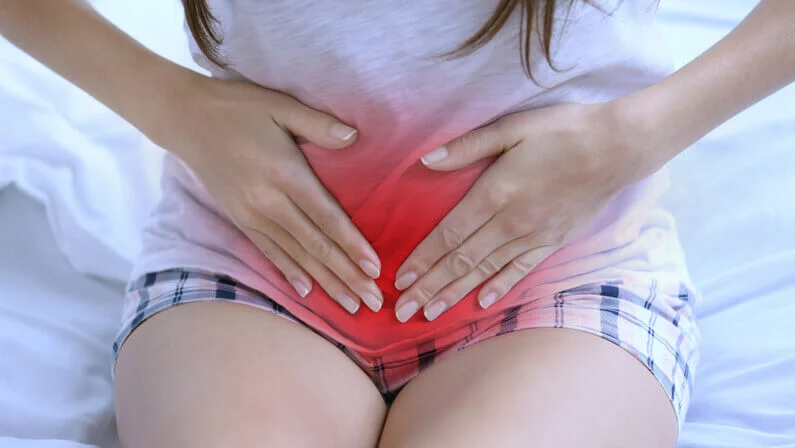
The most common pain that people notice in early pregnancy is a mild pulling or pressure in the lower abdomen. Sometimes this pain feels similar to the feeling before menstruation. So many people don’t pay attention to it at first, thinking that menstruation is coming.

This type of pain is the most common of the pain areas in early pregnancy. This is because at this time the uterus begins to change its position. The fertilized egg sits on the wall of the uterus and that area becomes a little sensitive. As a result, it is not uncommon to feel a mild pain or pulling.

This type of pain is usually like this

• Not very intense

• Sometimes it comes and goes

• It can be on one side or both sides

Many times this pain is accompanied by slight discomfort, but it is not enough to stop daily activities. As long as this pain is tolerable and not accompanied by bleeding or severe pain, it is usually nothing to worry about.

Why does lower back pain occur

Many women are surprised at the beginning of pregnancy, because lower back pain starts very early. They wonder why back pain would occur so soon. But in reality, the lower back is very common among the pain areas in early pregnancy.

There are several reasons behind this pain. On the one hand, hormonal changes, and on the other hand, changes in internal pressure in the body. When the uterus gradually begins to change its position, the surrounding muscles and ligaments also become tense. This tension is often felt as lower back pain.

This type of pain usually

• Increases when sitting for a long time

• Feels like working too much

• Relieves a little when resting

This pain often comes in such a way that people ignore it, thinking it is a normal back pain. But if you know about the pain areas in early pregnancy, you will understand that it can also be a normal reaction of the body.

Pain and discomfort around the chest or breasts
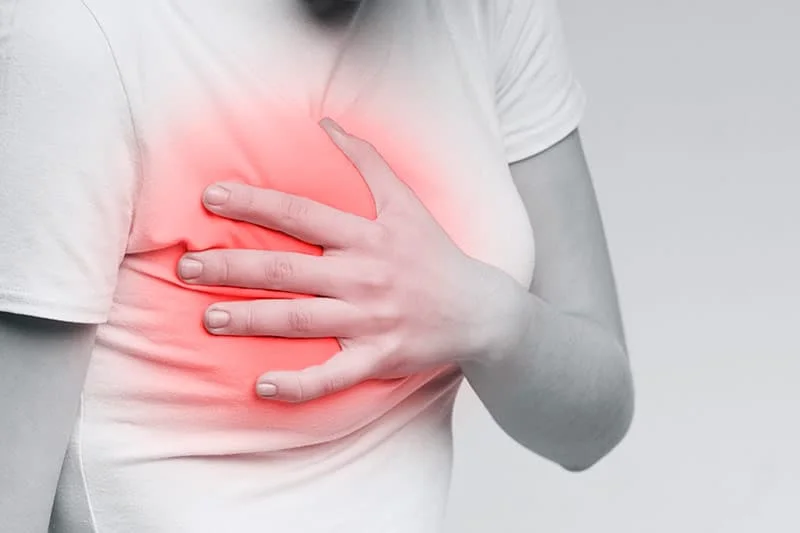
Many women experience discomfort or pain around the chest at the very beginning of pregnancy. In some cases, it feels like a light pressure, in other cases, it hurts just to touch. This feeling is often similar to premenstrual pain, but it feels a little more sensitive.

This discomfort in the chest is very important among the pain areas in early pregnancy. Because hormonal changes affect it very quickly. Then the body begins to prepare itself for the future and part of this is breast changes.

What can happen during this time

• Heaviness in the breasts

• Pain to the touch

• Mild burning

This pain is usually not harmful, but uncomfortable. As the body gradually gets used to it, this pain often decreases.

Hip and thigh joint pain

Many people are surprised when they feel a strange pain near the hip or thigh. They wonder where it comes from. But this area is often one of the areas of early pregnancy pain.

At the beginning of pregnancy, the ligaments in the body begin to loosen a little. As a result, the body’s balance changes. This change affects the hip and thigh joints

This pain usually

• Intensifies when walking

• Feels tight when standing up suddenly

• May be felt more on one side

This type of pain usually decreases over time.

Why head and neck pain can start

At the very beginning of pregnancy, many women experience strange pain in the head and neck. This pain is often so intense that they don’t even understand why it’s happening. Some think it’s due to lack of sleep, some think it’s due to work stress. But in reality, the head and neck also fall into the category of early pregnancy pain.

At this time, hormones in the body fluctuate very rapidly. This change affects blood pressure and also puts pressure on the nerves. As a result, it’s not uncommon for the head to feel heavy, the neck to be stiff, or a light headache to begin. Many times, this pain is accompanied by a feeling oTf dizziness.

his type of pain is usually

• More felt in the morning

• Increases when looking at the screen for a long time

• Persistent if you don’t get proper rest

You should let your body go a little slower during this time. Drinking water properly, not taking too much stress – these little things help a lot. As long as this pain is tolerable and there is no blurred vision or severe pain in the eye, it is usually not a cause for concern.

Why head and neck pain can start
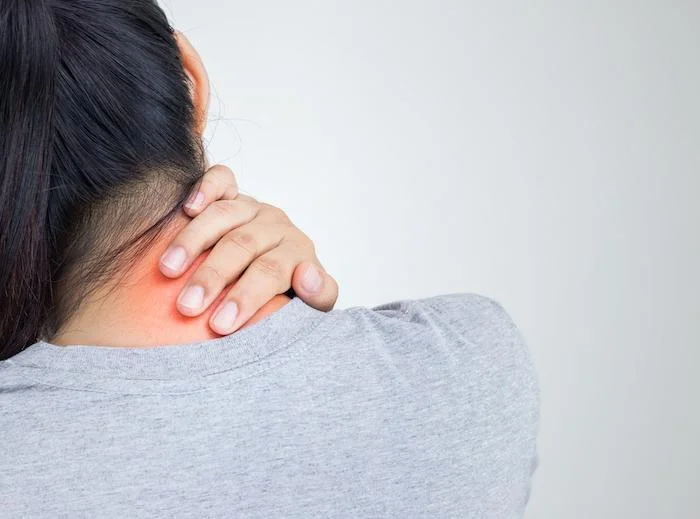
At the very beginning of pregnancy, many women experience strange pain in the head and neck. This pain is often so intense that they don’t even understand why it’s happening. Some think it’s due to lack of sleep, some think it’s due to work stress. But in reality, head and neck also fall into the category of early pregnancy pain.

At this time, the body’s hormones fluctuate very rapidly. This change affects blood pressure and also puts pressure on the nerves. As a result, it’s not uncommon for the head to feel heavy, the neck to be stiff, or a light headache to begin. Many times, this pain is accompanied by a feeling of dizziness.

This type of pain is usually

• More felt in the morning

• Increases when looking at the screen for a long time

• Persistent if you don’t get proper rest

You should let your body go a little slower during this time. Drinking water properly, not taking too much stress – these little things help a lot. As long as this pain is tolerable and there is no blurred vision or severe pain in the eye, it is usually not a cause for concern.

Why do knees and feet hurt?

It may sound strange to many that knees or feet hurt in the early stages of pregnancy. But in reality, the feet are also often a part of the pain in the early stages of pregnancy.

The main cause of this pain is the changes in the ligaments inside the body. Under the influence of hormones, the ligaments begin to loosen a little, so that it is easier to handle the weight of the body in the future. This affects the knees, feet and ankles.

This type of pain usually

• Increases when walking a lot

• It occurs when standing for a long time

• Decreases when resting

People often do not pay attention to this pain, but it is also important to understand it as a signal from your own body. It is better to walk slowly at this time without putting too much pressure.

Why is pain felt more on one side of the body

Many women notice that pain is felt more on one side of the body. For example, pain in the lower abdomen only on the right, or more pressure on one side of the back. Many people are afraid of this.

In the case of pain in early pregnancy, this pain on one side can often be normal. This is because the fertilized egg usually sits on one side of the uterus. The ligaments on that side are then more taut.

This pain is usually

• In one specific place

• Mild to moderate

• Decreases over time

However, if this pain on one side is very severe or is accompanied by bleeding, you should definitely see a doctor.

When are these pains no longer normal

Not all pains are normal. In addition to knowing the areas of pain in early pregnancy, it is also important to know when to be careful.

It is not worth delaying if these symptoms appear

• Unbearable pain

• Bleeding with pain

• Fever or feeling very unwell

In these situations, it is safest to consult a doctor rather than making decisions on your own.

What kind of problems do these pains create in daily life?

The pains that occur in early pregnancy are not limited to physical sensations. Gradually, they also begin to affect daily life. Many women then do not understand why they are not able to do things as they used to, or why everything suddenly seems difficult. This is where the pain areas of early pregnancy become very real.

If you have pain around your lower abdomen, back, legs or chest, you will have to do even simple tasks slowly. It is difficult to stand for a long time, and it is uncomfortable to sit for a long time. Some say, “What used to take ten minutes, now takes half an hour.” This change often creates stress.

Explore more here: How soon can a pregnancy test be done

Problems that usually arise during this time

• Having to take frequent breaks during work

• Difficulty maintaining attention

• The body gets tired quickly

• You may wake up at night

Although these problems may seem very small, when they come together, both the body and the mind become tired. So it is better not to expect the same performance from yourself during this time. The body is preparing for another big task—remembering this will reduce the pressure on yourself.

How to easily manage these aches

It’s not that you can’t do anything when you have pain in early pregnancy. There’s no need to do anything big. On the contrary, small habits often go a long way. At this time, the best way is to cooperate with your body a little instead of fighting it.

The first thing is to move slowly. Instead of running like before, walk slowly. Take breaks between tasks, get up and walk around occasionally if you’re sitting – these simple things help reduce pain.

Things that work for many people at this time

• Using a lap pillow or soft cushion

• Avoiding staying in one position for long

• Doing light stretching

• Avoiding being too cold or too hot

Many women say that they feel relief when they put a little warm water on their back or lower abdomen. Some people feel relief just by lying on their side. Your body will tell you what will work for you. It’s very important to listen to your body at this time.

Why excessive fear of pain arises and its effects

It is quite natural that pain in early pregnancy means fear. Because everyone around warns, tells stories and sometimes scares. This fear often becomes bigger than the real problem.

If you think too much about the places of pain in early pregnancy, the body becomes tense. Muscles tense up, sleep is reduced and pain is felt worse. In other words, fear increases pain.

What happens in this situation

• Even a small pain is felt big

• The mind is always bad

• Every feeling in the body is suspicious

At this time, the most important thing is to keep yourself calm. Not all pain is a sign of danger – remind yourself again and again. Of course, you need to be careful, but fear and caution are not the same thing.

When to trust yourself and when to seek help

It is very important to know the answer to this question. Because just as not every pain requires a trip to the doctor, you should not leave everything to yourself either. Understanding the areas of pain in early pregnancy makes this decision easier.

If the pain

• is tolerable

• decreases with rest

• is not accompanied by bleeding

then you can usually manage it yourself. But if the pain increases, is difficult to tolerate, or is accompanied by other unusual symptoms, it is better not to delay.

At this time, you need to learn to trust your body. Your body often tells you clearly when it needs help.

Conclusion

All in all, one thing is very clear—the body is not completely silent during the early stages of pregnancy, nor does it show everything at once. It gradually gives some hints, and most of those hints come in the form of pain or discomfort. The confusion about early pregnancy pain areas is actually very natural. Because these pains sometimes feel like premenstrual cramps, and sometimes they feel completely different.

Related Articles

pregnancy labour and birth

Pregnancy labour and birth: A complete guide for a healthy mother and baby

Pregnancy labour and birth is a transformative journey that requires physical preparation emotional resilience and expert medical guidance for every expectant mother. Becoming a mother is an amazing feeling but it is very important to know the right information throughout this entire process. Every step from the beginning of pregnancy to childbirth is as joyful as it is very cautious. In this article we will discuss how you can safely pass this special time according to the latest information from modern medical science.

The 9 months and 10 days of pregnancy are basically divided into three parts. As the mother’s body changes in each part new turns appear in the development of the baby. No matter where you are in El Dorado Hills or anywhere in the world recognizing the signs of labor pain in advance and being mentally prepared for delivery is the biggest challenge. We will go into this topic step by step so that no mother feels helpless.

StageDetailed discussion
    PregnancyBody care and nutrition from the first day until delivery.
    LabourWays and stages of labor pain recognition.
    BirthModern guidelines for normal delivery and cesarean section.

The first stage of pregnancy: Essential tips for a healthy start

The first three months of pregnancy or the first trimester are very important for a healthy baby. During this time there are huge changes in hormones in the body. Pregnancy labor and birth starts with a healthy conception and continues with consistent prenatal care throughout the trimesters. Many mothers feel nausea or fatigue during this time which is very normal. However proper nutrition and rest can make your journey much easier.

Regular checkups and ultrasound

It is important to consult a good gynecologist at the beginning of pregnancy. The baby’s heartbeat and position can be confirmed through ultrasound. This will help you stay worryfree.

Essential nutrition and folic acid

It is necessary to consume folic acid from the very beginning for the development of the baby’s brain. In addition foods rich in iron and calcium will protect your bones and teeth. Try to eat fresh homemade food.

Mental peace and meditation

If the mother is happy it has a positive effect on the baby. Listening to music reading books or taking a light walk will keep your mind fresh. Staying away from worries is the main condition at this time.

Adapting to body changes

It is normal to gain weight or change your skin during pregnancy. Accept these changes with joy. Remember a new life is being born inside you.

The correct way to recognize labor pains

Every mother is a little worried when the time of delivery approaches. It is very important to understand the difference between real labor pains and false pains. Pregnancy labor and birth education helps mothers distinguish between Braxton Hicks contractions and true active labor pains. Usually labor pains start from the back and spread to the lower abdomen and it becomes more intense with time.

Three main stages of labor pains

1. Early labor: The cervix starts to dilate and mild pain is felt.

2. Active labor: The pain comes very frequently and at this time you have to prepare to go to the hospital.

3. Transition phase: This is the most challenging time when the baby is ready to be born.

Water breaking

If fluid starts to come out through the vagina it means that the water has broken. This is a major sign of the onset of labor. In such a situation you should seek medical attention without delay.

Breathing exercises

During labor pains taking long deep breaths and exhaling can help reduce the intensity of the pain. This helps the body relax and provide the baby with enough oxygen.

Support from a partner or family

If the mother is not alone during labor and has someone to hold her hand she will feel much more courageous. The presence of a loved one provides mental strength at this time.

Childbirth: The arrival of a new life

When the final moment of childbirth comes all the patience and strength of the mother are tested. Modern medicine now also has the facility of painless delivery. Pregnancy labour and birth is a natural process but medical intervention is sometimes necessary to ensure the safety of mother and baby. Whether it is a normal delivery or a cesarean the main goal is to ensure the wellbeing of the mother and the baby.

Explore more here: Early signs of pregnancy

Benefits of normal delivery

In a normal delivery the body recovers quickly and the mother can breastfeed the baby very soon. However for this regular walking and exercise are necessary during pregnancy.

When is a cesarean section necessary?

  • If the baby is not in the right position or the mother has any physical complications doctors recommend a cesarean section. In the modern era cesarean section is very safe and there is nothing to fear.
  • Skintoskin contact is very important in the first few hours after birth

After the baby is born it is very important to let him touch the mother’s skin (SkintoSkin contact). This creates a deep bond between the mother and the baby and keeps the baby warm.

  • Postpartum care for mothers

After giving birth mothers need plenty of rest and nutritious food. During this time they should eat more ironrich foods to eliminate anemia in the body.

List of essential nutrients and foods during pregnancy

Pregnancy labour and birth journey depends heavily on the nutrients the mother consumes during the forty weeks of gestation. An expectant mother should eat a balanced diet which contains the right amount of protein vitamins and minerals. Remember you are not only eating for yourself now but also for the little life growing inside you. However that does not mean that you have to eat the same food for two rather the quality of the food should be improved.

Importance of protein and calcium

For the muscle and bone formation of the baby you should eat foods like fish meat eggs and pulses regularly. Milk or yogurt is an excellent source of calcium which prevents bone loss in the mother.

The need for iron and folic acid

To prevent anemia in the body you should eat more foods like spinach liver and pomegranate. This gives you the strength to handle excessive bleeding during childbirth.

Fresh fruits and vegetables

It is important to have at least one bowl of colorful vegetables and one seasonal fruit in your daily diet. This helps to relieve constipation and boost immunity.

Drink plenty of water

It is very important to keep the body hydrated during pregnancy. Drinking at least 810 glasses of water a day reduces the risk of urinary tract infections and keeps the body fresh.

Exercise and physical preparation necessary for safe delivery

Not only food is enough to have a healthy mother and baby but light physical activity is also necessary. Pregnancy labour and birth outcomes are often improved when the mother remains physically active throughout her pregnancy. Regular exercise as advised by the doctor greatly increases the chances of normal delivery. However it should be remembered that you should not lift heavy weights or get too tired. To prepare for a safe delivery experts at El Dorado Hills are emphasizing regular prenatal yoga. This type of exercise relaxes and tones the muscles in your lower body which is very effective during labor. Doctors say that walking lightly for at least 20 to 30 minutes every day improves the function of your heart and lungs. This improves blood circulation in your body and ensures that your baby gets enough oxygen. However remember that it is important to consult a doctor before starting any new exercise regimen.

  • Walking habit

Walking at a normal pace for at least 2030 minutes every morning or afternoon improves blood circulation in the body and keeps the leg muscles strong.

  • Pelvic floor exercises

Kegel exercises or pelvic floor exercises make the birth canal flexible which increases the ability to tolerate pain during childbirth.

  • Yoga and breathing

Breathing deeply and releasing in a calm environment calms the mind. This helps not to panic during labor pains.

Special precautions and planning in the weeks before delivery

Mothers become a little more worried towards the end of pregnancy. This is the time to stay calm and prepare for delivery. Pregnancy labor and birth planning involves choosing a hospital packing a bag and knowing when to call the doctor. If you organize everything in advance there will be no lastminute problems.

Packing a hospital bag

At least a month before delivery pack the necessary clothes tissues soap and other necessary things for yourself and the baby in a bag.

Emergency contact numbers

Keep your doctor’s and ambulance numbers in a place where anyone in need can quickly find them. Talk to your family members about this as well.

Postpartum support arrangements

Decide in advance who will be there to take care of you and your baby after the birth. The mother needs complete rest during this time.

Mental preparation and courage

It is natural to be afraid of labor pain but have faith in yourself. Mothers have been going through this process for thousands of years and so can you.

Some habits to avoid during pregnancy

It is very important to refrain from certain activities for the safety of yourself and the baby. Pregnancy labour and birth safety is compromised if the mother is exposed to harmful substances or excessive stress. Keep the following things in mind to stay healthy:

1. Do not eat raw or undercooked meat and eggs as they may contain bacteria.

2. Reduce drinking excess tea or coffee as it can disrupt your sleep.

3. Do not take any kind of medicine without the advice of a doctor.

4. Avoid wearing very high shoes or heels as this increases the risk of falling.

5. Do not get upset or overly worried always try to stay cheerful.

Different stages of labor pain and relief

The most important part of this entire process of pregnancy labor and birth is labor pain. This feeling is different for every mother but its consistency is almost the same. When labor pain starts it is necessary to keep the mind calm rather than getting scared. When the cervix starts to dilate the first stage of labor begins. How patiently and bravely you go through this period depends on how quickly you recover.

Symptoms of early labor

At this time the pain is not very intense and comes at a certain time. For example the pain may come every 10 or 15 minutes. It is better to stay at home at this time. The body gets strength by sleeping a little or eating light nutritious food.

Active labor

When the pain is very intense and comes every 3 to 5 minutes then you will understand that you are in the active labor stage. Pregnancy labor and birth progresses very quickly in this stage and this is the best time to go to the hospital. Taking long deep breaths during this time is very helpful to reduce the pain.

Transition phase or final stage

This is the most difficult but shortest stage of labor. At this time the cervix opens completely. At this time the mother feels a lot of fatigue and pain but after this stage the baby is born. So it is very important to have a little courage.

Some easy methods to reduce labor pain

There will be pain but if you do some things this pain will be a little easier to bear. Using the right position and relaxation techniques during this stage of pregnancy labor and birth it is possible to reduce the intensity of the pain a little. If you walk a little instead of lying down or change your sitting posture the pain may seem less.

Breathing exercises (Breathing)

When the pain comes take a long breath through your nose and slowly exhale through your mouth. This keeps the body relaxed and gives strength to endure pain.

Change body position

Take a walk or sit on a large ball and rock for a while. This helps the baby to descend and reduces the pain to some extent.

Hot water baths

Sometimes applying hot water baths to the lower back can reduce the pain a lot. It softens the muscles and soothes them.

Hospitalization and the role of doctors

If your water breaks or there is blood you should go to the hospital without delay. Pregnancy labor and birth is best done in the hospital for the safety of the mother and the baby. Doctors and nurses will check your condition and give you painrelieving drugs or oxygen if necessary.

Epidural or painrelief facilities

These days many hospitals have facilities for painless childbirth. If you cannot tolerate the pain you can tell the doctor. They can reduce the pain by giving you an injection in your spine.

Baby Heart Rate Monitoring

The baby’s heart rate is constantly checked in the hospital. If any problem arises the doctors can take action quickly. This is very safe for you and the baby.

Pushing or getting the baby out

Start pushing only when the doctor tells you to. Pushing before that can make you unnecessarily tired. If you follow the doctor’s instructions the delivery process becomes very easy.

Adverse conditions during delivery and their solutions

Many times everything does not go as planned. Some problems may arise but there is nothing to be afraid of. If the baby has any problems during pregnancy labor and birth the doctors may decide to perform a cesarean section. This is done for the safety of the mother and the baby.

Improper positioning of the baby

If the baby is upside down instead of head down the doctors may recommend a cesarean section instead of a normal delivery. This is the safest way for the baby.

Slow labor

If labor pains are very slow doctors provide pain relief through saline. This speeds up the labor process.

The first 24 hours after delivery

A mother’s work does not end after the birth of the baby. The first day is very important. After the placenta is released from the mother’s body at the end of pregnancy labor and birth a deep bond is formed between the mother and the baby. During this time the mother needs a lot of rest and nutrition.

The magic of skintoskin touch

If the baby is placed on the mother’s chest the baby feels calm and his body temperature is right. It also keeps the mother’s mind calm.

Breastfeeding first

‘Shal dudh’ or first milk is like nectar for the baby. It increases the baby’s immunity. Therefore it is necessary to breastfeed the baby as soon as possible.

Physical and Mental Care of the Mother After Childbirth

After this long journey of pregnancy labor and birth a mother’s body is put under a lot of stress. Even though everyone focuses on the baby after the birth of the child the mother should not forget about her own care. If the mother is not healthy she will not be able to handle her baby properly. During this time the mother’s uterus starts to return to its previous state and there are huge changes in hormones. Many times mothers feel very weak so rest and nutritious food are the main medicine during this time.

Importance of adequate rest and sleep

In the first few weeks after giving birth mothers do not have the opportunity to sleep enough. However whenever the baby sleeps the mother should also take a nap. If there is someone in El Dorado Hills or your area who can help ask them for help so that you can get time to rest.

Postpartum Bleeding and Precautions

It is normal to bleed for a few weeks after delivery which is called ‘lochia’. However if the bleeding is very heavy or has a foul odor you should contact a doctor immediately. This can be a sign of an infection inside the body.

Mood or ‘baby blues

Many mothers suddenly feel sad or tearful after giving birth. This is called ‘baby blues’. It is caused by hormones and resolves within a few days. However if this sadness lasts long it can be called ‘postpartum depression’ and in that case it is important to seek expert advice.

Special care for the first few days of a newborn baby

The arrival of a new life brings joy to the entire family. But a newborn baby is very sensitive so no shortage of care can be left for him. Pregnancy labor and birth concludes with the successful arrival of the baby but the care continues through early infancy. It is very important to keep the baby warm and in a clean environment.

Benefits of breastfeeding

The mother’s first milk or breast milk is the best food for the baby. It protects the baby from diseases. For at least six months babies should be breastfed exclusively and there is no need to give them water.

Baby’s umbilical cord care

Do not apply water or anything else to the baby’s umbilical cord until it dries out. The area should always be kept dry. If the umbilical cord turns red or pus appears see a doctor immediately.

Keeping the baby at the right temperature

The baby’s body can get cold very quickly. So wrap him in soft cotton clothes. But make sure that the baby does not sweat too much.

Postpartum diet and healthy lifestyle

After giving birth the mother needs a lot of calories to build her body and make breast milk. Pregnancy labour and birth outcomes are sustained when the mother recovers with proper nutrition postdelivery. Neglecting diet can lead to longterm fatigue in the mother.

Liquid food: Drink plenty of water fruit juice and souplike foods.

Calcium and iron: Eat milk eggs and legumes to strengthen bones and prevent anemia.

Easily digestible foods: Eat more fiberrich foods like oats pulses and vegetables to avoid constipation.

Light exercise: Whether it is a cesarean or normal start light walking if your body allows it.

Conclusion

Pregnancy labor and birth—this whole process is like a miraculous experience. A mother brings a new life into the world with all her life’s energy. With proper preparation nutritious food and support from all the family this difficult path becomes very joyful. If you are pregnant do not be afraid. Trust your body and get regular checkups. Remember only a healthy mother can give a healthy and beautiful future. May your journey of motherhood be successful and safe.

Scroll to Top