
What does spotting look like in early pregnancy?
When the embryo is implanted in the uterine wall at the very beginning of pregnancy, light blood spots appear. Many of us call this implantation bleeding. Many women confuse it with their period, but early pregnancy spotting looks very different from a normal period. It is not actually a disease but a sign of the existence of a new life in the body.
This spotting is very light and short-lived. When you see light pink or brown spots just a few days before your period starts, you should understand that your body is giving you a new signal. Its biggest feature is that it does not increase over time like a period but ends very quickly.
What does early pregnancy spotting usually look like?
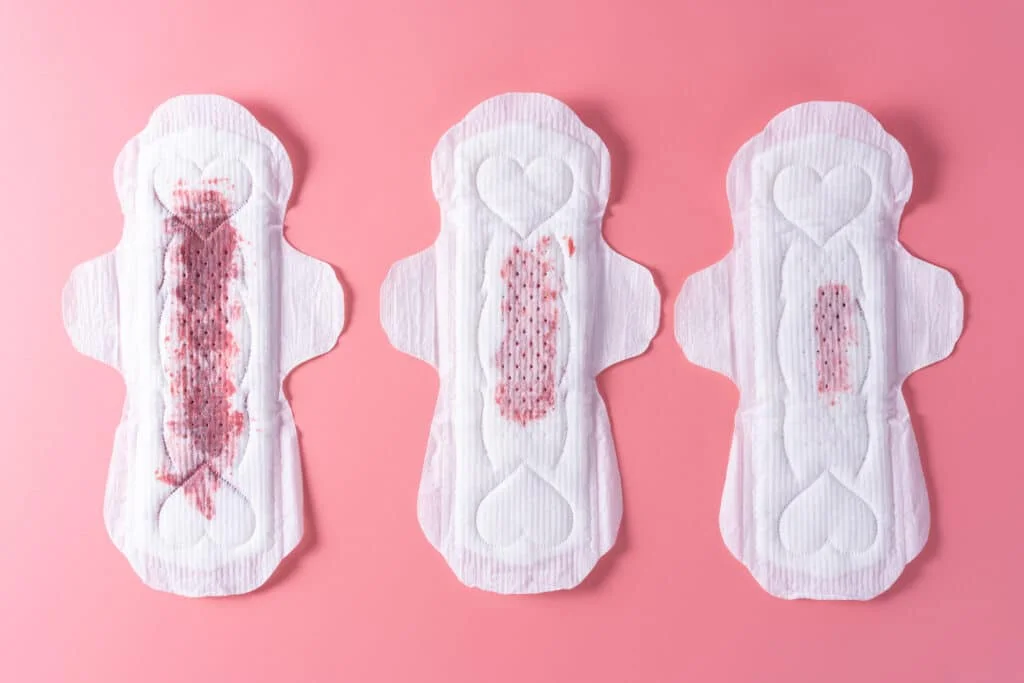
Many first-time mothers confuse their period with pregnancy spotting. In fact, early pregnancy spotting will not look like your normal period at all. It is basically a light spotting that occurs when the embryo implants itself in the uterine wall. Simply put, when you notice a light pink or dark brown spot on your underwear a few days before your period is due, you can understand that it may be implantation bleeding or spotting. The amount is so small that instead of soaking a pad, you can just use a pantyliner or tissue. It does not fall continuously from the body, but appears as light spots from time to time and stops much earlier than your period.
Key Ways to Recognize Early Pregnancy Spotting
Simply put, early pregnancy spotting looks like the following:
Light color: It is not the bright red color of your period, but is usually a light pink or rusty brown.
Very light bleeding: There is no blood flow like during your period. You may only see a few drops of blood on your tissue or panties when wiping.
Very short duration: It usually lasts from a few hours to 1-2 days at most. It will not last for 3 to 5 days like your period.
Mild cramping: There may be a very light or slight cramping pain in your abdomen, which is not even close to the severe pain of your period.
Other hormonal symptoms: In addition to spotting, you may notice that your breasts are heavy, you feel lethargic all day, or you can’t stand the smell of certain foods.
What is the color of spotting?
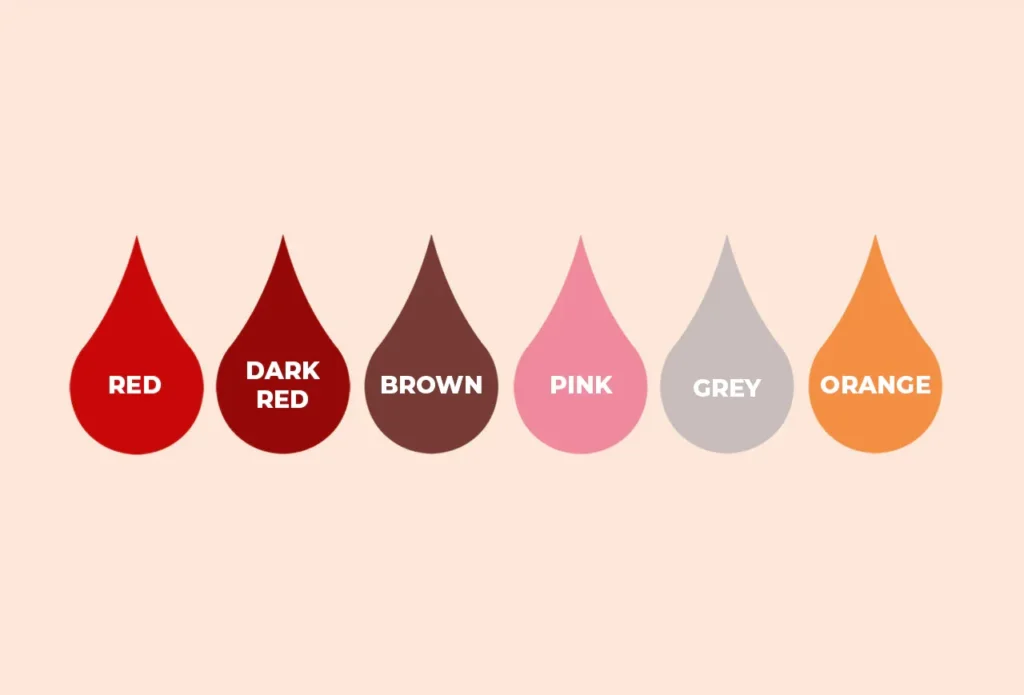
You can easily understand whether it is your period or something else by looking at the color of the bleeding that occurs at the beginning of pregnancy. Usually, early pregnancy sporting look-alike is not like your normal menstrual red blood. Spotting does not happen like the dark red blood seen at the beginning of the period. Its color is either very pale or light. In most cases, it is a light pink hue. Sometimes, if the blood is a little late in coming out of the uterus, it can also turn light brown or rusty iron-like when exposed to air. This color difference will tell you that your body is preparing for a new guest.
Types of spotting colors and ways to recognize them
Simply put, early pregnancy sporting look-alike and its color characteristics are:
Light pink: It usually appears as a very light pink stain, which is much lighter than the blood at the beginning of the period.
Dark or dark brown: Sometimes the blood comes out after a while in the body, so it looks more like coffee or brown.
Not clear blood: It is not completely fresh or bright red like period blood.
Thin like water: Sometimes it is seen to come in a very thin or watery liquid form that does not have any dark appearance.
Stains on clothes: If it gets on underwear, it looks like a yellowish or light rust color after it dries.
No tissue or wheels: Along with the color, you will notice that it does not have any fleshy parts or wheels of accumulated blood like a period.
How much spotting is there?
Many people worry about the amount of bleeding that occurs in early pregnancy. In simple terms, early pregnancy spotting is a condition where the bleeding is very minimal. Spotting is not like we have heavy flow during our period and have to change pads frequently. It is actually very light like some drops or spots. Sometimes you may not even notice it, just when you go to the bathroom and wipe it with a tissue, you will see a slight tint of color. Simply put, the amount of this spotting is so small that you will not even need to use a regular pad; a pantyliner will do the job.
How to understand the amount of spotting
To recognize early pregnancy spotting by looking at the amount, note the following points:
Blotted blood: It usually looks like one or two drops of blood on the underwear that do not flow continuously.
No pads needed: Bleeding like a period does not occur here, just a light spotting is seen.
It can be understood by wiping: Many times the bleeding does not come out, but if you wipe the urinary tract with a tissue, a light pink or brownish tint can be seen.
Short-term: As the period lasts for a few days, this spotting may stop all at once or may appear slightly after a while.
Non-flowing: The blood of the period comes out like a flow or stream, there is no flow in the case of spotting.
Light spotting: When it gets on the clothes, it creates a very small circle-like spot that does not grow over time like a period.
How long can spotting last?
Many people think that spotting may last for several days like a period, but it is not. Early pregnancy sporting look-alike is much shorter in duration than a period or menstruation. It can usually last from a few hours to a maximum of one or two days. Since it is caused by the embryo implanting in the uterine wall, it is not permanent. Unlike period bleeding, which starts from less on the first day and increases on the second or third day, spotting is not like that. It can appear once and then disappear again. In very rare cases, it lasts up to three days, but its amount never increases, but rather decreases and stops completely.
Signs of spotting persistence
Simply put, to understand how long or how long early pregnancy sporting look-alike will last, note the following points:
Very short time: In most women, it lasts for a few hours or just a day.
Does not last: It does not last for five to seven days like a period, but comes and goes suddenly.
Intermittent: You may see a drop in the morning, then it is gone for the rest of the day, and then you may see a little at night.
Ends in a short time: It usually does not last more than 48 hours or two days.
Does not increase in amount: The amount of blood does not increase with time, which is its main difference from a period.
Stops quickly: It stops on its own very quickly without any medication.
Discover more here: brown spotting or blood
Is spotting painful?
Spotting is not usually painful like a period. Early pregnancy is an experience where there is pain, but it is very minor. In fact, when the embryo implants itself in the uterine wall, the uterine muscles contract slightly. This can cause a very mild tingling or pulling sensation in your lower abdomen. Many people confuse it with period pain, but this pain is not as severe and goes away very quickly. In simple words, while period pain makes it difficult for you to do your daily activities or want to lie down, spotting pain is not as serious.
Types of Spotting Pain and How to Recognize It
Simply put, early pregnancy spotting looks like and the discomforts that come with it are:
Very mild pain: It is not like the severe pain of a period, but more like a mild tickling or tingling in the abdomen.
Short-term: This pain does not last all the time, and it usually goes away after a few minutes or a few hours.
Pain may be on one side: Sometimes, there is a mild discomfort or tightness on one side of the lower abdomen instead of the middle.
Mild cramping: Due to the stretching of the uterine muscles, there may be a very mild biting sensation in the abdomen, which is tolerable.
Back pain: In very rare cases, a very mild pain may be felt in the lower abdomen as well as the lower back.
Comfort with rest: This discomfort gets better very quickly if you rest a little or lie down, and no painkillers are needed.
How to tell the difference between spotting and menstruation
It can be difficult to tell the difference between your period and early pregnancy spotting, especially if your period is due soon. However, if you look closely, you will see that early pregnancy spotting looks very different from menstruation. Menstruation starts lightly, but after a day, the blood flow increases significantly and continues for several days. On the other hand, pregnancy spotting is light from the very beginning and does not increase at all with time. Menstrual blood is usually bright red in color and may have clots of blood, but the bleeding that occurs at the beginning of pregnancy is more like water or just a light colored stain.
Easy ways to differentiate menstruation and spotting
In simple terms, you can differentiate early pregnancy spotting from menstruation by the following factors:
Color of blood: Menstrual blood is usually dark red, while spotting is light pink or dark brown in color.
Permanence: Menstruation lasts 4 to 7 days but spotting usually ends within a few hours to 1-2 days.
Blood flow: Menstruation is continuous and requires the use of pads but spotting comes in drops or streaks.
Pain intensity: Menstruation can be very painful or cramping, but spotting is usually mild or non-existent.
Blood clots: Menstrual blood can often contain clots that have accumulated over time, which is not the case with spotting.
Other symptoms: If you experience breast tenderness or nausea along with spotting, it is more likely to be a sign of pregnancy.
When is spotting not normal
Although it is normal to have light spotting in early pregnancy, it is not always appropriate to take it lightly. If early pregnancy spotting turns into bleeding that is heavier than a period, it can be a cause for concern. Sometimes, bleeding can also occur at the beginning of problems like ectopic pregnancy or miscarriage. If you see that the color of the blood has turned bright red and is accompanied by a lot of pain, then you should understand that the body is giving a danger signal. It is best to keep any bleeding during pregnancy under the advice of a specialist because even a small symptom can sometimes be an indication of a bigger problem.
Symptoms to be careful of
If the following things happen to you, then you should understand that early pregnancy spotting is not normal:
Heavy bleeding: If you see that the bleeding does not decrease with time, but increases and you have to change the pad repeatedly.
Severe abdominal pain: If you feel unbearable twisting pain or aching sensation on one side of your lower abdomen or throughout your entire abdomen.
Bright red blood: If the spotting is fresh and bright red instead of pink or brown.
Blood clots: If you see large clots or lumps of blood coming out along with the blood.
Fever or body shivering: If you have a high fever or body shivering a lot along with the bleeding.
Dizziness or fainting: If you feel very weak, dizzy, or faint along with the bleeding.
What to do if you are spotting
It is very normal to get nervous when you suddenly see blood stains on your underwear. However, remember that since early pregnancy sporting look-alike is different from your period and is normal in many cases, you should first stay calm. It is not right to put extra stress on your body at this time. Doing heavy work or worrying puts pressure on hormones, which is not good in early pregnancy. Your first task will be to pay close attention to the color and amount of bleeding. If it is light pink or brown and the amount is very small, then there is nothing to worry about. However, it is most important to be a little more careful with your body and get enough rest during this time.
What to do if spotting occurs
If you realize that your condition is similar to early pregnancy sporting look-alike, you can take the following steps:
Rest: If spotting occurs, stop all work and lie down for a while. Many times, light bleeding stops on its own if you give your body enough rest.
Use a pad: To understand the amount of bleeding, use a clean pad instead of tissue or tampon. It makes it easier to understand the color and amount of blood.
Avoid heavy work: Avoid sweeping the house, lifting heavy buckets, or climbing stairs a lot during this time.
Avoid intercourse: It is better to avoid having physical intercourse until the spotting has completely stopped, as this will not put pressure on the uterus.
Tell the doctor: If you have already seen a doctor, call him and inform him about the matter. Consulting a doctor even for minor matters gives peace of mind.
Get tested: If you miss your period and then spotting occurs, test with a home pregnancy kit to be sure.
Can spotting occur more after physical work?
Yes, sometimes it is seen that light bleeding can occur after doing heavy work or running a lot. In early pregnancy, the blood vessels around the uterus are very soft and sensitive. If you suddenly lift a heavy bucket, stand for a long time, or climb stairs quickly, the uterus may experience slight pressure. As a result, the early pregnancy sporting look-like symptom may appear in you. This is basically a signal from the body that you need to calm down a bit now. If you see such light spots after work, it is most important not to panic and give your body a rest.
What to look for when spotting occurs after work or stress
If you feel that it is early pregnancy sporting look-like after physical work, then compare the following points:
Type of work: Have you recently lifted something very heavy or traveled for a long time? If so, this spotting may be due to that stress.
Does it decrease with rest: If the spotting decreases after stopping work and lying down for a while, it means that the body was lacking rest.
Color change: Spotting that occurs after work is usually very light brown or pink in color.
Physical intercourse: Sometimes light spotting can occur after intercourse due to vaginal sensitivity, which is usually not harmful.
Abdominal tightness: Try to remember if you felt any kind of tightness in your abdomen during heavy work.
Continuous standing: Standing for a long time while cooking or working can cause spotting due to pressure on the uterus.
Can spotting increase due to stress or fear
The relationship between the mind and the body is very deep, especially when you are thinking about becoming a mother. Many times, excessive anxiety, fear or stress can upset the balance of hormones in the body. When you are too tense, stress hormones increase in the body, which can affect the hormones in the early stages of pregnancy. As a result, it is not impossible for the early pregnancy sporting look-like symptom to appear in you. Excessive fear or stress can also cause a kind of contraction in the uterine muscles, which causes light bleeding. Therefore, it is very important for physical well-being to keep the mind calm and not panic unnecessarily at this time.
Signs of understanding the relationship between stress and spotting
Understand how your state of mind is affecting your body and whether it is Early Pregnancy Sporting Look-like or not by looking at the points below:
Excessive anxiety: Are you very afraid of something all the time? This fear can affect your blood circulation and cause spotting.
Lack of sleep: If you do not sleep at night due to tension, the body becomes tired and there is a risk of light bleeding.
Sudden startle: If you are very scared or emotionally shocked for some reason, the pressure on the uterus can cause spotting.
Changes when you calm down: Notice if the spotting decreases when you calm down a little or feel lighter after talking to someone you love?
Hormonal variations: Due to mental stress, the hormone ‘progesterone’ that maintains pregnancy may decrease slightly, which can take the form of spotting.
Importance of rest: If the bleeding stops after resting both the mind and body, then you will understand that it was mainly due to mental stress.
Conclusion
Finally, at the beginning of the journey of becoming a mother, the issue of early pregnancy sporting look like becomes a cause of worry for many. However, if we pay attention to its symptoms, color and quantity with a calm mind, we can easily understand whether it is a period or an early message of the arrival of the child. Remember that light spotting is normal in most cases in early pregnancy and it is just a sign of the embryo setting in the uterus from the body. However, it is better to be aware of any changes in the body. Have faith in yourself and give your body enough time and rest so that you can spend this beautiful time healthily.
Some last important things about early pregnancy
At this special time of yours, it is very important to keep the following things in mind with early pregnancy sporting look like:
Awareness: Pay attention to the small changes in the body and try to understand the difference between it and your period.
Reduce anxiety: Excessive tension or fear can have a negative effect on the body, so keep your mind calm.