Understanding all Concepts of Postpartum Hemorrhage along its Criteria,Diagnosis and Prevention with Management 

Tahmina Noor

Published: 23/08/2026
Updated: 23/08/2026

Postpartum bleeding is currently posses the leading position in terms of maternal death.There are about 27 million women who acquire postpartum blood loss and it ultimately end up with 43,000 thousands maternal deaths The core reasons behind the occurrence of PPH are uterine atony,retained placenta along with coagulopathy.Moreover,caesarean section,anaemia and inappropriate antenatal care actually heighten the risk of occurring PPH in the pregnant mother.
In this article we try to share the concepts of prevention of postpartum hemorrhage which comprise reduction of number of caesarean sections together with the necessity of uterotonic prophylaxis.Fortunately standardised bundle and avoidance of delaying treatment protocol can certainly help save valuable lives.

What is primary postpartum bleeding or haemorrhage?

When excessive blood loss occurs from the gentinal tract of the mother within the 24 hours of the delivery, an estimated greater than 500 ml of fresh blood is called primary postpartum hemorrhage.It may have distinct classifications which comprise minor,major and secondary postpartum blood loss.While minor PPH means loss of blood less than 1000 mls,blood loss above 1000 mls actually suggest major PPH.

On the other hand,blood loss occurring between 24 hours post delivery period to six weeks of postpartum period indicates secondary postpartum blood loss or haemorrhage.

Find out more here

Common aetiologies of Primary postpartum blood loss

There are so many causes of post-partum hemorrhage that can trigger postpartum blood loss but we can broadly categorise these causes into “four Ts” namely;

Tonicity of uterus:It includes uterine atony along with distended bladder.

Trauma to the uterus:When there is any amount of lacerations of the uterus, cervix or vagina,it then triggers the occurrence of postpartum bleeding or haemorrhage.

Tissues within the uterine cavity:Retained placenta or presence of blood clots within the cavity after delivery of the fetus is among the vital causes of PPH. .

Pre-existent thrombin:Any amount of pre-existing coagulopathy which may be acquired also can have potential to cause serious postpartum hemorrhage in a mother during or after delivery.

However,uterine atony remains as the leading cause of PPH while the retained placenta leads the position as the second most common cause of postpartum blood loss.

Epidemiology of postpartum bleeding in global world

Obstetric haemorrhage continues to be the most frequent reason for obstetric morbidity and mortality in our entire globe.The percentage of occurrence of postpartum hemorrhage is about 1-3% of all deliveries and unfortunately it account for 8% of maternal deaths in the middle to high income country where low income countries consume 20% maternal deaths due to postpartum bleeding and its complication.

A report indicates that almost 70,000 maternal deaths occur due to postpartum blood loss together with its fatal complications in each year worldwide.As a more economically developed country the United States consumes about 11% of maternal deaths due to obstetric haemorrhages which usually occurs within the 24 hours of delivery or within the 6 weeks of postpartum period.

Usual risk or trigger factors of postpartum bleeding 

There are some risk factors of post-partum hemorrhage which possess a close relation to the antenatal period and also some causes associate the delivery process of the baby.

Some common antenatal risk factors of PPH

  • Antepartum haemorrhage in this pregnancy along with placenta praevia heightened the risk about 12 times than usual.
  • Suspected or proven placental abruption together with multiple pregnancy increases the risk about 5 times.
  • Another significant cause of PPH is uterine over-distention which include polyhydramnios or macrosomia.
  • Pregnancy induces hypertension namely pre-eclampsia multiplies the risk of postpartum hemorrhage about 4 times than normal. 
  • Grand multiparas who have four or more pregnancies and also the nulliparas.
  • Previous PPH or previously experienced retained placenta increases the risks about 3 times.
  • Asian ethnicity also doubled the risks of postpartum bleeding or haemorrhage.
  • Maternal obesity along with pre-existence uterine abnormality.
  • Maternal age above 40 years along with maternal anaemia when Hb level is less than 9 g/dl.

The factors in relation to delivery of the baby

There are some factors which have a close relation to the delivery process of the baby and these factors usually increases the risk of PPH development.These comprise:

Factors Increases the risk of PPH
Emergency caesarean section(4x risk) Weight of the baby >4 Kg
Over 3 elective caesarean sectionsMaternal pyrexia or fever
Retained placenta also increases Obstructions in the labour process
Mediolateral episiotomy(5 x risk)Cephalopelvic disproportion
Iatrogenic Induction of labour Incompetency of maternal cervix
Prolonged labour >12 hours from onsetNeuromuscular disorders

Pre-existing maternal haemorrhagic conditions

There are some distinct maternal health conditions whose pre-existence in the maternal body heightened the risk of occurring postpartum hemorrhage.These comprise factor 8 deficiency which means mother is A haemophilia carrier and also factor 9 deficiency which indicates the mother is a hemophilia B carrier.

Therefore von Willebrand’s diseases also put the mother in great risk zones to experience the postpartum bleeding during delivery or within the 6 weeks of following delivery of the baby.

Core presentations of postpartum bleeding  

These are some trademark features of postpartum hemorrhage which help the healthcare professionals to diagnose the postpartum bleeding early and appropriately.These comprise:

Symptoms of PPH: Continuous loss of fresh blood through the genital tract which healthcare professionals fail to stop after delivery of the placenta.

Signs of PPH:When the loss of blood exceeds 1000 ml after the delivery,it may produce shock and it might be clinically apparent through the notifiable tachycardia along with hypotension.

Correlation of other medical conditions

The sudden heavy loss may trigger the quick development of haemolysis, elevated liver enzymes and low platelets which is known as HELLP syndrome and the failure to manage them in a quick succession may worsen the patient’s condition.

Overall prompt diagnosis of postpartum bleeding or PPH

Healthcare providers usually diagnose post-partum hemorrhage through a combination of visual and physical examinations along with the assistance of some lab tests.Moreover, a thorough review of your health history may also be an important as well as crucial factor when it is about to assess the risk and health impacts of a PPH.

The diagnosis of postpartum hemorrhage is on the basis of the amount of blood you’ve lost during or after the delivery.One of the easiest ways to estimate blood loss after delivery is by carefully counting or weighing blood-soaked pads and sponges. If postpartum hemorrhage is suspected, your healthcare team may also use other tests or monitoring tools to assess your condition accurately.These include:

  • Continuous monitoring of your vitals that include pulse rate and blood pressure to detect emergencies within the body.
  • Several blood tests to measure red blood cells (hematocrit) and blood clotting or coagulation factors which may be the culprit of PPH.
  • A thoroughly pelvic exam by the experts to check your vagina, cervix and uterus.
  • Ultrasound and radiological imaging test to get a detailed image of your uterus and genital system.

Overall prompt treatment plan of PPH

Postpartum hemorrhage (PPH) is treated as a medical emergency because heavy bleeding can become dangerous quickly. The main priority is to find where the bleeding is coming from and stop it as soon as possible. Your healthcare provider will choose the most appropriate treatment based on the cause of the bleeding, how much blood you have lost, and whether it happens during or after childbirth.These comprise: 

  • Uterine massage to help the muscles of your uterus contract and ensure making it hard.
  • Medications that stimulate uterine contractions and then remove retained placental tissue from your uterus which can happen manually or with instrumentally.
  • Proper repair of vaginal, cervical, and uterine tears with appropriate stitches can help control bleeding. A catheter or balloon may also be used to apply gentle pressure inside the uterus that helps compress the uterine walls and reduce bleeding. 
  • Certain proven procedures with an expert’s hand can be beneficial to stop the blood supply to the uterus.
  • There may be a need for blood transfusion if the bleeding is too much and your body demands along with fluids and supplemental oxygen.

When other methods fail,your healthcare team may perform surgery to stop the bleeding and this includes an abdominal incision (laparotomy) or the removal of the whole uterus via a hysterectomy as the situation demands. 

How long does it take for you to recover from PPH?

Recovery is in fact different for everyone while the proper recovery from a postpartum hemorrhage depends solely on the severity of blood loss and how your healthcare provider tackled it.It is always advisable to you to make sure that you take care of yourself in the days following your delivery and ensure timely eating healthy foods and drinking lots of water as much as possible.

Your healthcare provider may recommend proper timely rest along with an iron supplement to you that can reduce your risk of anemia.

Complications of PPH in the mother

There are so many complications of post-partum hemorrhage which can bring about harmful and fatal health impacts to the delivering mother.These comprise: 

  • Hypovolaemic shock together with disseminated intravascular coagulation.
  • Acute kidney injury along with concomitant liver failure.
  • Acute (adult) respiratory distress syndrome and cardiac arrest which ultimately bring death to the patient with postpartum bleeding.

Prognosis of the patients or mothers with PPH

Severe bleeding during or after childbirth is actually the leading cause of maternal death in the entire globe that generally affects 14 million women each year and it is mostly prevalent in developing nations.However,the United States also struggles with uniquely high maternal mortality rates though this hemorrhage during or after childbirth is highly preventable.

Moreover it continues to claim general people’s lives and exposes the deep concern of racial inequities.Unfortunate,black women in the U.S possess the higher mortality rates due to postpartum hemorrhage over three times higher than White women and the excruciatingly demand urgent along with equitable care. 

The main theme of prevention of the postpartum bleeding

The active management of the third stage of labour by the experts in this field can significantly reduce the risk of PPH and improve maternal well being as well.However prophylactic oxytocics should be routinely offered to the mothers in their third stage of labour and this is because they certainly decrease the risk of PPH by 60%. 

Oxytocin 5 or 10 IU IM is preferably the prophylactic agent of choice in the management of postpartum hemorrhage for most women deliver vaginally.Experts recommend it to be used as an infusion for women who are undergoing caesarean sections and therefore Syntometrine (oxytocin along with ergometrine) may also be another potential option in the absence of hypertension during delivery. 

Alternatives of the treatments for you facing PPH

Although oxytocin is the management or drug of choice in most of the cases of PPH, misoprostol can be an alternative in case of low resource delivery settings.The main advantages of it is that the availability of its oral form in the market which is comfortable to take.One study along with evidence indicate that it was more effective when given sublingually or directly under the tongue.

It is important for the healthcare authority to identify expectant mothers who may be at a higher risk for postpartum hemorrhage (PPH) so we can carefully plan the safest and standard location to conduct their delivery. 

The Bottom line

While postpartum hemorrhage remains a menacing threat in global childbirth, it is irresistibly preventable for us.When we identify risk factors early and implement active labor management,it will then offer us safe maternal health and thereby reduce maternal deaths.Ultimately,the protection of mothers requires a steadfast commitment along with prompt clinical vigilance and timely intervention for every family. 
Related Articles

AquaSculpt

AquaSculpt for Busy Moms: An Honest Look at the Ice Water Supplement Before You Buy

Between taking children to and from school, preparing meals on time, caring for the family, and managing an endless to-do list, many mothers find no time to even think about their own health. When it becomes difficult to manage one’s weight or maintain physical well-being amidst the demands of a busy day, the promise of a simple solution naturally becomes appealing. If taking a single capsule with a glass of cold water could boost one’s metabolism, would there really be a need for all that extra effort?

It is precisely this kind of claim that might make AquaSculpt attractive to many. However, it is important to remember that metabolism is a natural bodily process, and that factors such as diet, physical activity, and adequate sleep play a crucial role in weight management. Therefore, before incorporating AquaSculpt into your daily routine, it would be wise to research its ingredients, the scientific evidence supporting its efficacy, potential side effects, and its cost. After all, while the promise of an easy solution may be enticing, it is far more important to determine whether it is truly beneficial for your body.

For a full product overview, you can read this detailed AquaSculpt review. In this guide, we look at the product through a mom’s lens: what is inside, what the “ice water hack” really means, why pregnancy and breastfeeding change the picture completely, how it fits into a family day and what it will cost your household budget.

Why So Many Moms Are Searching for AquaSculpt

Weight changes after pregnancy are normal, and so is the frustration that sometimes comes with them. Broken sleep, irregular meals and very little time for exercise can make it feel like progress is slow. Simple routines appeal to busy parents, and a once-a-day capsule seems like the easiest option of all.

That is exactly why a careful look matters. A product that sounds simple can still contain several active plant compounds, and some of those compounds are not suitable for every stage of motherhood. Understanding that before you order can save you money, worry and potential health risks.

AquaSculpt in Plain English

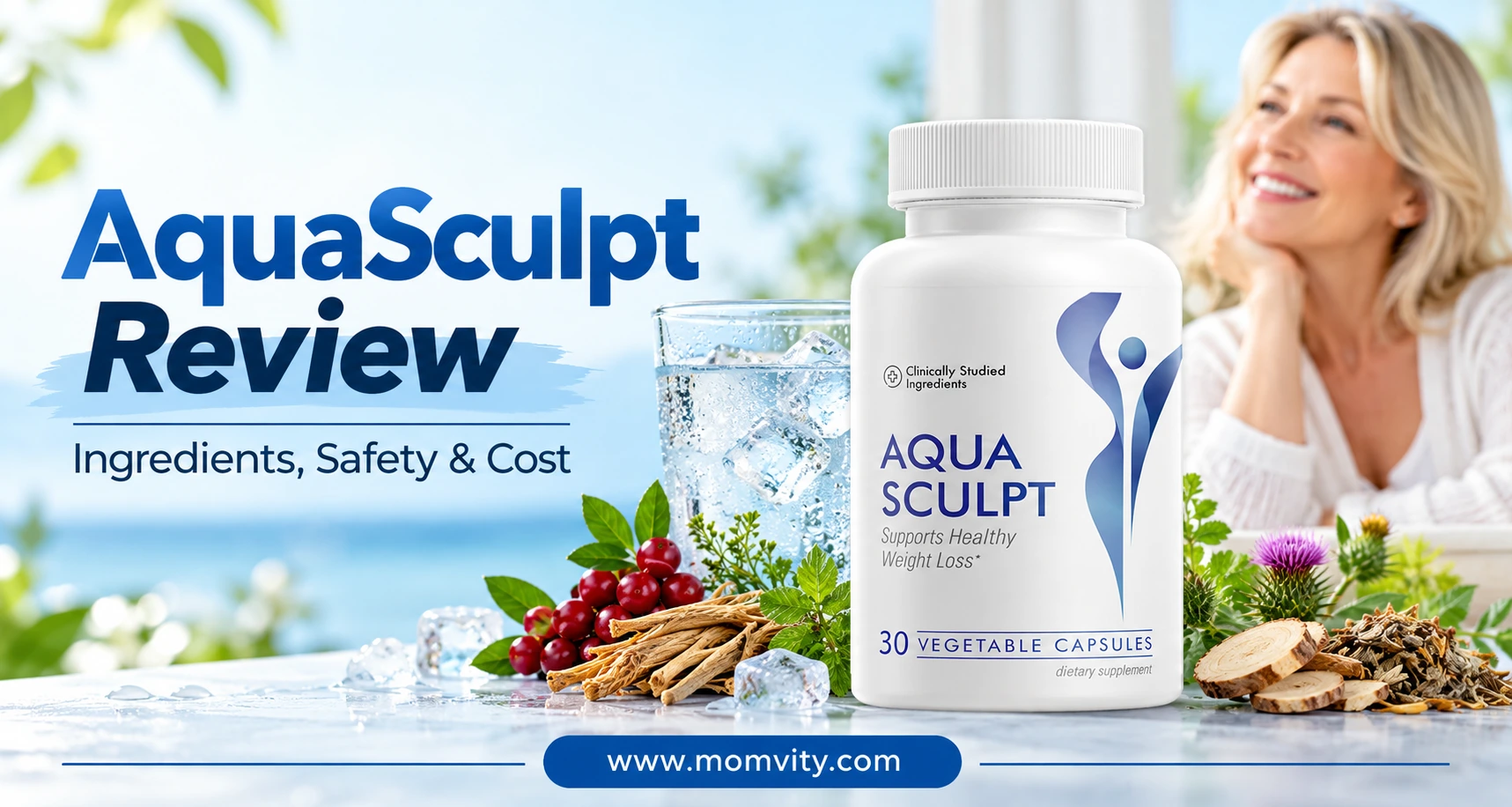
AquaSculpt is a dietary supplement marketed to assist with weight management and metabolic function, delivered in the form of vegetable capsules. According to the seller, each bottle contains 30 capsules—a one-month supply when taken at a dosage of one capsule per day. The product is presented as a specially formulated, natural, plant-based, and non-GMO supplement. Furthermore, it is claimed to be manufactured in a facility in the United States that is FDA-registered and GMP-certified.

Understanding AquaSculpt’s claims and promotional messaging: 

The seller’s marketing emphasises improvements to metabolic processes and body toning. Some online articles even claim that results can be achieved without making any changes to one’s diet or exercise routine! While this may sound appealing, is there reliable scientific evidence to support such promises? It has been noted that no independent clinical trials have been conducted on the final AquaSculpt formula; therefore, these claims cannot be considered proven.

Before making a decision about this product, keep the following points in mind:

  • Claims of weight loss: Any promotional material suggesting results without changes to diet or exercise should be scrutinised against impartial scientific evidence.
  • Customer reviews: The seller’s website claims a rating of 4.91 out of 5 for AquaSculpt, based on over 79,200 reviews. However, these figures are provided by the seller and have not been independently verified.

If we were to briefly discuss this supplement, we should not base our decisions on its advertisements or high ratings; rather, we must evaluate how reliable the product’s effectiveness is—which is the most crucial factor in weight management.

The Ice Water Trick: Real Science or Clever Marketing

The routine asks you to take the capsule with a large glass of cold water. The marketing idea is that your body burns energy to warm the cold water, giving your metabolism a nudge.

Researchers have actually tested this. An early study reported that drinking 500 ml of water raised metabolic rate by around 30% in healthy adults. A later study, however, found that room-temperature water did not raise energy expenditure, and water chilled to 3°C caused only a small 4.5% rise over an hour. The authors noted this was far below the energy it would theoretically take to warm the water, and questioned whether water is a useful tool for managing weight.

So the honest answer is that a cold glass of water burns very little extra energy. Drinking more water is still a healthy habit for moms, especially if it replaces sugary drinks or helps you notice thirst before reaching for snacks. It is simply not a fat-loss method on its own, with or without a capsule.

A Mom’s Ingredient Check: What’s Inside AquaSculpt

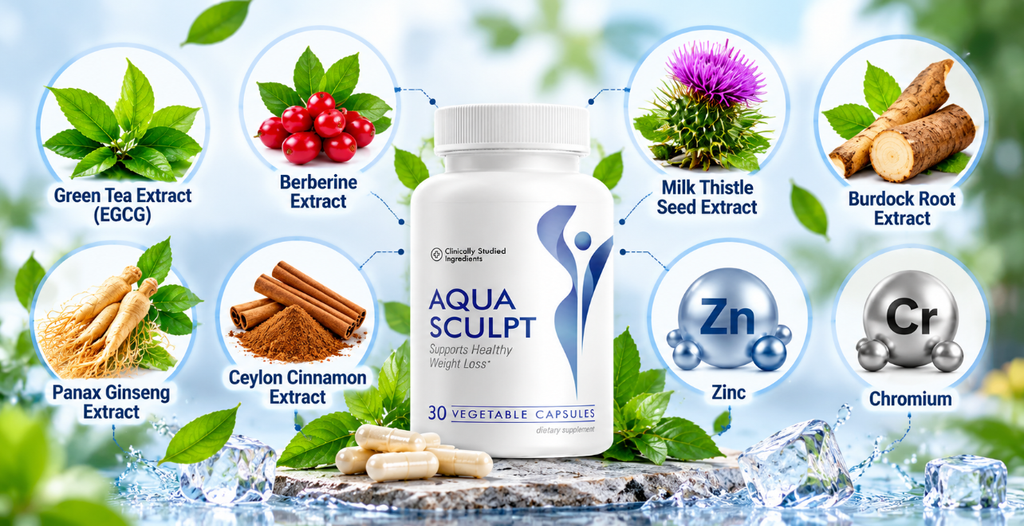
When examining the ingredients of AquaSculpt, the first things that stand out are the zinc and chromium listed on the label. Additionally, it contains a “proprietary blend” consisting of green tea leaf extract (EGCG), milk thistle seed extract, cayenne pepper, resveratrol, and berberine. However, does the mere presence of these ingredients reveal the exact impact each one will have on your body?

The best approach is to carefully review the “Supplement Facts” panel printed on the bottle you have in your possession. After all, when purchasing a supplement, knowing the names of the ingredients is not enough; it is equally important to understand their quantities and the information provided on the label. This will enable you to make a more informed decision about the product.

Ingredient What it is known for What moms should know 
Green tea leaf extract (EGCG) Studied for small effects on energy use Concentrated extracts are linked to rare liver injury, with higher risk on an empty stomach 
Berberine Popular online for blood sugar and weight Not considered safe during pregnancy or breastfeeding, may interact with medicines and lower blood sugar 
Chromium Mineral involved in insulin action Can affect blood sugar, evidence for weight is small 
Zinc Essential mineral for immunity and healing Not a weight ingredient; check total intake if you take a prenatal or multivitamin 
Cayenne fruit Contains capsaicin, which may slightly raise energy use Can upset sensitive stomachs or trigger heartburn 
Resveratrol Plant compound studied for metabolic health Human results are mixed, may interact with blood thinners 
Milk thistle Traditionally used for liver support May cause reactions in people allergic to ragweed and related plants 

Two ingredients deserve extra attention. With green tea extract, a US Pharmacopeia monograph calls for certain green tea extract products to carry the warning “Do not take on an empty stomach,” partly because EGCG is absorbed several times more efficiently without food. Remember that research on single ingredients does not prove the finished formula will work the same way.

Pregnant, Breastfeeding or Trying to Conceive? Read This First

This is the most important section for many readers. AquaSculpt is not a product for pregnancy or nursing, and the reason comes down mainly to one ingredient.

During Pregnancy or While Trying to Conceive

NCCIH advises that people who are pregnant or breastfeeding should not use berberine. Beyond berberine, the formula combines several active compounds in undisclosed amounts, and weight-loss products are generally not recommended during pregnancy. If you are trying to conceive, talk with your doctor or midwife before taking any weight-management supplement, since many people do not know they are pregnant in the earliest weeks.

While Breastfeeding

Many moms start thinking about their weight in the months after birth, often while still nursing. This is exactly when extra caution matters. According to NCCIH, berberine should not be given to infants because it can cause or worsen jaundice in newborns and could lead to a serious condition called kernicterus. Because supplements taken by a nursing mother may pass into breast milk, berberine-containing products are best avoided while breastfeeding. Your healthcare provider or lactation consultant can suggest safer ways to support your health during this stage.

After Weaning

Once you have finished breastfeeding and are not pregnant, the decision becomes more like it is for any adult. Even then, check with your doctor first if you have had pregnancy-related blood sugar problems, liver concerns, thyroid changes or if you take any medication. Unexplained weight changes after having a baby deserve a medical check before any supplement.

Fitting AquaSculpt Into a Real Family Day

If you are past pregnancy and breastfeeding and your doctor is comfortable with it, here is how the seller says to use the product. Take one capsule once a day with a large glass of cold water, preferably on an empty stomach. Always follow the directions printed on the bottle you receive.

A few practical tips for family life:

  • Store it out of reach: Keep the bottle in a high cabinet away from children, not on the kitchen counter next to vitamins your kids see every day. The product is not intended for anyone under 18
  • Pick one fixed moment: Right after the school drop-off or before you start work tends to be easier to remember than “sometime in the morning”
  • Never double up: If you miss a day, simply continue the next day

What Does AquaSculpt Cost a Family Budget

The official sales page has previously listed the following prices. These are historical reference prices, so check the current price, shipping and bonuses on the official offer page before you order.

Package Total price Per bottle Shipping Bonuses 
1 bottle (30 days) $69 $69 $9.99 None 
3 bottles (90 days) $177 $59 Free 1 bonus book 
6 bottles (180 days) $234 $39 Free 2 bonus books 

The seller states that every order is a one-time payment with no auto-ship or subscription, which is helpful if you worry about surprise charges on the family card. Bigger bundles lower the per-bottle cost, but they also mean committing to six months of a product you have not tried yet. For most first-time buyers, starting smaller is the more budget-friendly choice.

The 60-Day Refund in Simple Terms

If, after purchasing AquaSculpt, you feel the product isn’t meeting your expectations, it’s reassuring to know that a refund might be an option, right?

According to the seller, the product comes with a 60-day money-back guarantee. However, there are specific steps you must follow to obtain a refund: you will need to contact customer support and return the bottles. The seller states that even empty bottles can be returned; however, you will be responsible for the return shipping costs. To avoid any unexpected issues later, it is best to review the current refund policy before placing your order. Once your order is confirmed, be sure to save the confirmation email in a place where you can easily access it if needed.

AquaSculpt Customer Support Contact Information:

  • Phone Number: 1-866-838-5063
  • Phone Support Hours: 7 days a week, from 7:00 AM to 9:00 PM
  • Email: support@getaquasculpt.com
  • Email Response Time: According to the seller, responses are typically provided within 24 hours.

Keep in mind that while a refund option exists, the process is not automatic. Therefore, it is wise to understand the terms and conditions before making a purchase and to keep a record of your order.

Red Flags to Watch for in AquaSculpt Ads and Reviews

AquaSculpt is heavily promoted online, and not every page has your interests in mind. Watch for these warning signs.

Red flag Why it matters 
Promises of big weight loss without diet or exercise No supplement can honestly promise that 
Before-and-after stories with exact pounds lost in weeks Individual stories cannot predict your results 
Misspelled or country-specific copycat websites Many look-alike sites use the AquaSculpt name, and orders there may not be covered by the refund 
Marketplace listings from unknown sellers You cannot be sure what is inside the bottle 
No mention of pregnancy or breastfeeding cautions A responsible review should flag berberine safety 

To avoid copycat sites, buy only through the official offer page, which you can reach through our AquaSculpt review page.

Is AquaSculpt Right for You

Might be worth considering if you Probably not for you if you 
Are not pregnant, trying to conceive or breastfeeding Are pregnant, trying to conceive or nursing 
Have checked with your doctor Take diabetes medicine, insulin, blood thinners or other prescriptions without medical advice 
Already eat balanced meals and stay active Want fast, guaranteed results 
Are comfortable with modest, uncertain results Have a liver condition or a sensitive stomach 
Prefer a simple one-time purchase Want exact amounts for every ingredient 

If you are in the early months after birth, your body is still recovering, and gradual changes through sleep, nourishing meals and gentle movement are usually the safest path. Your doctor, midwife or a registered dietitian can help you set realistic postpartum goals that fit your health and your family life.

Final Thoughts

Could AquaSculpt truly be an easy solution for weight management in your busy life, or are there other factors to consider before making a purchase?

Features like a once-daily usage regimen, a one-time payment, and a 60-day money-back guarantee might make the product seem appealing. However, the impact of ice-infused water on weight loss is minimal; the precise quantities of the ingredients are not disclosed, and the complete formula has not undergone any independent clinical trials. More importantly, the product contains berberine, which is not considered safe during pregnancy or breastfeeding. If you are past these stages, you might consider using this product as part of a healthy lifestyle—but only after consulting with your doctor. If you are pregnant or breastfeeding, it is best to avoid potential risks and seek medical advice regarding safer alternatives.

Remember, your well-being—and that of your child—along with decisions based on scientific evidence, are always far more important than any enticing marketing promises.

This article is for general information only and is not medical advice. It may contain affiliate links, and Momvity may earn a commission at no extra cost to you.

Frequently Asked Questions

Is AquaSculpt safe during pregnancy?

No, it is not recommended during pregnancy. Berberine is considered unsafe for pregnant women, and weight-loss supplements are generally not advised while expecting. If you are trying to conceive, check with your doctor before taking it.

What is AquaSculpt?

AquaSculpt is a dietary supplement in vegetable capsules marketed for healthy weight management and metabolism support. Each bottle contains 30 capsules for a 30-day supply. It is not a medicine and is not meant to diagnose or treat any condition.

Does the ice water hack help with weight loss?

Very little. Research shows chilled water causes only a small, short-lived rise in energy use, around 4.5% over an hour in one study. Drinking water is healthy, but it is not a meaningful weight-loss method on its own.

What ingredients are in AquaSculpt?

Label information lists zinc and chromium plus a proprietary blend that includes green tea leaf extract (EGCG), milk thistle seed extract, cayenne fruit, resveratrol and berberine. Exact amounts in the blend are not published. Always confirm the formula on the Supplement Facts panel of your bottle.

How should I take AquaSculpt?

The seller recommends one capsule a day with a large glass of cold water, preferably on an empty stomach. Follow the directions on the bottle you receive. Because of green tea extract cautions, ask your doctor whether taking it with food is a better choice for you.

Is AquaSculpt a subscription?

The seller states that orders are a one-time payment with no auto-ship or subscription. You pay once for the package you choose. It is still wise to review your order summary before paying.

How does the AquaSculpt refund work?

The seller offers a 60-day money-back guarantee. You contact support, return the bottles, which can include empty ones according to the seller, and pay the return shipping. Refunds generally apply only to orders placed through the official offer page.

Scroll to Top