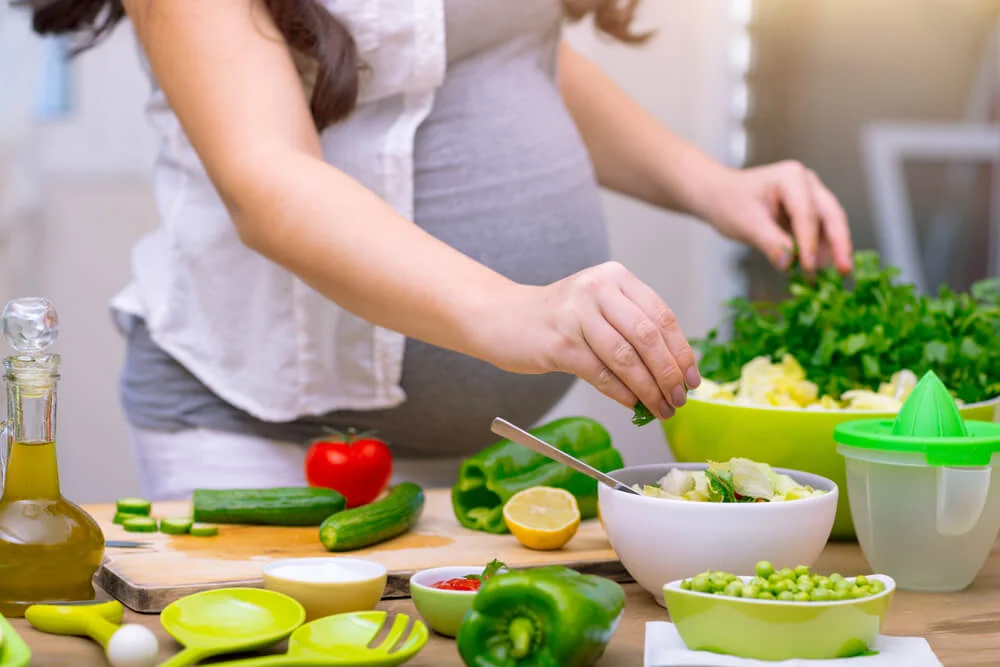

Labor pain and giving birth is a natural process that every mother experiences with courage and strength.
We have many fears and unknown questions about labor pain. In fact, this time is more than difficult, it is the joy of waiting for a new life. The way simple mothers in the village patiently pass this time is explained below.

This path of childbirth is not short at all. Every moment, from the contraction of the uterus to the birth of the baby, is very important. Do you know what symptoms you will see when you understand that your delivery time is approaching? If you understand the changes in your body properly, the fear will be reduced a lot. This journey becomes much easier if you trust yourself and have the right preparation.
How labor pains begin
The first stage of labor pain and giving birth is mild uterine contractions that increase over time. At first, it may feel like gas or general pain, but gradually a rhythm is created in this pain. The pain will come once and then go away after a while. When the time between these coming and going starts to decrease, you will understand that it is time for real.
Lower back pain
In many cases, the pain does not start from the stomach but from the waist. This waist pain gradually spreads to the front. If you see that the pain does not decrease even after resting or changing positions, then it is not a good idea to delay.
Recognizing the signs of water breaking
Just before labor, many women experience the rupture of their uterine sac and the release of water. We usually call this water breaking. If you see a sudden release of thin, water-like fluid, you should consult a doctor immediately because it can increase the risk of infection.
The process of dilation of the cervix
Before the baby is born, the cervix begins to thin and gradually enlarges. This is a natural process that prepares the body for childbirth. During this time, the body’s hormones work very quickly, which also prepares the mother mentally.
Mother’s mental strength during childbirth
To give birth to a healthy child, a mother’s mental strength is more important than her physical strength. It is very important to keep a calm mind during labor and giving birth. When you are afraid, the body becomes stiff, which can increase the pain. So taking long breaths and thinking positively helps a lot.
Does the above information give you courage? Think about how hard our mothers have brought us into this world.

Role of breathing exercises
Is it possible to stay calm in the midst of intense pain? Long and deep breathing relaxes the muscles and calms the mind. Did you know that proper breathing exercises provide plenty of oxygen to the uterine muscles? It not only reduces labor pain but also keeps the body refreshed by controlling blood pressure. When the pain is at its peak, breathing slowly can quickly relieve fear and anxiety.
| Types of Exercise | Questions That May Come to Mind | Interesting Features |
| Deep Breathing | Can it really reduce pain? | It helps you relax faster by reducing stress hormones in the body. |
| Rhythmic breathing | Can I hold it for long? | This rhythmic breathing delivers enough oxygen to the baby, which is very important. |
How to maintain the home environment
If the environment around the mother is calm and beautiful, the pain of childbirth is reduced to a great extent. It is better to be in the presence of people you like without too much noise or crowd. This gives courage and reduces anxiety.
Different stages of labor pain
Labor pain and giving birth process is basically divided into three main stages. In the first stage, the cervix opens completely. In the second stage, the mother pushes the baby out and in the third stage, the placenta or flower comes out. Each stage is a test for the body.
| Stage name | Types and duration of pain | Questions that may arise in your mind |
| Early Labor | Light and irregular pain that lasts 30-60 seconds. | Is this real pain or false pain? |
| Active Labor | The pain is very intense and comes very frequently (every 3-5 minutes). | Will I be able to bear this pain? |
| Transition Phase | The most difficult and intense phase that continues continuously. | How long? Should I give birth now? |
| Pushing Stage | The pain is somewhat bearable because the pressure of pushing down is created | Am I pushing correctly? Is the baby coming out? |
Long first stage
This stage can be quite long in the case of first-time mothers. Sometimes it can take 12 to 14 hours. During this time, one should not lose patience, but rather eat nutritious food or drink water little by little so that the body has strength.
Proper pushing in the second stage
When the cervix opens 10 centimeters, the doctor or midwife asks the mother to push. If the right force is applied at the right time, the baby comes out quickly. During this time, the baby’s head starts to descend downwards, which creates a lot of pressure on the mother’s body.
Special preparation of the body during childbirth
Labor paint and giving birth The body’s hormones work like a strange magic at each stage. At this time, a hormone called ‘oxytocin’ is secreted in the mother’s body, which contracts the uterine muscles and pushes the baby downward. Do you know that this natural force gives you the fulfillment of being a mother?
Trusting your body and keeping your mind strong is the real strategy at this time. When the intensity of the pain increases, remember that your child is very close to seeing the light of the world.
Handling back pain properly
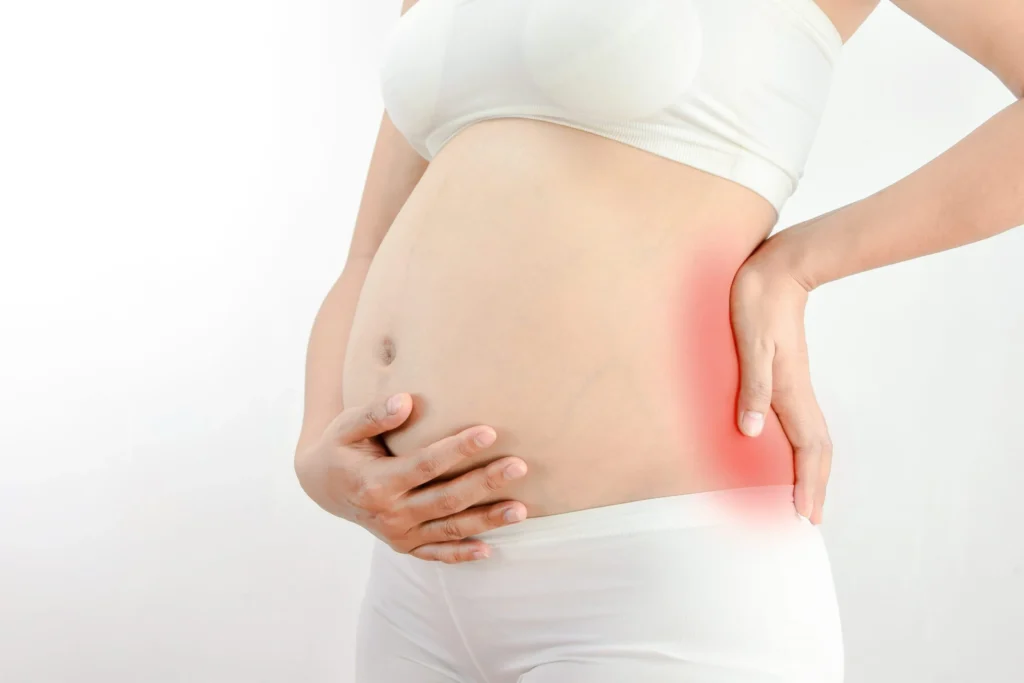
Do you think you have to carry this severe back pain for the rest of your life? Not at all. If you take care of your back pain properly, you can get relief very quickly. Whenever you feel pain, try to sleep on a firm bed that helps keep your spine straight. Do you know how magical it is to apply hot or cold compresses for pain?
Warm water compresses relax the muscles and ice compresses reduce swelling. Also, while lifting something heavy, you should bend your knees
and not bend at the waist. Regular light stretching will keep your spine flexible and ensure long-term comfort.
| Types of Pain | Questions That May Come to Your Mind | Special Mysterious Solutions |
| Sudden Strain | Will I be able to stand up straight again? | Rapid rest and ice application can help reduce the pain significantly within 24 hours. |
| Chronic | Is this pain a major bone problem? | Walking for 10 minutes every day increases blood circulation to the spine and reduces pain. |
Understanding uterine contractions and rhythm
When the pain comes, it comes at regular intervals. In the beginning, it may be every 20 to 30 minutes, but as time goes by, this gap decreases to 5 to 10 minutes. Labour pain and giving birth is a painful yet beautiful journey to motherhood. Learning to move with this rhythm helps you maintain control over your body.
Walking and body position
The pain is much more bearable if you walk lightly or if you are tilted to one side than lying down. Using the force of gravity, the baby can descend faster. Have you ever wondered why midwives used to tell mothers to walk a little in the old days? Because it helps to reduce the time of labor.
The hard fight and victory of the second stage
When the cervix is fully dilated, the real battle of childbirth begins. At this stage of labor, the mother feels that there is a lot of pressure building up inside her. This pressure helps the baby find its way to the outside world. At this time, it is important to put all the strength of the body in one place and push or push with a proper breath. Your courageous efforts ensure the safe birth of the baby.
The technique of pushing in the right way
- Breathing: You have to take a deep breath and hold it and press downwards.
- Rest: When there is no pain between two contractions, you have to relax your body completely.
- Attention: You have to listen to the doctor or nurse and apply force as per their instructions.
- Patience: You have to adapt to the pace of the body without rushing.
The moment when the baby’s head appears
This is called ‘crowning’ in medical terms. When the top of the baby’s head is first seen, the intensity of the pain is at its highest, but this is the biggest sign of happiness. At this time, a strange peace works in the minds of mothers because they know that their baby is going to be in their arms very soon. Aren’t you eagerly waiting to hear that first cry?
Separation of the placenta or flower
But the work is not over after the baby is born. Shortly after this, the placenta or flower separates from the uterus. This is the third and final stage of the labor process. After this flower is released, the excessive bleeding from the mother’s body starts to stop and the uterus starts the process of returning to its previous state.
Immediate Postpartum Care
The first meeting of the mother and the baby is very important right after the birth of the child. The mother forgets the immense pain of labor and giving birth for a moment when she holds the baby that has burst from her chest in her arms. At this time, the mother’s body temperature keeps the baby’s body warm and an inseparable bond is formed between them. The first hour is called the golden hour, which is essential for the health of both the mother and the baby.
The nectar of the first colostrum
The thick yellow milk that comes to the mother’s breast after giving birth is called colostrum. It acts as the first vaccine for the baby. This milk increases the baby’s immunity and teaches him to fight the external environment. Therefore, the baby should be breastfed quickly without delay.
The mother’s own physical rest
The body is very weak after delivery, so at least a few weeks of good rest are needed. Nutritious foods such as fish, pulses, vegetables and plenty of water should be drunk. You deserve this rest to heal your body’s wounds and regain your strength.
Proper diet and energy storage during labor

During the long period of labor, the body becomes very tired. Since the labor pain and giving birth process takes a long time, it is necessary to have enough energy in the body at this time. Many times, due to severe pain, you do not feel like eating anything, but eating small amounts of liquid food or something light and nutritious keeps the body refreshed. Did you know that if you have an empty stomach, the body weakens quickly, which can have a negative effect during labor? So it is not right to go without food at all.
Importance of liquid food:
- Water: It is best to drink water in small amounts to keep the body hydrated.
- Drinking water: It provides natural electrolytes to the body and gives energy.
- Fruit juice: Fresh fruit juice quickly reaches the blood sugar level, which reduces the mother’s fatigue.
- Soup: Warm vegetable soup helps relax the muscles of the body.
Why avoid solid foods
When the pain is very severe, heavy or oily foods cause difficulty in digestion. Nausea can occur at times. Therefore, during this time, one should choose foods that are easily digestible and do not cause any discomfort in the stomach. The mother’s comfort is the most important thing here.
Mother’s mental state after childbirth

A strange feeling arises in the mind of mothers after the birth of a child. After going through the long nine-month wait and that extreme moment of labor and giving birth, mental peace works more than physical pain. However, many times, mothers can feel a little depressed or tired due to hormonal changes. Without neglecting this, family members should keep the mother happy and share the responsibility of her small tasks.
Postpartum blues or depression
It is very normal to suddenly cry or be irritable after having a child. This is the result of hormonal play. Have you thought about the new mothers around you who are going through this time? A little extra compassion and love for them works like magic to get through this time.
Need for sleep and rest
A mother’s sleep routine changes completely after having a child. When the baby sleeps, the mother should also sleep. If the body does not recover quickly. Therefore, the mother should leave the other household chores to others and focus only on her own and the child’s health.
Combination of modern and traditional methods for healthy childbirth
Currently, the birth process has become much safer due to the advancement of science. Labour pain and giving birth is a natural phenomenon, but medical help makes it safer. The experience of midwives in rural Bengal and the facilities of modern hospitals—with the right combination of these two, the risk of death of both mother and child has now decreased a lot. Regular checkups and nutritious food are the key to a beautiful delivery.
Role of a partner during childbirth
When a mother is in pain, the presence of a loved one by her side gives her a lot of courage. A little touch of the husband’s or mother’s hand or a word of reassurance makes that difficult time much easier. This emotional support can reduce the complications of childbirth to a great extent.
Use of painkillers
If it becomes difficult to tolerate pain in a natural way, then nowadays much safer painkillers or epidural injections are used. It helps to reduce the pain of childbirth and keep the mother calm. However, it is most important to consult an experienced doctor before taking any decision.
Conclusion
Motherhood is the greatest achievement of a woman’s life. By going through this long and challenging path of labor pain and giving birth, a woman is reborn as a mother. Labor pain is not just a physical pain, it is a message of the arrival of a new life. Every mother should have a clear idea about each step of this period in advance, so that no fear or anxiety can overcome her. Proper preparation, nutritious food, emotional support from the family and doctor’s advice can make this journey much smoother and more enjoyable.
Remember, your patience and courage are the first gift for your child. It is through this beautiful experience that the unbreakable bond between mother and child is formed that remains unbroken throughout life. Taking care of yourself and giving proper nutrition to the child during the postpartum period is the first responsibility of a mother. The real meaning of motherhood lies in accepting the changes in the body naturally and welcoming the new guest with a smile.