

Labour and giving birth is the transformative process where a mother’s body undergoes intense physical changes to welcome a new soul into the world.
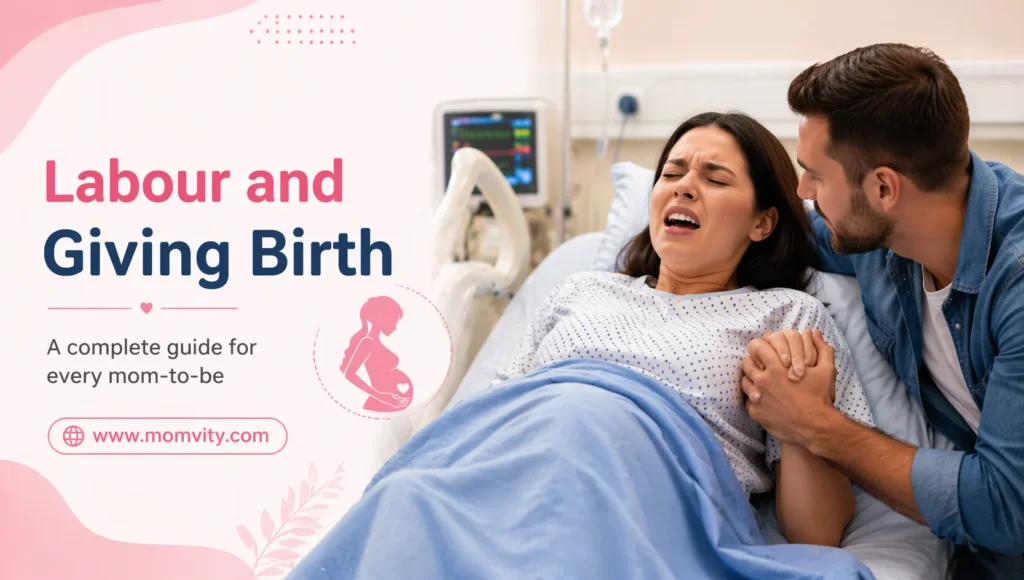
When the long nine-month wait of pregnancy ends, a strange and exciting chapter begins.
Do you know how your body automatically understands that it is time?
Or
think about that moment when the first cry of your little one breaks the silence of your home? As you sit alone in this mechanical life of America and read this article, thousands of questions are popping up in your mind. Is this process of childbirth just pain, or is there a heavenly victory story hidden behind it?
Well, before embarking on this final battle of becoming a mother, you have to transform your mind into a steel-hard power. You may be wondering, how will you handle that intense pain when you are lying alone in the white corridor of that modern hospital in America? But one of the strange secrets of nature is that the pain that makes you restless, that pain transforms you into the strongest woman in the world. This is the true glory of motherhood that awaits a smile even in the midst of bone-breaking pain, which will take you to a unique height. At this time, instead of thinking of your body as a working machine, imagine it as a factory of illusion. Are you ready to dive into the depths of that unknown but sweet experience, where every moment will make you stand in front of a new surprise?
| Stages of Labour | What Happens | Signs of Progress |
| Early Labour | Mild contractions begin | Water break or show |
| Active Labour | Intense & frequent pain | Cervix dilates up to 10cm |
| Giving Birth | Pushing the baby out | Crowning of the baby’s head |
| Placenta Delivery | Expelling the afterbirth | Mild cramping continues |
| Recovery | Bonding with the newborn | First skin-to-skin contact |
The beginning of labor and the secret signals of the body
When you feel that today is a different day, you will understand that your body is giving you signals. The first sign of the onset of labor and giving birth is a kind of restlessness that will not let you sit still. Do you know how your uterus prepares itself before the onset of labor pains? Many people think that the intense pain may start suddenly, but in fact, nature prepares you gradually. A tingling pain in the lower back that slowly spreads to the stomach, this is the beginning of that great moment. In this busy city of America, you may be managing your office or doing groceries, but there is no way to ignore this call of the body.
Come on, at this time, you will feel like someone from inside you is trying to lower a huge weight. Have you ever asked yourself why this pain comes at a certain time? It is basically a rhythmic dance of the muscles of your uterus that pushes the baby down. In American hospitals, doctors usually recommend following the 5-1-1 rule, meaning that if you have pain lasting for 1 minute every 5 minutes, it’s time to go to the hospital. This waiting period is the real test of your patience that will establish you as a fighting mother in your home country. However, the real secret lies in the next stage of pain, which will surprise you even more.
Dilation and onset of intensity
The first stage of labor is the gradual dilation of your cervix to 10 centimeters. During this stage of labor and giving birth, you will feel that every wave of pain is trying to swallow you. Even in this modern era in America, many mothers think of painless childbirth or epidurals at this time, but there is a kind of heavenly peace in this natural process. When you take a deep breath, your body releases a hormone called endorphin, which acts as a painkiller. Doesn’t this play of nature’s own magic make you wonder how strong your body can be?
Water Breaking and Special Precautions
Many times, your water bag can break before the onset of labor pains, which doctors call ‘water break’. After seeing this, you may think that the baby will be born right away, but in fact, this is just the beginning of the journey. It is very important to pay attention to the color and smell of the water before calling the American hospital because it tells about the condition of the baby inside. Did you know that after the water breaks, the risk of infection increases, so how important it is to stay clean? In this lonely life of expatriation, your awareness will be your baby’s first shield that will keep you on the path to becoming a successful mother.
Combination of Mental Fear and Courage
Before going to the delivery room, thousands of superstitions and fears can settle in your mind, which are enough to increase your blood pressure. At this stage of labor and giving birth, you should imagine the smiling face of the baby without unnecessary worries. Even though American hospitals provide many facilities, your real courage will come from within yourself. When you think that countless women of your ancestors have walked this same path, your fear will vanish in an instant. This passage of courage will make your delivery much easier and sweeter, which is a unique achievement of motherhood.
The final moment of labor and the approach of victory
When the cervix opens completely, the final stage of the biggest battle of your life will begin. At this stage of labor and giving birth, the doctor will instruct you to ‘push’, which is enough to squeeze out all the strength of your body. Can you imagine how every bone and muscle in your body works together at this time? When your life partner holds your hand in the American labor room, each push means that you are one step closer to your dream. During this time, you will feel an indescribable glow that only a mother can contain.

When the baby’s head is first seen or ‘crowning’, you may feel a burning sensation that doctors call the ring of fire. But surprisingly, even in this pain, you will feel like you are about to conquer a huge mountain. Did you know that during this time, your brain releases a special chemical that makes you forget about pain and increases the bond of affection with your baby? This is a perfect plan of nature, doesn’t it amaze you how the whole world stops at the arrival of a soul? This struggle of yours in this mechanical exile in America will be a shining example in the pages of history that will bring meaning to your motherhood.
Binding of the umbilical cord and seeing the first birth
As soon as the baby is born, its first cry will ring in your ears like a heavenly melody. This sense of labor and giving birth cannot be expressed in words because it is only a matter of feeling. When the baby is placed on your chest after the umbilical cord is cut, you will feel a kind of heavenly warmth. In this modern hospital in America, it is called the ‘Golden Hour’ which weaves an invisible thread of love between the mother and the baby. Can you feel that moment when all your fatigue will be washed away in an instant by the touch of the baby’s little hand?
Placenta Delivery and Body Peace
After having a baby, your work is not completely over because then it is the turn of the placenta to come out. This small step of labor and giving birth helps your uterus return to its previous state. There is no pain during its release, but rather a kind of light feeling that will make you float in a sea of peace. When the American nurses help you to freshen up, you will see a new look of yourself standing in front of the mirror. This is the biggest tool to remove the loneliness of your expatriate life.
The first few hours after delivery and special care
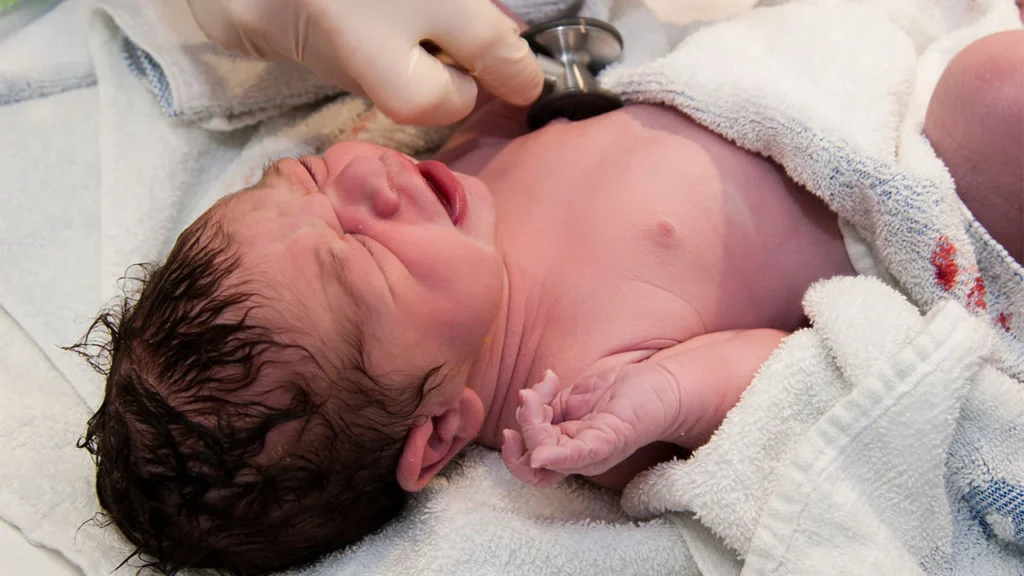
After delivery, your body will be like a battlefield where you stand victorious. The next few hours after labor and giving birth are very sensitive for your body because hormonal changes are at their peak during this time. In American hospitals, you will be kept under observation for a while so that your blood pressure and bleeding remain normal. You may suddenly feel very cold or your body may start shaking, which is a completely normal reaction. Do not scold your body at this time, but thank it for giving you a new sense of purpose.
- Get plenty of rest and sip water in the first few hours after delivery.
- Increase skin-to-skin contact with your baby, which will calm your baby’s mood.
- Don’t be afraid to urinate as this will help keep your uterus clean.
- Eat nutritious American hospital food or hot soup brought from home, which will restore your lost strength.
- Along with taking care of your baby, pay close attention to your own hygiene so that there is no infection.
- Seek medical advice before taking painkillers and tell the nurse about your problems.
- Express gratitude to your superiors because they have given you a taste of a full life.
Bye go, these first few days when you wake up at night for your baby, you may feel like your previous life is gone. But the truth is, you are now the architect of a new life that will make you face new surprises every day. Keep the torch of your courage burning in this American exile and embrace every moment positively. Your sacrifice and love will give your child a solid foundation on which he will conquer the world of tomorrow. You are a successful mother and your victory story is a huge inspiration to all of us.
Active labor pains and the magical game of hormones
When the waves of pain start coming every 3 to 4 minutes and each one lasts about a minute, then you will understand that you are standing on the real battlefield. During this stage of labor and giving birth, the body releases a ‘love hormone’ called oxytocin, which not only contracts your uterus but also takes your mind into a strange trance. Did you know that this hormone gives you a miraculous ability to endure the intensity of pain? In American hospitals, you may have the opportunity to use a hot shower or a birthing ball during this time, which will help relax your muscles. But among all the equipment, your real asset will be your own confidence, which will give you the status of an undefeated warrior.
Bye, at this time you may feel like you are losing control, but in fact your body is completely under the control of the baby. Can you imagine the scene where every joint in your body loosens and makes way for a new life? This is the ultimate fulfillment of motherhood, which is impossible to express in words. In this busy life of America, where we want to control everything, this process of childbirth teaches us that surrendering to nature is the true liberation. This surrender will keep you on the path to becoming a successful mother and will transform your fear into a heavenly courage.
Epidural and Painless Delivery Controversy
In American hospitals, you will be offered to take an epidural for pain-free delivery, which can make your pain journey much easier. At this stage of labor and giving birth, whether you will continue to fight naturally or take the help of modern science, this decision will determine your peace of mind. Many people think that taking an epidural does not mean that motherhood is complete, but in fact it is just a way to help reduce your stress. Whichever path you choose, your love for your baby will not be diminished at all, but it will help you save energy for the last push. This is the right decision for yourself, which will establish you as a modern and conscious mother in the diastasis.
The final stage of dilation or transition
The most difficult but short period of labor is transition when the cervix dilates from 7 to 10 centimeters. At this time, you may feel irritable or nauseous, which proves that there are only a few minutes left for the baby to arrive. Did you know that at this time, mothers often say that they can’t do it anymore, but this is the moment when you are at the peak of your highest strength? American nurses will give you a lot of courage at this time and will control the speed of your every breath. This is the waiting for the light of dawn after the darkness, this is the moment that will make all the sorrows of your pregnancy disappear in an instant and bring you an immortal sense of fulfillment.
Breathing Rhythm to Conquer Pain
Breathing properly during active labor is your greatest weapon that will help keep your and your baby’s heartbeat normal. Whenever a wave of pain comes at this stage of labor and giving birth, take a long breath through your nose and exhale through your mouth. Can you feel how that fresh oxygen is energizing your uterine muscles? Many prenatal classes in America teach this breathing exercise that will work like magic to calm your mind in times of danger. This breathing rhythm will transform your delivery into a meditative experience that will make you a fighter and brave woman even in your lonely life abroad.
Pulse and Baby Safety
During the entire delivery process, a monitor continuously checks the baby’s heartbeat to ensure that the baby is not in any danger. To the rhythm of this monitor’s sound, your own heartbeat will also start dancing in a strange rhythm, which is proof of the unity of mother and baby. Did you know that every beat of this sound tells you that a fighter is growing inside you? Even in this busy hospital in America, when you hear this word, you will feel that all the mechanics of the world are insignificant compared to this single pulse of the baby. This awareness and this invisible connection with the baby will bring a heavenly meaning to your motherhood journey that you will remember forever.
Support of your spouse and the power of love
During this intense struggle, the presence of your spouse will act as a refuge like a huge mountain for you. In American culture, when he massages your back or places his hand on your forehead, you will feel that you are not alone in this struggle. Do you feel the pull of love, which is building the two of you into a new identity, that is, as ‘parents’? This new turn of relationship, it will make your family a piece of paradise that is essential for your mental peace. Trust in your partner and tie these moments in the rope of love, which will be the most beautiful memory of your motherhood.
Body Guard and Nutrition
Keeping your body active and providing proper nutrition during this long and tiring journey of delivery is the greatest act of heroism. In this mechanical life of America, you may not be allowed to eat anything heavy when you are in the labor room, but ice cubes or fruit juice will help you stay strong. If you neglect your body, you will not have the strength for that final battle at the last minute which is not desirable for you in any way. Be your own guard and inform the nurse about every small physical change that will make your motherhood journey worthwhile.
- Try to eat light and easily digestible food at the beginning of labor that will give you energy.
- Drink plenty of fluids so that your body does not get dehydrated and the muscles remain active.
- Take deep breaths in between the pains and try to relax the body completely.
- Try to find comfort by using the facilities of modern hospitals in America such as birthing pools or jacuzzis.
- Keep only positive thoughts in your mind and imagine the baby’s smile which will give you strength.
Conclusion
This long battle of labor or this thrilling epic of Labor and giving birth has taught you that life is all about creating something new through sacrifice. When you hold your baby in your arms for the first time, that supreme fulfillment will erase all the sorrows of your life in an instant. The heroic act you have single-handedly made in this mechanical and lonely life of America and exile is no less than a royal victory. Motherhood is not just about giving birth to a life, it is about awakening the latent divine power within you that will guide you for life. Take care of your body in the days after delivery and accept every small change with love because your health means the healthy future of your child. Believe in yourself and strengthen this bond of love that will bring heavenly peace to your family. May this new journey of yours be sweet and your home always be filled with the laughter of your child. May your courage triumph and may this eternal triumph of your motherhood be fruitful.