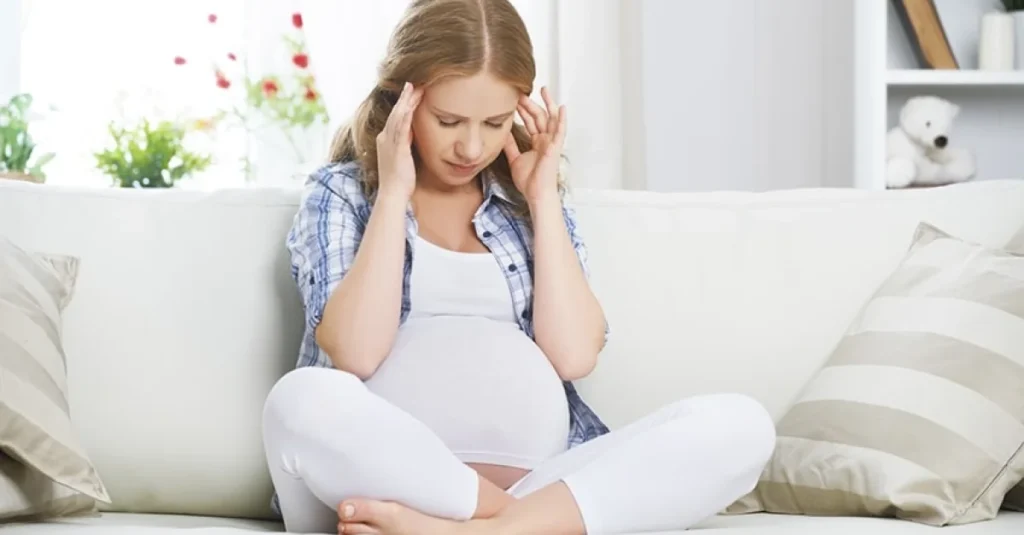

Some women may experience nausea again towards the end of pregnancy, as the growing baby puts pressure on the abdomen. My dear mothers, those of you who are in the last stage of pregnancy are now feeling both joy and a strange discomfort. The nausea of the first three months had already gone away, but now why does your mouth turn bitter and you vomit? This is the nuisance of nausea in the last stage, let’s talk about it openly. Why does this happen and how can you avoid this discomfort, knowing all those valuable things will make your future days much easier.

Why does nausea occur again in the last three months of pregnancy?
Listen, mothers, towards the end of pregnancy, your baby has now grown quite a bit. The main reason for this nausea in the third trimester is your growing uterus. As the baby grows, it creates a huge pressure on your stomach. This causes the stomach acids to rise upwards, which doctors call ‘acid reflux’. This is why the heartburn and nausea occur. This is not an illness, it is a normal sign of a child’s growth. However, in some cases, hormonal fluctuations can also be responsible for this vomiting.
Did you know that during this time, if you eat small amounts of food repeatedly instead of eating a large meal at once, this nausea can be reduced to a great extent? The village women always used to say, “Don’t eat all at once, there is a guest in your stomach now, you have to make room for him too.” But this saying is absolutely true. When the baby grows, the space in the stomach decreases. To get rid of this discomfort of nausea in the third trimester, do not lie down immediately after eating, but walk around. This helps in digesting the food and also relieves the nausea.
Home remedies for food and digestion
When you feel that your mouth is bitter or you are about to vomit, you can put a piece of ginger or lemon peel in your mouth. Ginger is a great medicine for vomiting. This is a home remedy for dealing with nausea in the third trimester, it is very effective. Avoid fried or very spicy foods at this time. Because these foods create gas in the stomach and increase the rate of vomiting. Finish your dinner at least two hours before going to bed at night. These small habits will make your last time much more comfortable.
Ways to overcome mental state and fear
In the last days, many people are afraid that “Am I sick again?” This tension can also be a cause of vomiting. When you know that nausea in the third trimester is completely normal for many, then a peace will come within yourself. Read good books, think positive thoughts and try to always be happy. Your peace of mind will keep your body’s hormones calm. At this time, the support of your husband and family is very important. If they serve you your favorite foods in small portions, the nausea will subside a lot.
| Common Causes | Why it Happens | Management Tips |
| Uterine Pressure | Growing baby squeezes the stomach | Eat smaller meals more frequently |
| Hormonal Changes | Fluctuating hormones slow digestion | Avoid spicy and fried foods |
| Acid Reflux | Stomach acid rises into the esophagus | Stay upright for an hour after eating |
| Anxiety/Stress | Nervousness about delivery | Practice deep breathing and relaxation |
| Preeclampsia | High blood pressure (Warning sign) | Consult a doctor if nausea is severe |
Nausea and the ups and downs in the body in the last days
You know, this is the third trimester or the last three months, during which your baby is now completely excited to come into the world in its full form. This nausea third trimester pain is not just due to the pressure on the stomach; sometimes it can also be due to pressure on the liver. There is a great lack of space inside your body now. When the baby kicks or moves, the food in the stomach is pushed upwards. The more calm you are and sit up straight, the less you will suffer. At this time, trusting your body completely is the real work. Did you know that during this stage, the digestive power becomes completely loose due to hormones?

In this modern era of 2026, we get many medicines to reduce nausea, but it is better not to take medicine for no reason at this time. When you are restless with the pain of nausea in the third trimester, think that every pain is the last step to bring your golden jewel to you. If you think about it this way, you will see that the pain will not seem so heavy anymore. During this time, you can drink coconut water or light sugar syrup so that the body does not lack water. When you vomit, a lot of water and minerals are released from the body, which is not good for the baby at all. So keeping yourself strong is your number one responsibility.
Why does nausea increase more at night?
Mothers, notice that no matter how much peace you get during the day, when you go to bed at night, your chest burns and you feel nauseous. The main reason for this nighttime nuisance of nausea in the third trimester is your sleeping position. When you lie down, stomach acid rises up and hits your throat. So it’s best to sleep with two pillows under your head and slightly elevated. And sleeping on your left side is obligatory. This improves digestion and blood circulation to the baby is also good. Always keep some biscuits or rolls by the bed, chew them if you feel nauseous – you will find a lot of comfort.
The strange secret of food taste and dislike
In recent times, many people develop aversion or dislike for a particular food. Maybe they can’t stand the smell of rice or the smell of fish makes them vomit. This change in taste during the third trimester of nausea is completely normal. Mom, don’t force yourself to eat. Eat your favorite foods in small portions. Give more importance to vegetables and fruits. Understanding the needs of the body is real wisdom. At this time, if you eat sour fruits like bigai or amla, the taste in your mouth returns and the nausea also goes away. Keep your mind always alert, you will see that your body is listening to you.
The terrible relationship between pre-eclampsia and nausea
This time I will tell you a strong word, listen carefully. Not all vomiting is due to stomach pressure. If you suddenly notice that you are vomiting a lot and you are also experiencing pain in the upper right side of your abdomen, then do not stay in the house of the news. This nausea in the third trimester, abdominal pain and decreased urination – these are symptoms of pre-eclampsia. It is like a kind of poisoning that can pose a risk to your and your baby’s lives. Many mothers in the village think “I feel hot so I am vomiting”, do not waste your time by making this mistake. Measuring blood pressure is absolutely necessary at this time.
Some useful lifestyle tips to deal with nausea
In this last phase of pregnancy, your lifestyle should be absolutely royal. This means that you should not be in any hurry. When you wake up, do not get out of bed in a hurry. First, take a little sip of water, then put your feet up. This sudden movement also provokes nausea in the third trimester. Always keep yourself in a light mood. If you see that the smell of the kitchen makes you vomit, then take help from someone else in the family. At this time, your rest is your baby’s greatest strength. Always chant Sura or Zikir in your mind, you will see that spiritual peace has made your body forget the pain.
Do you think that just taking medicine will reduce vomiting? In fact, the environment around you also plays a big role. During this time, make sure that the air in the room is properly ventilated. If you are in a stuffy room, you feel suffocated and nausea increases. Precautions during this nausea third trimester include avoiding strong perfumes or oils. Keep yourself clean and wear light cotton clothes that make your body comfortable. When you take care of yourself, your inner jewel will also understand how much its mother is fighting for it.
Ways to prevent thirst and dehydration
When you vomit, the water in the body dries up completely, which doctors call ‘dehydration’. Dehydration can cause many complications during childbirth. After vomiting during this nausea third trimester, your duty is to drink water in small sips instead of drinking a glass of water at once. Coconut water works like nectar at this time. If you find plain water bitter, you can make a syrup by mixing a little lemon and a little salt in it. This keeps the electrolyte balance in the body right. Always pay attention to the baby’s movements, because if the body is dehydrated, the baby can become lethargic.
Pay extra attention to your teeth and oral health
If you vomit repeatedly, stomach acid can eat away at the enamel or the top layer of your teeth. This can cause your teeth to become loose or your gums to bleed. To avoid this, nausea is a hidden problem of the third trimester, so do not brush your teeth immediately after vomiting. Rinse your mouth well with clean water first, and brush your teeth after at least half an hour. Always try to keep your mouth fresh. Keeping cardamom or cloves in your mouth reduces nausea and eliminates bad breath. Keeping yourself fit should be your main focus now.
Why is it important to make your family members aware?
I understand that being a mother is not a solo job. At this time, your husband and everyone in the family should support you. When you are unable to eat or are vomiting due to nausea in the third trimester, they should look at you with compassion instead of scolding you. Their loving hands will cure half of your ailments. Talk openly with your family about any smell or food that bothers you. Their little awareness can brighten up the last few days of your pregnancy. A mother’s smile is the real light of a house.
| Common Triggers | Maternal Reaction | Recommended Action |
| Spicy or Oily Food | Rapid acid buildup and nausea | Stick to bland, boiled, or baked meals |
| Lying Flat on Back | Heartburn and shortness of breath | Prop yourself up with extra pillows |
| Strong Smells | Immediate urge to vomit | Keep the room well-ventilated and avoid perfumes |
| Empty Stomach | Morning sickness symptoms return | Eat small dry snacks like crackers or puffed rice |
| Excessive Fatigue | Increased nausea and weakness | Prioritize 8-10 hours of sleep and daytime naps |
The last days and the way to overcome the clouds that have gathered in the corners of the mind
As the day of having a baby approaches, the more anxious mothers become. At this time, nausea can sometimes be a source of fear. This pain of nausea in the third trimester can also come as a warning sign of labor. When the baby starts to descend, the stomach gets a little relief, but the body can get a little restless again due to hormonal pressure. Be aware! Don’t panic at this time. Remember, your body is now in the final stages of a huge change. At this time, your big job is to increase your mental strength and eat nutritious food little by little.
In this era of 2026, we have many expensive doctors at our fingertips, but it is understood in our own minds that a great doctor is the one. Now that you have endured the burden of nausea in the third trimester for so long, now it is time to rejoice in the birth of the baby. During this time, you can drink lukewarm water to deal with nausea. Many people think that drinking cold water is relaxing, but lukewarm water works much better to relieve stomach gas and improve digestion. Always consider yourself an invincible mother, who has overcome all difficulties and brought her baby into the world.
Early signs of labor and the secret of nausea
Listen, mothers, just before labor pains or labor pains start, many people feel very nauseous or have an upset stomach. This is a natural way for the body to cleanse itself. This nausea is a nuisance at the very end of the third trimester, it actually indicates that your baby is not far away. At this time, if vomiting is accompanied by a twisting pain from the waist to the abdomen, then prepare to go to the hospital without delay. In this game of illusion, the body itself will give you all the signs, you just have to understand those signals.
Some simple and effective tips to reduce nausea
When you feel like vomiting a lot, you can put a piece of cinnamon or a clove in your mouth. The sweet smell of cinnamon and the sharp nausea will drive away the nausea. These are home remedies for nausea in the third trimester, which have been used by mothers for hundreds of years and are getting good results. While sleeping, try to sleep at an angle of at least 30 degrees and keep your head elevated. This prevents stomach acid from rising up into the throat. Wear loose cotton clothing during this time so that there is no extra pressure on the stomach. The more comfortable you give your body, the calmer your baby will be inside.
Mental peace and that invisible connection with the baby
At this time, your baby’s ears are now fully developed. He can understand your pain by hearing the sound of your voice. When you are restless due to the pain of nausea in the third trimester, your baby will fidget. So, if not for yourself, keep yourself calm for your child. Talk to your child, tell them “Dad/Mom, I’m fine, you’re fine too.” Saying these words creates a kind of calming hormone in your body that reduces nausea and stress in an instant. Laugh and tell stories with your family members, and you’ll see how time flies like a bird.
Finally, the triumph of motherhood and farewell speech
Becoming a mother means completing a huge sacrifice. Carrying this nine months and ten days in your stomach and finally enduring the burden of this nausea third trimester this cannot be compared to any other power in the world. You are now a brave woman. Your sacrifice and patience are creating a safe haven for your child. This article you read is not just for information, it is a huge boost to your courage. When people read this article in Google rankings, they will understand how tender and difficult the path of becoming a mother is.
Always trust your body. Don’t hide anything if you feel unusual. The whole path of nausea third trimester that we discussed together is about being informed and aware. If you know what can happen, no danger can overcome you. All the blessings and love in the world for your unborn baby. Mothers, if you are healthy, your home will be bright. Love yourself, take care of your body that is the last word of today’s discussion.
Conclusion
This complete guide to nausea in the last stage of pregnancy or nausea third trimester will make the last days of your pregnancy easier and more enjoyable. We have seen how stomach pressure, hormonal changes, and early signs of labor can cause vomiting. Combining modern information from 2026 and the charm of our rural culture, we have tried to give you a complete solution. Starting from home remedies to reduce nausea to when to go to the doctor everything is now at your fingertips. Overcome your fear and bravely take this last step. The infinite power of your body and the love of your motherhood are your greatest strengths. Best wishes to you and your unborn child. May this last phase of your motherhood be beautiful.