
First Trimester Pregnancyis the most important and wonderful stage of pregnancy. During this thirteen-week journey, a microscopic cell develops into a fully-fledged human being. This is a time when your body goes through a hormonal change and you start to feel the first time that a new life is growing inside you.
Although the belly is not very visible from the outside at this time, the baby’s heart, brain and other major organs are forming in full swing inside the body. This stage is as joyful as it can be bit challenging for many mothers.During the thirteenth week of the first trimester, the fetus develops at an incredible rate. At first, it is just a clump of cells, but by the end of the 12th week, the baby is about 3 inches long and weighs about 28 grams. During this time, the baby’s tiny fingers, nails, and eyelids are forming.
When does first trimester pregnancy start?
The calculation when the first trimester of pregnancy starts can be a bit confusing for many. In medical terms, your pregnancy starts from the first day of your last menstrual period (LMP). This means that by the time you find out that you are pregnant (usually after a missed period), you are already 4 or 5 weeks pregnant. Although the actual process of conception or fertilization of the egg occurs about two weeks after the start of your period, the first day of your period is considered the first day for the purpose of calculating the exact time of pregnancy and the estimated date of delivery (EDD). So, during the first two weeks of pregnancy, you are not actually pregnant, but your body is simply preparing to release a new egg.
Here are some important facts about when the first trimester starts and this calculation method:
- LMP method: The first day of pregnancy is the day your last period or menstruation started.
- Week range: The period from week 1 to 13 week and 6 days is called the first trimester.
- Implantation: Around week 3 or 4, the fertilized egg implants in the uterine wall, which begin the actual development of the fetus.
- Presence of hormones: Pregnancy can be confirmed if a urine test detects the presence of the hCG hormone a few days before or after a missed period.
- Doctor’s calculation: Doctors create a 40-week calendar based on the start date of your period.
- First visit: The first prenatal checkup or ultrasound is usually recommended between weeks 6 and 8.
What changes start inside the body
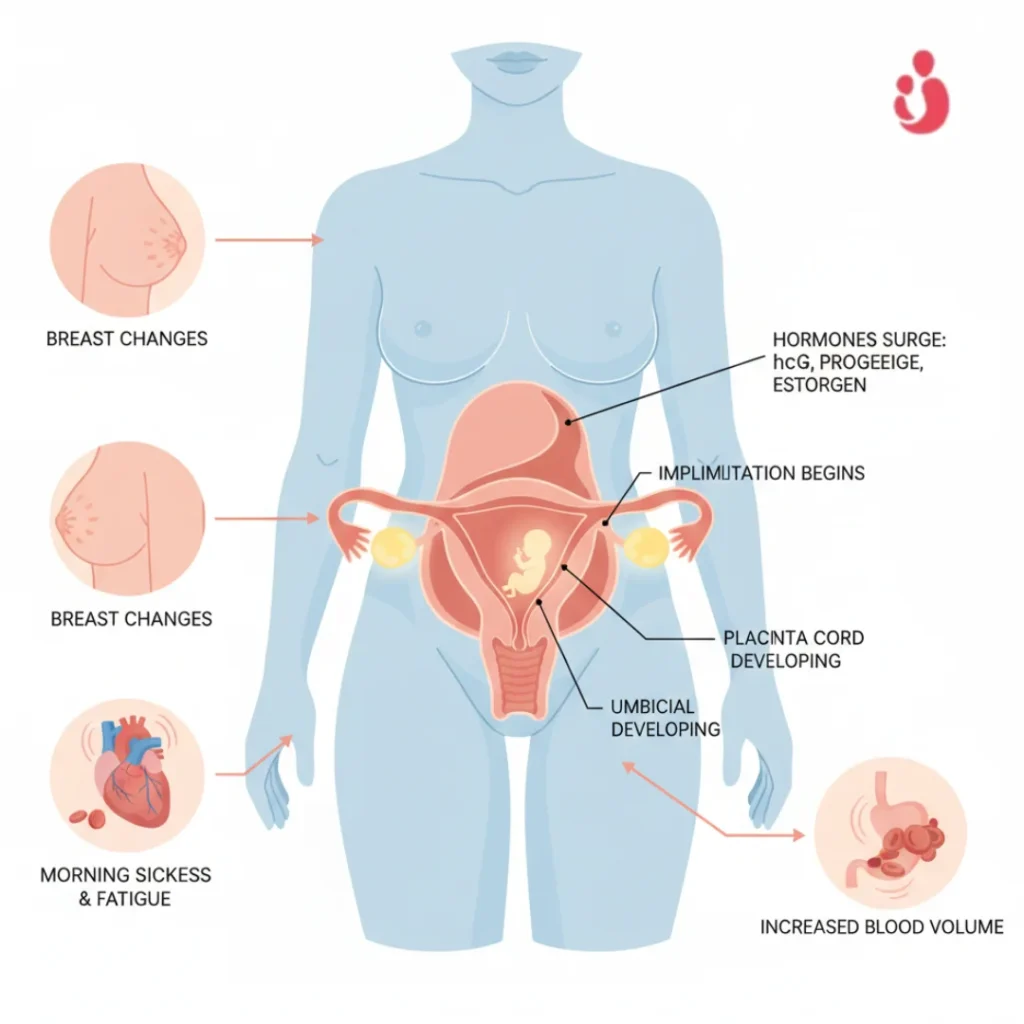
In early pregnancy, First Trimester Pregnancy the changes inside the body are much stronger and revolutionary than the change outside. Immediately after the embryo is implanted in the uterus, the body starts producing a special hormone called hCG (Human Chorionic Gonadotropin) which helps in maintaining the pregnancy. At the same time, the uterus starts to increase in size and its walls become soft, increasing blood circulation manifold. The total blood volume of your body starts to increase by about 30% to 50% so that the fetus gets enough oxygen and nutrients through the uterus. In addition, the ligaments or bone joints of the body start to relax and major changes occur in the metabolism. Due to these internal changes, you feel the need to urinate frequently and problems like dizziness may occur due to a slight decrease in blood pressure.
The main changes that occur inside the body in early pregnancy:
- Increased blood circulation: The heart has to pump more blood than before to support the baby’s growth, which can increase the heart rate.
- Urinary pressure: The growing uterus puts pressure on the bladder, and the kidneys have to work extra hard to clear the body of waste.
- Glucose utilization: The body starts storing extra glucose or energy for the baby, which can affect the mother’s blood sugar levels.
Unexplained fatigue
It is very common to feel strange and extreme fatigue during the first trimester pregnancy, which is medically called ‘pregnancy fatigue’. During this time, you may notice that even after getting enough sleep, your body is completely broken or feels like you have participated in a marathon. The main reason for this is that your body is spending a lot of energy on creating a new life and the ‘placenta’ or womb that is necessary to keep it alive. In addition, the level of the hormone progesterone in the body suddenly increases a lot, which naturally makes the body relaxed and sleepy. In addition, the increase in blood volume and fluctuations in blood pressure and sugar levels are also responsible for this fatigue. In most mothers, this fatigue lasts for the first three months or 13 weeks and as soon as the second trimester is entered, new energy returns to the body.
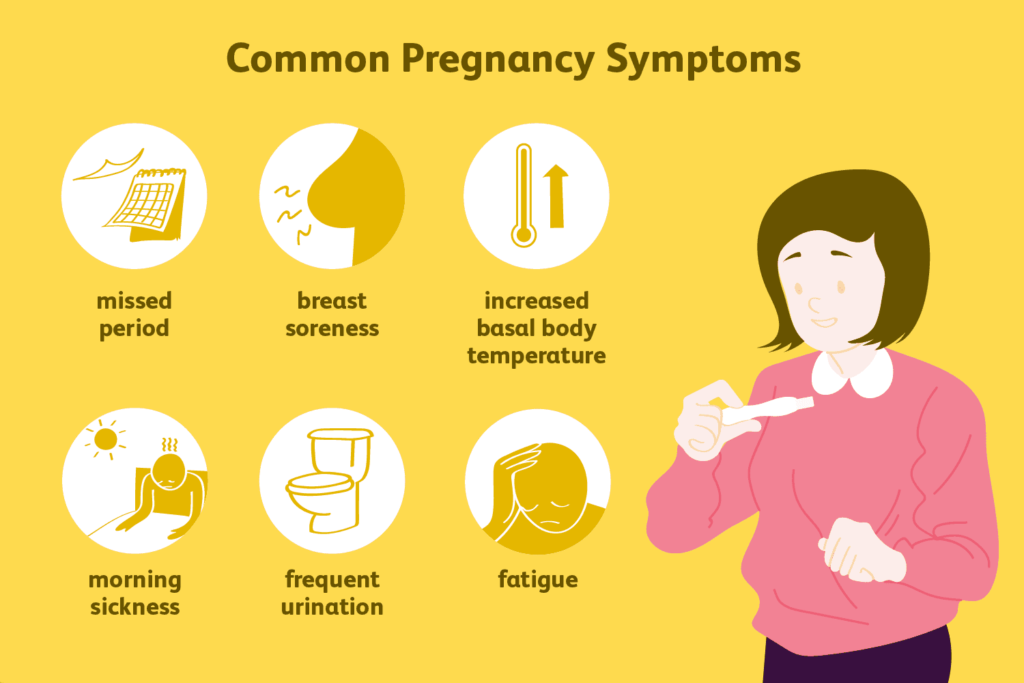
The main causes of this unnecessary fatigue in early pregnancy and what to do about it are given below:
- Hormonal effects: High level of the hormone progesterone affect your metabolism and create a calming or sleepy mood.
- Metabolic changes: Your body is working day and night to build organs for the baby, which quickly consumes the mother’s calories and energy.
- Anemia: Sometimes due to iron deficiency, the body does not get enough oxygen, which makes fatigue more pronounced.
- Mental stress: Anxiety about a new life or mental instability due to the effects of hormones can also quickly make the body tired.
- Need for rest: When the body gives the signal taking short ‘power naps’ or short sleeps without stopping work helps reduce fatigue.
- Nutritious food: Eating protein and iron-rich foods and drinking enough water maintain the body’s energy levels.
Nausea and food aversion
About 70 to 80 percent of women experience ‘morning sickness’ or nausea in early pregnancy. Although it is called morning sickness, this discomfort can occur at any time of the day, even in the middle of the night. The main reason is the rapid increase in hCG and estrogen hormones in the body, which slow down the normal movement the and sensitize the part of the brain that controls vomiting. Many times even the smell of your favorite food seems unbearable to you, which is called ‘food aversion’ in medical terms. This aversion is basically a protective shield of the body that want to keep you away from potentially harmful or toxic foods. Usually, after 12 to 14 weeks, these problems decrease on their own when the hormone levels stabilize. However, during this time, you should eat small amounts of food frequently, rather than forcefully eating anything that your body can tolerate.
Discover more here: How Long Is First Trimester
Some effective ways to deal with nausea and food aversion are given below:
- Eat small amounts frequently: Do not keep your stomach completely empty; An empty stomach produces more acid, which increases nausea, so eat small, healthy meals 6-7 times throughout the day.
- Dry foods or crackers: Eating a couple of biscuits or dry muri before getting out of bed in the morning can reduce morning sickness.
- Use of ginger and lemon: Ginger tea, ginger juice or lemon juice works like magic to reduce nausea naturally.
- Avoid oily and spicy foods: Deep-fried or extremely spicy foods cause digestive problems, so choose light easily digestible foods at this time.
- Drink enough water: To prevent the body from becoming dehydrated vomiting, sip plenty of water, coconut water or fruit juice throughout the day.
- Avoid strong odors: Try to stay away from strong cooking odors, perfumes or incense sticks that trigger your nausea.
Breast changes
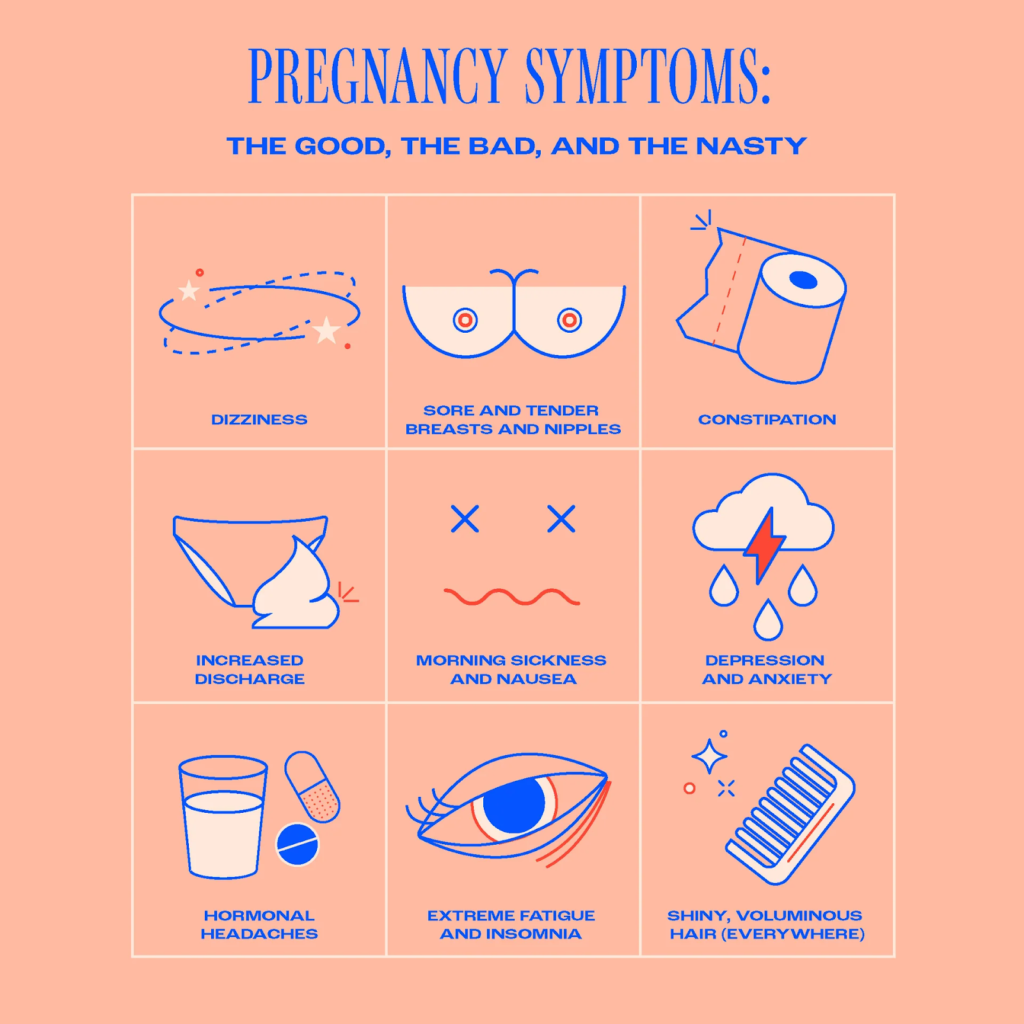
One of the earliest signs ofFirst Trimester Pregnancyis breast changes, which can sometimes start even before you miss your period. Hormonal changes cause increased blood flow to the breasts, making them more sensitive, tender and tender. Many mothers compare these changes to the feeling they have before their period, but they are more intense during pregnancy. During this time, the breast tissue begins to prepare for milk production after the baby causing the breasts to increase in size and feel heavier. In addition, the area around the nipple, called the areola, enlarges and darkens due to hormonal changes. Small, bumpy areas (Montgomery tubercles) may appear on the areola, which secrete a type of oil that protects and moisturizes the nipple.
The main signs of breast changes in early pregnancy are as follows:
- Tenderness and pain: Pain or lightheadedness when touching the breast is a very common symptom of this period.
- Enlargement: Due to the influence of hormones the fat layer of the breast and the milk-producing glands start to grow, which can make the bra feel tight.
- Visible veins: Due to increased blood circulation, the bluish veins under the skin of the breast become clearer and more visible than before.
- Nipple changes: The nipple or nipple becomes more prominent than before and the area it becomes much darker or blacker.
- Montgomery tubercles: The small bumps around the nipple become more visible, which help protect the nipple from infection.
- Heaviness: Towards the end of the first trimester, the breasts feel much fuller and heavier, which is mainly part of the preparation for the lactation.
Frequent urination
Frequent urination is a very common but annoying symptom in the first trimester ofFirst Trimester Pregnancy. Many mothers start experiencing it right after their period is missed, around the 6th to 8th week. The main reason for this is the dramatic increase in blood circulation in the body. Since the blood volume your body increases by about 50 percent, your kidneys have to work harder than before to filter this extra fluid or blood. As a result, more waste and fluid accumulate in the kidneys than before, which is excreted in the form of urine. Also, in early pregnancy, your uterus starts to grow and this directly puts pressure on the bladder. Since the bladder is located just below the uterus, even a slight increase in the uterus reduces the space in the bladder resulting in the need to go to the toilet quickly even if there is only a small amount of urine.
Here are some important facts and tips about frequent urination in early pregnancy:
- Kidney function: The kidneys begin to rapidly clear excess waste and fluid from the body, which increases the amount urine.
- Uterine pressure: The growing uterus reduces the space for the bladder to expand, so the urge to urinate is felt before the bladder is full.
- Hormonal effects: The hormone progesterone relaxes the pelvic muscles, which can reduce the ability to hold urine.
- Leaning forward while urinating: Leaning forward slightly while sitting on the toilet helps the bladder to empty completely, which can reduce the frequency of frequent urination.
- Avoiding dehydration: Even if you urinate frequently, do not reduce your water intake at all, as this can dehydrate both the mother and baby.
- Check for infection: If you experience burning, foul odor, or severe pain in the lower abdomen while urinating, it could be a urinary tract infection (UTI), which is important report to your doctor.
Emotional changes
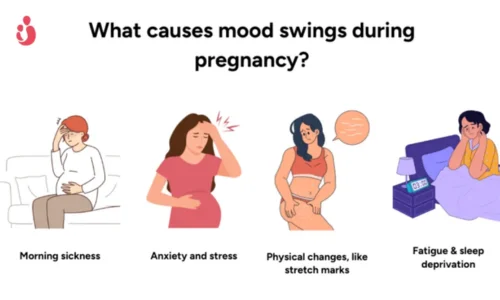
The first trimester pregnancy is a time of great change not only for the body but also for the mind. During this time, many mothers feel that their emotions or mood are changing suddenly. They may feel very happy and then the next moment they feel sad or tearful for no reason. This is called ‘mood swings’ in medical terms. The main reason for this is the intense surge of estrogen and progesterone hormones in the body, which affect the neurotransmitters or chemical balance of the brain. In addition, the anxiety of being a new mother, physical discomfort, fatigue and lack of adequate sleep make the emotional state more fragile. These changes are very normal and are not a weakness but a part of your body preparing itself for a new life.
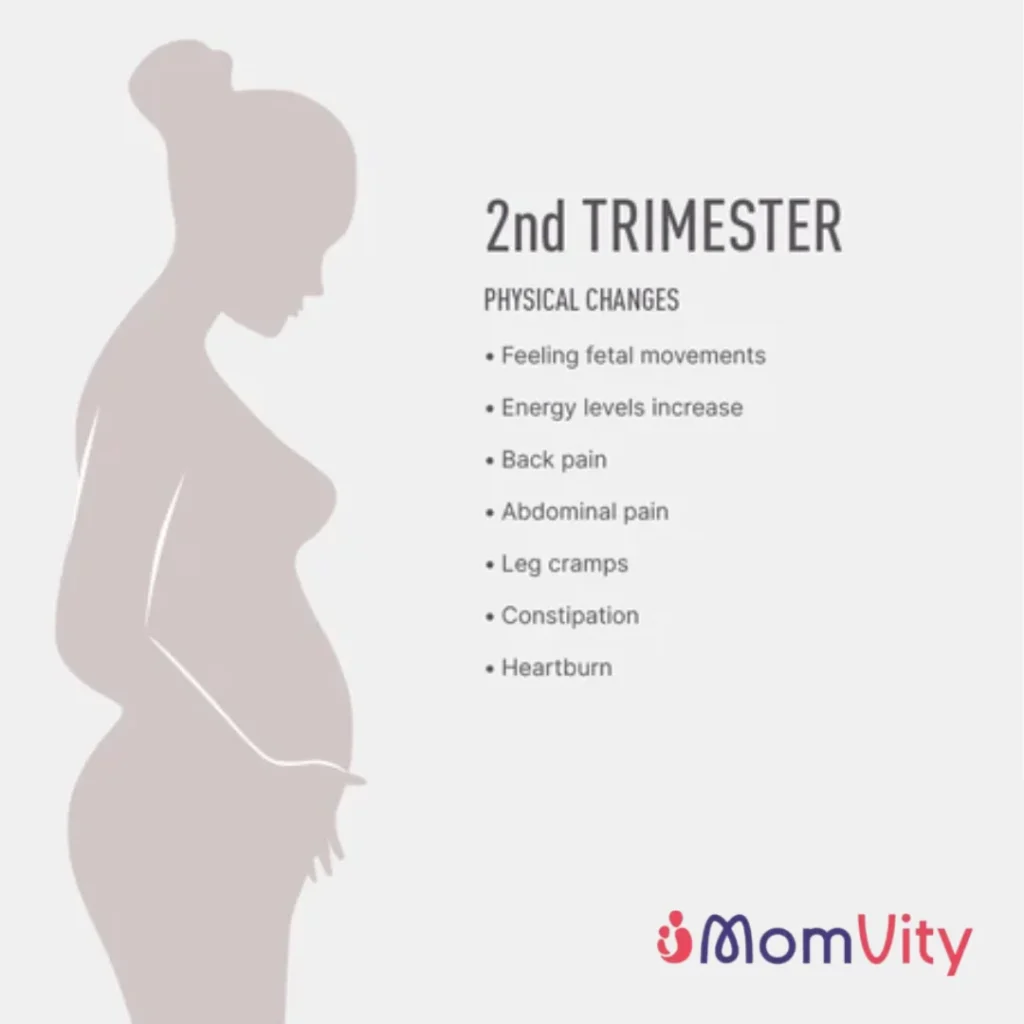
The types of emotional changes in early pregnancy and how to deal with them are given below:
- Effects of hormones: Excess estrogen and progesterone hormone affect the part of the brain that controls emotions resulting in irritability or hypersensitivity.
- Unnecessary Worry: Many mothers feel mentally distressed due to fear of miscarriage, anxiety about the health of the baby, or future responsibilities.
- Effects of Physical Discomfort: Mothers’ patience decreases due to constant nausea and fatigue, which negatively affects their mental state.
- Sharing with a Partner: Discuss your mental state openly with your partner or family members, which reduce mental stress a lot.
- Adequate Rest and Meditation: To keep the mind calm, it is very important to do light breathing exercises or meditation and ensure at least 8 hours of sleep a day.
- Taking Care of Yourself: Reading your favorite book, listening to light music, or spending time on your favorite activity increases the ‘feel good’ hormone in the brain, which helps keep the mind in good shape.
Mild abdominal cramps
It is very common to experience mild abdominal cramps or cramping during the first few weeks of pregnancy and in most cases it is normal. The main reason for this is the expansion of your uterus. As the fetus starts to grow in the uterus, the muscles and ligaments around the uterus start stretch, which causes a kind of mild discomfort or tension in the lower abdomen. In addition, sometimes mild cramps can also occur during ‘implantation’ or when the fetus attaches itself to the uterine wall. Gas or constipation due to hormonal changes can also cause such twisting pain in the abdomen. Usually, this pain does not last long and decreases with rest. However, if this pain is severe and is accompanied by bleeding, it is not right to ignore it.
Common causes of mild abdominal cramps and what to do are given below:
- Uterine enlargement: As the uterus grows to accommodate the fetus, the muscles tighten, causing mild pain.
- Implantation cramps: In the very beginning of pregnancy (around the 4th week), there may be mild pain or spotting when the fetus settles in the uterus.
- Change in physical position: Suddenly getting up from bed or coughing can cause tension the round ligaments, causing severe but temporary pain.
- Gas and digestive problems: Due to the hormone progesterone the digestion process slows down, which is one of the reasons for discomfort or twisting the stomach.
- The role of rest: Lying on the left side during pain increase blood flow to the uterus and reduces discomfort.
- When to be careful: If the cramps are unbearable, the intensity of the pain increases, and there is vaginal bleeding or fever, you should consult a doctor immediately.
What is important to keep in mind
- Folic acid and vitamins: Ensure you have folic acid-rich foods or supplements every day to prevent neural tube defects in your baby.
- Avoid lifting heavy objects: The uterus is very sensitive during this time, so avoid lifting buckets of water, heavy bags, or moving furniture.
- Avoid dangerous foods: Do not eat undercooked meat, raw eggs (mayonnaise or pudding), and unpasteurized milk, as they carry the risk Listeria or Salmonella infection.
- Drink plenty of water: Drink at least 8-10 glasses of water throughout the day which will help maintain the level of amniotic fluid in your body and reduce constipation.
- Personal hygiene: Maintain personal hygiene and wear loose cotton clothes to avoid urinary tract infections (UTIs).
- Recognize the risk symptoms: If you experience light spotting or bleeding, severe abdominal pain, or persistent vomiting, contact your doctor immediately without waiting for any home remedies.
Conclusion
The first trimester or the first thirteen weeks of pregnancy is a time of laying the foundation of motherhood. The silent revolution that takes place inside your body during this time not only gives birth a new life but also prepares you physically and mentally as a mother.
Although these days may seem a little long or difficult to you due to nausea, fatigue or mood swings, remember that this is a normal reaction of your body. Proper awareness, nutritious food and family support can make this journey much easier. Respect the small changes in your body and do not hesitate to seek medical advice for any abnormalities. This awareness will be the biggest gift for a healthy and beautiful future. May this auspicious beginning of your motherhood be joyful and safe.