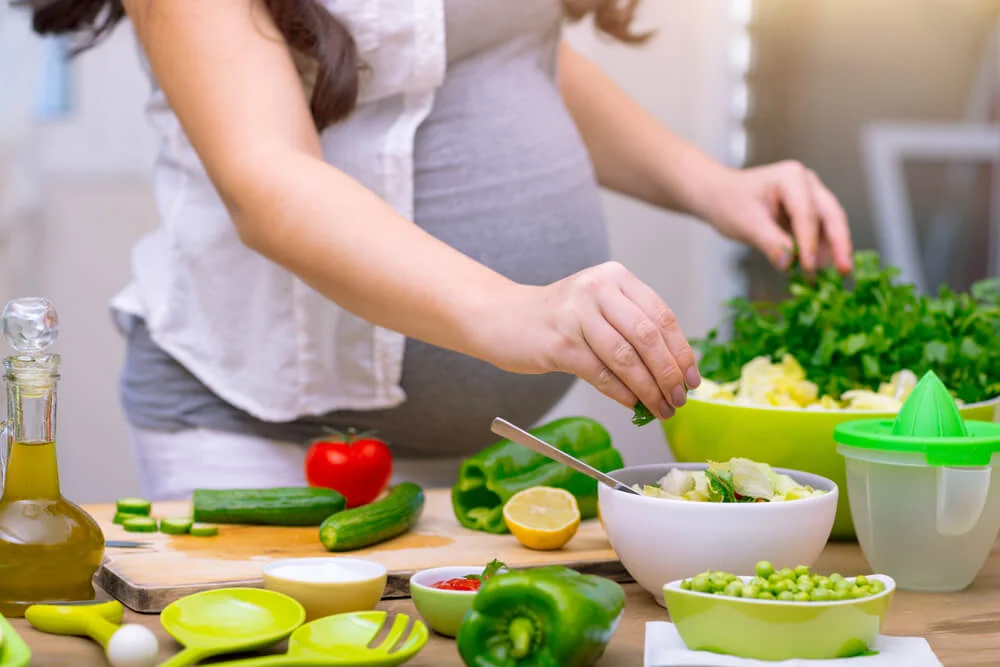

Pregnancy labour and birth is a natural process where a mother’s body prepares to bring a new life into this world.
The last period of pregnancy is both joyful and a little scary for every mother. Especially those who are going to become mothers for the first time, they have thousands of questions in their minds about what exactly can happen during childbirth.

Modern medical science has advanced a lot now, so there is nothing to fear. If you notice the small changes in your body, you will understand yourself that it is time for your precious baby to come into the world. It is very important to keep your mind strong and eat nutritious food during this entire period.
Do you know what the real signs of labor are?
When labor pains start in the body, they start pulling from the waist and move to the front of the abdomen. Many people mistake it for a simple stomach ache, but this pain comes at regular intervals.
Although this pain is mild at the beginning of pregnancy labor and birth, it increases over time. If you feel that the baby’s movements have decreased a little or the water has broken, you should seek advice from an experienced person without delay. In the countryside, many times, midwives can tell the baby’s position by looking at the belly.
Water breaking
When your water starts to break, you will know that the time is very close. For many, it happens suddenly, while for some, it falls in drops.
Cervical dilation
Doctors check to see how wide the cervix has become. Usually, it is the right time to have a baby only when it opens up to 10 centimeters.
Regular contractions
The main signs of labor are tightening of the abdominal muscles and pain after a while. It is very important to take long breaths at this time.
Do you know what are the easy ways to reduce labor pain?
Many people think that just lying down will reduce the pain, but in fact, walking lightly or changing positions can provide relief.
At this stage of pregnancy, labor and birth, applying a light warm compress to the waist relaxes the muscles. You need to keep your mind calm because the more afraid you are, the stiffer your body will become, which can increase the time of labor. The experience of the elders in the house is very useful at this time. The way they give courage often works more than the hospital equipment.
Correct position
If you sit with a straight back or walk instead of lying down, it is easier for the baby to descend.
Hot water compress
Applying a light warm cloth below the waist reduces the intensity of the pain a lot.
Mental courage
If you remember the joy of being a mother, your ability to endure pain increases several times. The main thing is to believe in yourself.
Why is it important to have an experienced person by your side during childbirth?
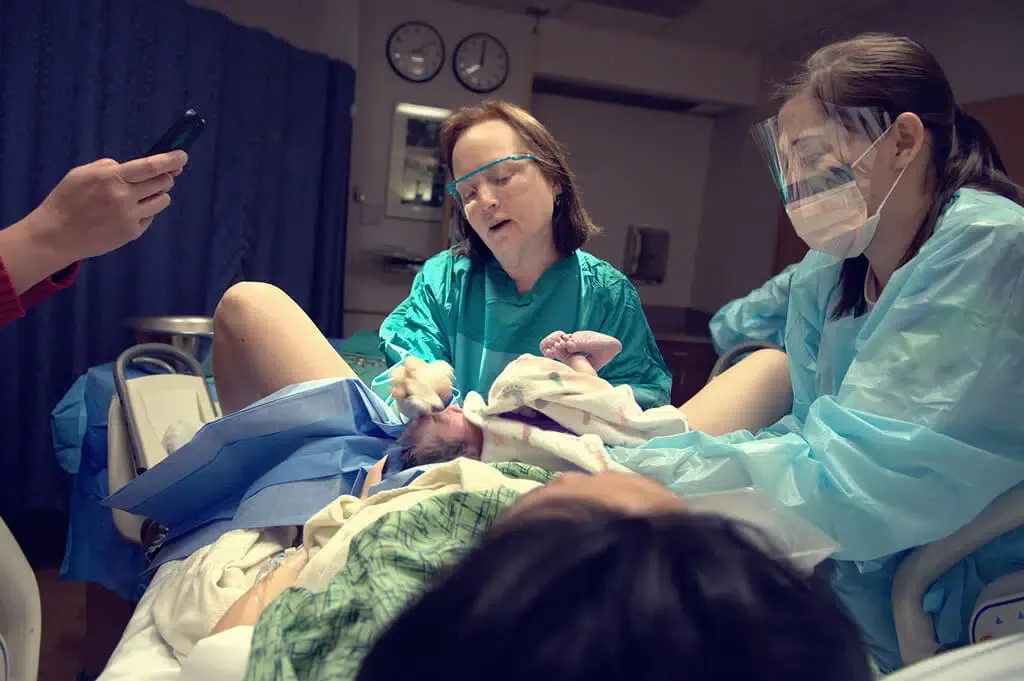
In the past, people in rural Bengal gave birth at home, but now everyone goes to the clinic to avoid risks. But no matter where you are, you need someone by your side who will give you courage.
Pregnancy, labor and birth is a time when the mother’s body needs a lot of energy. Drinking water or fruit juice regularly does not weaken the mother’s body. If you treat the doctor or nurses well, they will also be encouraged to help you.
Trust
Having someone by your side gives you strength. Especially if your mother or mother-in-law is by your side, it increases your courage a lot.
Service
Pressing your hands and feet or putting a little water in your mouth during pain is very beneficial for the mother.
The right decision
Only experienced people can make the decision about when to take the mother to the hospital or when to have an operation in an emergency.
How are the moments just before the birth of a baby actually spent?
When the last stage of labor comes, the mother feels that there is a lot of pressure below. This is the time when patience is tested the most.
At this critical moment of pregnancy labor and birth, the heartbeat of both the mother and the baby is checked. When the baby’s head is gradually visible, the nurses ask the mother to push hard. In simple village language, this is called “kot deva”.
If you can hold your breath properly at this time, the baby will come out very quickly.
Explore more here: labor pain and giving birth
What special care should a new mother take right after delivery?
After giving birth, the mother’s body becomes very weak as if a big storm has passed over her body. This time is called “Suntika Kal” or the postpartum period by the villagers.
The first few hours after the end of pregnancy, labor and birth, one has to be very careful because there is a fear of bleeding. It is very important to wipe the mother’s body with lukewarm water and wear dry, clean clothes. The more rest the mother gets during this time, the faster her body will return to its previous state. Especially if a warm compress is applied to the waist or abdomen, uterine contractions start to return to normal.
Rest
Getting enough sleep and rest throughout the day will help relieve the mother’s fatigue. Heavy work is strictly prohibited for at least a few weeks.
Cleanliness
There is a high risk of infection after delivery. Therefore, it is important to always use clean clothes and wash your hands.
Nutritious food
Eating milk, eggs, and lots of vegetables will help restore energy to the mother’s body. It is very important to drink plenty of fluids.
Do you know why the first breast milk after the birth of a child is like nectar?
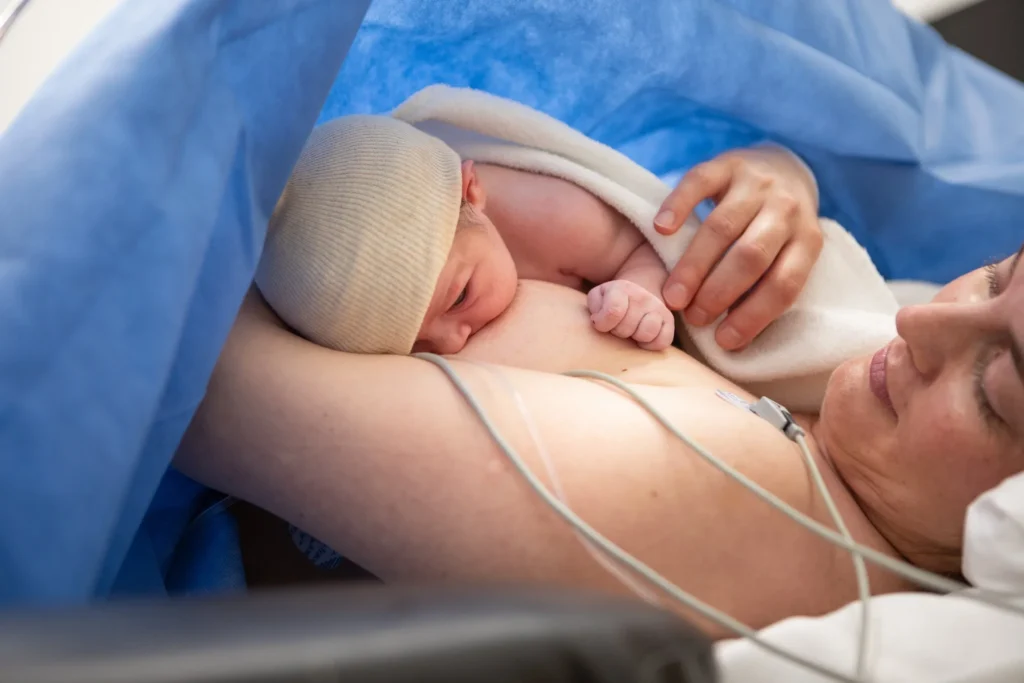
The thick yellow milk that comes immediately after the birth of a child is called shaldudh. Many old people in the village think that it is not good, but in fact it is the first vaccine of the child’s life.
After overcoming the stress of pregnancy, labor and birth, breastfeeding the child quickly causes the uterus to contract quickly. This also reduces the mother’s blood loss. The emotional bond between the mother and the child deepens through this breastfeeding. Holding the child in her arms repeatedly and breastfeeding greatly increases the child’s immunity.
Colostrum
This first milk protects the baby from all kinds of diseases. It also helps in cleaning the first dirt in the baby’s stomach.
Proper rule
The baby should be fed in a way that the mother is comfortable with, whether lying down or sitting. It is better to keep the baby’s head a little elevated.
Calcium in the mother’s diet
The baby’s bones become strong if the mother eats enough calcium-rich foods. Milk and small fish are very beneficial at this time.
What are the things to keep in mind to take care of the navel and skin of a newborn?
After the little goldmine comes into the world, its skin is very soft and sensitive. Especially, the elders of the house have a lot of worries about drying the navel.
After pregnancy, labor and birth, dirty hands should not be placed on the navel. The navel should be kept dry and it is not right to apply any ointment or oil. Today’s doctors say that the navel dries up naturally. If you gently wipe the baby with lukewarm water every day, his body will feel comfortable. In rural Bengal, there is a practice of applying mustard oil, but it is better to make sure that it is completely pure.
Drying the navel
Keeping the navel open and dry will help it dry faster. If it gets wet, gently wipe it with a soft cloth.
Skin softness
Do not use harsh perfumes or soaps on the baby’s skin. Using soft cotton clothes will prevent the baby from getting a rash.
Exposing the baby to the sun
There is no risk of jaundice if the baby is exposed to the mild morning sun. However, it is not advisable to keep the baby in the sun for a long time.
Why is it important to pay attention to the mental health of the mother after childbirth?

Many times, it is seen that after giving birth, the mother becomes very irritable or cries for no reason. Although many people consider this to be a bad mood, it is actually a hormonal change.
After pregnancy, labor and birth, a kind of emptiness or sadness may form in the mother’s mind, which is called baby blues. At this time, everyone in the house should be happy with the mother and give her time. If the mother is happy, it will also have an effect on the child. A little walk in an open area in the village environment will make the mother feel good.
Empathy
The mother’s small problems should be listened to with importance. She should be reassured repeatedly that everything will be fine.
Sharing of work
If other members of the house help in taking care of the child, the mother gets enough sleep. This keeps the mood calm.
Nutrition and mind
Eating good food keeps the body and mind healthy. Mom’s favorite foods can be cooked occasionally.
How to recognize the danger signs after childbirth?
Even though everything seems normal after becoming a mother, there are some things that should not be ignored. If the mother has a high fever or a severe headache, she should go to the doctor immediately. Excessive bleeding or severe abdominal pain after pregnancy, labor and birth can be signs of danger.
Sometimes there is swelling in the feet or difficulty breathing. Neglecting these small things can cause major damage. Villagers should take these symptoms to the hospital as soon as they see them, instead of going to a random doctor.
Do you know how important nutritious food is for the health of the mother and baby after delivery?
After giving birth, the mother’s body is waiting for refueling or replenishing its energy.
Many people in the village environment think that it is not right to eat too much after becoming a mother, which is a completely wrong idea. Calorie-rich food is very necessary to overcome the stress of pregnancy, labor and birth. If the mother does not eat enough vegetables and local fish during this time, the quality of her milk may decrease. Especially eating cooked gourd or papaya helps in increasing breast milk. There should be no skimping on water intake because if the body is hydrated, fatigue is less.
Calcium-rich foods
Milk and small fish prevent bone loss. If the mother is strong, the child will also be healthy.
Abundant iron
Eating bananas or raw vegetables helps to eliminate anemia. It is important to replenish the blood that is lost during childbirth.
Protein sources
Eggs and pulses should be included in the daily diet. This helps the body’s wounds to heal very quickly.
Why is a clean home environment most important after childbirth?
Keeping the house clean after the birth of a child is not just a hobby but a question of saving lives.
After pregnancy, labor and birth, the immunity of the mother and the child is very low. In many village houses, the mother and the child are kept in damp rooms, which is not right at all.
Arrangements should be made to ensure that adequate light and air enter the house. The child should be kept away from dust or smoke because it can cause breathing problems. It should be strictly forbidden to let a stranger touch the child without washing his hands.
Light and air
Keeping the windows open will allow fresh air into the house. This will keep the mother and the child fresh.
Clean bed sheets
The sheets and clothes used by the mother should be washed and dried in the sun every day. Sunlight destroys germs.
Visitor control
Do not allow anyone who is sick to come near the child. It is better to be strict for the safety of the child.
Why should newborn vaccinations and regular checkups never be missed?
Many people forget about vaccinations in the joy of having a baby. But we must remember that these vaccinations save the baby from disability or premature death. After pregnancy, labor and birth, a vaccination card is given from the hospital, which should be kept carefully. If the polio or BCG vaccination is given on time, the child’s body gets the strength to fight against diseases.
In addition,
it is necessary to see an experienced doctor from time to time to understand whether the child is gaining weight or whether his crying is normal.
Vaccination on time
Vaccination is given free of charge by the government. This is the biggest protection for the child’s life.
Weight check
The child’s weight should be measured once a month. Weight gain means that the child is getting proper nutrition.
Abnormal crying
If the child cries continuously, it means that he is in pain somewhere. Take action without delay.
Some easy ways to maintain personal hygiene after becoming a mother
It is true that you do not get time to take care of your body after becoming a mother. However, if you think about your health, you should take a bath in hot water at least once a day.
If the discharge from the body after pregnancy, labor and birth is not kept clean, it can cause infection in the uterus. If you always wear cotton and loose clothes, the body will need air and will not get scratched or itchy. It is very important to keep your nails short because long nails contain germs that can spread to the baby’s body.
Keeping nails short
Do not scratch the baby while breastfeeding or holding it in your lap. This is the best way to prevent bacterial infection.
Cotton clothing
Cotton clothes absorb sweat and are comfortable. This gives relief to both the mother and the baby.
Adequate hand washing
Wash your hands with soap before changing the baby’s diaper or feeding him. Clean hands mean healthy children.
Conclusion
Giving birth to a child is a heavenly feeling that is difficult to express in words. There is no substitute for patience and courage in this entire process of Pregnancy, labor and birth. It would not be wrong to say that when a woman becomes a mother, she is reborn. Therefore, at this time, every member of the family should give the mother a break from cooking or other heavy work. Keeping her happy and ensuring adequate nutritious food is not only the responsibility of a family but also the first step in building a healthy future generation.
Remember that a healthy mother means a healthy and beautiful child. We should all try to make this journey of motherhood more joyful than painful. It is possible to avoid any risk by taking advantage of modern medical science and listening to the advice of experts. May this inseparable bond between mother and child remain unbroken forever and may every home be filled with the laughter of a new life.
FAQ
How do I know if labor pain has started?
If the pain occurs at regular intervals and increases in intensity over time, it is real labor pain.
What to do if your water breaks?
You should contact the nearest hospital or clinic without delay because this is an emergency symptom.
How long do you need to rest after a cesarean section?
You should absolutely avoid doing any heavy work for at least 6 to 8 weeks and get adequate rest.
Is colostrum harmful to the baby?
No, colostrum is the baby’s first natural vaccine that increases immunity many times over.
How long after delivery should the baby be breastfed?
It is best and healthiest to start breastfeeding within an hour of the baby’s birth.
How many checkups are needed during pregnancy?
It is very important to get checked by a skilled health worker or doctor at least 4 times during the entire pregnancy.
How to reduce back pain after childbirth?
Applying warm compresses and always practicing sitting upright can reduce back pain.
Can oil be applied to the baby’s navel?
It is not advisable to apply any oil or powder to the base of the navel because it carries a risk of infection.
Can the mother eat all types of food?
Yes, the mother can eat all types of nutritious food, but it is better to avoid excessively spicy or fried foods.
What should be done if the baby has jaundice?
Expose the baby to the morning sunlight and see a doctor if the condition seems serious.