The Importance of a Balanced diet during pregnancy for a Healthy Baby

Nusrat Ayaan

Published: 28/02/2026
Updated: 28/02/2026

​Balanced diet during pregnancy is essential for the mother’s health and the proper physical and mental development of the growing baby.

​Since you became a mother, your life has not been the same. Now you have to think about your unborn child at every step. Do you know that what is on your daily plate is directly shaping the body structure of your baby? Many people give a lot of advice at this time, but in fact, knowing the right rules is very important.

If you do not eat properly, your body will become weak and the growth of your baby may be hindered. Your baby’s future immunity will be built based on what you eat for these nine months. So, it is not right to neglect any food.

​Many people think that during pregnancy, you have to eat food for two, but in fact, the quality of food is more important than the quantity. Have you ever wondered why you develop aversion to certain foods during this time? In fact, the body is signaling you what additional nutrients it needs now.

If your daily food list does not contain all kinds of nutrients, you will feel tired very quickly. So, there is no alternative to nutritious food to keep yourself fresh during this important period of life and ensure the right weight of the baby.

Increases the mother’s body’s strength and immunity

  • ​Strength: A new life is growing inside your body now, so you need extra calories and energy every day.
  • ​Safety: By eating foods with the right vitamins, your body can fight off external germs and you will be less likely to get sick.
  • ​Blood: Eating foods with iron helps the body produce enough blood, which helps the oxygen reach the baby the most.
  • ​Digestion: Eating foods rich in fiber or ash makes it very easy to get rid of annoying problems like constipation, which is a great thing.

​Ways to develop your child’s bones and brain properly

​Calcium is very important for the formation of your child’s bones, which can weaken your child’s bones if you don’t get it. Do you know that including Omega-3 in your diet can improve your child’s eyesight and intelligence? Pulses or protein foods help build your child’s muscles. So it would be wise for you to have variety in your daily diet.

Which foods are essential to keep in your daily list?
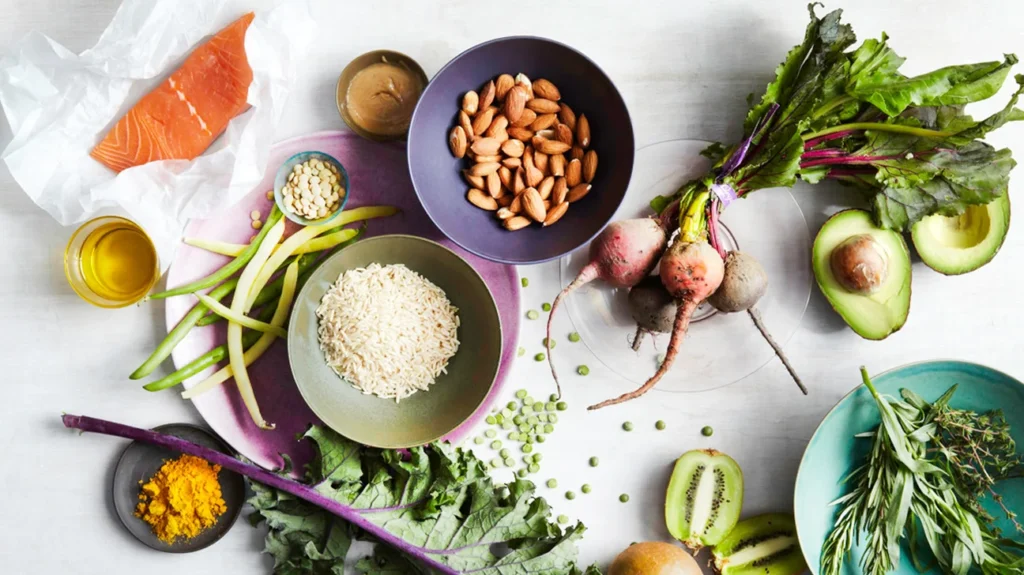
​From your breakfast to dinner, every meal should be nutritious and healthy. To follow a balanced diet during pregnancy, you need to give up the illusion of outside food today. Are you sure that the food you are eating has enough protein and minerals? Always try to decorate your plate with fresh and local fruits and vegetables.

Magical benefits of protein and iron-rich foods

​Fish: Marine fish or local small fish meet the protein needs of the baby and contain a lot of iodine, which is effective.

  • ​Egg: Eating one boiled egg every day provides all the amino acids required by the body, which helps in the growth of the baby.
  • ​Vegetables: Colorful vegetables like spinach or red leafy vegetables will work like magic to increase hemoglobin in your body at this time.
  • ​Fruit: Eating sour fruits like lemons or oranges helps your body absorb iron a lot.

​Why is the need for dairy products and calcium so high?

​Eating milk or yogurt will not cause calcium deficiency in your body and will strengthen your baby’s teeth and bones. Did you know that due to lack of calcium, many people may experience dental problems or leg pain during pregnancy?

Therefore, it is possible to stay away from these problems by eating dairy products regularly. Eating yogurt increases digestion and reduces the chances of stomach gas.

Easy tips to increase baby weight through food

​During pregnancy, every mother wants her baby to be healthy and of the right weight, which is something she never has to worry about. The weight of your unborn baby depends mainly on the type of nutrition you are consuming every day.
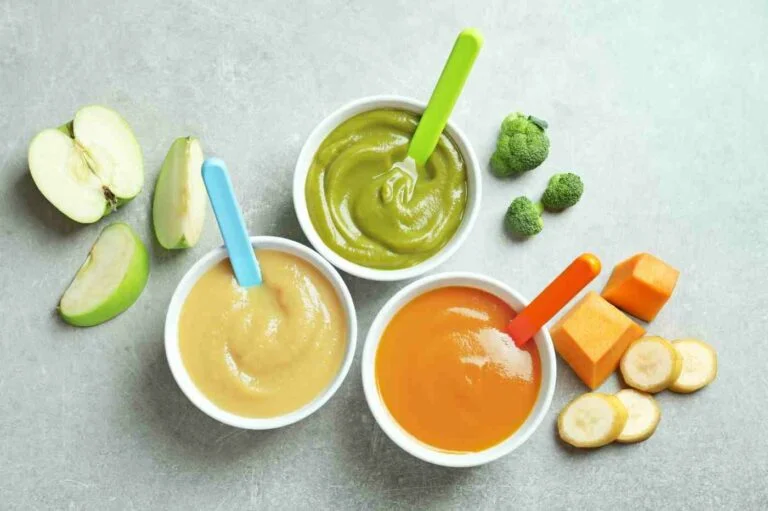
Did you know that the baby’s weight does not increase by eating more food alone, but choosing nutritious calories is the most important thing? Many times it is seen that the mother is eating a lot but the baby is not gaining weight because the food lacks sufficient protein or healthy fats.

To ensure a balanced diet during pregnancy, you need to choose foods that directly provide energy to the baby’s cells and help it grow faster.

​To increase the baby’s weight, it is very important to include protein-rich foods such as eggs, fish and pulses in your daily menu. Have you ever wondered why doctors advise drinking at least one glass of milk every day during this time? In fact, the calcium and protein in milk increase the bone density of the baby, which plays a major role in weight gain.

Apart from this, eating different types of nuts like almonds or cashews in small amounts repeatedly helps in increasing both the brain development and weight of the baby. Carbohydrate foods like sweet potatoes or bananas also work like magic to keep the baby healthy. Remember that worrying or putting the body under excessive stress can slow down the baby’s weight gain. So, along with nutritious food, ensuring adequate sleep and rest is your biggest responsibility now.

How to overcome the worry of excess weight during pregnancy?

Many people think that the more you eat during this time, the better, but in fact, excess weight can be dangerous for you. If you follow a balanced diet during pregnancy, your weight will be under control and your body will feel lighter. Have you noticed that eating too much fried food increases heartburn or acidity? In fact, the digestion process slows down a bit during pregnancy, so it is wise to avoid spicy foods.

At this time, it is more important to pay attention to the proper nutrition of the baby than to your excess weight.

Determining the correct amount of carbohydrates and fats per day

  • ​Rice: Eating red rice instead of white rice will keep your body energized for a long time and will not increase blood sugar.
  • ​Bread: Eating light flour bread at night improves digestion and prevents abnormal weight gain, which is very good.
  • ​Oil: Using a little olive oil or mustard oil instead of soybean oil in cooking is much more beneficial for health.
  • ​Sugar: Sweet foods or excess sugar increase body weight and create a risk of diabetes during 

pregnancy.

​Secret trick to maintain water balance in the body during pregnancy

​Water Drinking at least three to four liters of pure water a day will help flush out toxins from your body. Did you know that if you don’t drink enough water, you are more likely to get a urinary tract infection during this time? Coconut water or homemade fruit juice will keep your body’s electrolyte balance in check. If you have a habit of drinking tea or coffee, reduce it because caffeine dehydrates the body, which is harmful.

What precautions should you take while eating fish and meat?

​You may love eating non-vegetarian food, but there are some rules to follow before eating them during pregnancy. To ensure a balanced diet during pregnancy, you need to make sure that the fish or meat is cooked thoroughly. Are you sure that there are no raw parts left in your cooking that can spread bacteria?

Eating undercooked meat or eggs can cause serious infections in your stomach, which is not good for the baby at all.

Reasons to avoid marine fish and foods high in mercury

  • ​Mercury: Some large marine fish contain a lot of mercury, which can cause major obstacles to the development of the baby’s nervous system.
  • ​Hilsha: Small hilsha or fresh fish from rivers and ponds is the safest and best source to meet your protein needs.
  • ​Liver: It is not advisable to eat beef liver more than once a week because it contains excess vitamin A, which can be harmful.
  • ​Cleanliness: Fish and meat should be washed very well before cooking so that no germs stick to the food.

Proper rules and requirements for washing vegetables and fruits

​Vegetables and fruits brought from the market can often contain formalin or pesticides, which can cause problems in the development of children. Did you know that soaking vegetables in lightly salted water can clean out a lot of the toxins? Always try to peel the fruit while eating it so that bacteria do not enter the stomach. Eating fresh vegetables increases the amount of antioxidants in the body, which helps keep you fresh all the time.

What is good for breakfast and afternoon snack?

​Having a light snack between three big meals keeps your body’s sugar levels stable and reduces dizziness. To maintain a balanced diet during pregnancy, you should choose natural foods instead of biscuits or cakes for afternoon snacks. Have you noticed that your body feels very weak or restless if you don’t eat anything in the afternoon? In fact, these small meals help your body to provide energy for the whole day.

Why is it important to change the dinner menu?

​The last meal of the day has a big impact on the quality of your sleep, which is very important during pregnancy. Balanced diet during pregnancy is complete when you finish your dinner at least two to three hours before going to bed. Have you noticed that eating late at night increases the problem of heartburn or gas?

In fact, during pregnancy, the stomach takes longer to digest food, so it is wise to choose light meals at night. During this time, your dinner should have the right combination of protein and complex carbohydrates, which will keep the body calm.

Some special foods that help for a restful sleep

  • ​Soup: Eating vegetable soup or light broth-like foods at night is very fast-digesting and keeps the body hydrated.
  • ​Almonds: Eating a few almonds before bed helps the magnesium in them relax your muscles and help you sleep better.
  • ​Milk: Drinking a glass of lukewarm milk, the tryptophan in it calms your brain and sends signals for deep sleep.
  • ​Grains: Eating red flour bread or oats at night keeps your blood sugar levels stable, which is good for the development of the child.

Reasons to avoid drinking tea or excess water at night

​Many people wake up due to frequent trips to the toilet at night, which is quite annoying during pregnancy. Did you know that drinking too much water before bed can put extra pressure on your kidneys, which is absolutely not recommended?

Avoid caffeine or coffee at night because it can increase your and your baby’s heart rate and cause insomnia. Drink more water during the day and only drink enough water to quench your thirst at night.

What precautions are necessary when drinking home remedies and herbal teas?

​Many people recommend drinking various herbal teas or ginger tea during pregnancy, which helps reduce nausea. It would not be right for you to take any herbal ingredient in excess while following a balanced diet during pregnancy.

Are you sure that the herbal tea you are drinking is not having any effect on the uterus? Some specific herbal ingredients can increase the pain of premature labor, which is risky for your unborn child.

Health benefits of limited use of ginger and mint leaves

  • ​Nausea: Drinking ginger tea after waking up in the morning can greatly reduce nausea or weakness in early pregnancy.
  • ​Digestion: Chewing a few mint leaves after meals can reduce the feeling of empty stomach and keep the mouth fresh, which is good.
  • ​Caution: Avoid drinking more than two cups of ginger or lemon tea a day as excessive sourness or bitterness is harmful.
  • ​Tip: It would be safest to talk to your gynecologist before starting any new home-made drink.

​The right way to take vitamin and mineral supplements during pregnancy

It is often difficult to get all the nutrients from food, so doctors prescribe iron or calcium pills. Did you know that taking these pills on an empty stomach can cause vomiting in many people, so it is better to take them on a full stomach?

Do not take calcium and iron pills together because they can interfere with each other’s absorption process, which is strange. If you take these supplements according to the rules, one hour before or after meals, you will not have any fear of anemia.

How to control your food while going out?

​When you are invited at home or at a relative’s house, it is quite difficult to control yourself after seeing extra oily and spicy food. To make Balanced diet during pregnancy successful, you have to arrange your plate very carefully even at the invitation so that your stomach does not get upset.

Have you ever thought that one heavy meal outside can ruin your entire week’s diet chart?

Eat more salads or vegetables and try to avoid sweet foods or cold drinks as much as possible.

Importance of carrying dry food and safe water while traveling

​Eating open food outside while traveling means putting yourself at risk of major stomach ailments which is fatal. To maintain a balanced diet during pregnancy, you should always keep some dry fruits like nuts or apples in your bag. Do you know that old water in plastic bottles can harm your hormones, so keep water in glass bottles? If you always keep food close to your hand, you will not be afraid of sudden drops in blood sugar, which is very useful.

​Conclusion

​Balanced diet during pregnancy is not just a food list but an investment in your child’s beautiful future that you make every day. Every moment of these nine months is priceless and what you consume directly affects every cell of your baby’s body. By eating the right food, you are not only keeping your baby healthy but also paving the way for your own speedy recovery after delivery.

Your body is doing a miracle now, so giving it adequate nutrition and rest should be your main responsibility. Be aware of food but don’t worry too much because being happy is more effective than nutrition. Remember, only a healthy mother can guarantee a healthy and beautiful generation, so take care of yourself from the heart.

I always wish that the days of your unborn child’s arrival are joyful and safe.

​Frequently Asked Questions (FAQ)

​Can pineapple or papaya be eaten during pregnancy?

Raw papaya or excess pineapple can increase uterine contractions, so it is safe and better to avoid it.

​How often should you eat?

It is best to eat small, nutritious meals every 2-3 hours rather than eating too much at once.

​Can coconut water be consumed every day?

Yes, coconut water is a great source of electrolytes that help keep your body cool and hydrated.

​What should I do if I have a strong desire to eat sweets?

Instead of excess sugar, you can satisfy your sweet tooth by eating jaggery or sweet fruits such as dates or raisins.

​Is tea completely forbidden during pregnancy?

No, you can have one or two cups of light tea a day, but not too much.

​What is the best thing to eat before going to bed at night?

Eating lukewarm milk or a few nuts is very good for sleep and for the nourishment of the body.

​Can raw salt be eaten with food?

No, excess salt causes water retention in the body, so avoiding raw salt is very important at this time.

​Which food helps to increase the intelligence of the child?

Sea fish, eggs and nuts work like magic in the development of the child’s brain, which you can eat.

​Is it possible to diet during pregnancy?

Not a diet to lose weight, but a balanced diet for nutrition should be eaten, which is more than a diet.

​What can be done if you really want to eat outside food?

If you really want to, prepare that food at home with less spices and eat it, which is much safer than outside.


Related Articles

early pregnancy vitamins

Early Pregnancy Vitamins: What You Need and Why It Matters

Did you know that during the first few weeks of pregnancy, the brain and spinal cord of your developing baby begin to form? 

At this stage, many mothers may not even be aware that a new life is on the way. Seeing two red lines on a pregnancy test often brings a mix of joy and a flurry of questions. 

What foods are best for the baby? Which vitamins support brain development? And with so many products available on the market, which one is truly right for your needs?

Exploring these questions makes it essential to learn about “early pregnancy vitamins.” Certain nutrients play a vital role in the healthy development of your baby during the early stages of pregnancy.

Dear mother, consider this: you might not have given much thought to your daily diet before, but now that you are expecting, you likely find yourself wanting to know about every component of what you eat. This is a beautiful transformation that comes with motherhood. However, keep in mind that more vitamins do not necessarily mean greater benefits for your baby. It is important to understand which nutrients are required, which can be obtained from food, and which might be needed as supplements. 

Let’s explore the most important nutrients for both your body and your unborn baby during the early stages of pregnancy.

Early Pregnancy Vitamins at a Glance

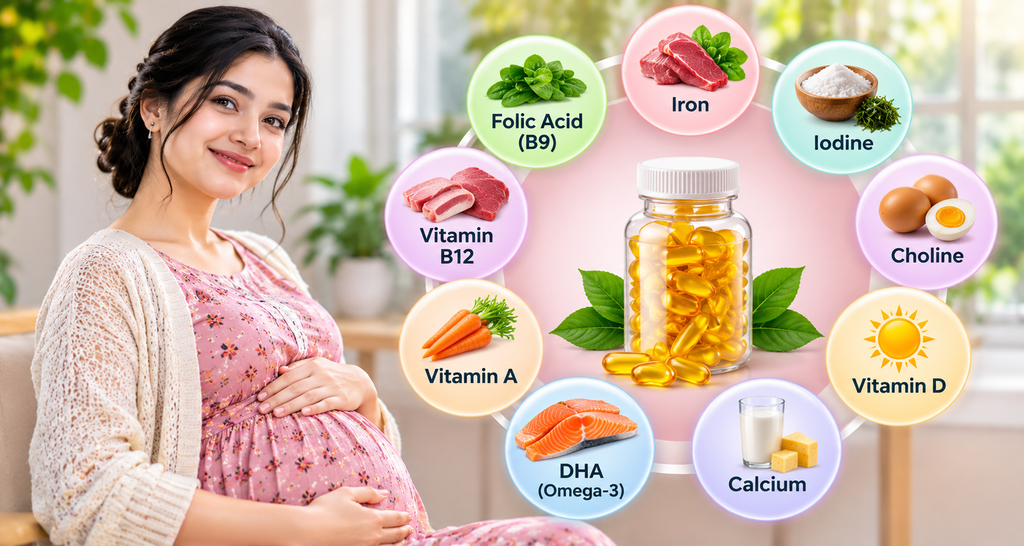
During pregnancy, your body’s nutritional needs change. In the first three months in particular, the baby’s brain, nervous system, bones, and other vital organs begin to develop. Therefore, in addition to your daily meals, it is essential to pay special attention to the intake of certain vitamins and minerals.

For your convenience, the daily nutritional requirements for pregnant women aged 19 and older are presented in the table below.

NutrientDaily RequirementMain Benefits
Folic Acid400 mcg (600 mcg DFE total folate)Brain and spinal cord development
Iron27 mgRed blood cell production
Iodine220 mcgBrain and thyroid development
Choline450 mgBrain and spinal cord development
Vitamin D15 mcg (600 IU)Bone development
Calcium1,000 mgStrong bones and teeth
Vitamin B122.6 mcgNerve and blood cell health
Vitamin A770 mcg RAEEye, skin and immune health
DHANo official RDABrain and eye development

Keep in mind that the amounts listed in the table represent your total daily nutritional requirements. This does not mean that you must obtain all of these nutrients solely from prenatal vitamins; you can meet these requirements through a combination of your diet and supplements.

Why Vitamins Matter So Much in Early Pregnancy

Have you ever wondered why early fetal development is so critical?

The answer lies in the initial formation of the baby’s body. During this period, a specialized structure called the “neural tube” develops, which eventually forms the baby’s brain and spinal cord.

Remarkably, this neural tube closes as early as the third or fourth week of pregnancy—often before a woman has even taken a pregnancy test. This means that by the time you discover you are pregnant, a vital stage of your baby’s development may have already been completed. A lack of sufficient folic acid can increase the risk of “neural tube defects”—congenital issues affecting the brain and spinal cord. According to the CDC, consuming 400 micrograms of folic acid daily helps prevent some of these birth defects.

This is why doctors recommend taking appropriate vitamins as soon as you begin planning for pregnancy. However, if you haven’t been taking any supplements, don’t blame yourself. Once you learn you are pregnant, consult your doctor and start taking them as soon as possible. Remember, it is never too late to start taking care of yourself.

The Most Important Early Pregnancy Vitamins and Minerals

Folic Acid: The Top Priority

Folic acid is one of the most important nutrients during the early stages of pregnancy. It is a form of vitamin B9 that aids in the creation of new cells and supports the healthy development of a baby’s brain and spinal cord. This vitamin is particularly crucial for the proper formation and closure of the neural tube.

Generally, a daily intake of 400 micrograms of folic acid is recommended. Ideally, one should begin taking it at least one month before conception. During pregnancy, the total daily requirement for folate is 600 micrograms DFE (Dietary Folate Equivalents). Since these two measurements are not the same, it is important to keep this in mind when reading product labels.

For women who have previously given birth to a child with a neural tube defect, a doctor may recommend a daily intake of 4,000 micrograms of folic acid. However, as this is a significantly higher dose than the standard recommendation, it should never be taken in such large amounts without a doctor’s explicit guidance.

Why Is Folic Acid So Important Before Pregnancy?

Many mothers believe that it is sufficient to start taking folic acid only after a pregnancy test comes back positive. In reality, however, the baby’s neural tube develops very rapidly; therefore, it is crucial to have adequate levels of folic acid in the body even before conception.

Also, be aware that, in addition to folic acid, an alternative form of vitamin B9—known as methylfolate or 5-MTHF—is available on the market. However, there is not yet sufficient evidence for methylfolate that matches the proven efficacy of folic acid in preventing neural tube defects. Consequently, when purchasing prenatal vitamins, check the label to ensure that it specifically lists “folic acid.”

Iron: For Your Growing Blood Supply

During pregnancy, the volume of blood in your body increases, as extra blood is required to deliver oxygen to both your own body and that of your baby. Iron plays a crucial role in the production of red blood cells.

Pregnant women aged 19 or older require approximately 27 milligrams of iron daily. A deficiency can lead to anemia, which may cause symptoms such as excessive fatigue, weakness, and dizziness.

Good sources of iron include beef, chicken, fish, lentils, beans, spinach, and iron-fortified cereals. However, consuming iron-rich foods is not enough; how well your body absorbs that iron is also important. For instance, consuming plant-based sources of iron—such as lentils or spinach—alongside lemon, oranges, or other foods rich in Vitamin C can enhance iron absorption.

It is also important not to consume an excessive amount of iron. For adult pregnant women, the upper tolerable intake limit is 45 milligrams per day. If a blood test reveals a deficiency, your doctor may recommend additional supplements.

Iodine: Often Missing From the Label

Iodine is a mineral that helps in the production of thyroid hormones. These hormones are essential for the normal development of a baby’s brain and nervous system.

During pregnancy, approximately 220 micrograms of iodine are required daily. Various health organizations recommend obtaining about 150 micrograms of iodine through prenatal supplements.

However, many mothers overlook an important detail: not all prenatal vitamins contain an adequate amount of iodine. Therefore, one should not simply rely on the label “Prenatal Vitamin” on the bottle; be sure to check the list of ingredients.

Iodine can also be obtained from sources such as iodized salt, milk, eggs, and saltwater fish. That said, if you have any thyroid-related issues, do not take iodine supplements on your own. A doctor will determine the appropriate dosage based on your specific health condition.

Choline: The Nutrient Many Moms Have Never Heard Of

Choline is an essential nutrient that many mothers may not have heard of before. Yet, it plays a crucial role in the development of a baby’s brain and spinal cord.

During pregnancy, about 450 milligrams of choline are required daily. Eggs are an excellent source of this nutrient. Choline can also be found in fish, meat, milk, lentils, and broccoli.

It is important to note that many prenatal vitamins contain little to no choline. Therefore, do not assume that taking a vitamin supplement alone meets all your nutritional needs. Be sure to consider whether you are obtaining enough choline from your daily diet.

Vitamin D and Calcium: Building Strong Bones

Calcium is essential for the development of strong bones and teeth in a baby. Vitamin D, on the other hand, helps the body absorb calcium; these two nutrients are therefore interconnected.

Pregnant women aged 19 or older require approximately 1,000 milligrams of calcium and 15 micrograms (or 600 IU) of Vitamin D daily.

Good sources include milk, yogurt, cheese, calcium-fortified plant-based milk, and certain types of fish that can be eaten with their bones. Check the calcium content in your prenatal vitamins, and aim to obtain the remainder from your diet.

Vitamin B12: Especially for Vegetarians and Vegans

Vitamin B12 helps maintain a healthy nervous system and supports the production of red blood cells. During pregnancy, the daily requirement is approximately 2.6 micrograms.

Vitamin B12 is typically found in meat, fish, eggs, and dairy products. Consequently, individuals who follow a strictly plant-based diet may be at a higher risk of a deficiency in this vitamin.

If you follow a vegan or vegetarian diet, ensure you pay attention not only to Vitamin B12 but also to iodine, choline, iron, and omega-3 fatty acids. If necessary, consult a doctor or a nutritionist to help you create an appropriate dietary plan.

DHA and Omega-3s

DHA is an important type of omega-3 fatty acid that supports the development of a baby’s brain and eyes. It is particularly important to pay attention to this nutrient if you do not consume fish regularly.

Fish with low mercury content, such as salmon, sardines, and trout, are good sources of DHA. Some prenatal vitamins contain DHA, while others do not.

There is no specific government-mandated daily requirement for DHA. However, experts generally recommend a combined intake of at least 250 mg of DHA and EPA, along with an additional 100–200 mg of DHA. If you rarely eat fish, consult your doctor to determine whether a separate DHA supplement is necessary for you.

What to Avoid: Too Much of Some Vitamins

Be Careful With Vitamin A

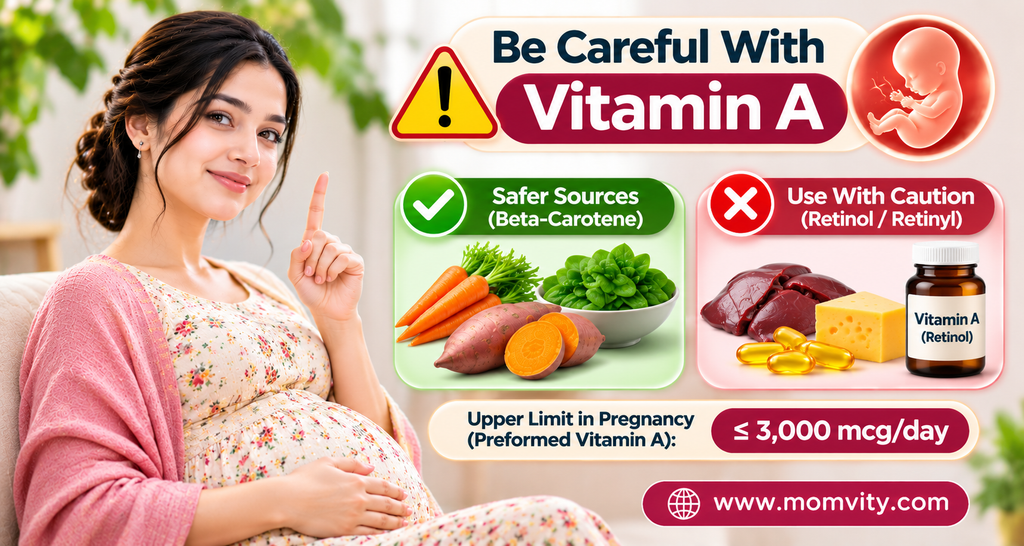
Vitamin A is essential for eye health, skin, and immune function. However, excessive intake during pregnancy can be dangerous.

In particular, consuming too much “preformed” Vitamin A—known as retinol or retinyl—can increase the risk of birth defects. For pregnant women, the upper limit for this form of Vitamin A is 3,000 micrograms per day.

On the other hand, beta-carotene—found in foods like carrots, sweet potatoes, and green leafy vegetables—is converted into Vitamin A by the body only as needed.

Therefore, do not take general multivitamins, beauty supplements, and prenatal vitamins simultaneously without first having them reviewed by a doctor. Remember, taking an excessive amount of vitamins during pregnancy is not a sign of good maternal care; rather, consuming the right amount based on actual needs is a sign of being a responsible and informed expectant mother.

Herbal Supplements

Many mothers believe that products made from natural or herbal ingredients are completely safe during pregnancy. In reality, however, there is not enough research on the safety of all such herbal ingredients.

Therefore, consult a doctor or pharmacist before taking any herbal pills, special tea blends, or herbal powders. This precaution is especially important if you are already taking other medications.

How to Choose a Prenatal Vitamin

There are many types of prenatal vitamins available on the market. Some come as tablets, others as capsules, and some are sold in the form of gummies. However, there is no guarantee that the most expensive bottle will be the best one for you.

Consider the following factors when choosing a suitable prenatal vitamin.

CheckWhat to Look For
Folic Acid400 mcg
IronClose to 27 mg
IodineAbout 150 mcg
Vitamin ASafe amount of preformed vitamin A
Vitamin D15 mcg (600 IU)
CholineIncluded or obtained through food
DHAIncluded or obtained through food
Third-Party TestingUSP, NSF or ConsumerLab

Gummies vs. Pills

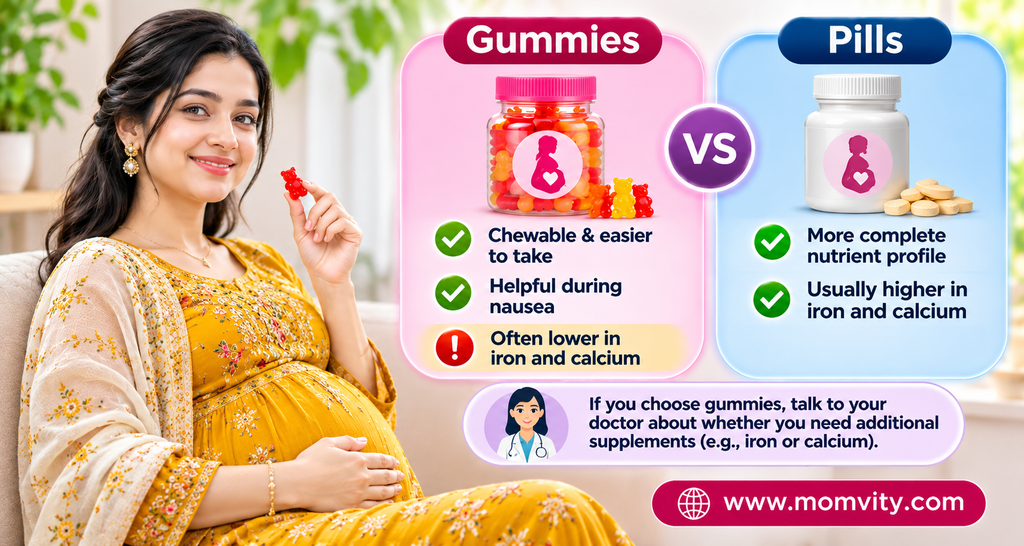
For those who experience significant nausea during early pregnancy, gummy vitamins may be a more manageable option. They are chewable, which many find convenient to take.

However, there is a drawback: many gummy prenatal vitamins do not contain sufficient amounts of iron or calcium. Therefore, if you choose to take gummies, consult your doctor about whether you need any additional supplements.

Managing Side Effects of Prenatal Vitamins

Nausea

Many women experience nausea during the early stages of pregnancy, and taking prenatal vitamins can sometimes make this discomfort worse.

Have you ever felt stomach discomfort throughout the day after taking your vitamins in the morning? If so, you might consider—with your doctor’s approval—taking them at night alongside a light snack. This approach proves helpful for some women.

However, if you experience persistent vomiting or are unable to keep any food or medication down, please consult your doctor. They may be able to recommend a different type of supplement if necessary.

Constipation

Taking prenatal vitamins that contain iron can sometimes lead to constipation. This can be particularly uncomfortable for those who already have digestive issues.

You can follow a few steps to help alleviate this problem.

  • Drink plenty of water every day.
  • Eat fruits, vegetables, and fiber-rich foods.
  • Engage in light walking, provided you have your doctor’s approval.
  • Consult your doctor about using a stool softener, if necessary.

Also, keep in mind that you should not stop taking iron supplements on your own just because you are experiencing constipation. If you inform your doctor about the issue, they can adjust the type of supplement or the method of administration as needed.

Conclusion: A Healthy Beginning for Your Little One

By now, you surely understand that taking care of yourself during early pregnancy is not just about eating more food or taking a large number of vitamins at once. Rather, the most important thing is to know which nutrients are needed, when they are required, and how to consume them safely. A high-quality prenatal vitamin, a nutritious diet, and regular medical consultations will help ensure a healthy start to your pregnancy.

Health Disclaimer: This article is intended solely for general health education purposes. It is not a substitute for professional medical advice. Always consult with your doctor, OB-GYN, or midwife before starting, stopping, or changing any vitamins or supplements during pregnancy.

Frequently Asked Questions

What Vitamins Should I Take in Early Pregnancy?

Generally, an appropriate prenatal vitamin—rich in folic acid, iron, iodine, and vitamin D—is necessary. Choline and DHA are also important. However, specific requirements may vary depending on your diet and physical condition.

When Should I Start Taking Prenatal Vitamins?

Ideally, it is best to start taking prenatal vitamins containing folic acid at least one month before planning a pregnancy. However, if you have not started by then, begin taking them after consulting your doctor once you learn that you are pregnant.

Can I Take a Regular Multivitamin Instead of a Prenatal Vitamin?

It is better to choose prenatal vitamins instead of regular multivitamins, as the levels of folic acid, iron, or iodine in regular multivitamins may not be suitable for pregnancy. Some products may also contain excessive amounts of vitamin A.

Are Gummy Prenatal Vitamins as Good as Pills?

Taking gummy vitamins can be easy, especially for those experiencing nausea. However, many gummy vitamins do not contain sufficient amounts of iron and calcium. Therefore, consult with a doctor before taking them.

Is Methylfolate Better Than Folic Acid?

Methylfolate, or 5-MTHF, is an alternative form of vitamin B9. However, the effectiveness of folic acid in preventing neural tube defects is well-established. Therefore, when choosing prenatal vitamins, check to ensure they contain folic acid.

Why Does My Prenatal Vitamin Make Me Nauseous?

Nausea can occur during early pregnancy due to hormonal changes. Taking vitamins may further increase this discomfort. In some cases, taking them at night along with a light meal can be helpful.

Can I Take Too Many Vitamins During Pregnancy?

Yes, taking excessive amounts of vitamins can be harmful. In particular, high levels of preformed vitamin A can increase the risk of birth defects. Therefore, do not take multiple multivitamins or supplements at the same time.

Do I Need a DHA Supplement in Early Pregnancy?

Not everyone needs a separate DHA supplement. DHA can be obtained from fish low in mercury, such as salmon and sardines. If you do not eat fish regularly, consult your doctor about whether an additional supplement is necessary for you.

Scroll to Top