
Why does diarrhea occur in early pregnancy?
Many women experience loose stools or diarrhea early in pregnancy. This is a normal but uncomfortable symptom of pregnancy. It is usually caused by hormonal changes and sudden lifestyle changes.
The body goes through many unknown changes during early pregnancy. At this time, many women notice that they suddenly start having loose stools. Some think it’s a food problem, while others are very scared about why this is happening during pregnancy. In fact, diarrhea in early pregnancy can be normal at times, but not in all cases. So it’s very important to know why it happens when it’s normal when you need to be careful.
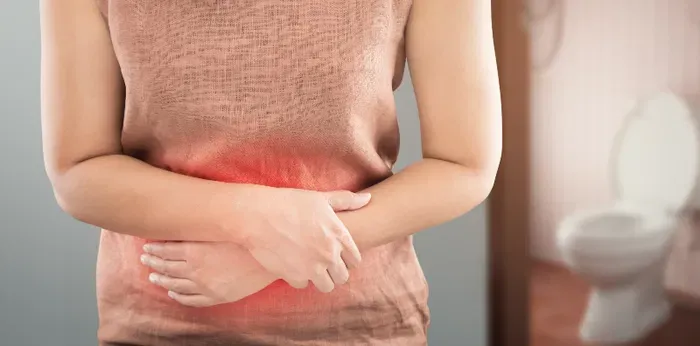
Why can diarrhea occur in early pregnancy?
Although constipation is common in early pregnancy, many people experience the opposite, that is, loose stools or diarrhea. This is usually a normal reaction to internal changes in the body.
If your body is experiencing early pregnancy spotting or light bleeding and diarrhea, the following reasons may be responsible:
1. Hormonal Shift
After pregnancy, a flood of hormones (especially progesterone and prostaglandins) floods the body. These hormones help relax muscles. However, sometimes they also relax the muscles of the digestive system excessively, which can disrupt the digestive process and cause diarrhea.
2. Changes in dietary habits
After becoming pregnant, many people suddenly make big changes in their diet. For example, eating more fiber-rich foods or vegetables. When the stomach cannot adapt to this new type of food, loose stools may start.
3. New vitamins or medications
During pregnancy, doctors often prescribe prenatal vitamins or folic acid. Some of these supplements can cause stomach discomfort or diarrhea.
4. Food Sensitivity
In early pregnancy, the body becomes sensitive to many foods that did not cause any problems for you before. Especially dairy products or spicy foods, you can easily get an upset stomach.
5. Excess prostaglandin hormone
During implantation or embryo implantation, a hormone called prostaglandin is released in the body. This hormone can contract the uterus and also stimulate the intestines, which is responsible for loose stools.
Important things to prevent dehydration:
Diarrhea causes the body to lose water and minerals, which can be dangerous during pregnancy. So follow these rules:
- ORS: Drink saline or ORS in small amounts and repeatedly.
- Coconut water: The potassium in it helps restore the body’s energy.
- Easily digestible foods: Eat bananas, boiled potatoes or soft rice.
What can diarrhea be like in early pregnancy?
Diarrhea or loose stools in early pregnancy can be quite uncomfortable and cause concern for many. It usually occurs before or right after a missed period. If you have other symptoms of early pregnancy and are also experiencing an upset stomach, here are some of the types:
1. Mild and short-term
Early pregnancy diarrhea usually doesn’t last very long. It may happen 2-3 times a day and will resolve within 1-2 days as your body adjusts to the hormones. It usually feels like a soft stool rather than a hard watery stool.
2. Cramping or cramping pain in the abdomen
A mild to moderate cramping pain in the lower abdomen or middle of the abdomen may occur just before a bowel movement. Sometimes this pain can feel like implantation cramps or menstrual cramps. However, this pain usually subsides after a bowel movement.
3. Gas and Bloating
It is very common to have a lot of gas and a feeling of bloating along with diarrhea in early pregnancy. The digestive process slows down, which can cause stomach rumbling and discomfort.
4. Food odor or food aversion
It may happen that you feel nauseous after smelling a certain food, followed by diarrhea with a twist in your stomach. This is part of the ‘food aversion’ or distaste for food during pregnancy.
5. Diarrhea with morning sickness
In many cases, nausea may accompany loose stools upon waking up in the morning. This is a natural way of flushing out toxins or hormonal changes from the body.
Does this sound like premenstrual symptoms?
Yes, diarrhea or stomach discomfort in early pregnancy can sometimes feel exactly like PMS (Premenstrual Syndrome). That’s why many women don’t realize they are pregnant and think their period is about to start. Here’s why these two are similar and how you can tell the difference: Why does it feel like menstrual symptoms? 1. Prostaglandin hormone: Just before your period starts, the body releases a hormone called prostaglandin, which causes the uterus to contract. This hormone also affects the intestines, causing many people to have loose stools before or at the beginning of their period. This hormone can also cause similar feelings in early pregnancy. 2. Cramping: Just like the gentle cramping in your lower abdomen before your period, diarrhea in early pregnancy can feel exactly the same. 3. Bloating: Before your period, your body retains water and produces gas, which coincides with the hormonal changes of early pregnancy. PMS or pregnancy? How to tell the difference: Although the symptoms seem similar, there are some subtle differences that you can notice: Characteristics Premenstrual syndrome (PMS) Pregnancy symptoms Persistence of diarrhea It usually subsides as soon as your period starts. It can continue for a few days after your period is missed. Bleeding (Spotting) When the bleeding starts, it increases rapidly and is red in color. Here, early pregnancy looks like a light pink/brown spotting that does not increase. Nausea (Nausea) Nausea is not very common before your period. Diarrhea is accompanied by severe nausea or aversion to the smell of certain foods. Body temperature When your period starts, your body temperature drops. Your basal body temperature is slightly higher when you are pregnant. How can you be sure? Since diarrhea and cramping are both common symptoms of periods and pregnancy, it is difficult to be sure based on symptoms alone. Observe the timing: If your diarrhea or cramping occurs at a time when If your period is due, wait another 1-2 days. Test: If your period has not started and you only have light spotting, taking a pregnancy test is the best way to confirm.
Does this sound like premenstrual symptoms?
Yes, diarrhea or stomach discomfort in early pregnancy can sometimes feel exactly like PMS (Premenstrual Syndrome). That’s why many women are confused at first and think that their period is about to start.
Here’s why these two are so similar and how you can tell the difference:
Why does it feel like menstrual symptoms?
1. Effect of prostaglandin hormone: Just before the start of the period, the body releases prostaglandin hormone, which helps the uterus to contract. This hormone also affects the bowels, as a result of which many people have loose stools before or at the beginning of their period. The same thing can happen during hormonal changes in early pregnancy.
2. Cramping: Just like the gentle twisting of the lower abdomen before the period, the urge to have a bowel movement is felt in early pregnancy diarrhea.
3. Bloating: Before your period, the hormone progesterone causes the body to retain water and produce gas, which is exactly the same as the symptoms of early pregnancy.
How Long Can Diarrhea Last in Early Pregnancy

Diarrhea or loose stools in early pregnancy usually do not last very long. In most cases, it is a temporary reaction of your body trying to adapt to internal changes.
Below is a detailed idea of the duration:
1. How long does it usually last?
For most women, early pregnancy diarrhea lasts 1 to 3 days. It is usually not continuous, you may have loose stools several times a day and then the body returns to normal.
2. Persistence depending on the situation
If due to hormones: If your body is reacting to changes in progesterone or prostaglandin hormones, it may continue intermittently for a few days. It will resolve on its own once the hormone levels stabilize.
If due to diet or vitamins: If you start taking a new prenatal vitamin, it may take 3 to 5 days for the body to tolerate it. If diarrhea does not subside due to vitamins, it may persist for a whole month (in which case, the brand should be changed on the advice of the doctor).
Food poisoning or infection: If it is caused by a bacteria or virus, it can last for more than 1 week without proper treatment.
3. When should it be a cause for concern?
If diarrhea lasts for more than 2 days and there is more than 3 watery stools a day, it should not be ignored. Chronic diarrhea can lead to dehydration, which is risky for both the mother and the fetus during pregnancy.
- Ways to keep your body healthy during diarrhea:
- Since it can last for a few days, take care of yourself during this time:
- ORS: Drink a glass of saline solution after each diarrhea.
- Rest: Get enough rest to keep the abdominal muscles calm and reduce fatigue.
- BRAT Diet: Eat bananas, rice, applesauce, and toast to settle your stomach quickly.
When is diarrhea not normal?
Mild diarrhea in early pregnancy can be a normal reaction of the body, but it is not normal in all cases. If there are certain symptoms, it should be understood that it is not just a hormonal change but an infection or a serious physical problem. If you have an early pregnancy sporting look, it is important to be careful if the following symptoms occur.
Below are some situations when diarrhea is not normal:
1. Chronic diarrhea
If diarrhea continues for more than 48 hours (2 days) and does not decrease in any way, it is not normal. If diarrhea lasts for a long time, the body becomes dehydrated quickly.
2. Symptoms of severe dehydration
If your body gives the following signals, it should be understood that the body has lost water and salt severely:
- Extreme thirst and dry mouth or throat.
- Decreased urine volume or dark yellow urine color.
- Severe dizziness or difficulty maintaining balance when standing.
- Sunken eyes or dry skin.
3. Blood or mucus in the stool
If blood or excess mucus is present in the stool, it may be a sign of a bacterial infection (such as E. coli or salmonella) or a serious intestinal problem. This is very risky during pregnancy.
4. Severe abdominal pain or cramps
Mild cramping is normal, but if the pain is unbearable and worse than a period pain, it is not normal. Especially if the pain is accompanied by a hard stomach.
5. High fever and vomiting
If diarrhea is accompanied by a fever of more than 100.4°F (38°C) and repeated vomiting, it may be a sign of food poisoning or a stomach virus. This can quickly weaken the body and cause harm to the fetus.
What can be done to help with diarrhea?
Diarrhea or loose stools in early pregnancy can quickly tire the body and create a risk of dehydration. There are many restrictions on taking medication during this time, so it is safest to control it with home remedies and proper diet.
If you have early pregnancy sporting look and diarrhea, then taking the following steps will help you quickly:
1. Liquid food to prevent dehydration (Rehydration)
Diarrhea causes water and essential salts to be lost from the body. It is most important to replenish this.
- ORS: Drink a glass of saline or ORS after each loose stool. This maintains the salt balance in the body.
- Coconut water: The potassium and electrolytes in it are very effective in relieving fatigue and providing energy.
- Drink more water: Keep sipping pure water throughout the day.
2. Follow the BRAT diet
The stomach is very sensitive during an upset stomach. Doctors recommend following the BRAT diet during this time:
- B (Bananas): Bananas are rich in potassium and help firm up the stool.
- R (Rice): White rice or soft porridge is easily digested.
- A (Applesauce): Applesauce or boiled apples are soothing for the stomach.
- T (Toast): You can eat plain toast, biscuits or bread (without butter).
3. What to avoid
- Some foods can make diarrhea worse:
- Dairy foods: Avoid milk, cheese or ice cream for a few days because lactose becomes difficult to digest during this time.
- Excessively sweet and spicy foods: Sugary drinks or excessively salty foods increase intestinal discomfort.
- Caffeine: Tea or coffee can further dehydrate the body.
4. Probiotics
You can eat sour yogurt or foods rich in probiotics. The good bacteria in it help in fighting against the bad bacteria in the stomach and normalize the digestion process quickly.
5. Get rest
Diarrhea puts a lot of stress on the body. So, do not overexert yourself during this time and get enough rest. This can help the body’s immune system work faster.
Why is dehydration dangerous?
Dehydration is a bigger concern than diarrhea or loose stools in early pregnancy. Your body needs more water than usual during pregnancy because water plays an important role in the fetus’s blood circulation and the production of amniotic fluid (the fluid in which the baby floats).
Here are some reasons why dehydration can be dangerous if you have an early pregnancy sporting look and are also experiencing loose stools:
1. Impaired fetal nutrition and oxygenation
The fetus gets its oxygen and nutrients from the mother’s blood. If the body becomes dehydrated, blood volume can decrease, which can slow or disrupt the process of nutrients and oxygen reaching the fetus
.
2. Low amniotic fluid
The fluid sac that the baby lives in inside the uterus is called amniotic fluid. If the amount of water in the mother’s body decreases, the level of this fluid can also decrease, which hinders the proper development of the baby.
3. Preterm labor
If the body lacks water, the effect of a hormone like ‘oxytocin’ in the blood can increase, which can start uterine contractions. This increases the risk of bleeding or miscarriage in early pregnancy.
4. Urinary tract infection (UTI)
If you do not drink enough water, your urine becomes dark and bacteria can accumulate in the body. Dehydration during pregnancy greatly increases the risk of urinary tract infection or UTI, which is harmful to both the mother and the baby.
5. Severe physical weakness and dizziness
Dehydration can cause blood pressure to drop. As a result, the pregnant mother can suddenly feel dizzy, which can lead to major accidents.
- Recognize the early signs of dehydration:
- If you have the following problems, you will understand that your body needs water quickly:
- Dry tongue and mouth.
- Extreme fatigue or drowsiness.
- Dark yellow urine.
- Headache and irritability.
When to talk to a doctor
Although diarrhea or loose stools in early pregnancy are usually mild, it is important to understand when they are beyond home treatment. Since the safety of your body and your unborn baby is most important at this time, you should not delay in certain symptoms.
If you have early pregnancy sporting a look-alike and have diarrhea, talk to your doctor immediately in the following situations:
1. Prolonged diarrhea (more than 48 hours)
If diarrhea lasts for more than 2 days and does not improve with home remedies (such as ORS or laxatives), consult a specialist immediately.
2. If you have symptoms of severe dehydration
It is dangerous if the body loses a lot of water and minerals. Watch out for the following symptoms:
Not urinating for a long time (or very dark urine).
- Severe dizziness or fainting.
- Extreme weakness that does not allow you to get out of bed.
- Eyes drooping or a dry mouth.
3. Blood or Mucus in Stool
If you see bright red blood or excess mucus in your stool, it could be a sign of a serious bacterial infection or intestinal problem, which can be treated quickly during pregnancy.
4. High Fever and Vomiting
If your diarrhea is accompanied by a body temperature of 100.4°F (38°C) or higher and you are vomiting repeatedly (so that you are unable to keep water down), you may need to go to the hospital and get saline.
5. Severe Abdominal Pain or Contractions
If you have lower abdominal pain that is getting worse over time or if your uterus is getting harder (contractions) repeatedly, this could be a risk factor for pregnancy.
6. Problems after taking prenatal vitamins
If you notice that your diarrhea has started after taking a certain vitamin or iron tablet, you should talk to your doctor about changing it.
What to tell your doctor:
Be clear about the following information during your appointment:
- How long you have had diarrhea and how many times a day.
- What is the color and consistency of your stool (watery or bloody).
- Are you experiencing any food intolerances or nausea?
- When was your last period and how many weeks pregnant you are.
conclusion
This early pregnancy period is like a turbulent sea of physical changes. Diarrhea or loose stools can be an unwanted but normal part of this journey. In most cases, it is temporary and will resolve on its own as your body adjusts to the new hormone levels.
If your body is sporting an early pregnancy look and you are experiencing this stomach discomfort, the key is to be aware and not panic.
Here are some last important tips for you:
Make friends with water: Dehydration is your biggest enemy during this time. So always keep a water bottle with you and make it a habit to drink ORS or canned water.
Be careful with food: Do not over-stress your stomach. Prefer easy-to-digest and homemade food.
Understand your body language: Be aware of the difference between mild discomfort and severe pain. If you feel something is not right, trust your gut and consult a doctor.
Medication Precautions: Do not accidentally take any medication that is not safe during pregnancy.