

How long does spotting last at the beginning of pregnancy?
What you need to know about early spotting
Many women get scared when they suddenly see a little blood at the beginning of pregnancy. When you see even a little blood, one question comes to mind—how long will it last? Is it normal? The truth is, spotting in early pregnancy is most often short-lived and in many cases, it is normal.
This article will gradually explain how long spotting usually lasts, why it happens, and when you need to be careful.
What does early pregnancy spotting look like?
The spotting or bleeding that occurs at the beginning of pregnancy is not at all like a normal period or menstruation. Many times, new mothers are worried about whether their period has started or not. But if you look closely, you can see that its color and pattern are completely different.
Color and pattern of spotting
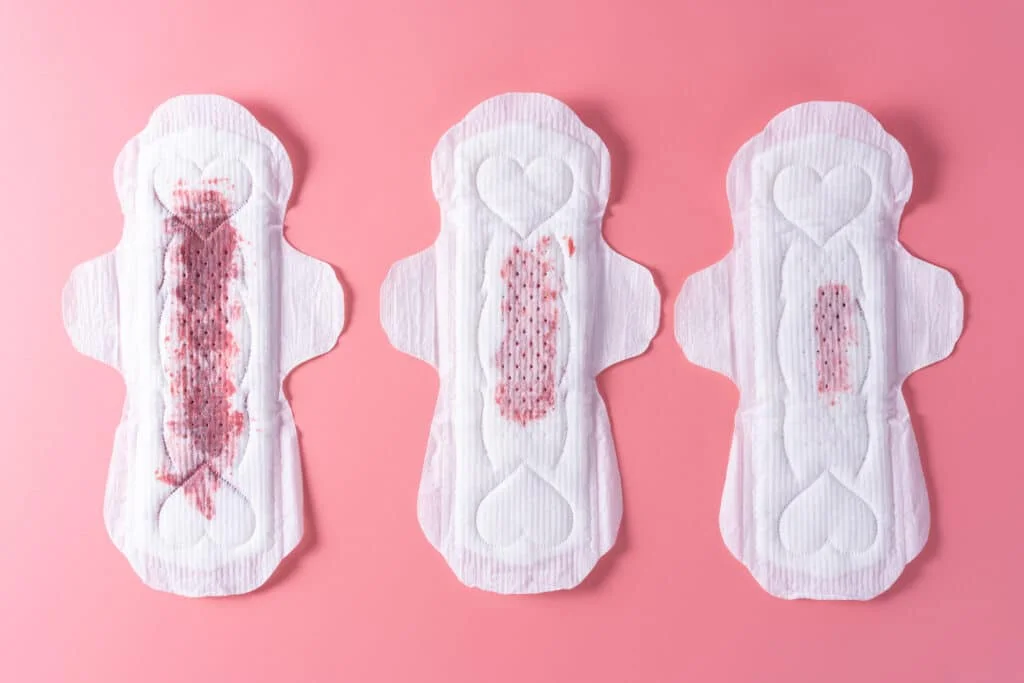
The color of this spotting that occurs at the beginning of pregnancy can be different for each person, but it is basically of two types:
Light pink: It looks like a very thin pink. When the blood mixes with the normal vaginal discharge, it looks so light.
Dark brown: It can look like a rust or coffee color. If the blood is a little late in coming out of the body, its color changes from red to brown when exposed to air. Many people also call it ‘old blood’.
Remember: Spotting is usually not as bright red as period blood, which is bright red or dark red.
What does it actually look like?There are some other easy ways to tell the difference between spotting and spotting:
Drip spotting: It doesn’t flow like a period. You might see a small spot or two on your underwear or a light tinge when you wipe with a tissue after using the toilet.
Thickness: Spotting usually doesn’t have the small blood clots or clots that period blood has. It can be as thin as water or as thin as regular mucus.
Persistence: It doesn’t last for days at a time. You might see a little in the morning and then it’s gone all day. You might see a drop the next morning.
How long does spotting usually last?
When spotting occurs at the beginning of pregnancy or for any other physical reason, our first concern is how long it will last? Spotting usually does not last as long as a period. It is just a very short-term guest.
How long does spotting usually last?
The duration of spotting depends on why it is happening. However, in most cases, the time is like this:
Implantation spotting (early pregnancy): Spotting that occurs when the baby implants in the uterus can usually last from a few hours to 2 days. If it is very heavy, it can appear lightly for up to 3 days. It is not continuous, sometimes one or two drops are seen.
Ovulation spotting (during ovulation): Many girls have a little spotting in the middle of the month. It usually lasts 1 to 2 days.
Before or after period: Light brown spotting that appears just before the start of the period or the day after it ends usually lasts 1 day.
Why does spotting not last long?
During your period, the entire lining of your uterus breaks down and bleeds, so it lasts for 4-7 days. But the reasons why spotting lasts less are:
Light bleeding: Spotting is just a small amount of blood leaking from a small blood vessel in your uterus. Since the amount of blood is very small, it stops quickly.
Normal body processes: This bleeding stops automatically when your hormones return to balance.
No injury: This is usually not a major injury or wound that will bleed for a long time. It is just a result of a temporary change in your body.
Discover more here: Early signs of pregnancy before menstruation
Why does spotting occur at the beginning of pregnancy?
Spotting is a very normal thing at the beginning of pregnancy or at the very beginning of pregnancy. We often call it ‘implantation bleeding’. When a woman is about to become a mother, many big changes take place inside her body and this little drop of blood or spotting is a manifestation of those changes.
Main causes of spotting
There can be several reasons behind spotting in early pregnancy. They are given below in point form:
Baby taking up residence in the uterus: When the fertilized egg implants itself firmly in the uterine wall at the beginning of pregnancy, a little bleeding may occur from the soft lining of the uterus. It is a bit like the soil loosening a little when planting a seedling.
Hormonal fluctuations: To maintain the pregnancy, the levels of various hormones, including progesterone, suddenly increase. While the body adapts to these hormonal changes, a little spotting may occur.
Increased blood flow to the cervix: After pregnancy, the blood flow to the cervix increases a lot and that area becomes very sensitive. As a result, light bleeding may occur from there if you do any heavy work, stand for a long time or have physical intercourse.
Uterine changes: When the body starts preparing the uterus for a new life, some changes occur in the inner layer of the uterus, which may result in light red or brown spots.
Is spotting always normal?
Although spotting is normal in most cases, sometimes it can be a sign of a special condition in the body:
Ectopic pregnancy: Spotting can occur if the baby starts growing in the Fallopian tube instead of inside the uterus. This is, however, a very rare problem.
Infection: If there is an infection in the uterus or vagina, light bleeding may also occur from there.
Early signs of miscarriage: In some cases, spotting or light bleeding can appear as an early sign of miscarriage or abortion. However, if this happens, there is severe abdominal pain along with spotting.
When should you not be afraid and when should you be careful?
There is nothing to be afraid of if: 1. Spotting lasts only 1 to 2 days and is very light. 2. The color of the blood is light pink or dark brown. 3. You do not have any other discomfort in your body.
Consult a doctor immediately if: 1. The color of the blood is bright red and the amount increases like a period. 2. There is severe twisting pain on one side of the abdomen or in the lower abdomen. 3. It is accompanied by problems such as fever, chills, or dizziness.
What is the difference between spotting and menstruation?
Many people mistake spotting and menstruation or period as the same thing. It is very important to understand the difference between the two, especially for those who are trying to become a mother. Spotting is a small amount of blood, while menstruation is a regular cycle of the body.
Key differences between spotting and menstruation
We can understand what is actually happening in the body by paying attention to the following points:
Amount of blood: Bleeding during menstruation is quite heavy, for which you have to change your pad or napkin several times a day. But spotting is just a few drops of blood. It does not soak the pad and only stains your underwear slightly.
Color of blood: Menstrual blood is usually bright red or dark red in color. On the other hand, the color of spotting is either light pink or dark brown (like coffee or rust).
Duration or duration: Menstruation usually lasts for 4 to 7 days. But spotting is very short-lived, maybe for a few hours or intermittently for 1 to 2 days at most.
Blood clots: During menstruation, blood may be accompanied by small clots or clots like meat. Spotting does not contain any such clots, it is very thin or watery.
Pain type: During menstruation, there is a very intense pain or twisting feeling in the lower abdomen, waist or thighs. There is no pain during spotting, at most there may be a very light, slight tingling sensation.
Why is it important to understand this difference?
1. To confirm pregnancy: If you have light spotting a few days before your period and the color is brown, it can be a sign of pregnancy or implantation.
2. To understand the condition of the body: Spotting at times other than your period may mean that there is a hormonal imbalance or infection in the body.
3. To avoid wrong treatment: Many people mistake spotting for menstruation and take the wrong medicine, which can be harmful to pregnancy. So if you know the difference, you can make the right decision at the right time.
What’s the problem if spotting stops and comes back?
It is very normal to feel worried when spotting stops and then reappears. Especially if you are in the beginning of pregnancy or face it in the middle of your period, you may think that there is something wrong inside. Sometimes it is for normal reasons and sometimes it can be a warning sign from the body.
Why can spotting come back again and again?
There can be several reasons behind spotting stopping and coming back:
Cervical sensitivity: In early pregnancy, the blood flow to the cervix increases a lot. Maybe the spotting stopped once, but then if you do something heavy, climb stairs for a long time or have sex, the pressure on the cervix may cause a little bleeding again.
Hormonal fluctuations: The hormones in our body do not always work at the same pace. Especially in early pregnancy or before your period, if hormone levels fluctuate, spotting may stop for a while and then reappear a few drops.
Infection: If there is a bacterial or fungal infection in the vagina or uterus, spotting may come back repeatedly. In this case, there may be itching or a foul odor.
Part of the implantation process: When the baby permanently implants itself in the uterus, the process sometimes takes a while to complete. Spotting may occur with a break of one to two days during this time.
Uterine polyps: If there is a small lump or polyp in the cervix, it may also bleed occasionally, which tends to come back again.
Is this a sign of danger?
It is not always something to be afraid of, but you should be careful if you see some signs:
1. Color change: If you see that the spotting was brown before but is now bright red blood, then this may be a matter of concern. 2. Intensity of pain: If the spotting stops and comes back, and there is severe pain or twisting in one side of the lower abdomen, then it may not be normal spotting. 3. Increased amount: If the amount of bleeding from spotting increases and you have to use a pad, you should seek medical advice immediately.
What is not normal with spotting?
Spotting or light bleeding is usually not a cause for concern, but when other symptoms occur with this spotting, we should be concerned. When the body signals danger, it releases additional symptoms. It is not normal to have certain symptoms with spotting in early pregnancy or even during normal times.
Symptoms to be careful with
If any of the following symptoms occur with spotting, you may know that there may be a problem inside:
Severe abdominal pain or cramps: If spotting is accompanied by pain in the lower abdomen that is more than a period or if there is pain on one side of the abdomen, it is not normal. This may be a sign of an ectopic pregnancy or some other complication.
Clotted blood or fleshy lumps: Spotting means thin blood spots. But if you see something like small wheels or pieces of meat coming out with it, it is not a good sign at all. This may be a sign of miscarriage.
Bright red blood: Spotting is usually pink or brown in color. But if you see that the color of the blood is very bright red and it is not dripping but flowing like menstruation or period, then it is not right to delay.
Foul-smelling discharge: If the discharge from the vagina along with spotting has a foul smell, then you should understand that you have an infection or infection in your uterus or vagina.
Fever and chills: Although it is not unusual to have mild discomfort in the body, if spotting is accompanied by a high fever or the body is shaking, then it is a big sign of infection.
Other abnormal changes in the body
In addition to bleeding, pay attention to some things in your body:
1. Dizziness or fainting: In addition to bleeding, if you feel dizzy, see darkness in your eyes, or suddenly faint, then you should understand that you are having internal bleeding or some internal problem.
2. Severe lower back pain: Mild back pain can occur during pregnancy, but if spotting is accompanied by severe pressure or pain just below the waist, it is a matter of concern.
3. Shoulder pain: It may sound strange, but severe pain at the shoulder joint in early pregnancy is a major symptom of ‘ectopic pregnancy’. If this happens, you should not delay even a moment.
What usually happens when spotting stops?
Spotting stops means that the temporary instability or change in your body has settled down. In most cases, spotting stops are a positive sign. Especially if you are pregnant, spotting stops means that your pregnancy is now safer and more stable than before.
What happens after spotting stops
The following changes are usually seen in the body after spotting stops:
Implantation complete: If it is early pregnancy spotting (implantation bleeding), then stopping it means that the embryo has successfully and firmly implanted in the wall of your uterus. It will now start growing.
Hormone balance returns: The intense hormonal fluctuations that were present at the beginning calm down a bit. The body adapts to this new situation, so the bleeding stops.
Calming of the cervix: The increased blood circulation or sensitivity that was present in the cervix becomes somewhat normal. As a result, there is no longer any fear of bleeding even with the slightest movement.
Other symptoms become clear: After spotting stops, other pregnancy symptoms such as breast tenderness, morning sickness, or fatigue may become more noticeable.
Do you have anything to worry about if spotting stops?
Usually, spotting stops, which is nothing to worry about. However, it is good to keep a few small things in mind:
1. Are the symptoms still there? If your nausea, breast tenderness, or other pregnancy symptoms suddenly disappear as soon as spotting stops, it is a good idea to talk to your doctor. This may be an indication of something going on inside your body. 2. Has the pain subsided? If the cramping pain in your stomach also subsides after spotting stops, then you know that everything is fine. But if severe abdominal pain persists even after the bleeding stops, do not ignore it.
What to do during spotting
Spotting is a very stressful time for anyone. Especially if you are expecting a baby, even seeing a drop of blood can make you anxious. If you do not panic or get nervous during this time, following some rules will keep your body and mind calm and avoid any major danger.
1. Give your body complete rest
As soon as you see spotting, your first and main task is to leave all your work and lie down. Keep your body as still as possible.
Why do it: Walking or working puts pressure on the uterus, which can increase bleeding. Lying down relaxes the uterine muscles and gives the bleeding a chance to stop on its own.
2. Avoid heavy work altogether
Avoid lifting buckets of water, sweeping the house, carrying heavy bags, or walking vigorously. Even standing in the kitchen for a long time is better to avoid during this time.
3. Use pads or liners
Use a pad or panty liner to understand the amount and color of blood.
Why do it: Wiping with a tissue is often not accurate. Using a pad will allow you to clearly tell the doctor exactly how much blood has passed and what color it was (red, pink or brown). Do not use tampons during this time.
4. Maintain cleanliness
There is a high risk of infection or infection during spotting. So keep the vagina clean but do not use any kind of perfumed soap or chemical-like liquids. Plain clean water is enough.
5. Abstain from sexual intercourse
If you are pregnant and spotting starts, stay away from sexual intercourse until the bleeding stops completely and the doctor gives the green signal.
6. Drink enough water and fluids
If there is a lack of water in the body, fatigue increases and the muscles of the uterus can contract. So try to drink plenty of water, coconut water or fruit juice. This will give your body energy from within.
When should you consult a doctor?
Spotting or light bleeding is normal at times, but there are some situations when staying at home is not at all right. When the body is facing a major problem, it gives some special signals. Recognizing those signals and going to the doctor at the right time is most important for your and your baby’s safety.
1. If the amount of bleeding increases
Spotting means spotting. But if you see that your bleeding has become like a period and you have to change a pad every 1-2 hours, then this is a warning sign. Excessive bleeding can be a risk factor for pregnancy.
2. If the color of the blood is bright red
Usually, spotting in early pregnancy is pink or brown. But if you see the blood is very bright or bright red, then you should understand that there is new internal bleeding. In such a situation, it is important to seek advice from a specialist immediately.
3. If you have severe pain in your stomach or waist
A slight tingling pain may be normal, but if the pain is such that you cannot bear it or if it causes severe pain when twisting on one side of your stomach, it is not a good sign at all. This can be an early sign of an ‘ectopic pregnancy’ (pregnancy outside the uterus) or miscarriage.
4. If blood clots or wheels come out
If you see blood clots like small grains of rice or pieces of meat coming out with bleeding, do not delay even a moment. This is an emergency condition of the body and requires immediate medical attention.
5. Dizziness or loss of consciousness
If you experience severe dizziness, coldness, blurred vision or fainting with bleeding, it is important to understand that the blood pressure inside the body has decreased. This is a medical emergency.
6. Fever and chills: If you have a fever (over 100°F) and chills along with spotting or bleeding, it could be a sign of an infection in the uterus or an internal infection.
Conclusion
Spotting or light bleeding in early pregnancy can sometimes be a cause for concern, but through discussion, we learned that it is not always something to be afraid of. It can be part of a normal body change that signals the arrival of a new life. However, with awareness and accurate information, it is possible to be free from unnecessary worries.
Finally, it is important to remember the following points:
Understand body language: Don’t panic if you are spotting, but pay attention to its color, quantity, and consistency. This will help you make the right decision.
Rest is the best medicine: Keep your body as calm as possible during spotting and stay away from heavy work.