Why lower back pain early pregnancy and when to be careful

Nusrat Ayaan

Published: 27/01/2026
Updated: 27/01/2026

It is very normal to have a lower back pain early pregnancy. Don’t be afraid of it at all. Actually, your uterus or the baby’s room inside is small, but when the baby starts coming, that room starts to grow slowly. This is why the uterus is getting bigger and getting stretched, which is why it twists or pulls in the abdomen. It is much like the cramping pain before your period. In simple words, your body is now busy making room for the baby and that is why your abdomen feels a little tight.
Why does back pain occur in early pregnancy2: 

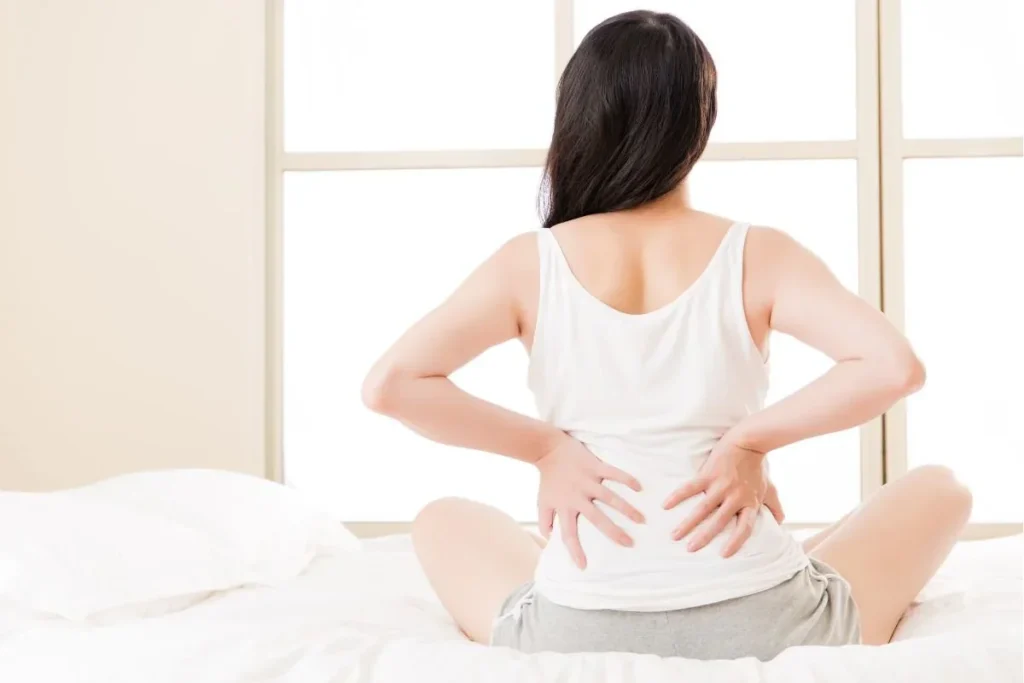
Back pain in early pregnancy is very normal and is a common complaint of almost every expectant mother. Even though your baby is very small now, your body has been preparing for him or her to grow up for a long time. As part of this preparation, some changes occur in the body that directly put pressure on your spine and waist muscles. In simple words, your body is now becoming a little ‘loose’ or loose so that it is easier to give birth to a baby in the future and this change is the reason for the tingling pain in the waist.

The main causes of back pain are given below:

Hormonal manipulation (Relaxin): During pregnancy, a hormone called ‘relaxin’ is released from the body. Its function is to soften and loosen your bone joints or ligaments. This causes the joints of your pelvis or waist bones to become a little loose, which results in back pain.

Change in Center of Gravity: As the uterus grows, your body’s center of gravity shifts forward. Maintaining this balance puts extra pressure on your spine and waist.

Stress: Sometimes, the muscles in your waist tighten due to pregnancy anxiety, which can cause pain.

Sleeping or sitting style: Since the body is now sensitive, sitting in one position for a long time or sleeping in the wrong position can strain your waist muscles.

Muscle stretching: When the abdominal muscles stretch to make room for the baby, the ability to support the waist muscles decreases slightly, which can cause back pain.

Things you can do to reduce pain: 

1. Try to sit upright and place a small pillow or cushion behind your back. 

2. Sleep on your left side and place a pillow between your knees. 

3. When lifting something from below, sit with your knees bent without bending your waist.

How does lower back pain usually feel?

This lower back pain in early pregnancy is not the same for everyone. It affects each body differently. However, most mothers describe this pain as a ‘heavy weight’ or ‘twitching’ discomfort in the lower back. It is usually felt more in the lower back where the spine ends.

The pain can usually be felt in the following ways:

Dull Ache: It will feel like your lower back is constantly feeling heavy or aching. Much like it feels after sitting on a hard surface for a long time.

Sharp Pain: Sometimes when you suddenly get up from a chair, turn around in bed, or sneeze or cough, you will suddenly feel a sharp pain on one side of your back. It may feel like a flash of lightning.

Radiating Pain: Sometimes this pain is not confined to the waist, it can start from the waist and go down to the back of your buttocks or thighs. Many people think of this as sciatica pain.

Monotonous fatigue: After working all day, in the afternoon, you may feel like your waist is breaking or you no longer have the strength to stand straight. It decreases again when you rest.

When should you notice this type of pain? If you see that the pain is not in the middle but is only on one side, or if your legs are tingling or numb with the pain, then you should pay attention to it.

Does this pain feel like premenstrual cramps?

Yes, you’re right! Early in pregnancy, abdominal pain feels a lot like your period or menstrual cramps. Many times, women don’t even realize they’re pregnant, thinking that their stomach is clenching or twisting because it’s about to get its period.

Why does it feel like that?

Just like before menstruation, there is discomfort or cramping pain in the lower abdomen. When your uterus starts to grow, the muscles around it tighten, which looks and feels exactly like menstrual cramps. Just like your stomach feels a little heavy or swollen during menstruation, you may have the same feeling in early pregnancy due to hormones.

Just like many people experience pain in the waist during menstrual cramps, in early pregnancy, along with abdominal pain, your waist may also feel a little heavy. Menstrual cramps usually increase over time and become severe when you start bleeding. But pregnancy cramps are usually very mild and go away on their own with rest or lying down. They’re not as intense as periods, which means you’ll be bedridden.

How long is this back pain normal?

Back pain during pregnancy is not really a clock-based thing. To be honest, this pain can be more or less present throughout your pregnancy. However, in the beginning, when the body tries to adapt to all the new changes, this discomfort may be a little more in the first three months.

During this time, the bones soften due to hormones, so back pain starts. This is very normal. Sometimes the pain decreases a little around four to six months. Because the body gets used to it then. When the baby grows up and its weight increases, the pressure on the back starts to increase again. Then the pain may be a little more.

When should you not be afraid? If you find that your back hurts after standing for a long time at work or holding your back at night after running around all day, then you will understand that it is completely normal. If the pain subsides with rest or a warm compress, there is nothing to worry about. If the pain goes away after a few days, there is nothing to worry about. But if the pain persists for several weeks and you are unable to do anything, it is a good idea to inform your doctor.

Discover more here: Early pregnancy symptoms before missed period

In which condition is back pain more felt

Back pain is not always the same. This pain can increase from time to time based on your daily movement or work. In simple words, the pain is felt more whenever there is extra pressure on your back.

Back pain can increase more during the following times:

Standing for a long time: If you stand in the kitchen for a long time, work or stand in line, the back muscles get tired and start to hurt.

Sitting in one way: If you sit hunched over in a chair at the office or at home for a long time, the pressure on the lower back can cause pain.

Turning over in bed: When you suddenly turn from one side to the other from a lying position, you may feel a sharp pull on the back.

Lifting something heavy: When you try to lift a heavy bucket, small child or shopping bag from below, there is a direct pull on the back. This should not be done at this time.

Climbing stairs: Repeatedly climbing stairs puts pressure on the joints of the lumbar spine, which can increase pain.

At the end of the day or at night: When you go to bed at night after a day of running and work, the accumulated pain of the day comes back to you as soon as you stretch your body.

Ways to get instant relief:

1. Do not stand or sit for more than half an hour at a time. Take a walk. 

2. Place a soft pillow or cushion behind your back while sitting. 

3. If you need to lift something from below, kneel down and lift it without bending your waist.

What to do to get relief from lower back pain

You don’t have to do anything big to reduce back pain. If you make some small changes in your daily routine and take a little care of your body, you will see that the pain has reduced a lot. Below are some simple home remedies that will give you quick relief:

Decide the type of rest: Do not force yourself when the pain starts. Lie down for a while. It is better if the mattress is not too soft or too hard while sleeping.

Pillow magic: Try to sleep on your left side while sleeping. Place another pillow between your knees. You will see that the pressure on your waist has reduced a lot and you are sleeping better.

Hot or cold compress: You can apply hot water to the area of ​​lower back pain with a hot water bag or a clean cloth. This softens the muscles and provides relief. In some cases, cold compresses also work well.

Sitting correctly: Whenever you sit, place a small soft pillow or cushion behind your back. Do not sit hunched over, try to sit straight. And do not sit with your legs dangling for a long time.

Light walking: Do not stop moving because of pain. Walk very slowly for a short time indoors. This improves blood circulation and reduces pain. But of course, unless your doctor has forbidden it.

Do not do anything forcefully: When you want to lift something from below, do not bend your waist, but rather bend your knees. Do not put any sudden pressure on your body.

When should you be a little more careful? If you see that the pain does not decrease at all after doing all this, but on the contrary, it increases, then do not take any painkillers on your own. Be sure to talk to your doctor for medication.

What kind of back pain is not normal

It is very common to have a little pain in the back during pregnancy, but it is not right to ignore all pain. There are some pains that are a big ‘danger signal’ for the body. If the type of pain is such that you can no longer tolerate it, do not consider it normal.

If you see the following signs, you will know that the pain is not normal:

Unbearable or severe pain: If the pain is so severe that you cannot stand straight or move from bed, then inform the doctor immediately.

Spreading pain: If the pain from the back goes to the feet like an electric shock and the legs feel tingling or numb, it may be due to nerve pressure.

Bleeding with pain: If you see blood or spotting in your vagina along with back pain, do not ignore it at all.

Fever: If you have a fever or chills along with back pain, it means that there is an infection or infection inside the body.

Burning sensation during urination: If you have pain in the back of your waist and it burns when you urinate or there is a foul smell in your urine, it may be a sign of a kidney or urinary tract infection.

If the pain is stabbing: If your waist is stabbing at regular intervals, like period pain (like every 5 or 10 minutes), it may be a sign of premature labor.

What you should do now: If you have any of the above symptoms, talk to your doctor without delay or go to a nearby hospital.

Can stress increase back pain?

The simple answer is yes, of course it can! Your mind and body are deeply connected. If you are upset or tense during pregnancy, it will directly affect your back.

When we are very worried or afraid about something, the muscles in our body become stiff or tense without us knowing. Especially the muscles in the neck, back and waist become the most stiff. If the muscles are stiff for a long time, there will be sharp pain. If you are mentally calm, then minor pain does not affect you. But if you are stressed, even minor pain can seem like a mountain to you. When you are under a lot of stress, the body produces some hormones that increase pain.

If you don’t get enough sleep at night due to anxiety, your body doesn’t get enough rest. This weakens the tired muscles in your back and increases the pain.

Some easy ways to lighten your mind:

1. Talk openly: Don’t keep any fears or worries in your mind. Talk to your partner, mother or a close friend. 

2. Breathe deeply: Whenever you feel very tense, close your eyes and take long, deep breaths and exhale. This relaxes your muscles. 

3. Do something good: Listen to your favorite music or read a book. Keeping yourself busy will prevent bad thoughts from coming to your mind.

When should you definitely consult a doctor? 

There is no need to run to the doctor for every little thing during pregnancy, but there are some symptoms that you should not delay even for a moment. If your body gives the signals mentioned below, you will understand that now is not the time for home remedies or rest. You need to talk to the doctor directly.

If the following conditions occur, go to the doctor immediately:

If the pain comes with a bite like a period: If the pain in the waist or lower abdomen bites very hard after a while and this biting time is frequent (such as every 5-10 minutes), then do not delay.

If blood or water starts to break: If blood appears with the pain (whether it is light or heavy) or if something like water starts to come out of the vagina.

If any part of the body is numb: The pain goes from the waist to the legs and the legs become numb or it is difficult to move them.

If you have a fever: If you have a fever of 101 or 102 degrees along with back pain and chills.

If you have trouble urinating: If you have a burning sensation while urinating or if you have severe pain on both sides of your back (this may be a sign of a kidney infection).

If you want to take painkillers: Before using any painkillers or balms on your own, be sure to ask your doctor.

Things to keep in mind when going to the doctor:

1. Where exactly is the pain (in the middle or on one side). 

2. Is the pain continuous or does it come and go? 

3. Is there any other problem with the pain, such as nausea or dizziness?

Why does the waist become loose or loose due to hormones?

During pregnancy, your body produces a type of hormone called ‘Relaxin’. Just by hearing its name, you can understand that its function is to ‘relax’ or loosen the body.

Nature actually prepares your body in advance so that the baby can easily come out of your waist bone during childbirth. This hormone makes the ligaments that hold the joints or joints of your waist bone soft and loose like rubber.

What happens as a result of this:

Reduced waist strength: Since the joints of the bones are not as tightly held as before, the stability or balance of the waist decreases slightly. Even if you move a little, it feels like the waist is not supporting properly.

Easy strain: Due to the loosening of the ligaments, when you suddenly walk or turn to the side, there is extra pressure on the waist muscles. And because of this pressure, that familiar tingling pain starts.

Body swaying: Due to the loosening of the waist, the way you walk may also change a little. You may feel like you are wobbling a little or you are not getting strength in your waist.

What you should do at this time:

1. Do not move suddenly: When getting up from the sofa or bed, do not get up suddenly. First, lean to one side and then get up slowly with the weight of your hands. 

2. Light walking: Do not lie down completely because your body has become loose. Walk a little at a very normal pace, this will keep the muscles active and the pain will be less. 

3. Wear low shoes: Give up wearing high heels altogether. Wear very even and soft shoes so that the body feels less shaking while walking.

Sitting or sleeping in the wrong position can increase back pain

During pregnancy, the way you sit or sleep becomes more important than before. You may not be able to do it the way you used to sit or sleep on your stomach. Because the muscles of your body are now much softer, even a slight wrong position can cause severe tension in your back.

Common mistakes we make while sitting or sleeping:

Slouching: When we sit on a sofa or chair, we often bend our back or hunch over. This puts all the weight on the bones below your waist, which can cause severe pain.

Sitting for a long time continuously: Sitting with your legs hanging in one position for a long time causes the back muscles to tighten. This hinders blood circulation and causes the back to ache.

Sleeping upright: When you lie on your back or lie down straight during pregnancy, the entire weight of the uterus falls on your spine and blood vessels in your waist. This can cause back pain and can also make you feel short of breath or dizzy.

Getting up suddenly: When you suddenly get up from a lying position and sit up straight, it puts a lot of strain on the ligaments in your back. It’s like suddenly pulling on a rubber band.

In simple words, the last word 

This early period of pregnancy is both joyful and a little bit of anxiety. The slight tingling pain that you are feeling in your waist or stomach is actually a natural fight of your body to make room for your little one inside you. So, don’t panic if you have a slight pain. Trust your body and keep your mind calm. Remember that in this journey of becoming a mother, your body will give you little signals, they are small proofs of your baby’s growth.

My last few simple tips for you:

Take care of yourself: Work will be there for the rest of your life, but now your rest is the most important. Whenever your body says “tired”, stop all your work and take a break.

Be careful but don’t be afraid: Only if the type of pain changes, such as heavy bleeding or unbearable stabbing pain, is there a reason to worry. Also, don’t increase your tension by unnecessarily googling about minor pain.

Get help from your partner: If you have back pain, ask your partner to massage you or move the cushion forward. At this time, everyone’s love and care will reduce half of your pain.

Related Articles

pregnancy labour and birth

Pregnancy labour and birth: A complete guide for a healthy mother and baby

Pregnancy labour and birth is a transformative journey that requires physical preparation emotional resilience and expert medical guidance for every expectant mother. Becoming a mother is an amazing feeling but it is very important to know the right information throughout this entire process. Every step from the beginning of pregnancy to childbirth is as joyful as it is very cautious. In this article we will discuss how you can safely pass this special time according to the latest information from modern medical science.

The 9 months and 10 days of pregnancy are basically divided into three parts. As the mother’s body changes in each part new turns appear in the development of the baby. No matter where you are in El Dorado Hills or anywhere in the world recognizing the signs of labor pain in advance and being mentally prepared for delivery is the biggest challenge. We will go into this topic step by step so that no mother feels helpless.

StageDetailed discussion
    PregnancyBody care and nutrition from the first day until delivery.
    LabourWays and stages of labor pain recognition.
    BirthModern guidelines for normal delivery and cesarean section.

The first stage of pregnancy: Essential tips for a healthy start

The first three months of pregnancy or the first trimester are very important for a healthy baby. During this time there are huge changes in hormones in the body. Pregnancy labor and birth starts with a healthy conception and continues with consistent prenatal care throughout the trimesters. Many mothers feel nausea or fatigue during this time which is very normal. However proper nutrition and rest can make your journey much easier.

Regular checkups and ultrasound

It is important to consult a good gynecologist at the beginning of pregnancy. The baby’s heartbeat and position can be confirmed through ultrasound. This will help you stay worryfree.

Essential nutrition and folic acid

It is necessary to consume folic acid from the very beginning for the development of the baby’s brain. In addition foods rich in iron and calcium will protect your bones and teeth. Try to eat fresh homemade food.

Mental peace and meditation

If the mother is happy it has a positive effect on the baby. Listening to music reading books or taking a light walk will keep your mind fresh. Staying away from worries is the main condition at this time.

Adapting to body changes

It is normal to gain weight or change your skin during pregnancy. Accept these changes with joy. Remember a new life is being born inside you.

The correct way to recognize labor pains

Every mother is a little worried when the time of delivery approaches. It is very important to understand the difference between real labor pains and false pains. Pregnancy labor and birth education helps mothers distinguish between Braxton Hicks contractions and true active labor pains. Usually labor pains start from the back and spread to the lower abdomen and it becomes more intense with time.

Three main stages of labor pains

1. Early labor: The cervix starts to dilate and mild pain is felt.

2. Active labor: The pain comes very frequently and at this time you have to prepare to go to the hospital.

3. Transition phase: This is the most challenging time when the baby is ready to be born.

Water breaking

If fluid starts to come out through the vagina it means that the water has broken. This is a major sign of the onset of labor. In such a situation you should seek medical attention without delay.

Breathing exercises

During labor pains taking long deep breaths and exhaling can help reduce the intensity of the pain. This helps the body relax and provide the baby with enough oxygen.

Support from a partner or family

If the mother is not alone during labor and has someone to hold her hand she will feel much more courageous. The presence of a loved one provides mental strength at this time.

Childbirth: The arrival of a new life

When the final moment of childbirth comes all the patience and strength of the mother are tested. Modern medicine now also has the facility of painless delivery. Pregnancy labour and birth is a natural process but medical intervention is sometimes necessary to ensure the safety of mother and baby. Whether it is a normal delivery or a cesarean the main goal is to ensure the wellbeing of the mother and the baby.

Explore more here: Early signs of pregnancy

Benefits of normal delivery

In a normal delivery the body recovers quickly and the mother can breastfeed the baby very soon. However for this regular walking and exercise are necessary during pregnancy.

When is a cesarean section necessary?

  • If the baby is not in the right position or the mother has any physical complications doctors recommend a cesarean section. In the modern era cesarean section is very safe and there is nothing to fear.
  • Skintoskin contact is very important in the first few hours after birth

After the baby is born it is very important to let him touch the mother’s skin (SkintoSkin contact). This creates a deep bond between the mother and the baby and keeps the baby warm.

  • Postpartum care for mothers

After giving birth mothers need plenty of rest and nutritious food. During this time they should eat more ironrich foods to eliminate anemia in the body.

List of essential nutrients and foods during pregnancy

Pregnancy labour and birth journey depends heavily on the nutrients the mother consumes during the forty weeks of gestation. An expectant mother should eat a balanced diet which contains the right amount of protein vitamins and minerals. Remember you are not only eating for yourself now but also for the little life growing inside you. However that does not mean that you have to eat the same food for two rather the quality of the food should be improved.

Importance of protein and calcium

For the muscle and bone formation of the baby you should eat foods like fish meat eggs and pulses regularly. Milk or yogurt is an excellent source of calcium which prevents bone loss in the mother.

The need for iron and folic acid

To prevent anemia in the body you should eat more foods like spinach liver and pomegranate. This gives you the strength to handle excessive bleeding during childbirth.

Fresh fruits and vegetables

It is important to have at least one bowl of colorful vegetables and one seasonal fruit in your daily diet. This helps to relieve constipation and boost immunity.

Drink plenty of water

It is very important to keep the body hydrated during pregnancy. Drinking at least 810 glasses of water a day reduces the risk of urinary tract infections and keeps the body fresh.

Exercise and physical preparation necessary for safe delivery

Not only food is enough to have a healthy mother and baby but light physical activity is also necessary. Pregnancy labour and birth outcomes are often improved when the mother remains physically active throughout her pregnancy. Regular exercise as advised by the doctor greatly increases the chances of normal delivery. However it should be remembered that you should not lift heavy weights or get too tired. To prepare for a safe delivery experts at El Dorado Hills are emphasizing regular prenatal yoga. This type of exercise relaxes and tones the muscles in your lower body which is very effective during labor. Doctors say that walking lightly for at least 20 to 30 minutes every day improves the function of your heart and lungs. This improves blood circulation in your body and ensures that your baby gets enough oxygen. However remember that it is important to consult a doctor before starting any new exercise regimen.

  • Walking habit

Walking at a normal pace for at least 2030 minutes every morning or afternoon improves blood circulation in the body and keeps the leg muscles strong.

  • Pelvic floor exercises

Kegel exercises or pelvic floor exercises make the birth canal flexible which increases the ability to tolerate pain during childbirth.

  • Yoga and breathing

Breathing deeply and releasing in a calm environment calms the mind. This helps not to panic during labor pains.

Special precautions and planning in the weeks before delivery

Mothers become a little more worried towards the end of pregnancy. This is the time to stay calm and prepare for delivery. Pregnancy labor and birth planning involves choosing a hospital packing a bag and knowing when to call the doctor. If you organize everything in advance there will be no lastminute problems.

Packing a hospital bag

At least a month before delivery pack the necessary clothes tissues soap and other necessary things for yourself and the baby in a bag.

Emergency contact numbers

Keep your doctor’s and ambulance numbers in a place where anyone in need can quickly find them. Talk to your family members about this as well.

Postpartum support arrangements

Decide in advance who will be there to take care of you and your baby after the birth. The mother needs complete rest during this time.

Mental preparation and courage

It is natural to be afraid of labor pain but have faith in yourself. Mothers have been going through this process for thousands of years and so can you.

Some habits to avoid during pregnancy

It is very important to refrain from certain activities for the safety of yourself and the baby. Pregnancy labour and birth safety is compromised if the mother is exposed to harmful substances or excessive stress. Keep the following things in mind to stay healthy:

1. Do not eat raw or undercooked meat and eggs as they may contain bacteria.

2. Reduce drinking excess tea or coffee as it can disrupt your sleep.

3. Do not take any kind of medicine without the advice of a doctor.

4. Avoid wearing very high shoes or heels as this increases the risk of falling.

5. Do not get upset or overly worried always try to stay cheerful.

Different stages of labor pain and relief

The most important part of this entire process of pregnancy labor and birth is labor pain. This feeling is different for every mother but its consistency is almost the same. When labor pain starts it is necessary to keep the mind calm rather than getting scared. When the cervix starts to dilate the first stage of labor begins. How patiently and bravely you go through this period depends on how quickly you recover.

Symptoms of early labor

At this time the pain is not very intense and comes at a certain time. For example the pain may come every 10 or 15 minutes. It is better to stay at home at this time. The body gets strength by sleeping a little or eating light nutritious food.

Active labor

When the pain is very intense and comes every 3 to 5 minutes then you will understand that you are in the active labor stage. Pregnancy labor and birth progresses very quickly in this stage and this is the best time to go to the hospital. Taking long deep breaths during this time is very helpful to reduce the pain.

Transition phase or final stage

This is the most difficult but shortest stage of labor. At this time the cervix opens completely. At this time the mother feels a lot of fatigue and pain but after this stage the baby is born. So it is very important to have a little courage.

Some easy methods to reduce labor pain

There will be pain but if you do some things this pain will be a little easier to bear. Using the right position and relaxation techniques during this stage of pregnancy labor and birth it is possible to reduce the intensity of the pain a little. If you walk a little instead of lying down or change your sitting posture the pain may seem less.

Breathing exercises (Breathing)

When the pain comes take a long breath through your nose and slowly exhale through your mouth. This keeps the body relaxed and gives strength to endure pain.

Change body position

Take a walk or sit on a large ball and rock for a while. This helps the baby to descend and reduces the pain to some extent.

Hot water baths

Sometimes applying hot water baths to the lower back can reduce the pain a lot. It softens the muscles and soothes them.

Hospitalization and the role of doctors

If your water breaks or there is blood you should go to the hospital without delay. Pregnancy labor and birth is best done in the hospital for the safety of the mother and the baby. Doctors and nurses will check your condition and give you painrelieving drugs or oxygen if necessary.

Epidural or painrelief facilities

These days many hospitals have facilities for painless childbirth. If you cannot tolerate the pain you can tell the doctor. They can reduce the pain by giving you an injection in your spine.

Baby Heart Rate Monitoring

The baby’s heart rate is constantly checked in the hospital. If any problem arises the doctors can take action quickly. This is very safe for you and the baby.

Pushing or getting the baby out

Start pushing only when the doctor tells you to. Pushing before that can make you unnecessarily tired. If you follow the doctor’s instructions the delivery process becomes very easy.

Adverse conditions during delivery and their solutions

Many times everything does not go as planned. Some problems may arise but there is nothing to be afraid of. If the baby has any problems during pregnancy labor and birth the doctors may decide to perform a cesarean section. This is done for the safety of the mother and the baby.

Improper positioning of the baby

If the baby is upside down instead of head down the doctors may recommend a cesarean section instead of a normal delivery. This is the safest way for the baby.

Slow labor

If labor pains are very slow doctors provide pain relief through saline. This speeds up the labor process.

The first 24 hours after delivery

A mother’s work does not end after the birth of the baby. The first day is very important. After the placenta is released from the mother’s body at the end of pregnancy labor and birth a deep bond is formed between the mother and the baby. During this time the mother needs a lot of rest and nutrition.

The magic of skintoskin touch

If the baby is placed on the mother’s chest the baby feels calm and his body temperature is right. It also keeps the mother’s mind calm.

Breastfeeding first

‘Shal dudh’ or first milk is like nectar for the baby. It increases the baby’s immunity. Therefore it is necessary to breastfeed the baby as soon as possible.

Physical and Mental Care of the Mother After Childbirth

After this long journey of pregnancy labor and birth a mother’s body is put under a lot of stress. Even though everyone focuses on the baby after the birth of the child the mother should not forget about her own care. If the mother is not healthy she will not be able to handle her baby properly. During this time the mother’s uterus starts to return to its previous state and there are huge changes in hormones. Many times mothers feel very weak so rest and nutritious food are the main medicine during this time.

Importance of adequate rest and sleep

In the first few weeks after giving birth mothers do not have the opportunity to sleep enough. However whenever the baby sleeps the mother should also take a nap. If there is someone in El Dorado Hills or your area who can help ask them for help so that you can get time to rest.

Postpartum Bleeding and Precautions

It is normal to bleed for a few weeks after delivery which is called ‘lochia’. However if the bleeding is very heavy or has a foul odor you should contact a doctor immediately. This can be a sign of an infection inside the body.

Mood or ‘baby blues

Many mothers suddenly feel sad or tearful after giving birth. This is called ‘baby blues’. It is caused by hormones and resolves within a few days. However if this sadness lasts long it can be called ‘postpartum depression’ and in that case it is important to seek expert advice.

Special care for the first few days of a newborn baby

The arrival of a new life brings joy to the entire family. But a newborn baby is very sensitive so no shortage of care can be left for him. Pregnancy labor and birth concludes with the successful arrival of the baby but the care continues through early infancy. It is very important to keep the baby warm and in a clean environment.

Benefits of breastfeeding

The mother’s first milk or breast milk is the best food for the baby. It protects the baby from diseases. For at least six months babies should be breastfed exclusively and there is no need to give them water.

Baby’s umbilical cord care

Do not apply water or anything else to the baby’s umbilical cord until it dries out. The area should always be kept dry. If the umbilical cord turns red or pus appears see a doctor immediately.

Keeping the baby at the right temperature

The baby’s body can get cold very quickly. So wrap him in soft cotton clothes. But make sure that the baby does not sweat too much.

Postpartum diet and healthy lifestyle

After giving birth the mother needs a lot of calories to build her body and make breast milk. Pregnancy labour and birth outcomes are sustained when the mother recovers with proper nutrition postdelivery. Neglecting diet can lead to longterm fatigue in the mother.

Liquid food: Drink plenty of water fruit juice and souplike foods.

Calcium and iron: Eat milk eggs and legumes to strengthen bones and prevent anemia.

Easily digestible foods: Eat more fiberrich foods like oats pulses and vegetables to avoid constipation.

Light exercise: Whether it is a cesarean or normal start light walking if your body allows it.

Conclusion

Pregnancy labor and birth—this whole process is like a miraculous experience. A mother brings a new life into the world with all her life’s energy. With proper preparation nutritious food and support from all the family this difficult path becomes very joyful. If you are pregnant do not be afraid. Trust your body and get regular checkups. Remember only a healthy mother can give a healthy and beautiful future. May your journey of motherhood be successful and safe.

Scroll to Top