
“Pelvic pain third trimester” is a very common issue for pregnant women, but simple steps and exercises can provide quick relief naturally.
The last three months of pregnancy or the third trimester is a special time of joy for every mother.
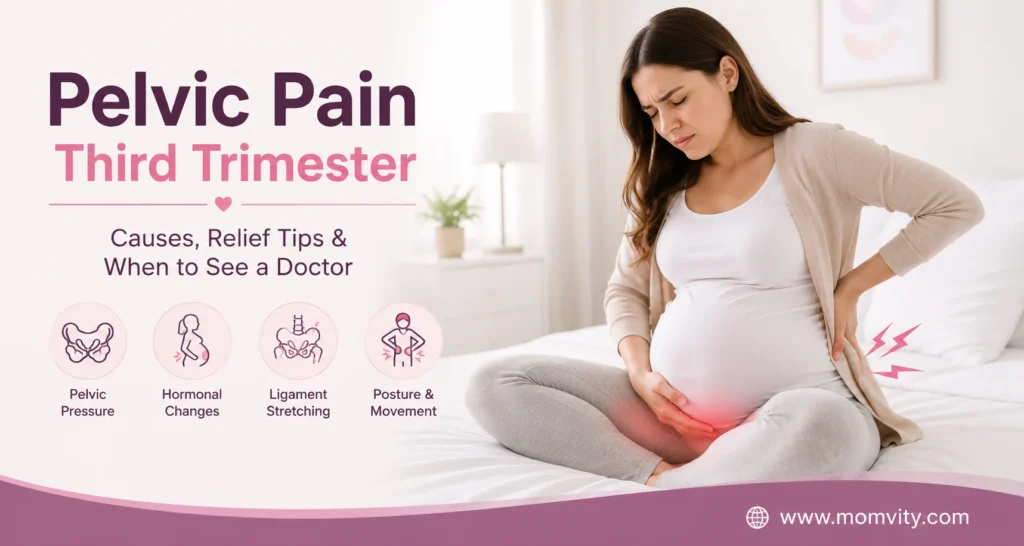
However, along with this joy, some new problems also start to appear in the body. Especially towards the end, many mothers and sisters start experiencing a kind of heavy and uncomfortable pain around the waist, lower abdomen and groin.
Many mothers and sisters in the village consider this problem normal and tolerate it with their mouths closed. But if you are a little aware and follow some simple rules, this pain can be reduced to a great extent. If the mother’s body is healthy, the baby in the womb will also be healthy, so it is most important to take care of yourself in these last days.
What is the real cause of pelvic or lower abdominal pain in the last three months?
By the end of pregnancy, the uterus of mothers becomes very large. As a result, it is very normal to have pressure on the lower abdomen. However, some specific physical changes are behind the severe pain or biting sensation that occurs in the joints of the lower abdomen during this time.
Many mothers want to know from us, why did you suddenly start having so much pain in your waist and groin at this time?
The main reason for this is that Allah Almighty has created our body in such a way that the mother’s path is easy during childbirth. And for this reason, some of the veins and bone joints inside the body start to soften.
The effect of the relaxin hormone and changes in the body’s balance
During pregnancy, a special hormone or juice called relaxin is produced in the mother’s body. The function of this hormone is to loosen and soften the bone joints of the pelvic region, i.e. the lower part of the waist.
Many mothers feel that “pelvic pain third trimester” is shifting or increasing when they try to walk or sit.
Because these bones are soft, mothers feel severe pain while walking or moving around in bed.
Baby weight gain and extra pressure on the uterus
In the last three months, the baby in the womb starts to grow very quickly and its weight increases. As the baby slowly starts to descend, the entire pressure of its head falls on the mother’s pelvis or pelvic bones.
Pregnancy changes the whole body structure and “pelvic pain third trimester” develops mainly due to this heavy pressure on the pelvic floor.
Because of this extra weight, mothers find it very difficult to sit, stand or even walk a little.
Pubic symphysis dysfunction or SPD
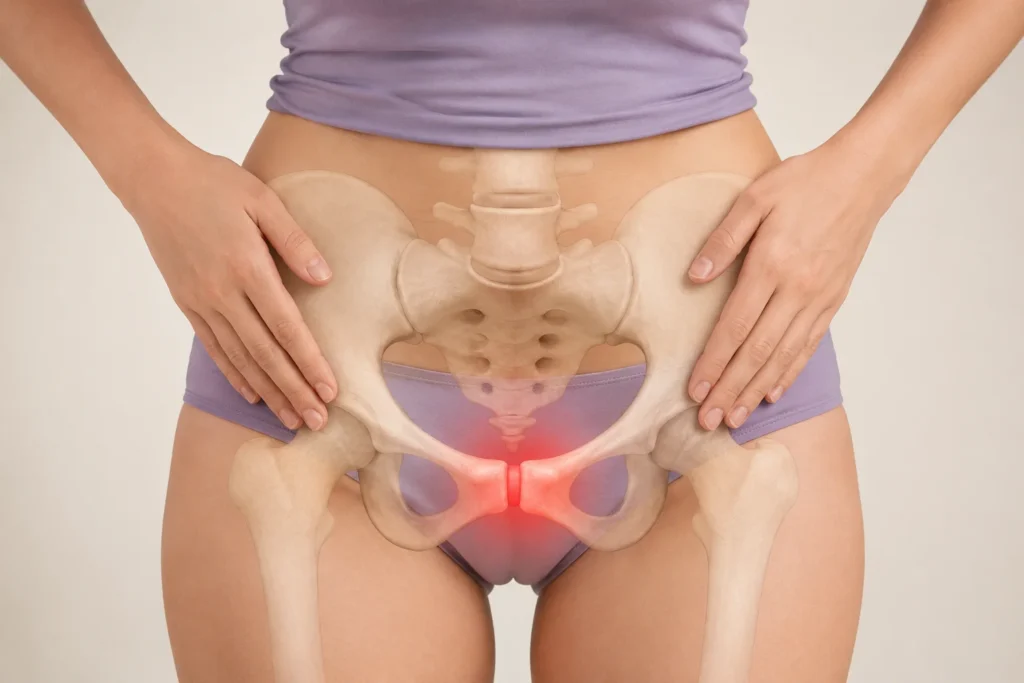
This is a major cause of pelvic pain. The place where the bones on both sides of our abdomen meet is called the pubic symphysis. If this joint becomes too loose during pregnancy, even moving your legs slightly can cause a stabbing pain in the groin.
Round ligament strain or muscle spasm
As the uterus grows, the ligaments that hold the abdomen in place put extra strain. Especially when you get up suddenly from bed or cough, you may experience a whip-like pain on one side of your lower abdomen.
What mistakes do village mothers make at home during this pain?
There is a trend in our village that whenever pregnant mothers experience any pain, they are told, ‘It’s nothing, just bear it.’ Many times, mothers massage or apply heat incorrectly to reduce pain, which can cause harm to the unborn child.
Another big mistake is that many mothers lie in bed all day due to pain. If they do not move at all, the blood circulation in the body decreases and the muscles become stiffer. As a result, the pain increases many times more than it decreases.
Standing continuously or lifting heavy objects
Village mothers have to do a lot of household work, such as fetching water, threshing rice or lifting heavy buckets. At this late stage, bending down suddenly or lifting something heavy can cause serious injury to the pelvic bone joints.
Expert doctors state that “pelvic pain third trimester” worsens instantly when a pregnant woman lifts any heavy object.
So you should stay away from any heavy work during this time.
Wrong sleeping and sitting habits

Many people sleep on their backs or sit hunched over while sitting. When you sleep on your back, the entire weight of the uterus falls on the large blood vessels in the back, which also prevents the baby from getting oxygen.
You must avoid wrong sitting postures because “pelvic pain third trimester” can be reduced simply by maintaining a straight back.
While sitting, you should always sit upright with a soft pillow or cushion behind your back.
| Simple household chores and rules | How to do them and their benefits |
| Sleeping on your back | Sleeping on your left side with a soft pillow between your legs reduces pressure on your bones. |
| Warm compress | Applying a warm water bag to the back of the waist or lower abdomen for 10 minutes can provide relief. |
| Pelvic Support Belt | Special belts are available in the market for pregnant mothers, which help to hold the extra weight of the abdomen. |
Light exercise and ways to strengthen the muscles of the pelvic area
In the last days, it is better to take a light walk inside the house without lying down at all. In addition, ‘Kegel exercise’ or pelvic floor exercise is very beneficial for this pain.
You have to hold the lower muscles for 5 seconds as if you are holding back urine and then release them. Doing this several times a day strengthens the muscles in that area.
Discover more here: Dizziness in pregnancy second trimester
Using the right shoes and rules for climbing stairs
At this time, heels or high shoes should not be worn. You should wear very soft and even shoes. You should take your feet one by one very carefully while climbing stairs.
If you follow these daily movement tips carefully, “pelvic pain third trimester” will remain under control naturally. There should be no rush.
When will you understand that this pain is not normal and you should go to the doctor?
In the last three months of pregnancy, not all pains can be cured with simple or home remedies. Sometimes, there may be signs of a major danger hidden behind this pelvic pain, which our village mothers often do not understand.
So, doesn’t the question arise in your mind that when will I understand whether this pain is causing any harm to the baby?
Yes, if the pain is accompanied by shivering and fever, or there is a severe burning sensation and foul odor during urination, then you should understand that there is an infection inside.
Signs of premature labor pain or preterm labor
If you feel that there is a specific time or rhythm of the pain—for example, the lower abdomen tightens and hurts every 10 minutes and the waist is pinching from the back, then this may be a sign of labor pain.
Regular physical checking is essential because “pelvic pain third trimester” could sometimes blend with early labor contractions.
Neglecting this condition can lead to premature birth, which is very risky for the baby.
Signs of bleeding or water breaking
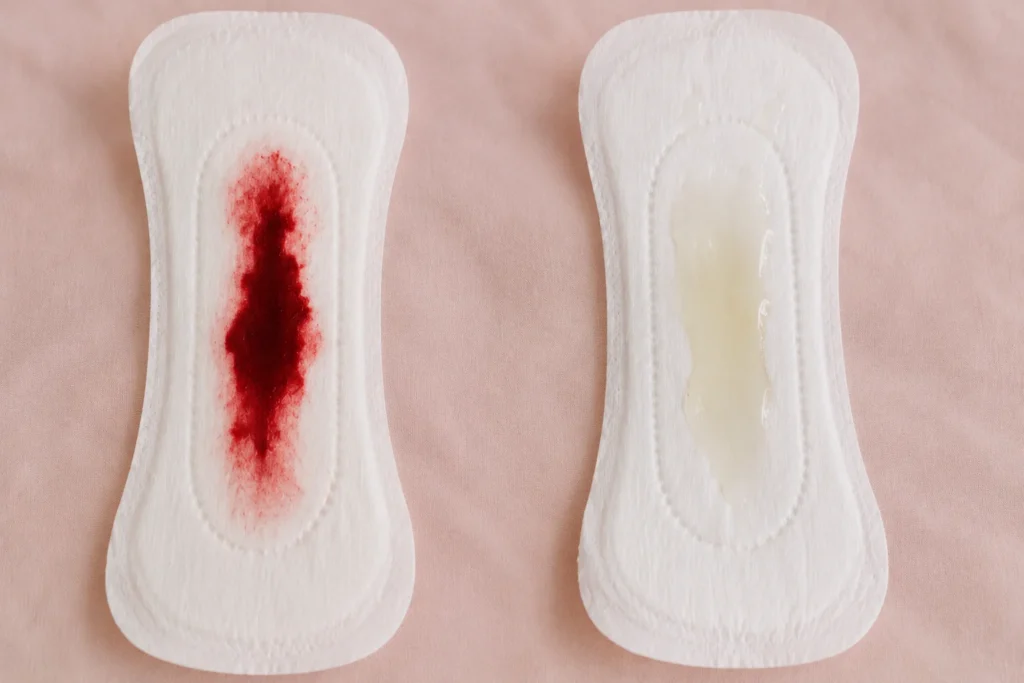
If a small amount of blood is seen with severe pain in the lower abdomen or groin, or if the water suddenly starts leaking through the vagina or breaking in large quantities at once, then you should not stay at home for even a second.
Medical emergency arises if “pelvic pain third trimester” is accompanied by any kind of vaginal bleeding.
This can be a sign of the placenta or the placenta becoming loose.
Sudden decrease in baby’s movements-
If the normal movements of the baby in the stomach (at least 10-12 times a day) suddenly decrease or seem to stop altogether along with the intensity of the pain, then it is a sign of lack of oxygen in the baby.
Excessive headache and body swelling –
If the pain is accompanied by sudden blurring of vision, severe headache, and excessive swelling of the hands, feet, and face, then it is a major symptom of eclampsia or high blood pressure.
Responsibilities of family members during this difficult time of pregnancy and some important advice
The family has the most important role in relieving the physical pain of the pregnant mother. Especially the men of the house and the mothers-in-law should be extra careful towards the mothers during this time. If the mother is in a good mood and free from worries, many physical pains can be easily tolerated.
For your convenience, the things that the family members can do for the well-being of a mother are summarized in points below:
- Comfort: The mother should be kept completely away from difficult tasks like lifting heavy buckets, folding clothes or bending down to wipe the house.
- Food: Calcium and vitamin-rich foods such as milk, eggs, small fish and enough vegetables should be included in the daily diet.
- Rest: After cooking in the afternoon, arrangements should be made so that the mother can sleep peacefully for at least two hours and at least eight hours at night.
- Mentality: The mother should always be treated well and courage and mental strength should be provided to overcome the fear of childbirth.
How village mothers should prepare for the days of delivery in advance
In the last three months, when the pain in the waist and lower abdomen indicates that the time of the baby’s arrival is approaching, it is good to make some preparations from then on. If there is a sudden problem at night in the village, it is difficult to get a car or a doctor.
So, you should get a good midwife or midwife and the hospital number in case of emergency.
If you plan your hospital journey in advance, “pelvic pain third trimester” won’t cause extra mental panic during delivery.
It would be wise to make arrangements for a blood donor in advance, according to your money and blood group.
Some special advice from an experienced doctor that mothers need to know
Sometimes, mothers are afraid to go to the doctor or do not open up about their pain out of shame. But if you follow the doctor’s advice, this last period can be very relaxing.
Doctors always say, never sit with one leg on the other during this time.
Clinical reports show that “pelvic pain third trimester” can be greatly reduced by resting your feet flat on the floor while sitting. When getting out of bed, always tilt to one side first, then slowly rise up on your hands. Standing up suddenly can cause severe tension in the abdominal muscles.
Conclusion
The pelvic or lower abdominal pain of the last three months of pregnancy or the third trimester is a familiar experience for every expectant mother. This is mainly due to the changes in hormones inside the body and the weight gain of the fetus.
The ordinary and simple mothers and sisters of our village often endure this pain silently, which is not right at all. A little awareness, following the correct rules of lying down, light Kegel exercises and a little extra love and support from family members can make these difficult days much easier and happier.
However, if any symptoms like water breaking, blood appearing or the baby’s movements decreasing appear outside of the normal pain, then you cannot sit at home hoping for any poetic treatment or cure. In that situation, you should quickly take the child to a government hospital or an experienced doctor. Only if the mother is healthy will our future children see the light of day in a healthy way. Therefore, it is our responsibility to pay maximum attention to the body of every mother in these last days.
FAQ – Some common questions and answers
1. Is this stabbing pain in the lower abdomen normal in the last three months of pregnancy?
Yes, it is completely normal. This pain occurs due to the baby’s weight gain and the softening of the bone joints.
2. Can any ointment or balm be massaged for the pain?
No, you should never massage the abdomen or waist with any intense heat or forcefully in the wrong way.
3. What is the safest home remedy to reduce groin pain?
It is safest to put a soft pillow between your legs while sleeping and apply a warm water bag to your waist.
4. What type of shoes is best to wear during this time?
Avoid high heels or hard shoes and wear soft, flat or even shoes.
5. If the pain is too much, can you take painkillers from the pharmacy on your own?
Absolutely not, taking any kind of painkillers without a doctor’s advice can cause great harm to the baby.