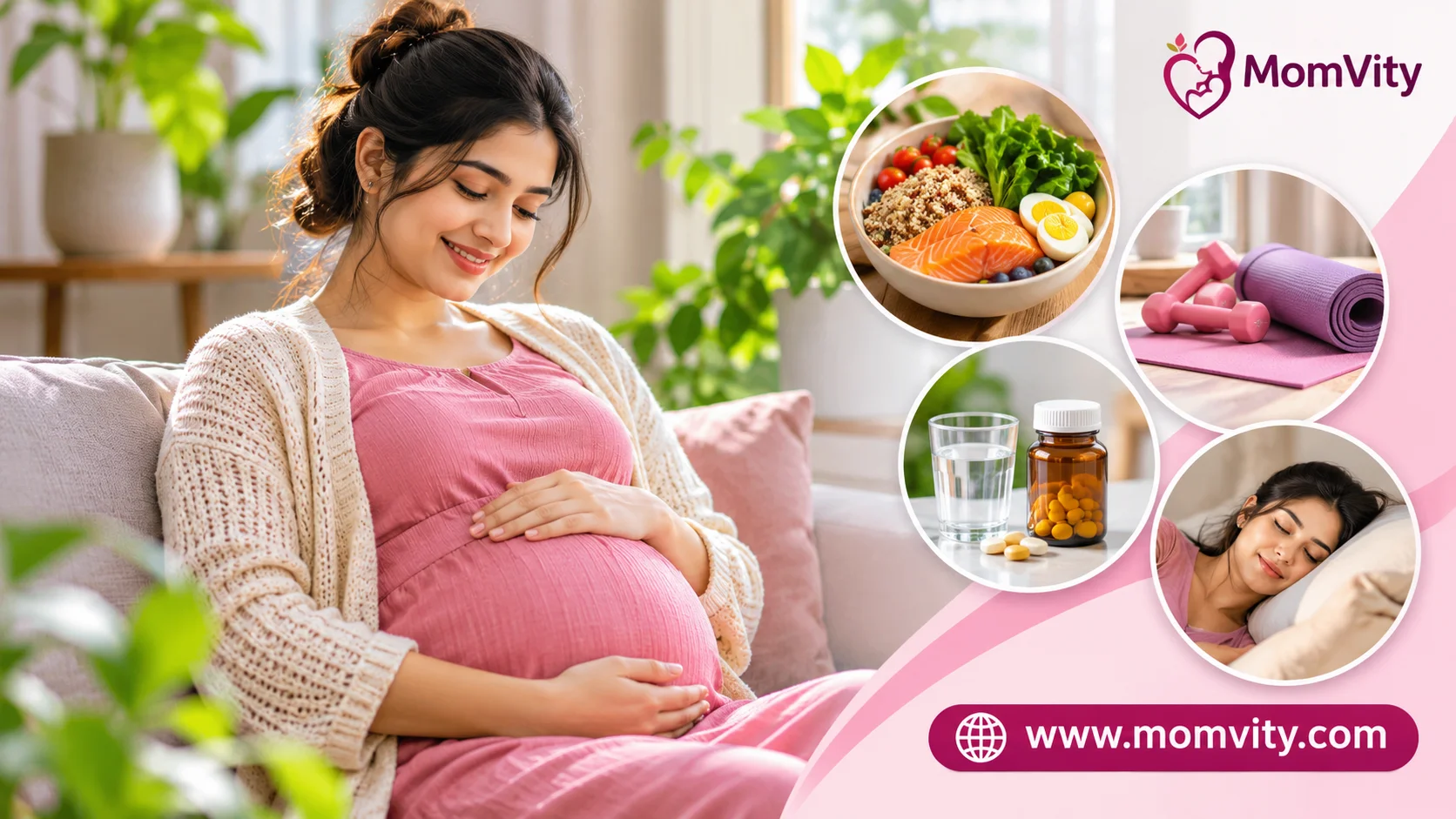

Pregnancy self care is the most essential part for an expectant mother to ensure a healthy and safe delivery process.
Becoming a mother is a different feeling. When a new life grows inside the body, there is joy as well as a lot of fear. Taking care of the body during this time means not only taking medicine but also keeping your mind and environment beautiful.

The body gives different signals at different times during the first three months or towards the end. So if you don’t take proper care of yourself, small problems can become big. Taking care of yourself means loving yourself and preparing your unborn child for the world.
Many people worry a lot during this time about what to eat or what to do. Actually, it’s not very difficult. Your baby will be healthy if you have simple food at home and a little laughter. I will tell you everything in the way our mothers and aunts used to explain it simply. Did you know that a small mistake on your part can cause problems in the growth of your baby? So every step has to be taken very carefully. Below we will discuss in detail how you can make this long journey easier.
Fresh vegetables and fruits
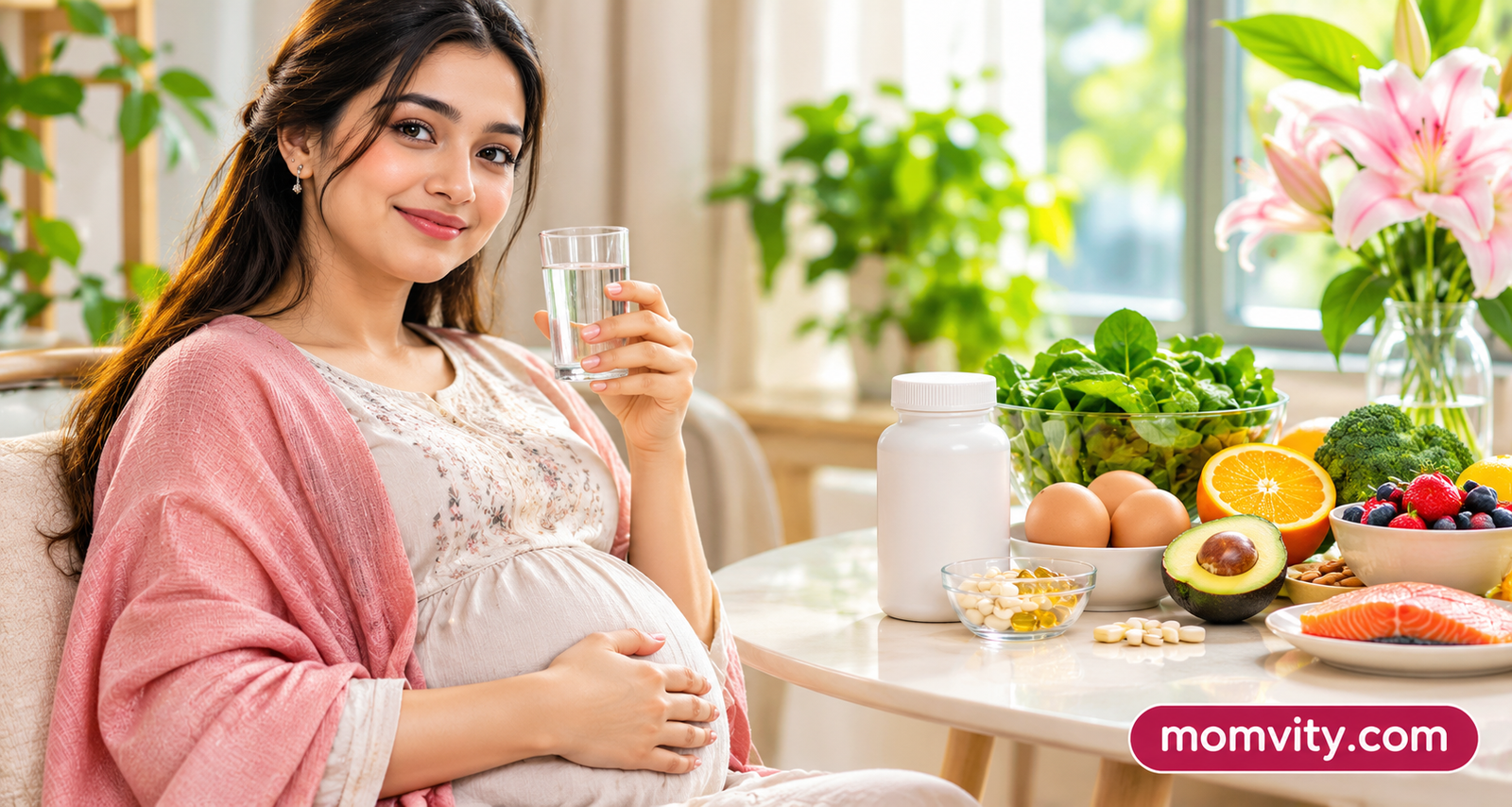
Fresh vegetables and colorful fruits from the market will increase your body’s immunity. Especially spinach or red vegetables will help increase blood in your body. Try to eat at least one seasonal fruit every day. Chewing whole fruits is better for the body than drinking fruit juice. This reduces your risk of stomach problems or constipation. Don’t you want your baby to be born completely healthy and bright?
Fish and protein
Fish and eggs are the real source of energy. Make a habit of eating at least one boiled egg a day. Chewing small fish bones and eating them will eliminate calcium deficiency. Try to have a piece of fish or meat for lunch. However, remember that the food should not be too salty or spicy. Eating excess oily food can cause heartburn. So it is always wise to choose light and easily digestible food.
Calcium and Iron Rich Foods
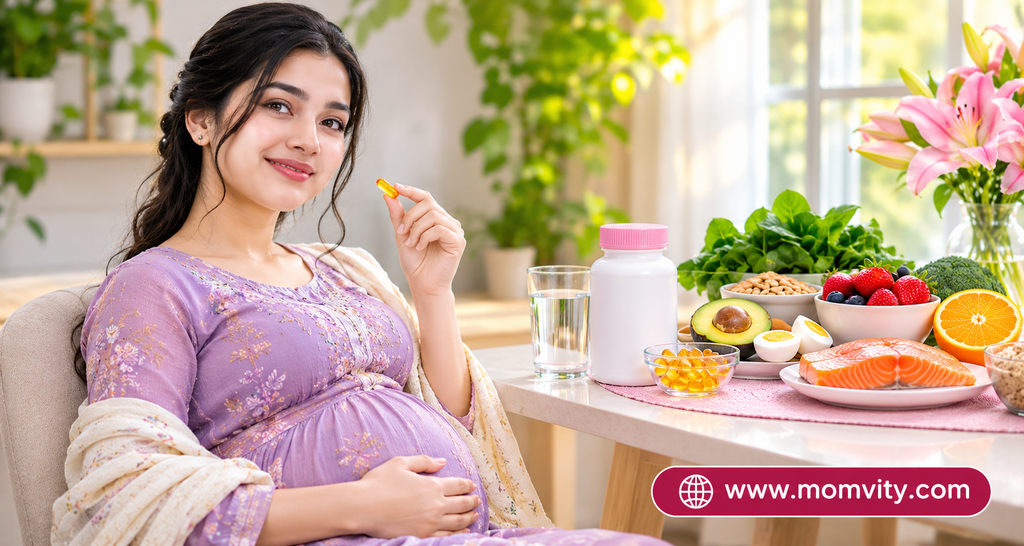
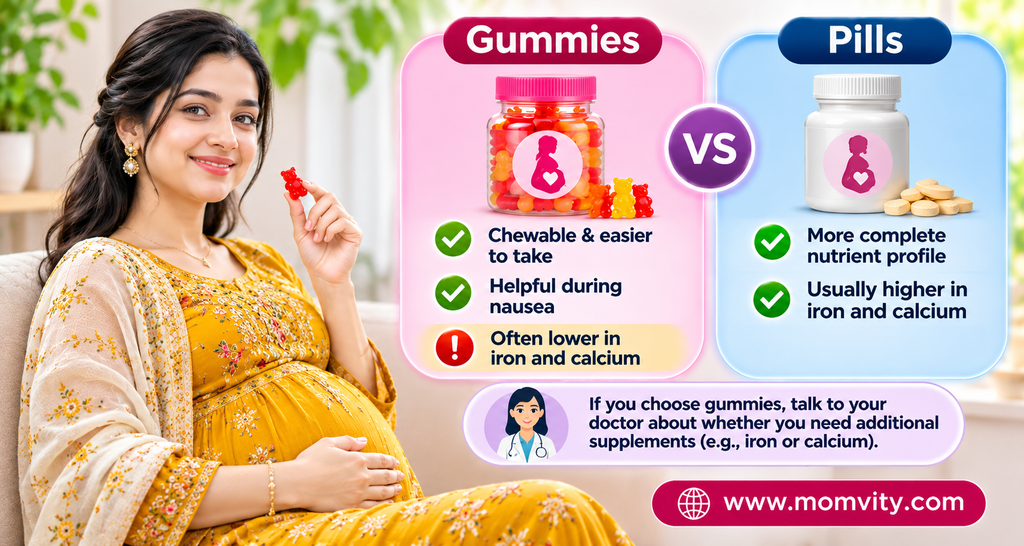
There is no substitute for calcium to strengthen bones. Try to drink a glass of lukewarm milk every day. Apart from this, milk-based foods or yogurt are also very beneficial. You can eat pomegranates or apples regularly for iron. Take the calcium and iron pills prescribed by the doctor regularly because sometimes you cannot get all the nutrients from food alone. Did you know that if the mother’s body lacks calcium, the child’s bones can become weak? So do not neglect this matter at all.
The importance of body comfort and adequate sleep

The next thing that comes after meals is your rest. When you sleep, the baby’s formation inside your body is very fast. For pregnancy self care, it is a must to rest at a certain time during the day and night. Do not force yourself to do anything if your body is tired.
Uninterrupted sleep at night
Try to sleep peacefully for at least 8 hours at night. Lying on your left side is best at this time because it improves blood circulation in the baby’s body. Do not drink too much water before sleeping so that you do not have to go to the bathroom repeatedly. Make sure that the room is clean and comfortable. If you put a soft pillow under your feet while sleeping, you will feel comfortable. Have you noticed how your body messes up throughout the day if you do not get enough sleep?
Afternoon rest and light work
Take a nap for one to two hours after lunch. However, it is not good to lie down completely. Doing light housework keeps the body active. Do not stand or sit in one place for a long time. Take a short walk every now and then. Lifting heavy buckets or anything heavy is strictly prohibited. Can you feel every change in your body? If you can, you will know when you need to rest and when you need to walk a little.
Yoga and mental peace
Light stretching or yoga keeps your mind calm. Try to walk in the fresh air for at least 15-20 minutes every day. This will keep your mind healthy and will relieve the body of inertia. Breathing exercises are very beneficial during labor. Read a book of your choice or listen to music. Do not be angry or stubborn at this time because it can increase your blood pressure. A mother with a healthy mind means a beautiful baby.
Some common physical problems and solutions during pregnancy

Many minor problems can occur in the body during this time, which are completely normal. You can handle them at home with pregnancy self care. Your body is not the same as before, so it will take some time to adapt to the changes.
Nausea and loss of appetite
Many people feel nauseous when they wake up in the morning. To get rid of this, you can eat dry bread or biscuits as soon as you wake up. Try to eat small amounts repeatedly rather than eating too much at once. Ginger tea or lemon juice works like magic to reduce nausea. If you don’t like the smell of food, don’t force it. But don’t keep your stomach completely empty. Did you know that drinking more water reduces the problem of vomiting a lot?
Constipation and Gastric
Many people don’t want to clear their stomachs due to hormonal changes. To get rid of this, drink plenty of water and eat isabgul husk or fibrous foods. Eliminate fried food or fried samosas from your diet for a few months. Fresh, home-cooked food is enough to keep your stomach happy. Make it a habit to eat a quick meal instead of eating late at night. A healthy stomach will also keep your mind happy.
Mental strength and family bonding during pregnancy
Along with taking care of the body, taking care of the mind is also considered an integral part of Pregnancy self care. When you are happy, the hormones in your body work very positively, which directly helps in the growth of the baby. There is a saying in our rural Bengal, “As the mother thinks, so does the child.” But the saying is also scientifically true. Have you ever noticed that if you are very upset, the movements of the baby inside your stomach also become different?
It can be very difficult to control your mind during this time because your mood changes repeatedly due to hormones. Sometimes you feel very happy and sometimes you cry for trivial reasons. This is a very normal process, so there is nothing to be afraid of.
However, it is very important to spend time with your loved ones instead of spending this time alone. If you do not share your thoughts with anyone, a gloomy feeling can develop in your mind. In this chapter, we will see how you can keep your mental health alert.
Make time for your hobbies
If you like to draw or sew or plant trees, then definitely do it during this time. Doing hobbies releases good hormones from the brain, which will relieve your boredom. Set aside at least an hour a day where you only do what you love.
Have you considered that your handiwork or creativity can also affect your child’s intelligence? So instead of wasting time watching unnecessary TV, it is much better to immerse yourself in creative work.
Spending time with family and husband
A father’s role is also very important for a beautiful and healthy child. When you decide on the name of the child with your husband or talk about the child’s future, a different emphasis will come to your mind. The rest of the family members should keep you smiling. It is good to avoid quarrels or loud talk at this time.
Don’t you want the environment around you to be completely calm and pleasant? Remember, your peace is the biggest gift for your child.
Meditation and Religious Practices
You can meditate or pray religiously for some time every day to keep your mind calm. This will reduce your restlessness and bring a strange peace inside. Regular practice of deep breathing and exhalation will keep the oxygen levels in the body right. Whenever you feel sad, think of your unborn child, you will see that all the troubles will disappear in an instant. This path of motherhood is not a difficult one, but rather a great blessing.
Feeding and regular monitoring of the baby

Feeling every movement of the baby is the happiest moment of being a mother. To maintain pregnancy self care, it is your responsibility to keep an eye on whether the baby’s movements are normal or not. Usually, the baby starts moving lightly from four or five months, which increases over time.
Counting the baby’s kicks or movements
Do you know that the main sign of a baby’s well-being is its regular movements? Count them at least once a day and see how many times the baby is moving. Usually the baby moves more after eating or drinking cold water. If you see that it has been two or three hours but the baby is not moving at all, eat a little sweet food and lie down on the left side. If there is still no change, talk to the doctor without delay. Awareness can prevent any unwanted accidents.
Mental preparation for childbirth
Many people are very afraid of cesarean or normal delivery. Know the correct information to eliminate this fear. Instead of watching scary videos or stories on the internet, think about positive things. Your body is naturally prepared for childbirth. Tell yourself over and over again that you can do it and that your baby will come into the world healthy. This confidence will increase your ability to endure labor pains. Did you know that your courage can reduce half of your pain?
Prepare emergency contact numbers
Dangers never come, so it is better to have everything organized in advance. Always keep the phone numbers of the nearest hospital, ambulance and your personal doctor handy. Assign someone in the house so that they can take quick action in any situation.
It is also wise to arrange a blood donor in advance. Having everything organized will reduce your last-minute worries a lot and you will be able to feel much more relaxed.
Self-satisfaction through environment and clothing
The environment around you has a big impact on your mind. Pregnancy self care means not only taking care of yourself but also includes external decoration. When you are clean and well-dressed, your self-confidence will increase.
Comfortable cotton clothing
The body temperature is a little high at this time, so loose cotton clothing is best. Wearing tight or synthetic clothing can make you feel suffocated and itchy. Choose clothes in beautiful and elegant colors that give you peace of mind. When wearing shoes, wear flat or very thin sole shoes so that there is no fear of falling. Don’t you think that wearing comfortable clothes will make your movement much easier?
Home environment and light and air
Make sure your house is always open and filled with plenty of light and air. You can keep small plants in the corner of the house that will keep the air clean. Remove unnecessary clutter so that you do not have any difficulty in walking. A clean and tidy environment keeps the mind fresh and protects against germs. You can decorate the house with small toys or clothes for the arrival of the baby, which will always keep you positive.
The last step of awareness and personal safety during pregnancy
In this stage of the article, we will know how you can spend the last days of your motherhood safely. The main goal of pregnancy self care is to give the mother and baby a beautiful and risk-free life. In the last three months, the body weight increases a lot, which can cause some difficulty in moving. Do you know how much space your uterus makes for the baby during this time? Accepting this change in the body with a smile is the job of a truly intelligent mother. Let every day bring you an opportunity to learn something new.
Many people become very anxious at this time about when the baby will be born or whether everything will be fine. In fact, worrying can increase your blood pressure, which is dangerous for the baby. Your biggest task at this time is to keep yourself calm and get enough rest. Try to understand the small signals of the body. When you take care of yourself, your confidence will increase. Remember, motherhood is not a disease, but rather a natural and beautiful process of life.
Proper movement and position
It is often difficult to walk or sit upright due to the increase in body weight. Use a soft pillow behind your back while sitting so that there is no pressure on the spine. Cooking or doing any work while standing for a long time is absolutely not advisable during this time.
Have you ever noticed that your feet swell when you stand for a long time? To avoid this, try to keep your feet a little higher whenever you sit. Maintaining your body balance is very important at this time so that you do not fall or get injured.
Drink water and stay hydrated
Drinking at least 3 to 4 liters of water throughout the day is one of the main conditions of pregnancy self care. Drinking enough water will flush out toxins from your body and the amount of amniotic fluid or water around the baby will be right.
Do you sometimes feel dizzy or very weak? But you should understand that your body is lacking water. Apart from water, you can drink coconut water or homemade fruit juice. However, it is wise to stay away from packaged juices or cold drinks.
Personal hygiene and infection prevention
During pregnancy, the body’s immunity decreases slightly, so the risk of infection increases. Try to stay clean at all times and develop the habit of washing your hands. If any infection occurs in the gums or urinary tract, inform the doctor immediately.
Do not neglect even a small problem. Did you know that infections in the mother’s body can directly harm the baby? So it is better to be a little more meticulous about your personal hygiene.
Pre-natal care planning
After having a baby, you may not have time to look after yourself. So as part of pregnancy self care, it is good to plan something before delivery. Your body will be very weak for the first few weeks after having a baby and you will need a lot of emotional support. Being mentally prepared for this time means that you are a conscious mother.
Packing the baby’s essentials
Before the baby arrives, pack soft cotton clothes, diapers and other necessary items in a bag. So that you don’t have to rush at the last minute. Keep your own essentials such as maternity pads or loose clothes separate. Have you thought about how much pressure you can reduce if you pack in advance? This time of packing is also quite enjoyable.
Preparing for breastfeeding
Breast milk is like nectar for the baby. Study about its importance in advance or learn from adults.
It may be a little difficult at first, but if you are patient, everything will be fine. Did you know that there is no alternative to cow’s milk to increase the immunity of the baby? So do not keep any misconceptions in mind about this. If you know the right information, you can give the baby the best nutrition.
Support system for the next few weeks
Decide in advance whether you will need help with cooking or housework after having a baby. Having a mother or mother-in-law by your side is like a blessing at this time.
They will give you a chance to rest and help you take care of the baby. You will not have to handle everything alone because your body needs to rebuild now. Talk to your family in advance so that everyone can share this joy.
Conclusion
This long journey of motherhood is not easy at all, but it is the most beautiful experience in the world. This whole process of pregnancy self care is basically an opportunity to create a deep bond between you and your unborn child. We have seen in this article how proper food, rest and mental peace can keep a mother healthy.
By following the small rules, you will not only get rid of physical pain, but also give birth to a happy and healthy child. Enjoy every moment of motherhood by pushing away fear or anxiety. What your body is doing is a miracle. The happy smile that you will see at the end of every pain will make all your troubles disappear. Have faith in yourself and trust the doctor and family.
Your health is the key to your child’s bright future. Remember that you are not just giving a life but also starting a new world. Best wishes for this beautiful journey.
FAQ: Some common questions about pregnancy care
Question: Is it safe to exercise during pregnancy?
Answer: Yes, light walking or doing some simple exercises with the advice of a doctor is safe and beneficial.
Question: Can tea or coffee be avoided at all?
Answer: It is better not to drink more than one cup a day because excess caffeine is harmful to the baby.
Question: Which position is best to sleep in at night?
Answer: Sleeping on the left side is the safest because it keeps blood circulation active.
Question: Is it necessary to apply oil or lotion to the stomach?
Answer: You can apply coconut oil or moisturizer to reduce itching due to the skin on the stomach being tight.
Question: Is it okay to travel during pregnancy?
Answer: It is better to avoid long journeys in the first and last trimesters, but it can be done with the doctor’s permission.
Question: When can you feel the baby’s movements?
Answer: Usually, the first movement is felt between 18 and 24 weeks.
Question: Can I take medicine for a headache?
Answer: No, you should never take any painkillers without consulting a doctor.
Question: Is eating pineapple or raw papaya really harmful?
Answer: Yes, they contain some ingredients that can cause uterine contractions and increase the risk of miscarriage.
Question: Is swelling of the legs a big problem?
Answer: A little swelling is normal, but if there is excessive swelling or protein in the urine, you should see a doctor.
Question: Why is coconut water beneficial?
Answer: Coconut water keeps the body hydrated and helps reduce heartburn or chest pain.