
The second trimester or the middle three months of pregnancy is called the ‘golden period’. The unbearable nausea or constant sleepiness of the first three months decreases a lot during this time. During this time, pregnant mothers regain their vitality, which also keeps them mentally refreshed. Let’s see why this Second Trimester period is so special.
After overcoming the stress of the first three months, a different kind of peace comes to the body as soon as the Second Trimester begins. During this time, the hormonal fluctuations come under some control, and the mind and mood are also quite good. The most exciting thing is that during this time, the mother starts to feel the baby’s movement inside the stomach for the first time. The stomach gradually starts to grow, but it does not become very uncomfortable. The taste for nutritious food returns and expectant mothers can do their favorite activities with renewed enthusiasm. In a word, this is the most joyful time in the entire pregnancy.
What is the Second Trimester?
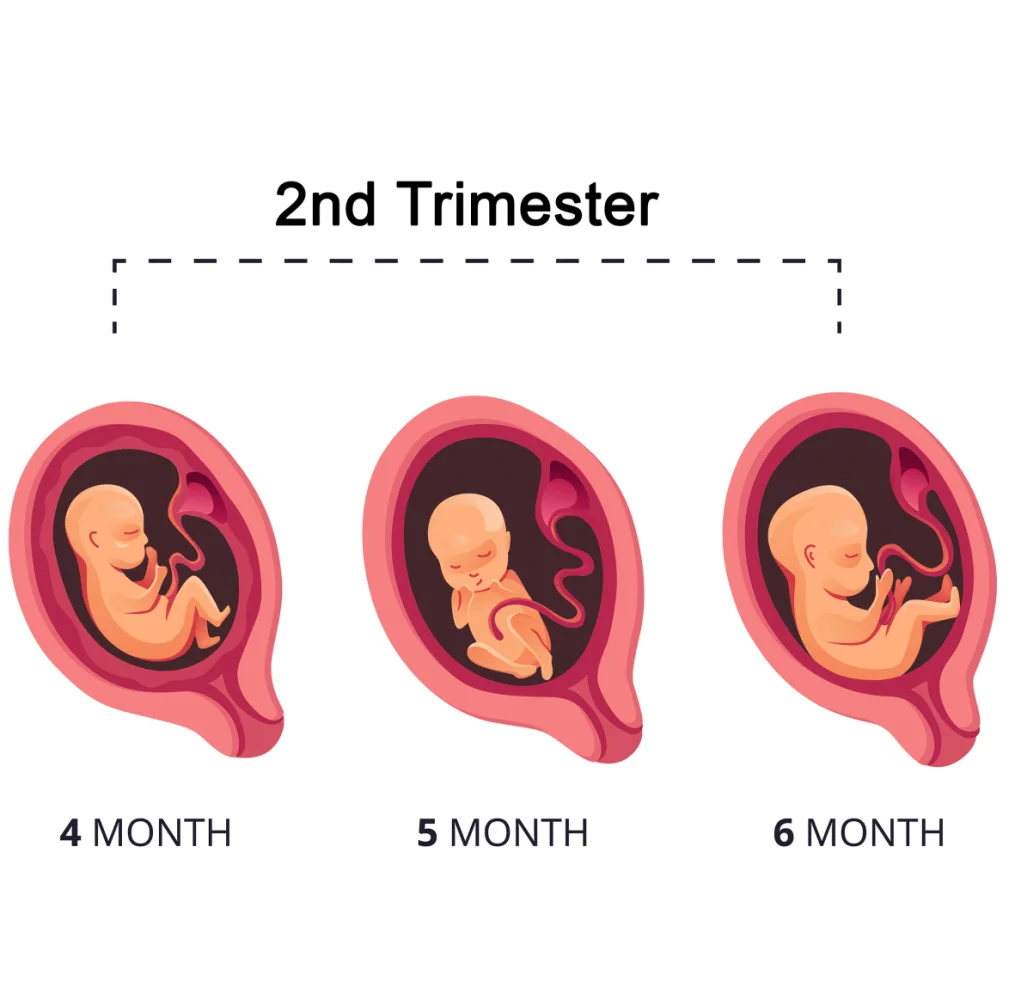
The Second Trimester begins when the pregnancy journey reaches four months. In simple terms, the period from 13 weeks to 26 weeks of pregnancy is called the second trimester. Many mothers call this period the ‘honeymoon period’, because after the initial bad days, the body is now set. During these three months, the important organs of the baby’s body start growing rapidly and the baby’s body fully develops. This is a time when the mother overcomes fear and discomfort and makes a great friend with the changes in her body.
Some of the main features of the Second Trimester:
- Time frame: The fourth, fifth and sixth months of pregnancy—these three months together make up the Second Trimester.
- Organ formation: During this time, the baby’s bones start to harden, fingerprints are formed and the baby can hear in its ears.
- Energy recovery: The fatigue of the first three months goes away and the body regains new strength and enthusiasm for work.
- Ultrasonogram: Anomaly scans are done at this time, through which it can be confirmed whether the baby’s physical structure is normal or not.
- Physical changes: Changes such as slight pain in the waist or abdominal tension due to the uterus growing are evident at this time.
- Sleep pattern: Since the stomach is not too big, the mother gets the opportunity to sleep quite comfortably during this Second Trimester.
When does the Second Trimester start?
The Second Trimester begins after the difficult first three months of pregnancy. Usually, this second phase begins when your pregnancy completes 13 weeks and enters 14 weeks. Simply put, the time from the beginning of the fourth month to the end of the sixth month is the most comfortable period for you. At this time, most mothers’ initial fatigue and nausea disappear. The body’s hormones also stabilize, so the mind is also relaxed. When you stand in front of the mirror, you will see your ‘baby bump’ or small belly peeking out, which will remind you every moment that a new life is growing inside.
Second Trimester start time and some important information:
- Weekly calculation: The Second Trimester officially starts from the 14th week of pregnancy and it lasts until the end of the 27th week.
- Monthly calculation: The fourth, fifth and sixth months of pregnancy—these three months together are called the second trimester.
- Signs of relief: As this period begins, your appetite will start to return and your body will feel much lighter than before.
- Reduced risk: The risk of miscarriage is much lower during this period compared to the first trimester, which is a great relief for parents.
- Physical changes: From this time on, your old tight clothes will start to become smaller and you will need to wear loose, comfortable clothes.
- First feelings: Around the middle of this trimester (usually between 18-20 weeks), you will feel the first movements or gentle tapping of the baby.
Changes in the mother’s body in the second trimester
The most visible changes in the mother’s body begin to occur in this second stage of pregnancy or the Second Trimester. After overcoming the discomfort of the first three months, the body now gradually adapts to pregnancy. As your uterus or baby’s room starts to grow, the shape of the belly becomes clear and the waist starts to widen a bit. Many mothers notice that their hair has become thicker and shinier than before, and their nails are also growing faster. However, due to the growth of the uterus, your body’s center of gravity changes, which may result in some changes in walking. Although the body feels quite heavy at this time, you will feel much more refreshed mentally.
Changes in the body that you will notice during this time:
- Baby bump: Your stomach will now hang forward a little or take a round shape, which will make it clear from the outside that you are going to be a mother.
- Skin changes: Many people have stretch marks on their stomach or thighs. In addition, light spots may appear on the cheeks or forehead, which is called the ‘pregnancy mask’.
- Gum problems: Due to the influence of hormones, the gums often become soft and may bleed while brushing.
- Waist and back pain: The weight of the baby puts pressure on the spine, which can sometimes cause mild pain in the waist or back.
- Swelling of the legs: Due to increased blood circulation and water retention in the body, the legs may swell slightly if you stand for a long time.
- Breast changes: The size of the breasts increases and the breasts become heavier and more sensitive than before due to the preparation for milk production.
You need enough rest to cope with all these changes happening inside the body. When the uterus grows upwards during the second trimester, it puts a little pressure on the lungs, due to which you may feel like you are panting slightly while climbing stairs. Again, sleeping on your left side instead of lying straight while sleeping is the most comfortable for your and the baby’s blood circulation at this time. Remember, every change is part of preparing to bring your child into the world, so it’s wise to embrace these new changes with a smile.
Decreased nausea
Those who have gone through the first three months of pregnancy know how painful nausea can be. But the start of the second trimester means a great opportunity to get rid of this discomfort. It is called the time to say goodbye to ‘morning sickness’. In most expectant mothers, it is seen that by the time you reach the 14th or 15th week of pregnancy, the constant nausea or the strong smell of food completely subsides. You will suddenly wake up one morning and feel that your body feels much lighter and you are no longer vomiting like before. This change will bring a different peace to your mind, because you can taste your favorite foods again.
What happens after nausea subsides:
- Appetite for food: The names of the foods that used to make you vomit until now, will make you eager to eat them in the second trimester.
- Energy returns: As vomiting decreases, the body gets proper nutrition, as a result, your tiredness throughout the day disappears and your work capacity increases.
- Digestive ability: Digestion becomes much easier for you than before as stomach discomfort decreases.
- Peace of mind: Since you don’t have to worry about vomiting all the time, you regain your confidence when going out or interacting with people.
- Nutritional deficiencies: Since you don’t vomit during this time, you can ensure the proper growth of your baby by eating nutritious food to your heart’s content.
The disappearance of nausea is a positive signal for your body that your hormones have now adjusted well to pregnancy. However, remember that not everyone’s body is the same. In some cases, there may be a little nausea at the beginning of the second trimester, but it is not as intense as in the first three months. During this time, you should forget about those miserable days of vomiting and drink more water and follow a healthy diet. No vomiting does not mean eating too many fried foods, but the real task now is to choose foods that are good for you and your baby.
Power begins to increase
The desire to lie down all the time or the feeling of giving up on your body during the first three months of pregnancy starts to disappear like magic in the Second Trimester. This is called the most ‘energetic’ period of pregnancy. When the hormonal fluctuations settle down a little, the body regains its vitality. You will feel that the tasks that used to take you like a mountain to do in the first trimester, you are now doing them quite effortlessly. Due to this extra energy, your mind is also quite alert, which helps you to organize your preparations for becoming a mother in advance.
Positive changes that come to your life due to the increase in energy during this time:
- Relief from fatigue: That annoying feeling of falling asleep suddenly during the day or messing up your body reduces a lot in this Second Trimester.
- Concentration on work: If you are an employee or do housework, you will see that you are now able to complete the tasks with much more concentration.
- Desire for exercise: As the body’s inertia is reduced, there is an incentive to do light walking or pregnancy yoga during this time.
- Sociability: As fatigue decreases, the mood is created to spend time with relatives or friends and go out for a walk.
- Home preparation: This is the best time to do hard work like shopping for the baby or cleaning the house.
The main reason for this extra energy in the body is that your placenta or womb is now fully formed and it has shared the responsibility of taking care of the baby. By utilizing this Second Trimester period, you can increase your stamina further through nutritious food and light physical exercise. However, remember, do not lift anything heavy or put excessive pressure on your body just because you feel more energetic. Enjoy this leisurely time, listen to music, read books and prepare yourself with a cheerful mind for the days ahead.
Discover more here: Early detection pregnancy test
The stomach starts to grow.
When you reach the second trimester of pregnancy, when you stand in front of the mirror, you will see the biggest change in your body—your growing belly. Although no one outside may notice it much during the first three months, during this time the uterus starts to expand upwards and forwards. This is what we affectionately call the ‘baby bump’. As your belly grows, the existence of the little one inside you will now feel much more real. Your old clothes will now feel tight around the waist, reminding you that a new life is growing rapidly inside you.
Things you will notice as your belly grows:
- Changes in clothing: From now on, you will need to wear loose or maternity clothes, so that there is no pressure on your belly.
- Stretch marks: Due to the tightening of the skin, there may be mild itching on the belly and some white or pink spots or stretch marks may appear.
- Changes in the navel: In many cases, the belly button may protrude outwards due to the growing belly, which is very normal during pregnancy.
- Body Balance: The increasing size of your belly changes your body’s center of gravity, so it is important to be careful while walking.
- Feeling heavy: Due to the growing belly, doing things like bending over or tying your shoelaces may seem a bit difficult towards the end of this Second Trimester.
However, a growing belly does not mean that your back or waist will hurt a lot. If you practice sitting and sleeping in the right position, you will be able to enjoy this change quite a bit. You can use a good quality moisturizer or coconut oil to reduce the itching caused by the tension in the belly skin during this time. A growing belly is not just a physical change, it is a symbol of your pride in motherhood. So welcome this beautiful time with joy and confidence.
Feeling baby move
The most magical moment of the second trimester of pregnancy is when the mother feels the baby’s gentle movements inside the womb for the first time. This feeling usually begins between 18 and 24 weeks, which many call ‘quickening’. At first, it may feel very light, like butterflies flying or popping bubbles in the stomach, which takes a while for first-time mothers to understand. But as time passes, these movements become more pronounced and the mother realizes that her baby is moving its arms and legs or digging inside. This movement of the baby is not only a joy, but it is also a big sign of the baby’s well-being. This sweet feeling is felt the most when you sit or lie down quietly, which creates an invisible but deep bond of love between the mother and the baby.
Hands and feet forming
During the second trimester of pregnancy, the baby’s physical structure begins to develop at an incredible pace. In particular, the baby’s arms and legs are now much longer and stronger than before. It is at this time that the baby’s elbow and knee joints start working, which allows him to fold his arms and legs or kick inside the womb. What is more surprising is that at this time, the baby’s tiny fingers separate from each other and their own unique ‘fingerprints’ or fingerprints begin to form on the tips of their fingers. The baby’s feet and palms are now fully formed, and he can even touch his face with his hands or hold the umbilical cord tightly. The bones gradually harden during this time, which makes the baby more active, and you can feel these movements of his arms and legs as light taps from outside the womb.
Baby’s heartbeat can be heard
- Clear heartbeat: The baby’s heartbeat becomes much stronger during this time.
- Doppler use:During regular checkups, doctors can use a ‘Doppler’ device to let you hear the baby’s heartbeat.
- Bonding with mother: Hearing the baby’s heartbeat for the first time is one of the most emotional and memorable moments for parents.
- Signs of health: A regular and rhythmic heartbeat proves that your baby is growing healthily inside.
- Fast pace: Remember a baby’s heartbeat beats almost twice as fast as an adult’s.
What precautions should you take in the Second Trimester?
The second trimester of pregnancy is the most comfortable, but it is very important to follow some extra precautions during this time. Since your belly starts to grow and the amount of blood circulation in your body increases during this time, even a small carelessness can cause major discomfort. Feeling light during this time does not mean that you will do everything in a hurry like before. Rather, from now on, you will have to pay more attention to the balance of your body and the safety of your baby. If you are a little aware of everything, from proper eating habits to the way you walk, you will be able to pass this wonderful time without any complications.
Special precautions that you should take during this time:
- Do not lift heavy objects: It is strictly forbidden to lift heavy buckets, furniture or heavy bags during this time, as it can put extra pressure on the uterus and back muscles.
- Sleeping position: Always try to sleep on your left side; this allows the blood and nutrients to flow best to the baby.
- Comfortable shoes: Avoid wearing heels completely, as your body’s center of gravity changes and you run the risk of falling; always wear flat and soft shoes.
- Travel precautions: Avoid long journeys or bumpy roads. If you are going somewhere far, be sure to consult your doctor first.
- Avoid standing for long periods of time: Standing for long periods of time can cause swelling of the feet or dizziness, so take breaks between work.
- Caution in medication: Do not take common gastric or painkillers without consulting a doctor, because every medication can now affect your baby.
Finally, remember, your body will tell you when it is tired. Whenever you feel unwell or feel very tired, rest immediately. Although minor pain or tension is normal in the Second Trimester, if you notice anything like bleeding, severe abdominal pain or a sudden decrease in the baby’s movements, contact your doctor without delay. Regular health check-ups and staying cheerful are the best precautions at this time. Give yourself time and enjoy these beautiful days, because you are now going through a wonderful experience of motherhood.
Some common problems in the second trimester
Even though the body is quite settled during this middle period of pregnancy, it is not that there are no problems at all. Rather, as the belly grows, some new minor troubles arise for which you need to be mentally prepared. At this time, due to the enlargement of the uterus, you may feel a kind of tension around the stomach or waist, which can make you quite uncomfortable at times. Also, due to hormonal changes in the body, digestive problems or heartburn are also very common. Although these problems are not very serious, you should be careful so that they do not cause too much disruption in your daily life.
The problems that you may face during this time are:
- Constipation or not clearing the stomach, which can make you uncomfortable throughout the day
- Swelling and heaviness in the legs when standing or sitting for a long time
- Sudden tension in the leg muscles during sleep at night and severe pain
- Problems such as bleeding from the gums or softening of the gums due to hormones
- Sudden dizziness or feeling very weak, which can be due to blood pressure
- Ripening of the skin of the abdomen Itching all the time due to stretch marks
Since a new life is taking place inside your body, there is no choice but to accept these small changes. However, if you drink enough water regularly and include fibrous foods in your diet, you will get a lot of relief from stomach problems. And if you keep your legs a little elevated with a pillow under your legs while sleeping, swelling or pain in your legs will be reduced to a great extent. Remember that whenever your body gives you any signal, give yourself some time and do not worry at all because these problems come for a very short time and then go away with time.
When is it necessary to see a doctor?
Although the Second Trimester of pregnancy is usually very comfortable, if you suddenly experience some symptoms, you should consult a doctor without delay because a little awareness can prevent any major danger. Regular checkups cannot be stopped just because your body feels good. Rather, you should keep a close eye on every change in your body. Many times, we consider minor pain or discomfort to be normal and ignore it, which is not right at all. Therefore, it would be wise to contact your doctor immediately if the following symptoms appear.
- Take immediate action if you see any symptoms.
- Any type of bleeding or abnormal fluid discharge from the vagina.
- Unbearable severe pain in the lower abdomen or waist that does not subside even after resting.
- Suddenly decreasing or not being able to feel the baby’s movements at all.
- Sudden swelling of the hands, feet or face accompanied by severe headache.
- Feeling of body chills with repeated vomiting or fever.
- Having blurred vision or problems like dizziness all the time.
Follow these precautions to keep your pregnancy as safe as possible. It is very important to walk. Don’t be afraid of any symptoms, but don’t neglect them either, because as a mother, your first responsibility is to ensure the safety of yourself and your baby. If you feel anything unusual, don’t hesitate to call the doctor or go to the hospital. Your right decision at the right time will make it easier for your unborn child to see the light of the world, so take care of yourself and always be vigilant.
General Questions and Answers about Second Trimester FAQ
What changes occur in the body during the second trimester of pregnancy?
Your uterus begins to enlarge during this time and your belly button becomes more prominent. This is commonly called the “baby bump.” Hormonal changes can cause dark patches (melasma) or a dark line (linea nigra) from the navel to the bottom of the uterus. Breasts also increase in size and in some cases, a light discharge may occur. The mother experiences a “pregnancy glow” as blood circulation increases, but this can also cause problems such as a stuffy nose or bleeding gums.
When will I feel my baby move?
Quickening
The baby’s movements are usually first felt between 16 and 24 weeks of pregnancy. At first, it feels like butterflies fluttering in your stomach or a light bubble rising. If you’ve been a mother before, you might feel it as early as 16 weeks, but if you’re a first-time mother, it may take around 20 weeks. These movements become more pronounced and regular after 24 weeks.
What tests are important to do at this time?
Anomaly Scan
This important ultrasound is done between 18 and 22 weeks. It checks whether every organ of the baby’s body is formed properly and whether there are any birth defects.
Glucose Screening
This test is done between 24 and 28 weeks to detect gestational diabetes. It ensures that your body is able to process sugar or glucose properly.
Regular Checkups
At each visit, the doctor will check your blood pressure, weight, and fundal height. In addition, blood and urine tests may be done as needed to check for anemia or other infections.
Common Problems and How to Deal With Them
Back and Back Pain
As the baby grows, the body’s center of gravity changes, which puts pressure on the back. Avoiding high heels, using pillows between your knees while sleeping, and bending over to avoid lifting heavy objects can help reduce this pain.
Leg cramps
The leg muscles may usually feel tight at night. Drinking enough water, eating foods rich in calcium and magnesium, and doing light stretching before bed are very beneficial.
Constipation and Gastric
As the digestive process slows down due to hormones, acidity and constipation may occur. Eat more fibrous foods (vegetables, fruits) and make it a habit to eat small, frequent meals rather than eating too much at once.
Conclusion
During this stage, the baby’s organs and nervous system develop rapidly, which lays the foundation for his future health. For the mother, it is a time to adapt to physical changes, where proper rest and nutrition are essential. This 14 to 27 week experience is unique for every mother, taking her one step closer to the fullness of motherhood.
What to do next
During this period of pregnancy, you should create a specific birth plan and practice regular light exercise. It is also a good idea to finish shopping for baby essentials and packing the hospital bag at this time, as the body can become much heavier in the next three months.
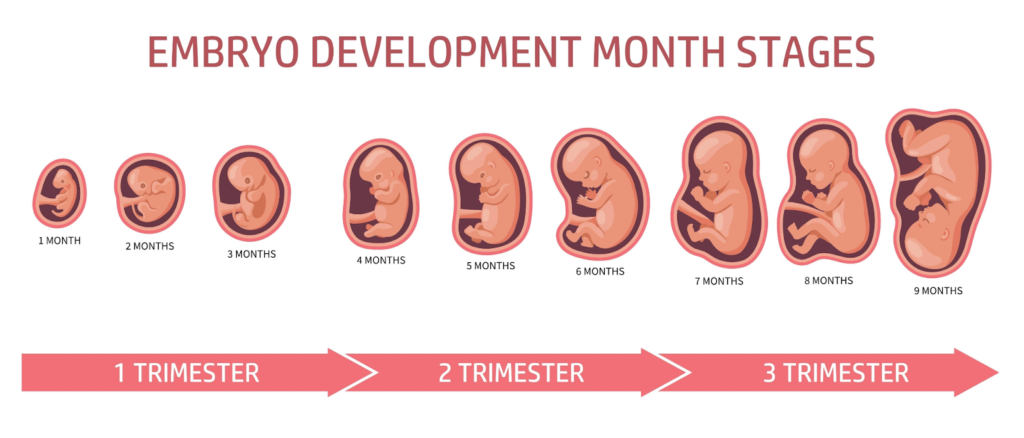
- Key tips for staying healthy
- Eat enough calcium and iron-rich foods.
- Make sure to drink at least 8-10 glasses of water every day.
- Understand your body’s signals and get enough rest if you feel tired.