
How many weeks is the first trimester of pregnancy?

Nusrat Ayaan

Published: 17/02/2026
Updated: 17/02/2026

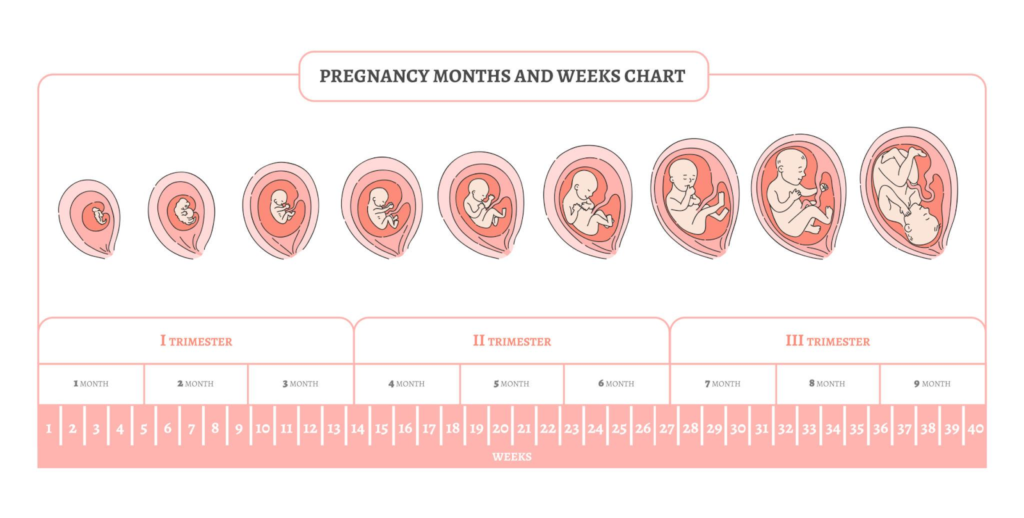
The first trimester of pregnancy is a very important period that starts from the first day of your last menstrual period. According to doctors, this stage basically lasts from the first 1 to 13 weeks and 6 days of pregnancy.

 Although it is often common called the first 3 months, each week of pregnancy carries a different significance for the  baby. During this 97-day journey, the embryo begin to take a full-fledged form from a fertilized egg.
How many weeks is the first trimester?

According to international medical standards, the first trimester or the first stage of pregnancy begins on the first day of your last menstrual period (LMP) and lasts until it is 13 weeks and 6 days. Simply put, the first trimester is the period from the first week of pregnancy to the beginning of the 14th week. Sometimes people call it the ‘first three months’, but doctors  more importance  the calculation of weeks instead of months to monitor the correct development of pregnancy. This 13 weeks and 6 days period is very important, because at the end of this period, the initial formation of the main organs of the baby’s body is completed and the risk of miscarriage is greatly reduced.

Some special information about the duration of the first trimester and its importance is given below:

  • Start of calculation: The first day of pregnancy is counted from the day your last period starts, although the actual conception occurs about 2 weeks later.
  • Weekly range: A total of 97 days are included in this trimester from the first week to the 13th week.
  • Start of the second trimester: The second trimester, or the middle stage of pregnancy, officially begins on the first day of the 14th week.
  • Why count the weeks: The baby’s development changes rapidly every week, so the baby’s weight and structure can be accurately measured by weeks rather than months.
  • Due date: Based on this 13-week calculation, doctors determine your 40-week pregnancy calendar and the estimated date of delivery (EDD).
  • Role of ultrasound: If there is confusion about the date of the period, an ultrasound performed between the 6th and 9th weeks can confirm the correct week by looking at the baby’s size.

Why these twelve weeks are important
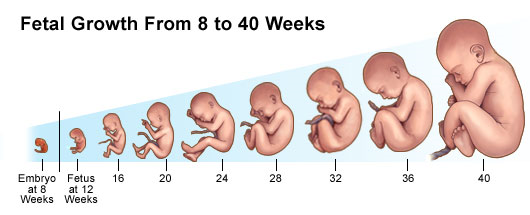
The first twelve to thirteen weeks of pregnancy are called the ‘foundation’ of a baby’s life, because within this short period, the formation of every major organ of the baby’s body begins from a single cell. This period is very important because the initial and most complex stages of the development of the baby’s heart, brain, spine, lungs and liver are completed within these twelve weeks. This is called ‘organogenesis’ in medical terms. At this stage, the fetus is most sensitive to the effects of the external environment, the mother’s diet and medications. Any small mistake or exposure to harmful elements during this period can cause permanent physical or birth defects in the baby. In addition, according to statistics, most miscarriages occur within these first twelve weeks, so passing this period means overcoming a big risk.

The main reasons why the first twelve weeks are important are given below:

  • Organ formation: During this period, the baby’s heartbeat begins and external organs such as hands, feet, eyes and ears become visible.
  • Neurosystem development: The baby’s brain and spinal cord begin to take their final shape during this period.
  • Placenta formation: The placenta, the main source of the baby’s survival, is formed during this period and ensures the supply of nutrients and oxygen from the mother’s body.
  • High risk: The fetus takes time to fully settle in the uterus until the first 12 weeks so the risk of miscarriage is highest during this period.
  • Drug effects: Since this is the time when the fetus’s organs are forming, any wrong drug or radiation (such as X-rays) can cause irreparable harm to the baby.
  • Future health: Proper nutrition and folic acid intake by the mother during this period directly affect the long-term health and intellectual development of the baby.

First trimester by week

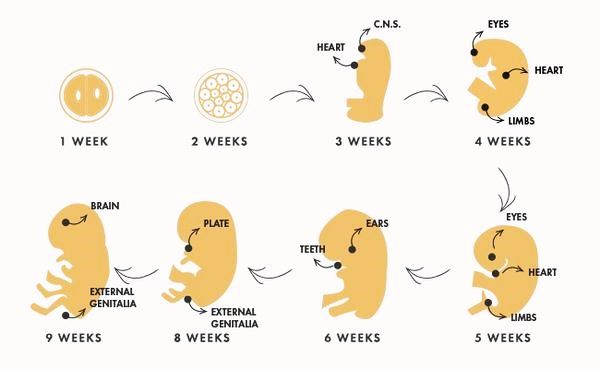
How Many Weeks Is the First Trimester, or 13 weeks and 6 days, can be divided into three main stages. In the first stage (1-4 weeks), you usually don’t even realize you’re pregnant; during this stage, the process of settling in the uterus after fertilization of the egg takes place. In the second stage (5-8 weeks), revolutionary changes begin, where the baby’s heart start beating and symptoms such as nausea and fatigue appear in the mother’s body. In the last stage (9-13 weeks), the fetus starts growing rapidly, its appearance becomes human-like, and by the end of this period, the risk of miscarriage has decreased significantly and the mother and baby have reached a stable state. Each of these weeks is a new milestone in the development of the baby.

The main changes in the first trimester by week are given below:

  • 1-4 weeks (Contraception and implantation): After the last menstruation, conception occurs and the embryo implants itself in the uterine wall; sometimes there may be light spotting.
  • 5-6 weeks (heartbeat begins): The baby’s heart begins to beat and the neural tube (brain and spinal cord) begins to form.
  • 7-8 weeks (organ formation): The baby’s limb buds appear and the rudiments of the nose, eyes, and ears are forming.
  • 9-10 weeks (embryo to fetus): The tail-like part disappears and the baby is now officially called a ‘fetus’; the fingers begin to separate.
  • 11-12 weeks (routine movements): The baby begins to move its arms and legs inside and its kidneys begin to produce urine, although the mother cannot yet feel it.
  • 13 weeks (end of the first stage): The baby’s vocal cords form and it begins to show a reflex such as sucking its thumb; the mother’s nausea begins to subside.

What changes occur in the mother’s body during this time

The biggest changes in the mother’s body during early pregnancy are due to hormones, which, although not visible from the outside start a huge activity inside the body. Immediately after conception the level of progesterone and estrogen hormones in the body increase rapidly, which hold the uterine lining and create a safe environment for the baby. Due to the surge of these hormones, mothers’ breasts become softer and more sensitive than before and mood swings occur. In addition, the uterus changes its normal size and starts growing, which puts pressure on the bladder and forces you to go to the toilet frequently. Due to changes in the metabolic process, the body gets tired quickly and problems like heartburn or constipation may occur due to the slow digestion process.

The main changes that occur in the mother’s body at this early stage of pregnancy are given below:

  • Excess of hormones: The release of hCG hormone causes nausea and severe aversion or distaste for certain foods.
  • Breast changes: Breast size increases, nipple or areola darkens, and a feeling of heaviness or pain is felt in the breast.
  • Increased blood volume: The total blood volume in the body increases by about 50 percent to ensure the nourishment of the baby, which can cause a rapid heartbeat.
  • Uterine dilation: As the uterus dilates, the ligaments are stretched, which causes mild cramps or period-like pain in the lower abdomen.
  • Skin changes: Some people’s skin becomes brighter due to hormone (Pregnancy Glow), while others may develop acne or dark spots on their skin.
  • Mental state: Due to hormonal fluctuations, emotional changes such as crying for trivial reasons, anger, or excessive worry can be seen.

Why is the first trimester sensitive?

 The first 13 weeks ofHow Many Weeks Is the First Trimester are called the most sensitive or ‘critical period’ because it is during this time that all the complex and fundamental foundations of a fetus’s life are formed. This stage is called ‘organogenesis’ in medical terms, when the cells of the baby’s heart, brain, spine and other important organs begin to divide and form. During this time, the fetus is so small and fragile that the slightest carelessness of the mother, taking the wrong medication, radiation or the effects of harmful chemicals on the baby’s body can cause permanent birth defects. In addition, during this time, the fetus’s struggle to survive in the uterus is the most difficult because the placenta or womb is not fully formed. Statistics show that about 80 percent of miscarriages occur in the first trimester, which proves the sensitivity of this period.

The main reasons for the sensitivity of the first trimester are given below:

  • Rapid cell division: The baby’s body structure is formed by dividing from a single cell into billions of cells, where a slight deviation can cause major abnormalities.
  • Organ formation stage: As the brain and nervous system begin to develop, if the mother is deficient in folic acid or exposed to toxic substances during this period, the baby may have neural tube defects.
  • High risk of miscarriage: The embryo takes this time to firmly attach itself to the uterine wall if there is a hormonal imbalance for some reason, the pregnancy is more likely to be interrupted.
  • Sensitivity to drugs: Many common drugs (such as certain painkillers or antibiotics) cross the placental barrier during this period and interfere with the development of the fetus.
  • Fear of infection: Some common infections such as rubella or cytomegalovirus are at risk of serious harm to the baby if the mother has them during this period.
  • Hormonal instability: Sudden changes in hormones in the mother’s body make the body mentally and physically fragile, which can indirectly affect the unborn baby.

Is it the same time for everyone?

 Although the first trimester of pregnancy is generally considered to be from 1 to 13 weeks and 6 days in medical science, its experience and duration in real life can be different for each woman. Determining the exact How Many Weeks Is the First Trimester can be a bit complicated, especially for those whose periods or menstruation are not regular (28-day cycles). In many women, ovulation or ovulation is late so the fetal age may be 1-2 weeks younger than the calendar calculation. In addition, the physical symptoms of the first trimester—such as nausea or fatigue—end within 10 weeks for some, and for others it can last up to 16 weeks. So although the mathematical calculation of pregnancy is the same for everyone, this period feels different from person to person as a physical and biological clock.
The reasons for the time not being the same for everyone and the difference in experience are given below:

  • Menstrual irregularities: If your menstrual cycle is longer or shorter than 28 days, the week of pregnancy according to the date of the period will not match for everyone.
  • Ovulation: Two women who start their periods on the same day may have different conception dates because their egg fertilization may not be the same.
  • Variation in symptom presentation: Everyone’s body responds differently to the hormone progesterone, so the discomforts of the trimester do not all start or end at the same time.
  • Role of ultrasound: The ‘gestational age’ given in the ultrasound report based on the size of the baby is considered the most accurate, rather than the calendar calculation.
  • Placenta formation: Depending on how quickly the placenta is developing, the relief of the second trimester may come a little earlier or later for many.
  • Twin pregnancy: If there is more than one baby in the womb, the symptoms of the first trimester may be much more intense and prolonged due to the excess of hormones.

When to be a little more careful

Since the first three months of How Many Weeks Is the First Trimesterare when the fetus is trying to settle in the uterus, even the smallest signals from the body should be taken very seriously during this time. Although some mild cramping or spotting may be normal for many, there are some symptoms that directly indicate a risk to the life of the mother or baby. Especially if there is severe abdominal pain along with bleeding, it can be a sign of ectopic pregnancy or miscarriage. In addition, not being able to drink water due to abnormal body temperature or continuous vomiting quickly dehydrates the body. In such situations, seeking expert advice quickly can be life-saving without waiting for any home remedies or time. If you have any doubts during pregnancy, it is wiser to talk to a doctor without keeping quiet.

You should be a little more careful and take quick action in the following situations:

  • Heavy vaginal bleeding: If you have heavy bleeding like a period or blood clots, it is an emergency.
  • Severe unilateral abdominal pain: An unbearable twisting pain on the right or left side of the lower abdomen that may spread to the neck or shoulder.
  • Excessive vomiting and dehydration: If nothing has been digested in 24 hours and the urine is very dark or cloudy.
  • High fever: A fever of more than 100.4 degrees Fahrenheit, because the infection or infection is interfering with the development of the fetus.
  • Severe headache and blurred vision: If your blood pressure suddenly increases or you have blurred vision with an unbearable headache.
  • Burning during urination: Severe burning or stabbing pain in the lower abdomen while urinating, which is a sign of a urinary tract infection.

What happens after 12 weeks?

 Many mothers and doctors consider the end of the first trimester of pregnancy as the ‘safe zone’. The biggest relief of passing this time is the dramatic reduction in the risk of miscarriage. By the end of 12 weeks, all the vital organs and systems of the fetus (such as the heart, kidneys, liver) are formed and from now on they only start to grow and mature. This is a time of major change for the mother’s body because now the placenta or womb is fully functional and takes over the responsibility of the baby. As a result, the sharp fluctuations in the mother’s body’s hormones stabilize somewhat due to which you start feeling much more refresh physically and mentally than before.
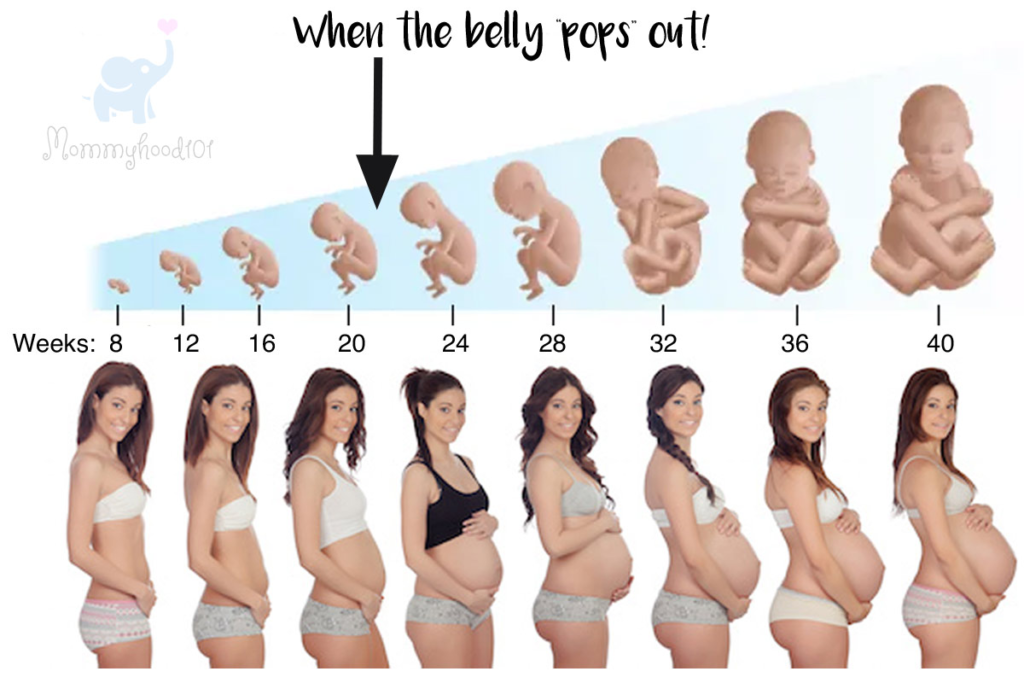
The changes that are most noticeable after 12 weeks or the first trimester are:

  • Reduction in nausea and fatigue: As the body’s hormone levels stabilize, most mothers start to experience ‘morning sickness’ and extreme fatigue.
  • Resurgence of energy: You will feel more active than before and will be able to focus on daily tasks again.
  • Baby bump becoming visible: The uterus starts to rise above the abdomen from the pelvic area, causing the lower abdomen to become slightly swollen or ‘baby bump’ to become evident.
  • Reduced risk of miscarriage: According to statistics, the chances of a successful pregnancy after 12 weeks are much higher.
  • Increased appetite: Your aversion to food will go away, your appetite will return, and your body will feel the need for additional nutrition.
  • Baby movements: Although you as a mother cannot understand it yet the baby is now moving its arms and legs and sucking its fingers inside the uterus.

conclusion

The first trimester or the first thirteen weeks of pregnancy is the beginning of an amazing journey, where a single cell inside your body forms the foundation of a full-fledged life. Although this period can be a bit challenging due to physical discomfort, hormonal fluctuations and mental anxiety, successfully passing 13 weeks and 6 days means that you have conquered the most sensitive stage of motherhood. The right knowledge and precautions during this time will not only keep you worry-free, but also ensure a safe future for your unborn child. Remember, every pregnancy is unique, so understand your body’s signals and stay positive. This experience of the first trimester will make you more confident and patient for the next steps.


Related Articles

​Balanced diet during pregnancy

The Importance of a Balanced diet during pregnancy for a Healthy Baby

​Balanced diet during pregnancy is essential for the mother’s health and the proper physical and mental development of the growing baby.

​Since you became a mother, your life has not been the same. Now you have to think about your unborn child at every step. Do you know that what is on your daily plate is directly shaping the body structure of your baby? Many people give a lot of advice at this time, but in fact, knowing the right rules is very important.

If you do not eat properly, your body will become weak and the growth of your baby may be hindered. Your baby’s future immunity will be built based on what you eat for these nine months. So, it is not right to neglect any food.

​Many people think that during pregnancy, you have to eat food for two, but in fact, the quality of food is more important than the quantity. Have you ever wondered why you develop aversion to certain foods during this time? In fact, the body is signaling you what additional nutrients it needs now.

If your daily food list does not contain all kinds of nutrients, you will feel tired very quickly. So, there is no alternative to nutritious food to keep yourself fresh during this important period of life and ensure the right weight of the baby.

Increases the mother’s body’s strength and immunity

  • ​Strength: A new life is growing inside your body now, so you need extra calories and energy every day.
  • ​Safety: By eating foods with the right vitamins, your body can fight off external germs and you will be less likely to get sick.
  • ​Blood: Eating foods with iron helps the body produce enough blood, which helps the oxygen reach the baby the most.
  • ​Digestion: Eating foods rich in fiber or ash makes it very easy to get rid of annoying problems like constipation, which is a great thing.

​Ways to develop your child’s bones and brain properly

​Calcium is very important for the formation of your child’s bones, which can weaken your child’s bones if you don’t get it. Do you know that including Omega-3 in your diet can improve your child’s eyesight and intelligence? Pulses or protein foods help build your child’s muscles. So it would be wise for you to have variety in your daily diet.

Which foods are essential to keep in your daily list?

​From your breakfast to dinner, every meal should be nutritious and healthy. To follow a balanced diet during pregnancy, you need to give up the illusion of outside food today. Are you sure that the food you are eating has enough protein and minerals? Always try to decorate your plate with fresh and local fruits and vegetables.

Magical benefits of protein and iron-rich foods

​Fish: Marine fish or local small fish meet the protein needs of the baby and contain a lot of iodine, which is effective.

  • ​Egg: Eating one boiled egg every day provides all the amino acids required by the body, which helps in the growth of the baby.
  • ​Vegetables: Colorful vegetables like spinach or red leafy vegetables will work like magic to increase hemoglobin in your body at this time.
  • ​Fruit: Eating sour fruits like lemons or oranges helps your body absorb iron a lot.

​Why is the need for dairy products and calcium so high?

​Eating milk or yogurt will not cause calcium deficiency in your body and will strengthen your baby’s teeth and bones. Did you know that due to lack of calcium, many people may experience dental problems or leg pain during pregnancy?

Therefore, it is possible to stay away from these problems by eating dairy products regularly. Eating yogurt increases digestion and reduces the chances of stomach gas.

Easy tips to increase baby weight through food

​During pregnancy, every mother wants her baby to be healthy and of the right weight, which is something she never has to worry about. The weight of your unborn baby depends mainly on the type of nutrition you are consuming every day.

Did you know that the baby’s weight does not increase by eating more food alone, but choosing nutritious calories is the most important thing? Many times it is seen that the mother is eating a lot but the baby is not gaining weight because the food lacks sufficient protein or healthy fats.

To ensure a balanced diet during pregnancy, you need to choose foods that directly provide energy to the baby’s cells and help it grow faster.

​To increase the baby’s weight, it is very important to include protein-rich foods such as eggs, fish and pulses in your daily menu. Have you ever wondered why doctors advise drinking at least one glass of milk every day during this time? In fact, the calcium and protein in milk increase the bone density of the baby, which plays a major role in weight gain.

Apart from this, eating different types of nuts like almonds or cashews in small amounts repeatedly helps in increasing both the brain development and weight of the baby. Carbohydrate foods like sweet potatoes or bananas also work like magic to keep the baby healthy. Remember that worrying or putting the body under excessive stress can slow down the baby’s weight gain. So, along with nutritious food, ensuring adequate sleep and rest is your biggest responsibility now.

How to overcome the worry of excess weight during pregnancy?

Many people think that the more you eat during this time, the better, but in fact, excess weight can be dangerous for you. If you follow a balanced diet during pregnancy, your weight will be under control and your body will feel lighter. Have you noticed that eating too much fried food increases heartburn or acidity? In fact, the digestion process slows down a bit during pregnancy, so it is wise to avoid spicy foods.

At this time, it is more important to pay attention to the proper nutrition of the baby than to your excess weight.

Determining the correct amount of carbohydrates and fats per day

  • ​Rice: Eating red rice instead of white rice will keep your body energized for a long time and will not increase blood sugar.
  • ​Bread: Eating light flour bread at night improves digestion and prevents abnormal weight gain, which is very good.
  • ​Oil: Using a little olive oil or mustard oil instead of soybean oil in cooking is much more beneficial for health.
  • ​Sugar: Sweet foods or excess sugar increase body weight and create a risk of diabetes during 

pregnancy.

​Secret trick to maintain water balance in the body during pregnancy

​Water Drinking at least three to four liters of pure water a day will help flush out toxins from your body. Did you know that if you don’t drink enough water, you are more likely to get a urinary tract infection during this time? Coconut water or homemade fruit juice will keep your body’s electrolyte balance in check. If you have a habit of drinking tea or coffee, reduce it because caffeine dehydrates the body, which is harmful.

What precautions should you take while eating fish and meat?

​You may love eating non-vegetarian food, but there are some rules to follow before eating them during pregnancy. To ensure a balanced diet during pregnancy, you need to make sure that the fish or meat is cooked thoroughly. Are you sure that there are no raw parts left in your cooking that can spread bacteria?

Eating undercooked meat or eggs can cause serious infections in your stomach, which is not good for the baby at all.

Reasons to avoid marine fish and foods high in mercury

  • ​Mercury: Some large marine fish contain a lot of mercury, which can cause major obstacles to the development of the baby’s nervous system.
  • ​Hilsha: Small hilsha or fresh fish from rivers and ponds is the safest and best source to meet your protein needs.
  • ​Liver: It is not advisable to eat beef liver more than once a week because it contains excess vitamin A, which can be harmful.
  • ​Cleanliness: Fish and meat should be washed very well before cooking so that no germs stick to the food.

Proper rules and requirements for washing vegetables and fruits

​Vegetables and fruits brought from the market can often contain formalin or pesticides, which can cause problems in the development of children. Did you know that soaking vegetables in lightly salted water can clean out a lot of the toxins? Always try to peel the fruit while eating it so that bacteria do not enter the stomach. Eating fresh vegetables increases the amount of antioxidants in the body, which helps keep you fresh all the time.

What is good for breakfast and afternoon snack?

​Having a light snack between three big meals keeps your body’s sugar levels stable and reduces dizziness. To maintain a balanced diet during pregnancy, you should choose natural foods instead of biscuits or cakes for afternoon snacks. Have you noticed that your body feels very weak or restless if you don’t eat anything in the afternoon? In fact, these small meals help your body to provide energy for the whole day.

Why is it important to change the dinner menu?

​The last meal of the day has a big impact on the quality of your sleep, which is very important during pregnancy. Balanced diet during pregnancy is complete when you finish your dinner at least two to three hours before going to bed. Have you noticed that eating late at night increases the problem of heartburn or gas?

In fact, during pregnancy, the stomach takes longer to digest food, so it is wise to choose light meals at night. During this time, your dinner should have the right combination of protein and complex carbohydrates, which will keep the body calm.

Some special foods that help for a restful sleep

  • ​Soup: Eating vegetable soup or light broth-like foods at night is very fast-digesting and keeps the body hydrated.
  • ​Almonds: Eating a few almonds before bed helps the magnesium in them relax your muscles and help you sleep better.
  • ​Milk: Drinking a glass of lukewarm milk, the tryptophan in it calms your brain and sends signals for deep sleep.
  • ​Grains: Eating red flour bread or oats at night keeps your blood sugar levels stable, which is good for the development of the child.

Reasons to avoid drinking tea or excess water at night

​Many people wake up due to frequent trips to the toilet at night, which is quite annoying during pregnancy. Did you know that drinking too much water before bed can put extra pressure on your kidneys, which is absolutely not recommended?

Avoid caffeine or coffee at night because it can increase your and your baby’s heart rate and cause insomnia. Drink more water during the day and only drink enough water to quench your thirst at night.

What precautions are necessary when drinking home remedies and herbal teas?

​Many people recommend drinking various herbal teas or ginger tea during pregnancy, which helps reduce nausea. It would not be right for you to take any herbal ingredient in excess while following a balanced diet during pregnancy.

Are you sure that the herbal tea you are drinking is not having any effect on the uterus? Some specific herbal ingredients can increase the pain of premature labor, which is risky for your unborn child.

Health benefits of limited use of ginger and mint leaves

  • ​Nausea: Drinking ginger tea after waking up in the morning can greatly reduce nausea or weakness in early pregnancy.
  • ​Digestion: Chewing a few mint leaves after meals can reduce the feeling of empty stomach and keep the mouth fresh, which is good.
  • ​Caution: Avoid drinking more than two cups of ginger or lemon tea a day as excessive sourness or bitterness is harmful.
  • ​Tip: It would be safest to talk to your gynecologist before starting any new home-made drink.

​The right way to take vitamin and mineral supplements during pregnancy

It is often difficult to get all the nutrients from food, so doctors prescribe iron or calcium pills. Did you know that taking these pills on an empty stomach can cause vomiting in many people, so it is better to take them on a full stomach?

Do not take calcium and iron pills together because they can interfere with each other’s absorption process, which is strange. If you take these supplements according to the rules, one hour before or after meals, you will not have any fear of anemia.

How to control your food while going out?

​When you are invited at home or at a relative’s house, it is quite difficult to control yourself after seeing extra oily and spicy food. To make Balanced diet during pregnancy successful, you have to arrange your plate very carefully even at the invitation so that your stomach does not get upset.

Have you ever thought that one heavy meal outside can ruin your entire week’s diet chart?

Eat more salads or vegetables and try to avoid sweet foods or cold drinks as much as possible.

Importance of carrying dry food and safe water while traveling

​Eating open food outside while traveling means putting yourself at risk of major stomach ailments which is fatal. To maintain a balanced diet during pregnancy, you should always keep some dry fruits like nuts or apples in your bag. Do you know that old water in plastic bottles can harm your hormones, so keep water in glass bottles? If you always keep food close to your hand, you will not be afraid of sudden drops in blood sugar, which is very useful.

​Conclusion

​Balanced diet during pregnancy is not just a food list but an investment in your child’s beautiful future that you make every day. Every moment of these nine months is priceless and what you consume directly affects every cell of your baby’s body. By eating the right food, you are not only keeping your baby healthy but also paving the way for your own speedy recovery after delivery.

Your body is doing a miracle now, so giving it adequate nutrition and rest should be your main responsibility. Be aware of food but don’t worry too much because being happy is more effective than nutrition. Remember, only a healthy mother can guarantee a healthy and beautiful generation, so take care of yourself from the heart.

I always wish that the days of your unborn child’s arrival are joyful and safe.

​Frequently Asked Questions (FAQ)

​Can pineapple or papaya be eaten during pregnancy?

Raw papaya or excess pineapple can increase uterine contractions, so it is safe and better to avoid it.

​How often should you eat?

It is best to eat small, nutritious meals every 2-3 hours rather than eating too much at once.

​Can coconut water be consumed every day?

Yes, coconut water is a great source of electrolytes that help keep your body cool and hydrated.

​What should I do if I have a strong desire to eat sweets?

Instead of excess sugar, you can satisfy your sweet tooth by eating jaggery or sweet fruits such as dates or raisins.

​Is tea completely forbidden during pregnancy?

No, you can have one or two cups of light tea a day, but not too much.

​What is the best thing to eat before going to bed at night?

Eating lukewarm milk or a few nuts is very good for sleep and for the nourishment of the body.

​Can raw salt be eaten with food?

No, excess salt causes water retention in the body, so avoiding raw salt is very important at this time.

​Which food helps to increase the intelligence of the child?

Sea fish, eggs and nuts work like magic in the development of the child’s brain, which you can eat.

​Is it possible to diet during pregnancy?

Not a diet to lose weight, but a balanced diet for nutrition should be eaten, which is more than a diet.

​What can be done if you really want to eat outside food?

If you really want to, prepare that food at home with less spices and eat it, which is much safer than outside.

Scroll to Top