

You can find a complete guide to dog labor and birth here, which discusses in detail the signs of labor, the three stages, costs, and emergencies.
Just by observing the changes that occur in the body of a pregnant pet dog every day, you can understand how close the joy of motherhood is.
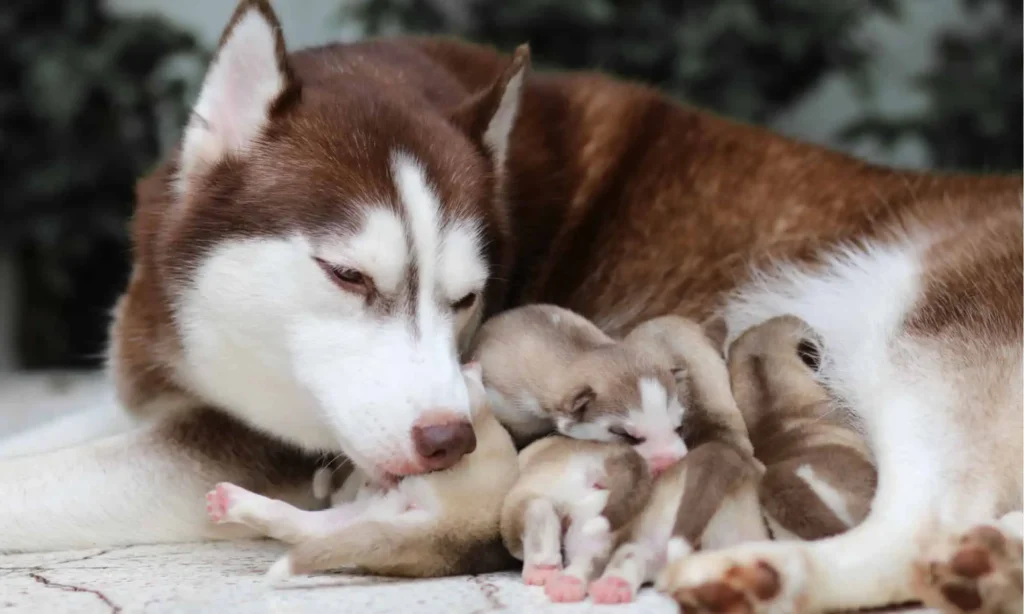
These changes occur quite rapidly in the last few days. This entire process is simply called dog labor and birth. Usually, a female dog is pregnant for an average of 63 days after ovulation. However, since the physical structure of each dog is different, this time can be more or less by two or three days.
Just before giving birth, the dog’s body temperature drops, she tries to build a safe home for herself and reduces her food and drink completely. If you, as the owner, pay attention to these early signs, you can handle everything calmly without panicking at the last minute. The entire delivery process basically ends in three different stages, and different changes are seen in the dog’s body in each stage.
What is the matter?
This whole journey of becoming a mother to your beloved pet dog should be understood simply. Dog labor and birth is not a complicated matter, it is a natural law of nature. However, it is very important to have a trusted person by her side at this time. In the days before delivery, several changes occur in the behavior of the mother dog, which you can easily guess that she is getting ready.
What does normal delivery mean
A normal delivery refers to when the mother dog can give birth to one puppy after another on her own without any doctor or surgery. In this process, there is usually a break of 30 to 60 minutes between each puppy.
Most of the time, the mother dog handles the whole situation with her instincts, and the owner’s job is just to keep a close eye on it from a distance or from the side. It is very common for four to six puppies to be born at a time, but the number of puppies can range from 1 to 12 depending on the breed of dog. Usually, small breeds of dogs have fewer puppies, and large breeds of dogs give birth to more puppies at a time.
When the problem starts
Labor may not always be normal. If more than two hours pass between giving birth to one puppy and the next, or if the mother dog tries for an hour without giving birth, then there is a problem inside.
In medical terms, this is called dystocia, which can be extremely dangerous for both the mother and the puppy.
Why is it important to know this?
If you have a pregnant dog at home, it is your responsibility to have a clear understanding of dog labor and birth. Many times, due to lack of accurate information, owners delay making decisions at the last minute, which can cost the mother dog or her puppies.
If you know everything in advance, you can make a comfortable whelping box or delivery box, organize the necessary items at hand, and easily understand which symptoms are normal and which are scary. Especially for those who are facing this experience for the first time, studying in advance gives a kind of mental strength.
Many people think that everything is on the internet, they will check it out in time. But in reality, each dog’s delivery experience is slightly different. Therefore, it would be wise to prepare by keeping your dog’s breed and health in mind.
Importance of Mental Preparation
Due to the intense pain of labor, a mother dog may sometimes scream loudly, pant frequently, or vomit. If you yourself get scared seeing this situation, the mother dog will become even more restless. So it is very important to keep yourself calm and give her courage.
Benefits of timely decision
If you can make this decision at the right time when to call the doctor or when to run to the hospital, there will be no major danger. Especially for a dog that is becoming a mother for the first time, the right decision of the owner can be life-saving.
Who can face this situation?
Everyone who has a pregnant female dog at home will have to go through this experience of dog labor and birth at some point. However, in some cases, a little extra caution is needed. For example, dogs that are becoming mothers for the first time, older dogs, or dogs that have a slightly complex physical structure, complications during childbirth are more common.
Risky breeds
It is quite difficult for flat-faced dogs like bulldogs, pugs, or French bulldogs to have a normal delivery. This is because the head size of their babies is larger than the mother’s pelvis, which increases the risk of the baby getting stuck.
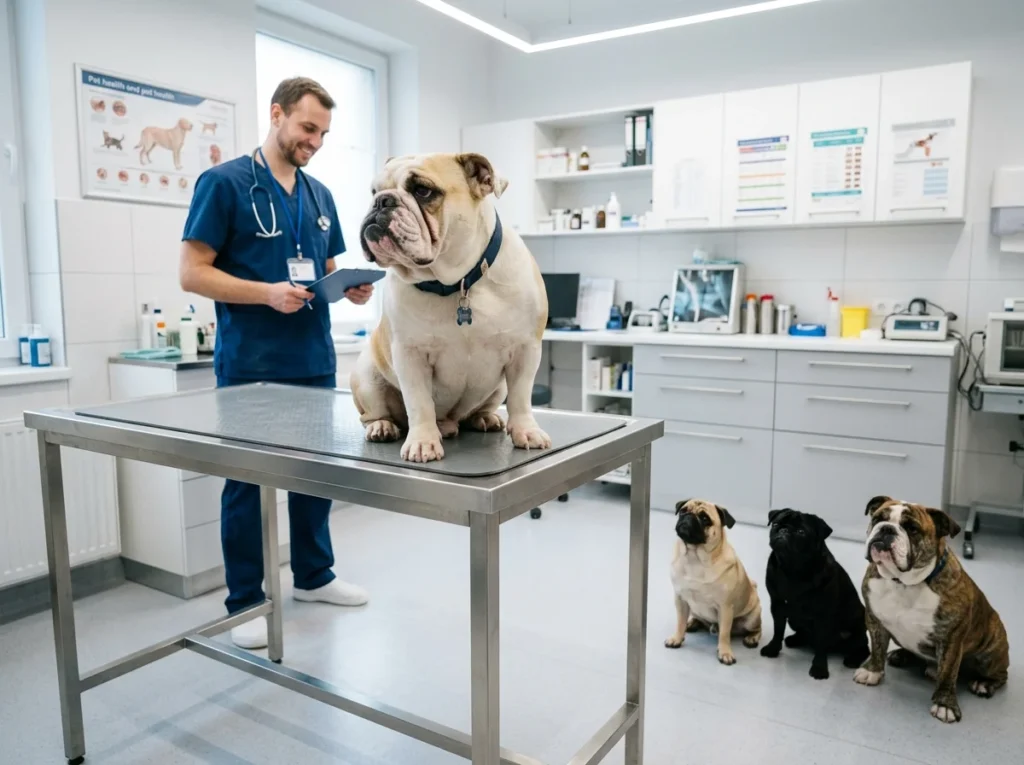
Age and health effects
The delivery time is quite risky for dogs that become mothers at a very young or overly old age. Therefore, it is better to consult a doctor from the beginning of pregnancy. To easily understand the risks of childbirth,
you can keep the following points in mind:
- Breed: Flat-faced breeds are at higher risk of cesarean section.
- Experience: First-time mothers tend to lack maternal experience.
- Age: Extra caution is required if the age is less than 3 years or more than 7 years.
- History: If there was a problem with a previous birth, the risk remains this time too.
- Weight: Being overweight or underweight can slow down the pace of labor.
- Number: When there is only one baby in the womb, the normal hormones of childbirth often do not work properly.
First-time mother dog
A first-time mother dog often experiences intense labor pains and does not understand what is happening to her. During this confusion, a little affection and presence from the owner keeps her calm.
Discover more here: Baby Sleep Routine
What do you need to prepare?
Before the time of dog delivery approaches, organize some necessary things in a specific box. This should include clean and soft towels, sterile scissors, a thermometer and the phone number of your veterinarian.
Keep several cotton towels or towels to wipe the mother and puppies after delivery, because after giving birth, the place gets dirty and needs to be cleaned quickly for the next baby. In addition, in preparation for dog labor and birth, you can keep a good antiseptic liquid, hand gloves and a small heating pad or hot water bottle nearby to keep the newborn puppies warm.
Preparing the whelping box
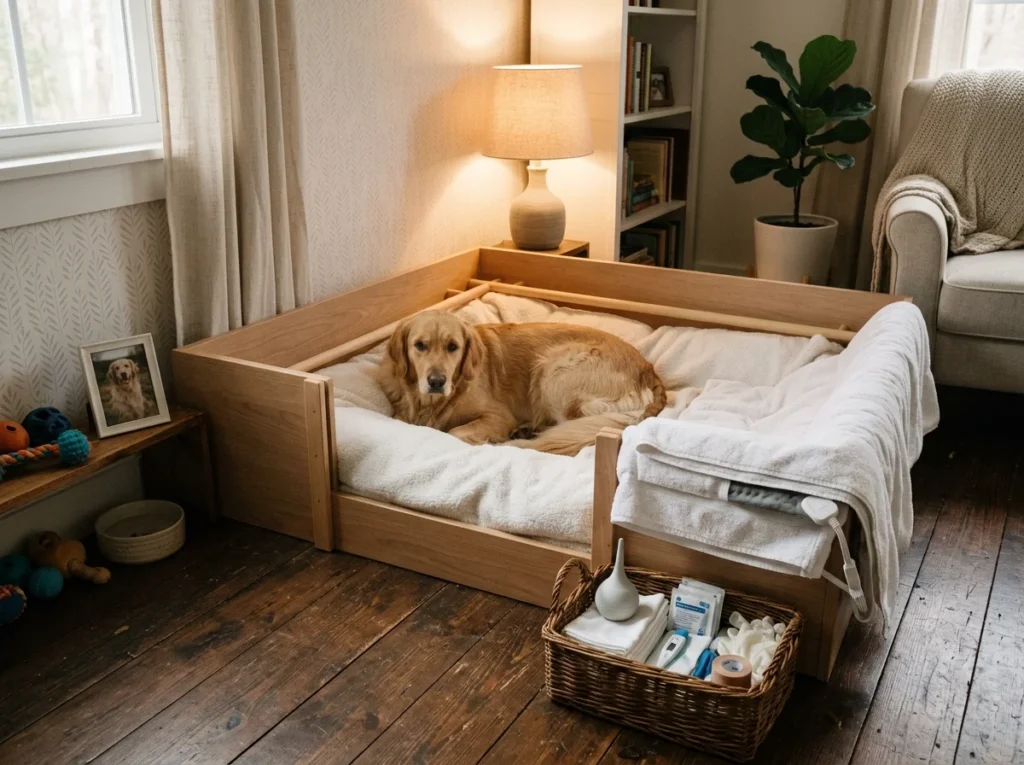
Choose a corner of the house for dog delivery where there is less noise and a quiet environment. Spread soft cloth or towel inside the box, so that it can be easily changed if it gets dirty.
Keep emergency information handy
Write down the dog’s breeding date, whether it has ever had puppies before, and the size of the father dog on a piece of paper so that you can quickly inform the doctor if necessary.
Rules of childbirth according to the rules
Simply put, the entire process of dog labor and birth is completed in three main stages. In the first stage, the uterine contractions begin and the baby’s passage is prepared, which can usually last from 6 to 12 hours. During this time, the mother dog is quite restless, scratching here and there and giving up eating and drinking. In the second stage, the actual delivery time comes, where each baby usually sees the light of the world at intervals of 30 to 60 minutes. And in the third stage, the flower or placenta accompanying the baby comes out, which happens immediately after each baby is born.
The whole process can take 3 to 12 hours to complete,
But in some cases it can take 24 hours. The mother dog does not suffer continuously, but sometimes she gives up a little, then she again gives in for the next baby. After the baby is born, the mother dog herself cuts the umbilical cord with her teeth and licks the baby clean, which helps the baby breathe. At this time, your job is just to watch from a distance, letting nature take its own course.
Temperature Changes
While a dog’s normal temperature is around 101 degrees Fahrenheit, it suddenly drops to between 98 and 100 degrees just 24 hours before giving birth. Therefore, regular temperature measurements in the last few days can help estimate the exact time of delivery.
Pay attention to the time between births
If the interval between two births is more than two hours, or if the mother dog is tired but the baby does not come out, call the doctor without delay.
Source of Additional Cost
If the mother dog or her puppies need to be kept at the hospital under veterinary observation for 24 hours following the surgery, an additional bill ranging from $200 to $500 per day may be incurred.
| Cost Type | Estimated Cost (Dollar) |
| General Pre-Birth Vet Visit | $ 50 – 250 |
| Ultrasound | $ 300 – 500 |
| Planned Caesarean | $ 700 – 1800 |
| Emergency Caesarean | $ 2000 – 4000 |
| Hospital stay cost (per day) | $ 200 – 500 |
Advantages and Disadvantages
While there are many advantages to knowing about your pet dog’s labor and birth journey in advance, there are also some real challenges you will have to face. It is good to know both aspects so that you can be mentally prepared.
Advantages
Benefits that you will get by studying and preparing in advance:
- You can make quick and correct decisions in any emergency situation without panicking.
- The health risks to the mother dog and her newborn puppies are greatly reduced.
- As the owner, you can stay mentally calm and organized.
- You can help the mother dog give birth on her own without unnecessary stress.
- Having an idea of the medical costs in advance means that you do not suddenly run out of money.
- It is possible to ensure proper care for the puppies right after birth.
Disadvantages
Challenges that you need to be prepared for:
- You have to stay awake and sit next to the dog the entire time of delivery (sometimes all night).
- The owner’s own sleep, rest and daily work routines are turned upside down.
- You have to be mentally prepared for the sudden expenditure of a large sum of money for treatment.
- You may have to run to the hospital with the mother dog late at night or even on holidays.
- If you have no previous experience, a kind of fear or hesitation may work in your mind.
- Despite all your efforts, some accidents can happen due to the laws of nature.
Managing stress
Keep another family member with you during this long period of labor. If you try to handle everything alone, it puts extra pressure on your body and mind.
Common Mistakes
Sometimes, owners make some mistakes due to being overly emotional or not understanding, which further increases the mother dog’s suffering:
- Repeatedly disturbing the mother dog during labor or interfering excessively with her.
- Relying on guesswork instead of measuring the temperature with a thermometer.
- Waiting for a long time between two puppies without seeking help from a doctor.
- Leaving the necessary supplies for labor until the last minute.
- Thinking yourself a doctor just by watching videos or articles on the internet and ignoring the advice of a real vet.
- Leaving the newborn puppies in the cold without maintaining the right room temperature.
- Not providing the mother dog with nutritious food and adequate water after the stress of labor.
FAQs – You should know these
Question: How long does a dog’s labor last?
Answer: Usually, all the puppies are born within 3 to 12 hours, but in some dogs
it can last up to 24 hours.
Question: How do I know when labor is about to begin?
Answer: When a dog’s body temperature drops below 100 degrees, she becomes
restless and tries to make a nest, and she doesn’t eat, you can tell that the time is
approaching.
Question: How long does it take between each puppy?
Answer: Usually, one puppy is born 30 to 60 minutes after the other.
However, if this interval exceeds 2 hours, consult a doctor.
Question: When should you call the vet urgently?
Answer: If the mother dog tries for an hour without giving birth or if there is a gap of more than two hours between two puppies, inform the doctor immediately.
Question: When is a cesarean section necessary?
Answer: If the size of the baby is very large, the mother’s pelvic passage is narrow, or the mother dog stops labor because she is completely exhausted.
Question: How much owner intervention is needed?
Answer: If the birth is normal, the owner does not need to intervene.
Your job is just to be there to reassure her and keep an eye on her.
Conclusion
There is nothing to be afraid of during this special moment of your beloved dog’s dog labor and birth, if you have the right information. As soon as you see the signs before labor, such as a drop in temperature or a restless mood, you will understand that your responsibility has begun. By nature, most dogs go through these three stages of uterine contractions, childbirth and the emergence of flowers beautifully.
However, your main responsibility as an owner is to seek medical attention without delay if you notice any abnormalities. Having everything organized in advance can avoid last-minute worries. If the dog is going to become a mother for the first time, talk to your regular doctor once before the expected date of delivery and check her physical condition.