“what weeks are the second trimester” in 2026

Nusrat Ayaan

Published: 25/07/2026
Updated: 25/07/2026

“What weeks are the second trimester?”

 This is a very important question for expectant parents.

Find out the duration of this second part of pregnancy and useful information according to the 2026 rules.
What is the matter?

In this wonderful journey of pregnancy, if you know “what weeks are the second trimester” correctly, you can easily track every moment of the baby’s growth. Usually, the middle period of this beautiful journey of the entire nine months is considered the most enjoyable and relaxing part. 

According to doctors, this specific period plays a very important role in the adaptation of the mother’s body. During this time, you will notice a great change in yourself every day and everything around you will slowly change.

Here are the changes that are going to happen in your life during these beautiful months.

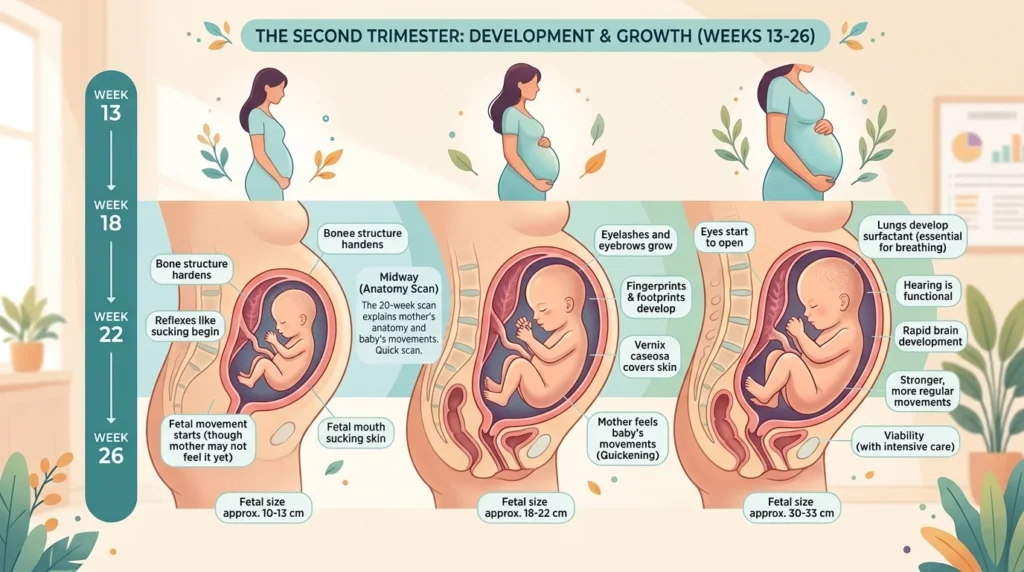
  • Duration: This special stage basically starts from the 13th week of your pregnancy and lasts until the last day of the 27th week.
  • Energy: The intense fatigue and exhaustion of the first few months are gone, and during this time, a strange vitality and great enthusiasm for work returns to the body.
  • Growth: During this time, the baby’s physical structure begins to be completed very quickly inside the womb, including the formation of the facial features.
  • Movement: Most expectant mothers begin to feel the baby’s light movements or gentle kicks for the first time during this time, which is truly a magical feeling.
  • Appetite: The initial annoying nausea is completely gone during this time and expectant mothers can eat their favorite nutritious foods to their heart’s content.
  • Glow: Due to increased blood circulation, the skin of expectant mothers appears to have a different glow during this time, which catches everyone’s attention.
  • Bonding: Hearing the baby’s heartbeat clearly on ultrasound and feeling its presence strengthens the emotional bond between the expectant parents.

Key points of baby’s physical growth

Your little one is growing very fast in the womb now. The major organs of his body are now starting to mature properly and he can also hear your voice clearly. If you talk to your baby regularly during this time, he will be able to recognize you very easily right after birth. The soft cartilages of his body are now starting to turn into hard bones, which is truly an incredible natural wonder.

Changes that occur in the mother’s body

Your own body is also constantly changing to keep your little one safe. Due to the continuous increase in the size of the uterus, your pregnancy belly or baby bump will now become quite obvious.

 At this time, you may feel mild pain at times due to muscle and ligament tension. However, drinking enough water regularly and doing light stretching as per the doctor’s advice can easily remove this temporary discomfort.

Why is this particular stage so important?

Knowing exactly “what weeks are the second trimester” will help you stay free from mental anxiety and prepare yourself for the next treatment. This period is called the ‘honeymoon period’ of pregnancy because during this time, mothers are physically quite healthy and mentally very relaxed. 

This is the best time to organize all the necessary household chores before the heavy and tiring months of the last months begin. Planning in advance makes the next days much easier.

The golden period of pregnancy

During this period, your body has the most energy to work, which is the best opportunity to make urgent plans for the future. If you want, you can safely travel somewhere during this time with the advice of a doctor, which many call ‘babymoon’.

 The risk of miscarriage is much reduced during this period compared to the first three months, which brings immense peace of mind to the expectant parents. So, convert these joyful days into beautiful memories before the baby comes into the world.

Essential Medical Checkup

During these months, doctors recommend some very important tests to ensure that both the mother and the baby are completely safe. The most interesting test during this time is the Anatomy Scan Ultrasound through which you will see clear pictures of each organ of your baby. Apart from this, a glucose screening test is also done very carefully to ensure that the mother has gestational diabetes or gestational diabetes.

Who will monitor this timeline?

It is very important for everyone to keep track of “what weeks are the second trimester” to create a beautiful and supportive environment at home. Everyone directly and indirectly involved in this pregnancy journey will benefit from having a clear idea of ​​​​this specific biological timeline. This helps to ensure proper medical care and round-the-clock emotional care for the expectant mother. Other family members can also stand by the mother during this time.

Expectant mothers and fathers

It is very important for expectant parents to know this information so that they can create a deep mental connection with the child and plan for the future. Expectant fathers can directly feel the baby’s kicks during this time and can help in arranging the nursery for the baby at home. This joint experience deepens the love between the couple and mentally prepares them for their new responsibilities.

Health workers and experienced doulas

Professional doctors schedule various blood tests and important ultrasound dates by keeping this exact week count. On the other hand, experienced doulas educate the parents in detail about the various natural laws of childbirth and postnatal care during this in-between period. Their accurate and experienced clinical guidelines help to keep the entire journey much safer and healthier.

Caring family members

Other family members such as grandparents-to-be or close friends can provide the necessary help in time if they know the exact week. They may organize joyful events like Sadhabhakshan or baby shower during this time or help with heavy household chores. Their sincere participation acts as a strong emotional support system for the new parents.

What do you need during this time?

Since your body is changing so rapidly, you will need some essential items to make your daily life comfortable. Changing out the old tight clothes in your closet and making some changes in your daily routine can make a huge difference during this time. Investing in good quality items will help you enjoy this beautiful time without any physical discomfort.

Maternity clothes and comfort items

Very soon, your regular clothes will start feeling uncomfortably tight due to your growing belly. So, during this time, you should buy some loose comfortable maternity pants and soft supportive bras that will give you instant comfort. Also, a good quality large pregnancy pill or pillow is a very necessary thing during this time to sleep peacefully with your growing belly at night.

Essential nutrients and diet plan

Your personal doctor will advise you to take the necessary prenatal vitamins or prenatal supplements regularly every morning. Foods rich in calcium and iron directly help in bone formation and blood formation of the fetus during this time. A balanced and nutritious diet reduces the risk of anemia in the expectant mother and helps maintain energy in the body throughout the day.

Discover more here: Teen Health Tips

Step-by-step preparation guide

If you understand “what weeks are the second trimester” correctly, you will be able to organize your long to-do list very nicely. If you finish the big tasks at this time, then you will not have to take any extra pressure when the body is very tired at the end. Below is a simple guideline to properly utilize your valuable time.

Planning for Anatomy Scan

This important medical ultrasound is usually done around the 20th week and is a very detailed test. An experienced ultrasound technician examines the baby’s heart, liver, brain and spine very carefully during this time to ensure that there are no birth defects. If you want, you can be sure about the baby’s physical health as well as the overall progress of his growth at this time.

Preparing the baby’s room or nursery

Now is the safest and most appropriate time to buy heavy wooden furniture, assemble a bed or crib, and paint the house. Because your body now has enough physical strength through which you can organize small clothes. By organizing the room for the baby in advance, you can focus on your own rest, completely free from worries in the coming months.

What might the cost be?

Medical expenses and the cost of baby essentials are constantly changing. Expectant parents should create a proper budget in advance according to the market prices for 2026 and the upcoming 2027. Although medical insurance or government healthcare reduces many costs, some special tests and maternity items must be spent out of pocket. Financial planning in advance reduces stress a lot.

Medical and personal expense calculation

The cost of specialist doctor’s fees, regular lab tests, and certain genetic tests can sometimes add up quite quickly. According to current market estimates, buying baby nursery furniture and mother’s maternity clothes can usually cost between five hundred and one thousand dollars or the equivalent. Therefore, it would be very wise to create a solid family budget before the baby comes into the world.

Advantages and Disadvantages of this Stage

Each stage of human pregnancy has its own unique mix of joys and temporary physical pains. These months in between are usually very wonderful and relaxing, yet some minor physical problems are bound to arise. Knowing about these possible changes in advance will help you handle the situation with great confidence. You are much stronger than you think.

The wonderful benefits you will enjoy

Your lost performance and energy will return and that annoying morning sickness will be completely gone. The biggest thing is that you will be able to feel the baby’s first soft kicks at this time, which will make the whole thing real and sweet for you. This is a uniquely beautiful time to develop a deep spiritual and emotional bond with your child.

Some common discomforts to watch out for

As the baby in the womb grows heavier day by day, you may experience problems like mild lower back pain or sudden leg cramps at night. Apart from this, heartburn or acidity problem is also very common during this time because the growth of the uterus puts pressure on the stomach. However, regular light yoga or maternity exercises can easily remove these minor physical problems.

Ways to remove sudden problems

Always wearing soft and comfortable flat shoes can help you get rid of problems like back pain and swollen feet. It is possible to avoid heartburn by eating small meals repeatedly throughout the day instead of eating too much at once. However, if you experience any severe or chronic pain during pregnancy, you should immediately consult your trusted doctor.

Mistakes that expectant parents commonly make

Many expectant parents forget to enjoy the present beautiful moments of pregnancy while worrying excessively about the future. Many people think that their body is fine, but they miss regular routine checkups or doctor’s appointments during this time, which is a very dangerous mistake. 

Not drinking enough water every day can cause severe muscle tension and extreme physical fatigue. Another common mistake is buying more newborn clothes for the baby than necessary, while it was more important to buy daily necessities like diapers or wipes. Some working mothers also put extra stress on their bodies at the office during this time. 

So, always being aware and strictly following every doctor’s instructions is the safest way.

Some common questions (FAQ)

Many people search on Google by typing “what weeks are the second trimester” to clear up the confusion of the timeline. Here are some direct answers to some common questions that come to the mind of expectant parents.

In which week does this stage start?

It officially begins on the first day of your 13th week of pregnancy.

In which week does this special stage end?

This second part is fully completed on the last day of your 27th week of pregnancy.

Is it safe to travel long distances during this period?

Yes, it is usually completely safe to travel during this period with the advice of a doctor before the heavy months of the latter months begin.

Conclusion

Reaching this milestone in the middle of this long and exciting journey of becoming a parent is truly a great joy. Knowing exactly “what weeks are the second trimester” will help you make the right decisions for your health and the safety of your baby. This is the best time to use your regained physical strength to tidy up the house and prepare mentally. 

According to the modern medical guidelines of 2026 and 2027, it is very important to keep regular doctor’s appointments and complete the preparation of the baby’s room during this period. You have already learned how to manage your budget, cope with physical changes and avoid common mistakes. Take beautiful pictures to remember these beautiful days and spend quality time with your partner. Your next task is to create a beautiful birth plan and attend postpartum care classes. Enjoy every movement of the baby in the womb because you are fulfilling the incredible responsibility of bringing a new life into the world.


Related Articles

early pregnancy vitamins

Early Pregnancy Vitamins: What You Need and Why It Matters

Did you know that during the first few weeks of pregnancy, the brain and spinal cord of your developing baby begin to form? 

At this stage, many mothers may not even be aware that a new life is on the way. Seeing two red lines on a pregnancy test often brings a mix of joy and a flurry of questions. 

What foods are best for the baby? Which vitamins support brain development? And with so many products available on the market, which one is truly right for your needs?

Exploring these questions makes it essential to learn about “early pregnancy vitamins.” Certain nutrients play a vital role in the healthy development of your baby during the early stages of pregnancy.

Dear mother, consider this: you might not have given much thought to your daily diet before, but now that you are expecting, you likely find yourself wanting to know about every component of what you eat. This is a beautiful transformation that comes with motherhood. However, keep in mind that more vitamins do not necessarily mean greater benefits for your baby. It is important to understand which nutrients are required, which can be obtained from food, and which might be needed as supplements. 

Let’s explore the most important nutrients for both your body and your unborn baby during the early stages of pregnancy.

Early Pregnancy Vitamins at a Glance

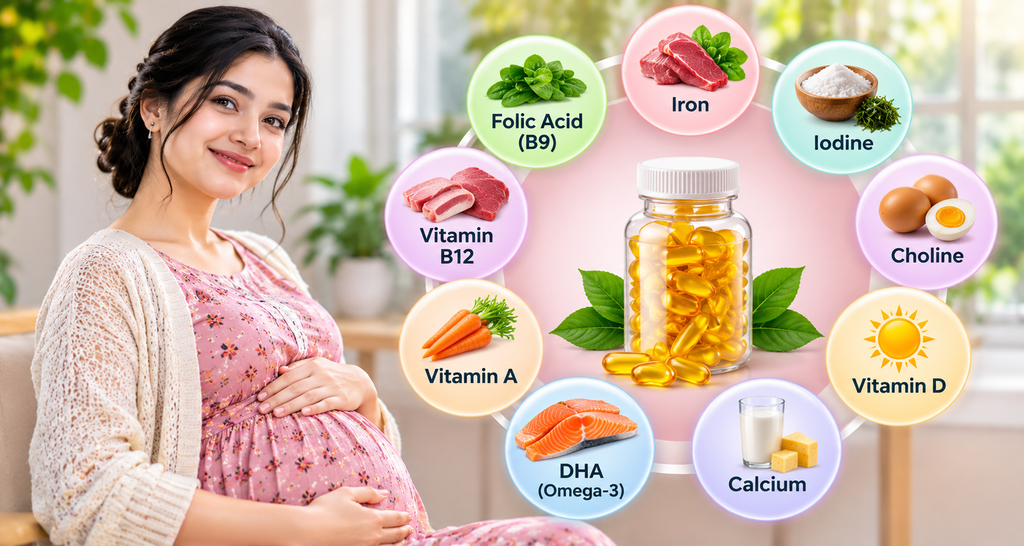
During pregnancy, your body’s nutritional needs change. In the first three months in particular, the baby’s brain, nervous system, bones, and other vital organs begin to develop. Therefore, in addition to your daily meals, it is essential to pay special attention to the intake of certain vitamins and minerals.

For your convenience, the daily nutritional requirements for pregnant women aged 19 and older are presented in the table below.

NutrientDaily RequirementMain Benefits
Folic Acid400 mcg (600 mcg DFE total folate)Brain and spinal cord development
Iron27 mgRed blood cell production
Iodine220 mcgBrain and thyroid development
Choline450 mgBrain and spinal cord development
Vitamin D15 mcg (600 IU)Bone development
Calcium1,000 mgStrong bones and teeth
Vitamin B122.6 mcgNerve and blood cell health
Vitamin A770 mcg RAEEye, skin and immune health
DHANo official RDABrain and eye development

Keep in mind that the amounts listed in the table represent your total daily nutritional requirements. This does not mean that you must obtain all of these nutrients solely from prenatal vitamins; you can meet these requirements through a combination of your diet and supplements.

Why Vitamins Matter So Much in Early Pregnancy

Have you ever wondered why early fetal development is so critical?

The answer lies in the initial formation of the baby’s body. During this period, a specialized structure called the “neural tube” develops, which eventually forms the baby’s brain and spinal cord.

Remarkably, this neural tube closes as early as the third or fourth week of pregnancy—often before a woman has even taken a pregnancy test. This means that by the time you discover you are pregnant, a vital stage of your baby’s development may have already been completed. A lack of sufficient folic acid can increase the risk of “neural tube defects”—congenital issues affecting the brain and spinal cord. According to the CDC, consuming 400 micrograms of folic acid daily helps prevent some of these birth defects.

This is why doctors recommend taking appropriate vitamins as soon as you begin planning for pregnancy. However, if you haven’t been taking any supplements, don’t blame yourself. Once you learn you are pregnant, consult your doctor and start taking them as soon as possible. Remember, it is never too late to start taking care of yourself.

The Most Important Early Pregnancy Vitamins and Minerals

Folic Acid: The Top Priority

Folic acid is one of the most important nutrients during the early stages of pregnancy. It is a form of vitamin B9 that aids in the creation of new cells and supports the healthy development of a baby’s brain and spinal cord. This vitamin is particularly crucial for the proper formation and closure of the neural tube.

Generally, a daily intake of 400 micrograms of folic acid is recommended. Ideally, one should begin taking it at least one month before conception. During pregnancy, the total daily requirement for folate is 600 micrograms DFE (Dietary Folate Equivalents). Since these two measurements are not the same, it is important to keep this in mind when reading product labels.

For women who have previously given birth to a child with a neural tube defect, a doctor may recommend a daily intake of 4,000 micrograms of folic acid. However, as this is a significantly higher dose than the standard recommendation, it should never be taken in such large amounts without a doctor’s explicit guidance.

Why Is Folic Acid So Important Before Pregnancy?

Many mothers believe that it is sufficient to start taking folic acid only after a pregnancy test comes back positive. In reality, however, the baby’s neural tube develops very rapidly; therefore, it is crucial to have adequate levels of folic acid in the body even before conception.

Also, be aware that, in addition to folic acid, an alternative form of vitamin B9—known as methylfolate or 5-MTHF—is available on the market. However, there is not yet sufficient evidence for methylfolate that matches the proven efficacy of folic acid in preventing neural tube defects. Consequently, when purchasing prenatal vitamins, check the label to ensure that it specifically lists “folic acid.”

Iron: For Your Growing Blood Supply

During pregnancy, the volume of blood in your body increases, as extra blood is required to deliver oxygen to both your own body and that of your baby. Iron plays a crucial role in the production of red blood cells.

Pregnant women aged 19 or older require approximately 27 milligrams of iron daily. A deficiency can lead to anemia, which may cause symptoms such as excessive fatigue, weakness, and dizziness.

Good sources of iron include beef, chicken, fish, lentils, beans, spinach, and iron-fortified cereals. However, consuming iron-rich foods is not enough; how well your body absorbs that iron is also important. For instance, consuming plant-based sources of iron—such as lentils or spinach—alongside lemon, oranges, or other foods rich in Vitamin C can enhance iron absorption.

It is also important not to consume an excessive amount of iron. For adult pregnant women, the upper tolerable intake limit is 45 milligrams per day. If a blood test reveals a deficiency, your doctor may recommend additional supplements.

Iodine: Often Missing From the Label

Iodine is a mineral that helps in the production of thyroid hormones. These hormones are essential for the normal development of a baby’s brain and nervous system.

During pregnancy, approximately 220 micrograms of iodine are required daily. Various health organizations recommend obtaining about 150 micrograms of iodine through prenatal supplements.

However, many mothers overlook an important detail: not all prenatal vitamins contain an adequate amount of iodine. Therefore, one should not simply rely on the label “Prenatal Vitamin” on the bottle; be sure to check the list of ingredients.

Iodine can also be obtained from sources such as iodized salt, milk, eggs, and saltwater fish. That said, if you have any thyroid-related issues, do not take iodine supplements on your own. A doctor will determine the appropriate dosage based on your specific health condition.

Choline: The Nutrient Many Moms Have Never Heard Of

Choline is an essential nutrient that many mothers may not have heard of before. Yet, it plays a crucial role in the development of a baby’s brain and spinal cord.

During pregnancy, about 450 milligrams of choline are required daily. Eggs are an excellent source of this nutrient. Choline can also be found in fish, meat, milk, lentils, and broccoli.

It is important to note that many prenatal vitamins contain little to no choline. Therefore, do not assume that taking a vitamin supplement alone meets all your nutritional needs. Be sure to consider whether you are obtaining enough choline from your daily diet.

Vitamin D and Calcium: Building Strong Bones

Calcium is essential for the development of strong bones and teeth in a baby. Vitamin D, on the other hand, helps the body absorb calcium; these two nutrients are therefore interconnected.

Pregnant women aged 19 or older require approximately 1,000 milligrams of calcium and 15 micrograms (or 600 IU) of Vitamin D daily.

Good sources include milk, yogurt, cheese, calcium-fortified plant-based milk, and certain types of fish that can be eaten with their bones. Check the calcium content in your prenatal vitamins, and aim to obtain the remainder from your diet.

Vitamin B12: Especially for Vegetarians and Vegans

Vitamin B12 helps maintain a healthy nervous system and supports the production of red blood cells. During pregnancy, the daily requirement is approximately 2.6 micrograms.

Vitamin B12 is typically found in meat, fish, eggs, and dairy products. Consequently, individuals who follow a strictly plant-based diet may be at a higher risk of a deficiency in this vitamin.

If you follow a vegan or vegetarian diet, ensure you pay attention not only to Vitamin B12 but also to iodine, choline, iron, and omega-3 fatty acids. If necessary, consult a doctor or a nutritionist to help you create an appropriate dietary plan.

DHA and Omega-3s

DHA is an important type of omega-3 fatty acid that supports the development of a baby’s brain and eyes. It is particularly important to pay attention to this nutrient if you do not consume fish regularly.

Fish with low mercury content, such as salmon, sardines, and trout, are good sources of DHA. Some prenatal vitamins contain DHA, while others do not.

There is no specific government-mandated daily requirement for DHA. However, experts generally recommend a combined intake of at least 250 mg of DHA and EPA, along with an additional 100–200 mg of DHA. If you rarely eat fish, consult your doctor to determine whether a separate DHA supplement is necessary for you.

What to Avoid: Too Much of Some Vitamins

Be Careful With Vitamin A

Vitamin A is essential for eye health, skin, and immune function. However, excessive intake during pregnancy can be dangerous.

In particular, consuming too much “preformed” Vitamin A—known as retinol or retinyl—can increase the risk of birth defects. For pregnant women, the upper limit for this form of Vitamin A is 3,000 micrograms per day.

On the other hand, beta-carotene—found in foods like carrots, sweet potatoes, and green leafy vegetables—is converted into Vitamin A by the body only as needed.

Therefore, do not take general multivitamins, beauty supplements, and prenatal vitamins simultaneously without first having them reviewed by a doctor. Remember, taking an excessive amount of vitamins during pregnancy is not a sign of good maternal care; rather, consuming the right amount based on actual needs is a sign of being a responsible and informed expectant mother.

Herbal Supplements

Many mothers believe that products made from natural or herbal ingredients are completely safe during pregnancy. In reality, however, there is not enough research on the safety of all such herbal ingredients.

Therefore, consult a doctor or pharmacist before taking any herbal pills, special tea blends, or herbal powders. This precaution is especially important if you are already taking other medications.

How to Choose a Prenatal Vitamin

There are many types of prenatal vitamins available on the market. Some come as tablets, others as capsules, and some are sold in the form of gummies. However, there is no guarantee that the most expensive bottle will be the best one for you.

Consider the following factors when choosing a suitable prenatal vitamin.

CheckWhat to Look For
Folic Acid400 mcg
IronClose to 27 mg
IodineAbout 150 mcg
Vitamin ASafe amount of preformed vitamin A
Vitamin D15 mcg (600 IU)
CholineIncluded or obtained through food
DHAIncluded or obtained through food
Third-Party TestingUSP, NSF or ConsumerLab

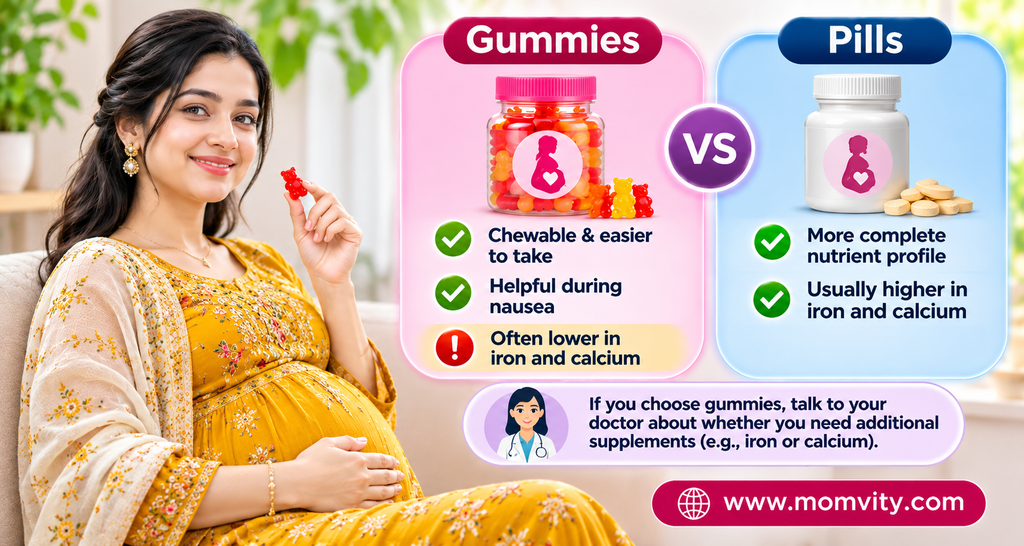
Gummies vs. Pills

For those who experience significant nausea during early pregnancy, gummy vitamins may be a more manageable option. They are chewable, which many find convenient to take.

However, there is a drawback: many gummy prenatal vitamins do not contain sufficient amounts of iron or calcium. Therefore, if you choose to take gummies, consult your doctor about whether you need any additional supplements.

Managing Side Effects of Prenatal Vitamins

Nausea

Many women experience nausea during the early stages of pregnancy, and taking prenatal vitamins can sometimes make this discomfort worse.

Have you ever felt stomach discomfort throughout the day after taking your vitamins in the morning? If so, you might consider—with your doctor’s approval—taking them at night alongside a light snack. This approach proves helpful for some women.

However, if you experience persistent vomiting or are unable to keep any food or medication down, please consult your doctor. They may be able to recommend a different type of supplement if necessary.

Constipation

Taking prenatal vitamins that contain iron can sometimes lead to constipation. This can be particularly uncomfortable for those who already have digestive issues.

You can follow a few steps to help alleviate this problem.

  • Drink plenty of water every day.
  • Eat fruits, vegetables, and fiber-rich foods.
  • Engage in light walking, provided you have your doctor’s approval.
  • Consult your doctor about using a stool softener, if necessary.

Also, keep in mind that you should not stop taking iron supplements on your own just because you are experiencing constipation. If you inform your doctor about the issue, they can adjust the type of supplement or the method of administration as needed.

Conclusion: A Healthy Beginning for Your Little One

By now, you surely understand that taking care of yourself during early pregnancy is not just about eating more food or taking a large number of vitamins at once. Rather, the most important thing is to know which nutrients are needed, when they are required, and how to consume them safely. A high-quality prenatal vitamin, a nutritious diet, and regular medical consultations will help ensure a healthy start to your pregnancy.

Health Disclaimer: This article is intended solely for general health education purposes. It is not a substitute for professional medical advice. Always consult with your doctor, OB-GYN, or midwife before starting, stopping, or changing any vitamins or supplements during pregnancy.

Frequently Asked Questions

What Vitamins Should I Take in Early Pregnancy?

Generally, an appropriate prenatal vitamin—rich in folic acid, iron, iodine, and vitamin D—is necessary. Choline and DHA are also important. However, specific requirements may vary depending on your diet and physical condition.

When Should I Start Taking Prenatal Vitamins?

Ideally, it is best to start taking prenatal vitamins containing folic acid at least one month before planning a pregnancy. However, if you have not started by then, begin taking them after consulting your doctor once you learn that you are pregnant.

Can I Take a Regular Multivitamin Instead of a Prenatal Vitamin?

It is better to choose prenatal vitamins instead of regular multivitamins, as the levels of folic acid, iron, or iodine in regular multivitamins may not be suitable for pregnancy. Some products may also contain excessive amounts of vitamin A.

Are Gummy Prenatal Vitamins as Good as Pills?

Taking gummy vitamins can be easy, especially for those experiencing nausea. However, many gummy vitamins do not contain sufficient amounts of iron and calcium. Therefore, consult with a doctor before taking them.

Is Methylfolate Better Than Folic Acid?

Methylfolate, or 5-MTHF, is an alternative form of vitamin B9. However, the effectiveness of folic acid in preventing neural tube defects is well-established. Therefore, when choosing prenatal vitamins, check to ensure they contain folic acid.

Why Does My Prenatal Vitamin Make Me Nauseous?

Nausea can occur during early pregnancy due to hormonal changes. Taking vitamins may further increase this discomfort. In some cases, taking them at night along with a light meal can be helpful.

Can I Take Too Many Vitamins During Pregnancy?

Yes, taking excessive amounts of vitamins can be harmful. In particular, high levels of preformed vitamin A can increase the risk of birth defects. Therefore, do not take multiple multivitamins or supplements at the same time.

Do I Need a DHA Supplement in Early Pregnancy?

Not everyone needs a separate DHA supplement. DHA can be obtained from fish low in mercury, such as salmon and sardines. If you do not eat fish regularly, consult your doctor about whether an additional supplement is necessary for you.

Scroll to Top