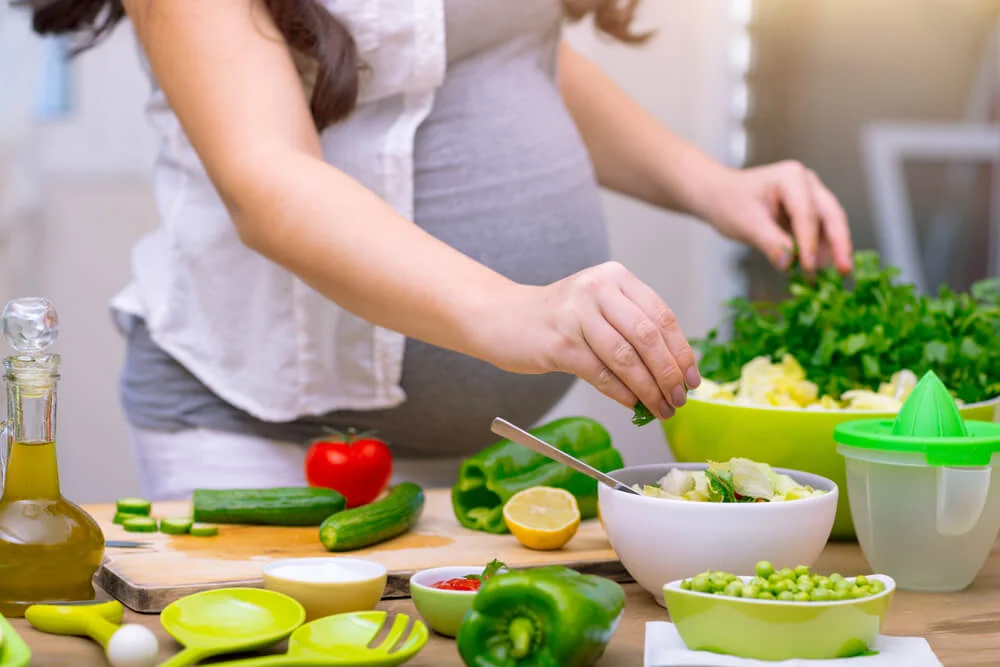

Natural labor and birth is the most natural process of bringing a new life into this world without medical intervention.
Natural labour is the innate ability of mothers to give birth to children from our primitive society to this day. Have you ever wondered how our grandmothers gave birth to healthy and strong children before modern medical science was so advanced? In fact, nature has designed our bodies in such a way that every hormone and energy required for giving birth is dormant within us.
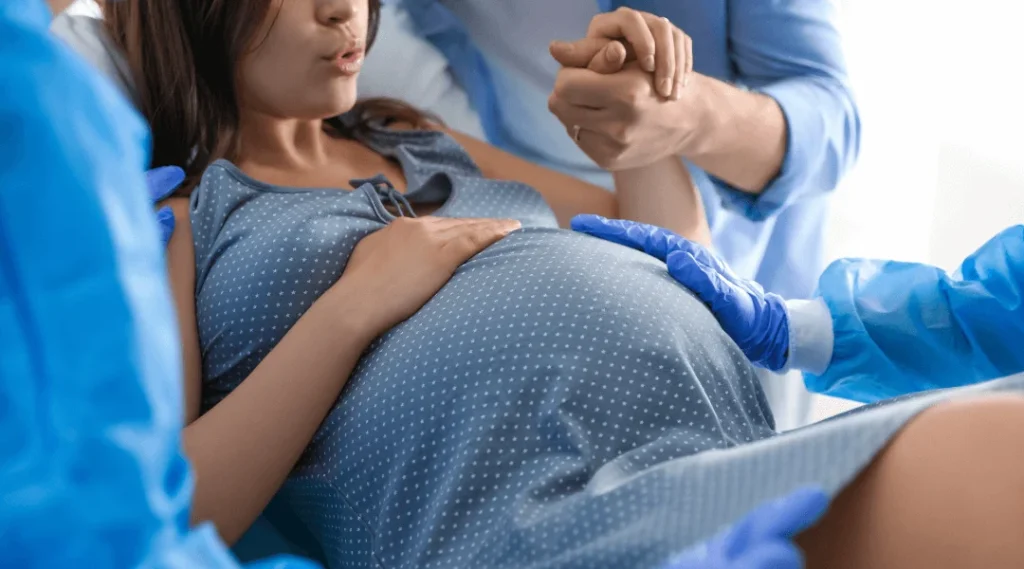
When we do not interrupt that natural rhythm of the body, then the real magic happens.
Giving birth naturally is not just about fighting pain, but it is a test of having immense faith in your own body. When a mother is calm and in control of the environment around her, the muscles of the body contract and expand on their own for delivery. In today’s world where caesarean sections and artificial births are so prevalent,
it is truly a brave decision to opt for natural labour and birth. In the first part of this article, we will learn how preparing yourself mentally can make this difficult journey easier.
The secret of preparing for childbirth with nature and mental strength
The first question that comes to many people’s minds when they hear about giving birth naturally is – can the pain be tolerated? Honestly, fear is the biggest obstacle to childbirth. As mothers in the village used to say, “If you keep your mind strong, the work is half done”, that simple thought is actually the greatest science. In the case of nature labor and birth, the calmer your brain is, the shorter your labor time will be. Because when you are afraid, the body produces stress hormones, which prevent the cervix from opening.
Did you know that deep breathing exercises increase the oxygen supply to your uterine muscles? This makes pain much more bearable. When you think that each contraction or pain is taking you closer to your child, that pain will no longer seem like an enemy. If the environment around you is familiar and comfortable, the body will automatically release the hormone oxytocin, which accelerates labor.
Family support and the role of midwives
In the past, elders or experienced midwives would sit next to you and give you courage. The touch and comfort of loved ones greatly increases the mental strength of mothers at this time.
Choosing a place to give birth and calmness
A quiet and dimly lit room is the most ideal for giving birth. When there is less light, the body produces melatonin, which helps with the hormones of childbirth.
Effects of exercise and nutritious food during pregnancy
It is very important to keep the body flexible for natural childbirth. Those of us who grew up in villages have seen women doing light household chores with their own hands until the end of pregnancy. This keeps the muscles of the lower body quite active. If you want to become a mother through nature labor and birth, you have to give up laziness. The more flexible the body is, the easier it will be for the baby to descend.

You also have to be careful about food. If the body is weak, you will lose the ability to push for a long time during childbirth. Are you eating enough dates or honey? Science says that eating a few dates every day in the last few weeks of pregnancy helps in opening the cervix quickly. Drinking plenty of water is mandatory at this time, because the uterus cannot function properly if it is dehydrated or lack of water.
| Food List | Why Eat? | How Much to Eat? |
| Dates | It strengthens the uterine muscles and induces faster labor | 5-6 a day |
| Honey and milk | Instantly provides energy to the body and removes fatigue | 1 glass at night |
| Green vegetables | Relieve anemia and increase oxygen supply | In your daily diet |
Did you know that regular walking helps keep your baby in the correct position? When you walk, the baby slowly descends into your pelvis due to the force of gravity.
The magical benefits of walking
Walk in the fresh air for at least 30 minutes every morning or afternoon. It will not only keep your body but also your mind fresh. It is a great medicine for nature labor and birth.
Pelvic floor exercises
The position we used to sit on our stomachs or work on our backs in childhood helps to widen the delivery path. Doing this exercise regularly reduces the pain during delivery.
Rest and proper sleep rules
After being active all day, getting at least 8 hours of sleep at night helps to repair the body’s tissues. Adequate sleep keeps the mood good, which maintains hormonal balance.
Importance of liquid food
Drink coconut water or fruit juice regularly. It helps to maintain the level of amniotic fluid and keep the body cool.
Active phase of labor and strategies for coping with pain
When labor pains start to become regular, you should understand that the body has started its real work. This phase is called the active phase. During this period of nature labor and birth, the cervix starts to open rapidly. Did you know that during this period, if you do not lie down unnecessarily and move around a bit, the pain is much more effective? The village elders used to say, “The more pain comes, the closer the baby will come” – this saying is absolutely true. Many people get scared of pain during this period, but this pain is actually not a symptom of any disease, but rather it is a creative force. When you accept the pain with a smile instead of fighting it, the body will produce a natural painkiller called endorphin. This hormone will calm you down and make the delivery path smoother and easier. The role of this hormone in the nature labor and birth process is immense. Let’s find out how you can handle yourself during this difficult time.
Discover more here: Pregnancy labour and birth
The magic of changing positions
If you lie down in one position, you do not get the benefit of gravity. So sometimes stand up, sometimes sit up, or sometimes lie on your side. This helps the baby to descend.
Maintain a rhythm of breathing
When the pain peaks, instead of taking small breaths, take long, deep breaths through your nose and exhale slowly through your mouth. This will provide your uterine muscles with enough oxygen and reduce cramps.
Comfort in the touch of water
Standing under a warm shower or having a hot water bath on your waist relaxes the muscles of the body. In many countries, water birth or childbirth in water is quite popular in nature labor and birth, as it reduces pain a lot.
Companionship and morale of a partner
At this time, holding the hand of your husband or a close person or getting a light massage on your back provides mental peace. A little love or courage from your loved ones will give you the strength to accomplish the impossible.
Use of proper force and precautions during natural childbirth
When the body feels the urge to push spontaneously towards the end of labor pain, you should understand that the second stage has begun. It is not right to rush this stage of nature labor and birth. Many times, hospitals give drugs to artificially open the cervix, but if you give it time naturally, the body prepares itself. Have you ever noticed that when mothers give birth without any pressure, their bodies recover much faster?
At this time, each contraction of the uterus will let you know when to push. Listening to your body is the key here. Pushing too hard or at the wrong time can tire the mother and cause pain to the baby. The success of nature labor and birth depends on how carefully you listen to your body’s signals. Remember, nature never does an imperfect job; it knows exactly when to bring your baby into the world.
How to push correctly
When you feel a lot of pressure, take a long breath and press your chin down to your chest. Imagine that you are defecating—if you press like this, the baby will come out quickly.
The importance of a calm and quiet environment
Excessive noise or the presence of many people can distract you. Nature labor and birth is most successful in a quiet room where there is not much light.
Keeping the body hydrated
During labor, there may be a lot of sweating, so don’t forget to sip water or fruit juice. There is no substitute for liquid food to maintain the body’s strength.
Tests and victories of patience
Many times you may feel “I can’t do it anymore”, but at that moment success is closest. Don’t lose faith in yourself, you are endowed with a strange power given by nature.
Postpartum care and first bonding with the newborn
The moment immediately after the birth of the baby is very sensitive. A big advantage of nature labor and birth is that the baby can be placed on the mother’s chest immediately after birth (Skin-to-Skin Contact). Did you know that if the baby is placed on the mother’s chest within the first hour of birth, the mother’s bleeding stops quickly? This is called the “golden hour”.

At this time, the sound of the baby’s crying will calm your heart rate. The oxytocin that is released from the mother’s body during natural childbirth also helps in the production of breast milk. This is not just a physical process, but it is a divine bond between the mother and the baby. After the successful completion of nature labor and birth, both the mother and the baby are much happier and healthier mentally.
| Postpartum Stages | To Do | Benefits |
| Skin-to-skin | Putting the baby directly on the mother’s skin | Keeps the baby’s body temperature stable and strengthens the bond |
| Breastfeeding | Feeding the baby within one hour of birth | Increases the baby’s immunity (first vaccination) |
| Adequate rest | Mother and baby sleep peacefully | The body recovers quickly after exertion |
Did you know that the risk of infection for mothers after natural childbirth is much lower than after a cesarean section? This is a unique blessing of nature.
Importance of first breast milk
Colostrum is the baby’s first natural vaccine. It cleanses the baby’s digestive system and reduces the risk of jaundice.
Mother’s mental peace
After delivery, mothers often experience depression (Postpartum Blue). But this risk is reduced to a large extent due to good hormonal balance in natural delivery.
Diet and recovery
After delivery, one should eat plenty of protein-rich foods and milk and bananas. This increases blood circulation in the body and the mother’s body quickly returns to its previous state.
Family care and affection
The cooperation of everyone in the family is highly desirable for the new mother and the baby. Especially the active participation of the father helps reduce the mother’s mental stress.
Long-term benefits of natural childbirth and the path to the future
The experience of nature labor and birth in a woman’s life is not limited to the moment of childbirth, but its benefits are available throughout her life. Did you know that mothers who give birth naturally, their uterus returns to its previous state very quickly? This is a strange charisma of nature. When the body completes its work without any artificial means, each organ of the body starts to recover at its own pace. If you want long-term well-being, it is the wisest thing to do.
Many people think that the body becomes very weak after childbirth, but in fact, the hormones released in the mother’s body after nature labor and birth make her mentally stronger. Don’t you think that the self-satisfaction that comes after successfully completing a difficult task increases the joy of being a mother? This confidence makes a new mother much more patient in raising her child.
Development of the child’s immunity
When the baby comes through the birth canal during natural childbirth, he gets some beneficial bacteria. This helps in increasing the baby’s intestinal health and immunity.
Faster recovery of the mother
There is no major trauma in natural childbirth like a cesarean section. As a result, the mother is able to take care of her household chores and baby within a few days. This is one of the best aspects of nature labor and birth.
Easy path to subsequent pregnancy
Once a successful natural childbirth, the risk of conceiving and delivering a child in the future is greatly reduced. Since the body is already prepared, the second time takes much less time.
Success rate in breastfeeding
As a result of natural childbirth, the prolactin hormone starts working quickly in the body. This ensures that the baby gets sufficient amount of colostrum immediately after birth, which is the first protection in its life.
The right combination of nature and modern science
When we talk about nature labour and birth, it does not mean that we are denying medical science. Rather, it is wise to trust nature and seek the help of science if necessary. Are you undergoing adequate checkups? Regular ultrasounds and blood tests are essential to ensure that both the baby and the mother are healthy. If there are no major complications, it is better to let nature do its thing.
Remember, during the time of our grandparents, exercise was done through housework. But now our lifestyle has become much more comfortable, so we have to do separate walks and light stretching. To make nature labour and birth successful, it is necessary to have a planned lifestyle from the beginning of pregnancy. The more active you are, the more flexible your delivery path will be. This is not just a physical battle, it is a reflection of your patience and willpower.
Yoga for mental peace
Doing some light yoga or pranayama keeps the mind calm. A calm mind provides a strange strength to endure pain during childbirth.
Adapting to the environment
The place where you will give birth should feel familiar and safe to you. Nature labor and birth can be hindered in an unfamiliar or scary environment.
Long-term effects of proper nutrition:
You should continue to eat foods rich in calcium and iron even after delivery. Because your body will need additional nutrients to feed the baby.
Open discussion with the doctor:
If you want to have a natural birth, talk to your doctor in advance. He or she can guide you accordingly.
Conclusion
Natural labor and birth is a unique and unparalleled experience for every woman. It is not just a method of giving birth, but a spiritual journey to the fullness of motherhood.
Nature has designed our bodies in such a masterful way that every muscle, every hormone and every pulse works to bring a new life into the world. When we trust nature without resorting to fear or artificiality, we actually connect ourselves with the most primitive and pure power of life. Although the path of childbirth may seem painful and challenging, at the end of that pain there is immense joy and peace.
Becoming a mother naturally means rediscovering the infinite power within yourself. It creates an invisible bridge between mother and child that remains unbroken throughout life. In today’s busy and mechanical life, accepting and respecting this natural law of nature is very good for our physical and mental health. Your body knows what to do, you just have to keep your mind calm and wait patiently for that auspicious moment.