The Ultimate Essentiality of Iron Supplementation along with its Health Impacts throughout the Pregnancy Period

Nusrat Ayaan

Published: 20/08/2026
Updated: 20/08/2026

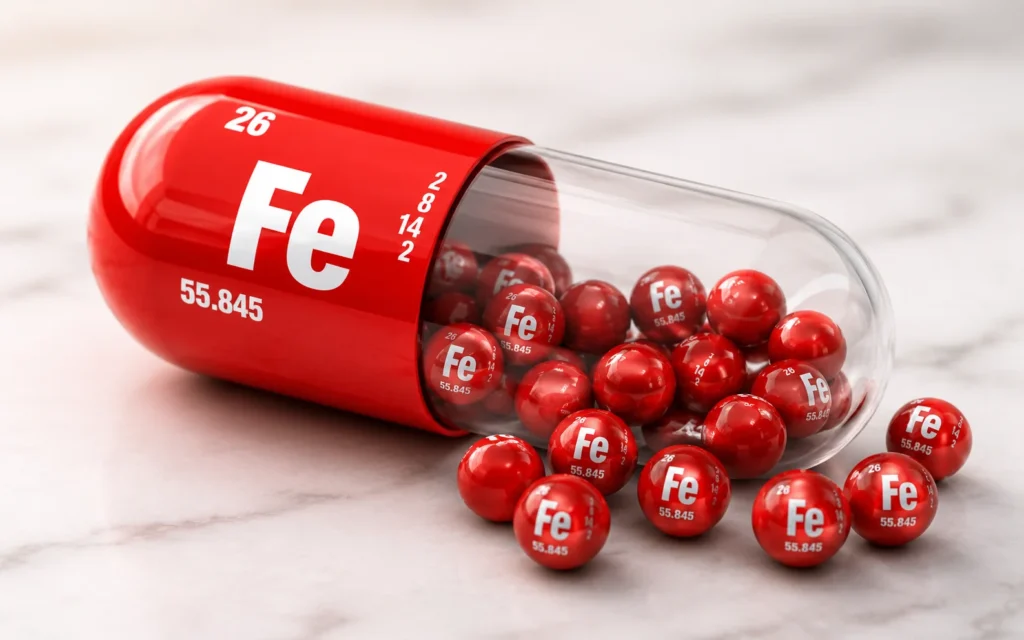
Iron is actually one of the most fundamental minerals in the human body as its importance to make your body function normally is immense.The main role of proper iron supplement comprises oxygen transport along with energy production that help boost up your immune system.In fact iron is a vital mineral for your body and it generally help produce haemoglobin within your body by which your body carry the oxygen.
Therefore its another role is to produce certain chemicals in your brain that further help transmit signals between numerous highly functionable nerve cells in the brain.These certain chemicals act as the neurotransmitters within your brain and it also make you learn things easily as well as help control your memory along with mood regulation.As iron deficiency remains as the most common nutrient deficiency in our entire globe,some notifiable symptoms of iron deficiency include unusual food cravings, headaches, restless legs together with poor concentration, fatigue, and light-headedness.Moreover iron also plays an important role in your child’s brain development who is still an unborn child.

In this article,we try to cover all the important aspects of iron supplementation for you and your very upcoming child that you must know when you want to get pregnant. 

Discover more here

Essentiality of iron supplement During Pregnancy

Iron is a very essential nutrient for your body in order to make sufficient hemoglobin for your body which is used to transport oxygen to your tissues and other vital organs.When you are in a pregnancy state,your body is actually in a journey to produce nearly 50% extra blood than usual as it is necessary to support your developing baby.This high demand to produce blood for you and your baby actually requires a higher amount of iron supplementation which you must get in order to avoid any kind of deficiency of it within your body.

Other importance of Iron supplements for your body

There are also many other important functions of iron within your body which your body generally demands for the normal functioning.These are:

  • It helps support your baby’s normal growth along with proper and timely brain development.
  • It also prevents the onset of maternal anemia which can be devastating as well as life-threatening for the mother and her child. 
  • It generally reduces the risk significantly to acquire any kind of serious infections within your body.
  • It further helps maintain your daily required energy levels together with supporting your healthy muscle to function normally.
  • Most importantly,it helps ensure proper oxygen supply to the placenta which is very crucial for the ongoing developmental process of your child. 

Without enough iron supplementation, the body cannot produce sufficient healthy red blood cells, leading to iron deficiency anemia.

Excess demand of iron throughout pregnancy phage

When you are in a pregnant state,your body actually demands iron supplements much higher than those women who are in a non-pregnant state.The current nutrition data suggest a pregnant women to consume around 27 milligrams of iron on regular basis.This requirement of extra iron increases for some reasons in which your body adapts to do extra functions for bearing the child in her womb.

Those important reasons comprise the mother’s increasing blood volume,proper timely development of the child along with expansion of placenta which requires extra iron together with the preparation of the body for upcoming blood loss at the time of childbirth.Thus women who enter into a pregnant state with low iron supplementation or stores are actually at greater risk of the development of anemia throughout the progression of pregnancy state..

Usual features along with signs of Iron deficiency during pregnancy

Iron deficiency can definitely develop in a gradual state which ultimately forces a pregnant woman to ignore many of its general symptoms.Moreover most of the symptoms of iron deficiency within a pregnant woman actually coincides with the general discomforts of a normal pregnant state which many pregnant women faces in this very pregnant state.Some common and important features and signs of deficiency of iron in the pregnant state comprises:

Signs and symptoms of iron deficiency
Consist feeling of tiredness Intermittent episodes of headaches
Weakness in the muscleRapid heartbeat namely tachycardia
Pale discolourization of skinColdness in the hands and feet
Faces difficulty to breathe normallyDevelopment of poor concentration 
Experience of dizzinessFatigue

Potential health issues of low Iron during pregnancy 

Iron deficiency anemia is the anaemia that can happen if iron deficiency or proper iron supplementation is neglected in the pregnant state which can further increase the risk of development of some steroid life-threatening conditions for a pregnant woman.These comprise;

Premature birth:When the regular iron level within a pregnant woman reaches a very low level which actually forces the early delivery of the fetus and thus it helps deliver a premature baby.

Low birth weight:The significant and persistent low iron level within a pregnant woman generally gives delivery of a low birth weight baby which ultimately faces difficulty to live normally.  

Development of fatigue:Though pregnancy can help a woman to feel tiredness,it is the anemia due to iron deficiency which worsens the onset of fatigue in a more severe form within the body of the pregnant woman.

Other significant negative health impacts of low iron

Poor immune system:As the iron level within a pregnant woman decreases significantly due to failure of providing proper iron supplementation,it then helps weaken the pregnant woman body’s natural defence which makes her more susceptible to acquire infections within her body. 

Onset of postpartum depression:There are some recent studies on pregnant women with iron deficiency anemia indicating that this ongoing anemia within the body actually ends up increasing the risks of emotional and mental disorders development generally after 2 weeks apart from the childbirth. 

Developmental issues on babies:As iron is essential for the regular brain development of the baby in its mothers womb,severe deficiency of it eventually has negative health impacts on the baby’s cognitive growth.

Best possible sources of foods contain high Iron in it
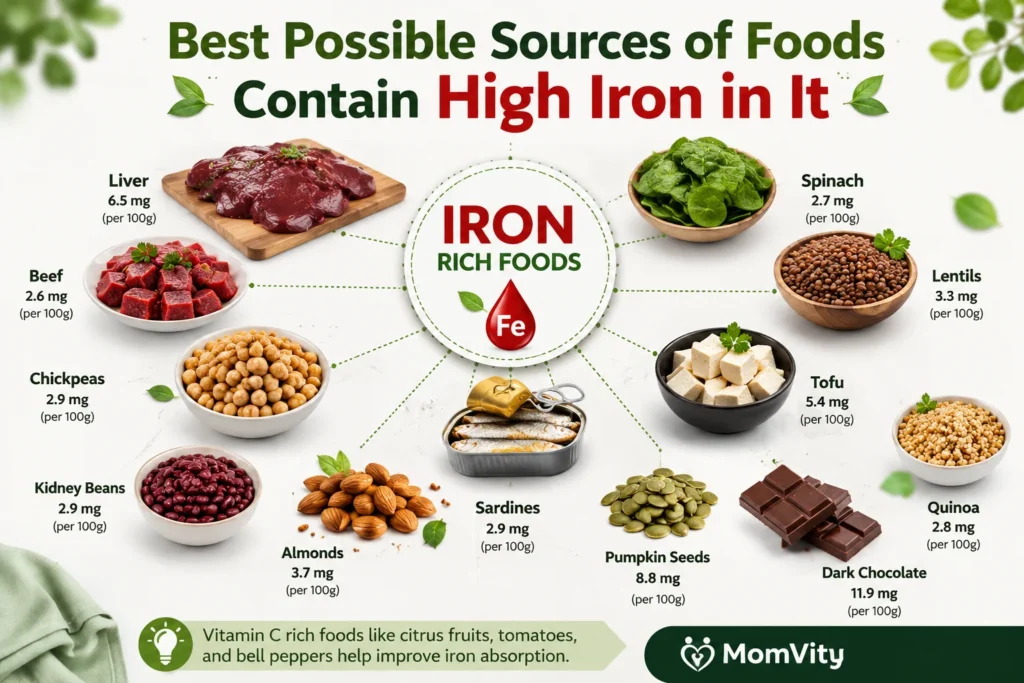
When you want to maintain a healthy diet which is one of the best ways to improve your iron levels naturally in the pregnant state,it also demands that you take Iron-rich foods regularly during pregnancy.We try to provide you some of these important source of iron supplementation rich foods.These are  

Animal origin Iron Sources

There are some foods like lean red meat, chicken, fish, eggs, and liver which are good sources of heme iron, a type of iron that your body can absorb easily.When you incorporate these foods in a balanced diet,it can definitely help support healthy iron levels which further reduce the risk of its deficiency.Animal liver is especially rich in iron though you must take it preferably with medical guidance which help limit your excessive consumption.

Plant origin rich Iron Sources

These plant origin foods are good sources of non-heme iron which generally include spinach, lentils, beans along with tofu, pumpkin seeds, broccoli and beetroot.Moreover there are some dried fruits like raisins and apricots that can all help support your daily iron intake.Vegetarian women should pay a particular attention in order to get enough iron supplementation and this is because iron from plant foods is generally not well absorbed by the body as efficiently as the heme iron from animal sources.

Role of Vitamin C enhancing Iron Absorption within body

Vitamin C generally improves your body’s ability to absorb iron naturally as its Combination with iron-rich foods can have a positive impact in terms of increased absorption significantly.There are some important sources of vitamin c rich food from which you can augment your body’s iron absorption capacity and these comprise:

  • Oranges along with fresh lemons.
  • Tomatoes and garden fresh strawberries.
  • Juicy Kiwi together with ripe bell peppers.

For instance,when you have lemon water with your meal or add tomatoes to spinach,it then actually acts as an easy and natural way to help your body absorb more iron.

Certain foods that curtails Iron Absorption

There are in fact certain foods and regular drinks available in the market that can definitely interfere with iron absorption within your body.It happens especially when you generally consume them in excess near meal times.These foods as well as drinks comprises:

Names of foods and drinks
Tea especially raw teaProcessed and undercooked foods
Excess intake of black coffeeCocoa along with chocolate drinks
Excess consumption of dairy productsWhole grains and brans

Why Iron Supplements Matter During Pregnancy?

Most of the experts and professional healthcare providers actually recommend regular iron supplementation during pregnancy and this is because diet alone may not be always sufficient to meet up the excess iron requirements.Therefore it is always advisable for a pregnant woman to get iron supplements,especially when there is possibility of having low level of iron within the body.The general target individuals those who demand to get iron supplements at the time of pregnancy are:

  • Those pregnant women who are supposed to have anemia.
  • The women carrying twins in their womb.
  • Those who generally experience heavy menstruation before the onset of pregnancy period.
  • Those individuals who strictly follow vegetarian or vegan diets.
  • The mothers who had closely spaced pregnancies in multiple times especially.

Special note:You should use or take Iron supplements only with professional medical guidance because excess intake of iron can lead to unwanted side effects and health problems. 

Common or usual side effects of Iron supplements

There are some common and usual side effects of excess iron supplementation or consumption especially when anyone takes them without any kind of professional guidance.These comprise chronic constipation,nausea along with experiencing dark stools some times and some general gastrointestinal discomforts.

However,the timely intake of iron supplements after finishing the heavy meals and drinking plenty of water may actually help reduce the usual side effects of excess iron consumption. 

Some essential tips to maintain your healthy Iron Levels in the body

Though the maintenance of iron level in the body especially at the time of pregnancy is very crucial for the letter life,there are  certainly some practical tips in order to maintain good iron levels during pregnancy.These are:

Eat a balanced meal:This means you must combine the foods that contain much iron in your regular diet and maintain it throughout the pregnancy period.

Make a combination of iron with vitamin C:As we stated earlier that vitamin C is the nutrient which enhances the iron absorption in your body.That is why,you must engage its combination with iron supplementation as per professionals directions.

Proper hydration:It is always advisable for you to drink plenty of water when you are on iron supplementation as it can certainly help reduce your chance of having constipation due to intake of irons. 

More necessary tips to maintain iron levels

Monitor your blood iron level:When you are in a pregnancy state,you are likely to experience low levels of haemoglobin in the blood.So you should always go through some regular blood check ups for iron levels which can detect any kind of imbalance of your haemoglobin level. 

Follow your prescriptions:You must strictly follow the prescription made by your doctors in order to avoid unnecessary side effects of iron supplements.

Regular prenatal check ups:Regular prenatal checkups generally help support a healthy pregnancy when you encounter trusted healthcare professionals who provide you with valuable guidance on maternal health, fertility, and proper nutrition. 

Conclusion

After all,proper maintenance of healthy iron levels along with iron supplementation during pregnancy is essential for both the mother’s well-being and the baby’s growth as well as development. A balanced nutritious diet that includes iron-rich foods along with vitamin C usually enhances iron absorption in your body.Thereby,it can help meet the body’s excess nutritional needs.In some cases, iron supplements may also be necessary, but they demand you to take them under professional medical guidance. 

Regular blood tests together with proper hydration, and routine prenatal checkups can help identify and manage iron deficiency early.When you follow healthy food habits and medical recommendations,you are among those mothers who can reduce the risk of anemia, maintain better energy levels, and support a healthier pregnancy for themselves and their developing baby. 

Related Articles

Postpartum Hemorrhage

Understanding all Concepts of Postpartum Hemorrhage along its Criteria,Diagnosis and Prevention with Management 

Postpartum bleeding is currently posses the leading position in terms of maternal death.There are about 27 million women who acquire postpartum blood loss and it ultimately end up with 43,000 thousands maternal deaths The core reasons behind the occurrence of PPH are uterine atony,retained placenta along with coagulopathy.Moreover,caesarean section,anaemia and inappropriate antenatal care actually heighten the risk of occurring PPH in the pregnant mother.

In this article we try to share the concepts of prevention of postpartum hemorrhage which comprise reduction of number of caesarean sections together with the necessity of uterotonic prophylaxis.Fortunately standardised bundle and avoidance of delaying treatment protocol can certainly help save valuable lives.

What is primary postpartum bleeding or haemorrhage?

When excessive blood loss occurs from the gentinal tract of the mother within the 24 hours of the delivery, an estimated greater than 500 ml of fresh blood is called primary postpartum hemorrhage.It may have distinct classifications which comprise minor,major and secondary postpartum blood loss.While minor PPH means loss of blood less than 1000 mls,blood loss above 1000 mls actually suggest major PPH.

On the other hand,blood loss occurring between 24 hours post delivery period to six weeks of postpartum period indicates secondary postpartum blood loss or haemorrhage.

Find out more here

Common aetiologies of Primary postpartum blood loss

There are so many causes of post-partum hemorrhage that can trigger postpartum blood loss but we can broadly categorise these causes into “four Ts” namely;

Tonicity of uterus:It includes uterine atony along with distended bladder.

Trauma to the uterus:When there is any amount of lacerations of the uterus, cervix or vagina,it then triggers the occurrence of postpartum bleeding or haemorrhage.

Tissues within the uterine cavity:Retained placenta or presence of blood clots within the cavity after delivery of the fetus is among the vital causes of PPH. .

Pre-existent thrombin:Any amount of pre-existing coagulopathy which may be acquired also can have potential to cause serious postpartum hemorrhage in a mother during or after delivery.

However,uterine atony remains as the leading cause of PPH while the retained placenta leads the position as the second most common cause of postpartum blood loss.

Epidemiology of postpartum bleeding in global world

Obstetric haemorrhage continues to be the most frequent reason for obstetric morbidity and mortality in our entire globe.The percentage of occurrence of postpartum hemorrhage is about 1-3% of all deliveries and unfortunately it account for 8% of maternal deaths in the middle to high income country where low income countries consume 20% maternal deaths due to postpartum bleeding and its complication.

A report indicates that almost 70,000 maternal deaths occur due to postpartum blood loss together with its fatal complications in each year worldwide.As a more economically developed country the United States consumes about 11% of maternal deaths due to obstetric haemorrhages which usually occurs within the 24 hours of delivery or within the 6 weeks of postpartum period.

Usual risk or trigger factors of postpartum bleeding 

There are some risk factors of post-partum hemorrhage which possess a close relation to the antenatal period and also some causes associate the delivery process of the baby.

Some common antenatal risk factors of PPH

  • Antepartum haemorrhage in this pregnancy along with placenta praevia heightened the risk about 12 times than usual.
  • Suspected or proven placental abruption together with multiple pregnancy increases the risk about 5 times.
  • Another significant cause of PPH is uterine over-distention which include polyhydramnios or macrosomia.
  • Pregnancy induces hypertension namely pre-eclampsia multiplies the risk of postpartum hemorrhage about 4 times than normal. 
  • Grand multiparas who have four or more pregnancies and also the nulliparas.
  • Previous PPH or previously experienced retained placenta increases the risks about 3 times.
  • Asian ethnicity also doubled the risks of postpartum bleeding or haemorrhage.
  • Maternal obesity along with pre-existence uterine abnormality.
  • Maternal age above 40 years along with maternal anaemia when Hb level is less than 9 g/dl.

The factors in relation to delivery of the baby

There are some factors which have a close relation to the delivery process of the baby and these factors usually increases the risk of PPH development.These comprise:

Factors Increases the risk of PPH
Emergency caesarean section(4x risk) Weight of the baby >4 Kg
Over 3 elective caesarean sectionsMaternal pyrexia or fever
Retained placenta also increases Obstructions in the labour process
Mediolateral episiotomy(5 x risk)Cephalopelvic disproportion
Iatrogenic Induction of labour Incompetency of maternal cervix
Prolonged labour >12 hours from onsetNeuromuscular disorders

Pre-existing maternal haemorrhagic conditions

There are some distinct maternal health conditions whose pre-existence in the maternal body heightened the risk of occurring postpartum hemorrhage.These comprise factor 8 deficiency which means mother is A haemophilia carrier and also factor 9 deficiency which indicates the mother is a hemophilia B carrier.

Therefore von Willebrand’s diseases also put the mother in great risk zones to experience the postpartum bleeding during delivery or within the 6 weeks of following delivery of the baby.

Core presentations of postpartum bleeding  

These are some trademark features of postpartum hemorrhage which help the healthcare professionals to diagnose the postpartum bleeding early and appropriately.These comprise:

Symptoms of PPH: Continuous loss of fresh blood through the genital tract which healthcare professionals fail to stop after delivery of the placenta.

Signs of PPH:When the loss of blood exceeds 1000 ml after the delivery,it may produce shock and it might be clinically apparent through the notifiable tachycardia along with hypotension.

Correlation of other medical conditions

The sudden heavy loss may trigger the quick development of haemolysis, elevated liver enzymes and low platelets which is known as HELLP syndrome and the failure to manage them in a quick succession may worsen the patient’s condition.

Overall prompt diagnosis of postpartum bleeding or PPH

Healthcare providers usually diagnose post-partum hemorrhage through a combination of visual and physical examinations along with the assistance of some lab tests.Moreover, a thorough review of your health history may also be an important as well as crucial factor when it is about to assess the risk and health impacts of a PPH.

The diagnosis of postpartum hemorrhage is on the basis of the amount of blood you’ve lost during or after the delivery.One of the easiest ways to estimate blood loss after delivery is by carefully counting or weighing blood-soaked pads and sponges. If postpartum hemorrhage is suspected, your healthcare team may also use other tests or monitoring tools to assess your condition accurately.These include:

  • Continuous monitoring of your vitals that include pulse rate and blood pressure to detect emergencies within the body.
  • Several blood tests to measure red blood cells (hematocrit) and blood clotting or coagulation factors which may be the culprit of PPH.
  • A thoroughly pelvic exam by the experts to check your vagina, cervix and uterus.
  • Ultrasound and radiological imaging test to get a detailed image of your uterus and genital system.

Overall prompt treatment plan of PPH

Postpartum hemorrhage (PPH) is treated as a medical emergency because heavy bleeding can become dangerous quickly. The main priority is to find where the bleeding is coming from and stop it as soon as possible. Your healthcare provider will choose the most appropriate treatment based on the cause of the bleeding, how much blood you have lost, and whether it happens during or after childbirth.These comprise: 

  • Uterine massage to help the muscles of your uterus contract and ensure making it hard.
  • Medications that stimulate uterine contractions and then remove retained placental tissue from your uterus which can happen manually or with instrumentally.
  • Proper repair of vaginal, cervical, and uterine tears with appropriate stitches can help control bleeding. A catheter or balloon may also be used to apply gentle pressure inside the uterus that helps compress the uterine walls and reduce bleeding. 
  • Certain proven procedures with an expert’s hand can be beneficial to stop the blood supply to the uterus.
  • There may be a need for blood transfusion if the bleeding is too much and your body demands along with fluids and supplemental oxygen.

When other methods fail,your healthcare team may perform surgery to stop the bleeding and this includes an abdominal incision (laparotomy) or the removal of the whole uterus via a hysterectomy as the situation demands. 

How long does it take for you to recover from PPH?

Recovery is in fact different for everyone while the proper recovery from a postpartum hemorrhage depends solely on the severity of blood loss and how your healthcare provider tackled it.It is always advisable to you to make sure that you take care of yourself in the days following your delivery and ensure timely eating healthy foods and drinking lots of water as much as possible.

Your healthcare provider may recommend proper timely rest along with an iron supplement to you that can reduce your risk of anemia.

Complications of PPH in the mother

There are so many complications of post-partum hemorrhage which can bring about harmful and fatal health impacts to the delivering mother.These comprise: 

  • Hypovolaemic shock together with disseminated intravascular coagulation.
  • Acute kidney injury along with concomitant liver failure.
  • Acute (adult) respiratory distress syndrome and cardiac arrest which ultimately bring death to the patient with postpartum bleeding.

Prognosis of the patients or mothers with PPH

Severe bleeding during or after childbirth is actually the leading cause of maternal death in the entire globe that generally affects 14 million women each year and it is mostly prevalent in developing nations.However,the United States also struggles with uniquely high maternal mortality rates though this hemorrhage during or after childbirth is highly preventable.

Moreover it continues to claim general people’s lives and exposes the deep concern of racial inequities.Unfortunate,black women in the U.S possess the higher mortality rates due to postpartum hemorrhage over three times higher than White women and the excruciatingly demand urgent along with equitable care. 

The main theme of prevention of the postpartum bleeding

The active management of the third stage of labour by the experts in this field can significantly reduce the risk of PPH and improve maternal well being as well.However prophylactic oxytocics should be routinely offered to the mothers in their third stage of labour and this is because they certainly decrease the risk of PPH by 60%. 

Oxytocin 5 or 10 IU IM is preferably the prophylactic agent of choice in the management of postpartum hemorrhage for most women deliver vaginally.Experts recommend it to be used as an infusion for women who are undergoing caesarean sections and therefore Syntometrine (oxytocin along with ergometrine) may also be another potential option in the absence of hypertension during delivery. 

Alternatives of the treatments for you facing PPH

Although oxytocin is the management or drug of choice in most of the cases of PPH, misoprostol can be an alternative in case of low resource delivery settings.The main advantages of it is that the availability of its oral form in the market which is comfortable to take.One study along with evidence indicate that it was more effective when given sublingually or directly under the tongue.

It is important for the healthcare authority to identify expectant mothers who may be at a higher risk for postpartum hemorrhage (PPH) so we can carefully plan the safest and standard location to conduct their delivery. 

The Bottom line

While postpartum hemorrhage remains a menacing threat in global childbirth, it is irresistibly preventable for us.When we identify risk factors early and implement active labor management,it will then offer us safe maternal health and thereby reduce maternal deaths.Ultimately,the protection of mothers requires a steadfast commitment along with prompt clinical vigilance and timely intervention for every family. 

Scroll to Top