Infant Care Tips Simple Ways To Keep Your Baby Safe Healthy And Happy 

Nusrat Ayaan

Published: 18/09/2026
Updated: 18/09/2026

A newborn’s daily care and safe sleep are matters of utmost importance. Gain practical knowledge about infant care tips—covering timely feeding, hygiene, and necessary precautions—to ensure your baby stays healthy. 

From the moment a baby is born, various questions arise in the minds of most parents. Am I handling everything correctly? Are we managing the feeding schedule, sleep duration, and bathing routine properly? Which signs should actually cause concern? 

First-time parents, in particular, may attach great importance to even the smallest daily details. They might perceive a bit of crying as a sign of a major problem, or worry about unwanted issues if the baby sleeps a little longer than usual. 

It is important to understand that caring for a baby does not mean being perfect at every single moment. Instead, the focus should be on creating a safe environment, ensuring proper nutrition, and facilitating adequate rest for the newborn. These are the areas that require the most attention. 

This is where infant care tips play a vital role, helping new parents understand key aspects of care and create a safe environment for their baby. 

Why Does Early Baby Care Matter So Much? 

In the period immediately following birth, a newborn undergoes various physical and mental changes. This is a time of rapid brain development, which influences processes ranging from sleep patterns to the strengthening of the immune system. As the body and neural pathways develop, the baby’s ability to move gradually improves. Therefore, attentive parents should prioritize the baby’s care during this crucial time. 

Does “care” in this context imply a highly complex or difficult task? 

The short answer is “absolutely not.” Instead, consistently practicing simple habits is far more effective. Examples include ensuring the newborn is always placed in a safe environment, recognizing hunger cues, and, above all, maintaining proper hygiene. 

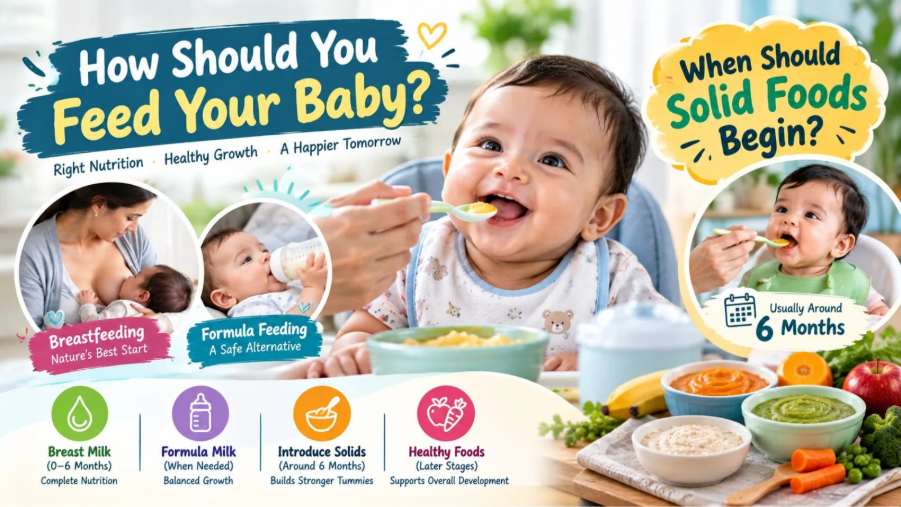
The World Health Organization (WHO) recommends exclusive breastfeeding for at least the first six months of life. After six months, the baby can be introduced to a variety of appropriate solid foods. However, breastfeeding may continue for two years or longer, provided both mother and child wish to do so. 

What Does A Baby Really Need Every Day? 

A child’s needs change according to their age and stage of development. However, the matter becomes much clearer when daily care is viewed in terms of a few simple categories. 

When following infant care tips, parents might want to focus primarily on the following aspects— 

  • Age-appropriate feeding 
  • Safe sleeping environment 
  • Regular diaper changes 
  • Bathing and hygiene as needed 
  • Supervised tummy time while awake 
  • Talking, singing, and making eye contact 
  • Vaccinations and regular health check-ups 
  • Seeking prompt medical advice if abnormal symptoms appear 

Although these may seem like separate activities, they are actually interconnected. A child can feel at ease through good play and find rest by sleeping safely, while loving interactions during waking hours support their learning and development. 

Daily Care At A Glance 

Care Area Simple Practice Why It Matters 
Feeding Follow age-appropriate feeding guidance Supports growth and nutrition 
Sleep Place baby on the back on a firm flat surface Reduces sleep-related risks 
Hygiene Change diapers regularly and keep skin clean Helps prevent irritation 
Development Talk, sing and use supervised tummy time Supports interaction and movement 
Health Follow local vaccination and checkup guidance Helps protect overall health 

How Should You Feed Your Baby? 

It is quite natural for new parents to worry about feeding. There is no single answer applicable to every baby regarding questions like “How often should the baby eat?” or “How much food indicates they are full?” 

For the first six months, breast milk is the baby’s primary source of nutrition. The WHO recommends feeding day and night based on the baby’s hunger cues; in other words, it is important to observe the baby’s signals of hunger rather than strictly following the clock. 

A baby might show signs such as opening their mouth, bringing their hands to their mouth, turning their head toward the breast, or becoming restless. Conversely, keeping the mouth closed or turning away from the food can be signs of satiety. 

However, crying is not always the first sign of hunger. Therefore, it is beneficial to try and recognize the baby’s other cues before the crying starts. 

When Should Solid Foods Begin? 

Around the age of six months, breast milk alone may no longer fully meet a baby’s nutritional needs; this is when appropriate complementary foods are introduced. 

Initially, the food can be soft, mashed, or semi-solid. The texture can be gradually altered as the baby’s eating skills improve. According to WHO guidelines, most babies learn to eat finger foods by around eight months of age, and by twelve months, most are able to consume nutrient-rich family foods. 

In this section on infant care tips, it is particularly important to remember that breastfeeding can continue even after the introduction of solid foods. Instead of force-feeding, it is best to feed the baby slowly and patiently, while paying close attention to their cues. 

Feeding Guide By Age 

Age Main Feeding Guidance Important Point 
Birth to 6 months Breast milk Exclusive breastfeeding is recommended 
Around 6 months Breast milk + complementary foods Start suitable soft foods 
6 to 8 months Gradually increase food variety Feed patiently and responsively 
9 to 23 months Breast milk + varied family foods Offer nutrient-dense foods 

[Important Note: If there are specific feeding issues, poor weight gain, difficulty swallowing, or any other medical concerns regarding the child, you should consult the child’s pediatrician or a qualified health professional.] 

Is Your Baby Sleeping In A Safe Position? 
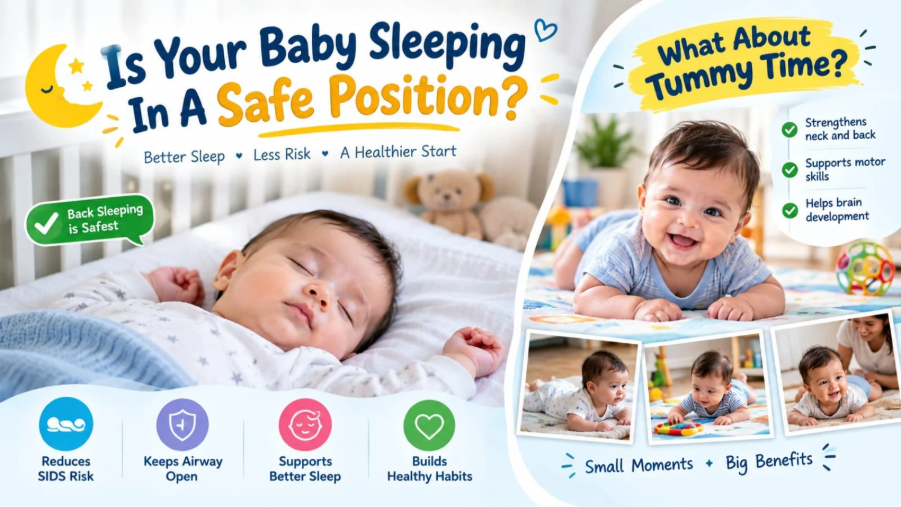
A newborn should not be allowed to sleep in just any position. New parents might assume that a newborn will sleep comfortably regardless of the position they are placed in, but this is a complete misconception. 

According to the AAP, placing healthy infants on their backs for every sleep session is the safest and most recommended practice. A newborn’s sleeping surface should be flat and non-inclined; soft pillows and soft toys should never be kept on the bed. 

This is where a very common mistake occurs: many believe that a baby will be more comfortable sleeping on a soft bed. However, they fail to realize that the sleeping area should be clear and flat. Safe sleep is arguably one of the most important aspects of Infant Care Tips

Room-sharing—staying in the same room as the baby—is acceptable, but bed-sharing in an adult bed is not a safe option. Ideally, the AAP recommends room-sharing for at least the first six months. Furthermore, if a baby falls asleep in a car seat, stroller, swing, or carrier, they should be moved to a firm, flat sleeping surface as soon as possible. 

What About Tummy Time? 

It is natural to feel a bit confused here—if a baby is supposed to sleep on their back, why is there a need to place them on their stomach while awake? 

In reality, the purposes of these two practices are different. Supervised tummy time while the baby is awake is beneficial for their motor development. According to AAP guidelines, one can start with short sessions and gradually increase the duration as the baby’s tolerance improves. However, it is crucial not to leave the baby unattended for even a moment during this time. 

Therefore, instead of conflating the rules for sleep and tummy time, view them as distinct situations: sleep means lying on the back, while being awake and supervised means tummy time. 

What About Bathing And Everyday Hygiene? 

A baby’s skin is very soft and sensitive. Therefore, bathing them for long periods every day or using a wide range of products does not necessarily constitute good care. 

When bathing a child, many parents have a question in their mind – will the cleanliness of the child be okay if not bathed every day? 

Daily bathing is not essential according to the NHS; It is enough to clean the face, neck, hands and diaper area as needed. But the child cannot be left alone in the water even for a moment. Even if you have a baby bath seat, it is not right to assume that it is safe, because even a small amount of water can cause drowning. 

How Can Diaper Care Prevent Skin Problems? 

Infant Care Tips are an important part of baby’s daily care, where diaper cleanliness and skin care are especially important. Leaving a dirty or wet diaper for a long time can cause irritation and diaper rash on the baby’s tender skin. So it is a good habit to check the diaper regularly and change it quickly if necessary. 

Can even a moment of carelessness while changing a diaper cause discomfort to a baby’s delicate skin? 

Therefore, after cleaning the baby in a safe spot, gently pat the skin dry instead of rubbing it. There is no need to do anything unnecessary regarding the umbilical cord—keeping it clean and dry is what matters. Should you wait if you notice unusual redness or discharge? No, it is safer to consult a healthcare professional in such cases. 

Hygiene Checklist 

Task Recommended Approach Avoid 
Bathing Warm water and safe supervision Leaving baby alone 
Face and neck Clean gently when needed Harsh rubbing 
Diaper area Change diapers regularly Leaving wet or dirty diapers too long 
Umbilical cord Keep clean and dry Unnecessary products 
Ears Clean only the outer area Cotton buds inside the ears 

Can Simple Daily Activities Help Your Baby Develop? 

Is talking to your baby, holding them, or making eye contact really that important? To you, these may seem like small moments, but for the baby, they create a sense of love and security. Even though they cannot speak yet, they are listening to your voice, looking at your face, and gradually learning to communicate. 

Your baby may not be able to speak yet, but when you talk to them, they hear your voice, observe your face, and gradually learn how to interact socially. 

Tips for Infant Care Tips go beyond just feeding, sleeping, or bathing; your presence, touch, and responsiveness are crucial for your baby’s emotional development. 

When you respond to your baby’s cries, look at them while speaking, or smile back when they smile, a small interaction takes place. It is the accumulation of many such small, daily moments that helps create a safe and familiar world for your baby. 

Should You Worry If Development Looks Different? 

Not every child grows at the same pace. Some learn to roll over earlier, while others start making sounds sooner—does this mean your child is lagging behind? 

Such thoughts may naturally cross the minds of new parents, especially when seeing other children acquire new skills quickly. However, there is no need to worry by making unnecessary comparisons. Instead, focus on your child’s own progress. Consult a healthcare professional if a skill is lost, if you notice any abnormalities in movement or feeding, or if you have any concerns. 

Which Signs Should Parents Never Ignore? 

When considering infant care tips, new parents often wonder: is the baby just crying a little, or is there a genuine problem? 

Which signs are normal enough to wait and watch, and when should you seek immediate medical advice? Crying, hiccups, changes in sleep patterns, or minor spit-ups are often normal. However, certain symptoms—such as a fever—should not be ignored. According to the NHS, if an infant under three months of age has a temperature of 38°C or higher, you should seek medical advice immediately. 

Conclusion 

For first-time parents, everything can seem overwhelming at the start due to a lack of familiarity with the routines involved. While the information you have gathered here might seem challenging to implement right now, it will soon become a natural part of your daily routine. 

Therefore, instead of comparing yourself to others, focus on meeting your baby’s essential needs. 

Ultimately, the simplest and safest approach to Infant Care Tips  is to understand your baby’s needs and respond to their cues. 

This is because, alongside major decisions, the small choices and daily acts of care play the most vital role in a child’s development. 
Related Articles

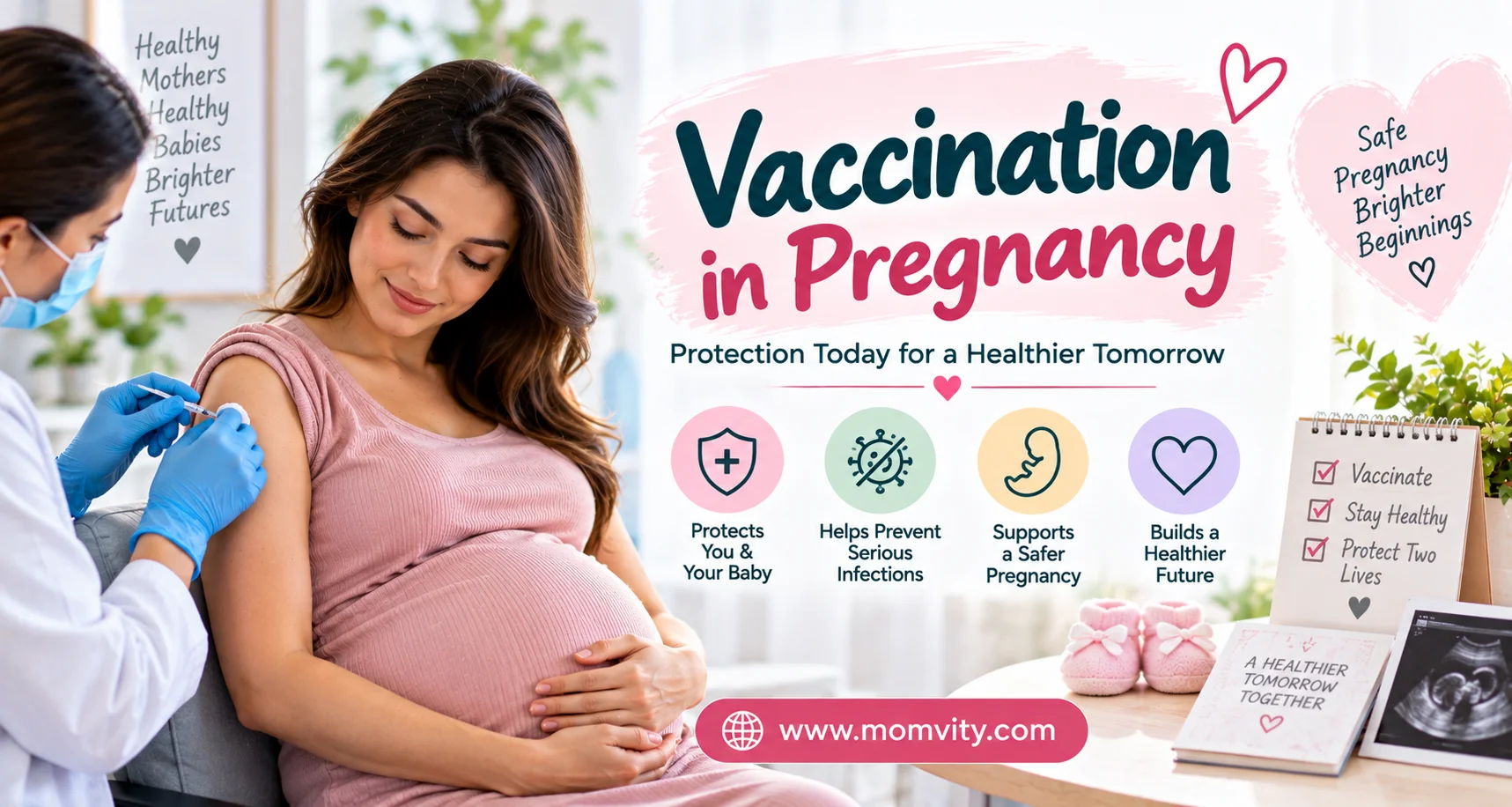
Vaccination in Pregnancy

The Overall Role of Vaccination in Pregnancy for the Protection of Mother and Baby

Pregnancy is a special period when a woman’s immune system changes over the course of it in order to support the developing baby in her womb.These changes in their body can put them more vulnerable to get certain infections easily.Vaccine not only provide protection to both both mother and her baby but also it also plays important role to combat against diseases before,during and even after the period of the delivery of the baby. 

Vaccine in pregnancy is not only about the mere protection of the mother rather some of them help produce antibody in mother and then transferred to her fetus via placenta to provide further protection.This is how the baby remain safe from any kind of infection attack as well as get primary protection from microorganisms even before the development of their own immune system which usually takes a few months to develop.

In this article,we try to cover all the important aspects you need to know about the necessity of vaccination in pregnancy in order to get protection for both you as a mother and your baby from any kind of harmful health impacts. 

Why Are Vaccines so Important During Pregnancy?

Though all infections are not always that much dangerous to you in non-pregnant state but can arise dangerous complications if you are not vaccinated before the onset of pregnancy.Certain infections like influenza, whooping cough, and COVID-19 can have the potentiality to make your pregnancy period complicated than the normal physiological one.These can further trigger urgent hospital admission,premature delivery of the baby and also put negative health impacts on the your baby. 

This is why vaccination is important as it is generally beneficial in protecting you and your baby from infection by producing antibodies in your body without causing the disease itself in you.Vaccinations further help respond you immune system quickly by using memory cells against any entrance of the organism in later life.This is how vaccination in pregnancy can significantly reduce the risk of dangerous infections and provide protection for both you as a mother and your baby.

How Do Vaccines Protect the Baby?

There are plenty of antibodies which are produced in the mother during pregnancy and thereby cross the placenta in order to enter the baby’s blood stream to provide natural protection.The natural passage of antibodies ultimately provide temporary protection from some disease before getting any vaccines after birth.

This natural protection is very important for the babies as they are not to get all the vaccines just after their birth and thereby require temporal protection to aid their immature immune system.For instance if the mother get whooping cough vaccination in pregnancy,it will then provide essential protection during their very month of life when the disease can be potentially life threatening. 

Which Vaccines Are Recommended During Pregnancy?

The recommendations of vaccines actually depends on current health guidelines,pregnancy along with the individual risk factors.The professionals in this sectors usually recommend certain vaccines in pregnancy due to their strong scientific safety evidence which ensure the protection of both mother and the child.The recommended vaccines comprises:

Influenza (Flu) Vaccine

The currently evolved flu vaccination in pregnancy not only protects pregnant women from severe influenza complications but also help improve the overall immune system of the mother.This is because,pregnancy tends to increase the risks to get flu in severe form due to certain physiological changes like in mothers immune system, heart, and lungs.Influenza infection during pregnancy may increase the potential risk to get:

Potential risks involvement 
Hay fever with chills Increase the risk of premature delivery
Difficulty to breath normallyMay induce low birth weight
Demands urgent hospitalizationsAcute respiratory distress syndrome

The seasonal currently available flu vaccine helps reduce these risks and also provides necessary antibodies that can protect the baby even after the birth of the baby.

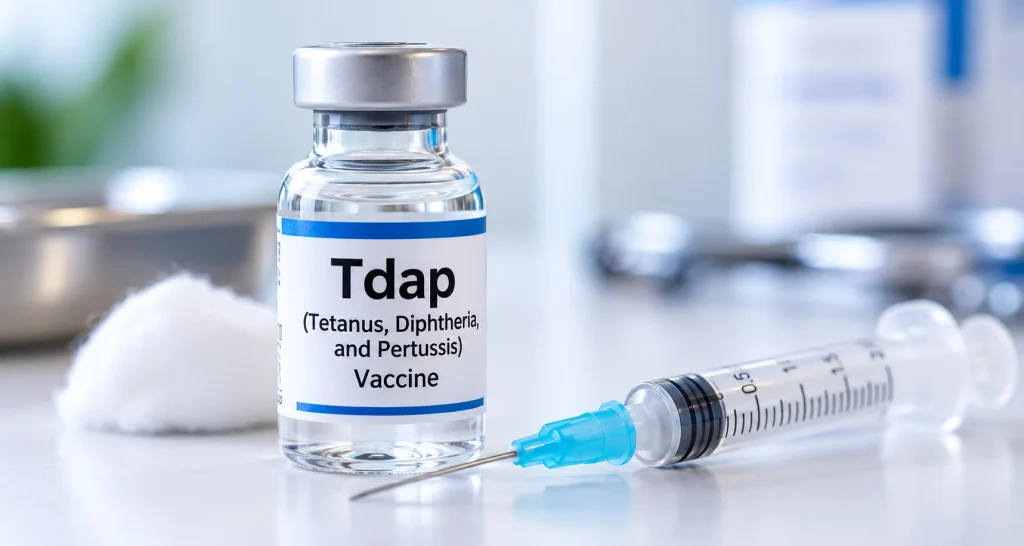
Tdap Vaccine (Tetanus, Diphtheria, and Pertussis)

Tdap is another very important vaccine that potentially protects newborn babies from getting dangerous whooping cough in their early life.This whooping cough infection can be dangerous for them if they get the exposure of bordetella pertussis bacteria before getting vaccinated at their early developing moths.

However if the mother gets the whooping cough vaccine during pregnancy,it can then help produce protective antibodies which further transfer to their fetus via placenta and thereby provide protection from getting infection.

The main beneficial effects of it includes:

  • Provide protection during the early few months of life.
  • Redduses the risk of complications development from whooping cough.
  • Help lowering the urgency to get hospital admission.

COVID-19 Vaccine

COVID-19 vaccination in pregnancy helps reduce the risk of getting affected by severe illness during pregnancy.However Pregnant women infected with COVID-19 may have actually possessed a higher risk of severe disease in comparison with non-pregnant individuals of similar age.

This covid 19 vaccination during pregnancy can help reduce the risk having:

  • Severe infection that can also threaten the risk of pregnancy outcome.
  • May augment the necessity to acquire long term hospital admission.
  • Pregnancy complications that may result in serious illness.

Researchers now focus heavily on evidence that helps consider the merits and demerits of using ofCOVID-19 vaccines during pregnancy for safety purposes.

Are Vaccines Usually Avoided During Pregnancy?

Experts generally do not encourage people to take live vaccines during pregnancy as some of these vaccines contain weakened forms of live viruses.Moreover pregnancy involves special immune considerations and these vaccinations in pregnancy are thereby usually avoided unless there is a specific medical as well as physiological reason.

These vaccines comprise Measles, mumps, rubella (MMR) for the protection of measles ,mumps and rubella virus along with varicella or namely chicken pox.However,if a woman needs these vaccines to get the protection and safety as well, healthcare providers often recommend receiving them before conception occurs or after delivery of the baby.

Are Vaccines Safe During Pregnancy?

Many vaccines are available in the healthcare market which experts recommend during pregnancy because of their strong safety records.Vaccines recommendation for pregnant women go through careful evaluation of her overall health status along with continuous monitoring.

Experts usually consider safety studies in order to look at mother’s health,baby’s development,pregnancy outcomes and also possible side effects of those vaccines.Therefore common temporary side effects of them may include:

  • Pain at the injection site.
  • Mild fever with rash eruptions sometimes.
  • Tiredness and fatigue.
  • Muscle aches of varying degree.

Luckily,these effects of vaccination in pregnancy are usually short-termed and are signs that the immune system is responding at its regular pace.

Can Vaccines Cause Significant Birth Defects?

Recommended vaccines during pregnancy have not been shown to cause birth defects in developing babies in mothers womb.However,it remains as a major concern for many couples who want to be parents whether the vaccines can potentially harm the growing baby or not.

There are no scientifically proven facts about whether vaccines could harm the developing baby. Scientific evidence from large studies has not shown an increased risk of birth defects from recommended non-live vaccines.Healthcare professionals consider the benefits of preventing serious infections to be much greater than the potential risks of vaccination.

The proper Timing of Vaccines During Pregnancy

The timing of vaccination in pregnancy solely depends on the type of vaccine that is recommended to get and the stage of pregnancy.The healthcare providers usually recommend to take some vaccines during specific periods to provide the best possible protection from any kind of complications or side effects.The current guidelines recommendations are:

  • Flu vaccine:It is usually preferred to get it during flu season at any stage of pregnancy.
  • Tdap vaccine:It is specially designed to get this vaccine during the third trimester of pregnancy in order to maximize antibody transfer to the baby.
  • COVID-19 vaccines: Timing may depend on current evolved recommendations along with personal health factors.

Pregnant women must discuss the best vaccination in pregnancy schedule prior to getting any of them with their healthcare provider.

What Happens If a Pregnant Woman Misses a Vaccine?

Healthcare providers can carefully guide you and also help create a catch-up vaccination plan.If there are missing ones which you should take in time,it does not always mean that protection is impossible from here on. Doctors can review your past vaccination history and thereby direct you to get the safest timing.After delivery, some vaccines can still provide protection for the mother and reduce the chance of spreading infections to the newborn.

Importance of Vaccines Before the onset of Pregnancy

Getting preferred vaccination status before pregnancy can help prevent complications of pregnancy and the pregnant woman must review their vaccine history with a healthcare professional before they get pregnant.The professionals in this sectors generally recommend to check immune status of a woman against some diseases who want to get pregnant.These comprise:

  • Rubella which occurs by rubella virus.
  • Chickenpox in case of varicella zoster virus infection.
  • Hepatitis infections which are caused by several hepatitis viruses.

Some vaccines are best designed to give before pregnancy because they are usually no longer safer or can not provide protection during pregnancy.

The Role of Vaccines to Prevent and Combat Pregnancy Complications

Vaccination in pregnancy help not only lower infection-related risks but also they significantly give rise to get positive pregnancy outcomes.That is why experts recommend vaccinations on pregnancy as certain infections during pregnancy can actually increase risks such as:

  • Premature delivery of the baby.
  • Raises the concern of maternal hospitalization
  • Pregnancy-related complications which may have negative impacts on both mother and her baby.
  • Serious illness in newborns that may deteriorate the baby’s overall well being.

So,it is advisable for a pregnant woman to get recommended vaccination in pregnancy in order to prevent these infections that eventually support a healthier pregnancy journey.

Importance of Healthcare Guidance on vaccination

When anyone wants to get vaccination in pregnancy,it should always be considered as per the directions of the medical professionals.As every pregnancy is unique to one another,some crucial factors like existing medical conditions, pregnancy complications, travel plans, and potential exposure risks may have impacts on vaccine recommendations. 

A healthcare provider can evaluate the mother’s individual situation and thereby create a vaccination plan that best suits her specific health needs along with pregnancy circumstances.

FAQs

Is it necessary and safer to get vaccines while pregnant?

Yes, many recommended vaccines are indeed necessary as well as safer during pregnancy and some vaccines like influenza, Tdap, and COVID-19 vaccines are commonly encouraged to get because they protect both mother and baby.

Do vaccines during pregnancy protect the coming newborn?

Yes, some vaccination in pregnancy ensure early protection to newborns because the preformed antibodies against the vaccine generally transfer from the mother can help protect babies during their first months of life.

Can taking vaccines in pregnancy cause some degree of sickness?

Yes,they sometimes can.Vaccines are well designed to provide protection from infections,yet they can make you feel some mild side effects that are usually temporary in nature.

Should I avoid recommended vaccines during  pregnancy in fear of safety?

No.You should not fear.To avoid recommended vaccines during pregnancy may increase infection risks and this is  because they are selective in terms of benefits that help outweigh potential risks.

Conclusion

Vaccination in pregnancy is actually a crucial part of a healthy pregnancy plan especially when we wonder and ensure safe pregnancy outcomes.Vaccinations potentially provide protection by transferring produced antibodies from mother to their baby when they are inside their womb.Experts recommend vaccines namely influenza, Tdap, and COVID-19 vaccines due to their extreme importance in reducing  health risks during pregnancy.

However vaccination program should always be directed and provided by the healthcare professionals as the vaccination guidelines can change over new scientific evidence.This is how you can ensure that you receive the right ones at the right time to get the maximum impacts of vaccines.Thus a well-planned vaccination schedule helps create a safer environment for both mother and baby by supporting a healthier start to life.

Scroll to Top