Tahmina Noor | Momvity

Life of a mum to be

The Beautiful and Emotional Journey Through the Life of a Mum to Be

Life of a mum to be is a unique journey filled with emotional changes and physical preparations for the new baby.

When a woman first gets the news of becoming a mother, a different feeling plays in her mind. This time is as much a joy as it is a challenge. Don’t you think that this nine-month journey completely changes a person’s life? At this new turning point in life, every day feels like a new story that has never been experienced before.

​During the long period of motherhood, a woman has to go through many problems, both physically and mentally. Just like the nausea or weakness in the first few months, at the end there is an intense wait to see the new guest. Did you know that the changes that happen to your body during this time actually lay the foundation for the future of your unborn child? During this entire period, your eating habits change and your relationships with the people around you also become a little different.

How is this journey of becoming a mother?

​This time is the most exciting chapter of your life where every moment is a touch of novelty. To succeed in the life of a mum to be, it is very important to learn to understand your body language. When you first know that a small life is growing inside you, your way of thinking changes.

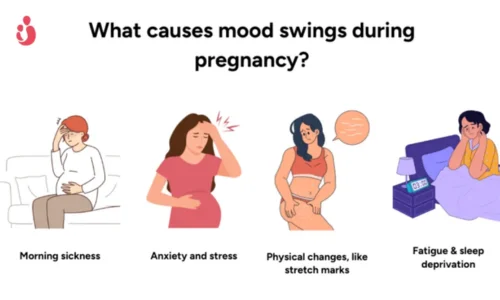
Have you ever wondered why your mood changes suddenly during this time or your favorite foods become unappealing?

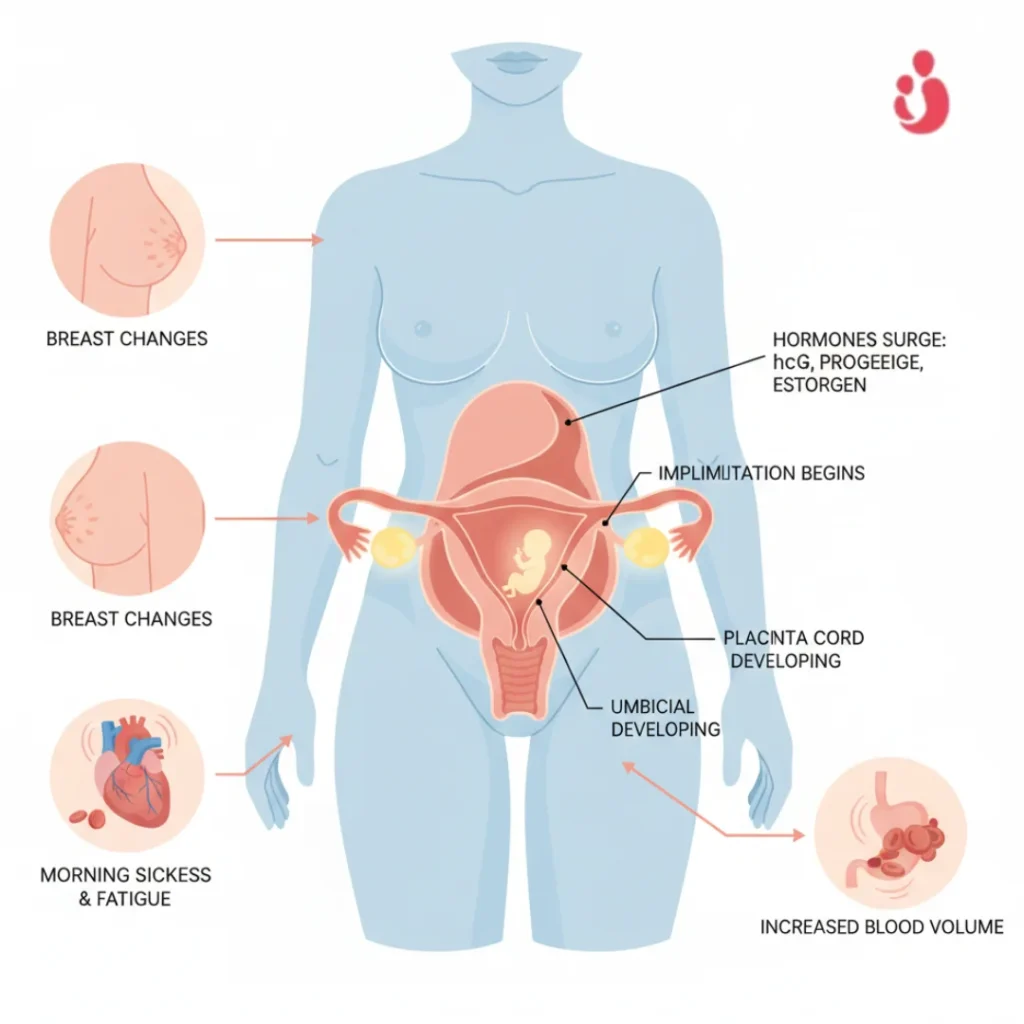
In fact, this is very normal due to hormonal changes.

Ways to overcome aversion to food and physical fatigue in the early days

  • ​Fatigue: In the early days of becoming a mother, the body gets tired very quickly because all your body’s energy is spent on the development of the child.
  • Rest:Getting enough sleep and rest is very important during this time because the body needs some time to adapt to the new changes.
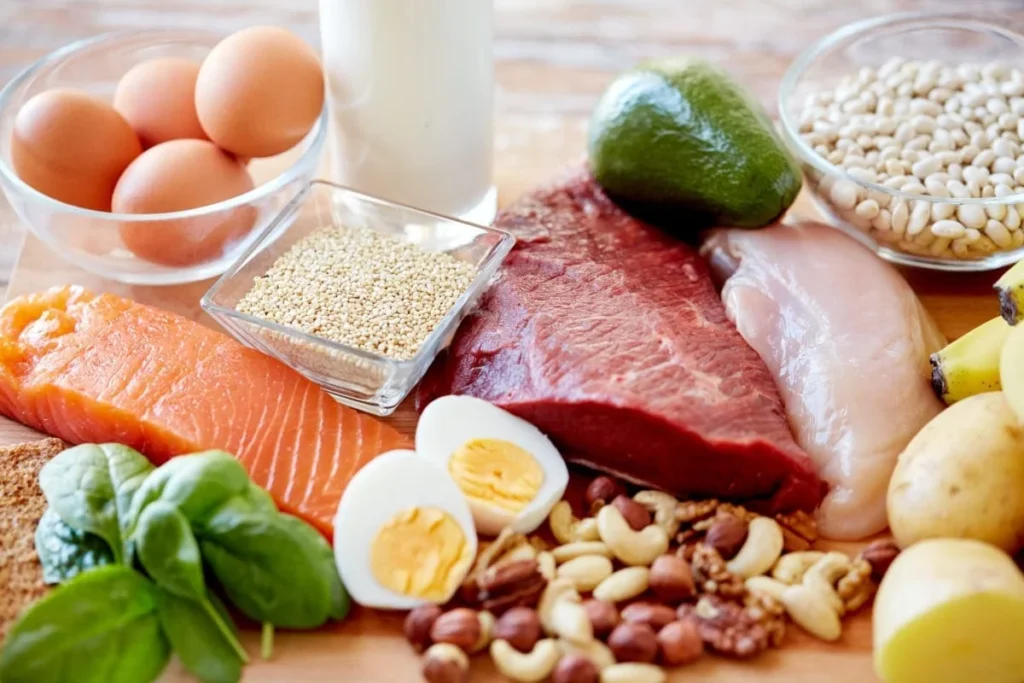
  • ​Nutrition: It is necessary to include protein and calcium in the food list so that your and the child’s bone structure are strong and the body does not feel weak.
  • ​Mental state:You should always think positively because your state of mind directly affects your unborn child, which is very important.

​Preparing for the arrival of a new guest and precautions in the first three months

You need to be very careful during these three months because this is a critical time for the baby’s organ formation. Heavy work is strictly prohibited and it is not advisable to take any medication without the advice of a doctor. Do you know how much drinking enough water during this time helps in maintaining the blood circulation in your body? Taking a light walk every day is good for the body, but it should not be excessive.

How to adapt to body changes

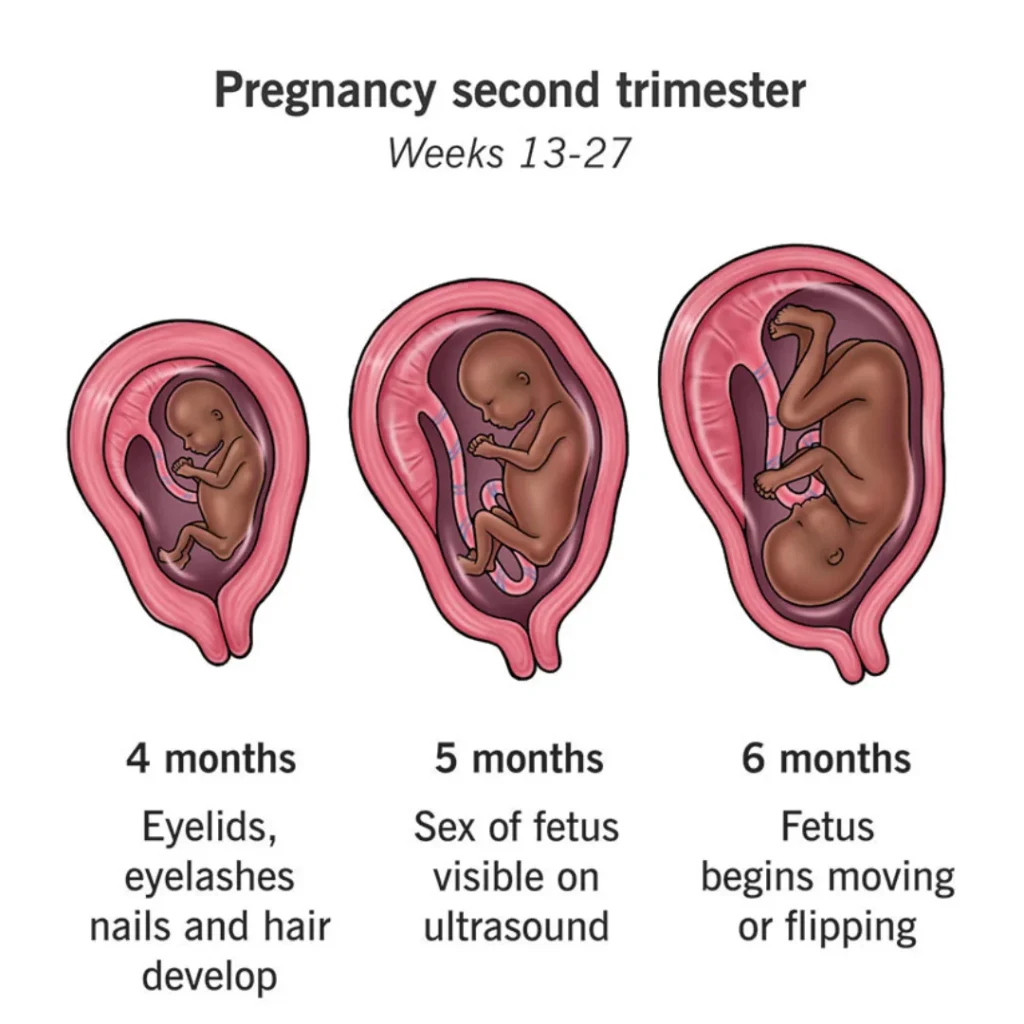
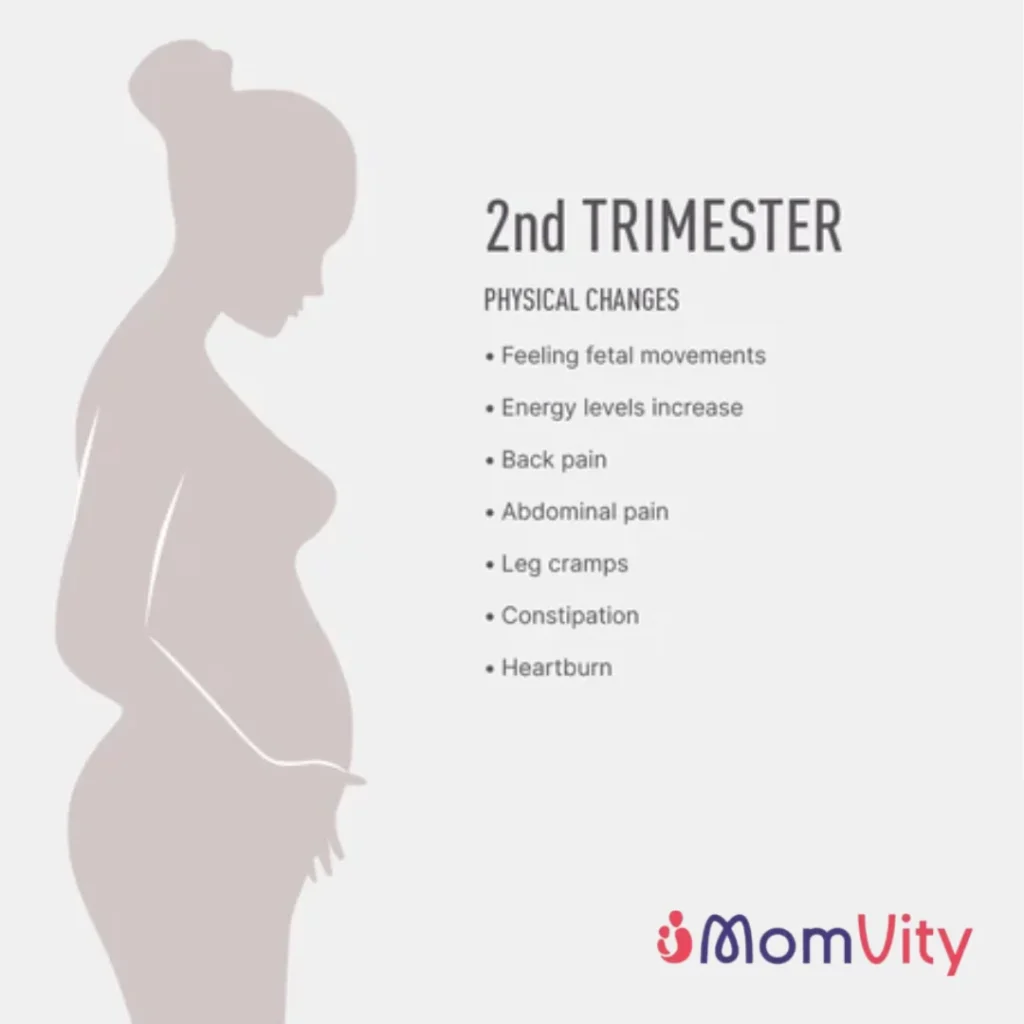
​When you enter the second trimester, your belly will start to grow in size and you will feel the baby’s movements. This stage of life of a mum to be is the most enjoyable because the initial nausea has subsided a lot. At this time, don’t you feel that the world has become much more beautiful than before? Your skin glows and you start imagining yourself as a full-fledged mother.

The secret to feeling your baby’s movements and getting peace of mind

  • ​Vibration: When you feel your baby’s movements or kicks for the first time, all your worries will turn into happy smiles in an instant.
  • ​Songs: Listening to light songs or reading books at this time is a very effective means for the mental development of both mother and child.
  • ​Communication: Start talking to your baby by placing your hand on your belly because they start recognizing your voice at this time.
  • ​Exercise: Doing some light exercise with the advice of a doctor makes the delivery much easier and the body pain is also felt much less.

Importance of regular checkups and necessary health tests

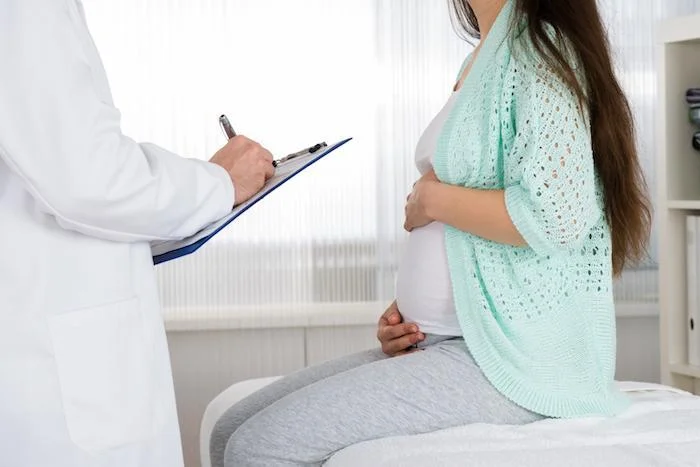
Visiting the doctor at this time should be regular and thorough because ultrasonography can tell whether the baby is growing properly. Iron and folic acid supplements need to be taken regularly so that anemia does not occur. Have you ever thought about how much danger a checkup done at the right time can save you from?

What are the last things you need to know well?

​As the delivery time approaches, excitement and fear start to work in your mind equally. At this stage of life of a mum to be, you need to pack your bags and arrange transportation to the hospital .Are you having trouble sleeping at night? In fact, it becomes quite difficult to maintain a proper sleeping position due to the big belly.

What important things should be kept in mind?

TopicWhy is it important?Curious sentence
Doctor’s phone numberIn case of emergencyDid you know that a phone call at the right time can reduce your worries by half?
Baby bagKeeping essentials close at handIs everything packed in the bag or do you have to rush around at the last minute?
Correct Sleeping PostureFor Comfortable SleepHave you tried using a pillow and seen how comfortable your sleep can be?
WalkingTo keep blood circulation normalDid you know that walking for 10 minutes every day increases the chances of normal delivery?

​How to deal with this mental depression or mood swing of becoming a mother?

​Hormonal fluctuations during this period of pregnancy have a huge impact on your mind, which you may not even realize. To succeed in the life of a mum to be, taking care of your mind is more important than your body. Sometimes you can feel very happy, and the next day you can cry for no reason. Have you ever thought that this sudden sadness is actually a signal of a huge change inside your body? It is very normal to feel lonely during this time, but it is not right to indulge it.

The need for family support and talking to your partner

  • ​Friendship: Spend at least some time with your partner every day and share all your fears or worries with him or her.
  • ​Openness: If you discuss your thoughts with your close people without hiding them, the burden on your mind becomes much lighter, which is great.
  • Chat: Occasionally chatting with close friends or engaging in light chats will do great for your mental health during this time.
  • Patience: It is normal to get angry or upset suddenly, so be patient with yourself and always give yourself some time.

Some effective tips and tricks for better sleep during pregnancy

​Sleep problems are one of the biggest challenges during this time because as the belly grows, it becomes almost impossible to sleep straight. Did you know that sleeping on your left side helps your baby get more nutrients? During this time, it is important to wear thin cotton clothes and keep the room environment quiet so that you sleep soundly. It is better to eat dinner at least two hours before going to bed to avoid acidity problems.

You may also read: Mum to be daily life

What special things should you add to your diet to keep your child healthy?

​Your child gets exactly what you eat because you are the only source of his nutrition now. In this journey of life of a mum to be, it is your main responsibility to diversify your diet and choose nutritious foods. Have you ever noticed why the strong desire to eat sweet or sour increases during this time? In fact, when the body lacks a certain nutrient, the need for all these strange foods is created.

List of foods rich in calcium and iron and their benefits

  • ​Vegetables: It is very important to have plenty of green vegetables, especially spinach, in your daily diet because it contains a lot of iron, which is great.
  • ​Milk: Drinking at least one glass of pure milk every day is very important for bone strength and the formation of the baby’s teeth and bones.
  • ​Fruits: Seasonal fruits, especially foods rich in vitamin C like lemon or amla, increase your immunity many times.
  • ​Almonds: Eating a few almonds or walnuts as afternoon snacks will work like magic for your baby’s brain development during this time.

​Scientific reasons to avoid outside food and excess caffeine

​External open food or excessively spicy food can cause problems in your stomach, which is very risky in this situation. Did you know that drinking more than two cups of tea or coffee a day can increase your baby’s heartbeat? Try to eat homemade food as much as possible and drink plenty of clean water. It would be wise to avoid excess sugar or cold drinks as they increase body weight abnormally.

Shopping essentials for your unborn baby?

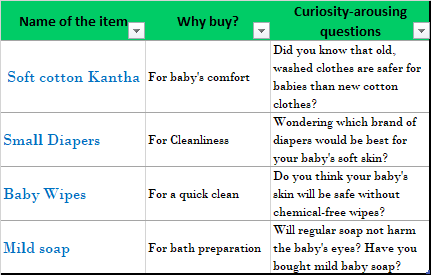
​As soon as the seventh or eighth month arrives, you will feel like packing everything for the baby, which is an instinctive instinct of mothers. Life of a mum to be This stage is quite enjoyable because you now start buying small clothes or socks. Have you ever wondered why babies feel more comfortable in light-colored clothes than in blue or pink? Actually, their skin is very soft, so buying cotton and light-colored clothes is the best decision.

Baby’s first shopping checklist  
The right time to choose a hospital and doctor for delivery

​You should decide where your delivery will be at least a month in advance to avoid last-minute rush. Life of a mum to be Increase communication with your doctor during this time and understand the symptoms of labor pain or labor pain. Did you know that reaching the hospital on time ensures the safety of both the mother and the baby? So, arrange a trusted driver or car for transportation in advance.

How to combine the advice of elders and modern medicine?

​Elders in the house often give many tips or advice, which, although effective in many cases, may not always be scientific. Life of a mum to be Respect the experience of elders in this life, but definitely talk to your gynecologist before making a final decision. Are you sure that the home remedy you are taking is safe for your baby? Always trust your own judgment and science.

How to take extra care of your body?

​In the ninth month, the body becomes much heavier and every step seems challenging. Life of a mum to be is a test of patience at this stage because now you are anxious to hold your baby in your arms. Have you noticed that your spine or waist is hurting more than before? In fact, your body’s center of gravity changes due to the increase in the weight of the baby, which is the main cause of this pain. Do not do any heavy work at this time and take extra care while going up and down stairs.

Mental preparation for the postpartum period and packing necessary things

  • ​Future: Think about what your life will be like after the birth of your child now so that you do not have to struggle later.
  • ​Diary: It will be much more comfortable for you to write down the list of your child’s vaccinations and the necessary emergency numbers in a diary.
  • Courage: Have confidence in yourself because nature has sent you into the world with the ability to overcome all obstacles as a mother.
  • Prayer: Staying calm and trusting in God will reduce your mental unrest and bring a strange peace to your mind.

​Some common signs of labor pain

​Before labor pain begins, the stomach may become hard or a stabbing pain in the lower back may begin. Do you know what the difference is between this pain and normal abdominal pain? Actually, labor pain increases over time and returns at regular intervals, which does not subside like other pains. If the water breaks or there is bleeding during this time, you should go straight to the hospital without delay.

What can life be like in the first few days after the birth of a child?

​After the arrival of a new guest, your whole night’s sleep will be forbidden, but seeing his smiling face will make all your fatigue disappear in an instant. Life of a mum to be When you first touch your child at the end of this long journey, you will feel like you have all the happiness in the world in your hands. Have you ever thought how a small child can change your entire life’s routine in a few seconds? During this time, your own body will need plenty of nutritious food and rest to heal or recover.

Importance of breastfeeding

Breast milk acts as the first vaccine for the baby, which protects him from various diseases throughout his life. Do you know how essential and powerful the colostrum or first milk is for the formation of the baby’s stomach and brain? Many times, mothers feel pain while breastfeeding, but if you know the right position, this problem can be quickly relieved. Drinking enough fluids and water during this time helps to increase the milk supply in the mother’s body.

​Beautiful plans for the old life after becoming a mother

A few months after having a baby, you may want to return to your workplace or old hobbies. After going through this chapter of Life of a mum to be, it is very important for your mental health to take some time for yourself. Do you think that after becoming a mother, you will not have a separate existence of your own? In fact, only a healthy and happy mother can raise a child beautifully, so taking care of yourself is not selfish at all.

​Ways to fix your body shape through exercise and diet

  • Weight loss: Do not try to lose weight in a hurry because you need to give your body enough time to recover, at least six months.
  • ​Walking: Start taking light walks in the morning or afternoon, which will help you shed excess fat from your body and keep your blood circulation healthy.
  • Nutrition: Eat a balanced diet instead of crash diets because your child is still dependent on you, so there should be no shortage of nutrition.
  • Yoga: You can do yoga or pranayama with the advice of an expert, which will restore the flexibility of your body and make your mind completely fresh.

Conclusion

​Life of a mum to be This whole journey is actually like a miracle that gives a new birth to a woman. From that vague fear of the first day to the intense labor pain of the last day, each step makes you patient and strong. These nine months you do not just give birth to a child but you are reborn as a mother.

There will be ups and downs on this path of becoming a mother but in the end, that innocent face in your lap will make all your hardships worthwhile. Always remember that you are not walking this path alone, thousands of other mothers like you are going through this beautiful feeling. Take care of yourself and keep this wonderful time as a memory in your heart every moment because these days will never come back.

​Frequently Asked Questions FAQ  

​Is it safe to drink tea or coffee during pregnancy?

Yes, but in very limited quantities because excess caffeine can disrupt your and your baby’s sleep.

​At what month can you feel your baby’s movements?

Usually, you can feel your baby’s movements for the first time between 18 and 24 weeks.

​Can you exercise during this time?

Of course, it should be very light and must be done with the advice of your doctor.

​What foods should you avoid during pregnancy?

Raw fish, meat and fried foods in excess oil are best avoided during this time.

​When should you go to the doctor urgently?

If there is sudden bleeding or severe abdominal pain, it is not right to delay.

How many days after delivery can you resume normal work?

If you have a normal delivery, you can do light work after a few days, but if you have a cesarean section, you need at least a few weeks of complete rest.

​When should you pack your baby bag?

It is wise to pack all the necessary things in your bag at least by the end of the eighth month.

​What are the ways to reduce mood swings during pregnancy?

Adequate sleep, nutritious food, and sharing your thoughts with loved ones keep you in a good mood.

​Mum to be daily life

Mum to be daily life: The daily journey of waiting for a new life

​Mum to be daily life is a journey filled with unique changes and essential self-care routines for a healthy future baby.

​As much joy as the feeling of becoming a mother is, so are the many changes that come with daily life. Every moment from morning to night is now more precious than ever because a tiny piece of life is growing inside your body. Many mothers-to-be have various questions about what their daily routine should be like. From household chores to eating habits, everything now requires a little extra caution. Let’s know the details of this new journey that will make your days easier.

This new look of the body

​After becoming a mother, a kind of upheaval starts in the body that you have never felt before. It is very common to feel heavy or sad for no reason when you wake up in the morning. However, these changes tell you that your sweetheart is healthy. You should arrange your Mum to be daily life in such a way that there is no excess pressure on the body. Doing small daily tasks with joy will keep your mind happy.

​Let the morning start sweetly

​Sit by the window for a while at the beginning of the day without doing any heavy work. The fresh air will freshen your lungs and help you get rid of nausea. Starting the day with a glass of lukewarm water will calm your stomach.

​Talk to yourself for a while

​Stand in front of the mirror every day and talk to yourself. Sharing your thoughts with the baby in your belly creates a kind of mental peace. This is not only great for you but also for your child’s mental development.

​A cup of light tea

​If you have a habit of drinking coffee, it is better to avoid this time. Instead, drinking ginger tea or lemon tea will relieve the feeling of fatigue in the body in an instant. This will prepare you for the whole day’s work.

​What happens to the body if you rest in the afternoon?

​As the morning progresses, the body’s energy starts to decrease a bit. This time is very important not only for food but also for resting the body’s cells. Taking a break for at least an hour after lunch should be an integral part of your Mum to be daily life. This will help your body regain its energy in the afternoon. If the balance between work and rest is not right, the body can break down very quickly.

​Seven colors on the plate

​Try to have more vegetables and fish in your lunch than rice. Colorful vegetables will provide the body with the necessary vitamins that will help in the formation of the child’s bones. Chewing and eating food without rushing improves digestion.

​Friendship with water

We all miss watching the waves play on the shore, losing our minds to the sound of rain. In fact, what is our politics without water? This emotional tension we have with water is an emotional friendship. Just as a glass of water brings peace to the chest, control in a well-maintained pond favors the controlling power of omnipotence. Do you sometimes wonder how much our world sleeps?

Below is a table that will help you understand your daily routine:

What is the timespecial taskwhy do it?
MorningA light walkTo relieve the feeling of being rusty in the body
NoonNutritious foodFor the energy of mother and child

Why choose this food? 

​Many people think that at this time they have to eat food for two, but in fact, it is not right. It is wiser to focus on the quality of food, not the quantity. Eating excess oil and spicy food can cause heartburn. So, rely on homemade and fresh food as much as possible. It is very important to keep fruits and milk in your Mum to be daily life list.

Calcium supply 

​There is no alternative to drinking a glass of milk every day to strengthen bones. If you do not feel like drinking milk, you can fill that deficiency by eating chickpeas or yogurt. It plays a major role in the formation of the child’s teeth and bones.

Fruit Nutrition

​Keep seasonal fruits in your regular list. Eating guava or apple by biting them also keeps your gums strong. Eating fruit directly rather than drinking fruit juice is more beneficial because it contains a lot of fiber.

​The power of protein

​Pulses or eggs will keep your body muscles strong. Try to eat at least one boiled egg a day because the choline in it helps in the development of the child’s intelligence.

​Do you think it will be very difficult to follow this food routine or are you enjoying it?

Why this sudden mood swing

​It is almost impossible for a common man to understand the hormonal game during motherhood. You may be laughing a lot at this moment, but the next moment, tears may come to your eyes. This emotional ups and downs make up a large part of your Mum to be daily life. The people at home should understand that this is not your intention but the result of a huge battle within the body. The wisest thing to do is to accept this time without blaming yourself.

Why do you get upset

​The blood circulation and hormonal changes in the body directly affect the brain. Not getting enough sleep is also a big reason for an irritable mood at times. So if you are upset, listen to a favorite song or talk to someone.

​Do your favorite hobby

​If you have a hobby of sewing or painting, you can start doing those things at this time. If you are immersed in creative work, anxiety will not be able to get to you. If you are in a good mood, the baby’s movements will also seem quite pleasant.

Gardening or walking

Watering the balcony plants in the mild afternoon sun or taking a short walk under the open sky will calm your mind. Being close to the ground or being in touch with nature generates positive energy within a person.

Does a baby talk in his sleep

When night falls, a different feeling begins that is very difficult to express in words. When the whole world falls asleep, maybe a golden gem starts playing inside your stomach. Sleeping in the right position at night is a very important part of your Mum to be daily life. Because if your sleeping position is not right, the baby may have problems with breathing or blood circulation. The correct use of a pillow will help you sleep peacefully all night.

Which side should you sleep on? 

Doctors always recommend sleeping on your left side because it reduces pressure on the liver. This keeps the path for nutrients to reach the baby from your uterus completely clear. So, turn carefully while sleeping so that your stomach does not twist.

Benefits of extra pillows 

Placing a soft cotton pillow under your stomach and between your legs can greatly reduce back pain. This helps keep your spine straight and you will feel quite comfortable throughout the night.

Stay away from mobile phones 

Stop using your phone or laptop at least an hour before going to bed. The blue light from digital screens deprives your eyes and brain of rest. Instead, reading a good story book can help you sleep much deeper.

Do you need a break between work? 

Many people have the idea that lying down all day during pregnancy is good for the body. But do you know how harmful this laziness can be for your body? In fact, light movements or activities in the daily life of an expectant mother work like magic to keep the body active and lively. If no physical exertion is done all day, there is a fear that the body will become very weak during childbirth.

Do you want your body to remain strong even during that difficult time of childbirth?

However, from today, make it a habit to do small household chores with your own hands. This will keep the joints of your body flexible and blood circulation normal. It is wise not to keep yourself completely inactive during these nine months of motherhood, but to stay a little active. Remember that this little activity of yours will provide the strength for your unborn baby to come into a healthy world. So, without being afraid for no reason, keep yourself busy a little so that both the body and mind are alert.

​Careful kitchen work 

​Do not stand too close to the fire for a long time while cooking. As your belly grows, you should avoid working by leaning forward. Cutting vegetables while sitting on a small stool or chair will not strain your waist.

​House cleaning rules 

​It is better not to do heavy work like sweeping or mopping the house during this time. Dust can cause allergies or sneezing, which can cause pressure on the stomach. You can wipe the furniture with a light cloth if you want.

​Shopping at the market 

​Carrying heavy market bags or buckets of water is absolutely prohibited during this time. If you have to go out, take someone with you so that you can get help immediately if you get into trouble.

​Do you think you can handle all the household chores alone or do you need help?

Why do the soles of the feet swell? 

​Many people notice at this time that the soles of the feet or ankles have suddenly become swollen. This problem is more common if you sit with your feet hanging in one place for a long time. It is therefore very important to include foot exercises in your Mum to be daily life routine. It is possible to get rid of this uncomfortable condition with a little awareness.

Foot Exercises

​While sitting, rotate your toes or occasionally keep your feet elevated. This normalizes blood circulation and the swelling gradually decreases. This problem can also be relieved by reducing the amount of salt in your food.

You may also read: ​Mum to be lifestyle

What are the pre-delivery preparations? 

​When the final moment approaches after months of waiting, there is a mixture of excitement and fear. The last step in your Mum to be daily life is to mentally prepare yourself for delivery. Starting from packing the hospital bag to keeping emergency phone numbers handy, the main task at this time is to do everything slowly. Your body may feel more tired than before, so try to do everything slowly.

​Packing the hospital bag

​To avoid last-minute rush, pack your baby’s and your necessary clothes and necessary documents in a bag. This will help you stay worry-free and will keep you ready to go at any time.

​Befriending pain

​Many people are very afraid of labor pains, but remember that it is a natural process. Knowing the right breathing exercises makes it much easier to get through this difficult time. Keeping your mind calm will also help your body respond positively.

Why the doctor’s advice is the last word

​Many people listen to the neighbors and go the wrong way at this time, which is not at all desirable. Only your doctor can tell you what your Mum to be daily life routine will be like. Every body structure is different, so it is foolish to increase your anxiety by comparing yourself with others. Even if you have any minor problems, you should go to a specialist without delay.

​Importance of regular checkups

​It is very important to have regular ultrasounds or checkups to know whether the baby’s heartbeat and position are correct or not. This acts as a protective amulet for you and your unborn child.

​Proper use of medicines

​Never miss the iron or calcium pills given by the doctor. It fills the deficiency in your body and keeps you strong from within.

​Have you packed all the necessary things for the hospital or are you still wondering what to take?

​Don’t lose self-love

​Life will change drastically after the arrival of your child, but that doesn’t mean you will forget yourself. Don’t stop taking care of your skin or wearing your favorite clothes in between your Mum to be daily life. The more confident you are, the more beautiful and joyful your motherhood journey will be.

​Skin care and stretch marks

​As your belly grows, your skin may become stretched and stretch marks may appear, which is nothing to worry about. Applying coconut oil or a good moisturizer can lighten these marks. This is a sign of your pride in motherhood.

​Light makeup

​Occasionally taking a little makeup or going out can refresh your mind. It works like magic to remove your depression.

Below is a table that will remind you of the final steps in your preparation:

Things to doCurrent statusWhy it’s important
Hospital BagPrepare NowTo Avoid Last-Minute Stress
Emergency ContactSave the numberGuarantee quick help

A new dawn of motherhood

​When all the waiting is over and the little one comes to your lap, you will forget all the troubles in an instant. This long journey of your Mum to be daily life will transform you into a strong woman. Enjoy every turn of motherhood with joy because these days will not come back.

​Precautions for the arrival of a new guest

​After the baby arrives, make sure that the environment in the house is absolutely clean and germ-free. Starting from your lap to the bed sheets, everything should be absolutely soft and clean.

​Have you ever wondered what it would be like to hold a baby in your lap for the first time?

Conclusion

This long journey of the 6th month is not just a story of body changes but it is like a rebirth of a woman. These days of motherhood need to be a strange combination of discipline and love. When an expectant mother takes care of her body and ensures peace of mind along with nutritious food, the foundation of a healthy world is created for the unborn child. Do you know how deeply your every happy moment has an impact on your child’s future?

A little extra attention and right guidance from everyone in the family can skyrocket a mother’s morale during this time. It is not right to neglect your body while fulfilling this great responsibility of being a mother, but it is wise to accept each day positively. You should shake off the fear or hesitation accumulated in your mind and embrace this new life with courage. Because your mental strength will be the path to your child’s future.

We must remember that motherhood is not a burden but a great gift of nature. Small joys and regular living make this journey more sweet. When a mother smiles, the dream of a new generation is hidden behind that smile. Therefore, it is important to always keep yourself cheerful, even for the sake of the unborn child. Only if you can overcome fear and cross this exciting path with a smile, will the glory of this sacrifice be worthwhile. At the end of the day, your health and peace of mind are the best gifts for your unborn child.

​Frequently Asked Questions FAQ

 ​Which side is safest to sleep on during this time?

Lying on the left side is the safest because it improves blood and nutrient 

circulation in the baby’s body.

​What should you do if you are upset?

Listening to your favorite songs, reading books, or talking to people close to 

you can greatly reduce depression.

​Is there any problem with drinking too much water?

No, drinking at least 10-12 glasses of water a day keeps the body hydrated

 and reduces complications.

​What is the way to remove stretch marks?

Regularly applying lotion or coconut oil during pregnancy can lighten skin marks.

​Is it absolutely forbidden to drink tea or coffee?

It is not absolutely forbidden, but it is better to avoid caffeine, and you can drink

 it in small amounts if you really want to.

​Is there any harm in doing heavy work?

Heavy work can put pressure on the stomach and harm the baby, so you should 

avoid them.

​Is home exercise safe?

Doing yoga or light stretching with the advice of a doctor is very safe and beneficial

 during this time.

​How many days before delivery should you pack your hospital bag?

It would be wise for you to pack all the essential things at least a month before delivery.

Mum to be lifestyle

Mum to be lifestyle: Easy ways to stay healthy on the new journey of motherhood

​Mum to be lifestyle focuses on the overall well-being of expectant mothers through balanced nutrition, gentle movement, and mental peace.

​When the news of motherhood comes to our ears, it feels as if the world has suddenly changed. Our village mothers and aunts used to say that when a new life comes into the womb, you have to live not only for yourself but also for that little person. How you behave and eat and drink should be during this time is basically the essence of the Mum to be lifestyle.

Do you know that your slightest carelessness can be the cause of your whole life’s troubles? So, from the very beginning, you need to take a little extra care and attention to yourself. This time is a very long journey, but if you know the right rules, you will be able to cross this path with a smile.

​So many modern technologies have come into our society now, with which everything about the child can be measured. But no device can give the touch of a mother’s hand and peace of mind. When you are calm, your unborn child also feels very safe from within. Be it the rat race of the city or the quiet afternoon of the village, it is the demand of the time to make some fundamental changes in your lifestyle. When your body starts to feel heavy, just as you need to be careful in your movements, it is also important to shake off the worries that have accumulated in your mind.

Some new thoughts on the Mum to be lifestyle

​Have you ever wondered how your hormones are changing you on this journey of motherhood? Many people think that being pregnant means getting sick, but it’s not. It’s a natural process where your body becomes the home of a new life.

So, you need to decorate this house with great care. Mum to be lifestyle doesn’t mean you stay in bed all day. Rather, light work and being happy are the real tips. If you are always busy, will your baby be able to grow up healthy? Not at all.

Why are food and sleep the most important at this time?

Subject NameEffect
Balanced DietDid you know that the right food directly helps in the development of your child’s intelligence?
Get enough sleepDoes lack of sleep only increase fatigue or does it also affect mood?
Peace of mindCan a worry-free mind really give birth to a healthy baby?

Role of nutritious food in taking care of your body

​There is a saying in our village that one should eat food for two at a time. However, today’s doctors say to focus on the quality of food, not the quantity. Always have colorful vegetables and fresh fruits on your plate. Especially if you lack iron and calcium, the body becomes very weak.

  • ​Fruit : Eat fresh fruit at least twice a day, which will help flush out toxins from the body.
  • ​Vegetables: Green vegetables will help increase your digestive power and eliminate anemia from the body.
  • ​Protein: Fish broth or thin lentils will provide energy to your body and will play a role in the formation of the baby’s bones.

​The need for light exercise and movement during pregnancy

​Many people think that when you are pregnant, you are forbidden from moving, but the truth is that you should keep your body active. A big part of the Mum to be lifestyle is regular light walking. If you are too lazy, you can have a lot of trouble during delivery. Don’t you think that a little walk in the fresh air also makes you feel better? Light exercise increases blood circulation in the body, which is very good for the baby.

​Maintaining a Mum to be lifestyle with gentle stretching can significantly reduce back pain and improve your overall mood.

​Some easy ways to keep yourself mentally calm

​Does taking care of your mind as well as your body seem like a luxury? Not at all. During this time of motherhood, hormones can make you irritable. Then listening to music or reading a good book will give you a lot of peace. Talk openly with the people around you. Don’t hold anything back.

Because when you smile, your baby’s heart also dances to the rhythm. Don’t you want your child to be in a very cheerful mood?

​Some small changes in daily routine

​We often get tired during the day’s work. So it is very important to take breaks in between work. If you work in an office, do not sit continuously and stand up a little. Drinking water cannot be forgotten at all. Many minor ailments are cured if the body is hydrated.

​A healthy Mum to be lifestyle includes drinking at least 2-3 liters of water daily to keep the body toxins away.

  • Rest : At least one hour in the afternoon and eight hours of deep sleep at night is the ultimate medicine for your body.
  • Clothing : Try to wear loose cotton clothes so that your body can breathe.
  • Shoes : Avoid wearing heels and use soft-soled shoes.
  • Environment : Always keep yourself away from smoke, dust, or quarrels.

Adapting to your physical changes

​You may feel a little nauseous or have a loss of appetite during the first three months. There is nothing to be alarmed about. Our mothers used to say that this is a good sign. However, if it feels too bad, don’t forget to consult a doctor. As your body weight starts to increase, your feet may sometimes hurt. A light massage or soaking your feet in warm water will provide you with a lot of relief.

These small cares are the foundation of a beautiful Mum to be lifestyle. Have you started loving yourself a little more now?

Special care and changes in the body during pregnancy

​After the first three months, the body seems to have settled down a bit, right? Many call this period the golden period because nausea subsides and appetite starts increasing. At this stage of the Mum to be lifestyle, your baby’s bones and organs start growing rapidly. So, your body’s nutritional needs are now twice as high as before. Have you noticed that your skin feels a little tight now? This is a happy sign because the little gem inside you is now growing.

During this time, there is a lot of pressure on your spine, so you need to be a little aware of the way you sit or sleep. Make a habit of sleeping on your left side from now on because it improves blood circulation in the baby’s body.

​A perfect Mum to be lifestyle ensures that the mother gets enough calcium for the baby’s developing bones.

​Need to bring variety to the food plate

​We have a lot of fear about food that what will happen if we eat this or that. In fact, simple homemade food is the best. If you like to eat fish, try to eat more small fish because it increases the brightness of the eyes. Again, do not eat too much sweet food because it can increase the sugar level in the blood, which is not good at all.

​Why should local fruits be your main choice?

​Fruits that are available in season in our country, such as guava or kamranga, will increase your body’s immunity. Did you know that fresh guava contains many more vitamins than foreign apples or grapes? So wash and clean whatever you get at hand.

​Importance of pulses and eggs to meet the protein requirement

​Eggs are a complete food that will help your child’s brain development. Make a habit of eating at least one boiled egg every day. This will greatly reduce the fatigue that comes to your body. If you have more protein, your skin will also be good and your hair loss problem will be less.

There is no alternative to milk to eliminate calcium deficiency.

Many people have stomach problems after drinking milk, but you can eat yogurt or chickpeas. Calcium will keep your bones strong so that you can carry the weight of the baby well. Don’t you want your bones to be strong?

​Some of the best tips to stay mentally alert

​Did you know that if your mind is good, your baby will also be in a good mood? In the Mum to be lifestyle, there is no need to skimp on mental care. If you like to sew or draw instead of just sitting all day, then do so. Your creative activities have a profound impact on your baby’s mind. Always try to have happy people around you who will give you courage and talk positively.

​Expecting mothers should prioritize a peaceful Mum to be lifestyle to keep their stress hormones low and stable.

​How does your environment control your mind?

​If there is a stuffy atmosphere inside the house, then your mind will also become bad. Open the windows during the day so that the light and air can play. When you feel the breeze, your suffocation will be relieved. You can plant small trees that will connect you with nature.

​Music therapy and conversation with your baby

​When you listen to music or talk to your baby, he hears your voice from inside. This will strengthen your bond with your baby. Have you ever noticed that when you talk, the baby moves inside the womb?

​Ways to stay away from anxiety

​Don’t worry too much about the future, how the delivery will be or whether everything will be fine. Trust in your superiors and enjoy your present time. Worrying can increase your blood pressure, which is not at all desirable at this time.

​Companionship and affection from people around you

​Talk to your partner and share your feelings. Chatting makes time pass faster and your mind lighter than being alone. There is no substitute for laughter to lighten the load on your mind.

​Small points to follow in daily life

​Keep your daily life in order. If you want to maintain a mum to be lifestyle, you cannot take any hasty decisions.

  • ​Footwear :Wear comfortable and flat shoes so that you have good balance.
  • ​Rest :Do not stand for long periods of time while cooking or doing any work.
  • ​Travel : Avoid traveling on roads with too much vibration.
  • ​Cleanliness: Maintain personal hygiene so that no infection attacks you.
  • ​Books: Read a good book that will help you increase your knowledge and patience.

​Some tips for personal care during pregnancy

Sometimes the body may get itchy or have stretch marks. For this, use good quality coconut oil or moisturizer. Do not bathe with very hot water as it can increase the body temperature. Light lukewarm water will be comfortable for you. Do you sometimes get surprised when you see yourself in the mirror? These changes are what are fulfilling you as a mother.

​Follow a consistent Mum to be lifestyle to avoid unnecessary physical discomfort during the second trimester.

Your sleeping habits and bed type

​Sleeping during pregnancy can sometimes be like a lottery. Using the right pillow will help you sleep better. Placing a soft pillow under your stomach or between your legs will provide you with a lot of comfort. Eat dinner at least two hours before going to bed to avoid indigestion.

New ways to prepare for the end of pregnancy

​Towards the very end, your body will feel very heavy and you may feel tired frequently. This stage of the Mum to be lifestyle tests your patience the most. Can you feel your little one moving more than before? Back pain is very common during this time. So whenever you sit, use a soft cushion or pillow behind your back. Sometimes your feet can swell, so don’t sit with your legs hanging down for too long. Taking light walks every now and then keeps the blood circulation going.

​Every woman should maintain a healthy Mum to be lifestyle to ensure a smooth transition into motherhood and recovery.

​What to pack in your hospital bag3

​The good news can come at any time towards the end. So to avoid last-minute rushing, it is better to pack everything in advance. Pack a small bag of soft cotton clothes for the baby and your necessary things. Did you know that packing in advance reduces your anxiety a lot?

​Necessary clothes and things for the baby

​A newborn baby’s skin is very soft, so always try to use old, washed cotton clothes. It is also necessary to keep clean towels and diapers with you. Do not use any strong perfumes or soaps near the baby.

​Necessary things and medicines for the mother

​When going to the hospital, pack all your prescriptions and reports in a file. Also, don’t forget to take comfortable clothes and necessary sanitary napkins. Also keep the soap or brush you need separately.

Keep emergency contact numbers handy

​Keep the numbers of your doctor and family members close to you in a diary or on your phone’s speed dial. If an emergency arises, you can take action quickly. Have you informed your loved ones about this?

Mental and physical preparation for postpartum recovery

​After having a baby, your life will take a complete 180-degree turn. So, you need to be mentally prepared for that time right now. A Mum to be lifestyle prepares you not only for pregnancy but also for the time after having a baby. Balancing your own sleep with your baby’s sleep can be quite difficult. But if you are patient, you will be able to adapt to everything very quickly. Believe in yourself that you can be the best mother you can be.

​Adopting a positive Mum to be lifestyle helps expectant mothers stay calm during the labor and delivery process.

​Importance of Breastfeeding

​There is no substitute for breast milk for a baby. It not only increases the baby’s immunity but also helps the mother’s uterus to return to its previous state quickly.

 Did you know that the first colostrum acts as a vaccine for the baby?

​Maintaining proper diet and nutrition

​Even after having a baby, you need to continue eating nutritious food. Milk and protein-rich foods will give your body strength. Our grandmothers used to say that black cumin or gourd curry is very beneficial for mothers during this time.

​Take some time for yourself

While taking care of your baby throughout the day, don’t forget about yourself. When the baby sleeps, try to take a nap. This will restore your body’s energy. Take help from family members to avoid getting irritable.

​Light Exercise and Getting Back in Shape

​If your doctor allows, you can start doing very light abdominal exercises or walking a few weeks after delivery. This will help you get your body back into shape. But don’t rush things too much.

​Role of Family Members and Bond of Love

​At this time, the support of your family, especially your partner, is very much needed. Do you share your fears with your partner? Handling everything alone can sometimes feel like a mountain. So enjoy this beautiful time together with your family. Everyone’s love and care will make you recover very quickly.

​A supportive family environment is the backbone of a successful Mum to be lifestyle for every new mother.

  • ​Help: Get help from other family members in household chores and keep yourself free from extra stress.
  • ​Storytelling: Spend some time in the balcony in the afternoon and chat with everyone, which will keep you in a good mood.
  • ​Encouragement :Praise yourself for small successes and increase your self-confidence.
  • ​Cooperation : Use the experience of adults in handling children, this will make the work easier.

​Conclusion

​Motherhood is a huge blessing and this journey is unique in every woman’s life. The main thing that we have discussed so far is to take care of yourself and stay positive. Maintaining a mum to be lifestyle does not mean that you have to follow the rules like a robot. Rather, paying attention to what your body and mind want and living a moderate life is the real meaning.

The habits that you develop today, thinking about the future of your unborn child, will stay with you for the rest of your life. Do not be afraid of anything because nature has prepared you for this huge responsibility. Listen to the good words of the people around you and avoid negative things.

Simple food, a happy mind and light movements – if you have these three things, you will be able to spend these nine months of motherhood in a royal way. I wish you good health and a bright future for your child. Remember that you are not just giving birth to a child but you are starting a new world. Have faith in yourself and surround every moment with love.

Some common questions (FAQ)

Is it absolutely forbidden to travel in the last trimester?

Yes, it is better to avoid long trips in the ninth month and stay close to the doctor.

​What should be done if the baby’s movements decrease?

If the movements seem to be very low, it is important to consult a doctor immediately.

​What is an easy way to reduce back pain?

A warm water bath and support with a pillow on the back can provide relief.

​What can be done to sleep well at night?

Lying on the left side and placing a pillow under the legs improves blood circulation and helps you sleep.

​Which is better, cesarean or normal delivery?

It completely depends on the physical condition of the mother and the baby, so the doctor’s decision is final.

​Is tea or coffee harmful during pregnancy?

Avoid excess caffeine, and at most one cup of tea can be taken on a good day.

What should I do if I have stretch marks on my stomach?

Using moisturizers or natural oils increases skin elasticity and reduces scarring.

​Do you have to take vitamin pills for life?

No, doctors usually recommend taking them until pregnancy and breastfeeding.

​When is the best time to shop for a baby?

It is wise to buy the necessary things by seven or eight months.

​Why do mothers feel sad after delivery?

This is called the baby blues, which is caused by hormonal changes and can be cured with family support.

Pregnancy Health Tip

Simple and effective tips for a healthy pregnancy

Although there are many things that are common in our society about mothers the real Pregnancy Health Tip is to listen to your body.

At this time, a new life is growing inside your body so it is natural that you will need extra care. Many people think that you only have to lie down and sit during pregnancy but if your body agrees light walking is very beneficial for your body. Always try to stay happy and think positively, because your state of mind directly affects your child. Doing things you like talking to your loved ones or listening to some good music will reduce your mental stress a lot.

Pregnancy Health Tip for Daily Routine

During this period of pregnancy, having a nice and organized daily routine will be very good for both your body and mind. Honestly the most effective Pregnancy Health Tip for Daily Routine for an expectant mother is to make a simple schedule for yourself. You can start the day by drinking a glass of lukewarm water as soon as you wake up in the morning. Your breakfast should definitely include protein and vitamins, such as an egg or a bowl of fruit. Take a break from time to time during the day’s work do not stand or sit for a long time. Taking a break for at least an hour after lunch will help reduce your body’s fatigue. Remember the body gets tired very quickly during pregnancy so it is wise to lie down whenever your body wants to rest without forcing yourself to do anything.

Taking a light walk in the afternoon can be a great Pregnancy Health Tip for Daily Routine for you. Walking in the open air for at least 15-20 minutes without being completely confined to the house also keeps your mind fresh and helps you sleep better at night. Try to finish your dinner a little early so that the food has time to digest before going to bed. Stop watching mobile or TV at least an hour before going to bed this will calm your brain. 

Many people think that the pregnancy routine may mean something very difficult but it is not. An easy Pregnancy Health Tip for Daily Routine for you is to eat regularly and get enough sleep without putting pressure on your body. Don’t worry at all, but do something you love at a certain time of the day it can be reading a book or listening to some music. If the routine sometimes goes this way and that there is nothing to worry about. Spend the day the way your body responds. Take care of yourself and stay healthy because a beautiful day of yours is a blessing for your baby’s future.

Pregnancy Health Tip for Healthy Eating

Your baby’s future health depends a lot on what you eat and how you eat during pregnancy. Our grandmothers used to say, Eat for two but in fact, the modern Pregnancy Health Tip for Healthy Eating is to focus more on the quality of food than the quantity. You do need extra calories at this time, but those calories should come from nutritious foods not from chips or sweets. Try to include protein-rich foods like fish, meat, eggs, or pulses in your daily diet which will help build the baby’s body cells. Also, eat plenty of colorful vegetables and local fruits so that you get enough vitamins and minerals. Remember, fresh homemade food is your best friend during this time because outside food often carries the risk of bacteria that can be harmful to you.

Making a small change in your eating habits is also a necessary Pregnancy Health Tip for Healthy Eating. Instead of eating a big meal at once make a habit of eating 5-6 small meals throughout the day. This will reduce your heartburn or nausea problem to a great extent. Many mothers suffer from constipation while taking iron or calcium tablets during this time the solution to this is to eat plenty of fiber-rich foods such as red flour oats or green vegetables. One more thing to keep in mind do not skip breakfast in any way. A nutritious morning meal will provide you with energy for the whole day. Also if you really want to eat sweets you can eat dates or raisins instead of sugar which will also keep the iron levels in your blood correct.

But don’t forget about body hydration or water. Along with following the correct Pregnancy Health Tip for Healthy Eating drink at least 3 liters of water throughout the day. If you want you can also drink coconut water or fresh fruit juice made at home. If you have a habit of drinking tea or coffee it is better to reduce it because excess caffeine is not good for the baby. Again, many people think that eating more ghee or butter makes childbirth easier which is actually a misconception; rather they can increase your weight. Finally, nutritious food does not mean expensive food but by eating the simple foods that are within our reach in the right way you will stay healthy. Always consult your doctor about the food that suits your body and eat with pleasure.

Discover more here: Jelly Discharge Pregnancy – First Trimester

Pregnancy Health Tip for Hydration

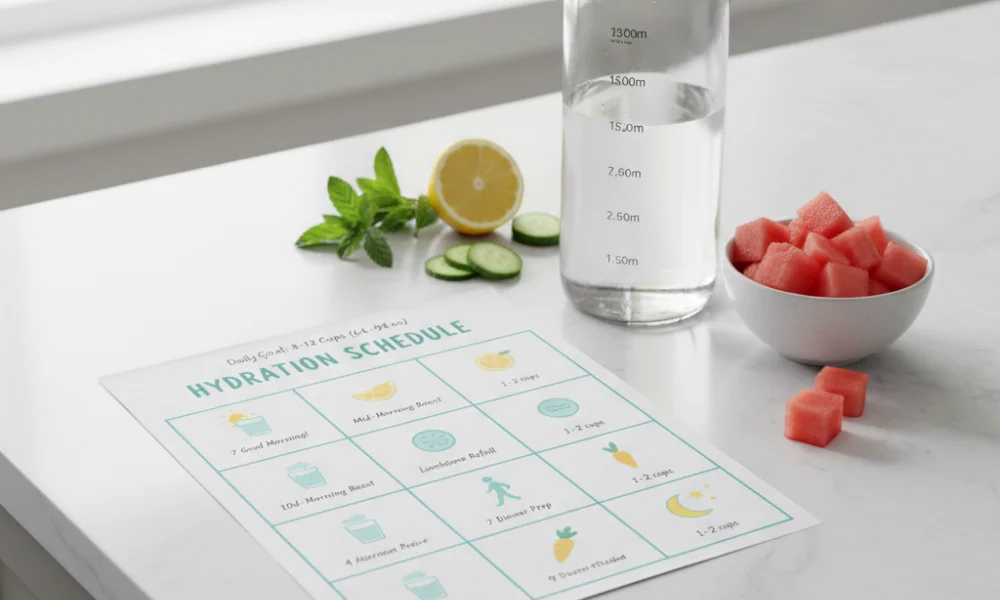
We often overlook the importance of maintaining water balance in the body during pregnancy, thinking it is a simple matter. But to be honest, there is no substitute for water for the changes that are happening inside your body at this time. The biggest Pregnancy Health Tip for Hydration for an expectant mother is to drink water regularly throughout the day, without waiting to feel thirsty. Your body needs plenty of water to maintain the right level of water in the amniotic fluid that your baby is growing in. Drinking enough water keeps your blood circulation good, which helps the baby get nutrients. In addition, hydration will help you magically avoid some common pregnancy problems such as headaches, swollen hands and feet, or urinary tract infections.

Many people complain that they just don’t like drinking water or feel nauseous when they drink water. An effective Pregnancy Health Tip for Hydration for them is to change the taste of water a little. If you want you can add a few slices of lemon, cucumber or mint leaves to the water, which will also taste good and keep the body fresh. Apart from that, coconut water can be a blessing for you at this time because the electrolytes in it relieve your body of fatigue and provide instant energy. However, remember it is not at all right to quench your thirst by drinking packaged juices or cold drinks because the excess sugar in them can be harmful for you. Try eating pulses thin soups or juicy fruits like watermelon and oranges which will play a big role in meeting your body’s water needs.

The easiest way to understand whether your body is lacking water is to pay attention to the color of your urine. If you see that the color of your urine is dark yellow then you need to drink more water. If you follow this important Pregnancy Health Tip for Hydration, you will also get rid 

of painful problems like constipation. Many people drink less water due to the fear of going to the toilet repeatedly at night, but do not do that at all Instead you can drink more water during the day and reduce the amount at night. To stay healthy, keep a bottle of water with you at all times and make it a habit to take a few sips of water wherever you go. When your body is hydrated you will feel much more energetic.

Pregnancy Health Tip for Mental Health

During pregnancy, we are just as indifferent to taking care of our bodies as we are about taking care of our minds. However what is going on in your mind at this time how peaceful you are has a direct impact on your child. The most important Pregnancy Health Tip for Mental Health for you is to share the unspoken words of your mind with your loved ones. It is very normal to feel upset irritable or cry for no reason during pregnancy due to various hormonal changes. Do not suppress these and talk openly with your husband mother or close friend. When you share your worries with someone, your mind becomes much lighter and you do not feel lonely.

Taking some time for yourself every day is a great Pregnancy Health Tip for Mental Health to get mental peace. Instead of being busy with housework or future plans all day do something that makes you happy for at least 15-20 minutes. It can be reading a favorite book gardening or listening to a very simple song. Deep breathing exercises or meditation will also work like magic to calm your restless mind. Pregnancy means a lot of fear and uncertainty—what will happen during labor or whether the baby will be healthy—it is not uncommon to have such negative thoughts. But try not to search for scary information on the internet and listen to positive and beautiful experiences.

Finally, remember, as a mother, you have the right to be happy. The best Pregnancy Health Tip for Mental Health for this time is to stop blaming yourself. Maybe you are not able to do everything perfectly like before or your body is getting tired quickly—don’t suffer from inferiority complex about it. Your body is now creating a new life which is the biggest job in the world. So get enough rest and celebrate your small successes. If you feel that your mental state is not under control or you are feeling very depressed do not hesitate to seek the advice of a specialist. If you are happy, your baby will also taste a beautiful and positive environment before he sees the light of the world.

Pregnancy Health Tip for Sleep

When your body goes through rapid changes during pregnancy, sleeping peacefully at night can sometimes be challenging. Getting enough sleep is essential for you and your unborn baby to rest, and so the most effective Pregnancy Health Tip for Sleep is to find the right sleeping position. Doctors recommend sleeping on your left side especially from the second trimester of pregnancy. This is because sleeping on your left side improves blood and nutrient flow to your uterus and baby and your kidneys can work better to clear waste from your body. If you find it difficult to sleep in the same position all night, you can change your position but try not to lie on your side for too long, as this can increase back pain and put pressure on your blood pressure.

Creating a comfortable environment before bed is another important Pregnancy Health Tip for Sleep to improve the quality of your sleep. Stay away from TV mobile or laptop screens for at least one to two hours before going to bed, as the blue light from these devices keeps your brain alert and prevents the release of sleep hormones. Instead you can take a warm bath or read a favorite book before going to bed which will calm your nerves. Create a calm and dark environment in the room without too much light or noise. Many mothers cannot sleep during pregnancy due to leg cramps or back pain in this case, using a soft pillow under the feet or between the knees can provide a lot of comfort.

Your daily diet also has a great impact on your sleep. It is an important Pregnancy Health Tip for Sleep to finish your dinner at least two to three hours before going to bed. Avoid excessively spicy or fried foods as these can increase heartburn or acidity problem at night and disrupt your sleep. Instead of drinking too much water just before going to bed make it a habit to drink water regularly throughout the day which will reduce the trouble of going to the toilet repeatedly in the middle of the night. Remember during pregnancy your body is spending a lot of energy building a new life so getting at least 8 hours of solid sleep at night and a short rest during the day will keep your body alert for the next day.

Pregnancy Health Tip for Exercise

Keeping your body active during pregnancy means being one step ahead on the path to your and your future baby’s health. Many people think that it is better to just lie down and sit during this time, but in fact, according to doctors safe physical activity makes your delivery process much easier. The most effective Pregnancy Health Tip for Exercise for you is to choose exercises that will not put too much pressure on you. Make a habit of taking a light walk every morning or afternoon for at least 20 to 30 minutes. Walking in the fresh air increases your blood circulation and also keeps your mind very relaxed. However remember that the purpose of exercising during pregnancy is not to lose weight, but to keep the body flexible and gain the necessary strength for delivery.

It is important to take care of your safety when exercising. Due to hormonal changes during pregnancy, the joints or ligaments of the body become very soft, so do not do exercises that involve moving too quickly or jumping. Instead, you can do ‘prenatal yoga’ under the supervision of an expert, which strengthens your body muscles and teaches you to control your breathing rate. In addition, Kegel exercises or light exercises for the lower abdominal muscles are very beneficial at this time which help the body to return to its previous state quickly after delivery. Always wear cotton and comfortable clothes while exercising and make sure that your body does not overheat.

Finally, understanding your body’s signals while exercising is the best Pregnancy Health Tip for Exercise. If you feel very short of breath, dizzy or extremely tired while exercising rest immediately without forcing yourself. Drink plenty of water before and after exercise so that the body does not become dehydrate. Those who already have any physical complications should definitely consult their gynecologist before starting any new exercise. Remember, your body is now carrying a precious life, so gradually exercising that suits your body will give you a beautiful and healthy motherhood experience.

Pregnancy Health Tip to Avoid Risks

Every mother wants her unborn child to be free from all kinds of dangers during pregnancy. At this special time, some small mistakes can cause major complications, so being aware is the best Pregnancy Health Tip to Avoid Risks. The first three months and the last three months of pregnancy are the most sensitive time. During this time, avoid lifting heavy objects, bending suddenly, or walking on slippery surfaces. Falling or getting hurt in the stomach can pose a serious risk to you and the baby. Many times on the advice of family members or on our own, we buy medicine from the store for minor ailments, which should not be done at this time at all. Taking any medicine even if it is a simple headache or gas medicine, without consulting a doctor can pose a major health risk.

Taking special precautions when eating and drinking is also an important Pregnancy Health Tip to Avoid Risks. If you have a habit of eating raw or undercooked meat, unpasteurized milk, or raw eggs, avoid them now, as they can carry bacteria like Listeria or Salmonella, which can increase the risk of miscarriage. It is also safe to avoid pineapple, papaya (especially raw or underripe), or excess caffeine. Stay away from smoking or drinking alcohol, even if someone around you smokes, because secondhand smoke also hinders the development of the baby’s lungs. It is better to stay away from cleaning the litter or feces of cats or other pet during this time, as it can cause an infection called ‘toxoplasmosis which is very risky during pregnancy.

Finally, the most effective Pregnancy Health Tip to Avoid Risks is not to ignore any unusual changes in your body. If you suddenly notice vaginal bleeding, severe headaches or blurred vision, unusual swelling of the hands and feet, or the baby’s movements seem to be less than normal, contact your doctor without delay. Many times we think these may be normal symptoms of pregnancy, but if not taken care of on time, it can lead to serious problems like pre-eclampsia. Always be vigilant about your health and make sure that everything is fine through regular checkups. Your little awareness can ensure a safe and trouble-free motherhood.

Pregnancy Health Tip for Regular Checkups

Seeing a doctor regularly or going for a checkup during pregnancy is not just a rule but it is a safeguard for your and your child’s health. Many times we think that our body is fine so why go to the hospital repeatedly? But in fact, the most important Pregnancy Health Tip for Regular Checkups is to consult a doctor at regular intervals without waiting for any problem. Through regular checkups the doctor checks your blood pressure weight and the heart rate of the unborn baby. In this way, if any minor problems develop inside, it can be caught early and a major danger can be avoided. Especially for women who are going to become mothers for the first time, these checkups are a great help in increasing confidence and removing fear.

Talking openly with the doctor during the checkup and informing about every minor physical change is an important Pregnancy Health Tip for Regular Checkups. You may think that a little water in the legs or a low head are very common, but an experienced doctor can understand if you are at risk of pre-eclampsia or any other complications by looking at these symptoms. Regular ultrasonography and blood tests can confirm whether the baby’s physical structure is developing properly and whether you have iron or calcium deficiency in your body. Discuss your next month’s plan and diet at each visit so that you can be mentally prepared.

Finally, remember, regular checkups during pregnancy mean moving towards a safe delivery. Getting the TT vaccine on time and taking the iron or folic acid pills prescribed by the doctor regularly is a must Pregnancy Health Tip for Regular Checkups. Write down the date of each checkup in your diary and organize all the old reports with it, so that the doctor can easily understand the progress of your condition. Your little awareness and proper use of time can give your future baby a healthy and safe world. Even if you are in good health don’t miss a checkup because prevention is always better than cure.

Pregnancy Health Tip for First-Time Moms

The feeling of becoming a mother for the first time is as joyful as it is full of unknown fears. After embarking on this new journey, many times your mind is restless that everything will be fine, right? The biggest Pregnancy Health Tip for First-Time Moms for you is—don’t worry too much and trust yourself. Many experienced people around us will give you many kinds of advice, which can sometimes confuse you. Try to understand what your body is saying instead of being nervous about listening to everyone. You may notice that your mood is suddenly changing or you feel very tired—remember that these are very normal. Preparing yourself mentally and accepting the small changes in your body positively during this time of being a first-time mother is the first step to staying healthy.

Maintaining a nutritional balance in your food list is an essential Pregnancy Health Tip for First-Time Moms when it comes to taking care of yourself. You are not just alone now another life is developing inside you. So, avoid junk food or excessivel sweet foods from outside and make a habit of eating fresh homemade food. Drink plenty of water and try to include eggs, milk and green vegetables in your daily diet. Many people cannot eat due to nausea at first they can eat small dry foods repeatedly instead of eating too much at once. Also, do not be stingy in getting enough rest. Whenever your body feels tired, stop all your work and take a rest with your eyes closed; this will do a great job in reducing your mental stress.

conclusion

Finally, it is essential to keep in touch with your doctor regularly and talk openly about every issue. You may have many small questions in your mind such as when the baby will move or which position is safe to lie in—feel free to ask all these question to the doctor. Do not worry yourself by reading all the nonsense and scary information on the internet. Instead, read good books, talk to your unborn child and spend quality time with your family and husband. To make your first motherhood experience a joyful one take care of your health and stay smiling. If you are calm and healthy from within, your child will also grow up in a beautiful environment.

Every day of these long nine months of pregnancy is a new experience and thrill for a mother. The main thing that we have discussed so far is to take care of your body and mind. Each Pregnancy Health Tip is actually just a small step towards a healthy and beautiful motherhood. Everything you eat, how you walk, or the way you think during this time has a profound impact on your unborn child. So, as important as following the rule it is equally important to cherish the joy that flows within you. Rather than fearing pregnancy, the real meaning is to accept it as a unique blessing of life.

Jelly Discharge Pregnancy - First Trimester

Why does jelly discharge occur in the first trimester of pregnancy 

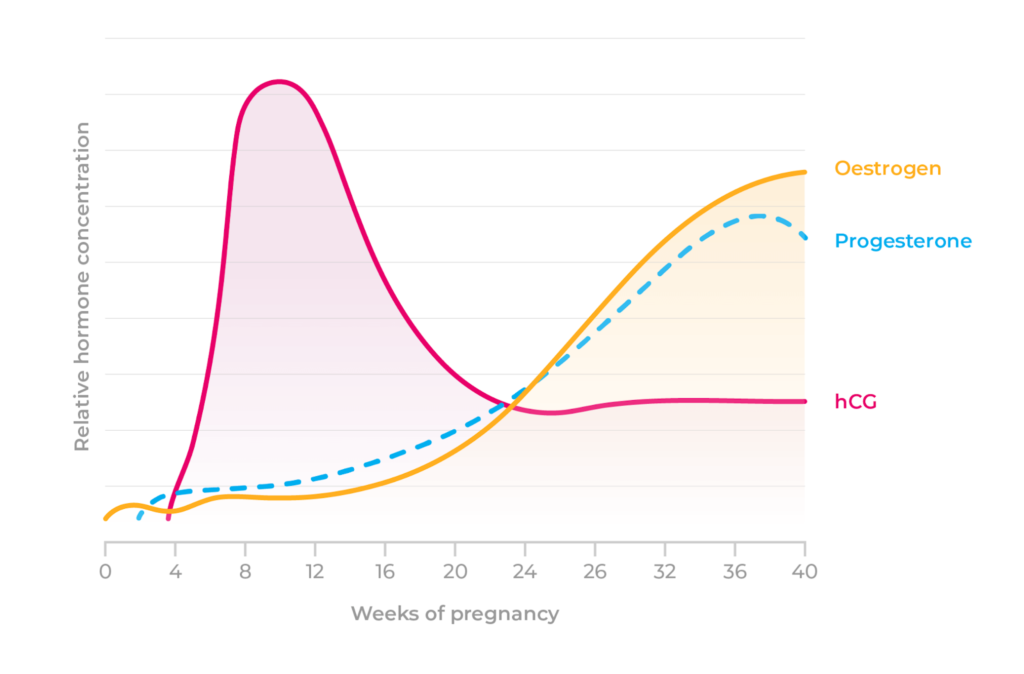
A jJelly Discharge Pregnancy – First Trimester during the first trimester of pregnancy is a very normal physiological process, which is called Leukorrhea in medical terms. It is mainly the result of a sudden increase in the hormone estrogen.

This discharge is usually clear or light white in color and does not have any pungent odor. From the beginning of pregnancy, the body increases this secretion to ensure the protection of the uterus, which acts as a natural protective charm. It washes out harmful bacteria and dead cells from the vagina, so that the fetus growing inside the uterus is protected from any kind of infection.

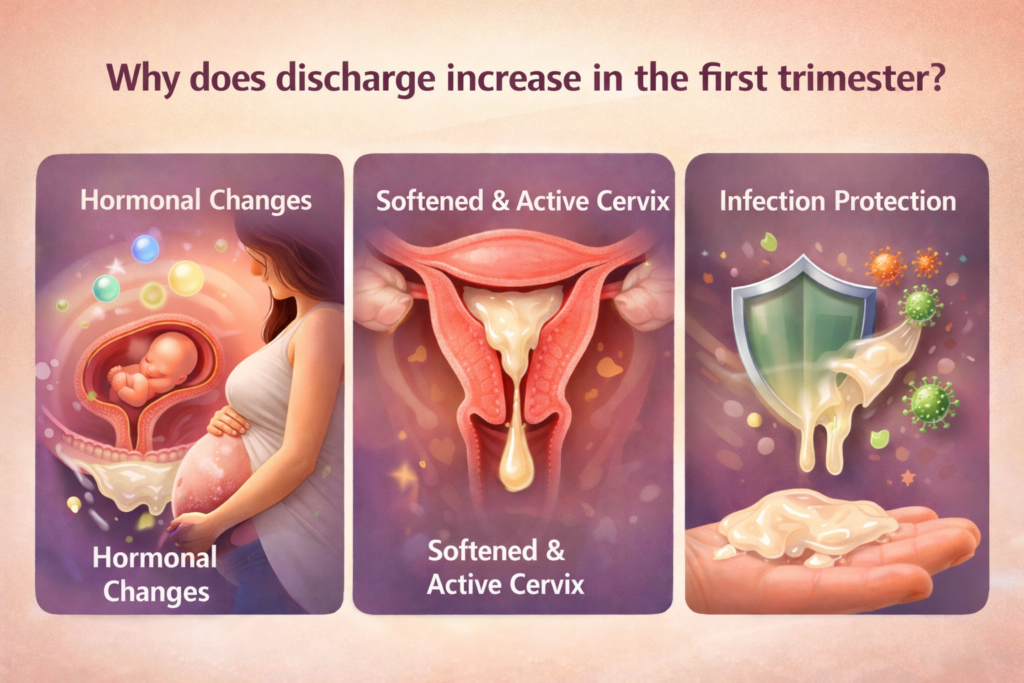
Why does discharge increase in the first trimester

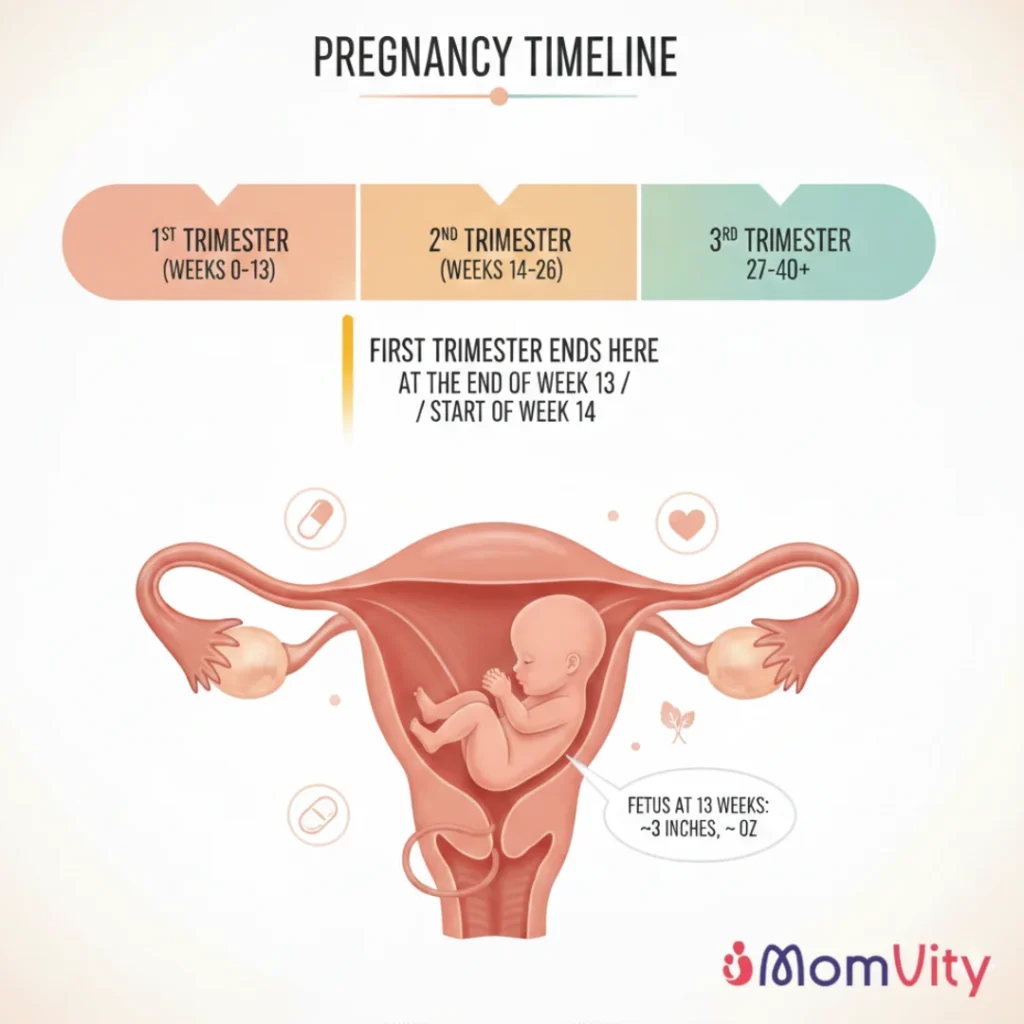
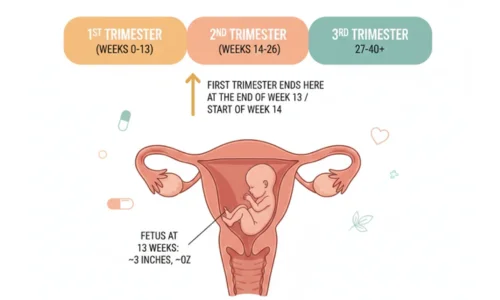
Increased Jelly Discharge Pregnancy – First Trimester or discharge is a very normal physiological change during the first 13 weeks of pregnancy. The main reason for this is the massive increase in estrogen hormone in the body. Immediately after conception, the body starts producing large amounts of estrogen to protect the fetus and maintain the pregnancy. This hormone increases blood circulation in the cervix and vaginal walls. Due to the increase in blood flow, the mucous membranes in this area become much more active than before and secrete more fluid. This excess discharge basically acts as a cleanser, which removes dead cells and harmful bacteria from the vagina and protects the uterus from any kind of infection.

The main reasons for increased discharge in early pregnancy are discussed below:

  • Hormonal surge: Increased estrogen hormone levels are the biggest reason for increased discharge. It stimulates the glands in the vagina.
  • Increased blood circulation: Increased blood flow around the uterus and pelvic area increases the body’s ability to secrete.
  • Natural protection: The cervix becomes much softer and more sensitive during this time, which produces extra mucus to protect the baby.
  • Formation of a mucus plug: The body quickly tries to create a protective wall or ‘mucus plug’ at the cervix, which results in more discharge during this time.
  • Prevention of infection: The body tries to prevent the growth of harmful bacteria by keeping the vagina moist and acidic.

What does jelly-like discharge look like?

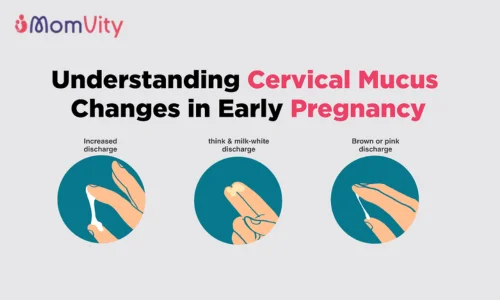
 Normal Jelly Discharge Pregnancy – First Trimester is usually clear or looks like raw egg white. Its texture is quite slippery and stretchy, which can be long like a thread when taken between the fingers. Sometimes it can also appear white or light cream-colored like thin milk. When this discharge gets on underwear and dries, it may take on a slightly yellowish color, which is completely normal. It usually does not have a pungent or fishy odor. The consistency of this discharge can vary from time to time—sometimes it is quite thin like water, and sometimes it can feel quite thick and jelly-like, which mainly depends on the body’s hormonal fluctuations.

The visible characteristics of normal jelly-like discharge during pregnancy are given below:

  • Color type: It is usually clear (like water) or milky white in color.
  • Texture: It may be slippery, smooth, and sticky or rubbery.
  • Clarity: It may sometimes be completely clear like glass, but may also be slightly cloudy or turbid white.
  • Nature of the stain: It may form a white or slightly yellowish coating after drying on underwear.
  • Anemia: It is normally free of red, pink, or brownish tinges or blood spots.
  • Non-coagulation: It does not break down like curd or milk, but rather comes out as a smooth liquid or jelly.

Is it part of the baby’s protection

Yes, thisJelly Discharge Pregnancy – First Trimester is a very important and essential part of your unborn baby’s protection. In medical terms, it is called a ‘natural protective amulet’. Right from the beginning of pregnancy, the body produces this sticky mucus to seal the cervix, so that no harmful bacteria, viruses or fungi from the outside environment can enter the uterus. This discharge maintains the pH balance of the vagina and creates an acidic environment, which prevents the growth of bacteria. In simple words, it creates an invisible wall around your uterus and the growing fetus, which keeps the baby safe from external infections and helps it grow healthily.

How jelly-like discharge helps ensure the baby’s safety:

  • Prevents infection: It washes away dead cells and harmful bacteria from the vagina so that they cannot reach the baby’s amniotic sac.
  • Mucus plug formation: These jelly-like secretions combine to form a tight ‘seal’ or mucus plug at the cervix, which keeps the cervix closed throughout pregnancy.
  • Creating an acidic environment: This maintains the acidity of the vagina, which is toxic to harmful bacteria but beneficial to your body.
  • Maintaining cervical moisture: This keeps the cervix moist and flexible, which helps the body adapt to the changes of pregnancy.
  • Prenatal protection: This protective mechanism continues until just before delivery, ensuring that the baby grows in a sterile environment.

When is it considered normal?

Increased vaginal discharge during pregnancy is usually a sign of a healthy pregnancy. According to doctors, if this discharge is clear or milky white, then it is completely normal. It is called ‘leucorrhoea’, which is caused by hormonal changes. A major feature of normal discharge is that it will not have a strong or foul odor and it will not cause any itching, redness or burning in the vagina. If your jelly-like discharge feels slippery or sticky when you takeJelly Discharge Pregnancy – First Trimester between your fingers and leaves a light yellowish stain on your underwear after drying, then you know that your body is working properly to protect the fetus.

What is considered completely normal:

  • Color type: If the discharge is clear or thin white like water or glass.
  • Odorless: If it does not have any kind of fishy or rotten smell (there may be a very light normal smell).
  • Discomfort: If there is no itching, rash, or redness in or around the vagina.
  • Painlessness: If there is no burning or discomfort when urinating or sitting for a long time.
  • Consistency: If it is smooth and sticky (not lumpy or curd-like).
  • Absence of blood: If there are no red, pink, or brown blood spots in this jelly-like discharge.

When to be careful

Although discharge is normal during pregnancy, a sudden change in its color, smell, or texture can be a sign of an infection. If your jelly-like discharge suddenly turns yellow, greenish, or gray, it is a sign of bacterial vaginosis or another infection. Especially if the discharge has a strong fishy or putrid odor, it is not normal at all. In addition, if the Jelly Discharge Pregnancy – First Trimester by unbearable itching, burning, or pain during urination, it is important to consult a doctor without delay. If any type of infection during pregnancy is not treated on time, it can cause complications such as preterm labor or rupture of the water sac around the baby.

If the symptoms mentioned below occur, you need to be careful and contact a doctor immediately:

  • Color change: If the discharge is thick yellow, greenish, or gray.
  • Strong odor: If the discharge is fishy or has a very pungent odor.
  • Itching and redness: Excessive itching, rash, or redness around the vagina.
  • Cottage cheese-like discharge: If the discharge is not jelly-like but rather cottage cheese-like, it is usually a sign of a yeast infection.
  • Blood: If there is red, pink, or brown blood or streaks with the discharge.
  • Watery discharge: If there is a sudden, clear, watery discharge (this could be amniotic fluid).
  • Severe pain: Severe cramping pain in the lower abdomen or a severe burning sensation when urinating.

Is this a sign of miscarriage?

Usually, clear or white jelly-like discharge during pregnancy is not a sign of miscarriage; rather, it is part of a healthy pregnancy. However, if this jelly-like discharge is accompanied by bright red blood, brownish spotting, or small pieces of flesh, it can be an early sign of miscarriage. In cases of miscarriage or miscarriage, there is not only discharge, it is usually accompanied by severe cramping in the lower abdomen that can be worse than period pain. If the jelly-like discharge is clear or white and you do not have any other physical discomfort, there is nothing to panic about. But if the discharge is accompanied by bleeding and severe pressure in the back or abdomen, you should seek emergency medical care without delay.

The following symptoms may indicate a miscarriage if you have jelly-like discharge:

  • Bleeding: If you have jelly-like discharge with fresh red blood or blood clots.
  • Severe cramping pain: Severe pain in the lower abdomen or lower back that increases and feels like period pain.
  • Tissue discharge: If you have a lump of tissue or a gray/pinkish area that comes out with the discharge.
  • Lower back pain: Feeling severe pressure or pain in the lower back that is associated with vaginal pain.
  • Decreased pregnancy symptoms: Sudden nausea or breast tenderness (soreness) completely disappear and the body feels unusually light.
  • Fluid discharge: If you suddenly start to see a large amount of clear fluid or amniotic fluid instead of jelly.

Role of hormones in the first trimester

In the first three months of pregnancy, your body basically becomes a powerful hormone factory. Immediately after conception, the levels of hCG, estrogen, and progesterone hormones in the body start increasing rapidly. These hormones are mainly responsible for maintaining the pregnancy and ensuring the safe growth of the fetus. The estrogen hormone increases blood circulation in the uterus, which is the main reason for the increase in the amount of Jelly Discharge Pregnancy – First Trimester. On the other hand, the progesterone hormone relaxes the uterine muscles so that the fetus can attach well to the uterine wall. This sudden surge of hormones creates symptoms like nausea, breast tenderness, and mood swings in your body.

The functions of the main hormones in the first trimester are highlighted below:

  • hCG: This hormone confirms the pregnancy and helps produce progesterone until the placenta is formed in the first few weeks.
  • Estrogen: This helps in the formation of the fetal organs and increases the secretion of vaginal discharge to maintain the health and moisture of the vagina.
  • Progesterone: This is called the ‘pregnancy hormone’; it keeps the cervix closed and reduces the risk of premature birth.
  • Relaxin: This hormone relaxes the ligaments or joints of the body to make room for the growing uterus.
  • Thyroid hormone: The production of thyroid hormone also increases during this time to maintain the baby’s brain development and the mother’s metabolism.

How to take care of yourself

Since the body produces more secretions than usual during pregnancy, the main task at this time is to maintain proper hygiene of the vagina. Due to hormonal changes, your skin and mucous membranes are now more sensitive, so you should refrain from using any kind of chemical-containing perfumed soaps or cosmetics. Drinking enough water and eating nutritious food is not only good for the baby, but also helps in maintaining the pH balance of your body, which prevents the infection of harmful fungi or bacteria. Apart from this, using comfortable cotton underwear and keeping yourself worry-free is a very important step for the good health of you and your baby during this time.

Special care rules during this time during pregnancy are given below:

  • Personal hygiene: Try to keep the vagina clean and dry at all times. Make a habit of wiping from front to back after using the bathroom so that bacteria from the anus cannot spread.
  • Choosing the right underwear: Use loose cotton underwear instead of synthetic or silk. This helps air circulate and does not allow moisture to accumulate, thus reducing the risk of infection.
  • Avoid chemicals: Do not use perfumed sprays, powders or douches in or around the vagina. These destroy the beneficial bacteria in the body and increase the risk of infection.
  • Adequate hydration: Drink at least 8-10 glasses of water every day. It flushes out toxins from the body and is very effective in preventing urinary tract infections (UTIs).

Probiotic-rich foods: Include yogurt or probiotic-rich foods in your diet regularly. This maintains the balance of good bacteria in the body and protects against yeast infections.

  • Rest and anxiety relief: Excessive stress affects hormones. So get enough rest and ensure at least 8 hours of restful sleep at night.

When to see a doctor

  • It is important to consult a doctor immediately if the following situations occur:
  • Abnormal changes in discharge: If the jelly-like discharge is not clear or white but gray, green, or dark yellow in color.
  • Strong odor: If the vaginal discharge starts to smell fishy or rotten.
  • Bleeding or spotting: If the discharge is accompanied by bright red blood, clotted blood, or brown spots.
  • Severe pain and cramping: Pain in the lower abdomen or lower back that is more severe and lasts longer than period pain.
  • Itching and burning: If the area around the vagina is excessively itchy, red, swollen, or has a severe burning sensation when urinating.
  • Fever and weakness: If the body temperature is over 100.4 degrees Fahrenheit and you feel tired or shivery.
  • Fluid discharge: If you suddenly have a large amount of clear water or fluid coming out of the vagina (which could be amniotic fluid).

Does the jelly-like discharge stay the same throughout the day?

No, the jelly-like discharge during pregnancy does not stay the same throughout the day; rather, it can fluctuate based on your physical exertion, changes in position, and body moisture. Usually, when you first stand up after waking up in the morning or after lying down for a long time, the mucus that has accumulated at the mouth of the cervix may come out all at once, which may seem like a lot. Also, walking or doing housework during the day can increase the flow rate slightly due to the force of gravity. Since the body’s hormone secretion does not follow a specific rhythm, sometimes the discharge may seem very thin and clear, and other times it may appear quite thick and sticky like jelly. As long as it is odorless and blood-free, these changes are completely normal.

Changes in the pattern of discharge that can be observed throughout the day during pregnancy:

  • Morning discharge: The discharge that accumulates in the vagina due to staying up all night may be released all at once after waking up in the morning.
  • The effect of physical exercise: Lifting heavy objects or walking a lot puts pressure on the pelvic muscles, which temporarily increases the amount of discharge.
  • Body temperature: The discharge may become slightly thinner or watery if the weather or the body’s internal temperature increases.
  • Food and water: If you drink enough water, the discharge is usually thin and clear, but if the body is dehydrated, it may be thicker or jelly-like.
  • Changes at the end of the day: The amount of discharge in the evening may feel slightly different than at other times of the day after fatigue throughout the day or standing for a long time.

Is there anything you can do to reduce jelly-like discharge?

Since jelly-like discharge is a normal physiological process and a result of hormonal changes during pregnancy, it cannot be completely “stopped” with medication, and it should not be done for the safety of the baby. However, there are some effective steps you can take to reduce the discomfort caused by excessive discharge. This discharge is essentially keeping the mouth of your cervix clean and the baby’s home sterile, so it is more important to manage it healthily than to reduce it. Keeping the vaginal environment healthy and maintaining a proper lifestyle will keep the amount of discharge at a normal level and prevent it from turning into an uncomfortable infection. Remember, trying to reduce this natural discharge by using any kind of soap or herbal medicine can be dangerous for you and your baby.

Here are some easy and healthy ways to manage excessive discharge:

  • Using cotton underwear: Wear loose cotton underwear throughout the day. This helps air circulate and keeps the vaginal area dry, which reduces discomfort due to excess discharge.
  • Stay clean: Clean the area with lukewarm water at least twice a day. However, only wash the outside, do not try to clean the inside (douching).
  • Use panty liners: If the amount of discharge is very heavy, you can use a thin cotton ‘panty liner’. However, make sure to change it every few hours.
  • Reduce sugar and sweet foods: Eating excess sugar or refined carbohydrates can increase yeast or fungal infections in the body, which makes the discharge thicker and more uncomfortable.
  • Eat sour yogurt: Include sour yogurt in your daily diet. The probiotics in it increase the good bacteria in the body and help prevent excess discharge or bad odor.
  • Stay dry: Wipe and dry the area thoroughly after bathing or using the bathroom. High humidity increases the risk of discomfort and itching from discharge.

Conclusion: 

Clear or white jelly-like discharge during the first trimester of pregnancy is a natural and positive sign, indicating healthy hormonal activity in your body and the safety of the baby. It basically acts as a strong defense mechanism which seals the cervix and keeps the fetus safe from any outside germs. Although these new physical changes may cause temporary anxiety in your mind, with the right information and awareness, you can enjoy this time much more peacefully. Remember, each stage of pregnancy is unique and your body is preparing itself extraordinari to raise your baby. Therefore, it is wise not to panic at the sight of a little jelly-like discharge and focus on your own care; however, if you notice anything unusual in its color or smell, do not hesitate to seek the advice of a specialist doctor immediately.

When Is the First Trimester Over

When Is the First Trimester Over  of pregnancy end?

When Is the First Trimester OverAfter the journey of pregnancy begins, every mother eagerly waits to pass the first stage or the first trimester. This is the most important and sensitive period of pregnancy, where the baby’s major organs are formed.

Passing this period means a significant reduction in the risk of miscarriage and a glimpse of relief from the uncomfortable symptoms of pregnancy. Knowing exactly when the first trimester ends and what changes occur in the body after that, you can mentally prepare for the next stage.

How many weeks does the first trimester last

When Is the First Trimester Over pregnancy usually lasts from 1 to 13 weeks (13 weeks and 6 days). According to medical calculations, this calculation start from the first day of your last menstrual period (LMP). Although many people call the first three months as calendar months, doctors give more importance to the calculation of week to understand the correct progress of pregnancy. In these less than 14 weeks, the embryo gradually takes the form of a complete little human being from a single cell, whose arms, legs and major organs are formed. Entering the 14th week means that you have entered the second or intermediate stage of your pregnancy.

  • 1 to 4 weeks: This is when conception occurs and the embryo implants in the uterus. Most mothers can tell when their period stops by the end of the 4th week.
  • 5 to 8 weeks: This stage is very important because during this time the baby’s heart starts beating and the brain and spinal cord are formed.
  • 9 to 12 weeks: At this time the fetus is called a ‘fetus’. Its fingers, toes and mouth begin to become clear. At the end of 12 weeks, the baby’s kidneys start working and urine is produced.
  • 13 weeks: This is the last week of the first trimester. During this time, the baby’s bones start to harden and the placenta or womb takes over  responsibility of providing complete nutrition.
  • Duration varies: Many hospitals or experts also consider the end of the first stage at the end of 12 weeks, but internationally the period up to 13 weeks and 6 days is considered the first trimester.

Why is the 12th week considered the end? 

Although in medical science, When Is the First Trimester Over 13 weeks to 6 days is called the first trimester, in common parlance or in many clinics, 12 weeks is considered a major milestone because during this period, all the major organs of the baby’s body (such as the heart, lungs, kidneys and brain) are fully formed. The end of 12 weeks means that the baby has completed the embryo or ’embryo’ stage and has now emerged as a full-fledged ‘fetus’. In addition, the biggest concern of pregnancy, i.e. the risk of miscarriage, decreases by about 65% to 80% after 12 weeks. This is why many couples do not want to tell others about the pregnancy before 12 weeks and consider this time as a psychological end to the first stage.

The main reasons for considering 12 weeks as the end are given below:

  • Completion of organ formation: By 12 weeks, all the important structures of the baby’s body are formed, the next period is just the time for those organs to grow in size and mature.
  • Placental control: From this time on, the placenta becomes fully functional and takes over the responsibility of producing hormones and providing nutrition to the baby, which make the pregnancy more stable.
  • Reduced risk of miscarriage: Statistics have shown that the chances of a successful pregnancy increase significantly after successfully completing 12 weeks.
  • Physical changes: In most pregnant women, uncomfortable symptoms like morning sickness or nausea and extreme fatigue start to decrease after 12 weeks.
  • Important scans: Around 12 weeks, the ‘NT Scan’ or the first major ultrasound is done, which confirms the baby’s well-being and whether there are any birth complications.
  • Emotional relief: This is a psychological milestone for mothers because from then on they start enjoying the pregnancy more and the existence of the baby in the stomach becomes clear.

The 12th week meansWhen Is the First Trimester Over  you have passed the most challenging period of pregnancy. Many mothers see this period as the beginning of the “honeymoon period”, as the inexplicable fatigue and nausea of ​​the first trimester begin to fade. Your body’s hormone levels are now somewhat stable and your belly is starting to show a slight “baby bump” as your uterus rises above your pelvic area. This is a time of rapid growth for your baby; every little organ in his body is now functioning and he can now move around inside the womb (although you may not feel it for a few more weeks). This is a time when you start to get over the physical discomfort and start to truly enjoy your pregnancy.

The main changes that can be observed after 12 weeks are:

  • Return of energy: Your energy levels will start to increase and the lethargy or tendency to sleep all day in the first trimester will decrease.
  • Relief from morning sickness: In most women, nausea and severe aversion to food decrease and normal appetite returns.
  • Reduced frequency of urination: As the uterus rises, the pressure on the bladder decreases slightly, which may temporarily reduce the need to go to the bathroom frequent.
  • Skin and hair changes: Due to the effects of hormones the skin appears to have a kind of glow (Pregnancy Glow) and many people’s hair becomes thicker and shinier than before.
  • Baby’s movement and development: The baby’s fingernails are formed and he can now move his hands and feet. He even starts sucking his thumb now.
  • Emotional relief: As the risk of miscarriage is significantly reduced, the mother’s stress decreases and confidence about the pregnancy increases.

What are the symptoms towards the end of the first trimester

The last days of the first trimester are a time of transition. During this time, your body prepares itself for the second trimester. Although nausea may start to subside compared to the previous weeks, some new symptoms may appear due to hormonal changes. Your uterus is now the size of a large lemon or orange, which can cause a slight tightening in the lower abdomen. During this time, your blood circulation increases by about 50%, which may cause your heart rate to increase slightly and your skin to have a special glow or ‘pregnancy glow’. When Is the First Trimester Over  time when the external changes in your body gradually begin to be visible to others.

You may also read:  When Does the Second Trimester Start

Common symptoms towards the end of the first trimester:

  • Increased appetite: As nausea subsides, your appetite will return and you may feel hungry more often.
  • Excess white discharge (Leukorrhea): The increase in estrogen hormone can cause  increase in thin, white and odorless vaginal discharge which protects the uterus from infection.
  • Dizziness or lightheadedness: You may feel dizzy or weak at times due to changes in blood pressure and dilation of blood vessel.
  • Breast changes: The size of the breasts continues to increase and the areola (the area around the areola) begins to darken and become larger.
  • Mild abdominal discomfort or gas: The progesterone hormone slows down the digestive process, which can cause bloating or gas problem.
  • Mood changes: Hormonal fluctuations as the trimester changes can cause your mood or ‘mood swings’.

Does it end at the same time for everyone?

According to medical science, the first trimester ends at 13 weeks and 6 days for everyone, but in reality, each woman’s experience and pregnancy symptoms can vary at different times. Essentially, “trimester” is a calendar-based division that makes it easier for doctors to track the progress of pregnancy. But your body doesn’t follow a specific date or clock. For example, morning sickness or nausea may go away right after 12 weeks, while for others it may last until 14 or 15 weeks. So while the math is the same for everyone, the physical and hormonal changes you feel will manifest themselves at different times for each person.

Why this period feels different for each person:

  • Hormonal variations: Each body reacts differently to the hormones progesterone and hCG, so the time it takes for symptoms to subside can vary.
  • Accurate Date Calculation: Sometimes there is uncertainty about the exact date of conception so ultrasound reports may be a little off in terms of weeks.
  • Previous Pregnancy: Second or third-time mothers often experience faster relief from first-trimester symptoms or experience physical changes earlier.
  • Uterine Position and Size: Depending on the mother’s body structure and the position of the uterus, the time when the “baby bump” or belly size becomes visible is not the same for everyone.
  • Physical Condition: The mother’s weight, diet, and general health can affect the experience of entering the second trimester from the first trimester.

When to be careful

Passing the first trimester of pregnancy meansWhen Is the First Trimester Over  decreased but this does not mean that caution can be relaxed. Sometimes, even if some physical symptoms seem normal, they can be a sign of a major complication. It is normal to feel mild tension, especially as the uterus grows, but if the pain is severe or accompanied by any other abnormality, it is a matter of concern. In addition, ignoring sudden changes in blood pressure or signs of infection can hinder the growth of the baby. Your body constantly gives you signals during pregnancy; being able to read those signal correctly and taking timely action is the main responsibility of a conscious mother.

It is important to be alert immediately if the following symptoms occur during your pregnancy:

  • Vaginal bleeding: Light spotting or bright red bleeding can be a sign of miscarriage or placental problems.
  • Severe lower abdominal pain: If there is severe twisting pain on one side of the abdomen or the entire lower abdomen that does not subside even with rest.
  • Excessive nausea: If you are unable to keep any food or water down due to vomiting, which can lead to dehydration.
  • High fever and chills: A fever of more than 100.4 degrees Fahrenheit indicates an infection which can affect the development of the fetu.
  • Burning during urination: This can be a sign of a urinary tract infection (UTI), which needs to be treated promptly during pregnancy.
  • Abnormal vaginal discharge: If the discharge smells bad, is green or yellowish in color, or is excessively itchy.
  • Sudden weight loss: You should gain a little weight by the end of the first trimester, but if you are losing a lot of weight, tell your doctor.

the end of the first trimester, your body starts to stabilize relatively. Since the baby’s bones and muscles are formed rapidly from this time, it is important to increase the level of calcium, protein and iron in your diet. Now that nausea has subsided, you can easily consume balanced meals. In addition, you should start light exercise or regular walking to increase blood circulation and keep your body flexible during this time. Maintaining mental peace and drinking enough water will help keep your skin glowing and your digestive system in order. When Is the First Trimester Over  is called the ‘golden period’ of pregnancy, so prepare yourself for the next stage by utilizing this time proper.

How to take care of yourself after entering the second trimester:

  • Nutritious diet: Include milk, yogurt, cheese, eggs, lean meat and lots of green vegetables in your diet. The baby’s bone formation now requires a lot of calcium.
  • Regular exercise: Walk slowly for at least 20-30 minutes every day or do pregnancy yoga as per the doctor’s advice. This will increase your blood circulation and reduce back pain.
  • Iron and folic acid: Take regular iron and calcium supplements as per the doctor’s advice. The risk of anemia increases after the first trimester.
  • Comfortable clothing: Wear loose and comfortable cotton clothing from now on. Tight clothing can cause discomfort as your body changes.
  • Body position or posture: Make a habit of sleeping on your left side. This helps increase blood flow to the uterus and placenta.
  • Skin care: Itching or stretch marks may appear due to the skin on your stomach being tight. So use moisturizer or coconut oil regularly.
  • Dental care: Gum problems or bleeding may increase during pregnancy, so brush your teeth regularly and consult a dentist if necessary.

Conclusion

Getting through the first 13-14 weeks of pregnancy is a big battle. By enduring the huge changes that have taken place in your body and mind during this time, you have built a strong foundation for your unborn child. The reduced risk of miscarriage and the elimination of physical discomforts at the end of the first trimester will make you much more calm and confident mentally. Now is the time to enjoy the second trimester and strengthen your emotional bond with your baby. Every pregnancy is unique, so understand your body’s signals, eat a balanced diet, and be happy. I wish you a healthy and beautiful next step in this joyful journey.

Tahmina Noor

17/02/2026

Changes in the body and mind during the first three months of pregnancy

First Trimester Pregnancyis the most important and wonderful stage of pregnancy. During this thirteen-week journey, a microscopic cell develops into a fully-fledged human being. This is a time when your body goes through a  hormonal change and you start to feel  the first time that a new life is growing inside you.

 Although the belly is not very visible from the outside at this time, the baby’s heart, brain and other major organs are forming in full swing inside the body. This stage is as joyful as it can be  bit challenging for many mothers.During the thirteenth week of the first trimester, the fetus develops at an incredible rate. At first, it is just a clump of cells, but by the end of the 12th week, the baby is about 3 inches long and weighs about 28 grams. During this time, the baby’s tiny fingers, nails, and eyelids are forming.

 When does first trimester pregnancy start?

 The calculation  when the first trimester of pregnancy starts can be a bit confusing for many. In medical terms, your pregnancy starts from the first day of your last menstrual period (LMP). This means that by the time you find out that you are pregnant (usually after a missed period), you are already 4 or 5 weeks pregnant. Although the actual process of conception or fertilization of the egg occurs about two weeks after the start of your period, the first day of your period is considered the first day for the purpose of calculating the exact time of pregnancy and the estimated date of delivery (EDD). So, during the first two weeks of pregnancy, you are not actually pregnant, but your body is simply preparing to release a new egg.

Here are some important facts about when the first trimester starts and this calculation method:

  • LMP method: The first day of pregnancy is the day your last period or menstruation started.
  • Week range: The  period from week 1 to 13 week and 6 days is called the first trimester.
  • Implantation: Around week 3 or 4, the fertilized egg implants  in the uterine wall, which begin the actual development of the fetus.
  • Presence of hormones: Pregnancy can be confirmed if a urine test detects the presence of the hCG hormone a few days before or after a missed period.
  • Doctor’s calculation: Doctors create a 40-week calendar based on the start date of your period.
  • First visit: The first prenatal checkup or ultrasound is usually recommended between weeks 6 and 8.

What changes start inside the body

In early pregnancy, First Trimester Pregnancy the changes inside the body are much stronger and revolutionary than the change outside. Immediately after the embryo is implanted in the uterus, the body starts producing a special hormone called hCG (Human Chorionic Gonadotropin) which helps in maintaining the pregnancy. At the same time, the uterus starts to increase in size and its walls become soft, increasing blood circulation manifold. The total blood volume of your body starts to increase by about 30% to 50% so that the fetus gets enough oxygen and nutrients through the uterus. In addition, the ligaments or bone joints of the body start to relax and major changes occur in the metabolism. Due to these internal changes, you feel the need to urinate frequently and problems like dizziness may occur due to a slight decrease in blood pressure.

The main changes that occur inside the body in early pregnancy:

  • Increased blood circulation: The heart has to pump more blood than before to support the baby’s growth, which can increase the heart rate.
  • Urinary pressure: The growing uterus puts pressure on the bladder, and the kidneys have to work extra hard to clear the body of waste.
  • Glucose utilization: The body starts storing extra glucose or energy for the baby, which can affect the mother’s blood sugar levels.

Unexplained fatigue

It is very common to feel strange and extreme fatigue during the first trimester pregnancy, which is medically called ‘pregnancy fatigue’. During this time, you may notice that even after getting enough sleep, your body is completely broken or feels like you have participated in a marathon. The main reason for this is that your body is spending a lot of energy on creating a new life and the ‘placenta’ or womb that is necessary to keep it alive. In addition, the level of the hormone progesterone in the body suddenly increases a lot, which naturally makes the body relaxed and sleepy. In addition, the increase in blood volume and fluctuations in blood pressure and sugar levels are also responsible for this fatigue. In most mothers, this fatigue lasts for the first three months or 13 weeks and as soon as the second trimester is entered, new energy returns to the body.

The main causes of this unnecessary fatigue in early pregnancy and what to do about it are given below:

  • Hormonal effects: High level of the hormone progesterone affect your metabolism and create a calming or sleepy mood.
  • Metabolic changes: Your body is working day and night to build organs for the baby, which quickly consumes the mother’s calories and energy.
  • Anemia: Sometimes due to iron deficiency, the body does not get enough oxygen, which makes fatigue more pronounced.
  • Mental stress: Anxiety about a new life or mental instability due to the effects of hormones can also quickly make the body tired.
  • Need for rest: When the body gives the signal taking short ‘power naps’ or short sleeps without stopping work helps reduce fatigue.
  • Nutritious food: Eating protein and iron-rich foods and drinking enough water maintain the body’s energy levels.

Nausea and food aversion

About 70 to 80 percent of women experience ‘morning sickness’ or nausea in early pregnancy. Although it is called morning sickness, this discomfort can occur at any time of the day, even in the middle of the night. The main reason  is the rapid increase in hCG and estrogen hormones in the body, which slow down the normal movement  the  and sensitize the part of the brain that controls vomiting. Many times even the smell of your favorite food seems unbearable to you, which is called ‘food aversion’ in medical terms. This aversion is basically a protective shield of the body that want to keep you away from potentially harmful or toxic foods. Usually, after 12 to 14 weeks, these problems decrease on their own when the hormone levels stabilize. However, during this time, you should eat small amounts of food frequently, rather than forcefully eating anything that your body can tolerate.

Discover more here: How Long Is First Trimester

Some effective ways to deal with nausea and food aversion are given below:

  • Eat small amounts frequently: Do not keep your stomach completely empty; An empty stomach produces more acid, which increases nausea, so eat small, healthy meals 6-7 times throughout the day.
  • Dry foods or crackers: Eating a couple of biscuits or dry muri before getting out of bed in the morning can reduce morning sickness.
  • Use of ginger and lemon: Ginger tea, ginger juice or lemon juice works like magic to reduce nausea naturally.
  • Avoid oily and spicy foods: Deep-fried or extremely spicy foods cause digestive problems, so choose light  easily digestible foods at this time.
  • Drink enough water: To prevent the body from becoming dehydrated  vomiting, sip plenty of water, coconut water or fruit juice throughout the day.
  • Avoid strong odors: Try to stay away from strong cooking odors, perfumes or incense sticks that trigger your nausea.

Breast changes

One of the earliest signs ofFirst Trimester Pregnancyis breast changes, which can sometimes start even before you miss your period. Hormonal changes cause increased blood flow to the breasts, making them more sensitive, tender and tender. Many mothers compare these changes to the feeling they have before their period, but they are more intense during pregnancy. During this time, the breast tissue begins to prepare for milk production after the  baby causing the breasts to increase in size and feel heavier. In addition, the area around the nipple, called the areola, enlarges and darkens due to hormonal changes. Small, bumpy areas (Montgomery tubercles) may appear on the areola, which secrete a type of oil that protects and moisturizes the nipple.

The main signs of breast changes in early pregnancy are as follows:

  • Tenderness and pain: Pain or lightheadedness when touching the breast is a very common symptom of this period.
  • Enlargement: Due to the influence of hormones the fat layer of the breast and the milk-producing glands start to grow, which can make the bra feel tight.
  • Visible veins: Due to increased blood circulation, the bluish veins under the skin of the breast become clearer and more visible than before.
  • Nipple changes: The nipple or nipple becomes more prominent than before and the area it becomes much darker or blacker.
  • Montgomery tubercles: The small bumps around the nipple become more visible, which help protect the nipple from infection.
  • Heaviness: Towards the end of the first trimester, the breasts feel much fuller and heavier, which is mainly part of the preparation for the  lactation.

Frequent urination

Frequent urination is a very common but annoying symptom in the first trimester ofFirst Trimester Pregnancy. Many mothers start experiencing it right after their period is missed, around the 6th to 8th week. The main reason for this is the dramatic increase in blood circulation in the body. Since the blood volume  your body increases by about 50 percent, your kidneys have to work harder than before to filter this extra fluid or blood. As a result, more waste and fluid accumulate in the kidneys than before, which is excreted in the form of urine. Also, in early pregnancy, your uterus starts to grow and this directly puts pressure on the bladder. Since the bladder is located just below the uterus, even a slight increase in the uterus reduces the space in the bladder resulting in the need to go to the toilet quickly even if there is only a small amount of urine.

Here are some important facts and tips about frequent urination in early pregnancy:

  • Kidney function: The kidneys begin to rapidly clear excess waste and fluid from the body, which increases the amount urine.
  • Uterine pressure: The growing uterus reduces the space for the bladder to expand, so the urge to urinate is felt before the bladder is full.
  • Hormonal effects: The hormone progesterone relaxes the pelvic muscles, which can reduce the ability to hold urine.
  • Leaning forward while urinating: Leaning forward slightly while sitting on the toilet helps the bladder to empty completely, which can reduce the frequency of frequent urination.
  • Avoiding dehydration: Even if you urinate frequently, do not reduce your water intake at all, as this can dehydrate both the mother and  baby.
  • Check for infection: If you experience burning, foul odor, or severe pain in the lower abdomen while urinating, it could be a urinary tract infection (UTI), which is important  report to your doctor.

Emotional changes

The first trimester pregnancy is a time of great change not only for the body but also for the mind. During this time, many mothers feel that their emotions or mood are changing suddenly. They may feel very happy and then the next moment they feel sad or tearful for no reason. This is called ‘mood swings’ in medical terms. The main reason for this is the intense surge of estrogen and progesterone hormones in the body, which affect the neurotransmitters or chemical balance of the brain. In addition, the anxiety of being a new mother, physical discomfort, fatigue and lack of adequate sleep make the emotional state more fragile. These changes are very normal and are not a weakness but a part of your body preparing itself for a new life.

The types of emotional changes in early pregnancy and how to deal with them are given below:

  • Effects of hormones: Excess estrogen and progesterone hormone affect the part of the brain that controls emotions resulting in irritability or hypersensitivity.
  • Unnecessary Worry: Many mothers feel mentally distressed due to fear of miscarriage, anxiety about the health of the baby, or future responsibilities.
  • Effects of Physical Discomfort: Mothers’ patience decreases due to constant nausea and fatigue, which negatively affects their mental state.
  • Sharing with a Partner: Discuss your mental state openly with your partner or family members, which reduce mental stress a lot.
  • Adequate Rest and Meditation: To keep the mind calm, it is very important to do light breathing exercises or meditation and ensure at least 8 hours of sleep a day.
  • Taking Care of Yourself: Reading your favorite book, listening to light music, or spending time on your favorite activity increases the ‘feel good’ hormone in the brain, which helps keep the mind in good shape.

Mild abdominal cramps

It is very common to experience mild abdominal cramps or cramping during the first few weeks of pregnancy and in most cases it is normal. The main reason for this is the expansion of your uterus. As the fetus starts to grow in the uterus, the muscles and ligaments around the uterus start  stretch, which causes a kind of mild discomfort or tension in the lower abdomen. In addition, sometimes mild cramps can also occur during ‘implantation’ or when the fetus attaches itself to the uterine wall. Gas or constipation due to hormonal changes can also cause such twisting pain in the abdomen. Usually, this pain does not last long and decreases with rest. However, if this pain is severe and is accompanied by bleeding, it is not right to ignore it.

Common causes of mild abdominal cramps and what to do are given below:

  • Uterine enlargement: As the uterus grows to accommodate the fetus, the muscles tighten, causing mild pain.
  • Implantation cramps: In the very beginning of pregnancy (around the 4th week), there may be mild pain or spotting when the fetus settles in the uterus.
  • Change in physical position: Suddenly getting up from bed or coughing can cause tension  the round ligaments, causing severe but temporary pain.
  • Gas and digestive problems: Due to the hormone progesterone the digestion process slows down, which is one of the reasons for discomfort or twisting  the stomach.
  • The role of rest: Lying on the left side during pain increase blood flow to the uterus and reduces discomfort.
  • When to be careful: If the cramps are unbearable, the intensity of the pain increases, and there is vaginal bleeding or fever, you should consult a doctor immediately.

What is important to keep in mind

  • Folic acid and vitamins: Ensure you have folic acid-rich foods or supplements every day to prevent neural tube defects in your baby.
  • Avoid lifting heavy objects: The uterus is very sensitive during this time, so avoid lifting buckets of water, heavy bags, or moving furniture.
  • Avoid dangerous foods: Do not eat undercooked meat, raw eggs (mayonnaise or pudding), and unpasteurized milk, as they carry the risk  Listeria or Salmonella infection.
  • Drink plenty of water: Drink at least 8-10 glasses of water throughout the day which will help maintain the level of amniotic fluid in your body and reduce constipation.
  • Personal hygiene: Maintain personal hygiene and wear loose cotton clothes to avoid urinary tract infections (UTIs).
  • Recognize the risk symptoms: If you experience light spotting or bleeding, severe abdominal pain, or persistent vomiting, contact your doctor immediately without waiting for any home remedies.

Conclusion

The first trimester or the first thirteen weeks of pregnancy is a time of laying the foundation of motherhood. The silent revolution that takes place inside your body during this time not only gives birth  a new life but also prepares you physically and mentally as a mother.

Although these days may seem a little long or difficult to you due to nausea, fatigue or mood swings, remember that this is a normal reaction of your body. Proper awareness, nutritious food and family support can make this journey much easier. Respect the small changes in your body and do not hesitate to seek medical advice for any abnormalities. This awareness will be the biggest gift for a healthy and beautiful future. May this auspicious beginning of your motherhood be joyful and safe.

How Long Is First Trimester

How Long Is First Trimester: How long does the first stage of pregnancy last?

The journey of pregnancy is basically divided into three parts, the first part of which is the First Trimester. According to medical science, the period from the first day of pregnancy to 13 weeks and 6 days is called the first trimester. That is, it is the first three months of your pregnancy. 

Interestingly, How Long Is First Trimester from the first day of your last menstrual period (LMP), although the actual process of conception occurs about two weeks after that. This 13 weeks or about 90-94 days is very important, because in this short period of time, the main organs of the baby’s body, such as the heart, brain and spine, start to form from a small cell. Many mothers find this period the most challenging, because it is during these thirteen weeks that the body’s hormones change the most and morning sickness or nausea is prominent. As the first trimester ends, the risk of miscarriage decreases a lot and the mother starts to feel more stable physically and mentally.

When does the first trimester start?

 Many people think that pregnancy begins from the day you miss your period or the day your pregnancy test comes back positive, but medical science has a slightly different calculation. The correct answer to when does the first trimester start is from the first day of your last period or menstruation. This is called LMP (Last Menstrual Period). Although the process of fertilization of the egg occurs about two weeks after the period, doctors still count the first week of pregnancy from the day your period starts. That is, the first trimester starts from day zero. This calculation is used because it is difficult to say the exact moment of conception with certainty, but it is easy to remember the day your period starts. So, How Long Is First Trimester depending on the day you found out you were pregnant, you could already be 4 or 5 weeks pregnant. From this time, the rapid development of the fetus begins and the initial symptoms begin to appear in the body due to hormonal changes.

Here are some important points about the start of the first trimester and the calculation method:

  • Start of calculation: The first day of pregnancy is the first day of your last normal menstrual period.
  • 2-week difference: In the first two weeks of pregnancy, you are not actually pregnant, your body is just preparing for ovulation
  • Implantation: Around the 3rd or 4th week, the embryo implants itself in the uterine wall, which can be called the actual start of pregnancy.
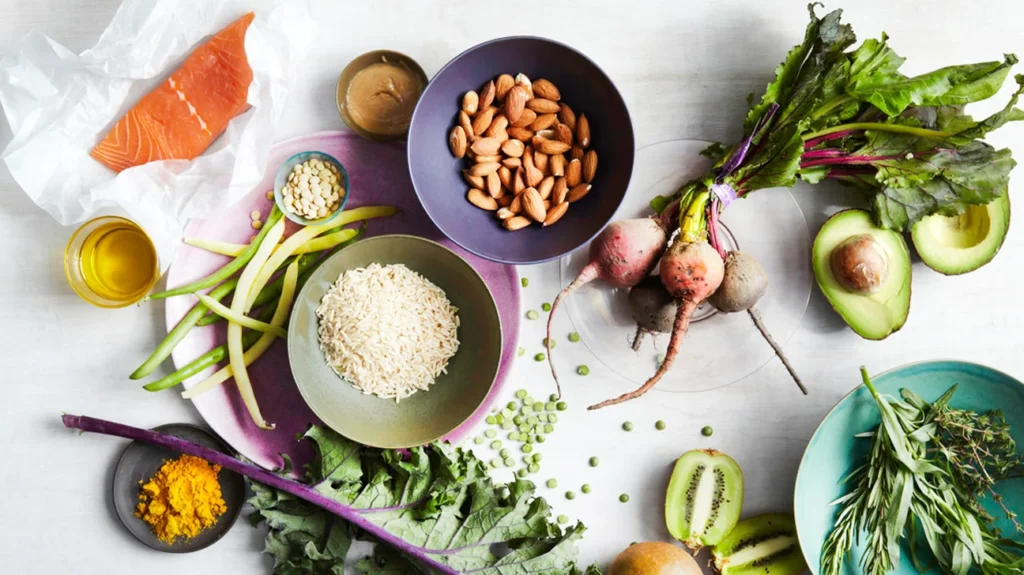
  • Week count: The entire period from the 1st week to 13 weeks and 6 days is included in the first trimester.
  • Medical examination: Based on the date of the start of your period, the doctor determines the expected date of birth or EDD (Expected Delivery Date) of your baby.
  • Important time: These first few weeks are the most sensitive for the life of the fetus because during this time its nervous system and heart begin to form.

Why is the first trimester considered up to twelve weeks

The main reason behind separating How Long Is First Trimester of pregnancy as the first trimester is the pattern of fetal development and the level of risk. During this period, every important organ of the baby’s body such as the heart, brain, limbs and lungs takes its initial form from a single cell. At the end of 12 weeks, the baby is the size of a large lemon and its bones and muscles begin to form. According to doctors, these thirteen weeks are the ‘organogenesis’ period of pregnancy or the main time for the formation of organs. In addition, the risk of miscarriage decreases dramatically at the end of the first trimester (up to about 65-70 percent). After 12 weeks, the placenta or womb is fully functional and takes over the responsibility of nourishing and hormonally supplying the baby, due to which morning sickness or nausea starts to decrease in the mother’s body. This beginning of pregnancy is marked as a specific milestone due to these major physical and hormonal changes.

The main reasons why this twelve or thirteen week period is so important are given below:

  • Organ formation: During this period, the primary structure of all the major organs of the fetus’s body is formed and the baby acquires a human form.
  • Placental control: After 12 weeks, the responsibility of producing the progesterone hormone passes from the mother’s ovaries to the placenta or womb.
  • Risk reduction: After the first trimester, the risk of miscarriage due to chromosomal defects decreases significantly.
  • Hormonal status: At the end of this period, the level of hCG hormone starts to decrease, which reduces the mother’s physical discomfort and nausea to a great extent.
  • Embryo to fetus: After 12 weeks, the fetus is no longer called an ’embryo’ in medical terms, it is then known as a ‘fetus’.
  • Screening test: Around 12 weeks, important tests like ‘NT Scan’ can be used to confirm whether the baby has any birth defects.

First trimester by week

How Long Is First Trimesterbrings new changes for both the fetus and the mother. In the beginning, i.e. between the 1st and 4th weeks, the fertilized egg implants in the uterus and the secretion of pregnancy hormones begins. Between the 5th and 8th weeks, the baby’s heart starts beating and the buds of the arms and legs appear; this is when mothers feel severe nausea or fatigue. Between the 9th and 12th weeks, the fetus starts growing rapidly, its face becomes clear and the kidneys start working. By the end of the 12th week, the baby has the shape of a full-fledged human being and although it starts moving, the mother cannot immediately perceive it. The first trimester ends at the 13th week, which is basically a milestone for the mother and the baby to reach a stable stage.

The main stages of the first trimester are as follows:

  • Weeks 1-4: Fertilization of the egg and implantation of the embryo in the uterus; missed period and positive pregnancy test.
  • Weeks 5-6: Baby’s heartbeat begins and neural tube (which later becomes the brain and spinal cord) forms.
  • Weeks 7-8: Baby’s fingers, toes and eyes begin to form; morning sickness or nausea reaches its peak.
  • Weeks 9-10: Tail-like part disappears and baby’s bones begin to harden; the embryo is now known as a ‘fetus’.
  • Weeks 11-12: Baby’s sex is determined (although not visible on ultrasound) and its major organs begin to function.
  • Weeks 13: Placenta takes over full responsibility for providing nutrition and baby’s fingerprints are formed

What changes in the body during this time

The first trimester is a festival of changes in the body of the pregnant mother, most of which occur internally. The biggest change during this period is the surge in hormones, especially the sharp increase in estrogen, progesterone and hCG hormones. These hormones are the reason for the body to tell that a new life is growing inside. Your uterus, which is usually the size of a pear, gradually begins to expand, which puts pressure on the bladder and causes frequent urination. In addition, the body’s blood circulation increases by about 50 percent, so that the fetus gets enough nutrition. As a result, the heart rate may increase slightly and many mothers feel strange fatigue or dizziness. The increase in breast size and increased sensitivity are also one of the main symptoms of this period. Although your baby bump or belly is not very noticeable from the outside, every cell in your body is working hard to create a safe home for the baby.

The main changes that occur in the body during the first three months of pregnancy are given below:

  • Morning sickness: Hormonal changes can cause nausea, vomiting, or a strong aversion to food at any time of the day.
  • Breast changes: The breasts become heavier and more sensitive, and the area around the nipple (areola) start to darken and enlarge.
  • Extreme fatigue: The body uses a lot of energy to produce the placenta, which can cause sleepiness or fatigue.
  • Frequent urination: The growing uterus puts pressure on the bladder, which may make you have to go to the toilet more often than before.
  • Emotional changes: Hormonal fluctuations can cause mood swings such as irritability, crying spells, or excessive anxiety.
  • Skin and hair changes: Some people have a bright skin (Pregnancy Glow), while others may have problem with acne or blemishes on their faces.

Why is the first trimester a sensitive time?

 The main reason why the first thirteen weeks of pregnancy or How Long Is First Trimester is called the most sensitive is because the foundation of every major organ in the fetus’s body is laid during this time. This is a stage when the baby’s heart, brain, spine and limbs start to form from a small cell. Since the organs are in the early stages of formation, any harmful effects such as taking the wrong medication, high levels of radiation (X-rays), tobacco or alcohol can cause permanent damage or birth defects in the development of the fetus. In addition, the placenta or womb is not fully formed during this time, so the fetus is very delicately attached to the mother’s uterus. Most miscarriages occur in the first three months because nature usually prevents any defective fetus at this stage. This is why doctors advise mothers to refrain from heavy work and live with extra caution in the first trimester.

The main reasons why the first trimester is the most sensitive are given below:

  • Organogenesis: This is the time when the baby’s complex organs like the heart, lungs,kidneys and brain are formed, which are very sensitive to any kind of toxic substance.
  • Risk of miscarriage: Statistics show that about 80 percent of miscarriages occur within the thirteen weeks of the first trimester.
  • Hormonal instability: The sudden increase in estrogen and progesterone in the mother’s body makes the mother physically and mentally fragile, which also affects the immune system.
  • Effect of viruses and infections: Common fever or flu can cause major obstacles in the development of the baby’s nervous system during this period.
  • External influences: Harmful chemicals, harsh drugs or radiation can disrupt the cell division of the fetus during this period.
  • Importance of nutrition: Lack of nutrients like folic acid is the main cause of spinal or brain defects in the baby at this stage.

What changes after twelve weeks

Twelve weeks means passing the most difficult and sensitive stage of pregnancy. From this time on, a revolutionary change occurs in the body of both the mother and the baby. The biggest change in the baby is that the main organs of his body are now formed and from now on they will start to grow and mature rapidly. A kind of calmness also returns to the mother’s body; as the level of hCG hormone in the blood decreases slightly, most mothers’ nausea and aversion to food begin to disappear. As a result, the mother can enjoy normal food again and regain the lost strength of the body. In addition, after twelve weeks, the uterus starts to rise above the lower abdomen, which reduces pressure on the bladder and the tendency to go to the toilet frequently decreases. From this time on, your pregnancy basically starts to be felt from the outside and your familiar ‘baby bump’ starts to peek out.

Things that change noticeably after crossing twelve weeks:

  • Morning sickness gone: Most mothers’ nausea and dizziness problems start to decrease like magic after this time.
  • Increased energy in the body: The unbearable fatigue of the first three months is gone and the mother feels much more lively and active.
  • Full control of the placenta: The placenta is now fully formed, which takes on the main responsibility of providing oxygen and nutrients to the baby as well as producing the necessary hormones.
  • Reduced risk of miscarriage: After crossing the 12-week milestone, the survival rate of the fetus increases significantly and the risk of spontaneous miscarriage drops to the lowest level.
  • Body shape: The waist size starts to increase and a small belly or bump becomes visible as the uterus rises beyond the pelvic area towards the abdomen.
  • Mental peace: The mother’s mental anxiety is greatly reduced as the baby’s organs are formed and physical discomfort decreases.

Does everyone experience the first trimester the same way?

 The first trimester of pregnancy is a completely unique and personal experience for every woman. The simple answer is no, not everyone experiences it the same way. Even the experiences of the same mother giving birth to two children can vary greatly. Some mothers experience severe nausea, fatigue, and food odors that make their daily lives difficult. Many others do not experience any specific symptoms of pregnancy; they can continue to do everything normally, which many call a ‘silent pregnancy’. The main reason for this variation is that everyone’s body’s ability to absorb hormones and lifestyle is different. So it is not right to compare your symptoms with someone else’s. The way your body is responding to these changes is normal for you. Pregnancy is not a competition, but rather your own and wonderful journey.

Here are some of the main reasons why this experience is different for everyone:

  • Hormonal Variations: Everyone’s body has a different rate of hCG and progesterone, which determines the severity of physical symptoms.
  • Heredity: Your experience may be similar or different depending on how your mother or sister’s pregnancy went.
  • Body Build and Tolerance: Everyone’s body build and ability to tolerate pain or discomfort is different, which affects how you feel.
  • Lifestyle and Diet: Those who eat a nutritious diet and are mentally stress-free may experience less pregnancy discomfort.
  • Mental State: Excessive anxiety or fear can sometimes exacerbate physical symptoms, which vary from person to person.
  • Silent Pregnancy: Some women go through the first trimester without any nausea or fatigue despite hormonal changes.

What to watch out for during this time

Since the first trimester of pregnancy is the main time for the formation of the baby’s organs, you will have to take some radical changes in your lifestyle and take special precautions during these 13 weeks. First of all, pay close attention to your diet; it is better to avoid outside food, semi-cooked meat or eggs, and excess caffeine (tea-coffee). It is very important to regularly take ‘folic acid’ rich foods or supplements prescribed by the doctor during this time because it prevents birth defects of the baby’s brain and spine. Secondly, avoid lifting heavy objects or excessive exertion because the uterus is still very sensitive. Drinking enough water and sleeping at least 8 hours a day will help maintain the hormonal balance of your body. Apart from this, do not take common headache or gastric medicine without consulting a doctor. Remember that every small habit of yours affects the healthy growth of the baby during this time.

Things you should especially keep in mind in the first trimester:

  • Precautions in taking medicines: Do not take any kind of painkiller, antibiotic or even herbal medicine without consulting a doctor.
  • Nutritious diet: Include green vegetables, fruits, milk and sufficient protein (fish, meat, pulses) in your daily diet.
  • Rest and sleep: In addition to adequate sleep, take a short rest in the afternoon to relieve body fatigue and for mental peace.
  • Avoid heavy work: Avoid lifting buckets full of water, moving furniture or going up and down stairs quickly.
  • Smoking and alcohol: Stay away from indirect smoking (other people’s bidi smoke), as it prevents the baby from getting oxygen.
  • Symptom monitoring: Contact a doctor without delay if you experience symptoms such as vaginal bleeding, severe abdominal pain or high fever.

When to be concerned

The body goes through many new changes in the first trimester of pregnancy, not all of which are normal. There are some specific symptoms that should make you worry without delay and require immediate medical attention. The biggest cause for concern may be any type of bright red vaginal bleeding. While light spotting is normal at times, if the amount of blood is heavy and accompanied by severe abdominal pain, it is a warning sign. Also, if your body temperature is over 100.4 degrees Fahrenheit or you experience severe burning and foul odor during urination, it indicates an internal infection that can be harmful to the baby. Remember, you should never underestimate any discomfort during pregnancy; if your sixth sense or mind tells you that something is not right, then pay attention to that feeling.

You should definitely be concerned if you experience the following symptoms:

  • Heavy bleeding: If you have heavy bleeding like your period or if you pass blood or clots.
  • One-sided abdominal pain: If you have severe, sharp pain on one side of your lower abdomen, which may spread to your neck or shoulder (this may be a sign of an ectopic pregnancy).
  • Persistent vomiting: If you are unable to keep down any food or water and vomit several times in 24 hours, causing you to become completely dehydrated.
  • Vision problems: Sudden blurred vision, severe headache, or unusual swelling of the hands, feet, or face.
  • Watery discharge: If you suddenly start to have a continuous, watery discharge from your vagina.
  • No fetal heartbeat: If the doctor has any doubts about the baby’s heartbeat after an ultrasound or you feel seriously ill.

Conclusion

In conclusion, the first trimester of pregnancy or the first 13 weeks is the beginning of an amazing and revolutionary journey of motherhood. As challenging as this period can be due to physical and mental changes, it is also the main time for the formation of every important organ of your unborn child. Although fatigue, nausea and various worries may surround you at this stage, remember that this is a temporary stage. Successfully passing the first trimester means that you have conquered the most sensitive stage of pregnancy. Proper nutrition, adequate rest and regular advice from the doctor will take you and your child towards a healthy future. Take care of your body without listening to unnecessary fears or negative information on the internet and try to spend this special time with a smile. Awareness and a positive mindset can be the key to your safe motherhood.

Latest Posts

​Balanced diet during pregnancy

The Importance of a Balanced diet during pregnancy for a Healthy Baby

​Balanced diet during pregnancy is essential for the mother’s health and the proper physical and mental development of the growing baby.

​Since you became a mother, your life has not been the same. Now you have to think about your unborn child at every step. Do you know that what is on your daily plate is directly shaping the body structure of your baby? Many people give a lot of advice at this time, but in fact, knowing the right rules is very important.

If you do not eat properly, your body will become weak and the growth of your baby may be hindered. Your baby’s future immunity will be built based on what you eat for these nine months. So, it is not right to neglect any food.

​Many people think that during pregnancy, you have to eat food for two, but in fact, the quality of food is more important than the quantity. Have you ever wondered why you develop aversion to certain foods during this time? In fact, the body is signaling you what additional nutrients it needs now.

If your daily food list does not contain all kinds of nutrients, you will feel tired very quickly. So, there is no alternative to nutritious food to keep yourself fresh during this important period of life and ensure the right weight of the baby.

Increases the mother’s body’s strength and immunity

  • ​Strength: A new life is growing inside your body now, so you need extra calories and energy every day.
  • ​Safety: By eating foods with the right vitamins, your body can fight off external germs and you will be less likely to get sick.
  • ​Blood: Eating foods with iron helps the body produce enough blood, which helps the oxygen reach the baby the most.
  • ​Digestion: Eating foods rich in fiber or ash makes it very easy to get rid of annoying problems like constipation, which is a great thing.

​Ways to develop your child’s bones and brain properly

​Calcium is very important for the formation of your child’s bones, which can weaken your child’s bones if you don’t get it. Do you know that including Omega-3 in your diet can improve your child’s eyesight and intelligence? Pulses or protein foods help build your child’s muscles. So it would be wise for you to have variety in your daily diet.

Which foods are essential to keep in your daily list?

​From your breakfast to dinner, every meal should be nutritious and healthy. To follow a balanced diet during pregnancy, you need to give up the illusion of outside food today. Are you sure that the food you are eating has enough protein and minerals? Always try to decorate your plate with fresh and local fruits and vegetables.

Magical benefits of protein and iron-rich foods

​Fish: Marine fish or local small fish meet the protein needs of the baby and contain a lot of iodine, which is effective.

  • ​Egg: Eating one boiled egg every day provides all the amino acids required by the body, which helps in the growth of the baby.
  • ​Vegetables: Colorful vegetables like spinach or red leafy vegetables will work like magic to increase hemoglobin in your body at this time.
  • ​Fruit: Eating sour fruits like lemons or oranges helps your body absorb iron a lot.

​Why is the need for dairy products and calcium so high?

​Eating milk or yogurt will not cause calcium deficiency in your body and will strengthen your baby’s teeth and bones. Did you know that due to lack of calcium, many people may experience dental problems or leg pain during pregnancy?

Therefore, it is possible to stay away from these problems by eating dairy products regularly. Eating yogurt increases digestion and reduces the chances of stomach gas.

Easy tips to increase baby weight through food

​During pregnancy, every mother wants her baby to be healthy and of the right weight, which is something she never has to worry about. The weight of your unborn baby depends mainly on the type of nutrition you are consuming every day.

Did you know that the baby’s weight does not increase by eating more food alone, but choosing nutritious calories is the most important thing? Many times it is seen that the mother is eating a lot but the baby is not gaining weight because the food lacks sufficient protein or healthy fats.

To ensure a balanced diet during pregnancy, you need to choose foods that directly provide energy to the baby’s cells and help it grow faster.

​To increase the baby’s weight, it is very important to include protein-rich foods such as eggs, fish and pulses in your daily menu. Have you ever wondered why doctors advise drinking at least one glass of milk every day during this time? In fact, the calcium and protein in milk increase the bone density of the baby, which plays a major role in weight gain.

Apart from this, eating different types of nuts like almonds or cashews in small amounts repeatedly helps in increasing both the brain development and weight of the baby. Carbohydrate foods like sweet potatoes or bananas also work like magic to keep the baby healthy. Remember that worrying or putting the body under excessive stress can slow down the baby’s weight gain. So, along with nutritious food, ensuring adequate sleep and rest is your biggest responsibility now.

How to overcome the worry of excess weight during pregnancy?

Many people think that the more you eat during this time, the better, but in fact, excess weight can be dangerous for you. If you follow a balanced diet during pregnancy, your weight will be under control and your body will feel lighter. Have you noticed that eating too much fried food increases heartburn or acidity? In fact, the digestion process slows down a bit during pregnancy, so it is wise to avoid spicy foods.

At this time, it is more important to pay attention to the proper nutrition of the baby than to your excess weight.

Determining the correct amount of carbohydrates and fats per day

  • ​Rice: Eating red rice instead of white rice will keep your body energized for a long time and will not increase blood sugar.
  • ​Bread: Eating light flour bread at night improves digestion and prevents abnormal weight gain, which is very good.
  • ​Oil: Using a little olive oil or mustard oil instead of soybean oil in cooking is much more beneficial for health.
  • ​Sugar: Sweet foods or excess sugar increase body weight and create a risk of diabetes during 

pregnancy.

​Secret trick to maintain water balance in the body during pregnancy

​Water Drinking at least three to four liters of pure water a day will help flush out toxins from your body. Did you know that if you don’t drink enough water, you are more likely to get a urinary tract infection during this time? Coconut water or homemade fruit juice will keep your body’s electrolyte balance in check. If you have a habit of drinking tea or coffee, reduce it because caffeine dehydrates the body, which is harmful.

What precautions should you take while eating fish and meat?

​You may love eating non-vegetarian food, but there are some rules to follow before eating them during pregnancy. To ensure a balanced diet during pregnancy, you need to make sure that the fish or meat is cooked thoroughly. Are you sure that there are no raw parts left in your cooking that can spread bacteria?

Eating undercooked meat or eggs can cause serious infections in your stomach, which is not good for the baby at all.

Reasons to avoid marine fish and foods high in mercury

  • ​Mercury: Some large marine fish contain a lot of mercury, which can cause major obstacles to the development of the baby’s nervous system.
  • ​Hilsha: Small hilsha or fresh fish from rivers and ponds is the safest and best source to meet your protein needs.
  • ​Liver: It is not advisable to eat beef liver more than once a week because it contains excess vitamin A, which can be harmful.
  • ​Cleanliness: Fish and meat should be washed very well before cooking so that no germs stick to the food.

Proper rules and requirements for washing vegetables and fruits

​Vegetables and fruits brought from the market can often contain formalin or pesticides, which can cause problems in the development of children. Did you know that soaking vegetables in lightly salted water can clean out a lot of the toxins? Always try to peel the fruit while eating it so that bacteria do not enter the stomach. Eating fresh vegetables increases the amount of antioxidants in the body, which helps keep you fresh all the time.

What is good for breakfast and afternoon snack?

​Having a light snack between three big meals keeps your body’s sugar levels stable and reduces dizziness. To maintain a balanced diet during pregnancy, you should choose natural foods instead of biscuits or cakes for afternoon snacks. Have you noticed that your body feels very weak or restless if you don’t eat anything in the afternoon? In fact, these small meals help your body to provide energy for the whole day.

Why is it important to change the dinner menu?

​The last meal of the day has a big impact on the quality of your sleep, which is very important during pregnancy. Balanced diet during pregnancy is complete when you finish your dinner at least two to three hours before going to bed. Have you noticed that eating late at night increases the problem of heartburn or gas?

In fact, during pregnancy, the stomach takes longer to digest food, so it is wise to choose light meals at night. During this time, your dinner should have the right combination of protein and complex carbohydrates, which will keep the body calm.

Some special foods that help for a restful sleep

  • ​Soup: Eating vegetable soup or light broth-like foods at night is very fast-digesting and keeps the body hydrated.
  • ​Almonds: Eating a few almonds before bed helps the magnesium in them relax your muscles and help you sleep better.
  • ​Milk: Drinking a glass of lukewarm milk, the tryptophan in it calms your brain and sends signals for deep sleep.
  • ​Grains: Eating red flour bread or oats at night keeps your blood sugar levels stable, which is good for the development of the child.

Reasons to avoid drinking tea or excess water at night

​Many people wake up due to frequent trips to the toilet at night, which is quite annoying during pregnancy. Did you know that drinking too much water before bed can put extra pressure on your kidneys, which is absolutely not recommended?

Avoid caffeine or coffee at night because it can increase your and your baby’s heart rate and cause insomnia. Drink more water during the day and only drink enough water to quench your thirst at night.

What precautions are necessary when drinking home remedies and herbal teas?

​Many people recommend drinking various herbal teas or ginger tea during pregnancy, which helps reduce nausea. It would not be right for you to take any herbal ingredient in excess while following a balanced diet during pregnancy.

Are you sure that the herbal tea you are drinking is not having any effect on the uterus? Some specific herbal ingredients can increase the pain of premature labor, which is risky for your unborn child.

Health benefits of limited use of ginger and mint leaves

  • ​Nausea: Drinking ginger tea after waking up in the morning can greatly reduce nausea or weakness in early pregnancy.
  • ​Digestion: Chewing a few mint leaves after meals can reduce the feeling of empty stomach and keep the mouth fresh, which is good.
  • ​Caution: Avoid drinking more than two cups of ginger or lemon tea a day as excessive sourness or bitterness is harmful.
  • ​Tip: It would be safest to talk to your gynecologist before starting any new home-made drink.

​The right way to take vitamin and mineral supplements during pregnancy

It is often difficult to get all the nutrients from food, so doctors prescribe iron or calcium pills. Did you know that taking these pills on an empty stomach can cause vomiting in many people, so it is better to take them on a full stomach?

Do not take calcium and iron pills together because they can interfere with each other’s absorption process, which is strange. If you take these supplements according to the rules, one hour before or after meals, you will not have any fear of anemia.

How to control your food while going out?

​When you are invited at home or at a relative’s house, it is quite difficult to control yourself after seeing extra oily and spicy food. To make Balanced diet during pregnancy successful, you have to arrange your plate very carefully even at the invitation so that your stomach does not get upset.

Have you ever thought that one heavy meal outside can ruin your entire week’s diet chart?

Eat more salads or vegetables and try to avoid sweet foods or cold drinks as much as possible.

Importance of carrying dry food and safe water while traveling

​Eating open food outside while traveling means putting yourself at risk of major stomach ailments which is fatal. To maintain a balanced diet during pregnancy, you should always keep some dry fruits like nuts or apples in your bag. Do you know that old water in plastic bottles can harm your hormones, so keep water in glass bottles? If you always keep food close to your hand, you will not be afraid of sudden drops in blood sugar, which is very useful.

​Conclusion

​Balanced diet during pregnancy is not just a food list but an investment in your child’s beautiful future that you make every day. Every moment of these nine months is priceless and what you consume directly affects every cell of your baby’s body. By eating the right food, you are not only keeping your baby healthy but also paving the way for your own speedy recovery after delivery.

Your body is doing a miracle now, so giving it adequate nutrition and rest should be your main responsibility. Be aware of food but don’t worry too much because being happy is more effective than nutrition. Remember, only a healthy mother can guarantee a healthy and beautiful generation, so take care of yourself from the heart.

I always wish that the days of your unborn child’s arrival are joyful and safe.

​Frequently Asked Questions (FAQ)

​Can pineapple or papaya be eaten during pregnancy?

Raw papaya or excess pineapple can increase uterine contractions, so it is safe and better to avoid it.

​How often should you eat?

It is best to eat small, nutritious meals every 2-3 hours rather than eating too much at once.

​Can coconut water be consumed every day?

Yes, coconut water is a great source of electrolytes that help keep your body cool and hydrated.

​What should I do if I have a strong desire to eat sweets?

Instead of excess sugar, you can satisfy your sweet tooth by eating jaggery or sweet fruits such as dates or raisins.

​Is tea completely forbidden during pregnancy?

No, you can have one or two cups of light tea a day, but not too much.

​What is the best thing to eat before going to bed at night?

Eating lukewarm milk or a few nuts is very good for sleep and for the nourishment of the body.

​Can raw salt be eaten with food?

No, excess salt causes water retention in the body, so avoiding raw salt is very important at this time.

​Which food helps to increase the intelligence of the child?

Sea fish, eggs and nuts work like magic in the development of the child’s brain, which you can eat.

​Is it possible to diet during pregnancy?

Not a diet to lose weight, but a balanced diet for nutrition should be eaten, which is more than a diet.

​What can be done if you really want to eat outside food?

If you really want to, prepare that food at home with less spices and eat it, which is much safer than outside.

Scroll to Top