

Get detailed knowledge about Causes Of Miscarriage and ensure good health during pregnancy by knowing more about these scientific reasons, risk factors, warning signs and effective ways to reduce health risks.
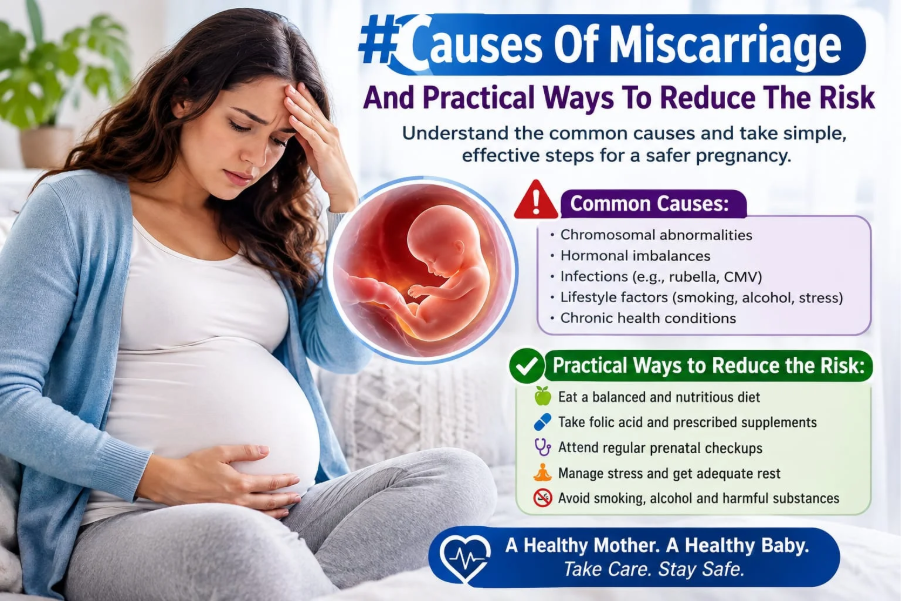
Sudden bleeding, severe abdominal pain, unknown fears or the experience of not being able to maintain pregnancy despite much care, all these situations have become a cause of deep emotional distress for many families. After all these incidents happen, most people feel guilty, and many people have various misconceptions. Along with this, many people believe some common rumors as true. As a result, anxiety increases and due to excessive anxiety, there is a lot of delay in receiving proper treatment.
Now if we can get detailed knowledge about the scientific explanations, it can be understood that multiple physical and genetic or hormonal or lifestyle irregularities can have a huge impact behind such problems.
The same reason is not responsible for all women. In some cases, no one may be at fault. So, nothing should be done based on assumptions. Rather, knowing the scientific information and seeking medical advice quickly if necessary may be the most important step.
Living a conscious lifestyle and regular health check-ups, eating a balanced diet, and taking necessary care at every stage of pregnancy play an important role in reducing the long-term future risks. Along with this, we should recognize the warning signs of the body in time.
What Are The Most Common Reasons For Pregnancy Loss In Early Pregnancy?
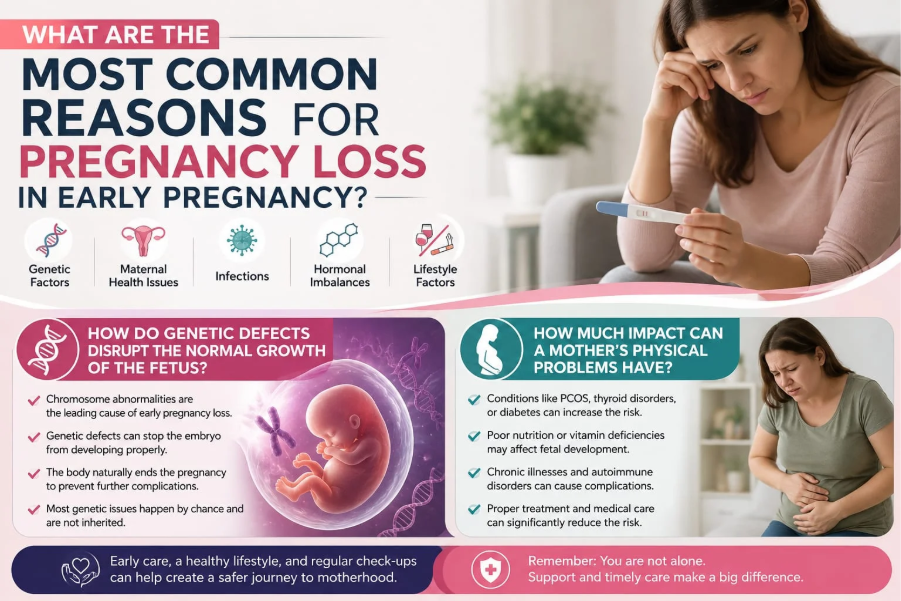
To know about Causes Of Miscarriage, first of all, you need to understand that there are several reasons behind the loss of the fetus in early pregnancy, which are recognized in medical science.
Among these, the main reason is chromosomal abnormalities. This reason greatly hinders the normal development of the fetus.
Apart from this reason, there are several other significant reasons such as hormonal imbalance, uncontrolled diabetes, complex structural problems of the uterus and long-term physical illness can also increase the risk of this problem.
Receiving appropriate medical treatment and adopting a healthy lifestyle can help prevent this risk in many situations.
How Do Genetic Defects Disrupt The Normal Growth Of The Fetus?
- Abnormalities in the embryo’s chromosomes can disrupt normal cell division and organ formation.
- Genetic defects in the egg or sperm during fertilization can disrupt the development of the embryo from the beginning.
- In many cases, if there is a serious genetic defect, the body cannot naturally sustain a pregnancy for a long time.
- Most genetic defects occur completely unintentionally and are usually not caused by any mistake on the part of the parents.
- The likelihood of some types of chromosomal problems may also increase relatively with increasing maternal age.
- If the same type of problem occurs repeatedly, genetic testing or genetic counseling may be beneficial on the advice of a doctor.
What Type Of Chromosomal Changes Are Most Common?
Causes Of Miscarriage Chromosomal problems like trisomy, monosomy and polyploidy are the most common Possible Causes of Pregnancy Loss’s today. These chromosomal problems affect the normal growth of the fetus in the womb. In most cases, these causes lead to miscarriages early in the pregnancy.
How Much Impact Can A Mother’s Physical Problems Have?
| Maternal Health Condition | Possible Impact |
| Diabetes | May affect normal fetal growth. |
| High Blood Pressure | Can reduce blood flow to the placenta. |
| Thyroid Disorders | May disrupt hormonal balance. |
| Anemia | Can limit oxygen and nutrient supply. |
| Obesity | May increase pregnancy complications. |
What Health Problems Can Increase The Risk?
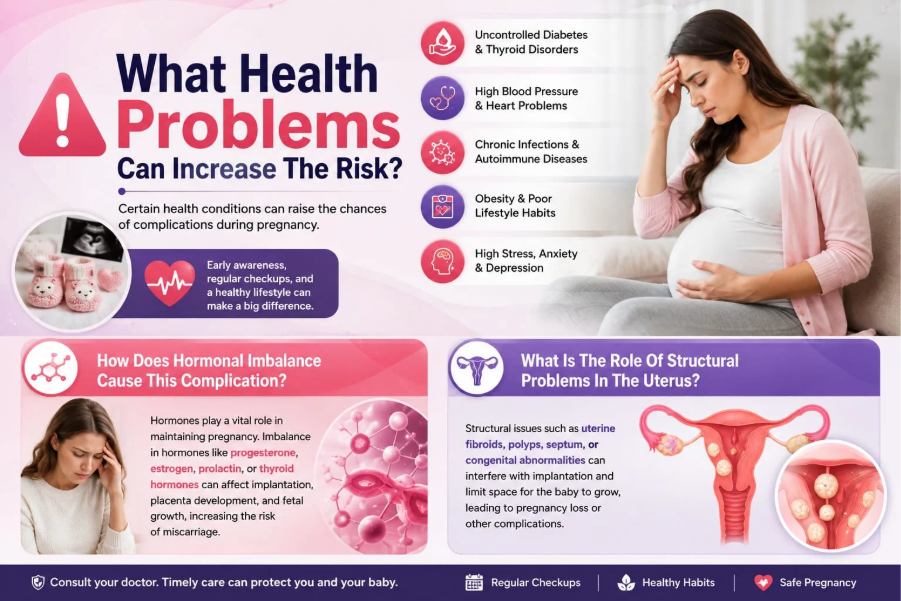
Causes Of Miscarriage Some long-term health problems can significantly increase the risk of miscarriage.
For example, uncontrolled diabetes levels, various thyroid problems, high blood pressure, kidney complications, and structural problems of the uterus can cause complications in the normal development of a fetus.
Also, abnormal hormonal imbalances or chronic infections also greatly affect the increase in these complications.
However, timely diagnosis of the disease, regular medical advice, and appropriate treatment increase the chances of a healthy pregnancy in many cases.
How Does Hormonal Imbalance Cause This Complication?
If the balance of various important hormones is not correct in the early stages of pregnancy, the uterine environment can be defective for the development of a fetus, resulting in a fetus not growing normally and greatly increasing the risk of miscarriage.
- Progesterone deficiency can prevent the embryo from implanting in the uterus.
- Maintaining balanced thyroid hormone levels is essential because imbalances may lead to pregnancy-related complications.
- Uncontrolled hormonal problems can affect the normal development of the placenta.
- Timely testing and treatment can significantly reduce the risk in many cases.
Why Is It Important To Keep Thyroid And Diabetes Under Control?
The biggest benefit of controlling thyroid and diabetes is that “blood sugar levels are maintained and hormone secretion is balanced.” This favorable environment is very important for the normal development of the fetus. It also greatly supports the functions of the placenta. This helps create a healthier environment for both the mother and the developing baby.
What Is The Role Of Structural Problems In The Uterus?
Causes Of Miscarriage An important reason for miscarriage can be structural problems in the uterus. We see several examples of structural problems in the uterus every day. Such as abnormal shape of the uterus, division inside the uterus, etc. These hinder the normal growth of a fetus in various ways.
| Uterine Problems | Possible Effects |
| Abnormal Uterine Shape | Proper implantation of the embryo may be disrupted. |
| Uterine Fibroids | May increase complications by affecting blood flow |
| Septum | There may be less space for the fetus to develop. |
Which Lifestyle Habits Are The Most Harmful?

Causes Of Miscarriage Unhealthy reasons include excessive smoking, unhealthy eating habits, irregular sleep, excessive drug use, and excessive caffeine consumption, which can disrupt the body’s natural hormone secretion or imbalance the normal levels of hormones.
The above factors can cause bleeding and damage the normal development of the fetus. In addition, excessive stress or taking medication without consulting a specialist can also cause complications during pregnancy.
Discover more here: Second Trimester Routine
Why Are Smoking, Alcohol And Drugs Such A Big Risk?
- Smoking can reduce blood flow to the placenta, disrupting the supply of oxygen and nutrients to the fetus.
- Alcohol can negatively affect normal cell division and organ development in the fetus.
- Drugs can disrupt the normal hormonal and circulatory balance of pregnancy.
- Avoiding these habits completely from the time you plan to conceive significantly increases the chances of a healthy mother and fetus.
Can Secondhand Smoke Also Cause Harm?
Causes Of Miscarriage Passive smoking can also play a role in increasing the risk. The toxic smoke emitted from other people’s cigarettes contains harmful chemicals, which when entered into a pregnant woman’s body, cause various complications in the oxygen levels and blood flow in the body. Which is very harmful to the normal development of a baby.
How Do Infections And Environmental Exposures Influence The Risk Of Miscarriage?
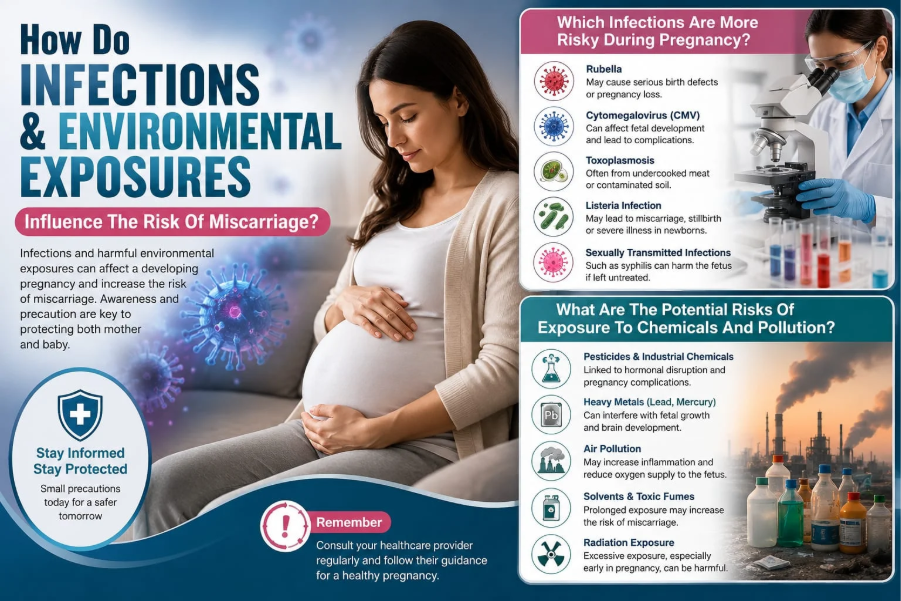
Exposure to infections and unhealthy environmental conditions may play a role in increasing the risk of miscarriage. There are some viruses, bacteria or parasites in our environment that have a negative impact on the normal growth of a fetus.
Along with this, there are several toxic chemicals in our environment. Such as pesticides, heavy metals, etc. Even if we come into contact with these substances, the structure of the fetus can be damaged.
Therefore, we should always live a clean life and keep ourselves safe from harmful environmental factors. Which plays a major role in ensuring the well-being of a child during pregnancy.
Which Infections Are More Risky During Pregnancy?
- Rubella (German measles): If contracted during pregnancy, it can have serious effects on the normal development of the fetus, especially in the first trimester.
- Toxoplasmosis: Usually transmitted through undercooked meat or contaminated environments and can be harmful to the fetus.
- Listeria: This infection can be transmitted through contaminated food and can increase the risk of miscarriage or other complications during pregnancy.
- Some sexually transmitted infections (such as syphilis): If left untreated, can have negative effects on the health of the pregnancy and the fetus.
What Everyday Habits Can Reduce The Risk Of Infection?
To avoid further infection, we should wash our hands regularly, wash our hands with clean water before cooking and eating food, avoid unclean environments or unclean food, and take precautions when coming into contact with a sick person.
What Are The Potential Risks Of Exposure To Chemicals And Pollution?
- Pesticides and some industrial chemicals can have negative effects on pregnancy if exposed for a long time.
- Heavy metals (such as lead and mercury) can interfere with the normal growth and development of the nervous system of the fetus.
- Excessive air pollution can affect inflammation and oxygen supply in the body, increasing the risk of pregnancy complications.
- Extra precautions are required if you regularly work in contact with harmful solvents or toxic fumes.
- Unnecessary exposure to radiation and harmful chemicals should be avoided as much as possible, especially in early pregnancy.
How Can You Recognize Symptoms That Need Immediate Medical Care?
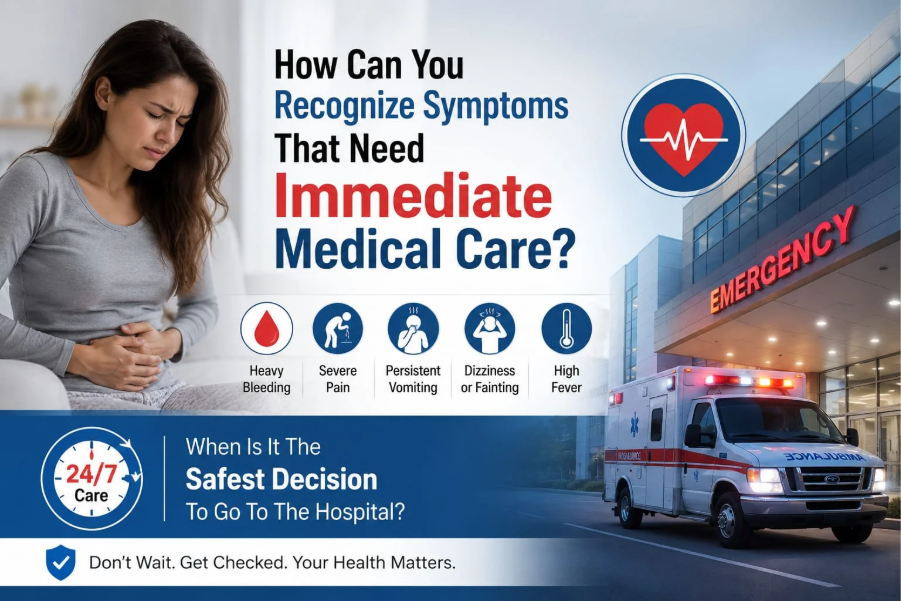
Causes Of Miscarriage It is important to consult a doctor without delay if you experience any of the possible symptoms of the problem.
Severe abdominal pain or prolonged abdominal pain, abnormal bleeding, some parts like tissue coming out with blood, high temperature fever or severe dizziness and weakness. These things should never be ignored.
Getting prompt and proper treatment can help to find out the real cause of the problem and ensure the health and safety of the mother and baby.
When Is It The Safest Decision To Go To The Hospital?
- Heavy or prolonged vaginal bleeding should be assessed by a medical professional immediately.
- If you experience severe abdominal pain or cramping pain in your lower abdomen, it is safe to seek medical attention immediately.
- If you pass blood along with tissue-like discharge, it may require urgent evaluation.
- High fever, chills, or foul-smelling discharge may be signs of infection, so it is important to seek medical attention immediately.
- If you experience fainting, severe dizziness, or excessive weakness, you should seek emergency medical attention.
- Even if the symptoms seem mild, it is safest to seek medical advice quickly rather than making your own decisions during pregnancy.
Easy Way To Recognize Emergency Situations
An easy way to recognize an emergency is to be alert to any unusual changes in your body. If you experience severe bleeding, unbearable stomach pain, high fever, a feeling of fainting, or blood-tinged tissue, the safest decision is to go to the hospital or doctor without delay.
What Are The Long-Term Habits That Should Be Developed For A Healthy Pregnancy?

Causes Of Miscarriage It is very important to develop good healthy habits in the long term to reduce the risk of the problem. Consuming a healthy diet and getting regular health check-ups. Along with this, the habit of keeping adequate stress levels under control also plays an effective role in this situation. Life should be managed according to the doctor’s advice.
- Include balanced and nutritious foods in your daily diet.
- Take folic acid and essential vitamins as advised by your doctor.
- Get regular prenatal checkups.
- Ensure adequate sleep and rest.
- Do light and safe physical exercise as advised by your doctor.
- Avoid smoking, alcohol and drugs completely.
- Manage stress and develop positive lifestyle habits.
Last Words
With proper knowledge about Causes Of Miscarriage, it is easy to identify potential risks in advance and take necessary precautions in many cases. However, it is important to remember that not all miscarriages can be prevented and in many cases they can also occur for reasons that are beyond anyone’s control. Therefore, the most important step is to be aware without panicking unnecessarily, live a healthy lifestyle and follow the doctor’s advice regularly.
Eating a balanced diet before and after pregnancy, getting enough rest, ensuring necessary nutrition, controlling long-term diseases and staying away from harmful habits create the foundation for a healthy pregnancy. In addition, seeking treatment without delay if any abnormal symptoms occur is very important for the safety of the mother and the unborn child.