Teen Nutrition Tips for Better Physical and Mental Development 

Nusrat Ayaan

Published: 03/08/2026
Updated: 03/08/2026

By following Teen Nutrition Tips, you will learn in detail about balanced diet and nutritious food selection that helps in the physical and human development of teenagers and young girls. 
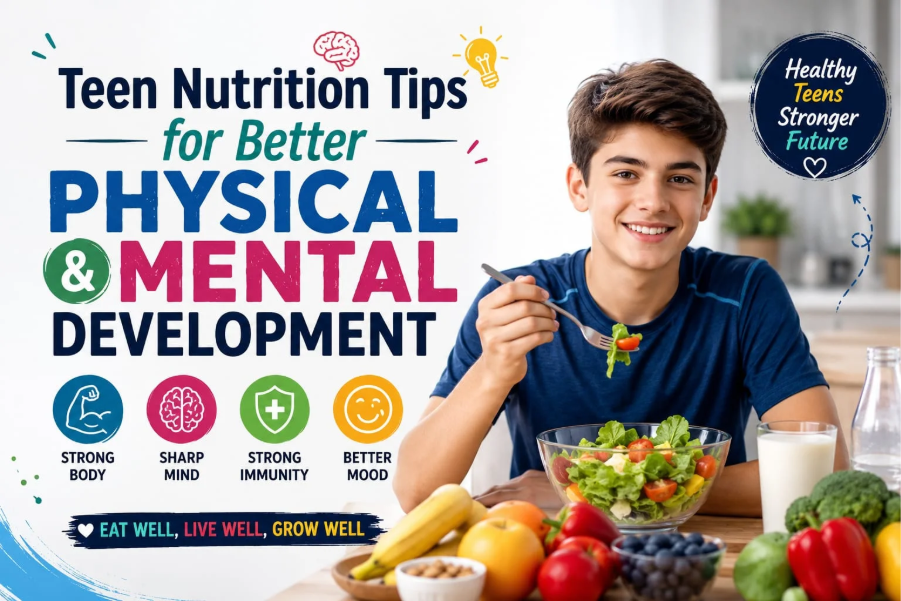
Have you ever wanted to know why physical growth is so rapid during this teenage age or why there are many changes in attention and performance? 

One of the most significant reasons for all these problems is daily diet and nutritional quality. Adolescence is a time in a person’s life that causes rapid growth in his body and this time is also considered very important in brain development. Also, creating new habits and managing them for the long term is also considered an important foundation for future life. 

Therefore, if the right food is not selected at this time, the body will feel tired and the immune system and physical growth will be hampered. 

On the other hand, if a teenager consumes a regular and certain amount of balanced and nutritious food, his body can get the necessary energy. As a result, there is an opportunity to grow more healthily and mental performance will improve to a greater extent. 

At the same time, small habits like drinking enough water, eating on time, and limiting overly processed foods can make big positive changes in the long run. 

Here are some practical tips that, if followed, will make it easier to develop healthy growth, better concentration, and a long-term healthy lifestyle. 

Why Do The Needs Of The Body And Mind Change Rapidly During Adolescence? 
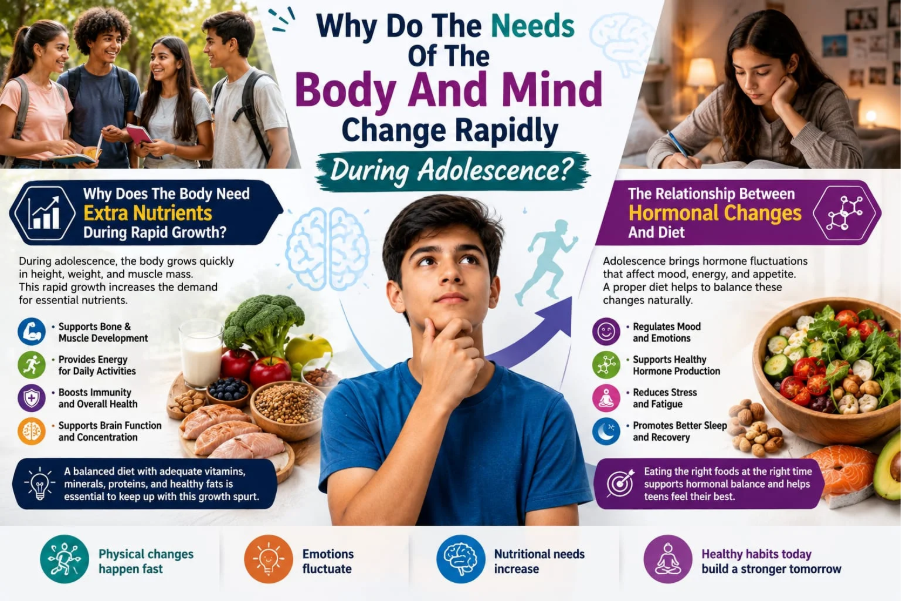
One of the main reasons to follow Teen Nutrition Tips is that adolescence is a crucial period where the body and brain change very rapidly. During this time, physical growth, heart and brain structure are strong, various hormonal changes, and various types of mental development and stress continue simultaneously. 

Therefore, the need for nutrition and energy increases much more during this period than at other ages. A balanced diet naturally supports these changes, helps maintain immunity, and plays an important role in improving attention and performance in studies, sports, and daily activities. 

Why Does The Body Need Extra Nutrients During Rapid Growth? 

  • The body needs extra energy and nutrition for rapid physical growth. 
  • Protein, calcium, and vitamin D are important for proper bone and muscle development. 
  • Hormonal changes increase the body’s metabolism and nutritional needs. 
  • Iron, healthy fats, and other nutrients are needed to maintain brain development. 
  • Adequate nutrition helps maintain immunity and daily performance. 
  • Nutritional deficiencies can lead to decreased physical growth, attention, and energy levels. 
  • Good nutrition during this stage of life helps build the foundation for lasting health and healthy living. 

The Relationship Between Hormonal Changes And Diet 

Following Teen Nutrition Tips is a very important thing in the present times. The main reason for this is that with the hormonal changes during adolescence, the physical demands also increase several times compared to before. And this balanced diet supports all these biological functions. As a result, energy is maintained and physical and mental development occurs smoothly. 

Hormonal Changes The Role Of Food 
Rapid Physical Growth Provides adequate protein and energy 
Bone And Muscle Development Calcium, vitamin D and protein help 
Brain Development Iron, Omega-3 and B-vitamins are important 
Increasing Energy Demand Balanced carbohydrates provide long-lasting energy 
Immunity Vitamins and minerals help keep the body healthy 

How Do Current Habits Affect The Future? 

Eating habits, sleep routines, and regular physical activity developed during adolescence have long-term effects on future health. Healthy habits formed during this time make it much easier to maintain a healthy weight, strong bones, good performance, and a long-term healthy lifestyle. 

What Balance Is Most Important In Daily Meals? 
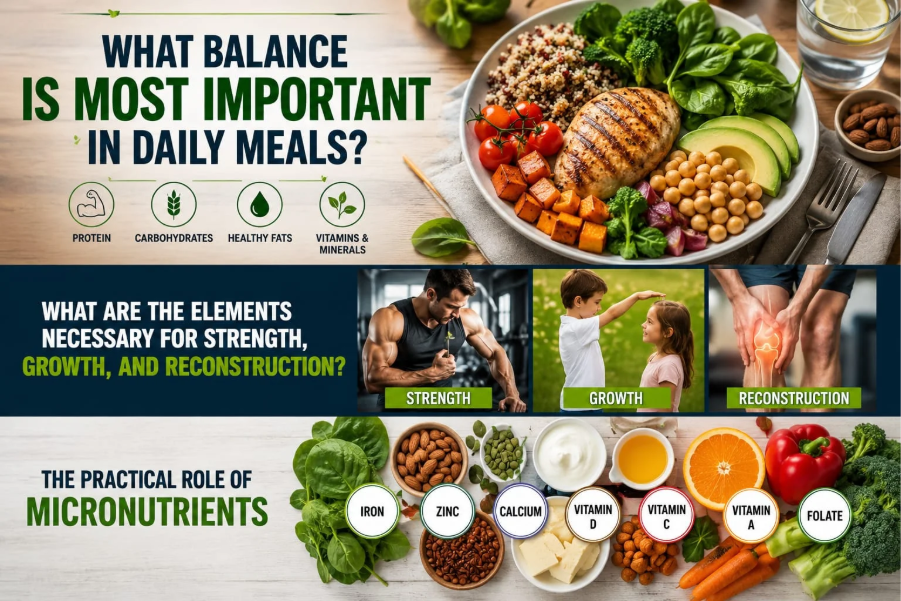
One of the most important things to follow Teen Nutrition Tips is to maintain a proper balance in your daily diet. Healthy nutrition is determined by both the quality and balance of nutrients, including carbohydrates, proteins, healthy fats, vitamins, minerals, and adequate water intake, rather than just the amount of food consumed. 

During adolescence, the body grows rapidly and the brain continues to develop, so each nutrient has a specific role. A balanced diet provides the body with adequate energy, supports the normal formation of bones and muscles, helps maintain attention and performance, and keeps the immune system strong. 

Find out more here: Pregnancy Mood Swings

What Are The Elements Necessary For Strength, Growth, And Reconstruction? 

A balanced diet and various types of nutrients meet the body’s normal needs and growth, tissue reconstruction and all other daily energy needs. However, we need to understand one thing, which is that “carbohydrates” act as the main source of energy in our body. 

Protein content helps in the formation of new cells and tissues in an important way. Healthy fats play an important role in maintaining normal brain function and hormonal balance. 

In addition, vitamins, minerals and adequate water are essential for the proper functioning of the body’s various biological functions and maintaining overall well-being. 

The Practical Role Of Micronutrients 

Following Teen Nutrition Tips makes it easy to understand the importance of micronutrients, which are needed in small amounts by the body.  

  • Iron is essential for healthy oxygen circulation and maintaining normal energy levels. 
  • Calcium is a key mineral that promotes strong bones and durable teeth. 
  • Vitamin D helps absorb calcium and maintains bone health. 
  • Zinc supports normal growth, wound healing, and immunity. 
  • Vitamin A provides key nutrients that help keep your eyes healthy and your immune system strong. 
  • B vitamins help convert food into energy and contribute to the normal functioning of the nervous system. 

Why Is It Sometimes Hard To Choose Healthy Foods? 

Choosing healthy foods is actually not as difficult as many people think. With the right information, conscious planning, and an understanding of readily available nutritious foods, it is possible to develop good eating habits every day.  

Seasonal fruits, vegetables, whole grains, eggs, fish, milk, and legumes can be easily added to the diet. Rather, the challenge is to develop the habit of regularly choosing healthy alternatives over overly processed and sugary foods. 

Good Meal Planning On A Low Budget 

Teen Nutrition Tips don’t have to cost a lot to follow. Choosing local and seasonal foods can easily create a balanced diet plan on a low budget, which not only meets the body’s nutritional needs, but also reduces unnecessary expenses. 

Mealtime Food Plan Nutritional Benefits 
Breakfast Bread/breadcrumbs, boiled egg, a banana Energy, protein and potassium 
Lunch Rice, pulses, seasonal vegetables, small fish or eggs Carbohydrates, proteins and vitamins 
Afternoon Snack Fried chickpeas or peanuts, seasonal fruits Fiber, healthy fats and energy 
Dinner Rice or bread, pulses, vegetables, eggs or fish Helps in balanced nutrition and body reconstruction 

Smart Decisions When Eating Out 

  • Choose grilled, boiled or low-oil cooked foods instead of fried foods. 
  • Drink water, lemonade or sugar-free drinks instead of soft drinks. 
  • Keep your meals balanced by controlling portion sizes and ordering only what you need. 
  • Adding salad or vegetables to meals increases the nutritional value and fiber content. 
  • Limit the use of additional sauces, mayonnaise and cheese, as they can be high in calories. 
  • Choose food from clean and trusted restaurants. 
  • Make eating out an occasional pleasure, not every day. 

What Small Changes In Daily Routine Make A Big Difference? 

When it comes to following Teen Nutrition Tips, small changes to your daily routine can have big positive long-term results. Habits like eating on time, drinking enough water, getting regular sleep, getting some physical activity every day, and cutting back on processed foods can gradually improve your physical and mental well-being. These simple changes play a key role in maintaining energy, focus, immunity, and overall quality of life. 

The Importance Of Adequate Water And Sleep 

  • Drinking enough water helps maintain normal body functions and water balance. 
  • Proper sleep is important for body growth, cell repair, and mental freshness. 
  • Avoiding dehydration helps reduce the risk of fatigue, headaches, and attention deficits. 
  • A regular sleep schedule helps the body’s biological clock function properly. 
  • Adequate rest plays a role in improving learning ability, memory, and daily performance. 
  • Reducing excess caffeine and screen use before bed can help get good quality sleep. 
  • The right combination of water and sleep has a positive effect on maintaining physical and mental well-being in the long term. 

The Relationship Between Screen Time And Eating Habits 

Screen Usage Habits Possible Impact On Eating Habits Good Habits 
Watching mobile or TV while eating May develop a tendency to eat more than necessary Mindful eating without a screen 
Online junk food ads are more common Interest in unhealthy foods may increase Plan nutritious meals in advance 
Using mobile phone at night Late dinners or excessive snacking may be a habit Avoid using screens for at least 30–60 minutes before going to bed. 
Extra screen time Water drinking habits may decrease Carry a water bottle with you and make it a habit to drink water regularly. 

Understanding The Link Between Nutrition, Learning, Athletic Performance, And Stress 
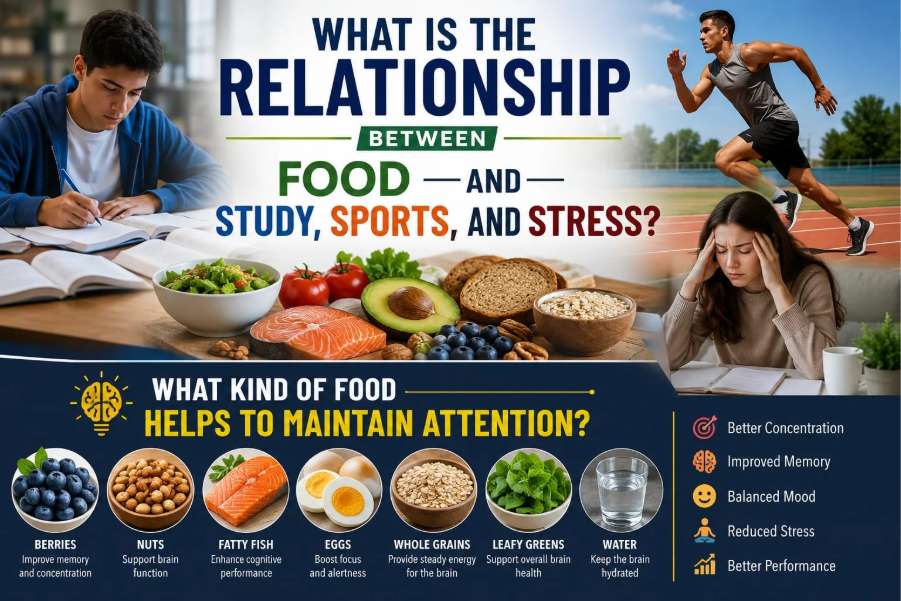
By following Teen Nutrition Tips, it is possible to maintain a healthy balance between studies, sports and mental stress. At this age, the body and brain start developing very quickly, which is why it becomes very necessary to eat a balanced diet regularly. 

By eating a balanced diet regularly, the body gets the necessary nutrients and provides energy to the body. It plays a very helpful role in effectively increasing attention and learning ability. At the same time, healthy eating habits eliminate daily fatigue and give you a refreshing and lively time. 

What Kind Of Food Helps To Maintain Attention? 

  • Whole grains provide slow-release energy, helping you stay focused for longer. 
  • Eggs, fish, pulses and milk are good sources of protein, which contributes to normal brain function. 
  • Seasonal fruits and vegetables provide vitamins, minerals and antioxidants, which help maintain overall well-being. 
  • Nuts and seeds provide a combination of healthy fats and vital nutrients that support the body’s daily needs. 
  • Drinking enough water helps reduce dehydration and maintain focus and performance. 
  • Limiting foods high in sugar can help reduce energy spikes and maintain consistent performance. 

Energy Needs For An Active Lifestyle 

Following Teen Nutrition Tips makes it much easier to maintain the energy needed for an active lifestyle. The body uses up extra energy during regular studies, sports, exercise or other daily activities, so it is important to eat an adequate and balanced diet. Carbohydrates provide the body with energy, protein helps in rebuilding and growing muscles, and healthy fats act as a source of long-lasting energy.  

How Important Is The Role Of Parents And Family? 

The active involvement of parents and families is key to promoting healthy nutrition during adolescence. When family members themselves follow a balanced eating habit, teenagers are more likely to adopt it. A regular family mealtime environment, keeping nutritious food readily available, and encouraging healthy decision-making help in developing good habits in the long run. At the same time, positive communication and mindful guidance play an important role in their physical and mental development. 

Parfection 

Teen Nutrition Tips is not just a topic, but an important foundation for building a healthy and conscious future. Adolescence is a time when small daily decisions have a long-term impact on future health, performance and lifestyle. Therefore, it is very important to make a balanced diet, drinking enough water, regular sleep and an active lifestyle a habit. Many people think that big changes are needed to build a healthy lifestyle, but in reality, it is the consistent small changes every day that bring the biggest positive results. 

Are you ready to start a habit today that can become the foundation of your body and mind for years to come? 

Remember, choosing nutritious foods is a valuable investment not only for your strength or growth today, but also for a healthy and confident life in the future. At the same time, it becomes much easier to maintain healthy habits when family, school and your own awareness work together. So instead of unnecessary eating habits, develop realistic, balanced and regular eating habits. Because today’s conscious decisions will lay the foundation for a healthy life tomorrow. 

“The groundwork for all happiness is good health.” — Leigh Hunt 

Related Articles

early pregnancy vitamins

Early Pregnancy Vitamins: What You Need and Why It Matters

Did you know that during the first few weeks of pregnancy, the brain and spinal cord of your developing baby begin to form? 

At this stage, many mothers may not even be aware that a new life is on the way. Seeing two red lines on a pregnancy test often brings a mix of joy and a flurry of questions. 

What foods are best for the baby? Which vitamins support brain development? And with so many products available on the market, which one is truly right for your needs?

Exploring these questions makes it essential to learn about “early pregnancy vitamins.” Certain nutrients play a vital role in the healthy development of your baby during the early stages of pregnancy.

Dear mother, consider this: you might not have given much thought to your daily diet before, but now that you are expecting, you likely find yourself wanting to know about every component of what you eat. This is a beautiful transformation that comes with motherhood. However, keep in mind that more vitamins do not necessarily mean greater benefits for your baby. It is important to understand which nutrients are required, which can be obtained from food, and which might be needed as supplements. 

Let’s explore the most important nutrients for both your body and your unborn baby during the early stages of pregnancy.

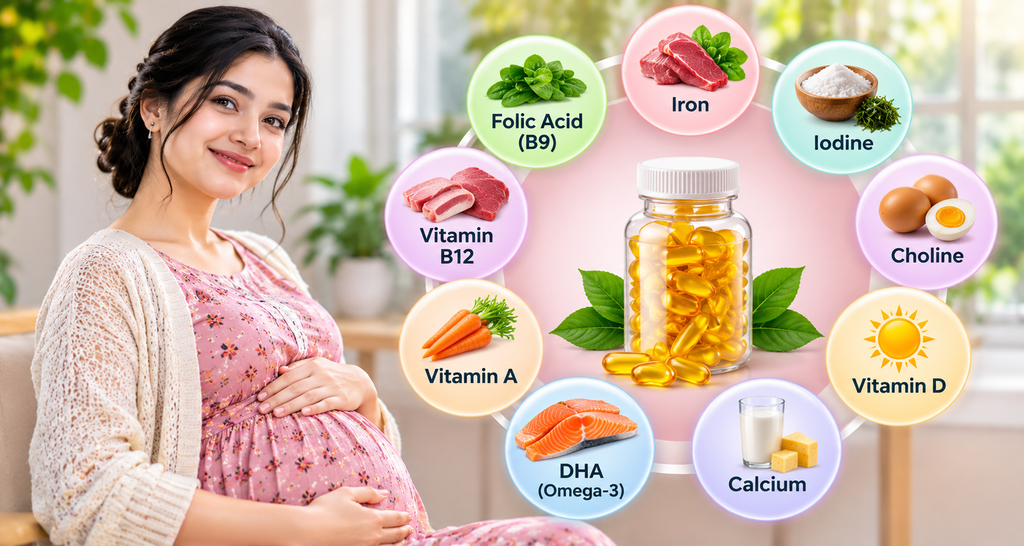
Early Pregnancy Vitamins at a Glance

During pregnancy, your body’s nutritional needs change. In the first three months in particular, the baby’s brain, nervous system, bones, and other vital organs begin to develop. Therefore, in addition to your daily meals, it is essential to pay special attention to the intake of certain vitamins and minerals.

For your convenience, the daily nutritional requirements for pregnant women aged 19 and older are presented in the table below.

NutrientDaily RequirementMain Benefits
Folic Acid400 mcg (600 mcg DFE total folate)Brain and spinal cord development
Iron27 mgRed blood cell production
Iodine220 mcgBrain and thyroid development
Choline450 mgBrain and spinal cord development
Vitamin D15 mcg (600 IU)Bone development
Calcium1,000 mgStrong bones and teeth
Vitamin B122.6 mcgNerve and blood cell health
Vitamin A770 mcg RAEEye, skin and immune health
DHANo official RDABrain and eye development

Keep in mind that the amounts listed in the table represent your total daily nutritional requirements. This does not mean that you must obtain all of these nutrients solely from prenatal vitamins; you can meet these requirements through a combination of your diet and supplements.

Why Vitamins Matter So Much in Early Pregnancy

Have you ever wondered why early fetal development is so critical?

The answer lies in the initial formation of the baby’s body. During this period, a specialized structure called the “neural tube” develops, which eventually forms the baby’s brain and spinal cord.

Remarkably, this neural tube closes as early as the third or fourth week of pregnancy—often before a woman has even taken a pregnancy test. This means that by the time you discover you are pregnant, a vital stage of your baby’s development may have already been completed. A lack of sufficient folic acid can increase the risk of “neural tube defects”—congenital issues affecting the brain and spinal cord. According to the CDC, consuming 400 micrograms of folic acid daily helps prevent some of these birth defects.

This is why doctors recommend taking appropriate vitamins as soon as you begin planning for pregnancy. However, if you haven’t been taking any supplements, don’t blame yourself. Once you learn you are pregnant, consult your doctor and start taking them as soon as possible. Remember, it is never too late to start taking care of yourself.

The Most Important Early Pregnancy Vitamins and Minerals

Folic Acid: The Top Priority

Folic acid is one of the most important nutrients during the early stages of pregnancy. It is a form of vitamin B9 that aids in the creation of new cells and supports the healthy development of a baby’s brain and spinal cord. This vitamin is particularly crucial for the proper formation and closure of the neural tube.

Generally, a daily intake of 400 micrograms of folic acid is recommended. Ideally, one should begin taking it at least one month before conception. During pregnancy, the total daily requirement for folate is 600 micrograms DFE (Dietary Folate Equivalents). Since these two measurements are not the same, it is important to keep this in mind when reading product labels.

For women who have previously given birth to a child with a neural tube defect, a doctor may recommend a daily intake of 4,000 micrograms of folic acid. However, as this is a significantly higher dose than the standard recommendation, it should never be taken in such large amounts without a doctor’s explicit guidance.

Why Is Folic Acid So Important Before Pregnancy?

Many mothers believe that it is sufficient to start taking folic acid only after a pregnancy test comes back positive. In reality, however, the baby’s neural tube develops very rapidly; therefore, it is crucial to have adequate levels of folic acid in the body even before conception.

Also, be aware that, in addition to folic acid, an alternative form of vitamin B9—known as methylfolate or 5-MTHF—is available on the market. However, there is not yet sufficient evidence for methylfolate that matches the proven efficacy of folic acid in preventing neural tube defects. Consequently, when purchasing prenatal vitamins, check the label to ensure that it specifically lists “folic acid.”

Iron: For Your Growing Blood Supply

During pregnancy, the volume of blood in your body increases, as extra blood is required to deliver oxygen to both your own body and that of your baby. Iron plays a crucial role in the production of red blood cells.

Pregnant women aged 19 or older require approximately 27 milligrams of iron daily. A deficiency can lead to anemia, which may cause symptoms such as excessive fatigue, weakness, and dizziness.

Good sources of iron include beef, chicken, fish, lentils, beans, spinach, and iron-fortified cereals. However, consuming iron-rich foods is not enough; how well your body absorbs that iron is also important. For instance, consuming plant-based sources of iron—such as lentils or spinach—alongside lemon, oranges, or other foods rich in Vitamin C can enhance iron absorption.

It is also important not to consume an excessive amount of iron. For adult pregnant women, the upper tolerable intake limit is 45 milligrams per day. If a blood test reveals a deficiency, your doctor may recommend additional supplements.

Iodine: Often Missing From the Label

Iodine is a mineral that helps in the production of thyroid hormones. These hormones are essential for the normal development of a baby’s brain and nervous system.

During pregnancy, approximately 220 micrograms of iodine are required daily. Various health organizations recommend obtaining about 150 micrograms of iodine through prenatal supplements.

However, many mothers overlook an important detail: not all prenatal vitamins contain an adequate amount of iodine. Therefore, one should not simply rely on the label “Prenatal Vitamin” on the bottle; be sure to check the list of ingredients.

Iodine can also be obtained from sources such as iodized salt, milk, eggs, and saltwater fish. That said, if you have any thyroid-related issues, do not take iodine supplements on your own. A doctor will determine the appropriate dosage based on your specific health condition.

Choline: The Nutrient Many Moms Have Never Heard Of

Choline is an essential nutrient that many mothers may not have heard of before. Yet, it plays a crucial role in the development of a baby’s brain and spinal cord.

During pregnancy, about 450 milligrams of choline are required daily. Eggs are an excellent source of this nutrient. Choline can also be found in fish, meat, milk, lentils, and broccoli.

It is important to note that many prenatal vitamins contain little to no choline. Therefore, do not assume that taking a vitamin supplement alone meets all your nutritional needs. Be sure to consider whether you are obtaining enough choline from your daily diet.

Vitamin D and Calcium: Building Strong Bones

Calcium is essential for the development of strong bones and teeth in a baby. Vitamin D, on the other hand, helps the body absorb calcium; these two nutrients are therefore interconnected.

Pregnant women aged 19 or older require approximately 1,000 milligrams of calcium and 15 micrograms (or 600 IU) of Vitamin D daily.

Good sources include milk, yogurt, cheese, calcium-fortified plant-based milk, and certain types of fish that can be eaten with their bones. Check the calcium content in your prenatal vitamins, and aim to obtain the remainder from your diet.

Vitamin B12: Especially for Vegetarians and Vegans

Vitamin B12 helps maintain a healthy nervous system and supports the production of red blood cells. During pregnancy, the daily requirement is approximately 2.6 micrograms.

Vitamin B12 is typically found in meat, fish, eggs, and dairy products. Consequently, individuals who follow a strictly plant-based diet may be at a higher risk of a deficiency in this vitamin.

If you follow a vegan or vegetarian diet, ensure you pay attention not only to Vitamin B12 but also to iodine, choline, iron, and omega-3 fatty acids. If necessary, consult a doctor or a nutritionist to help you create an appropriate dietary plan.

DHA and Omega-3s

DHA is an important type of omega-3 fatty acid that supports the development of a baby’s brain and eyes. It is particularly important to pay attention to this nutrient if you do not consume fish regularly.

Fish with low mercury content, such as salmon, sardines, and trout, are good sources of DHA. Some prenatal vitamins contain DHA, while others do not.

There is no specific government-mandated daily requirement for DHA. However, experts generally recommend a combined intake of at least 250 mg of DHA and EPA, along with an additional 100–200 mg of DHA. If you rarely eat fish, consult your doctor to determine whether a separate DHA supplement is necessary for you.

What to Avoid: Too Much of Some Vitamins

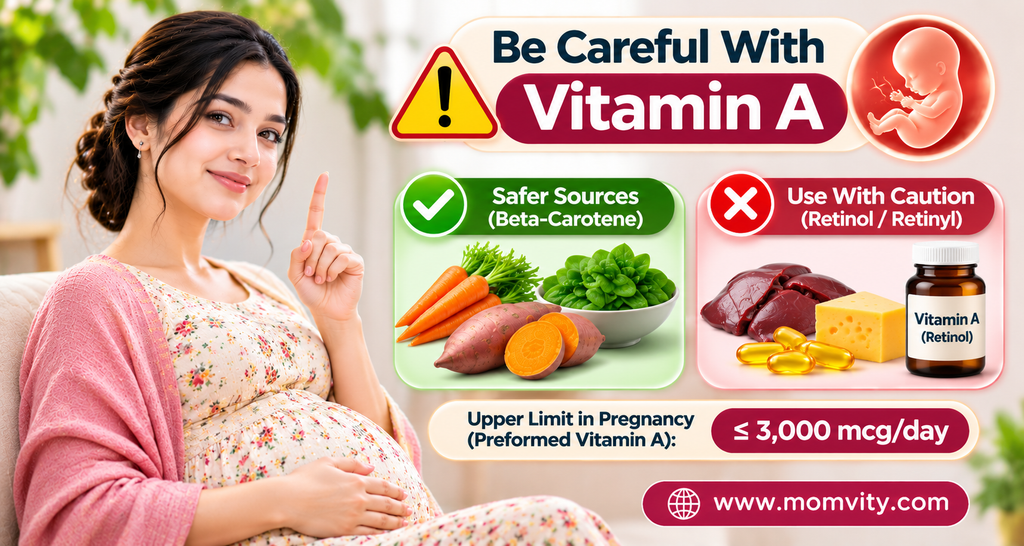
Be Careful With Vitamin A

Vitamin A is essential for eye health, skin, and immune function. However, excessive intake during pregnancy can be dangerous.

In particular, consuming too much “preformed” Vitamin A—known as retinol or retinyl—can increase the risk of birth defects. For pregnant women, the upper limit for this form of Vitamin A is 3,000 micrograms per day.

On the other hand, beta-carotene—found in foods like carrots, sweet potatoes, and green leafy vegetables—is converted into Vitamin A by the body only as needed.

Therefore, do not take general multivitamins, beauty supplements, and prenatal vitamins simultaneously without first having them reviewed by a doctor. Remember, taking an excessive amount of vitamins during pregnancy is not a sign of good maternal care; rather, consuming the right amount based on actual needs is a sign of being a responsible and informed expectant mother.

Herbal Supplements

Many mothers believe that products made from natural or herbal ingredients are completely safe during pregnancy. In reality, however, there is not enough research on the safety of all such herbal ingredients.

Therefore, consult a doctor or pharmacist before taking any herbal pills, special tea blends, or herbal powders. This precaution is especially important if you are already taking other medications.

How to Choose a Prenatal Vitamin

There are many types of prenatal vitamins available on the market. Some come as tablets, others as capsules, and some are sold in the form of gummies. However, there is no guarantee that the most expensive bottle will be the best one for you.

Consider the following factors when choosing a suitable prenatal vitamin.

CheckWhat to Look For
Folic Acid400 mcg
IronClose to 27 mg
IodineAbout 150 mcg
Vitamin ASafe amount of preformed vitamin A
Vitamin D15 mcg (600 IU)
CholineIncluded or obtained through food
DHAIncluded or obtained through food
Third-Party TestingUSP, NSF or ConsumerLab

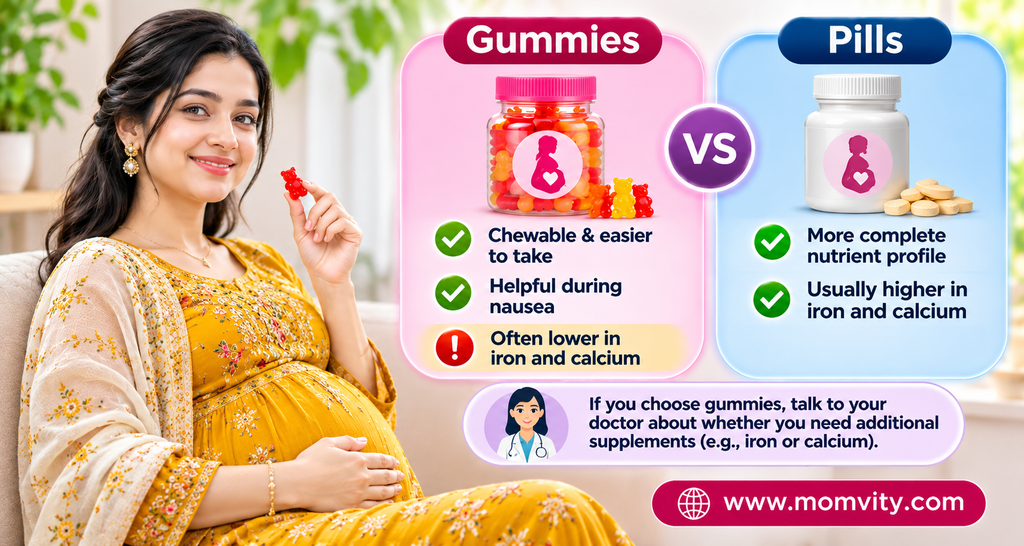
Gummies vs. Pills

For those who experience significant nausea during early pregnancy, gummy vitamins may be a more manageable option. They are chewable, which many find convenient to take.

However, there is a drawback: many gummy prenatal vitamins do not contain sufficient amounts of iron or calcium. Therefore, if you choose to take gummies, consult your doctor about whether you need any additional supplements.

Managing Side Effects of Prenatal Vitamins

Nausea

Many women experience nausea during the early stages of pregnancy, and taking prenatal vitamins can sometimes make this discomfort worse.

Have you ever felt stomach discomfort throughout the day after taking your vitamins in the morning? If so, you might consider—with your doctor’s approval—taking them at night alongside a light snack. This approach proves helpful for some women.

However, if you experience persistent vomiting or are unable to keep any food or medication down, please consult your doctor. They may be able to recommend a different type of supplement if necessary.

Constipation

Taking prenatal vitamins that contain iron can sometimes lead to constipation. This can be particularly uncomfortable for those who already have digestive issues.

You can follow a few steps to help alleviate this problem.

  • Drink plenty of water every day.
  • Eat fruits, vegetables, and fiber-rich foods.
  • Engage in light walking, provided you have your doctor’s approval.
  • Consult your doctor about using a stool softener, if necessary.

Also, keep in mind that you should not stop taking iron supplements on your own just because you are experiencing constipation. If you inform your doctor about the issue, they can adjust the type of supplement or the method of administration as needed.

Conclusion: A Healthy Beginning for Your Little One

By now, you surely understand that taking care of yourself during early pregnancy is not just about eating more food or taking a large number of vitamins at once. Rather, the most important thing is to know which nutrients are needed, when they are required, and how to consume them safely. A high-quality prenatal vitamin, a nutritious diet, and regular medical consultations will help ensure a healthy start to your pregnancy.

Health Disclaimer: This article is intended solely for general health education purposes. It is not a substitute for professional medical advice. Always consult with your doctor, OB-GYN, or midwife before starting, stopping, or changing any vitamins or supplements during pregnancy.

Frequently Asked Questions

What Vitamins Should I Take in Early Pregnancy?

Generally, an appropriate prenatal vitamin—rich in folic acid, iron, iodine, and vitamin D—is necessary. Choline and DHA are also important. However, specific requirements may vary depending on your diet and physical condition.

When Should I Start Taking Prenatal Vitamins?

Ideally, it is best to start taking prenatal vitamins containing folic acid at least one month before planning a pregnancy. However, if you have not started by then, begin taking them after consulting your doctor once you learn that you are pregnant.

Can I Take a Regular Multivitamin Instead of a Prenatal Vitamin?

It is better to choose prenatal vitamins instead of regular multivitamins, as the levels of folic acid, iron, or iodine in regular multivitamins may not be suitable for pregnancy. Some products may also contain excessive amounts of vitamin A.

Are Gummy Prenatal Vitamins as Good as Pills?

Taking gummy vitamins can be easy, especially for those experiencing nausea. However, many gummy vitamins do not contain sufficient amounts of iron and calcium. Therefore, consult with a doctor before taking them.

Is Methylfolate Better Than Folic Acid?

Methylfolate, or 5-MTHF, is an alternative form of vitamin B9. However, the effectiveness of folic acid in preventing neural tube defects is well-established. Therefore, when choosing prenatal vitamins, check to ensure they contain folic acid.

Why Does My Prenatal Vitamin Make Me Nauseous?

Nausea can occur during early pregnancy due to hormonal changes. Taking vitamins may further increase this discomfort. In some cases, taking them at night along with a light meal can be helpful.

Can I Take Too Many Vitamins During Pregnancy?

Yes, taking excessive amounts of vitamins can be harmful. In particular, high levels of preformed vitamin A can increase the risk of birth defects. Therefore, do not take multiple multivitamins or supplements at the same time.

Do I Need a DHA Supplement in Early Pregnancy?

Not everyone needs a separate DHA supplement. DHA can be obtained from fish low in mercury, such as salmon and sardines. If you do not eat fish regularly, consult your doctor about whether an additional supplement is necessary for you.

Scroll to Top