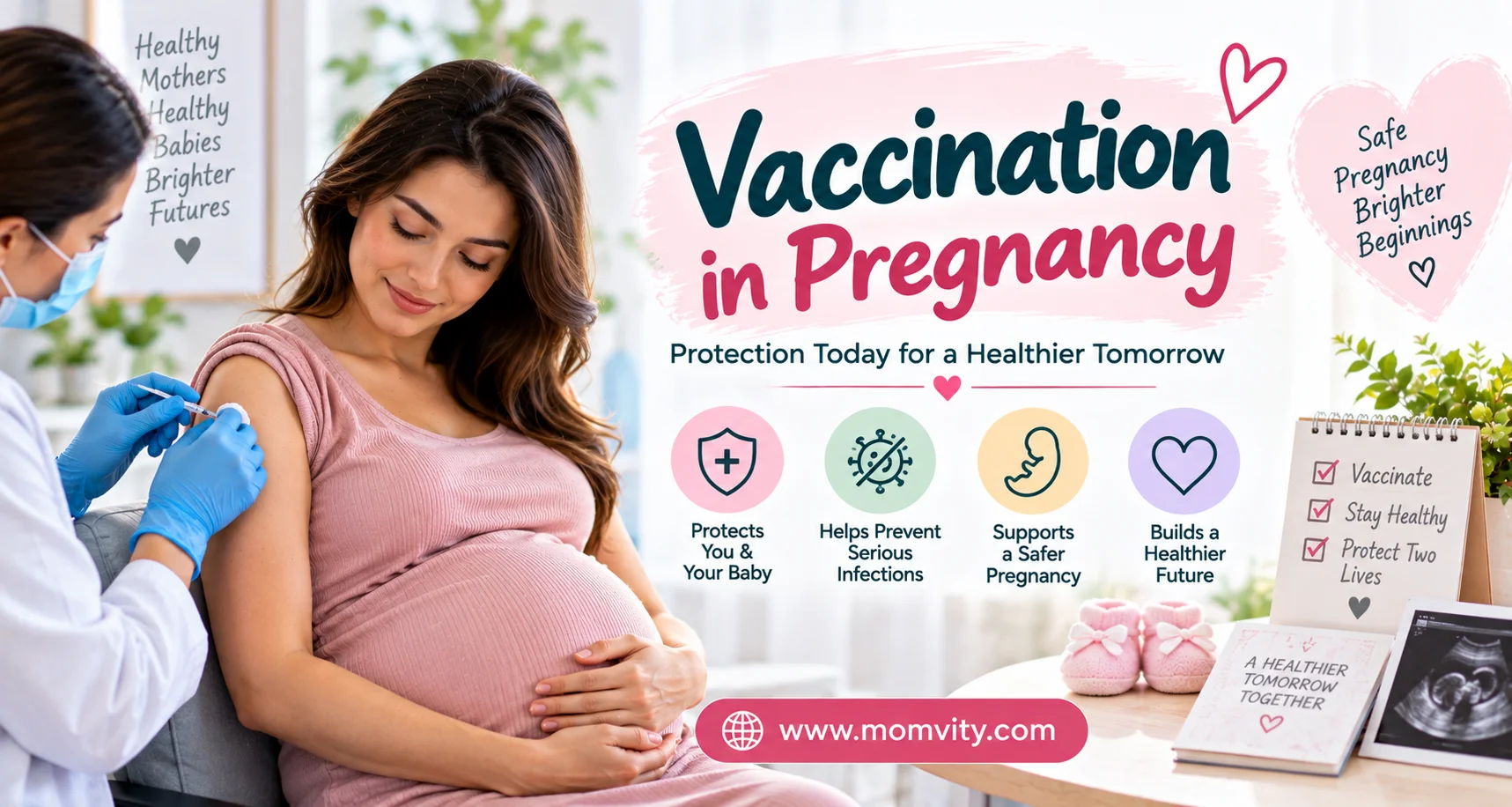
Best Time To Get Pregnant Based On Your Ovulation Cycle 

Nusrat Ayaan

Published: 10/08/2026
Updated: 10/08/2026

Gain special knowledge about Best Time To Get Pregnant and know about the ovulation cycle, fertile window, the right times of pregnancy and know detailed information about effective ways to increase the chances of getting pregnant naturally. 
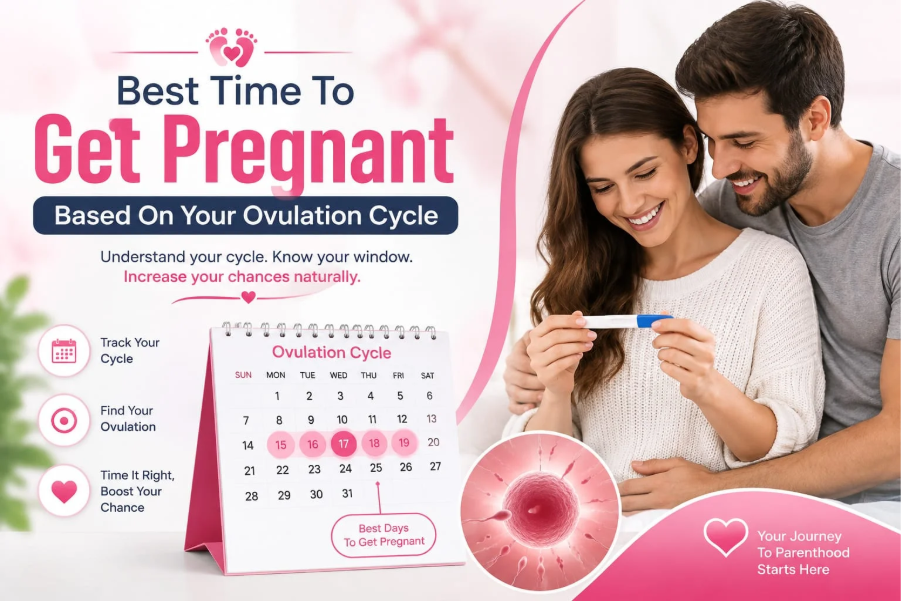
Planning to conceive a child, but are suffering from various doubts due to lack of proper information about the right time to try? 

Many of us have some common misconceptions. For example, they think that trying at any time will give the same results. On the other hand, some rely on various common misconceptions or misinformation, which often become the main cause of anxiety. 

In fact, if we can get an idea about the natural changes in our body, the specific phases of the menstrual cycle and the right time of ovulation, the matter becomes much easier. 

We should know that every woman’s physical cycle is never the same. Some are regular and some are irregular. Therefore, it is inappropriate to always compare our situation with the experience of others. Instead, we need to get an idea about our own body and the functions of the body based on scientific information. 

Having an idea of the right time reduces unnecessary stress, makes planning more realistic, and can naturally increase the chances of success. 

This article provides detailed information about some important things in a very simple way, such as the menstrual cycle, ovulation, and various body symptoms, and will greatly help you understand the right time to try in a planned manner. 

How The Female Reproductive Cycle Works 
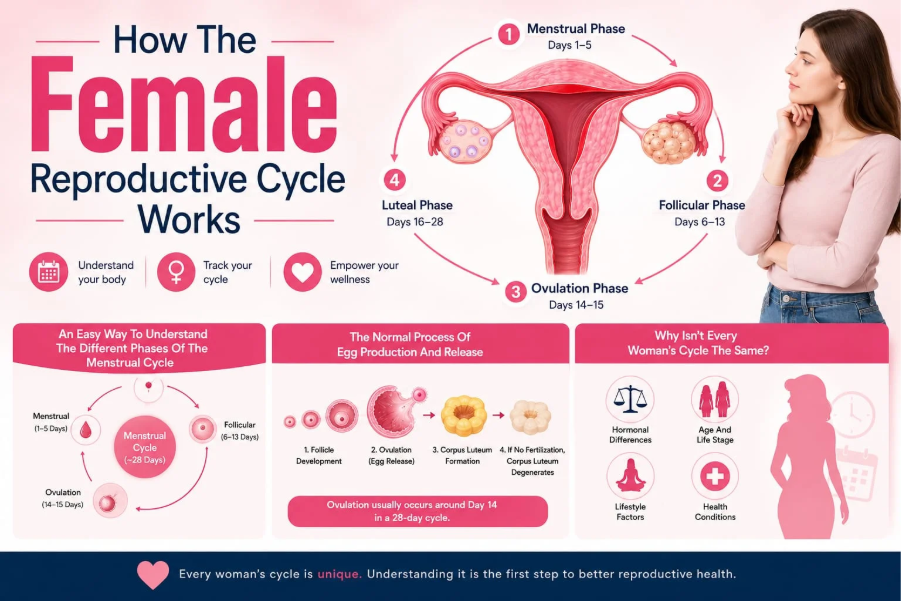
To get a proper idea about Best Time To Get Pregnant, you first need to gain detailed knowledge about how the female reproductive cycle works. 

Every month, a mature egg is produced from the ovary under the influence of hormone secretion. This egg remains free for a certain period of time. Along with this, the lining of the uterus also starts preparing for a possible pregnancy. 

If the sperm and egg do not meet until that specific time, this lining is shed through menstruation and a new cycle begins. 

Every woman’s physical cycle may be different, so it is most important to be aware of your cycle. 

An Easy Way To Understand The Different Phases Of The Menstrual Cycle 

  • A new cycle begins on the first day of menstruation, which can last until the day before the next menstruation. 
  • The cycle usually lasts between 21–35 days, but it is normal for it to vary from person to person. 
  • In the middle of the cycle, the egg is released, which is an important step for pregnancy. 
  • If fertilization does not occur, the lining of the uterus is shed through menstruation and a new cycle begins. 
  • By keeping a regular note of your menstrual dates, it is easier to understand the pattern and timing of your cycle. 

The Normal Process Of Egg Production And Release 

To understand the Best Time To Get Pregnant, it is very important to know the process of egg production and release. Usually, a mature egg is released from the ovary every month. At this time, if it meets with sperm, fertilization is possible. 

Subject Brief Information 
Egg Production The ovaries mature under the influence of hormones. 
Ovulation Usually occurs in the middle of the menstrual cycle. 
Egg Lifespan It lives for about 12-24 hours. 
Why Is It Important? This is the time when the chances of fertilization are highest. 

Why Isn’t Every Woman’s Cycle The Same? 

  • Every woman’s hormonal balance is different, so the length of the menstrual cycle can also vary. 
  • Normal fluctuations in the cycle can occur with age, especially during adolescence and after 40 years. 
  • Stress, lack of sleep, and lifestyle changes can affect the menstrual cycle. 
  • Some health problems or hormonal imbalances can make the cycle irregular. 
  • Therefore, it is best to regularly monitor your menstrual pattern, rather than comparing it to others’ cycles. 

When Is The Chance Of Pregnancy Highest? 
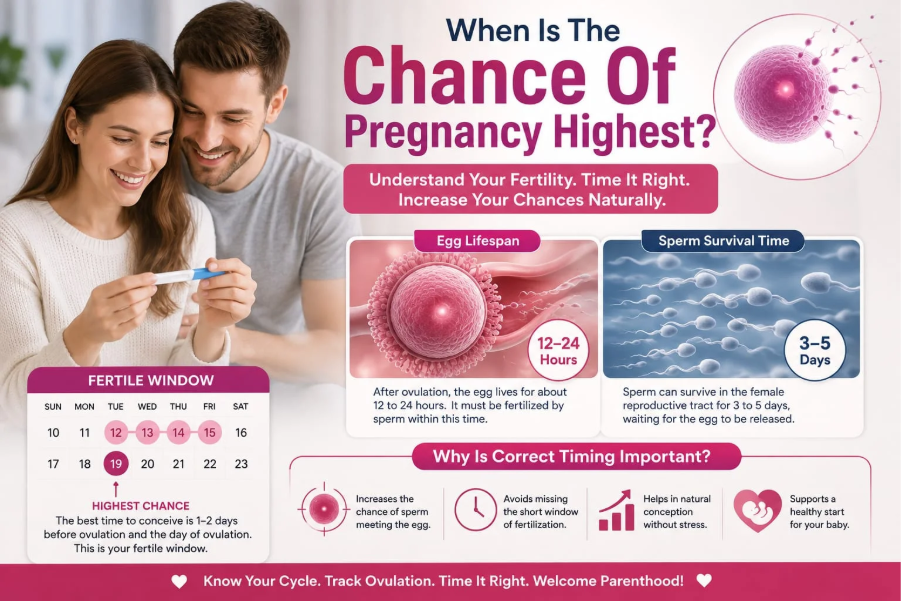
The Best Time To Get Pregnant depends on the specific time of ovulation. Scientific data has shown that, 

“The chances of getting pregnant are highest from a few days before ovulation to some time after ovulation.” 

The main reason for this is that during this specific time, the sperm that are alive can easily penetrate the lining of the egg and meet, meaning fertilization can occur. However, since each woman’s menstrual cycle is different, these times may vary from person to person. 

Find out more here: Teen Nutrition Tips

Egg Lifespan And Sperm Survival Time 

Subject Realistic Information 
Egg Lifespan The egg usually survives for 12–24 hours after ovulation. 
Sperm Lifespan Sperm can survive for 3–5 days in a healthy and favorable environment. 
Chances Of Pregnancy The chances are highest in the few days before ovulation and on the day of ovulation. 
Why Time Matters If sperm are already present, there is a chance for fertilization to occur quickly after the egg is released. 
Remember Every woman’s menstrual cycle and ovulation time are not the same, so this time may vary from person to person. 

Why Is Correct Timing Important? 

To determine the Best Time To Get Pregnant, we must have an idea of the correct timing. The egg is capable of being fertilized for only a limited time, which explains why timing is so important. On the other hand, sperm can remain viable for several days. 

Therefore, planning in accordance with the time of ovulation can naturally increase the chances of fertilization. 

Easy Way To Monitor Your Cycle 
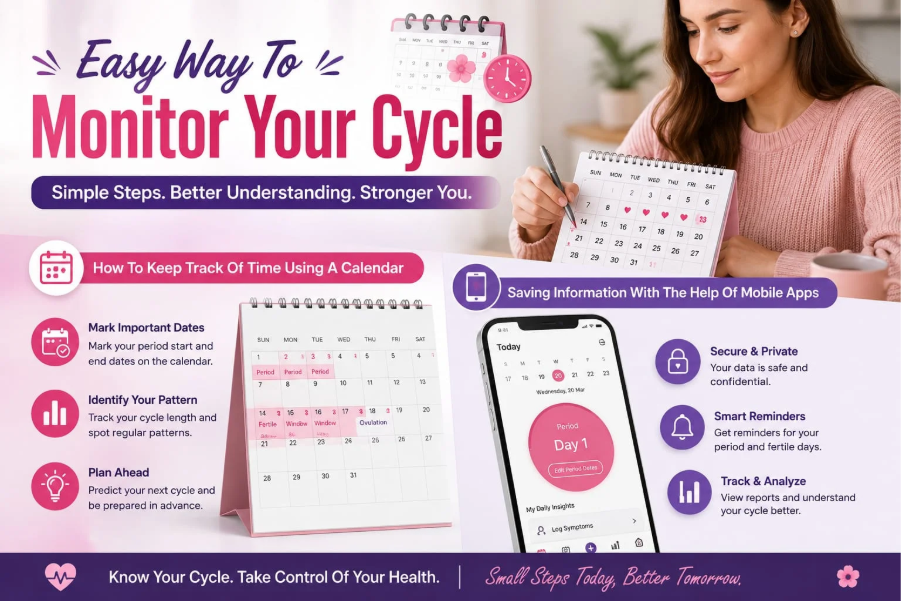
Regularly monitoring your menstrual cycle can help you understand your body’s natural changes and make your planning more realistic. Writing down your period dates, noting changes in your cervical mucus, tracking your basal body temperature, and using a trusted mobile app if necessary are effective ways. Regularly recording your information can help you get a clear picture of your cycle pattern, which can help you plan your next period more accurately in the future. 

How To Keep Track Of Time Using A Calendar 

Using a calendar to record your menstrual cycle regularly is very useful in determining the best time to get pregnant. Keeping a record of several months of data can help you understand your cycle length, likely ovulation time, and pattern of regularity, which makes planning more realistic. 

  • Mark the first day of your period on your calendar each month. 
  • Keeping a record of 3–6 months of data makes it easier to understand your cycle pattern. 
  • Check your cycle length every month to see if there are any changes. 
  • Use a paper calendar or a digital calendar—whichever is convenient. 

Saving Information With The Help Of Mobile Apps 

Subject Information 
Save The Date It is easy to keep a note of the days of your period. 
Cycle Monitoring Several months of data can be viewed together. 
Adding Symptoms Physical changes and symptoms can be written down. 
Reminder Provides automatic notifications before important days. 

What Habits Help Increase The Chances Of Success? 

To live a healthy life, we need to develop some good habits regularly, which can increase our chances of success. In the case of pregnancy, maintaining some habits regularly also increases the ability and possibility of conceiving naturally. 

Eating nutritious food, getting enough sleep, exercising, and controlling stress also play an important role here. These things are very effective in maintaining normal hormone levels. 

Along with this, some small positive habits help in implementing plans in the long term. 

The Importance Of Healthy Eating Habits And Nutrition 

Before planning about Best Time To Get Pregnant, we must give special importance to our regular diet. We must eat a balanced diet rich in fruits, vegetables, healthy fats and all types of proteins in our daily meals. 

These foods provide the nutrients your body needs to maintain healthy reproductive function. Pair these healthy habits with adequate water intake for better overall well-being. 

  • Follow a healthy eating routine by enjoying balanced and nourishing foods each day. 
  • Ensure adequate intake of folic acid, iron and vitamin D. 
  • Keep fresh fruits, vegetables and whole grains in your diet regularly. 
  • Staying hydrated is one of the simplest ways to help your body function at its best. 
  • Limit excess sugar and processed foods as much as possible. 

When To Seek Expert Advice 
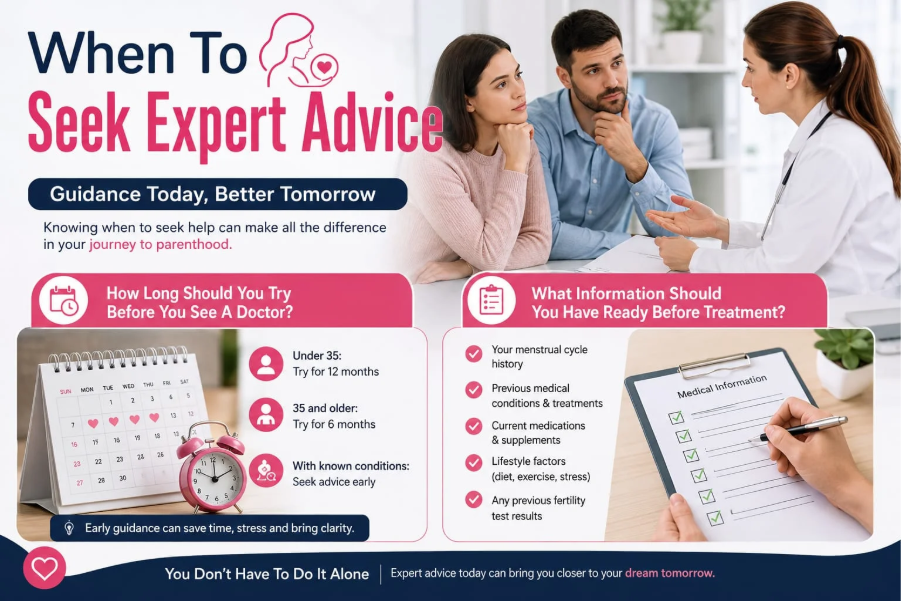
It is necessary to have the right and important idea of Best Time To Get Pregnant. However, if you see that the desired results are not coming even after following the rules for a long time, then we should definitely consult a specialist doctor. 

At an age of 34 to 35, women usually try for 12 months and people over the age of 6 months, if they cannot conceive even after trying for a long time, they should definitely consult a good doctor. 

In addition, irregular menstruation, severe pelvic pain or known reproductive problems may also require rapid evaluation. 

How Long Should You Try Before You See A Doctor? 

If you are of a certain age and still cannot conceive after 12 months or 6 months of regular and unprotected intercourse, or even after trying for a long time, then you should definitely consult a good doctor. 

Also, if there are minor problems related to pregnancy, you should pay serious attention to those issues. 

What Information Should You Have Ready Before Treatment? 

  • Keep track of the last few months of your menstrual cycle. 
  • Be prepared to discuss any previous illnesses, surgeries, or medical history. 
  • Prepare and bring a record of any medications, vitamins, or supplements you are taking. 
  • Include any important information about your partner’s reproductive health or health. 
  • Keep a record of any symptoms or problems you are experiencing, such as irregular periods or pelvic pain. 

What Body Symptoms Indicate Important Information? 
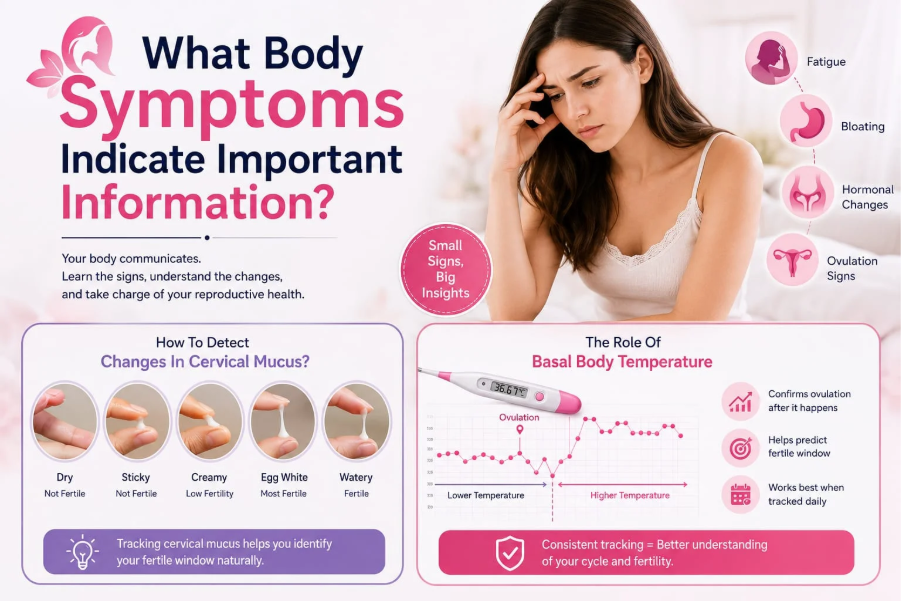
Some natural body signs carry important clues to help you determine the best time to get pregnant. During ovulation, most women’s cervical mucus is very clear and slippery, and some may experience a wide change in body temperature, including lower abdominal pain. 

Keep in mind that symptoms can differ between individuals. Therefore, we should not rely on one symptom but constantly monitor it. So that more reliable and stable information about our physical cycle can be obtained. 

How To Detect Changes In Cervical Mucus? 

  • Make it a daily habit to observe the color, thickness, and texture of your cervical mucus at the same time. 
  • If your mucus is clear, slippery, and looks like egg white, ovulation may be near. 
  • Thick, sticky, or dry mucus usually indicates a less fertile time. 
  • It can be easier to understand your normal cycle pattern by noting changes regularly over a few months. 
  • If you have an infection or an unusual odor, color, or itching, this may not be a normal change; in that case, you should consult a doctor. 

The Role Of Basal Body Temperature 

Basal body temperature is the body’s resting temperature after waking up in the morning before starting any physical activity. It usually increases slightly after ovulation due to the influence of the progesterone hormone and remains stable for a few days. Measuring your temperature at the same time every day makes it easier to understand your cycle pattern over the course of a few months. However, you should not rely solely on this method, but should also monitor it in conjunction with other physical symptoms. 

Conclusion  

If you can get the right idea about the Best Time To Get Pregnant, family planning becomes very easy. Having knowledge or complete knowledge about all these topics can make you confident. It is necessary to be aware of women’s reproductive cycle, ovulation or ovulation time, normal body symptoms and healthy lifestyle habits, but it is necessary to have knowledge about this. 

However, it should be remembered that every woman’s menstrual cycle can never be the same. Therefore, you should never compare your situation with the experience of others. Rather, you should analyse your own experiences and find effective solutions by observing your own physical changes. 

Storing information through calendars, mobile apps or other simple methods can provide important ideas in the long run. 

Related Articles

Postpartum Hemorrhage

Understanding all Concepts of Postpartum Hemorrhage along its Criteria,Diagnosis and Prevention with Management 

Postpartum bleeding is currently posses the leading position in terms of maternal death.There are about 27 million women who acquire postpartum blood loss and it ultimately end up with 43,000 thousands maternal deaths The core reasons behind the occurrence of PPH are uterine atony,retained placenta along with coagulopathy.Moreover,caesarean section,anaemia and inappropriate antenatal care actually heighten the risk of occurring PPH in the pregnant mother.

In this article we try to share the concepts of prevention of postpartum hemorrhage which comprise reduction of number of caesarean sections together with the necessity of uterotonic prophylaxis.Fortunately standardised bundle and avoidance of delaying treatment protocol can certainly help save valuable lives.

What is primary postpartum bleeding or haemorrhage?

When excessive blood loss occurs from the gentinal tract of the mother within the 24 hours of the delivery, an estimated greater than 500 ml of fresh blood is called primary postpartum hemorrhage.It may have distinct classifications which comprise minor,major and secondary postpartum blood loss.While minor PPH means loss of blood less than 1000 mls,blood loss above 1000 mls actually suggest major PPH.

On the other hand,blood loss occurring between 24 hours post delivery period to six weeks of postpartum period indicates secondary postpartum blood loss or haemorrhage.

Find out more here

Common aetiologies of Primary postpartum blood loss

There are so many causes of post-partum hemorrhage that can trigger postpartum blood loss but we can broadly categorise these causes into “four Ts” namely;

Tonicity of uterus:It includes uterine atony along with distended bladder.

Trauma to the uterus:When there is any amount of lacerations of the uterus, cervix or vagina,it then triggers the occurrence of postpartum bleeding or haemorrhage.

Tissues within the uterine cavity:Retained placenta or presence of blood clots within the cavity after delivery of the fetus is among the vital causes of PPH. .

Pre-existent thrombin:Any amount of pre-existing coagulopathy which may be acquired also can have potential to cause serious postpartum hemorrhage in a mother during or after delivery.

However,uterine atony remains as the leading cause of PPH while the retained placenta leads the position as the second most common cause of postpartum blood loss.

Epidemiology of postpartum bleeding in global world

Obstetric haemorrhage continues to be the most frequent reason for obstetric morbidity and mortality in our entire globe.The percentage of occurrence of postpartum hemorrhage is about 1-3% of all deliveries and unfortunately it account for 8% of maternal deaths in the middle to high income country where low income countries consume 20% maternal deaths due to postpartum bleeding and its complication.

A report indicates that almost 70,000 maternal deaths occur due to postpartum blood loss together with its fatal complications in each year worldwide.As a more economically developed country the United States consumes about 11% of maternal deaths due to obstetric haemorrhages which usually occurs within the 24 hours of delivery or within the 6 weeks of postpartum period.

Usual risk or trigger factors of postpartum bleeding 

There are some risk factors of post-partum hemorrhage which possess a close relation to the antenatal period and also some causes associate the delivery process of the baby.

Some common antenatal risk factors of PPH

  • Antepartum haemorrhage in this pregnancy along with placenta praevia heightened the risk about 12 times than usual.
  • Suspected or proven placental abruption together with multiple pregnancy increases the risk about 5 times.
  • Another significant cause of PPH is uterine over-distention which include polyhydramnios or macrosomia.
  • Pregnancy induces hypertension namely pre-eclampsia multiplies the risk of postpartum hemorrhage about 4 times than normal. 
  • Grand multiparas who have four or more pregnancies and also the nulliparas.
  • Previous PPH or previously experienced retained placenta increases the risks about 3 times.
  • Asian ethnicity also doubled the risks of postpartum bleeding or haemorrhage.
  • Maternal obesity along with pre-existence uterine abnormality.
  • Maternal age above 40 years along with maternal anaemia when Hb level is less than 9 g/dl.

The factors in relation to delivery of the baby

There are some factors which have a close relation to the delivery process of the baby and these factors usually increases the risk of PPH development.These comprise:

Factors Increases the risk of PPH
Emergency caesarean section(4x risk) Weight of the baby >4 Kg
Over 3 elective caesarean sectionsMaternal pyrexia or fever
Retained placenta also increases Obstructions in the labour process
Mediolateral episiotomy(5 x risk)Cephalopelvic disproportion
Iatrogenic Induction of labour Incompetency of maternal cervix
Prolonged labour >12 hours from onsetNeuromuscular disorders

Pre-existing maternal haemorrhagic conditions

There are some distinct maternal health conditions whose pre-existence in the maternal body heightened the risk of occurring postpartum hemorrhage.These comprise factor 8 deficiency which means mother is A haemophilia carrier and also factor 9 deficiency which indicates the mother is a hemophilia B carrier.

Therefore von Willebrand’s diseases also put the mother in great risk zones to experience the postpartum bleeding during delivery or within the 6 weeks of following delivery of the baby.

Core presentations of postpartum bleeding  

These are some trademark features of postpartum hemorrhage which help the healthcare professionals to diagnose the postpartum bleeding early and appropriately.These comprise:

Symptoms of PPH: Continuous loss of fresh blood through the genital tract which healthcare professionals fail to stop after delivery of the placenta.

Signs of PPH:When the loss of blood exceeds 1000 ml after the delivery,it may produce shock and it might be clinically apparent through the notifiable tachycardia along with hypotension.

Correlation of other medical conditions

The sudden heavy loss may trigger the quick development of haemolysis, elevated liver enzymes and low platelets which is known as HELLP syndrome and the failure to manage them in a quick succession may worsen the patient’s condition.

Overall prompt diagnosis of postpartum bleeding or PPH

Healthcare providers usually diagnose post-partum hemorrhage through a combination of visual and physical examinations along with the assistance of some lab tests.Moreover, a thorough review of your health history may also be an important as well as crucial factor when it is about to assess the risk and health impacts of a PPH.

The diagnosis of postpartum hemorrhage is on the basis of the amount of blood you’ve lost during or after the delivery.One of the easiest ways to estimate blood loss after delivery is by carefully counting or weighing blood-soaked pads and sponges. If postpartum hemorrhage is suspected, your healthcare team may also use other tests or monitoring tools to assess your condition accurately.These include:

  • Continuous monitoring of your vitals that include pulse rate and blood pressure to detect emergencies within the body.
  • Several blood tests to measure red blood cells (hematocrit) and blood clotting or coagulation factors which may be the culprit of PPH.
  • A thoroughly pelvic exam by the experts to check your vagina, cervix and uterus.
  • Ultrasound and radiological imaging test to get a detailed image of your uterus and genital system.

Overall prompt treatment plan of PPH

Postpartum hemorrhage (PPH) is treated as a medical emergency because heavy bleeding can become dangerous quickly. The main priority is to find where the bleeding is coming from and stop it as soon as possible. Your healthcare provider will choose the most appropriate treatment based on the cause of the bleeding, how much blood you have lost, and whether it happens during or after childbirth.These comprise: 

  • Uterine massage to help the muscles of your uterus contract and ensure making it hard.
  • Medications that stimulate uterine contractions and then remove retained placental tissue from your uterus which can happen manually or with instrumentally.
  • Proper repair of vaginal, cervical, and uterine tears with appropriate stitches can help control bleeding. A catheter or balloon may also be used to apply gentle pressure inside the uterus that helps compress the uterine walls and reduce bleeding. 
  • Certain proven procedures with an expert’s hand can be beneficial to stop the blood supply to the uterus.
  • There may be a need for blood transfusion if the bleeding is too much and your body demands along with fluids and supplemental oxygen.

When other methods fail,your healthcare team may perform surgery to stop the bleeding and this includes an abdominal incision (laparotomy) or the removal of the whole uterus via a hysterectomy as the situation demands. 

How long does it take for you to recover from PPH?

Recovery is in fact different for everyone while the proper recovery from a postpartum hemorrhage depends solely on the severity of blood loss and how your healthcare provider tackled it.It is always advisable to you to make sure that you take care of yourself in the days following your delivery and ensure timely eating healthy foods and drinking lots of water as much as possible.

Your healthcare provider may recommend proper timely rest along with an iron supplement to you that can reduce your risk of anemia.

Complications of PPH in the mother

There are so many complications of post-partum hemorrhage which can bring about harmful and fatal health impacts to the delivering mother.These comprise: 

  • Hypovolaemic shock together with disseminated intravascular coagulation.
  • Acute kidney injury along with concomitant liver failure.
  • Acute (adult) respiratory distress syndrome and cardiac arrest which ultimately bring death to the patient with postpartum bleeding.

Prognosis of the patients or mothers with PPH

Severe bleeding during or after childbirth is actually the leading cause of maternal death in the entire globe that generally affects 14 million women each year and it is mostly prevalent in developing nations.However,the United States also struggles with uniquely high maternal mortality rates though this hemorrhage during or after childbirth is highly preventable.

Moreover it continues to claim general people’s lives and exposes the deep concern of racial inequities.Unfortunate,black women in the U.S possess the higher mortality rates due to postpartum hemorrhage over three times higher than White women and the excruciatingly demand urgent along with equitable care. 

The main theme of prevention of the postpartum bleeding

The active management of the third stage of labour by the experts in this field can significantly reduce the risk of PPH and improve maternal well being as well.However prophylactic oxytocics should be routinely offered to the mothers in their third stage of labour and this is because they certainly decrease the risk of PPH by 60%. 

Oxytocin 5 or 10 IU IM is preferably the prophylactic agent of choice in the management of postpartum hemorrhage for most women deliver vaginally.Experts recommend it to be used as an infusion for women who are undergoing caesarean sections and therefore Syntometrine (oxytocin along with ergometrine) may also be another potential option in the absence of hypertension during delivery. 

Alternatives of the treatments for you facing PPH

Although oxytocin is the management or drug of choice in most of the cases of PPH, misoprostol can be an alternative in case of low resource delivery settings.The main advantages of it is that the availability of its oral form in the market which is comfortable to take.One study along with evidence indicate that it was more effective when given sublingually or directly under the tongue.

It is important for the healthcare authority to identify expectant mothers who may be at a higher risk for postpartum hemorrhage (PPH) so we can carefully plan the safest and standard location to conduct their delivery. 

The Bottom line

While postpartum hemorrhage remains a menacing threat in global childbirth, it is irresistibly preventable for us.When we identify risk factors early and implement active labor management,it will then offer us safe maternal health and thereby reduce maternal deaths.Ultimately,the protection of mothers requires a steadfast commitment along with prompt clinical vigilance and timely intervention for every family. 

Scroll to Top