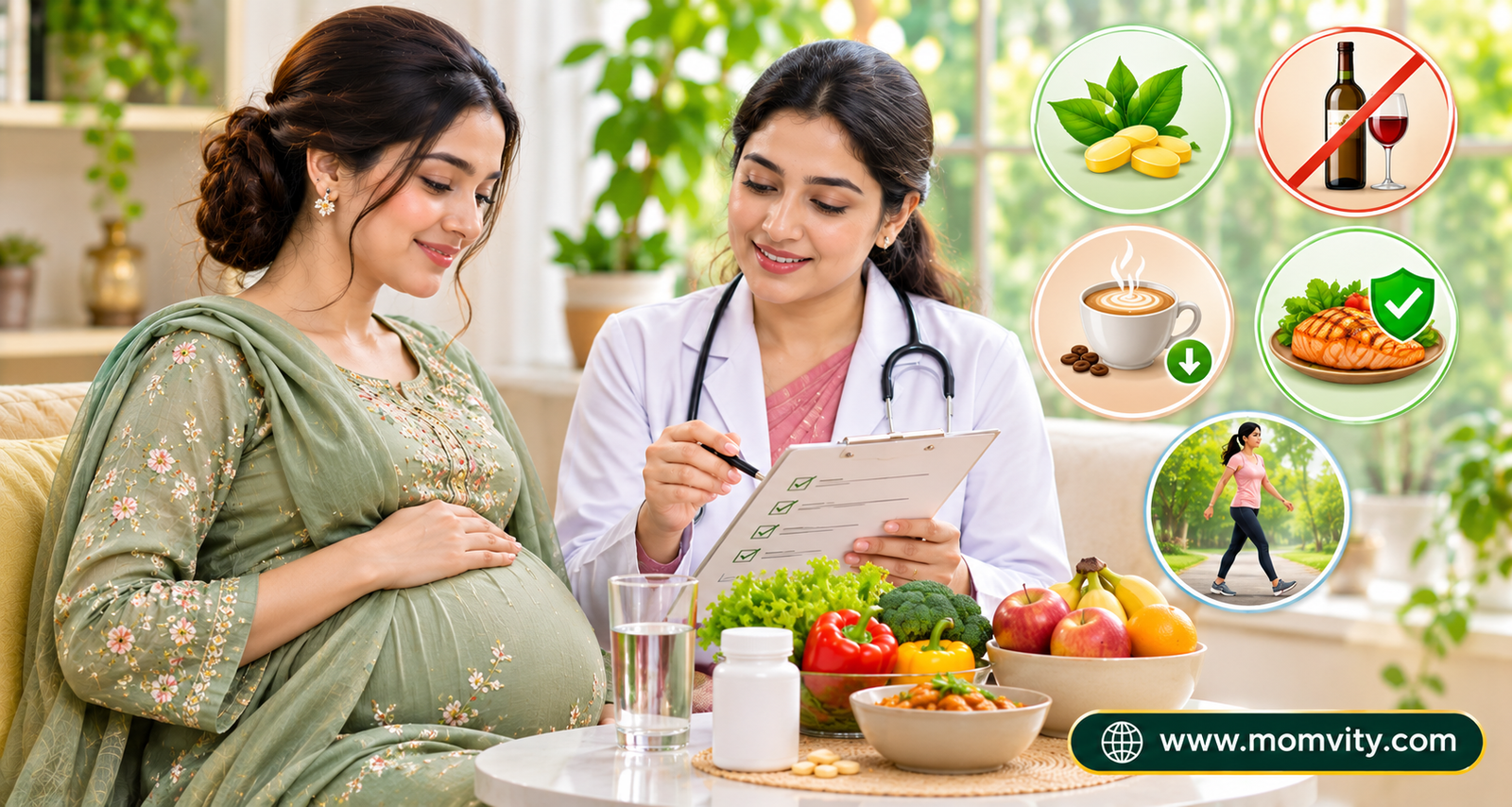

You are going to be a mother!
Upon learning this news, you are likely experiencing a mix of great joy and a multitude of questions. What should you eat now? Which activities are safe? What can you do about daily nausea? You might also find yourself wondering about the many changes occurring within your body—unsure of what is normal and what might be a cause for concern, right?
The first three months of pregnancy are a crucial period for an expectant mother. During this time, your body undergoes significant changes, while the vital organs of your baby begin to develop. Consequently, you must focus not only on your own well-being but also on the health of your unborn child. But there is no need to worry! With the right information and a few simple habits, you can navigate this period with much greater confidence.

So, where do you begin? What habits should you start cultivating now?
In this guide, we will discuss everything in simple, accessible language. Our primary goal is to provide First Trimester Care Tips, empowering you to make informed decisions in your daily life and helping you avoid unnecessary worry.
Understanding the First Trimester
The first trimester of pregnancy generally refers to the period from conception up to about 13 or 14 weeks. Doctors typically track the duration of a pregnancy in weeks. During this time, the baby’s brain, spinal cord, heart, and other vital organs begin to form.
Meanwhile, your own body also begins to adapt to these new changes. Some people may experience nausea upon waking, persistent fatigue throughout the day, breast tenderness, or frequent urination. Mood swings can also occur.
However, keep in mind that every mother’s experience is unique. Some may have many symptoms, while others may notice very few changes. Do not draw conclusions about your pregnancy based solely on the number or intensity of your symptoms. If you have any concerns, consult your doctor.
First Trimester Care Tips at a Glance
During the first three months, you have to manage many things at once. To help you figure out which tasks to prioritize, please refer to the table below.
| Important Step | What You Should Do | Why It Matters |
| First Prenatal Visit | Schedule an early appointment | Helps monitor your health and baby’s growth |
| Folic Acid | Take a prenatal vitamin with 400 mcg folic acid | Helps prevent neural tube defects |
| Healthy Eating | Choose nutritious and safe foods | Supports your changing nutritional needs |
| Alcohol and Smoking | Avoid alcohol, smoking, vaping, and drugs | No known safe amount of alcohol during pregnancy |
| Caffeine | Keep total caffeine below 200 mg daily | Follows ACOG guidance |
| Food Safety | Avoid risky and undercooked foods | Reduces the risk of foodborne infection |
| Gentle Exercise | Aim for 150 minutes weekly if medically appropriate | Supports general health |
| Rest | Take breaks and sleep when needed | Helps manage pregnancy-related tiredness |
| Warning Signs | Learn when to contact your provider | Helps you seek care without delay |
This list can serve as a simple guide for your daily routine. However, do not try to do everything perfectly all at once; it is more important to build habits gradually.
Schedule Your First Prenatal Visit
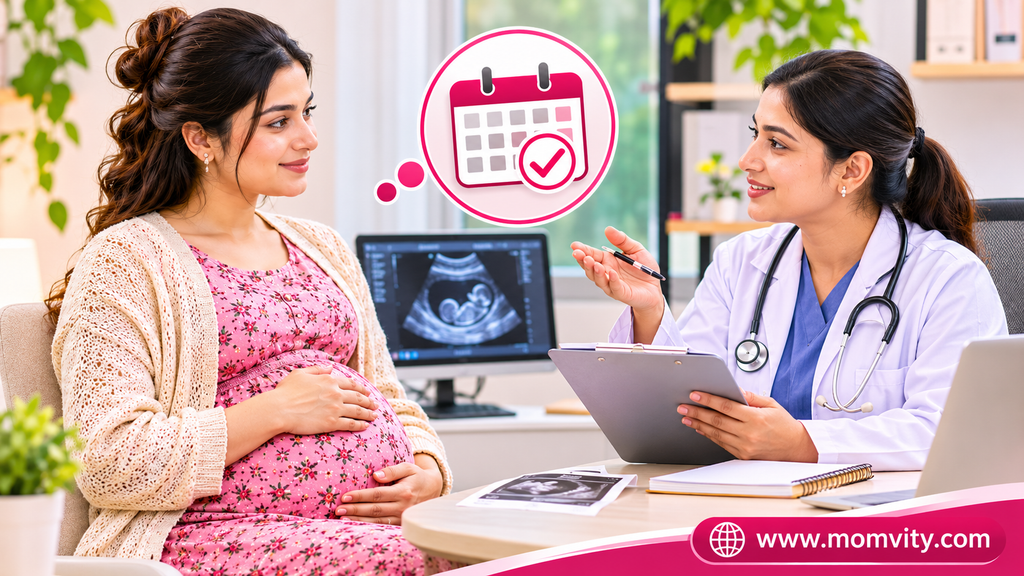
What should be the first step after a positive pregnancy test? Many expectant mothers begin by changing their diet, while others start looking for various vitamins. However, it is also crucial to schedule a prenatal appointment as soon as possible.
Did you know that early medical consultation can provide vital insights into both your health and that of your baby?
According to the American College of Obstetricians and Gynecologists (ACOG), it is generally recommended to have the first prenatal visit within the first 10 weeks of pregnancy. That said, if it happens later for any reason, do not panic—simply contact your doctor as soon as you can.
The first appointment is often longer than subsequent visits, as the doctor will want to gain a comprehensive understanding of your overall health.
Common topics that may be discussed include:
- History of your past medical conditions or health issues.
- Details regarding any previous pregnancies.
- Current medications or supplements you are taking.
- Necessary blood tests and physical examinations.
- An initial ultrasound to determine the estimated due date.
- Discussion regarding genetic screening, if required.
A simple step can be very helpful: write down your questions on your mobile phone before heading to your appointment. For example, you might want to ask about taking allergy medication, whether activities like walking or running are safe, or if there are any specific foods you should avoid.
According to ACOG guidelines from April 2025, prenatal care can be tailored to a mother’s individual needs. For some low-risk pregnancies, a combination of in-person visits and telehealth options may be considered. However, higher-risk pregnancies may require more frequent monitoring.
Take Prenatal Vitamins With Folic Acid
Folic acid plays a crucial role when your baby’s vital body parts are beginning to form. It is a type of B vitamin that helps the body create new cells.
But why is so much emphasis placed on it right from the start of pregnancy?
This is because folic acid is linked to the development of the baby’s brain and spine. According to the CDC, individuals who could become pregnant are advised to consume 400 micrograms of folic acid daily. This helps reduce the risk of neural tube defects—serious birth defects affecting the brain and spine.
Prenatal vitamins typically contain folic acid. They may also include iron, along with other essential vitamins and minerals.
However, keep in mind that consuming more does not necessarily provide greater benefits. Some individuals may require a higher dose of folic acid for specific reasons; for example, if there is a history of neural tube defects in a previous pregnancy, a doctor may prescribe a different dosage. Do not increase the dose on your own.
What should you do if taking prenatal vitamins causes nausea?
You can consult your doctor about taking them with a small snack—rather than on an empty stomach—or perhaps right before going to bed at night.
While ensuring adequate folic acid intake is an important part of your daily First Trimester Care Tips, it is best to follow your doctor’s guidance to determine the correct dosage and choose the most appropriate supplement.
Eat Healthy Without Eating for Two
Once pregnant, many people say that you now need to “eat for two.” But is it really necessary to consume twice as much food during the first three months?
No, generally it is not. According to the ACOG (American College of Obstetricians and Gynecologists), most women do not require extra calories during the first trimester. Additional caloric intake may be needed during the second and third trimesters of pregnancy.

So, what should you eat?
Try to include nutritious and safe foods in your diet. Your daily meals can consist of a variety of fruits, vegetables, whole grains, lentils, well-cooked eggs, lean meats, and pasteurized dairy products. Staying well-hydrated by drinking enough water is also essential.
According to the Mayo Clinic, women who were at a healthy weight before becoming pregnant typically gain about 1–4 pounds (0.5–1.8 kg) during the first few months. However, some may experience a slight weight loss due to nausea. If you are concerned about your weight, consult your doctor.
Fish and Seafood Choices
Do you enjoy fish? There is no need to cut out all fish during pregnancy. In fact, you can consume appropriate amounts of fish that are low in mercury.
According to recommendations from the FDA and EPA, pregnant women can eat about 8–12 ounces (225–340 grams) of low-mercury fish per week. This is generally equivalent to 2–3 servings.
| Lower-Mercury Choices | High-Mercury Fish to Avoid |
| Salmon | Shark |
| Cod | Swordfish |
| Tilapia | King mackerel |
| Canned light tuna | Tilefish |
When it comes to eating fish, it is important to choose the right type and ensure it is cooked properly. Consider not just the portion size, but also whether the food is safe to eat.
Follow Food Safety Rules
During pregnancy, it is important to pay close attention not only to the choice of food but also to food safety, as certain foodborne infections can pose risks to both the mother and the baby.
In particular, one should be cautious about infections caused by a bacterium called *Listeria*. According to the FDA, pregnant women are approximately 10 times more likely to contract listeriosis compared to other healthy adults.
Does this sound alarming? There is no need to panic. Staying safe is simple once you know which foods to avoid and how to select safe food options.
Foods to Avoid or Handle Carefully
- Do not consume cold deli meats, hot dogs, or lunch meats unless they are heated until steaming hot.
- Avoid unpasteurized milk and juices.
- Do not eat soft cheeses made with raw milk.
- Avoid refrigerated pâtés or meat spreads.
- Avoid refrigerated smoked seafood.
- Do not consume raw or undercooked eggs, meat, poultry, or fish.
- Stay away from fish that are high in mercury.
Safer Food Choices
| Food Category | Safer Choice |
| Deli Meat | Heated until steaming hot |
| Milk and Juice | Pasteurized products |
| Cheese | Cheese made with pasteurized milk |
| Pâté | Canned or shelf-stable options |
| Smoked Seafood | Cooked in a hot dish |
| Eggs and Meat | Fully cooked |
| Fish | Properly cooked, lower-mercury fish |
It is not enough to simply change the types of food you eat; you must also maintain cleanliness in the kitchen. Wash fruits and vegetables thoroughly. After handling raw meat, clean your hands, knives, and cutting boards. Keep raw food separate from cooked food.
These may seem like small tasks, but they are worth following as part of your daily routine—especially as part of the First Trimester Care Tips—to ensure food safety.
Limit Caffeine During Pregnancy
Are you in the habit of having a cup of coffee every morning? Now that you know you are pregnant, you might be wondering: do you need to give up coffee entirely?
Generally, there is no need to stop drinking it altogether; however, it is important to keep an eye on the amount you consume.
According to ACOG guidelines, total daily caffeine intake during pregnancy should be kept below 200 milligrams. At this level, moderate caffeine consumption is not considered a significant risk factor for miscarriage or preterm birth.
However, many people overlook one important point: caffeine is not found only in coffee. It is also present in tea, soft drinks, chocolate, and energy drinks. Therefore, you should track the total amount of caffeine you consume from all sources throughout the day.
Some drinks served at coffee shops may contain higher levels of caffeine than standard coffee, so be cautious if you are unsure about the exact amount. If you prefer, you can opt for decaffeinated or “half-caf” (half-caffeine) beverages.
Manage Morning Sickness
During the first three months, nausea can make daily life difficult for many mothers. Although it often begins upon waking in the morning, it is not limited to the morning hours; nausea can occur at any time of the day.

According to ACOG guidelines, approximately 70–85 percent of pregnant women experience some degree of nausea. For many, this issue subsides by the second trimester.
So, how can you manage it?
To begin with, you might consider making some adjustments to your eating schedule. Instead of consuming large meals, try eating smaller portions more frequently throughout the day.
Practical Ways to Relieve Nausea
- Before getting out of bed in the morning, you can eat some crackers or a light, dry snack kept nearby.
- Instead of eating large meals, opt for smaller, more frequent portions.
- Sip water in small amounts between meals.
- Avoid any smells or foods that trigger or worsen nausea.
- Rest whenever you feel tired.
- Consult your doctor before using any herbal products or home remedies.
For instance, you might feel perfectly fine upon waking up, but suddenly experience nausea after getting into a vehicle or heading out. For such situations, it is a good idea to keep some light snacks and a bottle of water in your bag.
However, if the situation escalates to the point where you cannot keep any food or water down, do not wait—contact your doctor. According to the ACOG (American College of Obstetricians and Gynecologists), issues involving nausea and vomiting are often not given the serious attention they deserve. If necessary, your doctor can recommend safe medications.
Get Enough Rest and Listen to Your Body
During the first three months, fatigue can sometimes increase unexpectedly. Tasks that you once found easy to perform may now require more energy.
If this happens, do not label yourself as lazy! Your body is adapting to new changes, so give yourself time to rest whenever you need it.
A few simple habits can be helpful:
- Go to bed a little earlier at night.
- Take short rests during the day if needed.
- Do not pressure yourself to complete all household chores in a single day.
- Accept help from family members.
- Choose meals that are easy to prepare.
- Take a break whenever your body feels tired.
Remember, you do not have to maintain the same pace every single day. There will be days when you can get more done, and other days when you may need more rest. Pay attention to the signals your body gives you.
Stay Active With Safe Exercise
Is it safe to exercise during pregnancy?
Many expectant mothers ask this question. Those who were already in the habit of regular walking or exercising, in particular, often want to know if they can continue these activities.
Generally, for most women with a healthy pregnancy, moderate physical activity can be both safe and beneficial. However, if you have any underlying health issues or pregnancy-related complications, you must consult your doctor first.
According to ACOG, individuals with no medical contraindications to exercise can aim for about 150 minutes of moderate physical activity per week—that is, approximately 30 minutes a day, five days a week.
It is not necessary to complete all 30 minutes in a single session; you can break it up into smaller segments, such as several 10-minute sessions throughout the day.
Suitable Activities
- Walking.
- Swimming.
- Stationary cycling.
- Prenatal yoga.
- Light strength-training exercises.
Moderate-intensity exercise refers to activities during which you can talk, but cannot sing.
Activities to Avoid or Discuss With Your Provider
Avoid sports or activities that carry a high risk of physical impact or falling. If you have not exercised before, start gradually.
Additionally, certain medical conditions or pregnancy-related complications may require you to limit your exercise. Do not exercise in excessively hot environments. Many doctors advise avoiding hot tubs and saunas during early pregnancy.
Consult with your doctor to determine which types of exercise are appropriate for you.
Pregnancy Warning Signs You Should Never Ignore
Certain physical changes are normal during the first three months. However, if specific symptoms appear, it is essential to seek medical attention promptly. It is crucial to know which symptoms allow for a wait-and-see approach and which require immediate action.
Please review the table below carefully:
| Warning Sign | What You Should Do |
| Light spotting | Contact your healthcare provider for advice |
| Heavy bleeding, soaking a pad in an hour, or passing clots | Seek emergency care immediately |
| Severe abdominal pain or sharp one-sided pain | Seek emergency care immediately |
| Shoulder pain, fainting, or severe dizziness | Seek emergency care immediately |
| Persistent vomiting and inability to keep fluids down | Contact your provider the same day |
| Very dark urine or much less urination | Contact your provider the same day |
| Fever of 100.4°F (38°C) or higher | Contact your healthcare provider |
| Burning or pain during urination | Contact your healthcare provider |
| Severe anxiety, hopelessness, or thoughts of self-harm | Seek help immediately or call/text 988 |
Conclusion
The first trimester of pregnancy marks a new chapter in your life. During this period, you may experience a mix of joy, excitement, fatigue, nausea, and various concerns. Remember, you do not need to figure everything out all at once.
Schedule your first prenatal appointment, take folic acid as advised by your doctor, consume safe and nutritious food, and avoid alcohol, smoking, and drugs. Additionally, ensure you get adequate rest, engage in appropriate physical activity, and stay informed about potential warning signs.
It is not always possible to do everything perfectly. There may be days when your eating routine is off, or you feel exceptionally tired—do not blame yourself. Small, positive habits will gradually help build your confidence.
Finally, while keeping these first trimester care tips in mind, listen to your body and consult your doctor if any issues arise. You are not alone; with the right care and proper guidance, you can navigate this new journey with greater confidence.
Medical Disclaimer: This article is intended for general health information purposes only. It is not a substitute for professional medical advice, diagnosis, or treatment. Please consult an OB-GYN, midwife, or qualified healthcare provider to make decisions tailored to your specific health needs and pregnancy status.