AquaSculpt for Busy Moms: An Honest Look at the Ice Water Supplement Before You Buy

Nusrat Ayaan

Published: 25/10/2026
Updated: 28/10/2026

Between taking children to and from school, preparing meals on time, caring for the family, and managing an endless to-do list, many mothers find no time to even think about their own health. When it becomes difficult to manage one’s weight or maintain physical well-being amidst the demands of a busy day, the promise of a simple solution naturally becomes appealing. If taking a single capsule with a glass of cold water could boost one’s metabolism, would there really be a need for all that extra effort?
It is precisely this kind of claim that might make AquaSculpt attractive to many. However, it is important to remember that metabolism is a natural bodily process, and that factors such as diet, physical activity, and adequate sleep play a crucial role in weight management. Therefore, before incorporating AquaSculpt into your daily routine, it would be wise to research its ingredients, the scientific evidence supporting its efficacy, potential side effects, and its cost. After all, while the promise of an easy solution may be enticing, it is far more important to determine whether it is truly beneficial for your body.

For a full product overview, you can read this detailed AquaSculpt review. In this guide, we look at the product through a mom’s lens: what is inside, what the “ice water hack” really means, why pregnancy and breastfeeding change the picture completely, how it fits into a family day and what it will cost your household budget.

Why So Many Moms Are Searching for AquaSculpt

Weight changes after pregnancy are normal, and so is the frustration that sometimes comes with them. Broken sleep, irregular meals and very little time for exercise can make it feel like progress is slow. Simple routines appeal to busy parents, and a once-a-day capsule seems like the easiest option of all.

That is exactly why a careful look matters. A product that sounds simple can still contain several active plant compounds, and some of those compounds are not suitable for every stage of motherhood. Understanding that before you order can save you money, worry and potential health risks.

AquaSculpt in Plain English

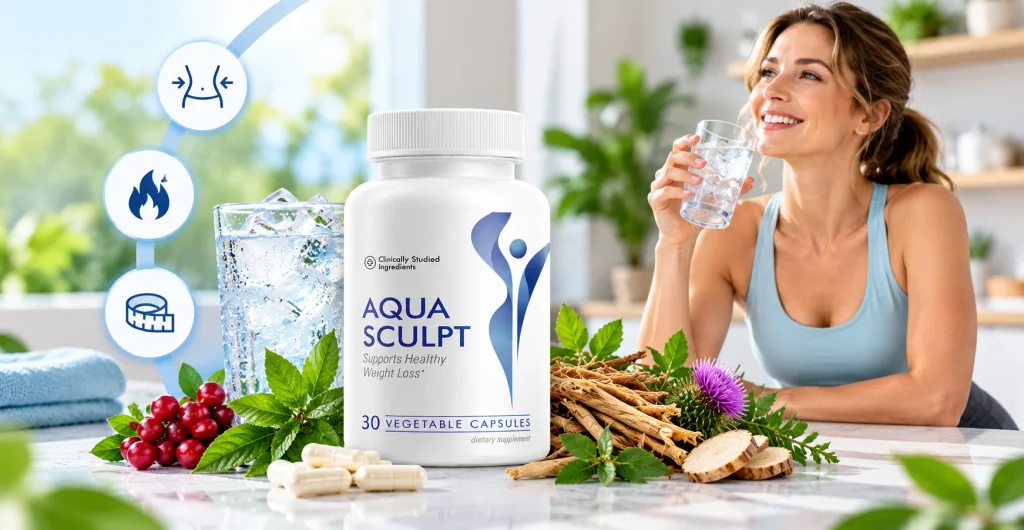
AquaSculpt is a dietary supplement marketed to assist with weight management and metabolic function, delivered in the form of vegetable capsules. According to the seller, each bottle contains 30 capsules—a one-month supply when taken at a dosage of one capsule per day. The product is presented as a specially formulated, natural, plant-based, and non-GMO supplement. Furthermore, it is claimed to be manufactured in a facility in the United States that is FDA-registered and GMP-certified.

Understanding AquaSculpt’s claims and promotional messaging: 

The seller’s marketing emphasises improvements to metabolic processes and body toning. Some online articles even claim that results can be achieved without making any changes to one’s diet or exercise routine! While this may sound appealing, is there reliable scientific evidence to support such promises? It has been noted that no independent clinical trials have been conducted on the final AquaSculpt formula; therefore, these claims cannot be considered proven.

Before making a decision about this product, keep the following points in mind:

  • Claims of weight loss: Any promotional material suggesting results without changes to diet or exercise should be scrutinised against impartial scientific evidence.
  • Customer reviews: The seller’s website claims a rating of 4.91 out of 5 for AquaSculpt, based on over 79,200 reviews. However, these figures are provided by the seller and have not been independently verified.

If we were to briefly discuss this supplement, we should not base our decisions on its advertisements or high ratings; rather, we must evaluate how reliable the product’s effectiveness is—which is the most crucial factor in weight management.

The Ice Water Trick: Real Science or Clever Marketing

The routine asks you to take the capsule with a large glass of cold water. The marketing idea is that your body burns energy to warm the cold water, giving your metabolism a nudge.

Researchers have actually tested this. An early study reported that drinking 500 ml of water raised metabolic rate by around 30% in healthy adults. A later study, however, found that room-temperature water did not raise energy expenditure, and water chilled to 3°C caused only a small 4.5% rise over an hour. The authors noted this was far below the energy it would theoretically take to warm the water, and questioned whether water is a useful tool for managing weight.

So the honest answer is that a cold glass of water burns very little extra energy. Drinking more water is still a healthy habit for moms, especially if it replaces sugary drinks or helps you notice thirst before reaching for snacks. It is simply not a fat-loss method on its own, with or without a capsule.

A Mom’s Ingredient Check: What’s Inside AquaSculpt
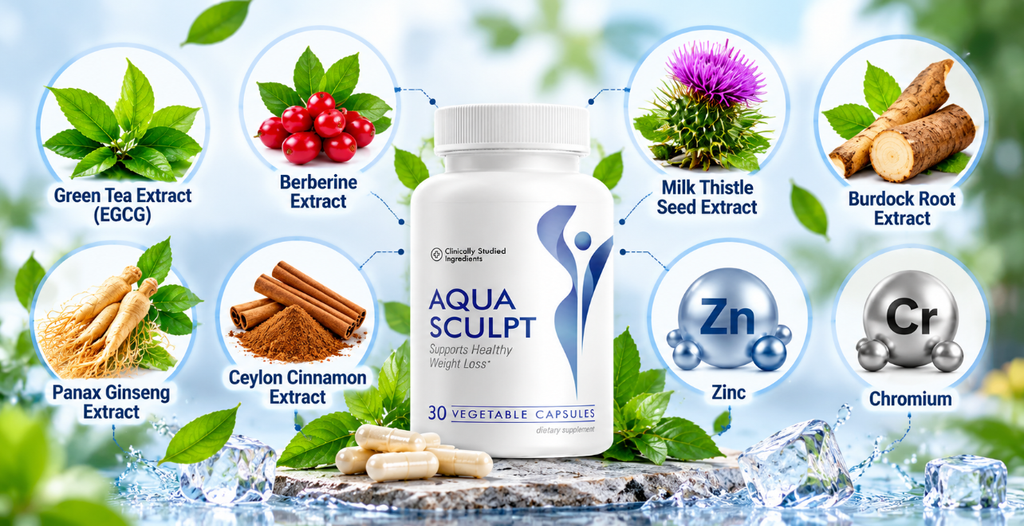
When examining the ingredients of AquaSculpt, the first things that stand out are the zinc and chromium listed on the label. Additionally, it contains a “proprietary blend” consisting of green tea leaf extract (EGCG), milk thistle seed extract, cayenne pepper, resveratrol, and berberine. However, does the mere presence of these ingredients reveal the exact impact each one will have on your body?

The best approach is to carefully review the “Supplement Facts” panel printed on the bottle you have in your possession. After all, when purchasing a supplement, knowing the names of the ingredients is not enough; it is equally important to understand their quantities and the information provided on the label. This will enable you to make a more informed decision about the product.

Ingredient What it is known for What moms should know 
Green tea leaf extract (EGCG) Studied for small effects on energy use Concentrated extracts are linked to rare liver injury, with higher risk on an empty stomach 
Berberine Popular online for blood sugar and weight Not considered safe during pregnancy or breastfeeding, may interact with medicines and lower blood sugar 
Chromium Mineral involved in insulin action Can affect blood sugar, evidence for weight is small 
Zinc Essential mineral for immunity and healing Not a weight ingredient; check total intake if you take a prenatal or multivitamin 
Cayenne fruit Contains capsaicin, which may slightly raise energy use Can upset sensitive stomachs or trigger heartburn 
Resveratrol Plant compound studied for metabolic health Human results are mixed, may interact with blood thinners 
Milk thistle Traditionally used for liver support May cause reactions in people allergic to ragweed and related plants 

Two ingredients deserve extra attention. With green tea extract, a US Pharmacopeia monograph calls for certain green tea extract products to carry the warning “Do not take on an empty stomach,” partly because EGCG is absorbed several times more efficiently without food. Remember that research on single ingredients does not prove the finished formula will work the same way.

Pregnant, Breastfeeding or Trying to Conceive? Read This First

This is the most important section for many readers. AquaSculpt is not a product for pregnancy or nursing, and the reason comes down mainly to one ingredient.

During Pregnancy or While Trying to Conceive

NCCIH advises that people who are pregnant or breastfeeding should not use berberine. Beyond berberine, the formula combines several active compounds in undisclosed amounts, and weight-loss products are generally not recommended during pregnancy. If you are trying to conceive, talk with your doctor or midwife before taking any weight-management supplement, since many people do not know they are pregnant in the earliest weeks.

While Breastfeeding

Many moms start thinking about their weight in the months after birth, often while still nursing. This is exactly when extra caution matters. According to NCCIH, berberine should not be given to infants because it can cause or worsen jaundice in newborns and could lead to a serious condition called kernicterus. Because supplements taken by a nursing mother may pass into breast milk, berberine-containing products are best avoided while breastfeeding. Your healthcare provider or lactation consultant can suggest safer ways to support your health during this stage.

After Weaning

Once you have finished breastfeeding and are not pregnant, the decision becomes more like it is for any adult. Even then, check with your doctor first if you have had pregnancy-related blood sugar problems, liver concerns, thyroid changes or if you take any medication. Unexplained weight changes after having a baby deserve a medical check before any supplement.

Fitting AquaSculpt Into a Real Family Day

If you are past pregnancy and breastfeeding and your doctor is comfortable with it, here is how the seller says to use the product. Take one capsule once a day with a large glass of cold water, preferably on an empty stomach. Always follow the directions printed on the bottle you receive.

A few practical tips for family life:

  • Store it out of reach: Keep the bottle in a high cabinet away from children, not on the kitchen counter next to vitamins your kids see every day. The product is not intended for anyone under 18
  • Pick one fixed moment: Right after the school drop-off or before you start work tends to be easier to remember than “sometime in the morning”
  • Never double up: If you miss a day, simply continue the next day

What Does AquaSculpt Cost a Family Budget
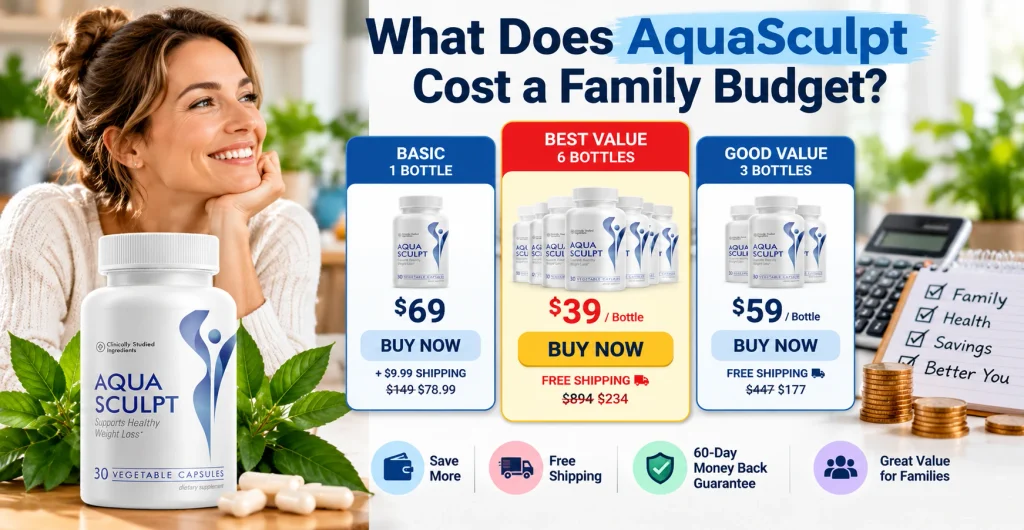
The official sales page has previously listed the following prices. These are historical reference prices, so check the current price, shipping and bonuses on the official offer page before you order.

Package Total price Per bottle Shipping Bonuses 
1 bottle (30 days) $69 $69 $9.99 None 
3 bottles (90 days) $177 $59 Free 1 bonus book 
6 bottles (180 days) $234 $39 Free 2 bonus books 

The seller states that every order is a one-time payment with no auto-ship or subscription, which is helpful if you worry about surprise charges on the family card. Bigger bundles lower the per-bottle cost, but they also mean committing to six months of a product you have not tried yet. For most first-time buyers, starting smaller is the more budget-friendly choice.

The 60-Day Refund in Simple Terms

If, after purchasing AquaSculpt, you feel the product isn’t meeting your expectations, it’s reassuring to know that a refund might be an option, right?

According to the seller, the product comes with a 60-day money-back guarantee. However, there are specific steps you must follow to obtain a refund: you will need to contact customer support and return the bottles. The seller states that even empty bottles can be returned; however, you will be responsible for the return shipping costs. To avoid any unexpected issues later, it is best to review the current refund policy before placing your order. Once your order is confirmed, be sure to save the confirmation email in a place where you can easily access it if needed.

AquaSculpt Customer Support Contact Information:

  • Phone Number: 1-866-838-5063
  • Phone Support Hours: 7 days a week, from 7:00 AM to 9:00 PM
  • Email: support@getaquasculpt.com
  • Email Response Time: According to the seller, responses are typically provided within 24 hours.

Keep in mind that while a refund option exists, the process is not automatic. Therefore, it is wise to understand the terms and conditions before making a purchase and to keep a record of your order.

Red Flags to Watch for in AquaSculpt Ads and Reviews

AquaSculpt is heavily promoted online, and not every page has your interests in mind. Watch for these warning signs.

Red flag Why it matters 
Promises of big weight loss without diet or exercise No supplement can honestly promise that 
Before-and-after stories with exact pounds lost in weeks Individual stories cannot predict your results 
Misspelled or country-specific copycat websites Many look-alike sites use the AquaSculpt name, and orders there may not be covered by the refund 
Marketplace listings from unknown sellers You cannot be sure what is inside the bottle 
No mention of pregnancy or breastfeeding cautions A responsible review should flag berberine safety 

To avoid copycat sites, buy only through the official offer page, which you can reach through our AquaSculpt review page.

Is AquaSculpt Right for You

Might be worth considering if you Probably not for you if you 
Are not pregnant, trying to conceive or breastfeeding Are pregnant, trying to conceive or nursing 
Have checked with your doctor Take diabetes medicine, insulin, blood thinners or other prescriptions without medical advice 
Already eat balanced meals and stay active Want fast, guaranteed results 
Are comfortable with modest, uncertain results Have a liver condition or a sensitive stomach 
Prefer a simple one-time purchase Want exact amounts for every ingredient 

If you are in the early months after birth, your body is still recovering, and gradual changes through sleep, nourishing meals and gentle movement are usually the safest path. Your doctor, midwife or a registered dietitian can help you set realistic postpartum goals that fit your health and your family life.

Final Thoughts

Could AquaSculpt truly be an easy solution for weight management in your busy life, or are there other factors to consider before making a purchase?

Features like a once-daily usage regimen, a one-time payment, and a 60-day money-back guarantee might make the product seem appealing. However, the impact of ice-infused water on weight loss is minimal; the precise quantities of the ingredients are not disclosed, and the complete formula has not undergone any independent clinical trials. More importantly, the product contains berberine, which is not considered safe during pregnancy or breastfeeding. If you are past these stages, you might consider using this product as part of a healthy lifestyle—but only after consulting with your doctor. If you are pregnant or breastfeeding, it is best to avoid potential risks and seek medical advice regarding safer alternatives.

Remember, your well-being—and that of your child—along with decisions based on scientific evidence, are always far more important than any enticing marketing promises.

This article is for general information only and is not medical advice. It may contain affiliate links, and Momvity may earn a commission at no extra cost to you.

Frequently Asked Questions

Is AquaSculpt safe during pregnancy?

No, it is not recommended during pregnancy. Berberine is considered unsafe for pregnant women, and weight-loss supplements are generally not advised while expecting. If you are trying to conceive, check with your doctor before taking it.

What is AquaSculpt?

AquaSculpt is a dietary supplement in vegetable capsules marketed for healthy weight management and metabolism support. Each bottle contains 30 capsules for a 30-day supply. It is not a medicine and is not meant to diagnose or treat any condition.

Does the ice water hack help with weight loss?

Very little. Research shows chilled water causes only a small, short-lived rise in energy use, around 4.5% over an hour in one study. Drinking water is healthy, but it is not a meaningful weight-loss method on its own.

What ingredients are in AquaSculpt?

Label information lists zinc and chromium plus a proprietary blend that includes green tea leaf extract (EGCG), milk thistle seed extract, cayenne fruit, resveratrol and berberine. Exact amounts in the blend are not published. Always confirm the formula on the Supplement Facts panel of your bottle.

How should I take AquaSculpt?

The seller recommends one capsule a day with a large glass of cold water, preferably on an empty stomach. Follow the directions on the bottle you receive. Because of green tea extract cautions, ask your doctor whether taking it with food is a better choice for you.

Is AquaSculpt a subscription?

The seller states that orders are a one-time payment with no auto-ship or subscription. You pay once for the package you choose. It is still wise to review your order summary before paying.

How does the AquaSculpt refund work?

The seller offers a 60-day money-back guarantee. You contact support, return the bottles, which can include empty ones according to the seller, and pay the return shipping. Refunds generally apply only to orders placed through the official offer page.


Related Articles

early pregnancy vitamins

Early Pregnancy Vitamins: What You Need and Why It Matters

Did you know that during the first few weeks of pregnancy, the brain and spinal cord of your developing baby begin to form? 

At this stage, many mothers may not even be aware that a new life is on the way. Seeing two red lines on a pregnancy test often brings a mix of joy and a flurry of questions. 

What foods are best for the baby? Which vitamins support brain development? And with so many products available on the market, which one is truly right for your needs?

Exploring these questions makes it essential to learn about “early pregnancy vitamins.” Certain nutrients play a vital role in the healthy development of your baby during the early stages of pregnancy.

Dear mother, consider this: you might not have given much thought to your daily diet before, but now that you are expecting, you likely find yourself wanting to know about every component of what you eat. This is a beautiful transformation that comes with motherhood. However, keep in mind that more vitamins do not necessarily mean greater benefits for your baby. It is important to understand which nutrients are required, which can be obtained from food, and which might be needed as supplements. 

Let’s explore the most important nutrients for both your body and your unborn baby during the early stages of pregnancy.

Early Pregnancy Vitamins at a Glance

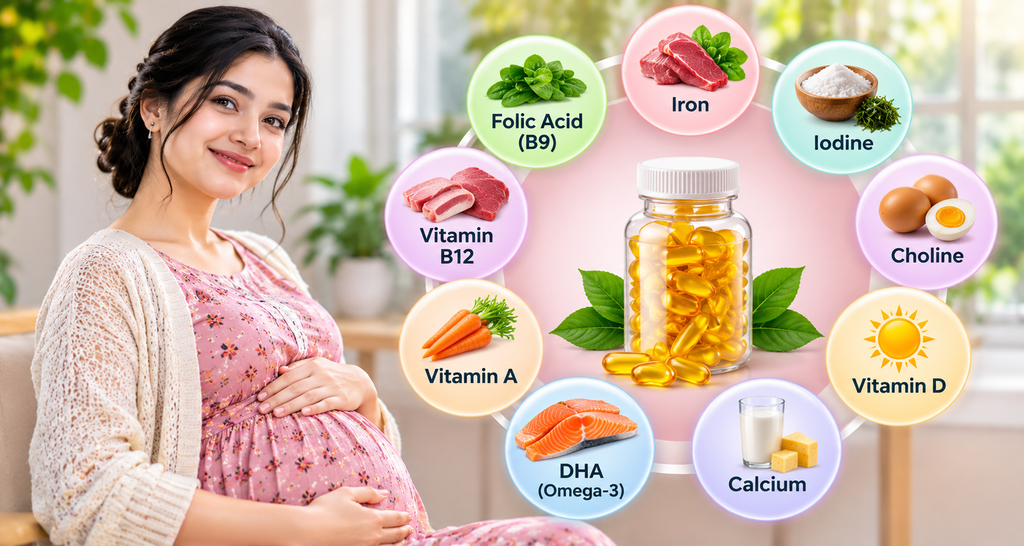
During pregnancy, your body’s nutritional needs change. In the first three months in particular, the baby’s brain, nervous system, bones, and other vital organs begin to develop. Therefore, in addition to your daily meals, it is essential to pay special attention to the intake of certain vitamins and minerals.

For your convenience, the daily nutritional requirements for pregnant women aged 19 and older are presented in the table below.

NutrientDaily RequirementMain Benefits
Folic Acid400 mcg (600 mcg DFE total folate)Brain and spinal cord development
Iron27 mgRed blood cell production
Iodine220 mcgBrain and thyroid development
Choline450 mgBrain and spinal cord development
Vitamin D15 mcg (600 IU)Bone development
Calcium1,000 mgStrong bones and teeth
Vitamin B122.6 mcgNerve and blood cell health
Vitamin A770 mcg RAEEye, skin and immune health
DHANo official RDABrain and eye development

Keep in mind that the amounts listed in the table represent your total daily nutritional requirements. This does not mean that you must obtain all of these nutrients solely from prenatal vitamins; you can meet these requirements through a combination of your diet and supplements.

Why Vitamins Matter So Much in Early Pregnancy

Have you ever wondered why early fetal development is so critical?

The answer lies in the initial formation of the baby’s body. During this period, a specialized structure called the “neural tube” develops, which eventually forms the baby’s brain and spinal cord.

Remarkably, this neural tube closes as early as the third or fourth week of pregnancy—often before a woman has even taken a pregnancy test. This means that by the time you discover you are pregnant, a vital stage of your baby’s development may have already been completed. A lack of sufficient folic acid can increase the risk of “neural tube defects”—congenital issues affecting the brain and spinal cord. According to the CDC, consuming 400 micrograms of folic acid daily helps prevent some of these birth defects.

This is why doctors recommend taking appropriate vitamins as soon as you begin planning for pregnancy. However, if you haven’t been taking any supplements, don’t blame yourself. Once you learn you are pregnant, consult your doctor and start taking them as soon as possible. Remember, it is never too late to start taking care of yourself.

The Most Important Early Pregnancy Vitamins and Minerals

Folic Acid: The Top Priority

Folic acid is one of the most important nutrients during the early stages of pregnancy. It is a form of vitamin B9 that aids in the creation of new cells and supports the healthy development of a baby’s brain and spinal cord. This vitamin is particularly crucial for the proper formation and closure of the neural tube.

Generally, a daily intake of 400 micrograms of folic acid is recommended. Ideally, one should begin taking it at least one month before conception. During pregnancy, the total daily requirement for folate is 600 micrograms DFE (Dietary Folate Equivalents). Since these two measurements are not the same, it is important to keep this in mind when reading product labels.

For women who have previously given birth to a child with a neural tube defect, a doctor may recommend a daily intake of 4,000 micrograms of folic acid. However, as this is a significantly higher dose than the standard recommendation, it should never be taken in such large amounts without a doctor’s explicit guidance.

Why Is Folic Acid So Important Before Pregnancy?

Many mothers believe that it is sufficient to start taking folic acid only after a pregnancy test comes back positive. In reality, however, the baby’s neural tube develops very rapidly; therefore, it is crucial to have adequate levels of folic acid in the body even before conception.

Also, be aware that, in addition to folic acid, an alternative form of vitamin B9—known as methylfolate or 5-MTHF—is available on the market. However, there is not yet sufficient evidence for methylfolate that matches the proven efficacy of folic acid in preventing neural tube defects. Consequently, when purchasing prenatal vitamins, check the label to ensure that it specifically lists “folic acid.”

Iron: For Your Growing Blood Supply

During pregnancy, the volume of blood in your body increases, as extra blood is required to deliver oxygen to both your own body and that of your baby. Iron plays a crucial role in the production of red blood cells.

Pregnant women aged 19 or older require approximately 27 milligrams of iron daily. A deficiency can lead to anemia, which may cause symptoms such as excessive fatigue, weakness, and dizziness.

Good sources of iron include beef, chicken, fish, lentils, beans, spinach, and iron-fortified cereals. However, consuming iron-rich foods is not enough; how well your body absorbs that iron is also important. For instance, consuming plant-based sources of iron—such as lentils or spinach—alongside lemon, oranges, or other foods rich in Vitamin C can enhance iron absorption.

It is also important not to consume an excessive amount of iron. For adult pregnant women, the upper tolerable intake limit is 45 milligrams per day. If a blood test reveals a deficiency, your doctor may recommend additional supplements.

Iodine: Often Missing From the Label

Iodine is a mineral that helps in the production of thyroid hormones. These hormones are essential for the normal development of a baby’s brain and nervous system.

During pregnancy, approximately 220 micrograms of iodine are required daily. Various health organizations recommend obtaining about 150 micrograms of iodine through prenatal supplements.

However, many mothers overlook an important detail: not all prenatal vitamins contain an adequate amount of iodine. Therefore, one should not simply rely on the label “Prenatal Vitamin” on the bottle; be sure to check the list of ingredients.

Iodine can also be obtained from sources such as iodized salt, milk, eggs, and saltwater fish. That said, if you have any thyroid-related issues, do not take iodine supplements on your own. A doctor will determine the appropriate dosage based on your specific health condition.

Choline: The Nutrient Many Moms Have Never Heard Of

Choline is an essential nutrient that many mothers may not have heard of before. Yet, it plays a crucial role in the development of a baby’s brain and spinal cord.

During pregnancy, about 450 milligrams of choline are required daily. Eggs are an excellent source of this nutrient. Choline can also be found in fish, meat, milk, lentils, and broccoli.

It is important to note that many prenatal vitamins contain little to no choline. Therefore, do not assume that taking a vitamin supplement alone meets all your nutritional needs. Be sure to consider whether you are obtaining enough choline from your daily diet.

Vitamin D and Calcium: Building Strong Bones

Calcium is essential for the development of strong bones and teeth in a baby. Vitamin D, on the other hand, helps the body absorb calcium; these two nutrients are therefore interconnected.

Pregnant women aged 19 or older require approximately 1,000 milligrams of calcium and 15 micrograms (or 600 IU) of Vitamin D daily.

Good sources include milk, yogurt, cheese, calcium-fortified plant-based milk, and certain types of fish that can be eaten with their bones. Check the calcium content in your prenatal vitamins, and aim to obtain the remainder from your diet.

Vitamin B12: Especially for Vegetarians and Vegans

Vitamin B12 helps maintain a healthy nervous system and supports the production of red blood cells. During pregnancy, the daily requirement is approximately 2.6 micrograms.

Vitamin B12 is typically found in meat, fish, eggs, and dairy products. Consequently, individuals who follow a strictly plant-based diet may be at a higher risk of a deficiency in this vitamin.

If you follow a vegan or vegetarian diet, ensure you pay attention not only to Vitamin B12 but also to iodine, choline, iron, and omega-3 fatty acids. If necessary, consult a doctor or a nutritionist to help you create an appropriate dietary plan.

DHA and Omega-3s

DHA is an important type of omega-3 fatty acid that supports the development of a baby’s brain and eyes. It is particularly important to pay attention to this nutrient if you do not consume fish regularly.

Fish with low mercury content, such as salmon, sardines, and trout, are good sources of DHA. Some prenatal vitamins contain DHA, while others do not.

There is no specific government-mandated daily requirement for DHA. However, experts generally recommend a combined intake of at least 250 mg of DHA and EPA, along with an additional 100–200 mg of DHA. If you rarely eat fish, consult your doctor to determine whether a separate DHA supplement is necessary for you.

What to Avoid: Too Much of Some Vitamins

Be Careful With Vitamin A

Vitamin A is essential for eye health, skin, and immune function. However, excessive intake during pregnancy can be dangerous.

In particular, consuming too much “preformed” Vitamin A—known as retinol or retinyl—can increase the risk of birth defects. For pregnant women, the upper limit for this form of Vitamin A is 3,000 micrograms per day.

On the other hand, beta-carotene—found in foods like carrots, sweet potatoes, and green leafy vegetables—is converted into Vitamin A by the body only as needed.

Therefore, do not take general multivitamins, beauty supplements, and prenatal vitamins simultaneously without first having them reviewed by a doctor. Remember, taking an excessive amount of vitamins during pregnancy is not a sign of good maternal care; rather, consuming the right amount based on actual needs is a sign of being a responsible and informed expectant mother.

Herbal Supplements

Many mothers believe that products made from natural or herbal ingredients are completely safe during pregnancy. In reality, however, there is not enough research on the safety of all such herbal ingredients.

Therefore, consult a doctor or pharmacist before taking any herbal pills, special tea blends, or herbal powders. This precaution is especially important if you are already taking other medications.

How to Choose a Prenatal Vitamin

There are many types of prenatal vitamins available on the market. Some come as tablets, others as capsules, and some are sold in the form of gummies. However, there is no guarantee that the most expensive bottle will be the best one for you.

Consider the following factors when choosing a suitable prenatal vitamin.

CheckWhat to Look For
Folic Acid400 mcg
IronClose to 27 mg
IodineAbout 150 mcg
Vitamin ASafe amount of preformed vitamin A
Vitamin D15 mcg (600 IU)
CholineIncluded or obtained through food
DHAIncluded or obtained through food
Third-Party TestingUSP, NSF or ConsumerLab

Gummies vs. Pills

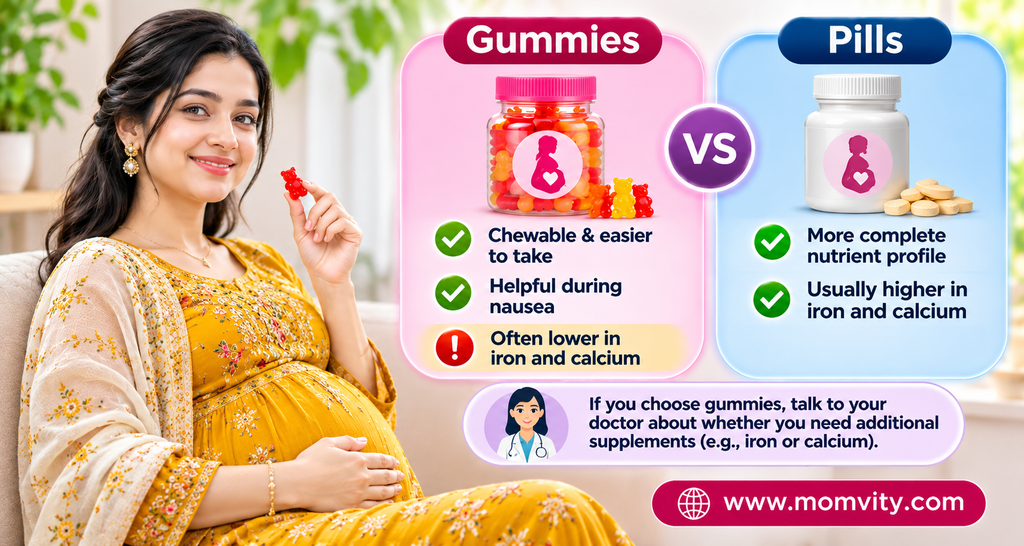
For those who experience significant nausea during early pregnancy, gummy vitamins may be a more manageable option. They are chewable, which many find convenient to take.

However, there is a drawback: many gummy prenatal vitamins do not contain sufficient amounts of iron or calcium. Therefore, if you choose to take gummies, consult your doctor about whether you need any additional supplements.

Managing Side Effects of Prenatal Vitamins

Nausea

Many women experience nausea during the early stages of pregnancy, and taking prenatal vitamins can sometimes make this discomfort worse.

Have you ever felt stomach discomfort throughout the day after taking your vitamins in the morning? If so, you might consider—with your doctor’s approval—taking them at night alongside a light snack. This approach proves helpful for some women.

However, if you experience persistent vomiting or are unable to keep any food or medication down, please consult your doctor. They may be able to recommend a different type of supplement if necessary.

Constipation

Taking prenatal vitamins that contain iron can sometimes lead to constipation. This can be particularly uncomfortable for those who already have digestive issues.

You can follow a few steps to help alleviate this problem.

  • Drink plenty of water every day.
  • Eat fruits, vegetables, and fiber-rich foods.
  • Engage in light walking, provided you have your doctor’s approval.
  • Consult your doctor about using a stool softener, if necessary.

Also, keep in mind that you should not stop taking iron supplements on your own just because you are experiencing constipation. If you inform your doctor about the issue, they can adjust the type of supplement or the method of administration as needed.

Conclusion: A Healthy Beginning for Your Little One

By now, you surely understand that taking care of yourself during early pregnancy is not just about eating more food or taking a large number of vitamins at once. Rather, the most important thing is to know which nutrients are needed, when they are required, and how to consume them safely. A high-quality prenatal vitamin, a nutritious diet, and regular medical consultations will help ensure a healthy start to your pregnancy.

Health Disclaimer: This article is intended solely for general health education purposes. It is not a substitute for professional medical advice. Always consult with your doctor, OB-GYN, or midwife before starting, stopping, or changing any vitamins or supplements during pregnancy.

Frequently Asked Questions

What Vitamins Should I Take in Early Pregnancy?

Generally, an appropriate prenatal vitamin—rich in folic acid, iron, iodine, and vitamin D—is necessary. Choline and DHA are also important. However, specific requirements may vary depending on your diet and physical condition.

When Should I Start Taking Prenatal Vitamins?

Ideally, it is best to start taking prenatal vitamins containing folic acid at least one month before planning a pregnancy. However, if you have not started by then, begin taking them after consulting your doctor once you learn that you are pregnant.

Can I Take a Regular Multivitamin Instead of a Prenatal Vitamin?

It is better to choose prenatal vitamins instead of regular multivitamins, as the levels of folic acid, iron, or iodine in regular multivitamins may not be suitable for pregnancy. Some products may also contain excessive amounts of vitamin A.

Are Gummy Prenatal Vitamins as Good as Pills?

Taking gummy vitamins can be easy, especially for those experiencing nausea. However, many gummy vitamins do not contain sufficient amounts of iron and calcium. Therefore, consult with a doctor before taking them.

Is Methylfolate Better Than Folic Acid?

Methylfolate, or 5-MTHF, is an alternative form of vitamin B9. However, the effectiveness of folic acid in preventing neural tube defects is well-established. Therefore, when choosing prenatal vitamins, check to ensure they contain folic acid.

Why Does My Prenatal Vitamin Make Me Nauseous?

Nausea can occur during early pregnancy due to hormonal changes. Taking vitamins may further increase this discomfort. In some cases, taking them at night along with a light meal can be helpful.

Can I Take Too Many Vitamins During Pregnancy?

Yes, taking excessive amounts of vitamins can be harmful. In particular, high levels of preformed vitamin A can increase the risk of birth defects. Therefore, do not take multiple multivitamins or supplements at the same time.

Do I Need a DHA Supplement in Early Pregnancy?

Not everyone needs a separate DHA supplement. DHA can be obtained from fish low in mercury, such as salmon and sardines. If you do not eat fish regularly, consult your doctor about whether an additional supplement is necessary for you.

Scroll to Top