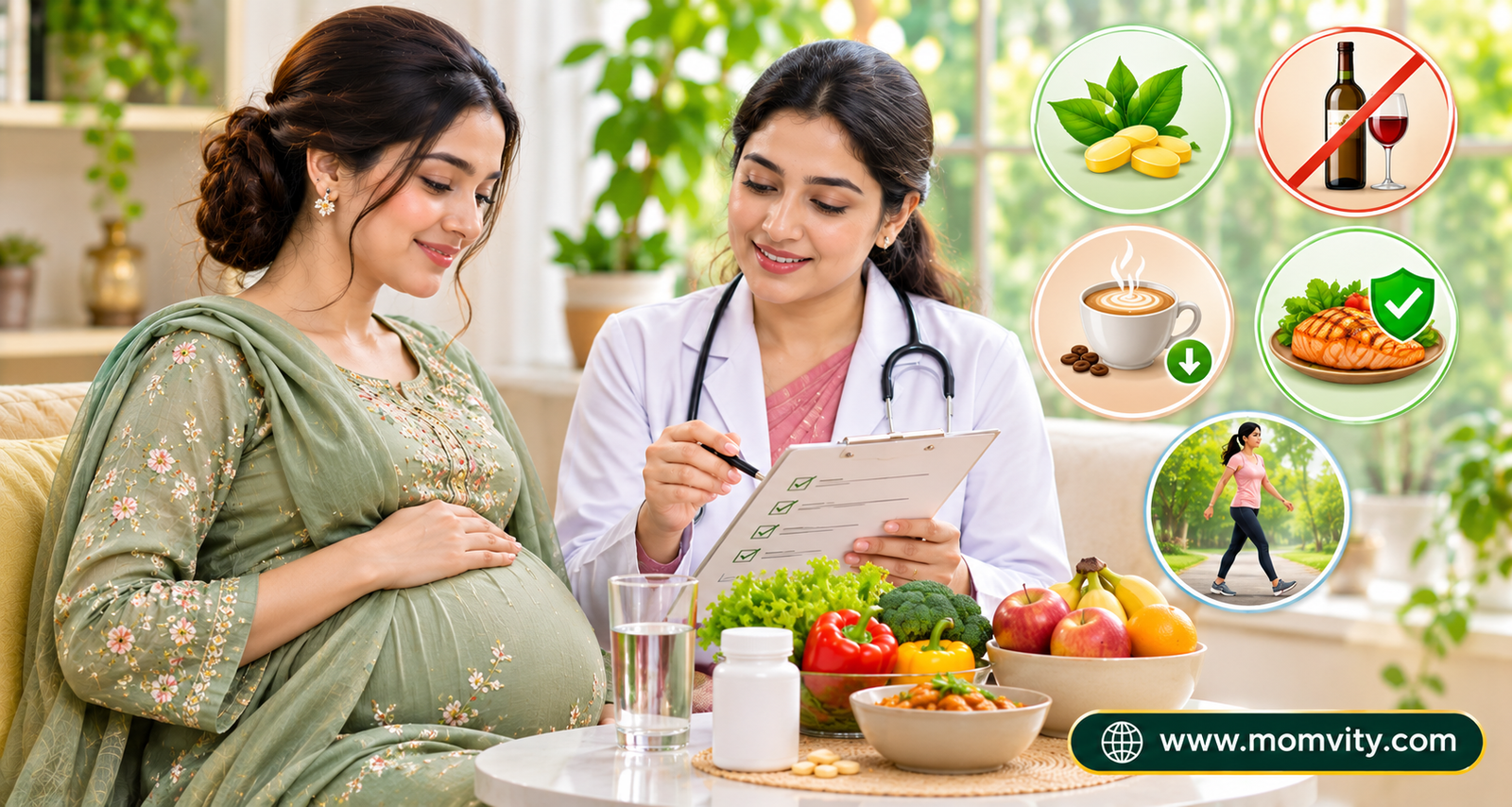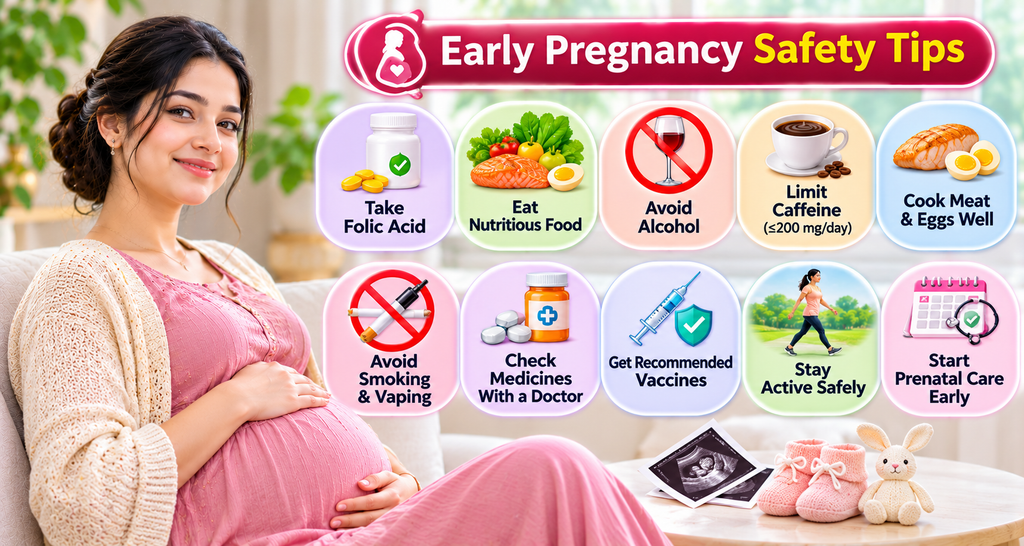

A positive test can change everything overnight. Suddenly you are wondering if your morning coffee is okay, whether you can still exercise, and why you feel so tired by 3 p.m. These early pregnancy lifestyle tips are here to help you sort the real advice from the noise.
In today’s article, you will easily learn what foods to consume and what to avoid in this situation. Additionally, you will find out how much caffeine is safe to intake, as well as discover helpful ways to manage fatigue. Furthermore, it is specifically mentioned here how much one should adjust their daily routine during pregnancy, and what measures can be taken to ensure a healthy environment during this period. Moreover, this has been done to facilitate the understanding of research reports or data concerning various major problems.

Early Pregnancy Lifestyle Tips at a Glance
If you only have a minute, start here.
| Habit | What experts advise | Why it matters |
| Folic acid | 400 mcg every day | Helps prevent birth defects of the brain and spine |
| Prenatal care | Call your OB or midwife soon after a positive test | Early checks catch problems sooner |
| Caffeine | Less than 200 mg a day from all sources | Higher amounts are linked to miscarriage risk |
| Alcohol | None at all | No known safe amount or safe time |
| Smoking and vaping | Stop completely | Nicotine harms a baby’s developing brain and lungs |
| Exercise | Work up to 150 minutes a week of moderate activity | Supports energy, mood and a healthy pregnancy |
| Fish | 8 to 12 oz (about 225 to 340 g) a week of lower-mercury fish | Gives nutrients that support your baby’s growth |
| Hot tubs and saunas | Avoid, especially in the first trimester | Overheating early on is linked to neural tube defects |
| Cat litter | Let someone else change it | Lowers the risk of an infection called toxoplasmosis |
Why Healthy Habits Matter So Much in Early Pregnancy
Through various articles from the CDC, we have learned a significant piece of information: congenital defects involving the brain and spinal cord occur precisely during those early stages when a woman may not even be aware that she is pregnant.
Therefore, the early stages of pregnancy are crucial for the physical well-being of your unborn child. During this period, it is important to follow specific guidelines and strive to develop healthy habits that will ensure your baby remains completely protected.
Start With Prenatal Care and a Daily Vitamin
Book Your First Prenatal Visit
Once you confirm that you are pregnant, you should contact a gynaecologist as soon as possible. Most doctors or healthcare providers typically schedule a comprehensive consultation between the 8th and 10th week of pregnancy; however, if you experience physical weakness or any other concerns, you may choose to reach out to them even sooner.
If you are already taking any supplements or medications, be sure to bring the relevant documentation with you when you go to see your doctor.
Take Folic Acid Every Day
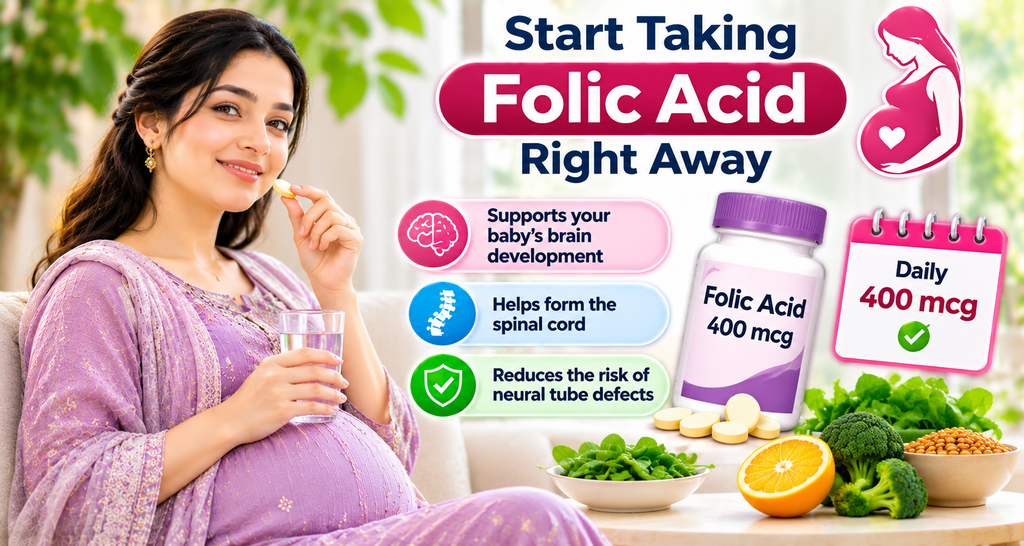
Folic acid is a B vitamin that helps your baby’s neural tube (the early form of the brain and spine) close properly. The CDC advises getting 400 micrograms (mcg) of folic acid every day before and during early pregnancy to help prevent neural tube defects such as spina bifida.
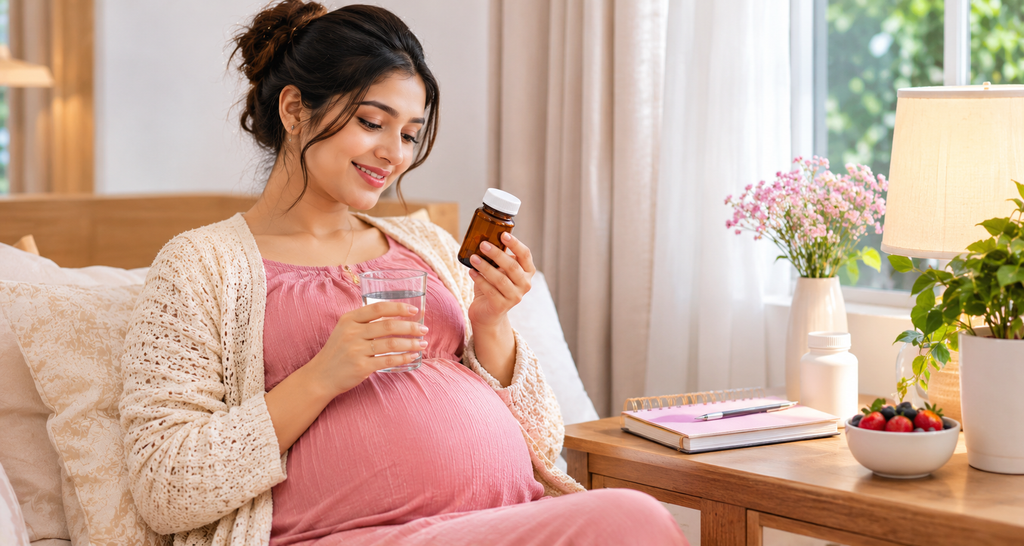
Most prenatal vitamins already contain this amount. The CDC also points out that more is not better when it comes to folic acid supplements, unless your doctor recommends a higher dose for a specific health reason.
Early Pregnancy Lifestyle Tips for Eating Well
You Do Not Need to “Eat for Two” Yet
Weight gain during pregnancy is very common; however, in the first few months, most women may gain only one to four or five pounds. Furthermore, there is no need to consume an excessive amount of food or extra calories during these initial weeks. In some cases, women may experience weight loss, which can occur due to nausea or an inability to eat for an extended period. However, there is no cause for concern here; but if this issue persists for a long time, then you might consider it a reason for concern.
Your total weight gain goal depends on your weight before pregnancy. These ranges come from the Institute of Medicine (now the National Academy of Medicine) and are used by ACOG.
| Pre-pregnancy BMI | Recommended total gain (one baby) |
| Under 18.5 | 28 to 40 lb (about 12.5 to 18 kg) |
| 18.5 to 24.9 | 25 to 35 lb (about 11.5 to 16 kg) |
| 25 to 29.9 | 15 to 25 lb (about 7 to 11.5 kg) |
| 30 and above | 11 to 20 lb (about 5 to 9 kg) |
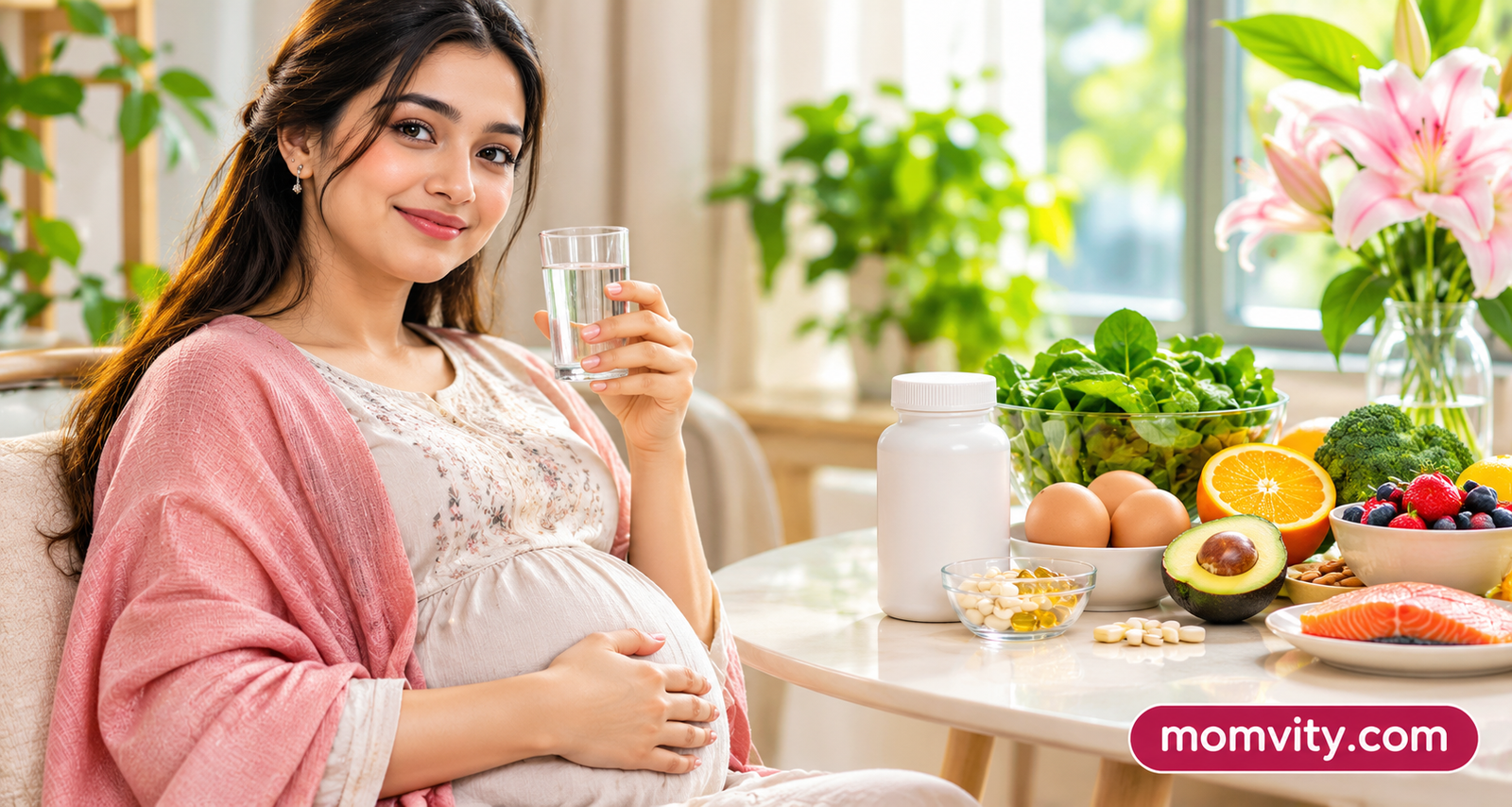
A healthy early pregnancy diet is simple: whole grains, beans, eggs, dairy, lean meat, fruit and vegetables. On rough days, any food you can keep down is a win.
Choose the Right Fish
Research based on recommendations from the FDA and EPA suggests that, from the first week of pregnancy through the 12th week, one should consume 8 to 12 ounces of fish per week—provided that the fish chosen are low in mercury. Shrimp, tilapia, and snakehead fish contain very low levels of mercury; therefore, these can be a good choice to include in your daily diet.
However, white tuna should be consumed only once a week. One should avoid overconsumption of this fish; in fact, it is best to refrain from eating fish that contain high levels of such substances.
Keep Food Safety in Mind
The CDC says pregnant women are 10 times more likely than other people to get a Listeria infection, and pregnant Hispanic women are 24 times more likely. This infection can cause miscarriage, stillbirth and preterm labor.
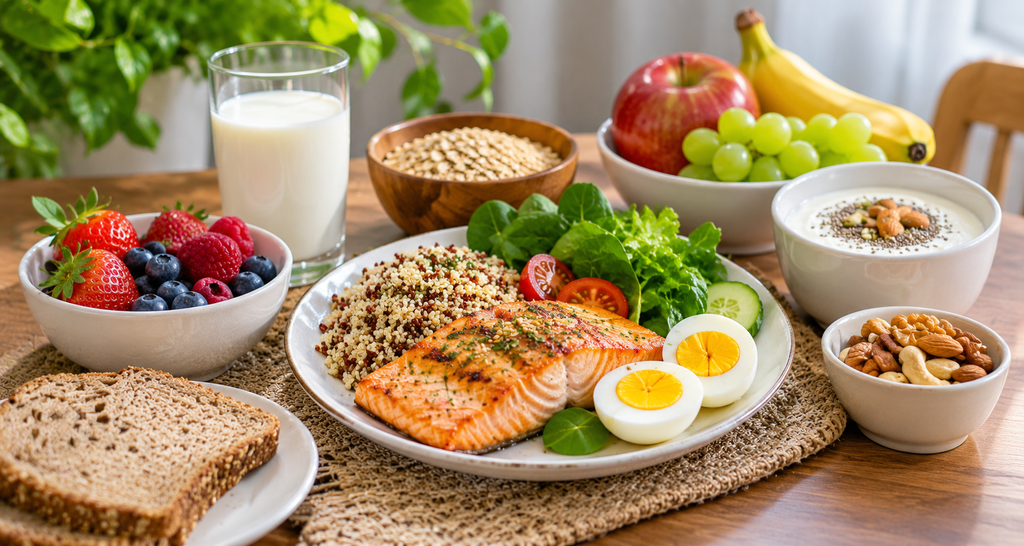
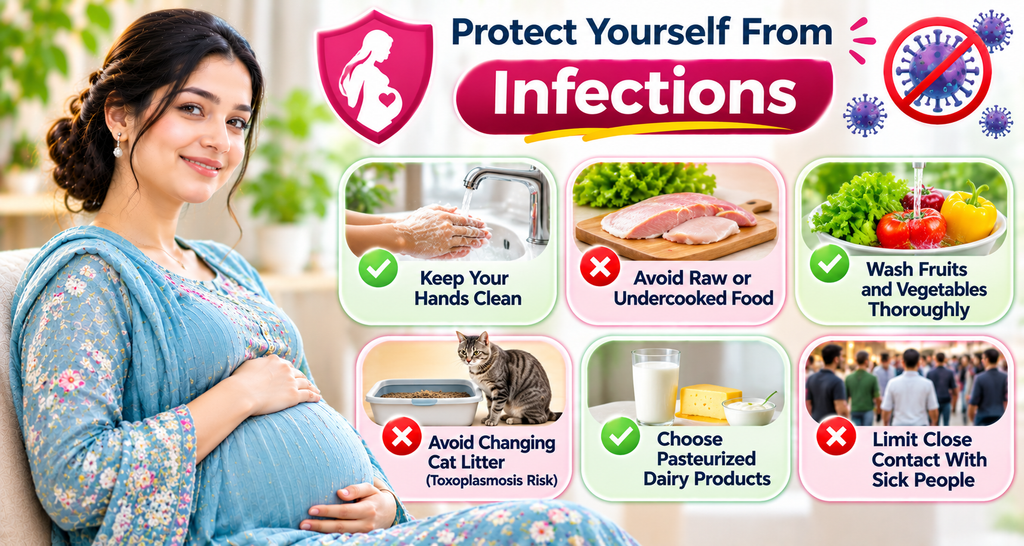
To lower your risk, heat deli meats and hot dogs until steaming hot, skip unpasteurized (raw) milk and the cheeses made from it, and cook meat, poultry, eggs and seafood all the way through. Keep in mind that the fridge does not kill Listeria, but cooking and pasteurization do.
Read More: Pregnancy Food Safety
Simple Ways to Ease Morning Sickness
Nausea is one of the most common early pregnancy symptoms, and it can show up at any time of day, not just mornings. These early pregnancy lifestyle tips help many moms:
- Eat a few dry crackers before getting out of bed
- Have small meals or snacks every few hours so your stomach is never empty
- Choose bland foods and skip greasy or spicy ones
- Try something with real ginger, like ginger tea or ginger candies
- Sip fluids slowly through the day instead of gulping a lot at once
ACOG considers vitamin B6, alone or combined with doxylamine, safe and effective for pregnancy nausea. Ask your provider before starting either, so they can suggest the right dose for you.
Caffeine, Alcohol, Smoking and Vaping
How Much Caffeine Is Okay?
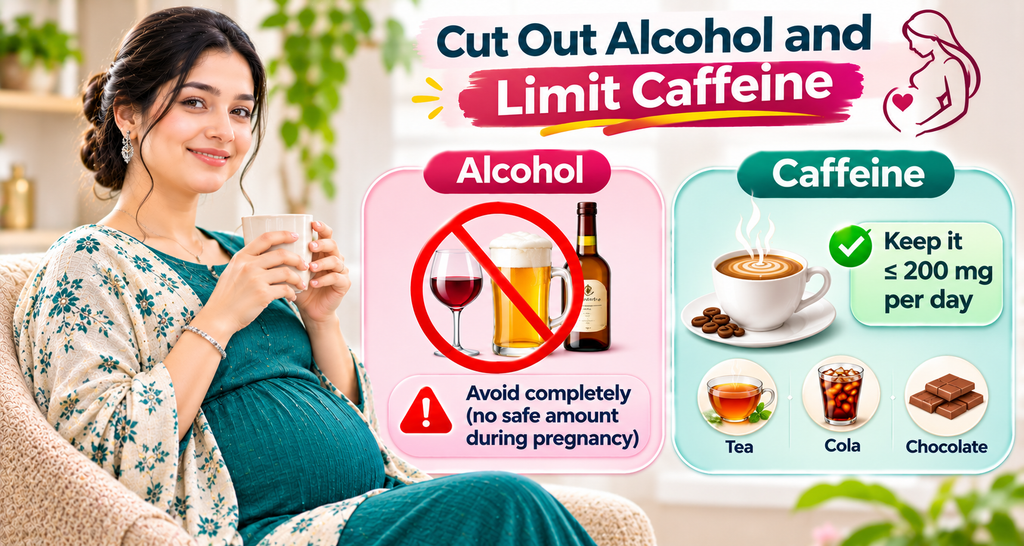
Many people believe that once you become pregnant, you must completely avoid items like tea and coffee; however, this is not entirely true. Instead of giving them up completely, you can consume up to 200 milligrams of tea or coffee per day. We have adopted this recommendation from an ACOG research paper. However, we need to understand what is actually meant by ‘caffeine’; it refers to substances found in items such as tea, soda, chocolate, and certain pain-relieving medications.
| Drink (8 oz / 240 ml unless noted) | Approximate caffeine |
| Brewed coffee | 95 to 200 mg (varies a lot by brew) |
| Espresso, 1 shot | about 63 mg |
| Black tea | about 47 mg |
| Green tea | about 28 mg |
| Cola | about 22 mg |
| Decaf coffee | about 2 to 7 mg |
A large coffee-shop cup can pass the daily limit in one go, so check sizes and labels.
Alcohol: Skip It Completely
The CDC is clear that there is no known safe amount of alcohol during pregnancy, no safe time to drink and no safe type of alcohol. That includes wine and beer. Drinking during pregnancy can cause miscarriage, stillbirth and lifelong conditions called fetal alcohol spectrum disorders.
If you drank before you knew you were pregnant, try not to panic. The CDC notes it is never too late to stop, and the sooner, the better. Tell your provider.
Smoking and Vaping
Smoking during pregnancy raises the risk of preterm birth, low birth weight and sudden infant death syndrome (SIDS). The CDC also says e-cigarettes are not safe in pregnancy, because nicotine can damage a baby’s developing brain and lungs. Even breathing other people’s smoke can be harmful.
Quitting is hard, so ask your provider about safe support to help you stop.
Staying Active: Early Pregnancy Lifestyle Tips for Exercise
If you have no medical or pregnancy complications, movement is one of the best gifts you can give yourself. ACOG recommends at least 150 minutes of moderate-intensity activity a week. That could be 30 minutes, five days a week, or short 10-minute walks spread through your day.
Moderate intensity means you can still talk but you could not sing. If you were not active before pregnancy, start with as little as 5 minutes a day and add 5 minutes each week until you reach 30 minutes.
Walking, swimming, stationary cycling, prenatal yoga and low-impact classes are great choices. Avoid contact sports and activities with a high risk of falling, such as skiing or horseback riding. Stay well hydrated, wear loose clothing, and avoid exercising in high heat and humidity, which ACOG flags as especially important in the first trimester.
Picture a mom with a toddler and no time for the gym. A stroller walk after breakfast, a 10-minute walk at lunch and a short stretch before bed adds up fast.
Check with your provider before exercising if you have bleeding, heart or lung problems, high blood pressure, or a history of preterm birth.

Rest, Sleep and Managing Fatigue
Feeling wiped out in the first trimester is extremely common. Rising hormones, especially progesterone, plus the work of building the placenta can leave you tired even after a full night’s sleep. For many moms, energy starts to return in the second trimester.
Treat rest like part of your prenatal care. Go to bed earlier, nap when you can and let some chores wait. If you have other children, accept help with bath time or the morning rush.
Everyday Safety at Home and Work
Hot Tubs, Saunas and Overheating
Furthermore, you should be aware that if the body’s internal temperature rises excessively and suddenly during the early stages of pregnancy, it can lead to neural tube defects, which may result in damage to the neural pathways. According to various research methods cited by ACOG, you should avoid using hot water bottles or heating pads during the first few months (the first trimester) of pregnancy. However, if you are seeking relief or comfort, taking a bath in lukewarm (tepid) water is a much safer and more comfortable alternative.
Cats, Gardening and Toxoplasmosis
However, in these conditions, certain parasitic infections can occur that may harm the pregnancy; one such infection is toxoplasmosis. In particular, this parasite originates from cat feces; therefore, if you become pregnant, you should definitely try to have someone else handle this task. However, if you absolutely must perform this task, be sure to wear gloves and a face mask, and wash your hands thoroughly after finishing the cleaning.
However, this does not mean that you cannot keep a cat. According to information from the CDC, people are generally at risk of infection due to factors such as consuming undercooked meat or coming into contact with items that may be contaminated with infectious agents. So, when you do gardening work during pregnancy, be sure to wear gloves and a face mask, and make sure to wash your hands thoroughly once you have finished the task.
Medicines and Supplements
One of the simplest early pregnancy lifestyle tips is to check with your provider or pharmacist before taking any medicine, including over-the-counter pills, herbal products and supplements.
You may have seen headlines about acetaminophen (Tylenol). On September 22, 2025, the US Department of Health and Human Services announced a possible link between acetaminophen use in pregnancy and autism, and the FDA began a label change. ACOG responded the same day that the announcement was not backed by the full body of scientific evidence, and that the two highest-quality studies found no significant link. The Society for Maternal-Fetal Medicine also said acetaminophen is safe to treat pain and fever in pregnancy. Use it only when needed, exactly as directed, and talk with your provider about any concerns.
When to Call Your Doctor or Midwife

Most early aches and changes are normal. Still, even the best early pregnancy lifestyle tips cannot replace medical care, so call your provider for these signs.
| Symptom | What to do |
| Heavy bleeding, or bleeding with cramps or clots | Call your provider right away |
| Severe belly pain, especially on one side, or shoulder pain | Seek urgent care, as this can signal an ectopic pregnancy |
| Vomiting so often you cannot keep fluids down | Call your provider; you may need treatment for dehydration |
| A fever, chills or feeling flu-like | Call your provider for advice |
| Burning or pain when you pee | Call your provider, as it may be an infection |
| Fainting, severe dizziness or a racing heart | Seek medical care promptly |
| Feeling hopeless or having thoughts of harming yourself | Call 988 or 911, or call your provider right away |
Light spotting can be common early on, but always mention it to your provider.
Final Thoughts
The best early pregnancy lifestyle tips are not about being perfect. They are about a handful of steady habits: taking folic acid, getting prenatal care early, eating safe and simple foods, keeping caffeine moderate, avoiding alcohol and nicotine, moving gently and resting when your body asks for it.
Be kind to yourself during these first 12 weeks. Your body is doing amazing work, even on days when all you manage is crackers and a nap. Keep your provider in the loop and lean on the people around you.
Health disclaimer: This article is for general information only and is not a substitute for medical advice. Always talk with your doctor, OB or midwife about your own health and pregnancy.
Frequently Asked Questions
What are the most important early pregnancy lifestyle tips?
Start taking a prenatal vitamin with 400 mcg of folic acid, book your first prenatal visit and stop drinking alcohol, smoking or vaping. Keep caffeine under 200 mg a day, eat safely cooked food and stay gently active. Rest whenever you can.
Can I drink coffee in early pregnancy?
Yes, in moderation. ACOG advises keeping total caffeine under 200 mg a day from all sources. That is roughly one to two 8-ounce cups of brewed coffee, though strength varies a lot by brand and brew.
Is it safe to exercise in the first trimester?
For most healthy pregnancies, yes. ACOG recommends working up to 150 minutes of moderate activity a week. Avoid contact sports, activities with a high fall risk and exercising in high heat, and check with your provider if you have any complications.
How much weight should I gain in the first trimester?
Most people gain about 1 to 4 pounds in the first trimester. Some lose a little because of nausea, which is common. Your total goal for the whole pregnancy depends on your weight before you got pregnant.
When should I start taking folic acid?
Ideally at least one month before pregnancy, but if you did not, start as soon as you find out. The CDC recommends 400 mcg every day. Most prenatal vitamins contain this amount.
What foods should I avoid in early pregnancy?
Skip unpasteurized milk and cheese, raw or undercooked meat, eggs and seafood, and deli meats or hot dogs unless heated until steaming. Avoid high-mercury fish such as shark, swordfish and king mackerel.
Can I take a hot bath when I am pregnant?
A warm bath is fine, but avoid very hot water, hot tubs and saunas, especially in the first trimester. Overheating early in pregnancy has been linked to neural tube defects.
When should I call my doctor during early pregnancy?
Call right away for heavy bleeding, severe belly pain, a fever, or vomiting so often you cannot keep fluids down. Mention any spotting, too. When in doubt, call.