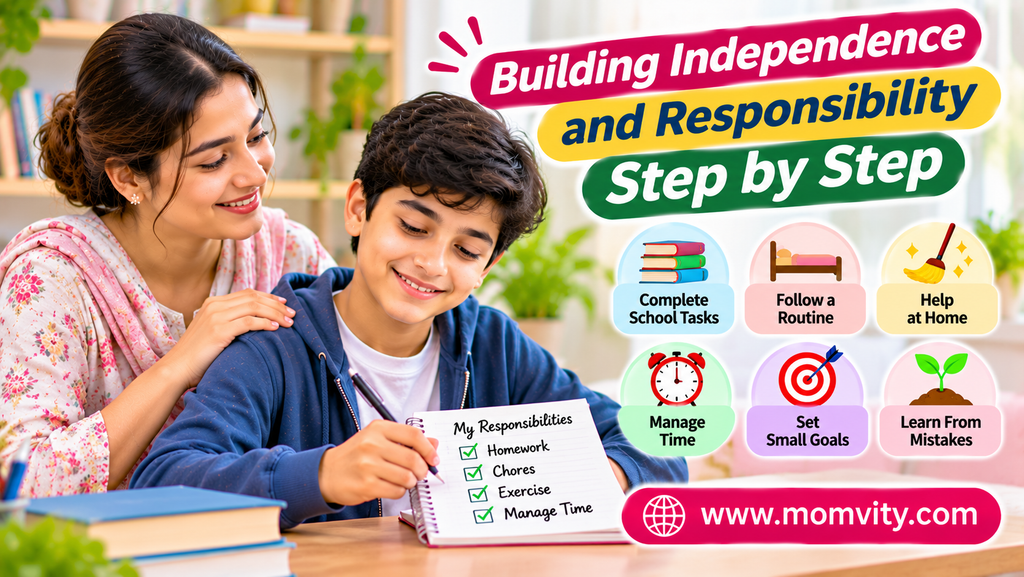

There was a time when you had to help your child put on their shoes, feed them before school, or have them come running to you for even the smallest things. Now, that same child might be taller than you, eager to make their own decisions, spending hours on their phone, and responding to every question with just, “I’m fine!”

How quickly times change, don’t they?
Adolescence is a phase marked by significant changes in a child’s body, thoughts, emotions, and behavior. During this period, a teenager doesn’t just grow physically; they also begin to forge their own identity. They have to navigate a complex mix of friendships, academics, social media, concerns about the future, and family expectations—all at the same time.
As a parent, you might find yourself wondering: Is my child getting enough sleep? Are they eating well? Could spending so much time on their phone be causing them harm? And when you notice shifts in their behavior, you might ask yourself: Is this just a normal part of growing up, or could it be a sign of a deeper issue?
It is completely natural to have such questions. After all, ensuring a teenager’s well-being goes beyond just keeping them free from illness; it’s about helping them develop habits that will foster a healthy, confident life in the future.
In this Teen Health Tips, we will explore key topics such as sleep, exercise, nutrition, caffeine consumption, screen time, vaping, mental health, and regular health check-ups. Most importantly, you will learn how to support your child in building healthy habits—without resorting to controlling them.
Why Teen Health Matters
During adolescence, the body grows rapidly; bones and muscles strengthen, and the brain develops. This is also a period when skills such as planning, emotional regulation, and decision-making begin to take shape. Therefore, it is essential to cultivate healthy habits from a young age.
Why are these habits so important?
Because adequate sleep, nutritious food, regular exercise, and emotional support help adolescents stay healthy and manage daily stress. According to 2025 data from the CDC, only 24 percent of high school students in the United States get at least 8 hours of sleep on school nights. Consequently, it is advisable to follow “teen health tips” to establish a healthy lifestyle from an early age.
Teen Health Tips at a Glance
| Health Area | Recommended Habit | Why It Matters |
| Sleep | 8–10 hours per night | Supports growth and mental health |
| Physical Activity | At least 60 minutes daily | Supports fitness and bone health |
| Strength Activities | At least 3 days per week | Builds muscles and strengthens bones |
| Nutrition | Balanced meals with whole foods | Provides essential nutrients |
| Caffeine | Avoid energy drinks | Helps prevent caffeine-related problems |
| Screen Time | Device-free bedtime routine | Supports better sleep |
| Mental Health | Regular emotional check-ins | Encourages early support |
| Health Checkups | Regular medical and dental visits | Helps identify health concerns |
1. Build a Healthy Sleep Routine
Does your teenager stay up late at night using their phone? Do you have to wake them up repeatedly in the morning to get them ready for school?
This is a common issue in many families.
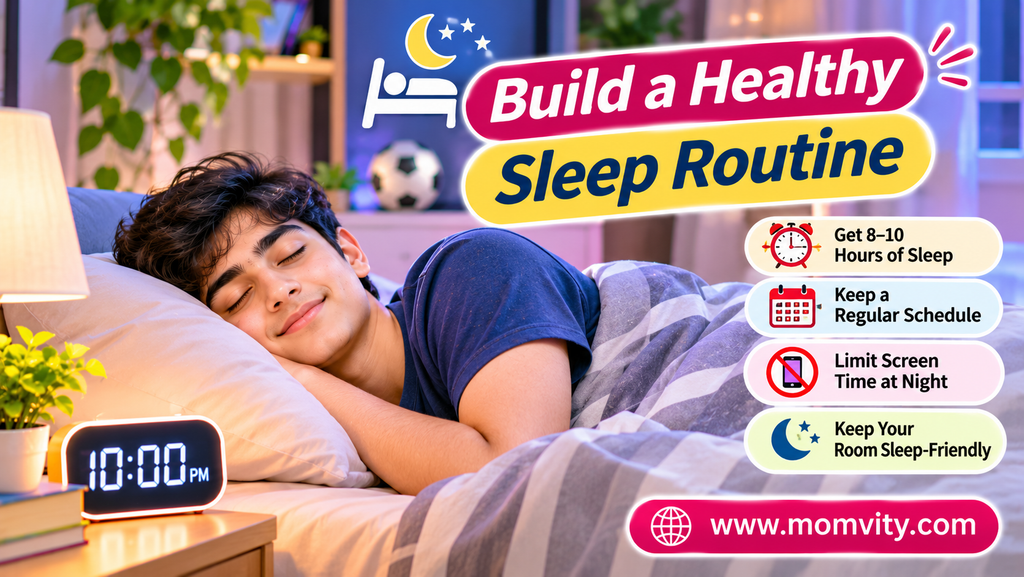
Teenagers generally need 8–10 hours of sleep each night, which is essential for physical growth, concentration, and mental well-being. However, during puberty, natural sleep patterns shift, which can lead to falling asleep later at night. To help manage this, encourage a routine of going to bed and waking up at the same time every day. Try to avoid significant changes to your teenager’s sleep schedule, even on weekends. Following these teen health tips is important to ensure they get a good night’s sleep.
For more meal ideas, read our guide to teen nutrition tips for better physical and mental development.
Practical Sleep Habits
- Try to go to bed at a set time every day.
- Turn off phones, tablets, and other screens at least an hour before bedtime.
- Designate a spot outside the bedroom to charge your phone at night.
- Keep your bedroom quiet, dark, and comfortable.
- Avoid consuming drinks with high caffeine content in the evening.
- Make a habit of planning and completing your studies and other tasks during the day.
Suppose your child picks up their phone around 10 PM every night. Before they know it, while watching five-minute videos, it’s already 1 AM—and they haven’t even realized how the time slipped by. In such a situation, instead of just scolding them, establish a rule for phone usage at night that applies to everyone in the family.
Remember, a good night’s sleep is not a luxury; it is one of the fundamental requirements for staying healthy.
Encourage Daily Physical Activity
Can a teenager grow up in a healthy way by focusing solely on academics? Certainly not!
Regular movement and physical activity are crucial for healthy physical development. According to CDC guidelines, children and adolescents aged 6–17 should engage in at least 60 minutes of physical activity every day. Most of this time should consist of moderate-to-vigorous aerobic activity. Additionally, exercises that strengthen muscles and bones should be included at least three days a week.
However, exercise does not necessarily mean going to a gym every day. Encouraging your child to participate in activities they genuinely enjoy can be an excellent starting point.
Activities Teens Can Enjoy
- Cycling.
- Brisk walking or running.
- Playing football, cricket, or badminton.
- Swimming.
- Dancing or following exercise videos at home.
- Jump rope (skipping).
- Hiking or going out for a walk with family.
Weekly Activity Guide
| Day | Suggested Activity | Duration |
| Saturday | Cycling or brisk walking | 60 minutes |
| Sunday | Football or outdoor sports | 60 minutes |
| Monday | Dancing and jumping rope | 60 minutes |
| Tuesday | Walking and bodyweight exercises | 60 minutes |
| Wednesday | Swimming or cycling | 60 minutes |
| Thursday | Basketball or badminton | 60 minutes |
| Friday | Family walk and outdoor games | 60 minutes |
This list is just an example. You can adjust the activities based on your child’s age, physical ability, and personal preferences.
Regular exercise does more than just keep the body active; it can also help improve mood, reduce stress, and enhance focus.
So, don’t just keep your child confined to their study desk. Let them play, let them run, and encourage them to learn new sports or activities!
Focus on Balanced Nutrition

During adolescence, the body grows rapidly. It is crucial to consume sufficient food and essential nutrients during this period. However, many teenagers skip breakfast, rely on fast food, or—out of excessive concern regarding their body weight—restrict their food intake.
Is it possible to obtain the necessary nutrients under these conditions?
No. Skipping meals regularly or following a strict, self-imposed diet can lead to health issues. Such habits may result in fatigue, difficulty concentrating, and nutritional deficiencies.
The *Dietary Guidelines for Americans* (2025–2030) emphasize the importance of consuming nutritious, minimally processed foods. It is essential to include items such as fruits, vegetables, protein-rich foods, healthy fats, and whole grains in one’s daily diet.
Healthy Food Choices for Teens
| Instead of | Try These Options |
| Skipping breakfast | Eggs, oatmeal, yogurt or whole-grain toast |
| Chips every afternoon | Fruits, nuts, yogurt or vegetables |
| Sugary soft drinks | Water, milk or unsweetened drinks |
| Fast food every night | Homemade chicken, fish, vegetables or rice |
| Frequent sweets | Fresh fruits or naturally sweet snacks |
Important Nutrients for Teenage Growth
- Protein: Eggs, fish, meat, lentils, milk, and nuts help in building muscles and body tissues.
- Calcium: Milk, yogurt, small fish, and calcium-rich foods are important for bone health.
- Iron: Fish, meat, lentils, and vegetables help meet the body’s iron requirements.
- Healthy Fats: Nuts, seeds, and appropriate vegetable oils can be part of a healthy diet.
- Fiber: Fruits, vegetables, and whole grains support normal digestive function.
Another very important point: avoid labeling foods as “good” or “bad” in front of your child. Also, refrain from making negative comments about their body weight or appearance. Instead, explain that nutritious food provides energy, helps them focus on their studies, and keeps their body healthy.
Be Careful With Energy Drinks and Caffeine
Many teens want to stay awake longer to study during exams. Some believe that drinking energy drinks will help them feel less tired and study longer.
But is it really that simple?
Energy drinks often contain a lot of caffeine and other stimulants. While they may temporarily increase alertness, they can also cause increased heart rate, restlessness, anxiety, stomach upset, and sleep problems.
The American Academy of Pediatrics recommends that children and teens avoid energy drinks. According to the American Academy of Child and Adolescent Psychiatry, caffeine intake for 12-18 year olds should not exceed 100 milligrams per day. However, this is not a safe amount to drink; it is better to drink less.
What Parents Should Do
- Do not keep energy drinks at home on a regular basis.
- Teach your child how to check the caffeine content on the labels of beverages.
- Help them reduce their intake of tea, coffee, and caffeinated drinks, especially in the evening.
- Identify the underlying causes of excessive fatigue.
- Explain the importance of getting enough sleep and rest.
If your child feels tired every day and repeatedly consumes caffeine to help with their studies, discuss their sleep schedule, academic pressure, and daily routine with them. Consult a doctor if necessary.
Set Healthy Screen Time and Social Media Rules
Nowadays, phones, internet and social media are a big part of teenagers’ lives. They are useful for communicating with friends, studying, having fun and learning new things.
But the problem starts when phone use reduces sleep, studying, playing sports and spending time with family.
Does your child keep looking at the phone screen even when sitting with the family? Does he/she not want to turn off videos or social media even while eating?
If such a habit exists, some simple rules can be created within the family.
Healthy Screen Habits
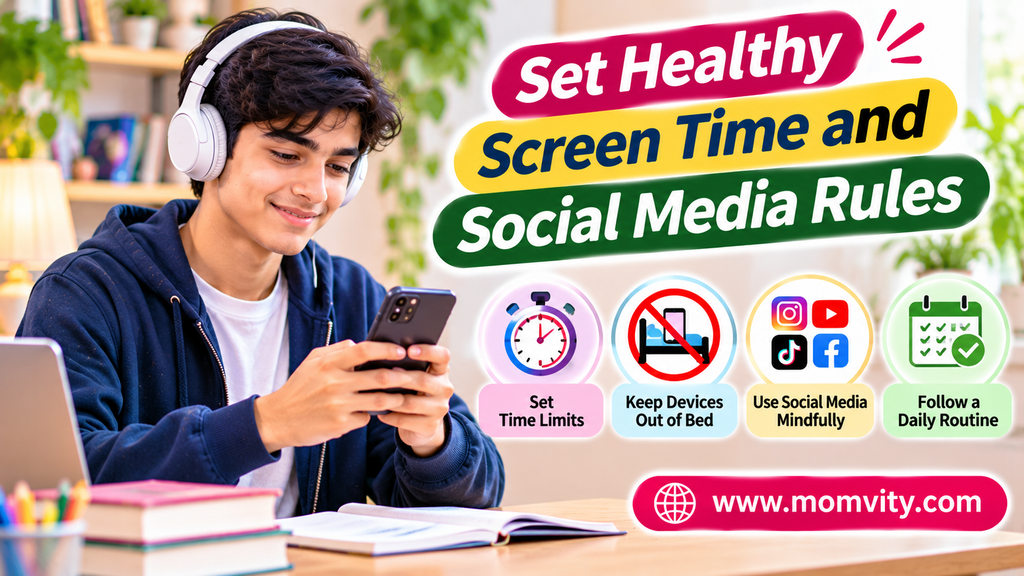
- Avoid using phones while eating.
- Do not keep phones in the bedroom overnight.
- Turn off screens at least an hour before bedtime.
- Disable unnecessary notifications while studying.
- Spend some time each day engaging in sports or interacting with family, away from phones.
- Encourage children to inform a parent or guardian if they encounter anything unsettling on social media.
According to the ‘Family Media Plan’ concept from the American Academy of Pediatrics, family members can sit down together to establish rules for technology use.
It is important to keep one thing in mind: if you forbid your child from using a phone during meals but continue to use your own phone constantly, the child will not grasp the significance of the rule.
Therefore, such changes should apply to everyone in the family.
Teach Personal Hygiene and Self-Care
When your child is young, you would have to remind them of almost everything they do. But as they get older, they need to be taught to take care of themselves.
This is not just about being clean; it is also part of being aware of your body, health, and responsibilities.
Essential Self-Care Habits
- Bathe regularly every day.
- Brush your teeth twice a day and keep the spaces between your teeth clean.
- Wear clean clothes.
- Use sunscreen as needed when going outdoors.
- Wash your hands before eating and after using the toilet.
- Drink plenty of water.
- Keep your personal belongings clean.
- Inform an adult if you feel unwell or notice anything unusual.
Lead by Example at Home
Have you ever considered that your child observes your behavior even more closely than they listen to your words?
If you frequently stay up late, skip meals, are constantly on your phone, and neglect exercise, it can be difficult to teach your child healthy habits through advice alone.
Therefore, strive to create a healthy environment within your family.
For more everyday ideas, see our article on teenage lifestyle tips for healthy growth, better focus, and more energy.
Simple Ways Parents Can Set an Example
- Eat meals together as a family at set times.
- Go for walks together a few days a week.
- Keep phones away during mealtimes.
- Establish a consistent sleep routine.
- Manage stress in healthy ways.
- Acknowledge your mistakes and strive to make changes.
For instance, if you are feeling mentally exhausted due to pressure at work, instead of getting angry, you could say to your child, “I’m feeling a bit stressed today, so I’m going out for a walk for a while.”
In this way, your child will learn that experiencing stress is normal and that there are healthy ways to manage it.
When Should You Contact a Doctor?
During adolescence, mood swings or a desire for some solitude are not always signs of a health issue. However, if any such changes persist for a long time or interfere with daily life, the matter should be taken seriously.
| Warning Sign | What Parents Should Do |
| Sadness or irritability lasting 2 weeks or more | Contact a healthcare professional |
| Major changes in eating or sleeping | Arrange a medical appointment |
| Signs of vaping or substance use | Talk calmly and seek medical support |
| Chest pain, fainting or racing heartbeat | Seek prompt medical evaluation |
| Sudden decline in school performance | Talk with the teen and school |
| Self-harm or suicidal thoughts | Seek immediate crisis or emergency help |
If an adolescent talks about hurting themselves, expresses a desire to end their life, or hints at a plan for suicide, never take it lightly. Do not leave them alone; seek emergency medical assistance immediately. In the United States, you can access crisis support by calling or texting 988. If you are in Bangladesh, contact the emergency department of the nearest hospital or reach out to local emergency services.
Remember, seeking help is not a sign of weakness. Getting timely support can make a significant, positive difference in an adolescent’s life.
Conclusion
You don’t need to create new rules every day to help your teenager grow up in a healthy way. Instead, small, consistent habits can lead to significant positive changes in their life. You can start by focusing on areas like getting enough sleep, eating nutritious food, engaging in regular physical activity, maintaining a healthy balance with screen time, and taking care of their mental well-being.
But is it possible to change everything at once?
Certainly not! So, choose just one or two habits to focus on at a time. Discuss these with your teenager, value their preferences, and give them time to adapt. If challenges arise, try to understand the situation rather than resorting to scolding.
Remember, during their teenage years, a child is not just growing physically; they are also learning to make their own decisions and take care of themselves. During this phase, your love, patience, and proper guidance are incredibly important. Use these teen health tips to help them gradually develop the habits for a healthy lifestyle.
Your child doesn’t need to be perfect. What they need is a parent who listens to them, allows them to learn from their mistakes, and stands by them during difficult times. Start with a small change today—because the journey toward a healthy future begins with the little acts of care practiced within the family every single day.