Early pregnancy | Momvity

early detection pregnancy test

How early can pregnancy be detected and how reliable is it?

Now you don’t have to wait months to find out whether you are going to become a mother or not. You can now confirm it by taking a home pregnancy test before your period or within a day or two of missing your period. This is what doctors call an ‘early detection test’. In simple words, it is a way to know the news of the baby in advance.

When a woman becomes pregnant, her body starts producing a special hormone called hCG. This hormone is only found in the body when she is pregnant. When you take a pregnancy test with a kit, the kit looks for this hormone in your urine. If it is found, the result is positive.
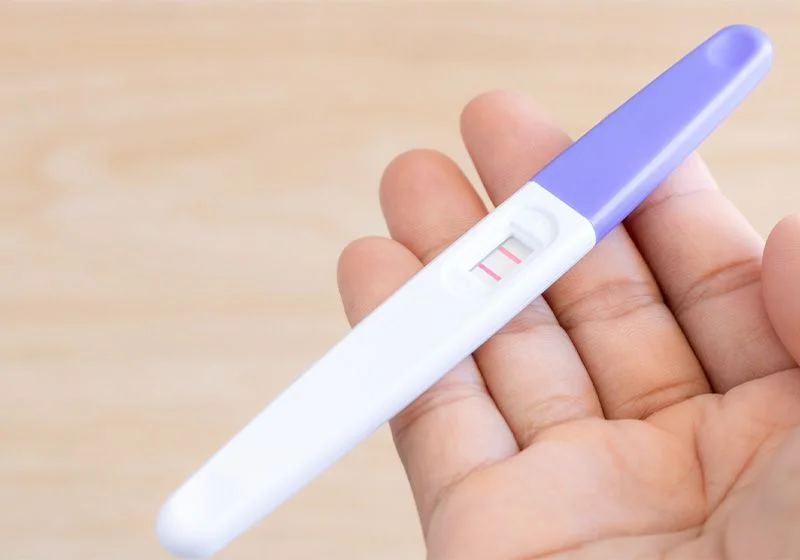
How does an early detection pregnancy test work?

Early detection pregnancy test actually detects a special signal inside your body. Simply put, it monitors a hormone produced in your body.

The simple steps to work are given below:

Detecting hCG hormone: When you are pregnant, your body starts producing a hormone called hCG (human chorionic gonadotropin). This hormone is only produced when the baby implants in the uterus. The job of this kit or stick is to detect that hormone in the urine.

Changing color like hemoglobin: A special type of chemical is given in that narrow part or window-like area of ​​the pregnancy kit. When you urinate there, if that special hormone is present in it, the chemical mixes with it and creates a colored stain.

Why is it called ‘early’ or ‘early’? Normal test kits only work when the amount of hormone in the body increases a lot. But ‘early detection’ kits are so powerful that they can sense even a very small amount of hormone in the body. So they can give the right news a few days before your period.

The secret of the two lines: There are two types of antibodies inside the kit. The first one changes color if the hormone is present and the second one changes color only to make sure that the kit is working properly (which we call the control line). So the appearance of two lines means that you have that hormone in your body.

An important tip: Since it works with very small amounts of hormone, if you drink a lot of water during the test, the hormone gets diluted in the urine. Then the kit may not be able to detect it properly. So it is best to test with the first urine of the morning.

H2: How many days before can you take this test

If you can’t wait until your period is due, then this ‘early detection’ test is a great way for you. Usually, regular test kits work after your period is missed, but with these special kits, you can test even earlier.

I’ll explain the timing below in simple terms:

4-5 days before your period: There are several high-quality early detection kits (such as Clearblue or other well-known brands) that can give results 4 or 5 days before your expected period or menstruation.

10-12 days after intercourse: If you remember the exact day you had intercourse, you can take this test 10 to 12 days after that day. Because it takes at least this much time for hormones to be produced after the baby is implanted in the uterus.

The most accurate time: Although you can take the test 5 days before, doctors recommend taking it at least 1 or 2 days before your period. This greatly reduces the chance of error and makes the spot clearer.

A small caution:

If you test 5 days before your period and the result is ‘negative’ (one spot), don’t be discouraged. It may be that your body hasn’t produced enough hormones yet. If that’s the case, wait until your period is due and test again. Sometimes, a few days late can give you the real result.

What can happen if you test too early?

Many people are so eager to know about the baby that they test two to three days after intercourse. But if you do it too quickly, there can be some confusion that will put you under unnecessary tension.

What can happen if you test too quickly:

False Negative: This is the most common. You may be pregnant but your body has not yet produced enough hCG hormone. The kit cannot detect the hormone and shows a spot. You think the result is negative, but if you test a few days later, it might have been positive.

Very faint or light spot: If you test too early, the second spot on the kit is so light that it is not visible to the naked eye. This leaves a feeling of confusion in your mind as to what really happened?

Unnecessary tension: Once you see the result is negative, you feel upset. This mental stress is not good for the body at all. But if you had waited just 3-4 more days, you might have gotten the sure news.

Waste of money: The price of each early detection kit is a little higher than the regular kit. If the result is not clear after testing too early, you will have to buy a new kit again, which is actually a waste of money.

My simple advice: If you are in a hurry, be patient at least until 3 days before your period. And if you see the spotting is very light even after getting the positive news, don’t get upset and test again after 48 hours or two days. Because the amount of this hormone in the body doubles every two days, then the result will be completely clear.

Why is morning urine considered better

When it comes to pregnancy tests, everyone says “test with the first urine of the morning.” But this is not a superstition, there is a very clear reason behind it. Simply put, morning urine is the most ‘thick’ or ‘strong’.

Why is morning urine the best?

Hormone levels are high: When you are pregnant, the hCG hormone that is produced in your body is excreted through urine. When you sleep all night (about 6-8 hours), you do not drink water and do not urinate. As a result, the urine is stored in the bladder for a long time and the amount of hormone in it increases a lot.

Easy to detect: During the day, we drink water, tea or coffee repeatedly. This dilutes the urine. When the urine is diluted, the hormone also mixes with it and becomes lighter. Then the test kit does not detect that hormone properly. But since the hormone is completely concentrated in the first urine of the morning, the kit recognizes it very easily.

Less risk of error: At the very beginning of pregnancy (when it has only been a few days), the hormones in the body are very low. In that case, if you test during the day, there is a risk of getting a ‘negative’ result by mistake. But that risk is much less with morning urine.

What if you forget to test in the morning? If for some reason you cannot test in the morning, then do not drink water for at least 3 to 4 hours and then test. This will make the urine a little thicker and increase the chances of getting a good result.

Explore more here:  lower back pain early pregnancy

What does faint line mean?

Often, one line is very dark red in pregnancy kits, but the second line is very light or blurry. Seeing this faint line can make you wonder if it is positive or negative?

In simple terms, understand its meanings:

1. You are pregnant (most common): A second line on the kit means that the hCG hormone has been found in your body. A faint line means that you are pregnant but the pregnancy is very early. The amount of hormone in your body is still very low, so the kit cannot show it very clearly.

2. Testing too early: If you test long before your period or very few days after intercourse, you will see such a faint line. If you test two or three days later, you will see that this line has become very dark.

3. Diluted urine: If you test after drinking a lot of water, the hormone becomes diluted. As a result, the line may not be very clear and may be light or blurry.

4. Evaporation Line: This is not positive. If you see the result much later than the time written on the kit package (such as 5 minutes), the urine may dry out and a dark or gray shade may appear there. Do not mistake this for a real spot.

What should you do now if you see a faint spot?

Wait 48 hours: The hormone doubles every two days during pregnancy. So if you see a light spot today, test again with your first morning urine exactly two days later. You will see that the spot is much darker than before.

Test in the morning: Test with your first urine tomorrow morning instead of at another time of the day.

Doctor’s advice: If the spot is light even after testing two or three times, go to the lab and get a Blood Test (Beta hCG). A blood test gives absolutely sure results.

H2: How reliable is early detection pregnancy test? Many of us rely on pregnancy kits a lot, but we must remember that it is a device. Early detection tests usually give up to 99% accurate results, but it depends on when and how you do the test.

The actual calculation of reliability is given below:

After missed period: If you test at least 1 day after your period or menstrual date, these kits give almost 100% accurate results. Then there is almost no chance of error.

Before missed period: If you test 4-5 days before your period, the reliability decreases slightly (about 60-75%). This is because hormones do not increase at the same speed in everyone’s body. Some may get the news early, while others may get it a little late.

Kit quality: Not all kits in the market are the same. Expensive kits from good brands can detect very subtle hormones, which ordinary or cheap kits may not. Therefore, reliability also depends to some extent on the quality of the kit.

Correct usage: If you do not follow the instructions on the packet (for example, urinating too much or reading the result after 10 minutes instead of 5 minutes), the kit may show you the wrong result.

When can the result be wrong?

1. Drug effects: If you have already taken any hormone injections or special drugs to conceive a child, the result may come out ‘positive’ even if you are not pregnant. 2. Expired kit: If the kit has expired, it is not reliable at all.

My advice: No matter what the result of the kit comes out, it is always most reliable to go to the doctor and get a blood test or an ultrasound to be completely sure.

What mistakes should be avoided?

Sometimes, due to minor mistakes, the correct result cannot be obtained due to some mistakes while taking a pregnancy test. So that you do not get unnecessarily worried, it is very important to avoid these common mistakes:

1. Drinking too much water

Many people think that drinking more water will make you urinate more and make the test easier. But this is a big mistake. Drinking too much water dilutes the urine, which reduces the concentration of the hCG hormone. This can cause the result to be ‘negative’ even though you are pregnant.

2. Seeing the result before the right time or seeing it too late

The kit package usually asks to wait 2 to 5 minutes. Many people get impatient and throw the kit away after 1 minute. Again, many people want to check the result after 1 hour.

Remember: The light spot that appears on the kit after a long time is called an ‘evaporation line’, which is not a real pregnancy.

3. Not seeing the expiration date of the kit

When buying a kit from a store, be sure to check its expiration date. The chemicals in an expired kit no longer work, so there is a high chance of getting an incorrect result.

4. Putting too much or too little urine in the dropper

Usually 2-3 drops of urine are added to the specific hole on the kit. If you pour too much urine, the kit may get wet and get ruined. If you pour too little, the chemical reaction will not take place properly.

5. Using a dirty container

You must use a clean and dry container to collect urine. If there is soap or water residue, the results may be messed up.

A special tip: If you drink too much tea or coffee at night, it is better to not eat anything for a few hours before testing with the first urine of the next morning.

When should you test again if you get a negative result?

A negative result in an early detection test does not always mean that you are not pregnant. Sometimes, it takes a few days for the body to produce enough hormones.

Correct steps to take after a negative result:

Wait at least 3 days: If you get a negative result before your period is due, wait for at least 3 to 4 days. Then test again. During this time, the hCG hormone level in the body increases significantly, so the result is likely to be accurate.

Wait until you miss your period: It is best if you wait until your period or period is due. Testing after a missed period gives the most accurate results.

Test in the morning: If you test at a different time of the day for the first time and it comes out negative, then the next time you should definitely test with your first urine in the morning.

What if you get a negative result again but don’t get your period?

If you see that even after several tests, you are still getting negative results but your period is not starting, don’t just sit at home. There may be other reasons behind this (such as hormonal problems or stress). In such a situation, it is important to consult a gynecologist or doctor and go to a lab for a blood test.

What to do next after getting positive

Getting two lines or a positive result on a pregnancy test is the beginning of a new chapter in your life. It is normal to feel happy at this time, but along with emotions, some urgent steps need to be taken so that both you and your unborn child are healthy.

What to do after the result is positive:

Make a doctor’s appointment: The first thing to do after getting a positive result is to see a gynecologist or an experienced doctor. He will calculate the estimated due date (EDD) of the baby according to the date of your last period (LMP) and do some necessary preliminary tests (such as an ultrasound).

Start folic acid: Doctors usually recommend taking folic acid tablets from the very beginning of pregnancy. It helps in maintaining the structure of the baby’s brain and spine. If you have not taken it before, start taking it as soon as possible after consulting a doctor.

Make lifestyle changes: *

  •  Avoid lifting heavy objects or doing excessive physical work.
  • If you have a habit of smoking or drinking alcohol, completely avoid it.
  • Reduce the amount of tea or coffee you drink.

Be careful before taking medicine: The medicines that we take for a common headache or gas can be harmful to the fetus during pregnancy. So do not take any medicine without consulting a doctor.

Nutritious food and plenty of water: Drink plenty of water from now on and make a habit of eating a balanced diet (vegetables, fruits, milk, eggs).

A special tip:

Many times, even if the home test comes out positive, doctors recommend going to the lab and doing a blood test (Beta hCG) to confirm the pregnancy 100%. So do not panic, this is just a confirmation process.

Why body symptoms are important without tests

Pregnancy kits or lab tests certainly give you sure news, but your body is the biggest signal provider. Many times it is seen that the test kit results are negative, but the body’s symptoms say that you are going to become a mother. Why it is important to give importance to these symptoms is given below:

Why the body speaks first:

The first effect of hormones: The body’s hormones start changing rapidly after the fetus settles in the uterus. Due to these hormonal changes, your mood, appetite or body strength changes before they are detected in the urine.

Helps to calculate: Many times, if your period is irregular, it is not clear when exactly you should test. Then, by seeing the body’s symptoms (such as breast tenderness or nausea), you can understand that now is the right time to test.

Recognize the danger signs: Sometimes, mild lower back pain or spotting (light bleeding) may occur in early pregnancy. By paying attention to the symptoms, you will be able to understand whether it is normal implantation bleeding or a sign of danger that requires a quick visit to the doctor.

Mental preparation: When you start to understand the symptoms of your body, you unknowingly start to walk carefully, do not lift anything heavy or take over-the-counter medications. This precaution plays a big role in the safety of your future child.

Some common symptoms of early pregnancy:

1. Chest heaviness or pain: This is slightly different from the pain before your period and lasts longer. 2. Excessive fatigue: Feeling sleepy all day or feeling very weak for no reason. 3. Frequent urination: Due to hormones, blood flow to the uterus increases, so you may have to go to the bathroom repeatedly. 4. Sensitivity to smells: Suddenly feeling nauseous at the smell of food or perfume.

Conclusion

Early Detection Pregnancy Test is a modern and reliable way to confirm pregnancy. But remember that taking care of your own body is more important than a test result. Whether the result is positive or negative, it is most important to be aware of your physical changes and stay calm during this time.

Be patient: If the result is negative before your period is missed, do not get upset and test again after a few days. Give your body some time to produce hormones.

Follow the correct method: Always use first morning urine to avoid false results and follow the instructions on the kit.

Pay attention to the symptoms: Test kits can be wrong many times, but do not ignore the body’s symptoms (such as fatigue or nausea).

lower back pain early pregnancy

Why lower back pain early pregnancy and when to be careful

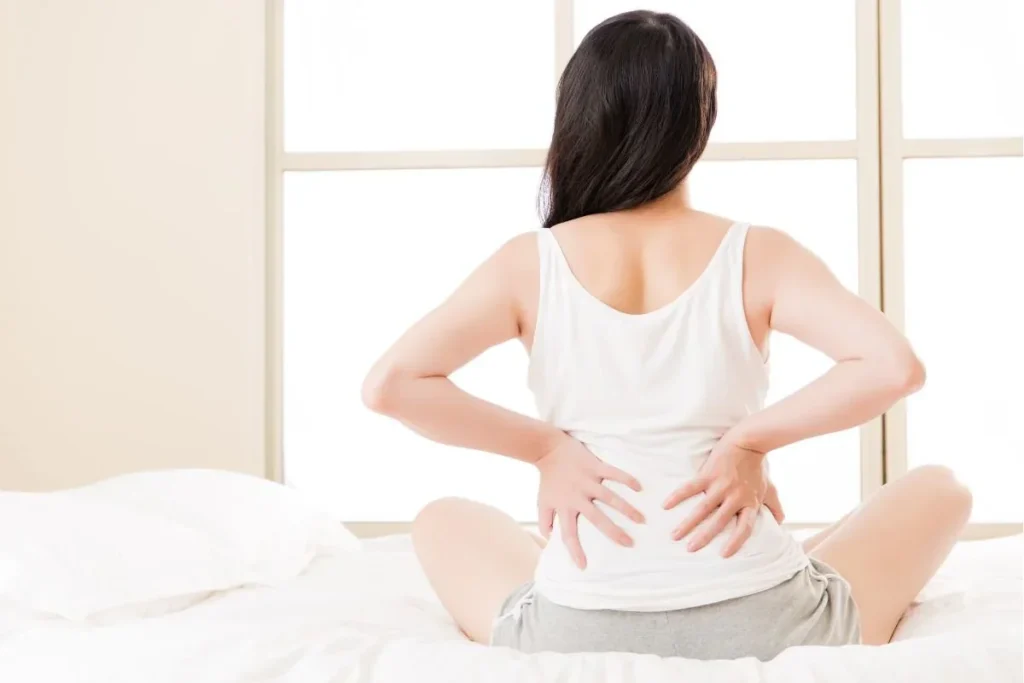
It is very normal to have a lower back pain early pregnancy. Don’t be afraid of it at all. Actually, your uterus or the baby’s room inside is small, but when the baby starts coming, that room starts to grow slowly. This is why the uterus is getting bigger and getting stretched, which is why it twists or pulls in the abdomen. It is much like the cramping pain before your period. In simple words, your body is now busy making room for the baby and that is why your abdomen feels a little tight.

Why does back pain occur in early pregnancy2: 

Back pain in early pregnancy is very normal and is a common complaint of almost every expectant mother. Even though your baby is very small now, your body has been preparing for him or her to grow up for a long time. As part of this preparation, some changes occur in the body that directly put pressure on your spine and waist muscles. In simple words, your body is now becoming a little ‘loose’ or loose so that it is easier to give birth to a baby in the future and this change is the reason for the tingling pain in the waist.

The main causes of back pain are given below:

Hormonal manipulation (Relaxin): During pregnancy, a hormone called ‘relaxin’ is released from the body. Its function is to soften and loosen your bone joints or ligaments. This causes the joints of your pelvis or waist bones to become a little loose, which results in back pain.

Change in Center of Gravity: As the uterus grows, your body’s center of gravity shifts forward. Maintaining this balance puts extra pressure on your spine and waist.

Stress: Sometimes, the muscles in your waist tighten due to pregnancy anxiety, which can cause pain.

Sleeping or sitting style: Since the body is now sensitive, sitting in one position for a long time or sleeping in the wrong position can strain your waist muscles.

Muscle stretching: When the abdominal muscles stretch to make room for the baby, the ability to support the waist muscles decreases slightly, which can cause back pain.

Things you can do to reduce pain: 

1. Try to sit upright and place a small pillow or cushion behind your back. 

2. Sleep on your left side and place a pillow between your knees. 

3. When lifting something from below, sit with your knees bent without bending your waist.

How does lower back pain usually feel?

This lower back pain in early pregnancy is not the same for everyone. It affects each body differently. However, most mothers describe this pain as a ‘heavy weight’ or ‘twitching’ discomfort in the lower back. It is usually felt more in the lower back where the spine ends.

The pain can usually be felt in the following ways:

Dull Ache: It will feel like your lower back is constantly feeling heavy or aching. Much like it feels after sitting on a hard surface for a long time.

Sharp Pain: Sometimes when you suddenly get up from a chair, turn around in bed, or sneeze or cough, you will suddenly feel a sharp pain on one side of your back. It may feel like a flash of lightning.

Radiating Pain: Sometimes this pain is not confined to the waist, it can start from the waist and go down to the back of your buttocks or thighs. Many people think of this as sciatica pain.

Monotonous fatigue: After working all day, in the afternoon, you may feel like your waist is breaking or you no longer have the strength to stand straight. It decreases again when you rest.

When should you notice this type of pain? If you see that the pain is not in the middle but is only on one side, or if your legs are tingling or numb with the pain, then you should pay attention to it.

Does this pain feel like premenstrual cramps?

Yes, you’re right! Early in pregnancy, abdominal pain feels a lot like your period or menstrual cramps. Many times, women don’t even realize they’re pregnant, thinking that their stomach is clenching or twisting because it’s about to get its period.

Why does it feel like that?

Just like before menstruation, there is discomfort or cramping pain in the lower abdomen. When your uterus starts to grow, the muscles around it tighten, which looks and feels exactly like menstrual cramps. Just like your stomach feels a little heavy or swollen during menstruation, you may have the same feeling in early pregnancy due to hormones.

Just like many people experience pain in the waist during menstrual cramps, in early pregnancy, along with abdominal pain, your waist may also feel a little heavy. Menstrual cramps usually increase over time and become severe when you start bleeding. But pregnancy cramps are usually very mild and go away on their own with rest or lying down. They’re not as intense as periods, which means you’ll be bedridden.

How long is this back pain normal?

Back pain during pregnancy is not really a clock-based thing. To be honest, this pain can be more or less present throughout your pregnancy. However, in the beginning, when the body tries to adapt to all the new changes, this discomfort may be a little more in the first three months.

During this time, the bones soften due to hormones, so back pain starts. This is very normal. Sometimes the pain decreases a little around four to six months. Because the body gets used to it then. When the baby grows up and its weight increases, the pressure on the back starts to increase again. Then the pain may be a little more.

When should you not be afraid? If you find that your back hurts after standing for a long time at work or holding your back at night after running around all day, then you will understand that it is completely normal. If the pain subsides with rest or a warm compress, there is nothing to worry about. If the pain goes away after a few days, there is nothing to worry about. But if the pain persists for several weeks and you are unable to do anything, it is a good idea to inform your doctor.

Discover more here: Early pregnancy symptoms before missed period

In which condition is back pain more felt

Back pain is not always the same. This pain can increase from time to time based on your daily movement or work. In simple words, the pain is felt more whenever there is extra pressure on your back.

Back pain can increase more during the following times:

Standing for a long time: If you stand in the kitchen for a long time, work or stand in line, the back muscles get tired and start to hurt.

Sitting in one way: If you sit hunched over in a chair at the office or at home for a long time, the pressure on the lower back can cause pain.

Turning over in bed: When you suddenly turn from one side to the other from a lying position, you may feel a sharp pull on the back.

Lifting something heavy: When you try to lift a heavy bucket, small child or shopping bag from below, there is a direct pull on the back. This should not be done at this time.

Climbing stairs: Repeatedly climbing stairs puts pressure on the joints of the lumbar spine, which can increase pain.

At the end of the day or at night: When you go to bed at night after a day of running and work, the accumulated pain of the day comes back to you as soon as you stretch your body.

Ways to get instant relief:

1. Do not stand or sit for more than half an hour at a time. Take a walk. 

2. Place a soft pillow or cushion behind your back while sitting. 

3. If you need to lift something from below, kneel down and lift it without bending your waist.

What to do to get relief from lower back pain

You don’t have to do anything big to reduce back pain. If you make some small changes in your daily routine and take a little care of your body, you will see that the pain has reduced a lot. Below are some simple home remedies that will give you quick relief:

Decide the type of rest: Do not force yourself when the pain starts. Lie down for a while. It is better if the mattress is not too soft or too hard while sleeping.

Pillow magic: Try to sleep on your left side while sleeping. Place another pillow between your knees. You will see that the pressure on your waist has reduced a lot and you are sleeping better.

Hot or cold compress: You can apply hot water to the area of ​​lower back pain with a hot water bag or a clean cloth. This softens the muscles and provides relief. In some cases, cold compresses also work well.

Sitting correctly: Whenever you sit, place a small soft pillow or cushion behind your back. Do not sit hunched over, try to sit straight. And do not sit with your legs dangling for a long time.

Light walking: Do not stop moving because of pain. Walk very slowly for a short time indoors. This improves blood circulation and reduces pain. But of course, unless your doctor has forbidden it.

Do not do anything forcefully: When you want to lift something from below, do not bend your waist, but rather bend your knees. Do not put any sudden pressure on your body.

When should you be a little more careful? If you see that the pain does not decrease at all after doing all this, but on the contrary, it increases, then do not take any painkillers on your own. Be sure to talk to your doctor for medication.

What kind of back pain is not normal

It is very common to have a little pain in the back during pregnancy, but it is not right to ignore all pain. There are some pains that are a big ‘danger signal’ for the body. If the type of pain is such that you can no longer tolerate it, do not consider it normal.

If you see the following signs, you will know that the pain is not normal:

Unbearable or severe pain: If the pain is so severe that you cannot stand straight or move from bed, then inform the doctor immediately.

Spreading pain: If the pain from the back goes to the feet like an electric shock and the legs feel tingling or numb, it may be due to nerve pressure.

Bleeding with pain: If you see blood or spotting in your vagina along with back pain, do not ignore it at all.

Fever: If you have a fever or chills along with back pain, it means that there is an infection or infection inside the body.

Burning sensation during urination: If you have pain in the back of your waist and it burns when you urinate or there is a foul smell in your urine, it may be a sign of a kidney or urinary tract infection.

If the pain is stabbing: If your waist is stabbing at regular intervals, like period pain (like every 5 or 10 minutes), it may be a sign of premature labor.

What you should do now: If you have any of the above symptoms, talk to your doctor without delay or go to a nearby hospital.

Can stress increase back pain?

The simple answer is yes, of course it can! Your mind and body are deeply connected. If you are upset or tense during pregnancy, it will directly affect your back.

When we are very worried or afraid about something, the muscles in our body become stiff or tense without us knowing. Especially the muscles in the neck, back and waist become the most stiff. If the muscles are stiff for a long time, there will be sharp pain. If you are mentally calm, then minor pain does not affect you. But if you are stressed, even minor pain can seem like a mountain to you. When you are under a lot of stress, the body produces some hormones that increase pain.

If you don’t get enough sleep at night due to anxiety, your body doesn’t get enough rest. This weakens the tired muscles in your back and increases the pain.

Some easy ways to lighten your mind:

1. Talk openly: Don’t keep any fears or worries in your mind. Talk to your partner, mother or a close friend. 

2. Breathe deeply: Whenever you feel very tense, close your eyes and take long, deep breaths and exhale. This relaxes your muscles. 

3. Do something good: Listen to your favorite music or read a book. Keeping yourself busy will prevent bad thoughts from coming to your mind.

When should you definitely consult a doctor? 

There is no need to run to the doctor for every little thing during pregnancy, but there are some symptoms that you should not delay even for a moment. If your body gives the signals mentioned below, you will understand that now is not the time for home remedies or rest. You need to talk to the doctor directly.

If the following conditions occur, go to the doctor immediately:

If the pain comes with a bite like a period: If the pain in the waist or lower abdomen bites very hard after a while and this biting time is frequent (such as every 5-10 minutes), then do not delay.

If blood or water starts to break: If blood appears with the pain (whether it is light or heavy) or if something like water starts to come out of the vagina.

If any part of the body is numb: The pain goes from the waist to the legs and the legs become numb or it is difficult to move them.

If you have a fever: If you have a fever of 101 or 102 degrees along with back pain and chills.

If you have trouble urinating: If you have a burning sensation while urinating or if you have severe pain on both sides of your back (this may be a sign of a kidney infection).

If you want to take painkillers: Before using any painkillers or balms on your own, be sure to ask your doctor.

Things to keep in mind when going to the doctor:

1. Where exactly is the pain (in the middle or on one side). 

2. Is the pain continuous or does it come and go? 

3. Is there any other problem with the pain, such as nausea or dizziness?

Why does the waist become loose or loose due to hormones?

During pregnancy, your body produces a type of hormone called ‘Relaxin’. Just by hearing its name, you can understand that its function is to ‘relax’ or loosen the body.

Nature actually prepares your body in advance so that the baby can easily come out of your waist bone during childbirth. This hormone makes the ligaments that hold the joints or joints of your waist bone soft and loose like rubber.

What happens as a result of this:

Reduced waist strength: Since the joints of the bones are not as tightly held as before, the stability or balance of the waist decreases slightly. Even if you move a little, it feels like the waist is not supporting properly.

Easy strain: Due to the loosening of the ligaments, when you suddenly walk or turn to the side, there is extra pressure on the waist muscles. And because of this pressure, that familiar tingling pain starts.

Body swaying: Due to the loosening of the waist, the way you walk may also change a little. You may feel like you are wobbling a little or you are not getting strength in your waist.

What you should do at this time:

1. Do not move suddenly: When getting up from the sofa or bed, do not get up suddenly. First, lean to one side and then get up slowly with the weight of your hands. 

2. Light walking: Do not lie down completely because your body has become loose. Walk a little at a very normal pace, this will keep the muscles active and the pain will be less. 

3. Wear low shoes: Give up wearing high heels altogether. Wear very even and soft shoes so that the body feels less shaking while walking.

Sitting or sleeping in the wrong position can increase back pain

During pregnancy, the way you sit or sleep becomes more important than before. You may not be able to do it the way you used to sit or sleep on your stomach. Because the muscles of your body are now much softer, even a slight wrong position can cause severe tension in your back.

Common mistakes we make while sitting or sleeping:

Slouching: When we sit on a sofa or chair, we often bend our back or hunch over. This puts all the weight on the bones below your waist, which can cause severe pain.

Sitting for a long time continuously: Sitting with your legs hanging in one position for a long time causes the back muscles to tighten. This hinders blood circulation and causes the back to ache.

Sleeping upright: When you lie on your back or lie down straight during pregnancy, the entire weight of the uterus falls on your spine and blood vessels in your waist. This can cause back pain and can also make you feel short of breath or dizzy.

Getting up suddenly: When you suddenly get up from a lying position and sit up straight, it puts a lot of strain on the ligaments in your back. It’s like suddenly pulling on a rubber band.

In simple words, the last word 

This early period of pregnancy is both joyful and a little bit of anxiety. The slight tingling pain that you are feeling in your waist or stomach is actually a natural fight of your body to make room for your little one inside you. So, don’t panic if you have a slight pain. Trust your body and keep your mind calm. Remember that in this journey of becoming a mother, your body will give you little signals, they are small proofs of your baby’s growth.

My last few simple tips for you:

Take care of yourself: Work will be there for the rest of your life, but now your rest is the most important. Whenever your body says “tired”, stop all your work and take a break.

Be careful but don’t be afraid: Only if the type of pain changes, such as heavy bleeding or unbearable stabbing pain, is there a reason to worry. Also, don’t increase your tension by unnecessarily googling about minor pain.

Get help from your partner: If you have back pain, ask your partner to massage you or move the cushion forward. At this time, everyone’s love and care will reduce half of your pain.

Early Pregnancy Cramps

Why do you feel abdominal pain or cramps in early pregnancy? Normal symptoms and precautions

Why does abdominal pain occur in early pregnancy?

It’s normal to feel a little cramping or mild pain in your abdomen early in pregnancy. This is medically known as pelvic cramping. This discomfort occurs when your body goes through hormonal changes and your uterus begins to expand to accommodate a new baby.

Many women experience mild cramping or pain in their lower abdomen early in pregnancy. This feeling is not very intense, but it can be uncomfortable. Sometimes it feels like your period is about to start. So it’s normal to be scared or confused about it at first.

In fact, early pregnancy cramps are normal in many cases. The body then starts to adapt to a new situation internally, and this type of cramping or pain is felt as part of that process.

Why Cramps Occur in Early Pregnancy

A mild cramping or menstrual-like feeling in the lower abdomen is a very common symptom in early pregnancy. This is called ‘pregnancy cramps’. Many times, when this pain is accompanied by early pregnancy sporting look alike or light spotting, many people mistake it as a sign of the onset of the period. But in fact, it is a normal process of the body preparing for pregnancy.

Below are the main reasons for cramps or cramping in the abdomen in the beginning:

1. Implantation

When the embryo implants itself firmly in the uterine wall, the uterine muscles experience mild contractions or stretching. This usually happens a few days before your expected period. This is why you may experience mild pain and light bleeding.

2. Rapid growth and dilation of the uterus

To maintain the pregnancy, the uterus starts to grow beyond its normal size. When the ligaments and muscles supporting the uterus stretch, cramp-like pain is felt in the lower abdomen or on both sides.

3. Effect of progesterone hormone

As a result of the increase in progesterone hormone in the body, the muscles of the intestines relax. This slows down the digestion process and causes gas or constipation in the stomach. Sometimes the pressure of this gas can also feel like cramps in the lower abdomen.

4. Increased blood circulation

After pregnancy, the blood flow to the uterus increases many times. Due to this increased blood pressure, a kind of heaviness or mild tingling pain can sometimes be felt in the lower abdomen.

What can you do to reduce this discomfort?

  • Change position: If you feel pain while lying on one side, turn to the other side. Sometimes even walking for a while reduces gas pain.
  • Rest: Excessive physical exertion can increase cramps, so get enough rest.
  • Warm compresses: Applying a warm water bag or warm towel to the lower abdomen relaxes the muscles and provides comfort.
  • Loose clothing: Avoid tight clothing that puts pressure on the abdomen and wear comfortable cotton clothing.

What do these cramps usually feel like?

 Early pregnancy cramps or cramping can vary from person to person. However, most women compare them to menstrual cramps, although they are usually less severe.

If you have early pregnancy spotting or light spotting, these cramps can also typically feel like:

1. Mild cramping or twisting sensations

Many describe them as a “squeezing” or mild cramping sensation in the abdomen. They are not continuous but come and go in and out.

2. Pre-period-like

These cramps are similar to the heaviness or discomfort you feel in your lower abdomen just before your period. Many women think they are about to get their period, but they are actually a sign of pregnancy.

3. A pulling sensation

As the uterus expands, it may feel as if someone is pulling the muscles in your lower abdomen. You may feel a sudden, sharp pulling sensation on one or both sides of your abdomen, especially when you sneeze, cough, or stand up quickly from a sitting position.

4. Mild pain on one side of your abdomen

After ovulation, a small cyst (Corpus Luteum) forms in the ovary where the egg came from. This can cause mild discomfort or pressure on either the left or right side of your abdomen.

H2: Difference between cramps and menstrual pain

It can be difficult to differentiate between early pregnancy cramps and period pain because both are felt in the lower abdomen. However, by paying attention to some very subtle things, you can understand whether it is your period or a sign of pregnancy.

If your body is experiencing early pregnancy sporting a look-alike (light spotting), it is important to compare the following differences:

1. Intensity of Pain

Pregnancy cramps: These are usually quite mild or mild. They feel like a slight pulling or squeezing sensation in the abdomen.

Menstrual pain: Period pain is usually much more intense and painful. It increases over time and often makes it difficult to perform daily activities.

2. Persistence and Nature of Pain

Pregnancy cramps: This pain is not continuous but comes and goes after a while. It can last for a few hours or a maximum of 1-2 days.

Menstrual cramps: Pain starts 1-2 days before the period starts and can last for several days during the period.

3. Location of pain

Pregnancy cramps: It is mainly felt in the middle of the lower abdomen or on one side (left or right). Sometimes it is limited to only one place.

Menstrual cramps: This pain occurs throughout the lower abdomen and often spreads to the waist or lower thighs (radiating pain).

4. Bleeding pattern

This is the biggest way to differentiate:

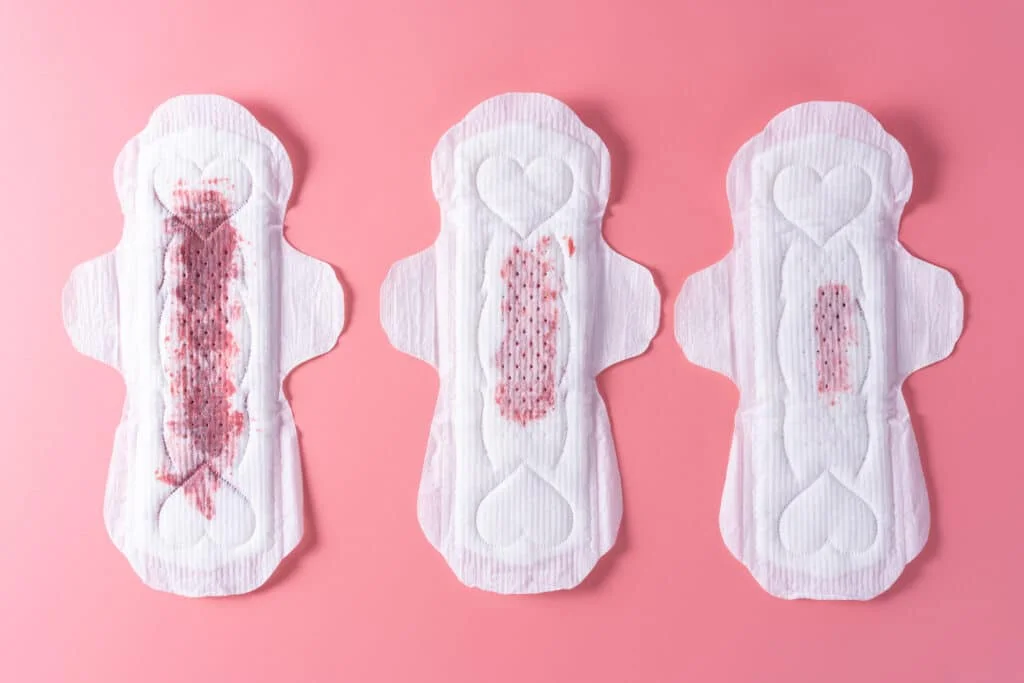
  • During pregnancy (implantation): Light bleeding or early pregnancy-sporting look-alike occurs which is only seen in a few drops or smears. Its color is usually light pink or brown.
  • Menstruation: Although the bleeding starts lightly, it quickly turns red and increases in amount. Small blood clots are often seen in this.

How long can early pregnancy cramps last?

These cramps or stomach cramps in early pregnancy usually do not last very long. However, they can last from a few days to a few weeks as the body adapts to pregnancy.

The timing is discussed in detail below:

1. Implantation Cramps

The pain that occurs when the fertilized egg implants itself in the uterine wall can usually last 1 to 3 days. It ends a few days before your expected period. This pain is mainly accompanied by early pregnancy spotting or light bleeding.

2. First Trimester

The tension felt due to the uterus growing and ligaments stretching may return occasionally during the first few weeks of pregnancy (usually up to 12 weeks). It is not continuous, you may feel this tension for a few seconds or minutes when you suddenly move or cough.

3. General persistence

For most women, this discomfort does not occur every day. It may be felt 1-2 times a week or at certain times of the day, and it will go away after a few weeks as the body adjusts to the hormones.

When is persistence a concern?

If your pain is like the following, it may not be a normal pregnancy cramp:

  • Continuous for several days: If the pain is continuous for several days and does not subside at all.
  • Increasing intensity: If the intensity of the pain increases instead of decreasing over time.
  • Not relieved by rest: If the pain does not subside even after lying down or resting.

Some tips to reduce pain:

  • Rest: When cramps start, lie down quietly for at least 20-30 minutes.
  • Position change: Try to lie down without putting pressure on your stomach.
  • Warmth: Drinking lukewarm water relaxes the muscles and reduces abdominal discomfort.
  • Special Note: If these cramps persist for a long time and are accompanied by bright red bleeding, contact a doctor immediately.

Mild cramps or stomach cramps in early pregnancy can be uncomfortable. Since the body is very sensitive during this time, caution is essential before taking any action. Usually, following some simple home remedies can provide quick relief from this pain.

If you have early pregnancy sporting look alike or light spotting and are accompanied by cramps, you can follow the following methods:

1. Change body position and rest

When cramps start, stop all activities immediately and rest. Many times, standing or sitting continuously puts pressure on the ligaments of the uterus, causing pain.

  • Lie on your left side: Lying on your left side increases blood circulation in the uterus and relaxes the muscles, which provides relief.
  • Elevate your legs: While sleeping, placing your legs slightly higher with a pillow under your feet reduces pressure on your stomach.

2. Apply light heat

A hot water bath is very effective in reducing muscle contractions. However, care should be taken that the water is not too hot.

  • Light hot water bag: You can keep a light warm water bag on your lower abdomen or below your waist for 10-15 minutes.
  • Bath in warm water: Bathing with warm water relaxes the muscles of the whole body and brings mental peace.

3. Adequate water and liquid food

If there is a lack of water or dehydration in the body, the tendency to get muscle cramps increases.

  • Drink at least 8-10 glasses of water a day.
  • You can drink coconut water or fresh fruit juice, which will help maintain the balance of electrolytes in the body.

4. Control gas problems

During pregnancy, gas in the stomach can cause cramps due to the progesterone hormone. To reduce this:

  • Make a habit of eating small meals frequently rather than eating too much at once.
  • Avoid excessively oily, spicy or fried foods.
  • Take a light walk indoors for 5-10 minutes without lying down immediately after eating.

5. Deep Breathing (Relaxation)

Sometimes, muscle tension can increase due to anxiety or stress. Take slow, deep breaths through your nose and exhale through your mouth. This relaxation technique helps to relax the muscles of the uterus.

While mild cramping or pulling is common in early pregnancy, not all cramps or pain should be considered normal. Some pain can be a sign of a serious medical condition. It is especially important to be alert if you experience any of the following symptoms especially if you are experiencing early pregnancy like cramping or bleeding.

Here are some signs of cramping that are not normal:

1. Severe and one-sided pain

If you experience sharp, stabbing pain on the right or left side of your abdomen instead of in the middle, it is not normal. This could be a sign of an ectopic pregnancy, where the embryo is growing outside the uterus (usually in the fallopian tube). This is a medical emergency.

2. Severe cramping

If the pain is much more severe than your normal menstrual cramps and is unbearable, it could be a sign of danger. Especially if the pain is accompanied by chills or heavy sweating.

3. Cramps with bleeding

Light spotting or bleeding can be normal in early pregnancy, but if the cramps are accompanied by bright red bleeding and clots, it can be an early sign of miscarriage.

4. Dizziness or fainting

If you feel extremely weak, dizzy, or faint with cramps, it can be a sign of internal bleeding or a serious hormonal imbalance.

5. Abdominal pain with fever

If abdominal cramps are accompanied by a high temperature (100.4°F or higher) and chills, it indicates an infection in the uterus or body.

6. Shoulder Tip Pain

This may sound strange to many, but if you experience severe pain in the tip of your shoulder along with abdominal cramps, it is a major sign of internal bleeding (which occurs in cases of ectopic pregnancy).

It is very common to confuse the two as both gas or digestive problems and pregnancy cramps are felt in the lower abdomen in early pregnancy. Interestingly, the pregnancy hormone (progesterone) is often the main cause of these gas and digestive problems.

Discover more here:

If you experience early pregnancy spotting or light spotting, look for the following differences to help you understand whether the pain is from gas or uterine dilation:

1. Type and location of pain

Gas pain: This pain is usually not in one specific place and can move around in the abdomen. It can feel like a sharp pinching or biting sensation, and sometimes it feels like something is stuck in the abdomen.

  • Pregnancy cramps: This is usually felt in the lower or middle of the abdomen. It is a bit like menstrual cramps, a “crunching” or mild cramping sensation.

2. Associated symptoms

Gas or digestive problems: Along with pain, there are symptoms such as bloating, repeated passing of air sour belching or constipation. Many times this discomfort increases immediately after eating.

  • Pregnancy cramps: This pain is not related to gas or belching. However, it may be accompanied by breast tenderness, fatigue or light spotting.

3. Ways to get relief

  • Gas pain: This pain quickly decreases after walking for a while, exercising or passing air.
  • Pregnancy cramps: This usually decreases when you rest or lie down. Walking or exercising can increase this pain.

Why is there more gas during pregnancy?

As soon as pregnancy begins, the hormone progesterone increases in the body. This hormone relaxes the muscles of your body, which slows down the digestive process. As a result, gas accumulates in the stomach and discomfort or cramps are felt due to the swollen stomach.

While mild discomfort or cramps are normal in early pregnancy, there are certain situations that should not be ignored. Especially if your body is experiencing early pregnancy-like or light spotting, it is very important to understand when the situation is becoming serious.

You should immediately consult a doctor if you experience any of the following symptoms:

1. Severe and unbearable pain

If the pain is so severe that you are unable to move or work normally, it is a danger signal. Especially if the pain is felt intensely on one side of the lower abdomen (right or left). This can be a sign of ‘ectopic pregnancy’ (pregnancy outside the uterus) which can be life-threatening if not treated promptly.

2. Heavy bleeding

Light spotting or spotting may be normal, but if bright red bleeding starts like a period and is accompanied by small or large blood clots, see a doctor immediately. This can be a sign of miscarriage.

3. Dizziness or fainting

If you feel extremely weak, your vision goes dark, or you faint, you may have internal bleeding or another serious problem.

4. Fever and chills

If you have abdominal pain during pregnancy and a body temperature of 100.4°F or higher, it indicates an infection in the uterus or bladder. If not treated on time, it can be risky for the pregnancy.

5. Burning or difficulty urinating

If you have frequent urination along with cramps or a severe burning sensation while urinating, you may have a urinary tract infection. It is not right to ignore a UTI during pregnancy.

6. Shoulder pain or unusual pressure

If you feel severe pain in the neck or shoulder joint while lying down, it can be an indirect sign of internal bleeding in the lower abdomen.

Things to bring with you before going to the doctor:

  • The date of your last period.
  • Whether you have taken a pregnancy test and what the results were.
  • When did the pain start and what type of pain it is (gnawing or stabbing).
  • Whether you are currently taking any other medications.

Conclusion

This early stage of pregnancy is very sensitive both physically and emotionally. It is natural to experience mild cramps or mild cramps in the abdomen due to the sudden hormonal changes in the body and the beginning of a new life. In most cases, these symptoms are nothing to worry about and are a positive sign that your body is preparing for a healthy pregnancy.

However, it is most important to be aware of your body and pay attention to the little things during this time. If you have mild pain with an early pregnancy-like appearance or light spotting, it could be good news for a new journey.

Diarrhea in Early Pregnancy

Why does diarrhea occur in early pregnancy? Is it a normal symptom or a cause for concern?

Why does diarrhea occur in early pregnancy?

Many women experience loose stools or diarrhea early in pregnancy. This is a normal but uncomfortable symptom of pregnancy. It is usually caused by hormonal changes and sudden lifestyle changes.

The body goes through many unknown changes during early pregnancy. At this time, many women notice that they suddenly start having loose stools. Some think it’s a food problem, while others are very scared about why this is happening during pregnancy. In fact, diarrhea in early pregnancy can be normal at times, but not in all cases. So it’s very important to know why it happens when it’s normal  when you need to be careful.

Why can diarrhea occur in early pregnancy?

Although constipation is common in early pregnancy, many people experience the opposite, that is, loose stools or diarrhea. This is usually a normal reaction to internal changes in the body.

If your body is experiencing early pregnancy spotting or light bleeding and diarrhea, the following reasons may be responsible:

1. Hormonal Shift

After pregnancy, a flood of hormones (especially progesterone and prostaglandins) floods the body. These hormones help relax muscles. However, sometimes they also relax the muscles of the digestive system excessively, which can disrupt the digestive process and cause diarrhea.

2. Changes in dietary habits

After becoming pregnant, many people suddenly make big changes in their diet. For example, eating more fiber-rich foods or vegetables. When the stomach cannot adapt to this new type of food, loose stools may start.

3. New vitamins or medications

During pregnancy, doctors often prescribe prenatal vitamins or folic acid. Some of these supplements can cause stomach discomfort or diarrhea.

4. Food Sensitivity

In early pregnancy, the body becomes sensitive to many foods that did not cause any problems for you before. Especially dairy products or spicy foods, you can easily get an upset stomach.

5. Excess prostaglandin hormone

During implantation or embryo implantation, a hormone called prostaglandin is released in the body. This hormone can contract the uterus and also stimulate the intestines, which is responsible for loose stools.

Important things to prevent dehydration:

Diarrhea causes the body to lose water and minerals, which can be dangerous during pregnancy. So follow these rules:

  • ORS: Drink saline or ORS in small amounts and repeatedly.
  • Coconut water: The potassium in it helps restore the body’s energy.
  • Easily digestible foods: Eat bananas, boiled potatoes or soft rice.

What can diarrhea be like in early pregnancy?

Diarrhea or loose stools in early pregnancy can be quite uncomfortable and cause concern for many. It usually occurs before or right after a missed period. If you have other symptoms of early pregnancy and are also experiencing an upset stomach, here are some of the types:

1. Mild and short-term

Early pregnancy diarrhea usually doesn’t last very long. It may happen 2-3 times a day and will resolve within 1-2 days as your body adjusts to the hormones. It usually feels like a soft stool rather than a hard watery stool.

2. Cramping or cramping pain in the abdomen

A mild to moderate cramping pain in the lower abdomen or middle of the abdomen may occur just before a bowel movement. Sometimes this pain can feel like implantation cramps or menstrual cramps. However, this pain usually subsides after a bowel movement.

3. Gas and Bloating

It is very common to have a lot of gas and a feeling of bloating along with diarrhea in early pregnancy. The digestive process slows down, which can cause stomach rumbling and discomfort.

4. Food odor or food aversion

It may happen that you feel nauseous after smelling a certain food, followed by diarrhea with a twist in your stomach. This is part of the ‘food aversion’ or distaste for food during pregnancy.

5. Diarrhea with morning sickness

In many cases, nausea may accompany loose stools upon waking up in the morning. This is a natural way of flushing out toxins or hormonal changes from the body.

Does this sound like premenstrual symptoms?

Yes, diarrhea or stomach discomfort in early pregnancy can sometimes feel exactly like PMS (Premenstrual Syndrome). That’s why many women don’t realize they are pregnant and think their period is about to start. Here’s why these two are similar and how you can tell the difference: Why does it feel like menstrual symptoms? 1. Prostaglandin hormone: Just before your period starts, the body releases a hormone called prostaglandin, which causes the uterus to contract. This hormone also affects the intestines, causing many people to have loose stools before or at the beginning of their period. This hormone can also cause similar feelings in early pregnancy. 2. Cramping: Just like the gentle cramping in your lower abdomen before your period, diarrhea in early pregnancy can feel exactly the same. 3. Bloating: Before your period, your body retains water and produces gas, which coincides with the hormonal changes of early pregnancy. PMS or pregnancy? How to tell the difference: Although the symptoms seem similar, there are some subtle differences that you can notice: Characteristics Premenstrual syndrome (PMS) Pregnancy symptoms Persistence of diarrhea It usually subsides as soon as your period starts. It can continue for a few days after your period is missed. Bleeding (Spotting) When the bleeding starts, it increases rapidly and is red in color. Here, early pregnancy looks like a light pink/brown spotting that does not increase. Nausea (Nausea) Nausea is not very common before your period. Diarrhea is accompanied by severe nausea or aversion to the smell of certain foods. Body temperature When your period starts, your body temperature drops. Your basal body temperature is slightly higher when you are pregnant. How can you be sure? Since diarrhea and cramping are both common symptoms of periods and pregnancy, it is difficult to be sure based on symptoms alone. Observe the timing: If your diarrhea or cramping occurs at a time when If your period is due, wait another 1-2 days. Test: If your period has not started and you only have light spotting, taking a pregnancy test is the best way to confirm.

Does this sound like premenstrual symptoms?

Yes, diarrhea or stomach discomfort in early pregnancy can sometimes feel exactly like PMS (Premenstrual Syndrome). That’s why many women are confused at first and think that their period is about to start.

Here’s why these two are so similar and how you can tell the difference:

Why does it feel like menstrual symptoms?

1. Effect of prostaglandin hormone: Just before the start of the period, the body releases prostaglandin hormone, which helps the uterus to contract. This hormone also affects the bowels, as a result of which many people have loose stools before or at the beginning of their period. The same thing can happen during hormonal changes in early pregnancy.

 2. Cramping: Just like the gentle twisting of the lower abdomen before the period, the urge to have a bowel movement is felt in early pregnancy diarrhea.

 3. Bloating: Before your period, the hormone progesterone causes the body to retain water and produce gas, which is exactly the same as the symptoms of early pregnancy.

How Long Can Diarrhea Last in Early Pregnancy

Diarrhea or loose stools in early pregnancy usually do not last very long. In most cases, it is a temporary reaction of your body trying to adapt to internal changes.

Below is a detailed idea of ​​the duration:

1. How long does it usually last?

For most women, early pregnancy diarrhea lasts 1 to 3 days. It is usually not continuous, you may have loose stools several times a day and then the body returns to normal.

2. Persistence depending on the situation

If due to hormones: If your body is reacting to changes in progesterone or prostaglandin hormones, it may continue intermittently for a few days. It will resolve on its own once the hormone levels stabilize.

If due to diet or vitamins: If you start taking a new prenatal vitamin, it may take 3 to 5 days for the body to tolerate it. If diarrhea does not subside due to vitamins, it may persist for a whole month (in which case, the brand should be changed on the advice of the doctor).

Food poisoning or infection: If it is caused by a bacteria or virus, it can last for more than 1 week without proper treatment.

3. When should it be a cause for concern?

If diarrhea lasts for more than 2 days and there is more than 3 watery stools a day, it should not be ignored. Chronic diarrhea can lead to dehydration, which is risky for both the mother and the fetus during pregnancy.

  • Ways to keep your body healthy during diarrhea:
  • Since it can last for a few days, take care of yourself during this time:
  • ORS: Drink a glass of saline solution after each diarrhea.
  • Rest: Get enough rest to keep the abdominal muscles calm and reduce fatigue.
  • BRAT Diet: Eat bananas, rice, applesauce, and toast to settle your stomach quickly.

When is diarrhea not normal?

Mild diarrhea in early pregnancy can be a normal reaction of the body, but it is not normal in all cases. If there are certain symptoms, it should be understood that it is not just a hormonal change but an infection or a serious physical problem. If you have an early pregnancy sporting look, it is important to be careful if the following symptoms occur.

Below are some situations when diarrhea is not normal:

1. Chronic diarrhea

If diarrhea continues for more than 48 hours (2 days) and does not decrease in any way, it is not normal. If diarrhea lasts for a long time, the body becomes dehydrated quickly.

2. Symptoms of severe dehydration

If your body gives the following signals, it should be understood that the body has lost water and salt severely:

  • Extreme thirst and dry mouth or throat.
  • Decreased urine volume or dark yellow urine color.
  • Severe dizziness or difficulty maintaining balance when standing.
  • Sunken eyes or dry skin.

3. Blood or mucus in the stool

If blood or excess mucus is present in the stool, it may be a sign of a bacterial infection (such as E. coli or salmonella) or a serious intestinal problem. This is very risky during pregnancy.

4. Severe abdominal pain or cramps

Mild cramping is normal, but if the pain is unbearable and worse than a period pain, it is not normal. Especially if the pain is accompanied by a hard stomach.

5. High fever and vomiting

If diarrhea is accompanied by a fever of more than 100.4°F (38°C) and repeated vomiting, it may be a sign of food poisoning or a stomach virus. This can quickly weaken the body and cause harm to the fetus.

What can be done to help with diarrhea?

Diarrhea or loose stools in early pregnancy can quickly tire the body and create a risk of dehydration. There are many restrictions on taking medication during this time, so it is safest to control it with home remedies and proper diet.

If you have early pregnancy sporting look and diarrhea, then taking the following steps will help you quickly:

1. Liquid food to prevent dehydration (Rehydration)

Diarrhea causes water and essential salts to be lost from the body. It is most important to replenish this.

  • ORS: Drink a glass of saline or ORS after each loose stool. This maintains the salt balance in the body.
  • Coconut water: The potassium and electrolytes in it are very effective in relieving fatigue and providing energy.
  • Drink more water: Keep sipping pure water throughout the day.

2. Follow the BRAT diet

The stomach is very sensitive during an upset stomach. Doctors recommend following the BRAT diet during this time:

  • B (Bananas): Bananas are rich in potassium and help firm up the stool.
  • R (Rice): White rice or soft porridge is easily digested.
  • A (Applesauce): Applesauce or boiled apples are soothing for the stomach.
  • T (Toast): You can eat plain toast, biscuits or bread (without butter).

3. What to avoid

  • Some foods can make diarrhea worse:
  • Dairy foods: Avoid milk, cheese or ice cream for a few days because lactose becomes difficult to digest during this time.
  • Excessively sweet and spicy foods: Sugary drinks or excessively salty foods increase intestinal discomfort.
  • Caffeine: Tea or coffee can further dehydrate the body.

4. Probiotics

You can eat sour yogurt or foods rich in probiotics. The good bacteria in it help in fighting against the bad bacteria in the stomach and normalize the digestion process quickly.

5. Get rest

Diarrhea puts a lot of stress on the body. So, do not overexert yourself during this time and get enough rest. This can help the body’s immune system work faster.

Why is dehydration dangerous?

Dehydration is a bigger concern than diarrhea or loose stools in early pregnancy. Your body needs more water than usual during pregnancy because water plays an important role in the fetus’s blood circulation and the production of amniotic fluid (the fluid in which the baby floats).

Here are some reasons why dehydration can be dangerous if you have an early pregnancy sporting look and are also experiencing loose stools:

1. Impaired fetal nutrition and oxygenation

The fetus gets its oxygen and nutrients from the mother’s blood. If the body becomes dehydrated, blood volume can decrease, which can slow or disrupt the process of nutrients and oxygen reaching the fetus

.

2. Low amniotic fluid

The fluid sac that the baby lives in inside the uterus is called amniotic fluid. If the amount of water in the mother’s body decreases, the level of this fluid can also decrease, which hinders the proper development of the baby.

3. Preterm labor

If the body lacks water, the effect of a hormone like ‘oxytocin’ in the blood can increase, which can start uterine contractions. This increases the risk of bleeding or miscarriage in early pregnancy.

4. Urinary tract infection (UTI)

If you do not drink enough water, your urine becomes dark and bacteria can accumulate in the body. Dehydration during pregnancy greatly increases the risk of urinary tract infection or UTI, which is harmful to both the mother and the baby.

5. Severe physical weakness and dizziness

Dehydration can cause blood pressure to drop. As a result, the pregnant mother can suddenly feel dizzy, which can lead to major accidents.

  • Recognize the early signs of dehydration:
  • If you have the following problems, you will understand that your body needs water quickly:
  • Dry tongue and mouth.
  • Extreme fatigue or drowsiness.
  • Dark yellow urine.
  • Headache and irritability.

When to talk to a doctor

Although diarrhea or loose stools in early pregnancy are usually mild, it is important to understand when they are beyond home treatment. Since the safety of your body and your unborn baby is most important at this time, you should not delay in certain symptoms.

If you have early pregnancy sporting a look-alike and have diarrhea, talk to your doctor immediately in the following situations:

1. Prolonged diarrhea (more than 48 hours)

If diarrhea lasts for more than 2 days and does not improve with home remedies (such as ORS or laxatives), consult a specialist immediately.

2. If you have symptoms of severe dehydration

It is dangerous if the body loses a lot of water and minerals. Watch out for the following symptoms:

Not urinating for a long time (or very dark urine).

  • Severe dizziness or fainting.
  • Extreme weakness that does not allow you to get out of bed.
  • Eyes drooping or a dry mouth.

3. Blood or Mucus in Stool

If you see bright red blood or excess mucus in your stool, it could be a sign of a serious bacterial infection or intestinal problem, which can be treated quickly during pregnancy.

4. High Fever and Vomiting

If your diarrhea is accompanied by a body temperature of 100.4°F (38°C) or higher and you are vomiting repeatedly (so that you are unable to keep water down), you may need to go to the hospital and get saline.

5. Severe Abdominal Pain or Contractions

If you have lower abdominal pain that is getting worse over time or if your uterus is getting harder (contractions) repeatedly, this could be a risk factor for pregnancy.

6. Problems after taking prenatal vitamins

If you notice that your diarrhea has started after taking a certain vitamin or iron tablet, you should talk to your doctor about changing it.

What to tell your doctor:

Be clear about the following information during your appointment:

  • How long you have had diarrhea and how many times a day.
  • What is the color and consistency of your stool (watery or bloody).
  • Are you experiencing any food intolerances or nausea?
  • When was your last period and how many weeks pregnant you are.

conclusion

This early pregnancy period is like a turbulent sea of ​​physical changes. Diarrhea or loose stools can be an unwanted but normal part of this journey. In most cases, it is temporary and will resolve on its own as your body adjusts to the new hormone levels.

If your body is sporting an early pregnancy look and you are experiencing this stomach discomfort, the key is to be aware and not panic.

Here are some last important tips for you:

Make friends with water: Dehydration is your biggest enemy during this time. So always keep a water bottle with you and make it a habit to drink ORS or canned water.

Be careful with food: Do not over-stress your stomach. Prefer easy-to-digest and homemade food.

Understand your body language: Be aware of the difference between mild discomfort and severe pain. If you feel something is not right, trust your gut and consult a doctor.

Medication Precautions: Do not accidentally take any medication that is not safe during pregnancy.

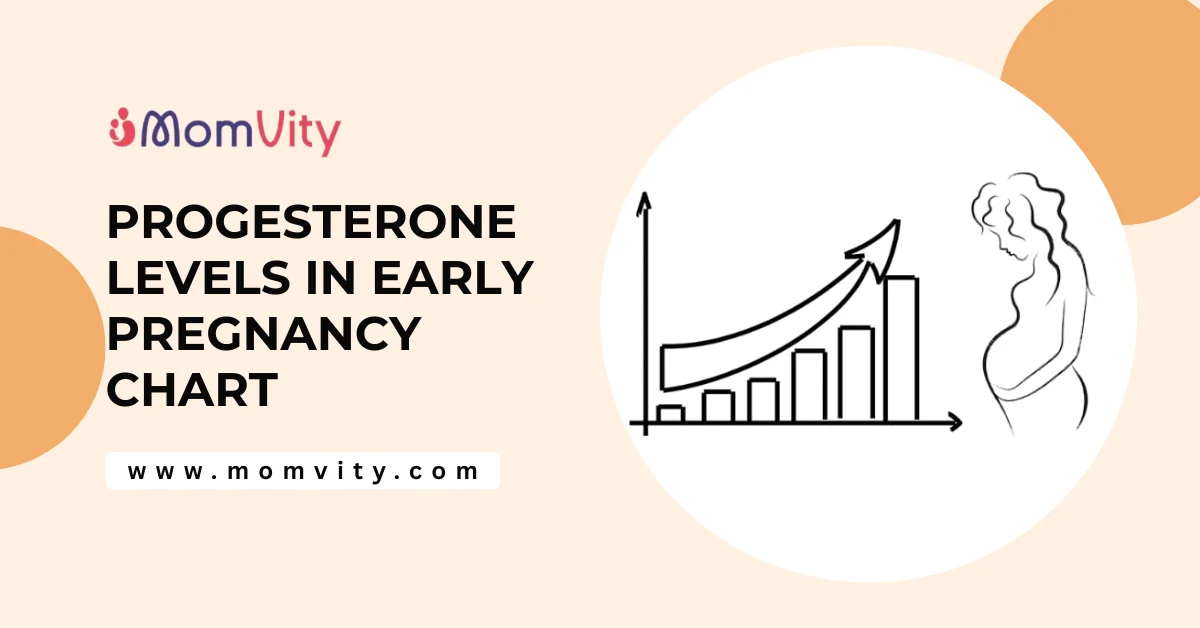
Progesterone Levels in Early Pregnancy Chart

How do progesterone hormone levels increase at the beginning of pregnancy?

How does progesterone increase in early pregnancy?

 Progesterone is called the ‘pregnancy hormone’. It works like magic in your body from the beginning of pregnancy. Simply put, every month when an egg is released from your ovary, a temporary gland called the ‘corpus luteum’ is formed there. This gland starts producing progesterone.

 If you are pregnant, the amount of this hormone increases by leaps and bounds. It makes the walls of your uterus like a soft mattress, so that the baby can grow safely there. Many times, the muscles of the body relax due to the effect of this hormone, due to which you can experience symptoms like twisting in the stomach or early pregnancy sporting a look like.

What is the progesterone hormone?

Simply put, progesterone is a hormone that plays a major role in maintaining pregnancy and keeping the baby safe in the mother’s uterus. It is also sometimes called the ‘mother hormone’ or ‘pregnancy hormone’. This hormone acts as a shield throughout the entire pregnancy, from regulating your period cycle to supporting it. Only when progesterone levels are right can an embryo implant firmly in the uterine wall, which can sometimes be seen through light early pregnancy-sporting spotting or implantation bleeding.

Functions and importance of progesterone hormone

Here’s what exactly this hormone does in your body:

  • Building the uterine wall: After your period, it thickens and nourishes the inner layer of the uterus (Endometrium) so that the embryo can find food and shelter there.
  • Protecting the fetus: It keeps the uterine muscles calm so that there are no premature contractions, which helps prevent miscarriage.
  • Helps in the production of breast milk: Changes the breast tissue during pregnancy so that the baby can receive breast milk after delivery.
  • Regulating the immune system: It regulates the body’s immune system in such a way that your body accepts the fetus without considering it an enemy.
  • Helpful signs: This hormone causes a slight increase in body temperature, which many people can see when they are pregnant or ovulating.

Role of progesterone in early pregnancy

In the first three months of pregnancy or Early Pregnancy, the progesterone hormone is called the “lifeline”. Without it, it is almost impossible to sustain a pregnancy. In early pregnancy, this hormone acts like a skilled manager inside your body that keeps everything in its right place. When the embryo takes shelter in the uterus, progesterone ensures that the uterus does not expel it. The manipulation of this hormone increases blood circulation inside the uterus, which can sometimes appear as early pregnancy sporting a look like or mild implantation spotting.

Main functions of progesterone in Early Pregnancy

Below are the important roles of this hormone in simple terms:

Maintaining the lining of the uterus: Progesterone does not allow the inner wall of the uterus to break down. If this hormone decreases, bleeding like the start of a period can occur.

Preventing miscarriage: It keeps the uterine muscles relaxed. If the uterus contracts repeatedly, there is a risk of miscarriage. Progesterone stops those contractions and protects the fetus.

Support until the placenta is formed: Progesterone ensures the supply of nutrients to the fetus until the placenta or womb is fully formed for the first 10-12 weeks of pregnancy.

Formation of cervical plug: It creates a thick mucus or sticky coating at the mouth of the uterus so that no outside bacteria or infection can enter the uterus and harm the baby.

Changes in digestion: It relaxes all the muscles in the body, which slows down the work of the stomach. Due to this, you may experience stomach cramps or gas problems.

Progesterone levels in early pregnancy

Here are the changes in progesterone in the very early days of pregnancy:

Surge after ovulation: Progesterone starts to increase when the egg is released from the ovary. If pregnancy occurs, this level does not decrease but continues to increase.

Being above 10 nanograms: According to doctors, for a healthy pregnancy, the level of this hormone is usually above 10 ng/mL at the very beginning of pregnancy. However, sometimes it can be as high as 20 or 30 ng/mL.

Symptoms: Due to the increase in progesterone during this time, your body temperature may increase slightly (it may feel like 99 degrees Fahrenheit).

Protecting the lining of the uterus: The hormone causes the blood vessels inside the uterus to dilate so that the embryo can receive nourishment. At this time, the blood vessels rupture, which is often the symptom of early pregnancy sporting a look-alike.

Muscle relaxation: Early on, progesterone causes your intestinal muscles to relax, which can cause symptoms like bloating or constipation.

What do you feel when your progesterone levels are low?

If progesterone levels don’t rise enough in the beginning, your body can’t maintain the lining of your uterus. This can cause bright red bleeding that resembles your period, which many people mistake for the normal early pregnancy spotting. If the bleeding is accompanied by severe abdominal pain, it could be a sign that your progesterone levels are dropping.

What can you feel if you have high progesterone?

High progesterone levels in the body are usually a positive sign of a healthy pregnancy. However, when this hormone increases too much, its effects on various parts of the body become clear. Progesterone mainly relaxes the muscles of the body, and because of this relaxation, you may feel some physical discomfort. In the beginning of pregnancy, when the fetus establishes itself in the uterus and the hormone increases, many people experience symptoms like early pregnancy sporting a look-alike or light spotting, as well as severe fatigue.

Changes that occur in the body when progesterone is high

You can understand if your progesterone levels are quite good or high by looking at the symptoms given below:

Prolonged sleepiness and fatigue: Progesterone acts like a natural sleeping pill on the brain. So if this hormone is high, you will feel very tired and sleepy all day long.

Slow digestion: It relaxes the muscles of the intestines, so it takes a long time to digest food. This can cause gas, heartburn, and constipation.

Morning Sickness: The hormones progesterone and hCG together make the stomach sensitive, causing nausea in the morning or at the smell of food.

Breast Changes: This hormone activates the mammary glands. As a result, the breasts may be much heavier, softer, and may feel sore to the touch.

Increased Body Temperature: Progesterone increases the body’s metabolism, which can cause your body temperature to be slightly higher than normal (around 99° Fahrenheit).

Mood Swings: Hormonal imbalance can cause sudden mood swings, crying spells, or excessive irritability.

Can you tell everything by just looking at the chart?

 No, it is not possible to understand the entire status of pregnancy by just looking at a chart or a number of lab reports. Although the Progesterone levels in early pregnancy chart gives us a general idea, everyone’s body and pregnancy are different. Some people can give birth to a healthy baby even if their progesterone levels are near the lower end of the chart, while others may have other complications despite their levels being much higher. Therefore, it is more important to pay attention to your physical symptoms and doctor’s advice rather than considering the number on the chart as the last word. Sometimes, when the embryo is set in the uterus, early pregnancy can look like or light spotting, which can happen even though the progesterone level is normal.

You may also read: What does spotting look like in early pregnancy?

Why is the chart not enough?

You will understand why relying on the chart alone is not right after reading the reasons given below:

Laboratory differences: The testing method may be different in each laboratory, which may result in different results for the same blood sample in different charts.

Hormonal fluctuations: Progesterone levels can vary throughout the day. They can even change slightly depending on what you’ve eaten or how stressed you are.

Body type: Everyone’s body is different. What looks “low” on the chart may be perfectly adequate for your body.

Role of other hormones: A healthy pregnancy requires not only progesterone but also the right balance of hCG and estrogen hormones, which can’t be determined from a simple chart.

Asymptomatic problems: Sometimes, progesterone levels are perfectly normal on the chart, but other problems with the uterus can cause symptoms like early pregnancy-like cramping or pain.

How is the real decision made?

Doctors usually don’t just look at a blood test chart. They also do an ultrasound (USG) to check if the baby’s heartbeat is normal and the condition of the uterus. If your progesterone levels are a little low but everything is fine on the ultrasound report, there is nothing to worry about.

When to get a progesterone test

It is not mandatory for everyone to get a progesterone test early in pregnancy. However, in certain situations, doctors recommend doing this test to be sure. Especially when there is any discomfort in the body or there is a need for extra caution with the pregnancy. Many times, when a woman notices early pregnancy sporting look-alike or light spotting like a period, the doctor wants to see if the body’s progesterone level is sufficient to sustain the pregnancy.

Situations in which this test is necessary

Below are some of the main reasons when a progesterone test is needed:

Bleeding or spotting: If you have light vaginal bleeding (which we call early pregnancy sporting look-alike) in the first few weeks of pregnancy, a blood test can be used to see if the hormone level is decreasing.

Severe abdominal pain or cramping: If the lower abdomen is very twisted or there is severe pain on one side, doctors try to understand whether there is a risk of ectopic pregnancy through hormone tests.

If there is a history of previous miscarriages: In those who have a history of previous miscarriages, progesterone is checked immediately after pregnancy is confirmed so that supplements can be given at the beginning.

Infertility treatment: Progesterone levels are regularly monitored in those who have conceived artificially or with hormonal drugs.

If there is doubt on ultrasound: If there is any doubt about the growth of the fetus on ultrasonography, doctors want to be sure by looking at the hormone levels.

High-risk pregnancy: If the mother is older or has other hormonal problems in the body, it is safe to test progesterone at the beginning.

How does the test work?

This is a simple blood test. This blood can be given at any time of the day. After receiving the report, the doctors compare your results with the Progesterone levels in early pregnancy chart and take necessary action accordingly.

What to do to increase progesterone

If the progesterone hormone level in the body is low or if you want to make the pregnancy more secure, doctors take various measures. There are basically two types of methods to increase progesterone: medical methods and natural lifestyle changes. If you experience early pregnancy sporting look-alike or light bleeding, it becomes very important to give the body extra hormonal support so that the uterus can hold the fetus tightly.

1. Medical Treatments

When the hormone deficiency in the body is very high, doctors recommend giving progesterone supplements directly:

Progesterone tablets or pills: This is the most common method. Doctors usually recommend taking this medicine once or twice a day.

Vaginal suppositories or gel: It is used vaginally. Since it works directly near the uterus, its effectiveness is very fast and there are fewer side effects like nausea.

Hormone injections: If the risk of bleeding is high, doctors may give weekly or daily progesterone injections.

Cream: In some cases, progesterone cream is recommended for application to the skin, but it is less commonly used during pregnancy.

2. Natural Ways and Lifestyle

Although progesterone is not found in food directly, some habits and foods help the body produce this hormone:

Foods rich in vitamins B6 and C: Bananas, nuts, fish, and citrus fruits increase the body’s ability to produce hormones.

Foods rich in zinc: Pumpkin seeds, lentils, and red meat are good for uterine health and help in hormone secretion.

Reduce stress: Excessive worry causes the body to produce the hormone ‘cortisol’, which prevents the production of progesterone. Therefore, it is very important to keep the mind calm.

Adequate rest: When the body is at rest, the hormones get the opportunity to work at the right level.

Weight control: Even if the body weight is too high or too low, the hormonal balance is disrupted. However, eating nutritious food rather than losing weight during pregnancy should be the main goal.

Important Warning

Remember, never take hormone medication on your own just because of early pregnancy sporting a look-alike or any other symptoms. Excess progesterone can also be uncomfortable for the body at times. Always follow the dosage given by the doctor based on blood tests and ultrasound reports.

What is most important at this time

In early pregnancy, especially when your body is undergoing rapid hormonal changes and you are facing symptoms like early pregnancy sporting look-alike or light spotting, the most important thing is to listen to your body and be patient. This time is as much a test of your mental strength as it is of physical changes. For a healthy pregnancy, medication or diet alone is not enough, but your awareness and calmness play the biggest role.

5 things that should be your priority at this time:

Don’t panic: It is normal to feel nervous when you see a little bleeding or a twisting of the stomach, but excessive worry can further disrupt the hormonal balance of your body. Remember that early pregnancy sporting look-alike symptoms also occur in many healthy pregnancies.

Accurate information and expert advice: Although there is a lot of information on the internet, your doctor knows your body’s condition best. It is most important to talk to a specialist directly without taking medicine for any unusual symptoms.

Adequate hydration and nutrition: Your body is now working for two. So drinking plenty of water and eating easily digestible foods is very important. This will help reduce constipation or gas pains that can sometimes be mistaken for pregnancy cramps.

Physical and mental rest: During this time, your body uses a lot of energy to build your uterus and placenta. So, if you feel tired, do not force yourself and get enough rest. Sleep and rest help your progesterone hormone to function properly.

Monitoring the symptoms: Keep an eye on your body. Is the spotting increasing? Is the pain becoming unbearable? Noticing these small changes and keeping a note of them if necessary will help the doctor make the right decision at the next checkup.

Can progesterone fluctuations change symptoms?

In early pregnancy, progesterone hormone is not always the same. Some days it may be a little more and some days it may be a little less. Due to this fluctuation, many women notice that one day their body feels the same and the next day it feels a little different. This is nothing to be afraid of.

Changes that can be seen in the body during this hormonal fluctuation

  • • More sleep one day and less sleep the next day
  • • Sometimes mild discomfort in the lower abdomen and sometimes nothing
  • • Sudden changes in mood

These changes are often very subtle, so many people do not realize that hormones are working behind them. As long as there is no major problem such as severe pain or heavy bleeding, these fluctuations are usually considered normal.

The best thing to do at this time is

• Notice the changes in your body

• Don’t worry unnecessarily

• Get regular rest

 Conclusion

This early period of pregnancy is a combination of physical and emotional feelings. Starting from the effects of the progesterone hormone to the early pregnancy sporting look, each symptom confronts you with a new experience. Sometimes it is normal to feel worried when you see discomfort in your body or a little bleeding, but remember that in most cases these are part of a healthy pregnancy. Your body is now working day and night to contain a new life and it needs some time and patience to adapt to these changes.

Some final words for your coming days:

Awareness is protection: Notice every small change in your body. If the discomfort increases too much, do not hesitate to seek expert advice.

Stay positive: Keeping your mind calm and thinking positively will work like medicine to balance your hormones.

Nusrat Ayaan

27/01/2026
early pragnancy spotting look like

What does spotting look like in early pregnancy? Normal signs and things to watch out for

What does spotting look like in early pregnancy?

 When the embryo is implanted in the uterine wall at the very beginning of pregnancy, light blood spots appear. Many of us call this implantation bleeding. Many women confuse it with their period, but early pregnancy spotting looks very different from a normal period. It is not actually a disease but a sign of the existence of a new life in the body.

 This spotting is very light and short-lived. When you see light pink or brown spots just a few days before your period starts, you should understand that your body is giving you a new signal. Its biggest feature is that it does not increase over time like a period but ends very quickly.

What does early pregnancy spotting usually look like?

 Many first-time mothers confuse their period with pregnancy spotting. In fact, early pregnancy spotting will not look like your normal period at all. It is basically a light spotting that occurs when the embryo implants itself in the uterine wall. Simply put, when you notice a light pink or dark brown spot on your underwear a few days before your period is due, you can understand that it may be implantation bleeding or spotting. The amount is so small that instead of soaking a pad, you can just use a pantyliner or tissue. It does not fall continuously from the body, but appears as light spots from time to time and stops much earlier than your period.

Key Ways to Recognize Early Pregnancy Spotting

Simply put, early pregnancy spotting looks like the following:

Light color: It is not the bright red color of your period, but is usually a light pink or rusty brown.

Very light bleeding: There is no blood flow like during your period. You may only see a few drops of blood on your tissue or panties when wiping.

Very short duration: It usually lasts from a few hours to 1-2 days at most. It will not last for 3 to 5 days like your period.

Mild cramping: There may be a very light or slight cramping pain in your abdomen, which is not even close to the severe pain of your period.

Other hormonal symptoms: In addition to spotting, you may notice that your breasts are heavy, you feel lethargic all day, or you can’t stand the smell of certain foods.

What is the color of spotting?

 You can easily understand whether it is your period or something else by looking at the color of the bleeding that occurs at the beginning of pregnancy. Usually, early pregnancy sporting look-alike is not like your normal menstrual red blood. Spotting does not happen like the dark red blood seen at the beginning of the period. Its color is either very pale or light. In most cases, it is a light pink hue. Sometimes, if the blood is a little late in coming out of the uterus, it can also turn light brown or rusty iron-like when exposed to air. This color difference will tell you that your body is preparing for a new guest.

Types of spotting colors and ways to recognize them

Simply put, early pregnancy sporting look-alike and its color characteristics are:

Light pink: It usually appears as a very light pink stain, which is much lighter than the blood at the beginning of the period.

Dark or dark brown: Sometimes the blood comes out after a while in the body, so it looks more like coffee or brown.

Not clear blood: It is not completely fresh or bright red like period blood.

Thin like water: Sometimes it is seen to come in a very thin or watery liquid form that does not have any dark appearance.

Stains on clothes: If it gets on underwear, it looks like a yellowish or light rust color after it dries.

No tissue or wheels: Along with the color, you will notice that it does not have any fleshy parts or wheels of accumulated blood like a period.

How much spotting is there?

 Many people worry about the amount of bleeding that occurs in early pregnancy. In simple terms, early pregnancy spotting is a condition where the bleeding is very minimal. Spotting is not like we have heavy flow during our period and have to change pads frequently. It is actually very light like some drops or spots. Sometimes you may not even notice it, just when you go to the bathroom and wipe it with a tissue, you will see a slight tint of color. Simply put, the amount of this spotting is so small that you will not even need to use a regular pad; a pantyliner will do the job.

How to understand the amount of spotting

To recognize early pregnancy spotting by looking at the amount, note the following points:

Blotted blood: It usually looks like one or two drops of blood on the underwear that do not flow continuously.

No pads needed: Bleeding like a period does not occur here, just a light spotting is seen.

It can be understood by wiping: Many times the bleeding does not come out, but if you wipe the urinary tract with a tissue, a light pink or brownish tint can be seen.

Short-term: As the period lasts for a few days, this spotting may stop all at once or may appear slightly after a while.

Non-flowing: The blood of the period comes out like a flow or stream, there is no flow in the case of spotting.

Light spotting: When it gets on the clothes, it creates a very small circle-like spot that does not grow over time like a period.

How long can spotting last?

 Many people think that spotting may last for several days like a period, but it is not. Early pregnancy sporting look-alike is much shorter in duration than a period or menstruation. It can usually last from a few hours to a maximum of one or two days. Since it is caused by the embryo implanting in the uterine wall, it is not permanent. Unlike period bleeding, which starts from less on the first day and increases on the second or third day, spotting is not like that. It can appear once and then disappear again. In very rare cases, it lasts up to three days, but its amount never increases, but rather decreases and stops completely.

Signs of spotting persistence

Simply put, to understand how long or how long early pregnancy sporting look-alike will last, note the following points:

Very short time: In most women, it lasts for a few hours or just a day.

Does not last: It does not last for five to seven days like a period, but comes and goes suddenly.

Intermittent: You may see a drop in the morning, then it is gone for the rest of the day, and then you may see a little at night.

Ends in a short time: It usually does not last more than 48 hours or two days.

Does not increase in amount: The amount of blood does not increase with time, which is its main difference from a period.

Stops quickly: It stops on its own very quickly without any medication.

Discover more here: brown spotting or blood

Is spotting painful?

 Spotting is not usually painful like a period. Early pregnancy is an experience where there is pain, but it is very minor. In fact, when the embryo implants itself in the uterine wall, the uterine muscles contract slightly. This can cause a very mild tingling or pulling sensation in your lower abdomen. Many people confuse it with period pain, but this pain is not as severe and goes away very quickly. In simple words, while period pain makes it difficult for you to do your daily activities or want to lie down, spotting pain is not as serious.

Types of Spotting Pain and How to Recognize It

Simply put, early pregnancy spotting looks like and the discomforts that come with it are:

Very mild pain: It is not like the severe pain of a period, but more like a mild tickling or tingling in the abdomen.

Short-term: This pain does not last all the time, and it usually goes away after a few minutes or a few hours.

Pain may be on one side: Sometimes, there is a mild discomfort or tightness on one side of the lower abdomen instead of the middle.

Mild cramping: Due to the stretching of the uterine muscles, there may be a very mild biting sensation in the abdomen, which is tolerable.

Back pain: In very rare cases, a very mild pain may be felt in the lower abdomen as well as the lower back.

Comfort with rest: This discomfort gets better very quickly if you rest a little or lie down, and no painkillers are needed.

How to tell the difference between spotting and menstruation

It can be difficult to tell the difference between your period and early pregnancy spotting, especially if your period is due soon. However, if you look closely, you will see that early pregnancy spotting looks very different from menstruation. Menstruation starts lightly, but after a day, the blood flow increases significantly and continues for several days. On the other hand, pregnancy spotting is light from the very beginning and does not increase at all with time. Menstrual blood is usually bright red in color and may have clots of blood, but the bleeding that occurs at the beginning of pregnancy is more like water or just a light colored stain.

Easy ways to differentiate menstruation and spotting

In simple terms, you can differentiate early pregnancy spotting from menstruation by the following factors:

Color of blood: Menstrual blood is usually dark red, while spotting is light pink or dark brown in color.

Permanence: Menstruation lasts 4 to 7 days but spotting usually ends within a few hours to 1-2 days.

Blood flow: Menstruation is continuous and requires the use of pads but spotting comes in drops or streaks.

Pain intensity: Menstruation can be very painful or cramping, but spotting is usually mild or non-existent.

Blood clots: Menstrual blood can often contain clots that have accumulated over time, which is not the case with spotting.

Other symptoms: If you experience breast tenderness or nausea along with spotting, it is more likely to be a sign of pregnancy.

When is spotting not normal

Although it is normal to have light spotting in early pregnancy, it is not always appropriate to take it lightly. If early pregnancy spotting turns into bleeding that is heavier than a period, it can be a cause for concern. Sometimes, bleeding can also occur at the beginning of problems like ectopic pregnancy or miscarriage. If you see that the color of the blood has turned bright red and is accompanied by a lot of pain, then you should understand that the body is giving a danger signal. It is best to keep any bleeding during pregnancy under the advice of a specialist because even a small symptom can sometimes be an indication of a bigger problem.

Symptoms to be careful of

If the following things happen to you, then you should understand that early pregnancy spotting is not normal:

Heavy bleeding: If you see that the bleeding does not decrease with time, but increases and you have to change the pad repeatedly.

Severe abdominal pain: If you feel unbearable twisting pain or aching sensation on one side of your lower abdomen or throughout your entire abdomen.

Bright red blood: If the spotting is fresh and bright red instead of pink or brown.

Blood clots: If you see large clots or lumps of blood coming out along with the blood.

Fever or body shivering: If you have a high fever or body shivering a lot along with the bleeding.

Dizziness or fainting: If you feel very weak, dizzy, or faint along with the bleeding.

What to do if you are spotting

It is very normal to get nervous when you suddenly see blood stains on your underwear. However, remember that since early pregnancy sporting look-alike is different from your period and is normal in many cases, you should first stay calm. It is not right to put extra stress on your body at this time. Doing heavy work or worrying puts pressure on hormones, which is not good in early pregnancy. Your first task will be to pay close attention to the color and amount of bleeding. If it is light pink or brown and the amount is very small, then there is nothing to worry about. However, it is most important to be a little more careful with your body and get enough rest during this time.

What to do if spotting occurs

If you realize that your condition is similar to early pregnancy sporting look-alike, you can take the following steps:

Rest: If spotting occurs, stop all work and lie down for a while. Many times, light bleeding stops on its own if you give your body enough rest.

Use a pad: To understand the amount of bleeding, use a clean pad instead of tissue or tampon. It makes it easier to understand the color and amount of blood.

Avoid heavy work: Avoid sweeping the house, lifting heavy buckets, or climbing stairs a lot during this time.

Avoid intercourse: It is better to avoid having physical intercourse until the spotting has completely stopped, as this will not put pressure on the uterus.

Tell the doctor: If you have already seen a doctor, call him and inform him about the matter. Consulting a doctor even for minor matters gives peace of mind.

Get tested: If you miss your period and then spotting occurs, test with a home pregnancy kit to be sure.

Can spotting occur more after physical work?

 Yes, sometimes it is seen that light bleeding can occur after doing heavy work or running a lot. In early pregnancy, the blood vessels around the uterus are very soft and sensitive. If you suddenly lift a heavy bucket, stand for a long time, or climb stairs quickly, the uterus may experience slight pressure. As a result, the early pregnancy sporting look-like symptom may appear in you. This is basically a signal from the body that you need to calm down a bit now. If you see such light spots after work, it is most important not to panic and give your body a rest.

What to look for when spotting occurs after work or stress

If you feel that it is early pregnancy sporting look-like after physical work, then compare the following points:

Type of work: Have you recently lifted something very heavy or traveled for a long time? If so, this spotting may be due to that stress.

Does it decrease with rest: If the spotting decreases after stopping work and lying down for a while, it means that the body was lacking rest.

Color change: Spotting that occurs after work is usually very light brown or pink in color.

Physical intercourse: Sometimes light spotting can occur after intercourse due to vaginal sensitivity, which is usually not harmful.

Abdominal tightness: Try to remember if you felt any kind of tightness in your abdomen during heavy work.

Continuous standing: Standing for a long time while cooking or working can cause spotting due to pressure on the uterus.

Can spotting increase due to stress or fear

The relationship between the mind and the body is very deep, especially when you are thinking about becoming a mother. Many times, excessive anxiety, fear or stress can upset the balance of hormones in the body. When you are too tense, stress hormones increase in the body, which can affect the hormones in the early stages of pregnancy. As a result, it is not impossible for the early pregnancy sporting look-like symptom to appear in you. Excessive fear or stress can also cause a kind of contraction in the uterine muscles, which causes light bleeding. Therefore, it is very important for physical well-being to keep the mind calm and not panic unnecessarily at this time.

Signs of understanding the relationship between stress and spotting

Understand how your state of mind is affecting your body and whether it is Early Pregnancy Sporting Look-like or not by looking at the points below:

Excessive anxiety: Are you very afraid of something all the time? This fear can affect your blood circulation and cause spotting.

Lack of sleep: If you do not sleep at night due to tension, the body becomes tired and there is a risk of light bleeding.

Sudden startle: If you are very scared or emotionally shocked for some reason, the pressure on the uterus can cause spotting.

Changes when you calm down: Notice if the spotting decreases when you calm down a little or feel lighter after talking to someone you love?

Hormonal variations: Due to mental stress, the hormone ‘progesterone’ that maintains pregnancy may decrease slightly, which can take the form of spotting.

Importance of rest: If the bleeding stops after resting both the mind and body, then you will understand that it was mainly due to mental stress.

Conclusion

Finally, at the beginning of the journey of becoming a mother, the issue of early pregnancy sporting look like becomes a cause of worry for many. However, if we pay attention to its symptoms, color and quantity with a calm mind, we can easily understand whether it is a period or an early message of the arrival of the child. Remember that light spotting is normal in most cases in early pregnancy and it is just a sign of the embryo setting in the uterus from the body. However, it is better to be aware of any changes in the body. Have faith in yourself and give your body enough time and rest so that you can spend this beautiful time healthily.

Some last important things about early pregnancy

At this special time of yours, it is very important to keep the following things in mind with early pregnancy sporting look like:

Awareness: Pay attention to the small changes in the body and try to understand the difference between it and your period.

Reduce anxiety: Excessive tension or fear can have a negative effect on the body, so keep your mind calm.

early pragnancy brown period blood on pad

Why is there brown blood on the pad in early pregnancy? Normal causes and precautions

What does it mean if you see brown blood on your pad at the beginning of pregnancy?

Light brown spotting or blood on the pad at the very beginning of pregnancy is a very common occurrence for many women. Simply put, when a new life forms in our body, a lot of ups and downs happen inside the uterus. If it is brown in color instead of bright red like period blood, then it is old blood that is being released from the body late.

During this time, if you do any heavy work, walk for a long time, or have sex with your spouse, a little blood may leak from the cervix. Since this blood does not come out immediately, it accumulates inside the uterus for a while, its color changes from red to brown or gray when exposed to air. According to doctors, as long as this brown spot is not accompanied by severe abdominal pain, cramps, or heavy bleeding, there is no reason to worry. This is considered a process of the body adapting.

What does brown blood actually mean?

When a woman sees light brown blood stains on her pad or underwear at the beginning of pregnancy, it is very natural to have various fears and superstitions in her mind. However, to put it simply, this brown blood is not a major illness of the body, but rather it is a bit of ‘old blood’. When our blood is fresh, it looks bright red. But if that blood is stored inside the uterus or vagina for a while, it mixes with the oxygen in the air and turns black or brown. In the first few weeks of pregnancy, when the baby tries to sit firmly on the wall of the uterus, a few drops of blood may come out. Doctors call this ‘implantation bleeding’. Since the blood is shed in very small amounts, it does not come out immediately. When it comes out after a while, you see it as brown discharge or stains. In addition, during pregnancy, the mouth of the uterus or cervix is ​​very soft because there is a lot of blood flow there. In this situation, if there is a slight movement in the uterus or for any very simple reason, a few drops of old blood can come out. In most cases, it will be fixed within two to three days and it will not harm the fetus. However, it is a signal from your body that you need to be a little careful and rest now. When the body starts adapting to this new change, it is not uncommon for such small things to appear. So do not panic, but take a little extra care of your body.

Brown Blood Symptoms and Precautions

By paying attention to the following points, you can easily understand how common your condition is or when you need to be a little extra careful:

Signs of old blood: Brown spots mean that it is old blood that is coming out of the body late. It is usually not as dangerous as fresh bleeding.

Need for rest: Whenever you see such spots, immediately refrain from all kinds of strenuous work and give the body complete rest.

Pain monitoring: If these brown spots are not accompanied by severe twisting pain in the abdomen or back, then there is very little reason to fear.

Precautions for intercourse: If such spots appear in early pregnancy, the couple should refrain from intercourse or heavy lifting for at least a few weeks.

Why can brown blood occur in early pregnancy?

 After getting the news of pregnancy, even a small spot of blood in the underwear can be a cause of panic for any new mother. However, remember that brown blood or discharge in early pregnancy does not mean anything bad. Simply put, during pregnancy, a huge storm of hormones flows through our body. During this time, blood flow in the uterus and the surrounding area increases several times. The most common cause of brown blood is ‘implantation bleeding’. When the small embryo firmly establishes itself in the uterine wall, some of the fine blood vessels there can tear. When that blood does not come out immediately and accumulates inside for a while, its color changes from red to brown due to the effect of oxygen. In other words, brown blood does not mean fresh blood but old blood inside the body. Apart from that, another major reason is the change in the cervix. During pregnancy, the cervix becomes very soft and sensitive. As a result, a little blood can leak from there after a slight movement, standing for a long time, doing heavy work, or having sex between husband and wife. Since the amount of blood is very small, it turns brown before coming out. In most cases, it appears for a day or two and stops on its own. According to doctors, such spots can sometimes appear even if the progesterone hormone level in the body decreases slightly. Therefore, it is important to be a little aware rather than panic if you see such brown discharge in the beginning of pregnancy. Accept it as part of a new experience of the body and try to keep yourself physically and mentally calm.

Main causes of brown blood

You can understand more clearly why this problem occurs from the following points:

Implantation or embryo placement: When the baby implants itself in the uterine wall, a little old blood is a very normal process.

ormonHal fluctuations: Due to the fluctuations of new pregnancy hormones in the body, sometimes a little brown spotting can appear around the date of the period.

Cervical Sensitivity: During pregnancy, the cervix becomes sensitive, which can cause slight bleeding with any physical pressure or intercourse.

Infection: Sometimes, even if there is a fungal or bacterial infection in the vagina, the discharge may change color to brown.

Difference between brown blood on pads and menstruation

Many times, when people see light brown blood at the beginning of pregnancy, they think that menstruation or period has started. But in fact, there is a huge difference between menstruation and this brown blood. When menstruation or menstruation occurs, it has a certain pace. At first, it is light, then the amount of bleeding increases and the color of the blood is bright red. Menstrual blood usually lasts for 3 to 7 days continuously and in it, blood wheels or clots are often seen. But the brown blood that appears at the beginning of pregnancy is very small in quantity. It is better to call it ‘spotting’ rather than bleeding. This blood is not fresh at all, but because it is old, its color looks more like brown or rusty iron. Unlike menstruation, it does not soak the pad, but only leaves light stains on the underwear or tissue when wiping. Another big difference is the duration. While menstrual blood lasts for a few days, this brown blood or implantation bleeding lasts for a few hours to one or two days at most and stops on its own. In addition, during menstruation, there is severe cramping or pain in the lower abdomen which increases with time, but with this initial brown blood, there is usually no pain or if there is, it is very slight and can be easily tolerated. In simple terms, menstruation is the loss of the egg from your body and this brown blood is a sign of a new life taking place in your uterus. So, without mistaking it for a period, you can easily distinguish between the two by observing the changes in your body.

The main differences between menstruation and brown blood

By observing the following points, you can quickly be sure whether it is menstruation or a sign of pregnancy:

Color of blood: Menstrual blood is usually bright red in color, while the blood in early pregnancy is light pink or dark brown in color.

Amount of blood: Menstrual blood is heavy, which requires frequent changes of the pad, but brown blood is only in the form of drops or spots.

Duration: Menstruation lasts for several days while brown spotting during pregnancy lasts for a few hours or a maximum of two days.

Pain type: Menstrual pain is usually severe and radiates from the waist to the lower abdomen, but there is no pain at all during implantation or brown spotting.

How long can brown blood last?

 When brown blood appears in early pregnancy, the biggest question that comes to mind is how long it can last. Simply put, this brown blood or spotting does not last very long. In most women, it can last from a few hours to a maximum of two or three days. Since it is not a regular bleeding like menstruation, it is not continuous. Maybe it appeared once now and then appeared a little after a few hours or the next day. The reason for this is that it is basically old blood inside the uterus which is slowly coming out of the body. When the embryo implants itself in the wall of the uterus (implantation), the body takes very little time to clear the little bleeding that occurs. However, sometimes such light brown spots can appear occasionally during the first three months of pregnancy, especially if you work very hard, stand for a long time or lift something heavy. The body then signals that you need to rest. If you see that this spotting is not lasting more than two-three days and its amount is not increasing, then there is usually nothing to worry about. But remember that not everyone’s body type is the same; in some cases, it stops as a drop only once, while in others it can continue lightly for two days. But if it continues for more than three days and gradually turns from brown to red blood, then it is not right to take the matter lightly. Simply put, it is a temporary issue that ends quickly with the new changes in the body.

Some important points about durability and symptoms

Understand how long or how long brown blood is normal and when it is scary from the following points:

Normal duration: Usually, brown spots stop completely within a few hours to a maximum of 48 hours or two days.

Irregularity: It is not continuous like menstruation and may stop with light spots once or twice a day.

Effect of rest: If you take complete rest after seeing the spots, it is seen that it will be fixed very quickly, i.e. within a few hours.

The amount is very small: It is usually so small that it does not completely soak a pad and only slightly stains underwear.

What does it mean if there is pain with brown blood?

 Although it is normal to see light brown blood in early pregnancy, when it is accompanied by pain in the abdomen or waist, the matter should be taken seriously. In simple terms, if only brown spots appear, we do not assume that it is old blood that the body is cleansing. But when those spots are accompanied by twisting, cramping or pain in the lower abdomen, then it should be understood that some kind of instability has developed inside the uterus. Many times, when the uterus starts to grow, the surrounding muscles may be tense and cause mild pain, which is not very scary. However, if this pain is more than menstrual pain or if a sharp stinging is felt on one side of the abdomen, it can be a cause for concern. Especially in the case of ‘ectopic pregnancy’ (the baby is sitting outside the uterus), brown or red blood appears with such severe pain. Again, many times, this type of spotting begins with pain in the back or lower abdomen as an early sign of miscarriage. If you feel that the pain is continuous and does not subside even after resting, then you should understand that your body is giving you a danger signal. The early days of pregnancy are very sensitive, so when pain and bleeding occur together, your body tries to warn you. In most cases, mild cramping pain and brown spotting will resolve in a day or two with rest, but severe pain should never be ignored. It can be an early sign of some internal change or problem in the body.

Special symptoms of pain and brown blood occurring together

Here are some things to keep in mind if pain and brown spotting occur together and when to be careful:

Pay attention to the type of pain: If the pain is a very common cramp, it is not scary, but if it is severe, like menstruation, you should be careful.

Pain on one side of the abdomen: Severe pain in a specific place on the right or left side of the abdomen can be a danger sign.

Pain that does not subside with rest: If you see that the pain does not decrease even after lying down, but rather gradually increases, then it is not normal.

Color change: If the blood suddenly turns red while there is pain along with brown spots, you should seek medical advice immediately.

When is brown blood not normal?

 While brown blood is usually not a cause for concern in early pregnancy, it is not always a good idea to take it lightly. In simple terms, there are certain signs that indicate that something is not right inside your body. If the brown blood or spotting is small and stops in a day or two, it is normal. But if you see that the amount of brown discharge or blood is increasing day by day and it becomes much more like a period, it is a sign of danger. Especially if the brown color is mixed with bright red blood, then you should understand that there is fresh bleeding inside. An even bigger reason for fear is if this spotting is accompanied by other problems in the body. For example, if you feel very dizzy, your body becomes completely weak, or you feel like fainting. Sometimes, brown blood is accompanied by a very bad odor from the vagina or if there is severe itching and burning, then you should understand that there is an infection or infection in the uterus or vagina. Another scary thing is the continuous pain of brown blood. If the pain is such that you cannot stand up straight or if someone is stabbing you with a knife in one corner of your stomach, it can be a sign of a bigger problem. Doctors say that if brown spots suddenly appear after 10 or 12 weeks of pregnancy, it is not normal. In simple words, any uncomfortable symptom that interferes with your normal lifestyle and does not subside even with rest should be considered ‘abnormal’ and immediate action should be taken.

Symptoms that you see will tell you that the situation is not normal

Keep the following points in mind. It is not right to delay at all if these things occur:

Color change: If the brown color suddenly changes to bright red or heavy bleeding starts, it is a sign of a big danger.

Severe pain and cramps: If you feel a biting or twisting pain in the abdomen or back that is much worse than menstrual pain.

Dizziness and weakness: If the brown spots are accompanied by cold hands and feet, your chest may palpitate or you may feel very weak.

Abnormal odor: If the brown discharge is accompanied by a very strong or rotten fishy odor, it could be a sign of a serious infection.

Chronic: If brown bleeding continues for more than 3 to 4 days and shows no signs of stopping.

What to do at this time

Whenever you see brown blood stains on your pad or underwear in the beginning of pregnancy, the first and foremost thing is to stay calm. Crying out of fear or nervousness puts extra pressure on the body, which is not good at all in this situation. The first thing you need to do is to stop all kinds of work and keep your body in complete rest. In simple words, stop doing any heavy work, standing for a long time, cooking or walking. Try to lie on your stomach and keep your legs a little elevated with a pillow under your feet, this reduces the pressure on the uterus. Drinking plenty of water is very important at this time because many complications are reduced if the body is moist. Be careful about what kind of pad you are using, of course use clean cotton cloth or good quality pad and try to count or keep track of how often you stain or how much blood is flowing. This will help you give the doctor accurate information later. Apart from that, read a light book or listen to music to keep your mind calm. Do not take any painkillers or herbs as you wish. Remember that this early stage of pregnancy is as fragile as glass, so a little bleeding does not mean that it is bad, but it is a warning that your body needs a little extra care and affection. So do not stress yourself and rest for at least two-three days.

Quick things to do and precautions in this situation

To manage the condition and keep yourself safe, follow the following points:

Complete Bed Rest: Go to bed as soon as you see the spotting. Do not do any heavy work or climb stairs for at least 24 to 48 hours.

Informing the doctor: Inform your doctor about the matter over the phone or in person. He may give you a supportive medicine (such as progesterone) that helps to maintain the pregnancy.

Avoiding physical intercourse: Until the bleeding stops completely and the doctor gives the green signal, avoid sexual intercourse between husband and wife.

Maintaining cleanliness: Do not use soap or any chemicals to keep the vagina clean, use only plain water and keep the area dry.

What can increase bleeding?

If you experience light brown spotting in early pregnancy, the first thing you should do is be careful because even if you forget something small, this small spot can turn into a large amount of bleeding. Many of us have the habit of continuing with all the household chores without paying attention to it even if we feel a little discomfort in our body. But remember that during pregnancy, doing things like lifting heavy buckets, sweeping the house, or moving heavy furniture puts a lot of pressure on the abdomen. This pressure can damage the delicate blood vessels inside the uterus and increase bleeding. In addition, standing for a long time, cooking, or walking for a long time can also create pressure on the lower part of the uterus, which can change the light brown blood into fresh red blood. Another important factor is mental stress or anxiety. If you are afraid or tense all the time, the hormonal balance in the body is disrupted, which can indirectly increase bleeding. Sometimes, due to constipation, even if you strain excessively during defecation, the uterine mouth is put under pressure and bleeding can start. In addition, consuming any medication or hot food (such as spicy food or raw papaya) without a doctor’s advice can increase uterine contractions and cause complications.

conclusion

In conclusion, brown blood on the pad at the beginning of pregnancy is not something to be afraid of, but rather a sign of a natural change in the body. In most cases, it resolves itself with a little rest and awareness. However, it is not right to ignore any small problem when it comes to the safety of your body and the baby in the womb. Instead of being afraid or worried about this beautiful journey of becoming a mother, be patient and try to understand the body’s language. Seeking doctor’s advice at the right time, eating nutritious food, and being worry-free are three things that can guarantee you a healthy and beautiful future. Remember, your awareness is the biggest protection for your child.

Latest Posts

​Balanced diet during pregnancy

The Importance of a Balanced diet during pregnancy for a Healthy Baby

​Balanced diet during pregnancy is essential for the mother’s health and the proper physical and mental development of the growing baby.

​Since you became a mother, your life has not been the same. Now you have to think about your unborn child at every step. Do you know that what is on your daily plate is directly shaping the body structure of your baby? Many people give a lot of advice at this time, but in fact, knowing the right rules is very important.

If you do not eat properly, your body will become weak and the growth of your baby may be hindered. Your baby’s future immunity will be built based on what you eat for these nine months. So, it is not right to neglect any food.

​Many people think that during pregnancy, you have to eat food for two, but in fact, the quality of food is more important than the quantity. Have you ever wondered why you develop aversion to certain foods during this time? In fact, the body is signaling you what additional nutrients it needs now.

If your daily food list does not contain all kinds of nutrients, you will feel tired very quickly. So, there is no alternative to nutritious food to keep yourself fresh during this important period of life and ensure the right weight of the baby.

Increases the mother’s body’s strength and immunity

  • ​Strength: A new life is growing inside your body now, so you need extra calories and energy every day.
  • ​Safety: By eating foods with the right vitamins, your body can fight off external germs and you will be less likely to get sick.
  • ​Blood: Eating foods with iron helps the body produce enough blood, which helps the oxygen reach the baby the most.
  • ​Digestion: Eating foods rich in fiber or ash makes it very easy to get rid of annoying problems like constipation, which is a great thing.

​Ways to develop your child’s bones and brain properly

​Calcium is very important for the formation of your child’s bones, which can weaken your child’s bones if you don’t get it. Do you know that including Omega-3 in your diet can improve your child’s eyesight and intelligence? Pulses or protein foods help build your child’s muscles. So it would be wise for you to have variety in your daily diet.

Which foods are essential to keep in your daily list?

​From your breakfast to dinner, every meal should be nutritious and healthy. To follow a balanced diet during pregnancy, you need to give up the illusion of outside food today. Are you sure that the food you are eating has enough protein and minerals? Always try to decorate your plate with fresh and local fruits and vegetables.

Magical benefits of protein and iron-rich foods

​Fish: Marine fish or local small fish meet the protein needs of the baby and contain a lot of iodine, which is effective.

  • ​Egg: Eating one boiled egg every day provides all the amino acids required by the body, which helps in the growth of the baby.
  • ​Vegetables: Colorful vegetables like spinach or red leafy vegetables will work like magic to increase hemoglobin in your body at this time.
  • ​Fruit: Eating sour fruits like lemons or oranges helps your body absorb iron a lot.

​Why is the need for dairy products and calcium so high?

​Eating milk or yogurt will not cause calcium deficiency in your body and will strengthen your baby’s teeth and bones. Did you know that due to lack of calcium, many people may experience dental problems or leg pain during pregnancy?

Therefore, it is possible to stay away from these problems by eating dairy products regularly. Eating yogurt increases digestion and reduces the chances of stomach gas.

Easy tips to increase baby weight through food

​During pregnancy, every mother wants her baby to be healthy and of the right weight, which is something she never has to worry about. The weight of your unborn baby depends mainly on the type of nutrition you are consuming every day.

Did you know that the baby’s weight does not increase by eating more food alone, but choosing nutritious calories is the most important thing? Many times it is seen that the mother is eating a lot but the baby is not gaining weight because the food lacks sufficient protein or healthy fats.

To ensure a balanced diet during pregnancy, you need to choose foods that directly provide energy to the baby’s cells and help it grow faster.

​To increase the baby’s weight, it is very important to include protein-rich foods such as eggs, fish and pulses in your daily menu. Have you ever wondered why doctors advise drinking at least one glass of milk every day during this time? In fact, the calcium and protein in milk increase the bone density of the baby, which plays a major role in weight gain.

Apart from this, eating different types of nuts like almonds or cashews in small amounts repeatedly helps in increasing both the brain development and weight of the baby. Carbohydrate foods like sweet potatoes or bananas also work like magic to keep the baby healthy. Remember that worrying or putting the body under excessive stress can slow down the baby’s weight gain. So, along with nutritious food, ensuring adequate sleep and rest is your biggest responsibility now.

How to overcome the worry of excess weight during pregnancy?

Many people think that the more you eat during this time, the better, but in fact, excess weight can be dangerous for you. If you follow a balanced diet during pregnancy, your weight will be under control and your body will feel lighter. Have you noticed that eating too much fried food increases heartburn or acidity? In fact, the digestion process slows down a bit during pregnancy, so it is wise to avoid spicy foods.

At this time, it is more important to pay attention to the proper nutrition of the baby than to your excess weight.

Determining the correct amount of carbohydrates and fats per day

  • ​Rice: Eating red rice instead of white rice will keep your body energized for a long time and will not increase blood sugar.
  • ​Bread: Eating light flour bread at night improves digestion and prevents abnormal weight gain, which is very good.
  • ​Oil: Using a little olive oil or mustard oil instead of soybean oil in cooking is much more beneficial for health.
  • ​Sugar: Sweet foods or excess sugar increase body weight and create a risk of diabetes during 

pregnancy.

​Secret trick to maintain water balance in the body during pregnancy

​Water Drinking at least three to four liters of pure water a day will help flush out toxins from your body. Did you know that if you don’t drink enough water, you are more likely to get a urinary tract infection during this time? Coconut water or homemade fruit juice will keep your body’s electrolyte balance in check. If you have a habit of drinking tea or coffee, reduce it because caffeine dehydrates the body, which is harmful.

What precautions should you take while eating fish and meat?

​You may love eating non-vegetarian food, but there are some rules to follow before eating them during pregnancy. To ensure a balanced diet during pregnancy, you need to make sure that the fish or meat is cooked thoroughly. Are you sure that there are no raw parts left in your cooking that can spread bacteria?

Eating undercooked meat or eggs can cause serious infections in your stomach, which is not good for the baby at all.

Reasons to avoid marine fish and foods high in mercury

  • ​Mercury: Some large marine fish contain a lot of mercury, which can cause major obstacles to the development of the baby’s nervous system.
  • ​Hilsha: Small hilsha or fresh fish from rivers and ponds is the safest and best source to meet your protein needs.
  • ​Liver: It is not advisable to eat beef liver more than once a week because it contains excess vitamin A, which can be harmful.
  • ​Cleanliness: Fish and meat should be washed very well before cooking so that no germs stick to the food.

Proper rules and requirements for washing vegetables and fruits

​Vegetables and fruits brought from the market can often contain formalin or pesticides, which can cause problems in the development of children. Did you know that soaking vegetables in lightly salted water can clean out a lot of the toxins? Always try to peel the fruit while eating it so that bacteria do not enter the stomach. Eating fresh vegetables increases the amount of antioxidants in the body, which helps keep you fresh all the time.

What is good for breakfast and afternoon snack?

​Having a light snack between three big meals keeps your body’s sugar levels stable and reduces dizziness. To maintain a balanced diet during pregnancy, you should choose natural foods instead of biscuits or cakes for afternoon snacks. Have you noticed that your body feels very weak or restless if you don’t eat anything in the afternoon? In fact, these small meals help your body to provide energy for the whole day.

Why is it important to change the dinner menu?

​The last meal of the day has a big impact on the quality of your sleep, which is very important during pregnancy. Balanced diet during pregnancy is complete when you finish your dinner at least two to three hours before going to bed. Have you noticed that eating late at night increases the problem of heartburn or gas?

In fact, during pregnancy, the stomach takes longer to digest food, so it is wise to choose light meals at night. During this time, your dinner should have the right combination of protein and complex carbohydrates, which will keep the body calm.

Some special foods that help for a restful sleep

  • ​Soup: Eating vegetable soup or light broth-like foods at night is very fast-digesting and keeps the body hydrated.
  • ​Almonds: Eating a few almonds before bed helps the magnesium in them relax your muscles and help you sleep better.
  • ​Milk: Drinking a glass of lukewarm milk, the tryptophan in it calms your brain and sends signals for deep sleep.
  • ​Grains: Eating red flour bread or oats at night keeps your blood sugar levels stable, which is good for the development of the child.

Reasons to avoid drinking tea or excess water at night

​Many people wake up due to frequent trips to the toilet at night, which is quite annoying during pregnancy. Did you know that drinking too much water before bed can put extra pressure on your kidneys, which is absolutely not recommended?

Avoid caffeine or coffee at night because it can increase your and your baby’s heart rate and cause insomnia. Drink more water during the day and only drink enough water to quench your thirst at night.

What precautions are necessary when drinking home remedies and herbal teas?

​Many people recommend drinking various herbal teas or ginger tea during pregnancy, which helps reduce nausea. It would not be right for you to take any herbal ingredient in excess while following a balanced diet during pregnancy.

Are you sure that the herbal tea you are drinking is not having any effect on the uterus? Some specific herbal ingredients can increase the pain of premature labor, which is risky for your unborn child.

Health benefits of limited use of ginger and mint leaves

  • ​Nausea: Drinking ginger tea after waking up in the morning can greatly reduce nausea or weakness in early pregnancy.
  • ​Digestion: Chewing a few mint leaves after meals can reduce the feeling of empty stomach and keep the mouth fresh, which is good.
  • ​Caution: Avoid drinking more than two cups of ginger or lemon tea a day as excessive sourness or bitterness is harmful.
  • ​Tip: It would be safest to talk to your gynecologist before starting any new home-made drink.

​The right way to take vitamin and mineral supplements during pregnancy

It is often difficult to get all the nutrients from food, so doctors prescribe iron or calcium pills. Did you know that taking these pills on an empty stomach can cause vomiting in many people, so it is better to take them on a full stomach?

Do not take calcium and iron pills together because they can interfere with each other’s absorption process, which is strange. If you take these supplements according to the rules, one hour before or after meals, you will not have any fear of anemia.

How to control your food while going out?

​When you are invited at home or at a relative’s house, it is quite difficult to control yourself after seeing extra oily and spicy food. To make Balanced diet during pregnancy successful, you have to arrange your plate very carefully even at the invitation so that your stomach does not get upset.

Have you ever thought that one heavy meal outside can ruin your entire week’s diet chart?

Eat more salads or vegetables and try to avoid sweet foods or cold drinks as much as possible.

Importance of carrying dry food and safe water while traveling

​Eating open food outside while traveling means putting yourself at risk of major stomach ailments which is fatal. To maintain a balanced diet during pregnancy, you should always keep some dry fruits like nuts or apples in your bag. Do you know that old water in plastic bottles can harm your hormones, so keep water in glass bottles? If you always keep food close to your hand, you will not be afraid of sudden drops in blood sugar, which is very useful.

​Conclusion

​Balanced diet during pregnancy is not just a food list but an investment in your child’s beautiful future that you make every day. Every moment of these nine months is priceless and what you consume directly affects every cell of your baby’s body. By eating the right food, you are not only keeping your baby healthy but also paving the way for your own speedy recovery after delivery.

Your body is doing a miracle now, so giving it adequate nutrition and rest should be your main responsibility. Be aware of food but don’t worry too much because being happy is more effective than nutrition. Remember, only a healthy mother can guarantee a healthy and beautiful generation, so take care of yourself from the heart.

I always wish that the days of your unborn child’s arrival are joyful and safe.

​Frequently Asked Questions (FAQ)

​Can pineapple or papaya be eaten during pregnancy?

Raw papaya or excess pineapple can increase uterine contractions, so it is safe and better to avoid it.

​How often should you eat?

It is best to eat small, nutritious meals every 2-3 hours rather than eating too much at once.

​Can coconut water be consumed every day?

Yes, coconut water is a great source of electrolytes that help keep your body cool and hydrated.

​What should I do if I have a strong desire to eat sweets?

Instead of excess sugar, you can satisfy your sweet tooth by eating jaggery or sweet fruits such as dates or raisins.

​Is tea completely forbidden during pregnancy?

No, you can have one or two cups of light tea a day, but not too much.

​What is the best thing to eat before going to bed at night?

Eating lukewarm milk or a few nuts is very good for sleep and for the nourishment of the body.

​Can raw salt be eaten with food?

No, excess salt causes water retention in the body, so avoiding raw salt is very important at this time.

​Which food helps to increase the intelligence of the child?

Sea fish, eggs and nuts work like magic in the development of the child’s brain, which you can eat.

​Is it possible to diet during pregnancy?

Not a diet to lose weight, but a balanced diet for nutrition should be eaten, which is more than a diet.

​What can be done if you really want to eat outside food?

If you really want to, prepare that food at home with less spices and eat it, which is much safer than outside.

Scroll to Top