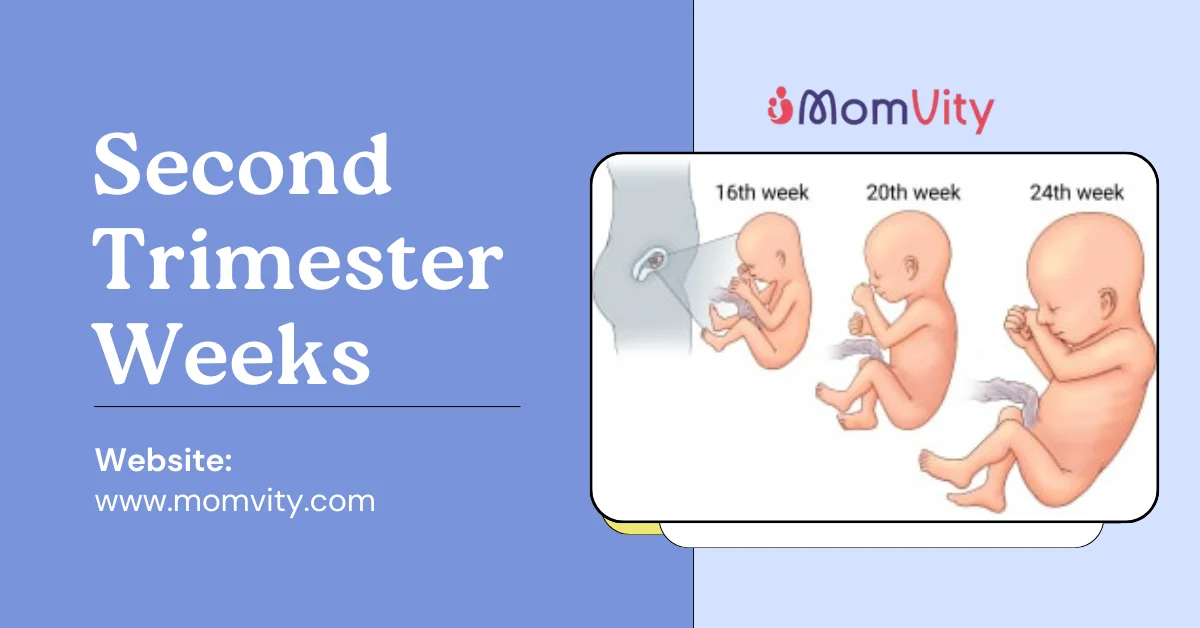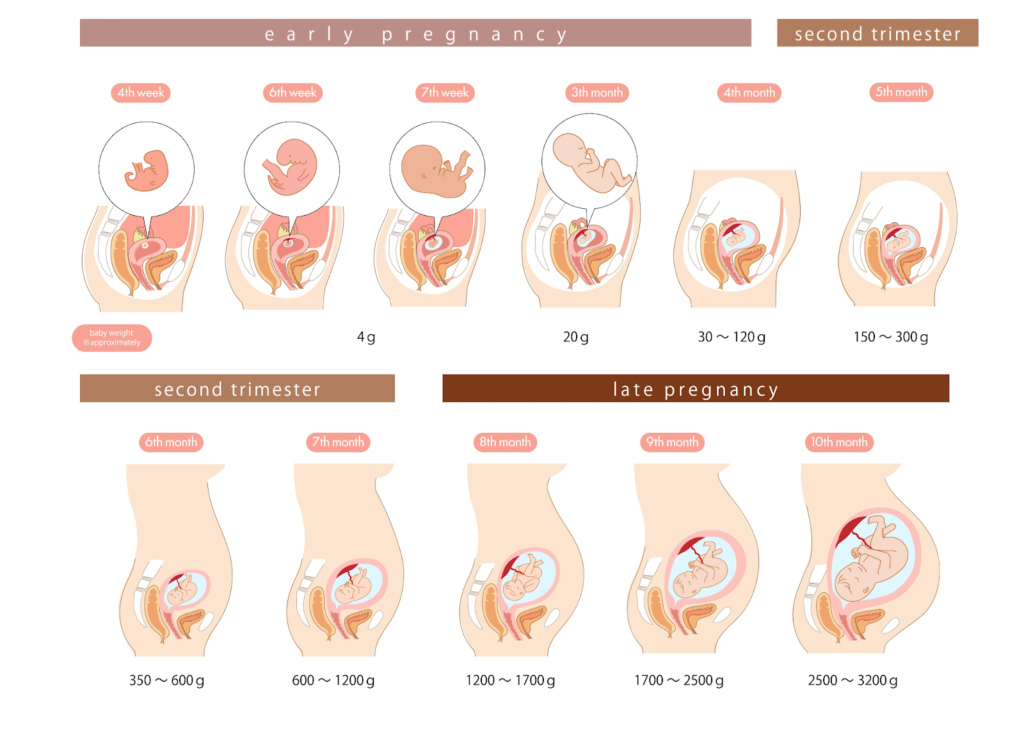
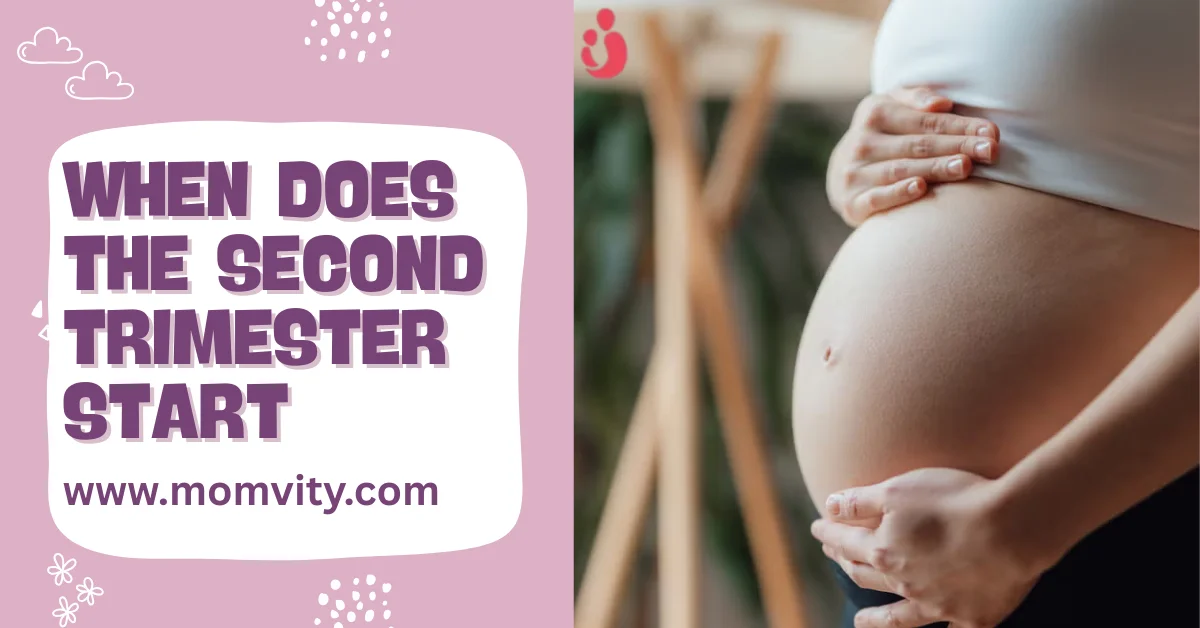
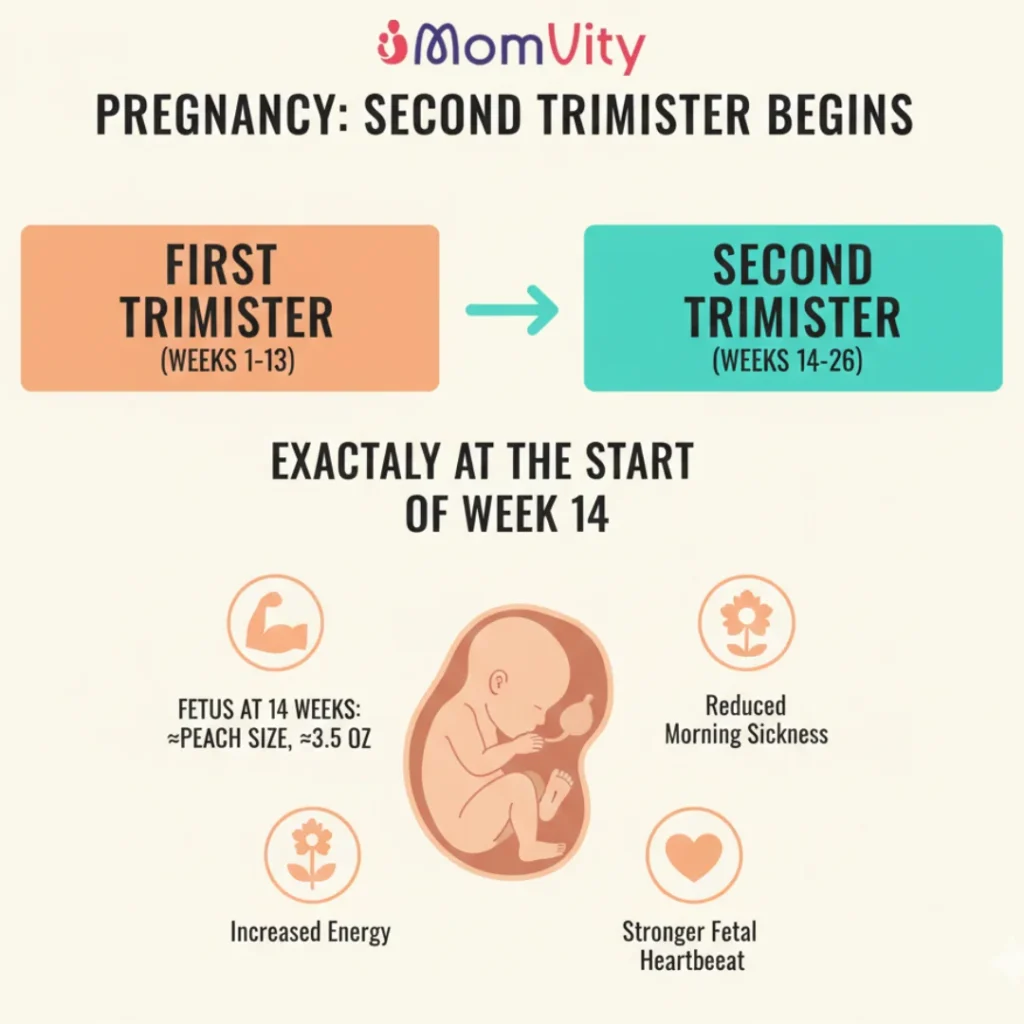
The second trimester or second stage of pregnancy is considered the most comfortable period of motherhood. When Does the Second Trimester Start is usually counted from the beginning of the 14th week.
According to the correct calculation of medical science, you enter the second trimester from the day after the completion of 13 weeks and 6 days, which lasts until the end of the 27th week. It is during this time that most mothers’ physical complications from the early stages of pregnancy subside and they begin to clear feel the presence of their baby.
What week does the second trimester start?
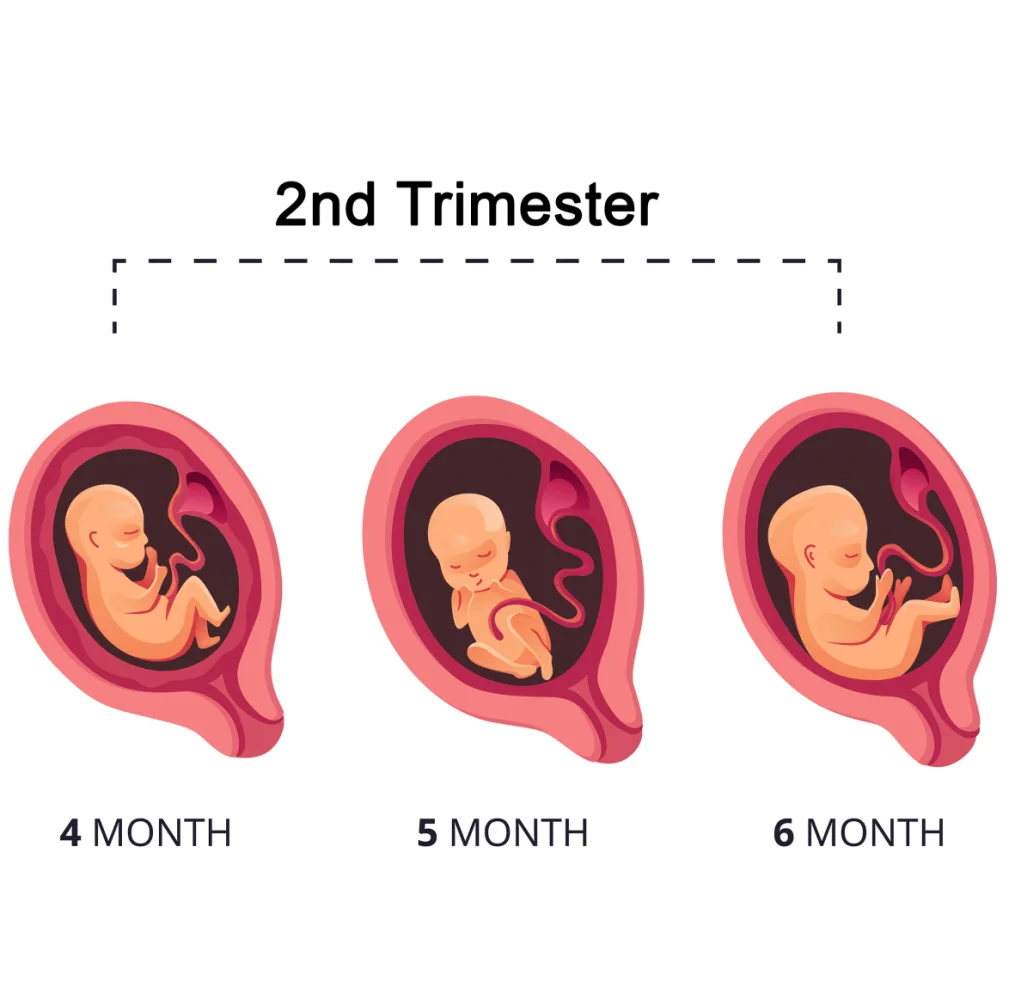
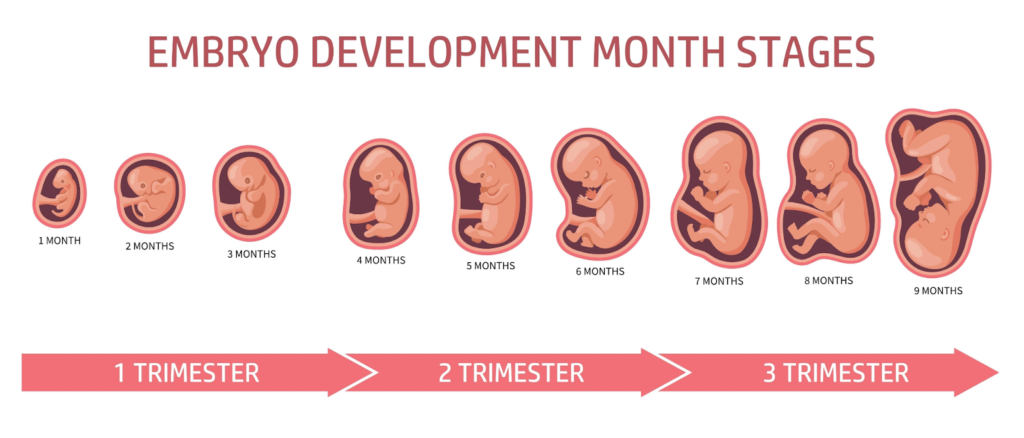
The second trimester of pregnancy is usually counte from the beginning of the 14th week. According to the correct calculation of medical science, you enter the second trimester from the day after the completion of 13 weeks and 6 days and it lasts until the end of the 27th week. This stage covers a total period of 14 weeks, which include the fourth, fifth and sixth months of pregnancy. The second trimester is called the “golden period” of motherhood, because during this time the severe fatigue and nausea of the first trimester are greatly reduced and the risk of miscarriage is also dramatically reduced. At this stage, When Does the Second Trimester Start
of the mother’s body also changes significantly as the uterus rises upwards.
The duration and characteristics of the second trimester are given below:
- Exact time: From the first day of the 14th week to the last day of the 27th week.
- Month calculation: It basically start from the fourth month of pregnancy and extends to the end of the sixth month.
- Fetal development: At the beginning of this stage, the formation of the baby’s major organs is completed and it begins to grow rapidly.
- Physical relief: As the progesterone hormone levels stabilize, the mother feels more energy or strength than before during this period.
- Baby bump: After 14 weeks, the belly begin to become visible due to the enlargement of the uterus and the waist size increases.
- Role of the placenta: At this time, the placenta becomes fully functional and takes over the responsibility of blood circulation and nutrition of the baby.
When Does the Second Trimester Start considered the beginning?
The first 13 weeks of pregnancy are called the “Embryonic and Early Fetal Period”, where the primary structures of all the major organs of the baby are formed from a single cell. The main reason for considering the 14th week as the beginning is that during this time, the most risky early stage of the baby’s life ends and the placenta or womb becomes fully functional and takes over the responsibility of the baby. In medicine, pregnancy is divided into three equal parts, each part lasting about 13 to 14 weeks. From the 14th week, the process of increasing the size and function of the baby’s organs begins, which is called the “Growth and Maturation Phase”. In addition, during this time, the intensity of hormones in the mother’s body stabilizes, as a result of which the symptoms of the first trimester go away and a new and relatively safe chapter of pregnancy begin.
The main reasons for considering the fourteenth week as the starting milestone of the second trimester are:
- Completion of organ formation: By the end of the 13th week, the baby’s heart, kidneys, liver, and lungs are complete; from the 14th week, they only start to grow.
- Placental regulation: Earlier, the mother’s ovaries provided hormones for the baby’s nutrition, but from the 14th week, the placenta itself starts providing all the hormones and nutrients.
- Reduced risk of miscarriage: Statistics show that the risk of miscarriage decreases by about 65-80% after the 13th week, which is a sign of safe stability.
- Hormonal changes: The level of hCG hormone starts to decrease during this period, due to which the mother’s nausea and fatigue decrease and physical comfort return.
- External changes: From this week, the uterus rises from the pelvic area to the abdomen, which makes the pregnancy externally visible.
What changes happen to your body when the second trimester begins
The beginning ofWhen Does the Second Trimester Start means that your body has entered the most stable and comfortable stage of pregnancy. During this time, the instability of the first trimester begins to decrease as hormone levels return to normal. The most visible change is the position of your uterus; it now rises up from your pelvis and moves to the middle of your abdomen. As a result, your “baby bump” or belly size increases and your normal clothes start to feel tight. Since blood circulation in the body increases by about 50% during this time, your heart rate may increase slightly and your skin may have a special glow or “pregnancy glow”. This is basically a stage of the body’s preparation for the rapid growth of the baby.
Major physical changes at the beginning of the second trimester:
- Increased physical strength: You will feel much fresher and more active than before as the effects of the progesterone hormone become tolerable.
- Morning sickness goes away: In most mothers, nausea and aversion to food completely go away after 14 weeks.
- Abdominal distension: As the uterus rises towards the navel, the abdomen begins to round and the skin of the abdomen may feel slightly tight or itchy.
- Breast changes: The size of the breasts increases and the area around the nipple (areola) becomes darker than before.
- Ligament tension: Due to the enlargement of the uterus, there may be occasional mild pain or “round ligament pain” in the lower abdomen or on both sides.
- Skin pigmentation: Due to the influence of hormone a black line (Linea Nigra) may become evident in the middle of the abdomen and light dark spots may appear on the face.
- Nose and gum sensitivity: Due to increased blood flow in the body the tendency to have a blocked nose or slight bleeding from the gums while brushing may increase.
How the baby develops during this period
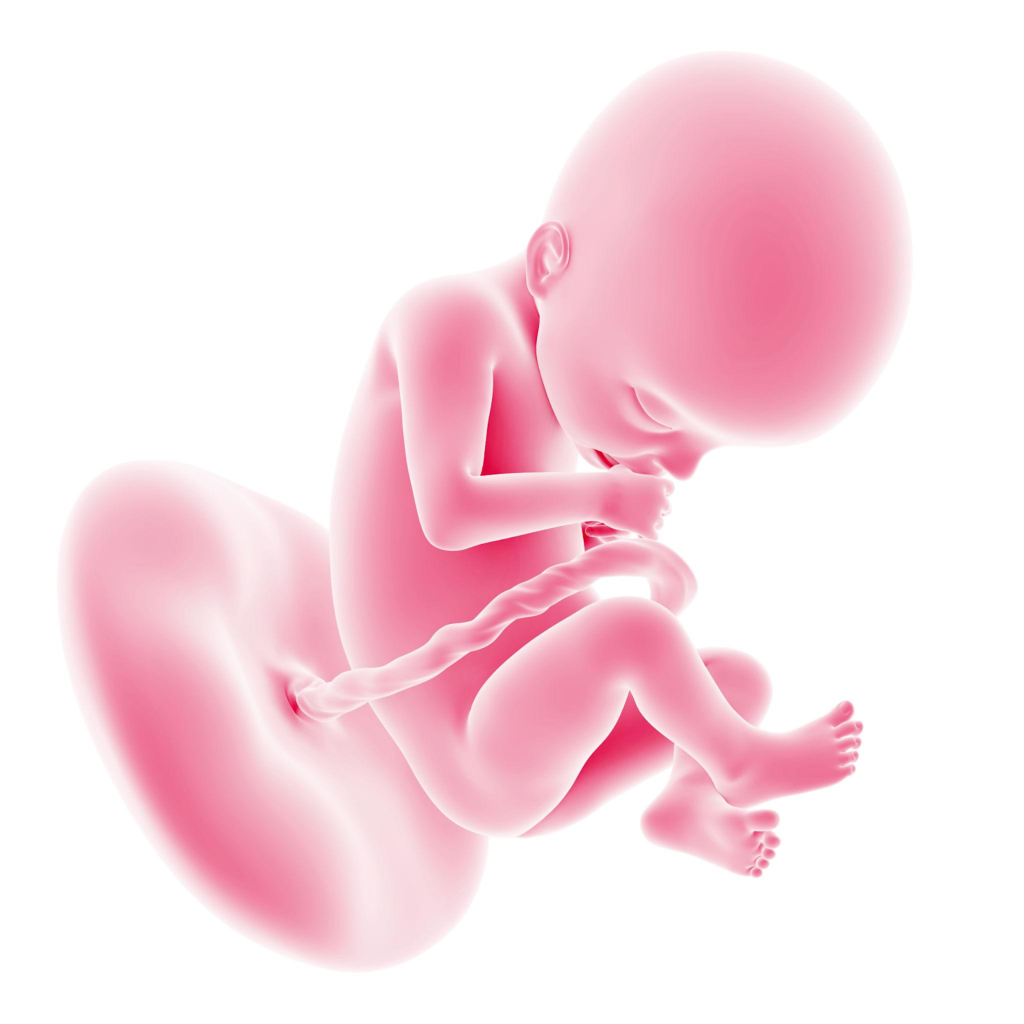
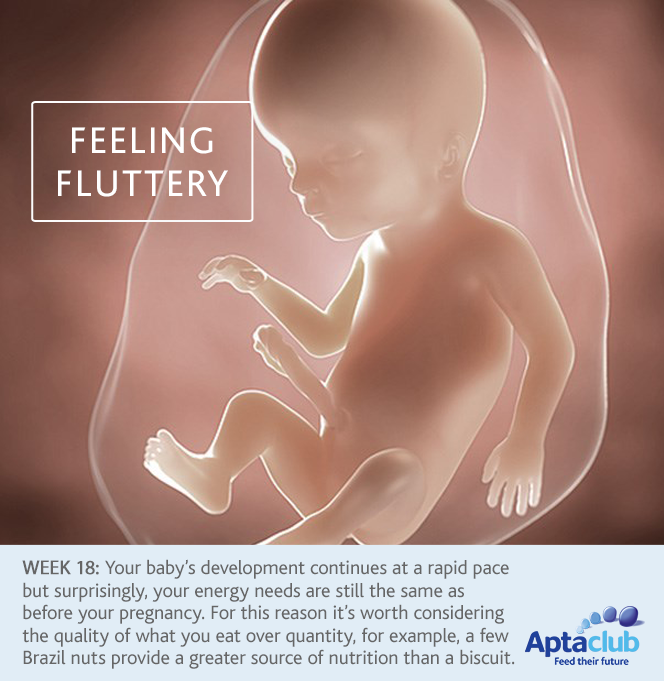
When Does the Second Trimester Start is the main period of rapid growth and maturation of the baby’s organs. At the beginning of this stage, the baby is the size of a large lemon, and by the end, it is almost the size of a large cauliflower. It is during this period that the baby’s bones begin to harden and he learns to move his arms and legs, which the mother can feel. The most amazing thing is that during this stage, the baby’s nervous system and brain develop so rapidly that he can now hear external sounds and react to light. A protective layer is formed on his skin and he develops a regular routine of sleeping and waking up in the mother’s womb. This is basically the transition period from a tiny fetus to a full-fledged newborn.
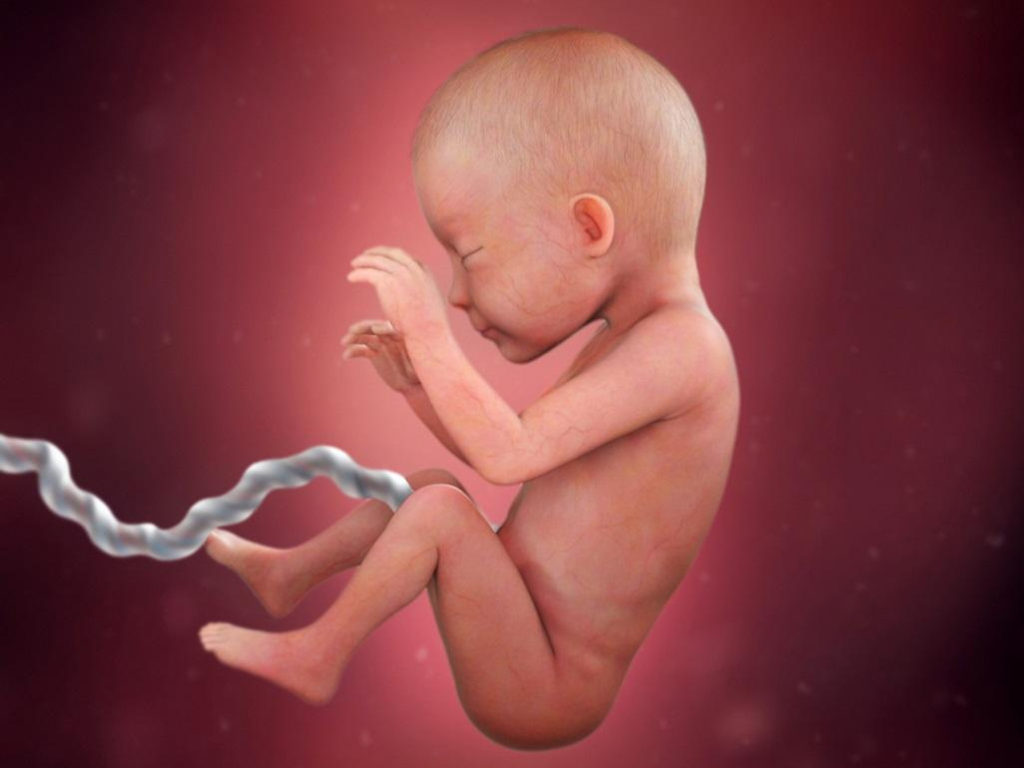
The main stages of baby development in the second trimester are given below:
- Development of sensory powers: Between 18 and 20 weeks, the baby begins to hear. He can recognize the mother’s heartbeat, the sound of blood circulation and even the voices of outside people.
- Vernix and Lanugo: A waxy white coating (vernix) and very fine hair (lanugo) grow on the baby’s body to protect the baby’s skin.
- Fingerprints and Nails: The baby’s fingers develop unique fingerprints and small nails begin to grow on the tips of the fingers.
- Movement and Kicking: Around 20 weeks, the baby begins to move its arms and legs, which is medically called ‘quickening’.
- Eyes and Eyelids: Towards the end of this period (around 26 weeks), the baby opens its eyelids for the first time and can distinguish between light and dark.
- Urine and Lungs: The baby now regularly swallows amniotic fluid and excretes it as urine. Its lungs begin to practice breathing.
Emotional changes
When Does the Second Trimester Start is often called the “honeymoon period” of pregnancy, as the sudden fluctuations in hormone stabilize during this time. The anxiety, fear, or depression that was present in the first trimester is replaced by confidence and calmness. A deep maternal affection and connection is created in the mother from the moment the baby first moves and sees its shape on the ultrasound. However, as the uterus grows, there may be some hesitation about one’s appearance or mild anxiety about the upcoming responsibilities. Overall, this period is a wonderful time for mental preparation and forging the first bond with the life growing inside her.
Common emotional states of mothers in the second trimester:
- Feeling relaxed: Mothers feel much more relaxed mentally as the risky period of the first three months is over and the fear of miscarriage has subsided.
- Bonding: After feeling the baby’s kicks or movement the matter seems real to the mother which creates deep love and affection for the baby.
- Body image anxiety: Due to rapid weight gain and changing belly size, some may feel a little depressed or lack confidence in their own beauty.
- Nesting tendency: The mother begins to mentally prepare herself for the upcoming arrival by organizing the baby’s room, deciding on a name, or shopping.
- Pregnancy brain: Sometimes, due to hormones it can be difficult to forget small things or concentrate on work.
- Bright mood: As physical discomfort decreases and energy is restored, the mind is cheerful most of the time and a bright mental state is maintained.
How to take care of yourself in the second trimester
The second trimester is the most comfortable time of pregnancy, so you should take this opportunity to prepare your body for the next stage. During this time, there is no alternative to nutritious food for the rapid development of the baby’s bones and brain. It is especially essential to include foods rich in calcium, iron and folic acid in your diet. Since your belly has started to grow now, special care is required in sleeping posture and movement. Sleeping on your left side should be your regular habit from now on, as it improves the baby’s blood circulation. Apart from this, light exercise and adequate rest should be a part of your daily routine to maintain mental peace and physical strength.
Follow the following points to take proper care of yourself in the second trimester:
- Balanced diet: Include plenty of protein (lentils, eggs, fish), calcium (milk, cheese) and iron-rich foods (bananas, spinach) in your daily menu.
- Sleeping on Left Side: This position provides the best blood flow to the uterus and placenta; you can use a pillow between your legs for comfort.
- Drink plenty of water: Drink at least 8-10 glasses of water a day to keep your body hydrated and avoid constipation and urinary tract infections.
- Skin care and moisturizing: Stretch marks or itching may occur due to the stretching of the skin on your abdomen, so use coconut oil or a good moisturizer regularly.
- Light physical activity: Walk for 20-30 minutes every day with your doctor’s permission; this keeps your blood circulation in the body good and helps in preparing for labor.
- Comfortable clothing and shoes: Wear loose cotton clothing and flat shoes to maintain your balance and reduce the risk of foot pain.
- Dental care: During this time, the tendency of bleeding gums increases so brush your teeth regular twice a day with a soft brush and consult a dentist.
When to be careful
Although the second trimester is generally safe, some physical symptoms should not be ignored. The body is very sensitive at this stage of pregnancy, so even minor changes should be taken seriously. Especially if you notice vaginal bleeding, severe abdominal pain or any abnormalities in the baby’s movements, you should consult a doctor without delay. During this time, many mothers cannot distinguish between “Braxton Hicks” or mild contractions and real labor pains, which are important to catch in time. In addition, high blood pressure or chronic headaches can be a sign of pre-eclampsia, which is dangerous for both mother and baby.
If the following symptoms occur, it is necessary to be alert and contact a doctor immediately:
- Vaginal bleeding or fluid discharge: Slight bleeding (spotting) or sudden discharge of watery fluid can be a sign of premature labor or other complications.
- Severe abdominal pain or cramps: It is not normal to have continuous severe pain in the lower abdomen or severe cramps like a period.
- Decreased baby’s movement: Usually, the baby’s movement can be felt after 20-22 weeks. If the baby’s movement suddenly decreases a lot or seem to stop completely, it is important to get checked immediately.
- Excessive swelling and headache: Sudden excessive swelling of the face, hands or feet along with severe headache or blurred vision can be a sign of high blood pressure.
- Severe fever and chills: A fever of more than 100.4 degrees Fahrenheit or accompanied by chills indicates an infection in the body.
- Continuous vomiting and weight loss: If vomiting does not stop even in the second trimester and you cannot eat anything, dehydration may occur in the body.
- Itching: Severe itching on the palms of the hands and soles can be a sign of liver problems or ‘cholestasis’.
How much belly is visible when the second trimester begins
From the beginning of the second trimester, your uterus is no longer confined to the pelvis; it begins to expand and rise towards the navel. Usually, between 16 and 20 weeks, most mothers begin to clearly see their belly or “baby bump”. However, this can vary from person to person – for first-time mothers, it may take a while for the belly to become visible (around 20 weeks). On the other hand, in the case of second or third pregnancies, the stomach muscles are already relaxed, so the belly becomes quite visible by 14-15 weeks. At this time, the uterus is about the size of a large orange or small watermelon, which makes your physical appearance more pronounced.
The size or visibility of the belly in the second trimester depends on the following factors:
- The mother’s height and body type: In tall mothers, the belly may be felt later as the uterus has room to grow upwards but in short mothers, the belly becomes visible towards the front quickly.
- Muscle tone: If your abdominal muscles are very tight or tense, it may take a little longer for the baby bump to become visible.
- Body weight: The visibility of the belly may also be earlier or later, depending on how much the mother weighed before pregnancy.
- Position of the uterus: If the uterus is tilted more towards the front wall of the abdomen (anteverted uterus), the belly can be felt faster.
- Number of fetuses: If you are carrying twins or more, the belly will naturally be much more visible as early as 14 weeks.
- Clothing style: While loose clothing may make the belly less noticeable at the beginning of the second trimester, changes become noticeable after 16 weeks in cotton or fitted clothing.
Which tests are important when the second trimester begins?
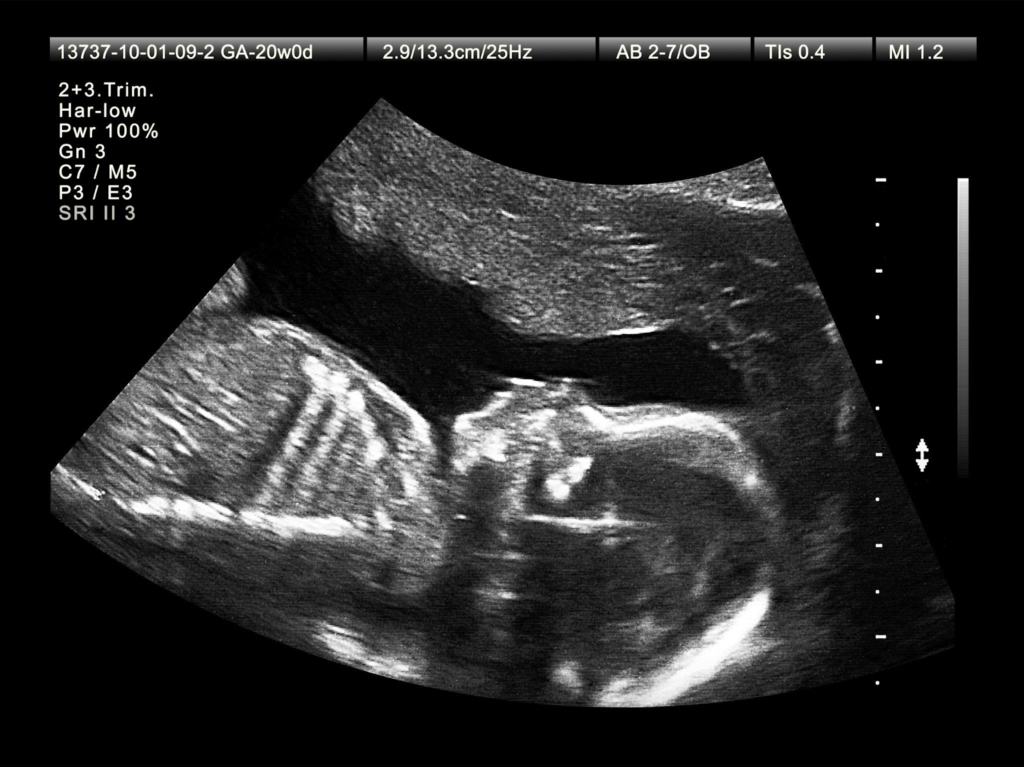
Stepping into the second trimester means a time of meticulous monitoring of every organ of the baby and the mother’s internal health. The most integral test at this stage is the Anomaly Scan, which is usually done between 18 and 22 weeks. This scan ensures that the baby’s heart, brain, spine and other organs are properly formed. In addition, checking the mother’s blood sugar levels is essential at this time, because many mothers are diagnosed with ‘gestational diabetes’ or polyuria during pregnancy between 24 and 28 weeks. Regular blood pressure tests and urine tests can detect pregnancy complications such as pre-eclampsia or infection early. These tests play an important role in keeping your pregnancy safe and maintaining peace of mind.
The list of main tests in the second trimester is given below:
- Anomaly Scan: This is a detailed ultrasound that check the baby’s physical structure and the position of the placenta.
- Glucose Challenge Test (GCT/OGTT): This is done at 24-28 weeks to check for high blood sugar level or diabetes in the mother.
- Blood Pressure and Weight Measurement: High blood pressure and abnormal weight gain are monitored at each visit.
- Routine Examination: Pre-eclampsia is diagnosed by looking for the presence of protein or albumin in the urine.
- Hemoglobin Level Check: A CBC test is done to confirm whether the mother has anemia or anemia.
- Quadruple Screen: This blood test can be done at 15-20 weeks to understand if there is a risk of any specific genetic problem or Down syndrome.
Conclusion
The second trimester of pregnancy is a wonderful juncture in the life of the mother and the baby, where fear and anxiety are overcome and a sense of complete peace begins. These 14 weeks not only give you physical comfort, but also give you the opportunity to talk to your unborn child for the first time in a heartbeat. By eating right, having regular health check-ups, and taking care of your mental health, you can pave the way for a healthy delivery. Remember, every conscious step you take during this time is creating a beautiful and strong foundation for your baby’s future. Celebrate these golden moments of motherhood with full joy and confidence, because your health is the first gift to your child.