
Pain areas in early pregnancy
The body begins to change gradually in early pregnancy, but these changes are not always clearly understood. Sometimes, even if there are no major symptoms, something is happening inside the body – it can only be felt. At this time, many women notice strange pain or pressure in some part of the body. Then the question naturally arises, are these pains normal or a cause for concern.
This is where pain areas in early pregnancy become important. Because pain at the very beginning of pregnancy does not always indicate a problem. In many cases, they are part of the body’s natural preparation. However, it is very important to know which pains are normal and which are not.
There is no medical language in this article. Here we will talk about real experiences that many women experience but are not clearly written anywhere.
Mild pain or pulling in the lower abdomen
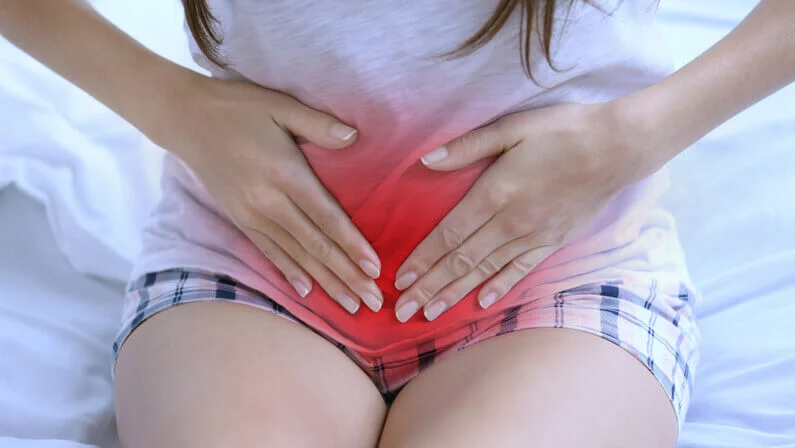
The most common pain that people notice in early pregnancy is a mild pulling or pressure in the lower abdomen. Sometimes this pain feels similar to the feeling before menstruation. So many people don’t pay attention to it at first, thinking that menstruation is coming.
This type of pain is the most common of the pain areas in early pregnancy. This is because at this time the uterus begins to change its position. The fertilized egg sits on the wall of the uterus and that area becomes a little sensitive. As a result, it is not uncommon to feel a mild pain or pulling.
This type of pain is usually like this
• Not very intense
• Sometimes it comes and goes
• It can be on one side or both sides
Many times this pain is accompanied by slight discomfort, but it is not enough to stop daily activities. As long as this pain is tolerable and not accompanied by bleeding or severe pain, it is usually nothing to worry about.
Why does lower back pain occur
Many women are surprised at the beginning of pregnancy, because lower back pain starts very early. They wonder why back pain would occur so soon. But in reality, the lower back is very common among the pain areas in early pregnancy.
There are several reasons behind this pain. On the one hand, hormonal changes, and on the other hand, changes in internal pressure in the body. When the uterus gradually begins to change its position, the surrounding muscles and ligaments also become tense. This tension is often felt as lower back pain.
This type of pain usually
• Increases when sitting for a long time
• Feels like working too much
• Relieves a little when resting
This pain often comes in such a way that people ignore it, thinking it is a normal back pain. But if you know about the pain areas in early pregnancy, you will understand that it can also be a normal reaction of the body.
Pain and discomfort around the chest or breasts
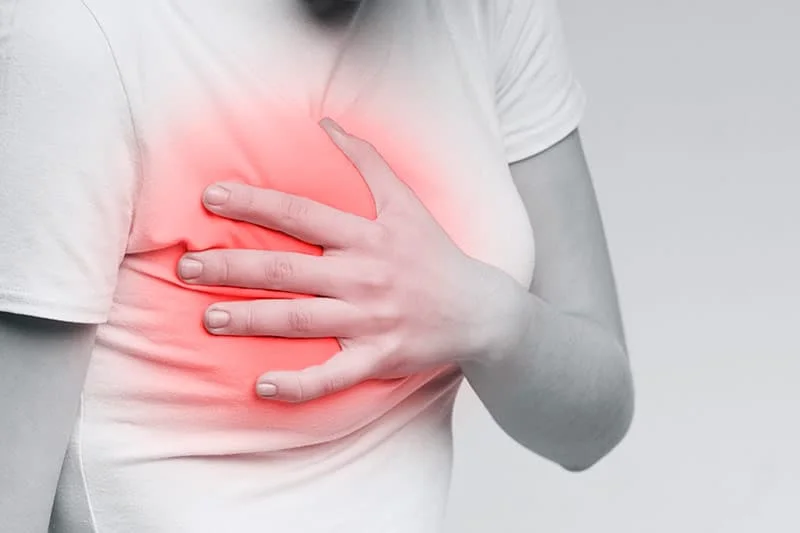
Many women experience discomfort or pain around the chest at the very beginning of pregnancy. In some cases, it feels like a light pressure, in other cases, it hurts just to touch. This feeling is often similar to premenstrual pain, but it feels a little more sensitive.
This discomfort in the chest is very important among the pain areas in early pregnancy. Because hormonal changes affect it very quickly. Then the body begins to prepare itself for the future and part of this is breast changes.
What can happen during this time
• Heaviness in the breasts
• Pain to the touch
• Mild burning
This pain is usually not harmful, but uncomfortable. As the body gradually gets used to it, this pain often decreases.
Hip and thigh joint pain
Many people are surprised when they feel a strange pain near the hip or thigh. They wonder where it comes from. But this area is often one of the areas of early pregnancy pain.
At the beginning of pregnancy, the ligaments in the body begin to loosen a little. As a result, the body’s balance changes. This change affects the hip and thigh joints
This pain usually
• Intensifies when walking
• Feels tight when standing up suddenly
• May be felt more on one side
This type of pain usually decreases over time.
Why head and neck pain can start
At the very beginning of pregnancy, many women experience strange pain in the head and neck. This pain is often so intense that they don’t even understand why it’s happening. Some think it’s due to lack of sleep, some think it’s due to work stress. But in reality, the head and neck also fall into the category of early pregnancy pain.
At this time, hormones in the body fluctuate very rapidly. This change affects blood pressure and also puts pressure on the nerves. As a result, it’s not uncommon for the head to feel heavy, the neck to be stiff, or a light headache to begin. Many times, this pain is accompanied by a feeling oTf dizziness.
his type of pain is usually
• More felt in the morning
• Increases when looking at the screen for a long time
• Persistent if you don’t get proper rest
You should let your body go a little slower during this time. Drinking water properly, not taking too much stress – these little things help a lot. As long as this pain is tolerable and there is no blurred vision or severe pain in the eye, it is usually not a cause for concern.
Why head and neck pain can start
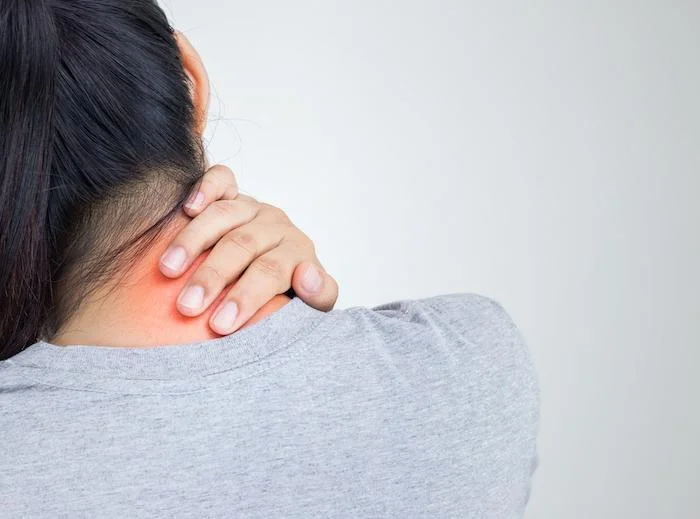
At the very beginning of pregnancy, many women experience strange pain in the head and neck. This pain is often so intense that they don’t even understand why it’s happening. Some think it’s due to lack of sleep, some think it’s due to work stress. But in reality, head and neck also fall into the category of early pregnancy pain.
At this time, the body’s hormones fluctuate very rapidly. This change affects blood pressure and also puts pressure on the nerves. As a result, it’s not uncommon for the head to feel heavy, the neck to be stiff, or a light headache to begin. Many times, this pain is accompanied by a feeling of dizziness.
This type of pain is usually
• More felt in the morning
• Increases when looking at the screen for a long time
• Persistent if you don’t get proper rest
You should let your body go a little slower during this time. Drinking water properly, not taking too much stress – these little things help a lot. As long as this pain is tolerable and there is no blurred vision or severe pain in the eye, it is usually not a cause for concern.
Why do knees and feet hurt?
It may sound strange to many that knees or feet hurt in the early stages of pregnancy. But in reality, the feet are also often a part of the pain in the early stages of pregnancy.
The main cause of this pain is the changes in the ligaments inside the body. Under the influence of hormones, the ligaments begin to loosen a little, so that it is easier to handle the weight of the body in the future. This affects the knees, feet and ankles.
This type of pain usually
• Increases when walking a lot
• It occurs when standing for a long time
• Decreases when resting
People often do not pay attention to this pain, but it is also important to understand it as a signal from your own body. It is better to walk slowly at this time without putting too much pressure.
Why is pain felt more on one side of the body
Many women notice that pain is felt more on one side of the body. For example, pain in the lower abdomen only on the right, or more pressure on one side of the back. Many people are afraid of this.
In the case of pain in early pregnancy, this pain on one side can often be normal. This is because the fertilized egg usually sits on one side of the uterus. The ligaments on that side are then more taut.
This pain is usually
• In one specific place
• Mild to moderate
• Decreases over time
However, if this pain on one side is very severe or is accompanied by bleeding, you should definitely see a doctor.
When are these pains no longer normal
Not all pains are normal. In addition to knowing the areas of pain in early pregnancy, it is also important to know when to be careful.
It is not worth delaying if these symptoms appear
• Unbearable pain
• Bleeding with pain
• Fever or feeling very unwell
In these situations, it is safest to consult a doctor rather than making decisions on your own.
What kind of problems do these pains create in daily life?
The pains that occur in early pregnancy are not limited to physical sensations. Gradually, they also begin to affect daily life. Many women then do not understand why they are not able to do things as they used to, or why everything suddenly seems difficult. This is where the pain areas of early pregnancy become very real.
If you have pain around your lower abdomen, back, legs or chest, you will have to do even simple tasks slowly. It is difficult to stand for a long time, and it is uncomfortable to sit for a long time. Some say, “What used to take ten minutes, now takes half an hour.” This change often creates stress.
Explore more here: How soon can a pregnancy test be done
Problems that usually arise during this time
• Having to take frequent breaks during work
• Difficulty maintaining attention
• The body gets tired quickly
• You may wake up at night
Although these problems may seem very small, when they come together, both the body and the mind become tired. So it is better not to expect the same performance from yourself during this time. The body is preparing for another big task—remembering this will reduce the pressure on yourself.
How to easily manage these aches
It’s not that you can’t do anything when you have pain in early pregnancy. There’s no need to do anything big. On the contrary, small habits often go a long way. At this time, the best way is to cooperate with your body a little instead of fighting it.
The first thing is to move slowly. Instead of running like before, walk slowly. Take breaks between tasks, get up and walk around occasionally if you’re sitting – these simple things help reduce pain.
Things that work for many people at this time
• Using a lap pillow or soft cushion
• Avoiding staying in one position for long
• Doing light stretching
• Avoiding being too cold or too hot
Many women say that they feel relief when they put a little warm water on their back or lower abdomen. Some people feel relief just by lying on their side. Your body will tell you what will work for you. It’s very important to listen to your body at this time.
Why excessive fear of pain arises and its effects
It is quite natural that pain in early pregnancy means fear. Because everyone around warns, tells stories and sometimes scares. This fear often becomes bigger than the real problem.
If you think too much about the places of pain in early pregnancy, the body becomes tense. Muscles tense up, sleep is reduced and pain is felt worse. In other words, fear increases pain.
What happens in this situation
• Even a small pain is felt big
• The mind is always bad
• Every feeling in the body is suspicious
At this time, the most important thing is to keep yourself calm. Not all pain is a sign of danger – remind yourself again and again. Of course, you need to be careful, but fear and caution are not the same thing.
When to trust yourself and when to seek help
It is very important to know the answer to this question. Because just as not every pain requires a trip to the doctor, you should not leave everything to yourself either. Understanding the areas of pain in early pregnancy makes this decision easier.
If the pain
• is tolerable
• decreases with rest
• is not accompanied by bleeding
then you can usually manage it yourself. But if the pain increases, is difficult to tolerate, or is accompanied by other unusual symptoms, it is better not to delay.
At this time, you need to learn to trust your body. Your body often tells you clearly when it needs help.
Conclusion
All in all, one thing is very clear—the body is not completely silent during the early stages of pregnancy, nor does it show everything at once. It gradually gives some hints, and most of those hints come in the form of pain or discomfort. The confusion about early pregnancy pain areas is actually very natural. Because these pains sometimes feel like premenstrual cramps, and sometimes they feel completely different.