Gluco6 Review: An Honest Beginner’s Guide to Ingredients, Evidence, Price and Safety

Tahmina Noor

Published: 25/10/2026
Updated: 28/10/2026

Disclosure: This article contains links that will direct you to various sites where this product is available. If you make a purchase through these links, we may earn a small commission—at no additional cost to you. However, the content presented here is intended for educational purposes only and should not be considered a substitute for professional medical advice.

If you have been researching various online supplements for blood sugar control—or have simply been curious about them—you have likely come across the name ‘Gluco6’. The official website for this product makes bold claims that it can eliminate stored body fat, reduce frequent hunger pangs, regulate blood sugar levels, and lower A1C levels within just a few months. This article of ours is written for those who wish to learn and want to understand every topic accurately and in simple language. This discussion will cover the ingredients used to create the product, the scientific basis for each of those ingredients, its price, and who should exercise caution regarding its purchase.
However, we have not personally tested Gluco6, nor have we taken it to a laboratory for analysis. The information presented below is derived from the official sales website and the experiences of those who have used the product. We have attempted to focus specifically on those details regarding the girl that could be verified. For a second perspective, you can also read the full Gluco6 review on VitalWellGuide.

Gluco6 at a Glance

Detail What We Found 
Product type Dietary supplement (capsules) 
Marketed purpose Healthy blood sugar, glucose metabolism, energy and weight management 
Advertised ingredients Sukre, TeaCrine, Gymnema, chromium, cinnamon, green tea 
Suggested use 1 capsule in the morning before breakfast with water 
Supply per bottle About 30 days (the official site lists 2 bottles as a 60-day supply) 
Price range $39 to $69 per bottle, depending on package 
Guarantee 60-day money-back guarantee, with conditions 
Retailer ClickBank, through the official Gluco6 website 
Product-specific clinical trials None found 

What Is Gluco6?

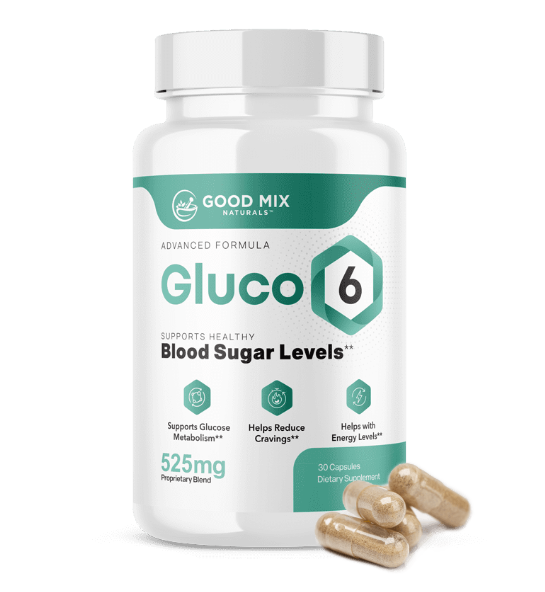
Gluco6 is an oral capsule, taken once daily, which is marketed for the purposes of regulating blood sugar levels and boosting energy. Most of the ingredients used to create this supplement are backed by reliable research, and the findings from such research are also available. This supplement contains several natural ingredients, most notably L-arabinose (sold under the name “Sukre”), chromium, Gymnema, and cinnamon. However, no clinical trials have been conducted on this supplement so far. However, the names, identities, or quantities of most of the ingredients used in this supplement are concealed under the label “proprietary blend,” and the official website makes bold claims that are not yet supported by any evidence.

However, in certain critical situations—such as during pregnancy—you must consult a doctor before taking the supplement. However, this can never be a substitute for medical treatment for diabetes; consulting a qualified specialist doctor is the best course of action in this regard.

How Does Gluco6 Claim to Work?

Marketing claims for ‘Glucose 6’ state that it blocks the pathways through which sugars—which have remained hidden in the body for a long time—would otherwise enter, preventing them from subsequently accumulating as fat. This product contains ‘sukre’ as a key ingredient, which reduces the strain on GLUT-4, thereby triggering the burning of excess body fat. It was mentioned on its official site that it first originated from research at Harvard. And this study claimed that this formula reduced the A1C level in the body by 2.8 within just 90 days.

When a supplement has not undergone clinical trials, it becomes quite difficult for new users to understand what it entails. The figures we mentioned regarding A1C levels and weight loss associated with this supplement are based on customer reviews found on the official website. It should be noted that each of these statements reflects the personal opinions of users and may have been influenced by promotional advertising. To reiterate, this information has not been derived from any reliable research papers. The official website for this product does not clearly specify which particular Harvard study is being referred to; furthermore, the site notes that Gluco6 has no affiliation whatsoever with the organisations whose logos are displayed. There is a world of difference between gaining knowledge about or conducting research into the body’s biological processes, and actually enhancing those physiological processes through a single capsule.

Gluco6 Ingredients: What the Research Says
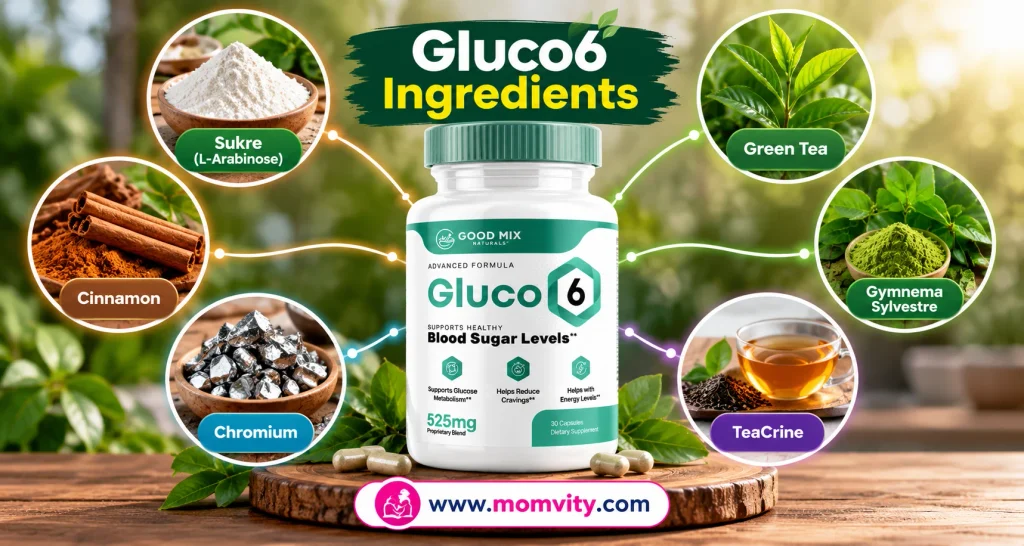
The product’s official websites state that this supplement is formulated with six ingredients; however, it is not possible to accurately determine the precise amount of each ingredient from the image of the ‘Supplement Facts’ label, and there is no mention of specific ingredient dosages in the various articles found on the website. So, if you wish to order this supplement, first ask customer support for a picture of the product’s complete label.

Sukre: The Lead Ingredient Has an Identity Question

On its official website, the ingredient ‘Sukre’ is not given any chemical designation, nor is it referred to as a chemical substance; instead, it is described as a natural prebiotic sugar. However, every ingredient listed on its official site has been researched using scientific references, which reveal that they are sourced from materials such as corn fibre and sugar beet pulp—hence it is described as a natural sugar. In another article, this natural sugar is described as allulose; however, according to the manufacturers of this supplement, the reference points more towards L-arabinose.

A 2000 Japanese human study found that adding 2 grams of L-arabinose to 50 grams of table sugar significantly lowered the rise in blood glucose and insulin, and an L-arabinose jelly reduced the post-sugar glucose peak in a small group with type 2 diabetes. A 2011 study in the American Journal of Clinical Nutrition reported similar results when 4 percent L-arabinose was added to sugary drinks. The proposed mechanism is that it slows sucrase, the gut enzyme that breaks down table sugar.

Those studies used gram-level amounts mixed directly into a sugary meal or drink. Gluco6 is a single capsule taken before breakfast, and a capsule usually holds well under one gram of powder in total, shared among six ingredients. The third study the company cites was done in rats, which is early science rather than proof in humans.

TeaCrine (Theacrine)

TeaCrine is a branded form of theacrine, a caffeine-related compound found in certain tea plants, coffee species and the cupuaçu fruit. The main human study looked at safety and energy, not blood sugar: 60 healthy young adults took 200 or 300 mg daily for eight weeks, safety markers stayed normal and no tolerance developed. The trial was partly funded by the company that sells TeaCrine. We found no evidence that theacrine improves glucose control, and it sits awkwardly with the site’s “No Stimulants” badge, so caffeine-sensitive people should take note.

Gymnema Sylvestre

Gymnema is an Indian climbing plant nicknamed “gurmar,” or “sugar destroyer,” because chewing the leaves briefly dulls the taste of sweetness. It has a long Ayurvedic history and has been tested in small trials alongside diabetes medicines. However, the U.S. National Center for Complementary and Integrative Health (NCCIH) says there is no reliable evidence that any herbal supplement can control diabetes. The NIH’s LiverTox database notes rare, isolated reports of liver injury linked to gymnema products, though the connection was usually weak.

Chromium

Chromium is a trace mineral that may enhance insulin’s action, and it is the best-studied ingredient here. The NIH Office of Dietary Supplements reports that chromium slightly lowered fasting glucose and A1C in people with diabetes across many trials, but the clinical significance is unclear, and it does not appear to help healthy people moderate glucose. The FDA allows only a qualified health claim calling any link to reduced diabetes risk “highly uncertain.”

The Gluco6 FAQ warns buyers to be cautious with other chromium-heavy formulas because Gluco6 “already provides a sufficient amount,” but we could not confirm the dose. If you take a multivitamin or a separate chromium product, review your total intake with a pharmacist.

Cinnamon

Gluco6 says it uses concentrated Ceylon cinnamon. According to NCCIH, a 2019 review of 16 studies found cinnamon supplements helped reduce fasting blood glucose and insulin resistance in people with prediabetes and type 2 diabetes, but the studies varied widely in dose and design. Choosing Ceylon is sensible, since cassia cinnamon, the common supermarket type, contains more coumarin, which in large amounts may worsen liver problems.

Green Tea

According to information from the NCCIH, green tea contains significant amounts of catechins and caffeine, which may have a modest effect on weight loss. However, regarding any potential benefits for blood sugar control, no scientific evidence has been found to date. While drinking green tea is generally considered safe for adults, its concentrated extracts—often consumed in capsule form—have been linked to adverse effects, including instances of liver damage.

What the Evidence Actually Supports

Several ingredients have some research behind them: L-arabinose for blunting the spike after a sugary meal, and chromium and cinnamon for small, inconsistent improvements in some people with diabetes or prediabetes. NCCIH describes the evidence for chromium and cinnamon as weak overall.

What is not supported is the bigger picture on the sales page. There is no published evidence that Gluco6 as a finished product lowers A1C, causes weight loss of up to 29 pounds, or “reopens” GLUT4 receptors. Testimonials can be sincere, but they cannot show whether a result came from the capsule, a new diet, medication changes or simply walking more.

How to Use Gluco6

The official directions are to take one capsule in the morning before breakfast with a glass of water. The company recommends three to six months of consistent use and suggests most people feel a difference in the first week. Those timelines come from the seller, not a clinical study. If you try it, keep a simple log of what you eat, how you feel and, if your doctor already has you monitoring, your glucose readings, so you have real information before the refund window closes.

Side Effects, Interactions and Who Should Be Cautious

The official FAQ claims there have been no reported side effects, which is hard to verify. Based on the individual ingredients, possible issues include stomach upset or bloating from chromium, digestive discomfort from gymnema, nausea or raised blood pressure from green tea extract, and sleep or jitter problems for people sensitive to caffeine-like compounds.

The most important point involves blood sugar medicine. The NIH notes that chromium may add to the effect of insulin, metformin and other diabetes drugs, raising the risk of low blood sugar, and gymnema and cinnamon raise similar concerns. Never reduce or stop prescribed medication because of a supplement; the Gluco6 site itself advises continuing prescribed medication until cleared by a healthcare professional.

Talk to a doctor or pharmacist first if you take glucose-lowering medication, have liver or kidney disease, take levothyroxine, nadolol, atorvastatin or raloxifene, or are pregnant or breastfeeding. Gluco6 is not intended for anyone under 18 without medical advice.

Pros and Cons

Pros Cons 
Ingredients are named publicly No clinical trials on the finished product 
Simple once-daily capsule Individual doses not stated in the page text 
Some ingredients have published human research A1C and weight-loss claims are unsupported 
One-time payment with no auto-ship, per the official site “No stimulants” claim sits awkwardly with theacrine 
60-day money-back guarantee Return shipping and handling costs fall on the buyer 
Ceylon cinnamon rather than cassia Only sold online 

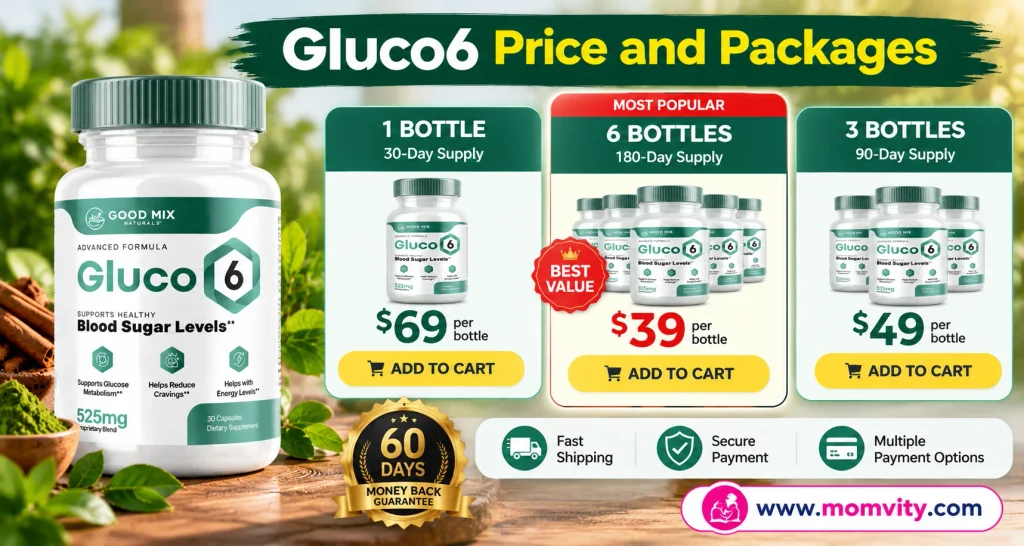
Gluco6 Price and Packages

At the time of writing (October 2026), the official website lists these packages, each with free U.S. shipping:

Package Supply Price per Bottle Total 
2 bottles 60 days $69 $138 
3 bottles 90 days $49 $147 
6 bottles 180 days $39 $234 

The 3-bottle and 6-bottle packages add two digital bonus guides, Neuro Nourish and Sweety Slim. We did not see a single-bottle option during our check, so the smallest commitment was $138. Keep in mind that the 6-bottle bundle covers six months while the guarantee lasts only 60 days.

Where to Buy and How to Avoid Misleading Offers

The official site says Gluco6 is sold only through its own pages, processed by ClickBank, and not on Amazon, eBay, Walmart or in stores. Searches turn up many look-alike pages and press-release reviews listing different doses or guarantee lengths, including some that wrongly advertise a 180-day guarantee. Confirm that checkout is processed by ClickBank, read the guarantee on the actual order page, and save your receipt.

Refund Policy and Money-Back Guarantee

The official policy offers a 60-day money-back guarantee on opened, unopened and, according to the FAQ, even empty bottles, as long as labels stay attached. You pay return shipping, refunds are issued minus shipping and handling, and you must open a ticket at helpdesk.gluco6.com or call (866) 864-7721 before mailing anything. Refunds take at least seven working days after the return arrives in Aurora, Colorado.

Gluco6’s Better Business Bureau profile lists it as a non-accredited online retailer with an average of 1 out of 5 from two reviews at the time of writing. One buyer purchased six bottles and missed the 60-day window; another reported an order that never arrived. It is a tiny sample, but it shows why tracking your shipment and refund deadline matters.

Gluco6 vs. Simpler Alternatives

If you are curious about chromium or cinnamon specifically, single-ingredient products from established brands usually list exact doses, which makes them easier to discuss with your doctor, and some carry independent quality seals such as USP or NSF.

The strongest evidence for better blood sugar does not come from supplements at all. NCCIH highlights a 2019 review of seven studies with more than 4,000 participants showing that lifestyle programs focused on weight loss, physical activity and a higher-fiber diet reduced the risk of type 2 diabetes for years. Any supplement should sit on top of that foundation, not replace it.

Final Verdict: Is Gluco6 Worth Considering?

Gluco6 contains real, studied ingredients, but the gap between its marketing and the science is wide: no product trial, a GLUT-4 story based on rats, hidden doses, and weight-loss and A1C promises the research does not support.

If you are a healthy adult who understands these limits, is not pregnant or breastfeeding, and wants to give it a cautious try, start with a smaller package and keep your expectations realistic. If you are pregnant, breastfeeding, have diabetes or take regular medication, talk with your doctor first. For most busy parents, simple changes to meals, movement and sleep will offer more reliable results than any supplement. To compare notes before deciding, read the full Gluco6 review.

Frequently Asked Questions

Is Gluco6 FDA approved?
No. Supplements are not FDA approved before sale. The company says Gluco6 is made in an FDA-registered facility, which refers to the facility, not the product.

What is Sukre in Gluco6?
The website calls it a natural prebiotic sugar. The studies the company cites all examine L-arabinose, so that is the most likely identity, but confirm the ingredient and dose on the label.

Can Gluco6 replace my diabetes medication?
No. Some of its ingredients may add to the effect of diabetes drugs and raise the risk of low blood sugar, so never stop or reduce prescribed medication because of a supplement.

How long does Gluco6 take to work?
The company suggests three to six months of daily use, but no clinical study confirms any timeline for this product.

Does Gluco6 have side effects?
The company says none have been reported, but its ingredients can cause stomach upset, bloating, nausea or sleep issues in some people, and rare liver reactions have been linked to green tea extract and gymnema products.

What is the refund policy?
There is a 60-day money-back guarantee. You must contact support first, return the bottles with labels attached and pay return shipping, and the refund is issued minus shipping and handling.


Related Articles

early pregnancy vitamins

Early Pregnancy Vitamins: What You Need and Why It Matters

Did you know that during the first few weeks of pregnancy, the brain and spinal cord of your developing baby begin to form? 

At this stage, many mothers may not even be aware that a new life is on the way. Seeing two red lines on a pregnancy test often brings a mix of joy and a flurry of questions. 

What foods are best for the baby? Which vitamins support brain development? And with so many products available on the market, which one is truly right for your needs?

Exploring these questions makes it essential to learn about “early pregnancy vitamins.” Certain nutrients play a vital role in the healthy development of your baby during the early stages of pregnancy.

Dear mother, consider this: you might not have given much thought to your daily diet before, but now that you are expecting, you likely find yourself wanting to know about every component of what you eat. This is a beautiful transformation that comes with motherhood. However, keep in mind that more vitamins do not necessarily mean greater benefits for your baby. It is important to understand which nutrients are required, which can be obtained from food, and which might be needed as supplements. 

Let’s explore the most important nutrients for both your body and your unborn baby during the early stages of pregnancy.

Early Pregnancy Vitamins at a Glance

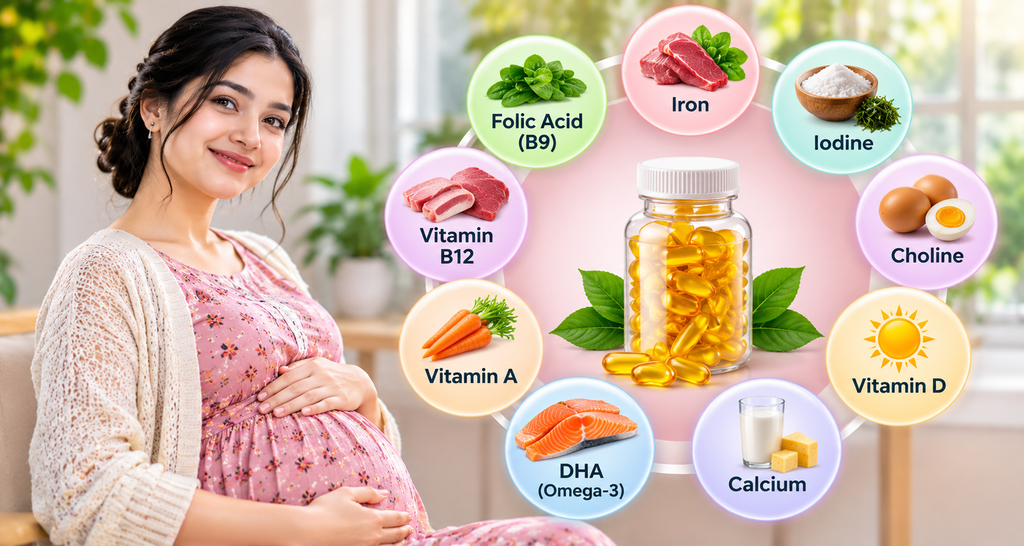
During pregnancy, your body’s nutritional needs change. In the first three months in particular, the baby’s brain, nervous system, bones, and other vital organs begin to develop. Therefore, in addition to your daily meals, it is essential to pay special attention to the intake of certain vitamins and minerals.

For your convenience, the daily nutritional requirements for pregnant women aged 19 and older are presented in the table below.

NutrientDaily RequirementMain Benefits
Folic Acid400 mcg (600 mcg DFE total folate)Brain and spinal cord development
Iron27 mgRed blood cell production
Iodine220 mcgBrain and thyroid development
Choline450 mgBrain and spinal cord development
Vitamin D15 mcg (600 IU)Bone development
Calcium1,000 mgStrong bones and teeth
Vitamin B122.6 mcgNerve and blood cell health
Vitamin A770 mcg RAEEye, skin and immune health
DHANo official RDABrain and eye development

Keep in mind that the amounts listed in the table represent your total daily nutritional requirements. This does not mean that you must obtain all of these nutrients solely from prenatal vitamins; you can meet these requirements through a combination of your diet and supplements.

Why Vitamins Matter So Much in Early Pregnancy

Have you ever wondered why early fetal development is so critical?

The answer lies in the initial formation of the baby’s body. During this period, a specialized structure called the “neural tube” develops, which eventually forms the baby’s brain and spinal cord.

Remarkably, this neural tube closes as early as the third or fourth week of pregnancy—often before a woman has even taken a pregnancy test. This means that by the time you discover you are pregnant, a vital stage of your baby’s development may have already been completed. A lack of sufficient folic acid can increase the risk of “neural tube defects”—congenital issues affecting the brain and spinal cord. According to the CDC, consuming 400 micrograms of folic acid daily helps prevent some of these birth defects.

This is why doctors recommend taking appropriate vitamins as soon as you begin planning for pregnancy. However, if you haven’t been taking any supplements, don’t blame yourself. Once you learn you are pregnant, consult your doctor and start taking them as soon as possible. Remember, it is never too late to start taking care of yourself.

The Most Important Early Pregnancy Vitamins and Minerals

Folic Acid: The Top Priority

Folic acid is one of the most important nutrients during the early stages of pregnancy. It is a form of vitamin B9 that aids in the creation of new cells and supports the healthy development of a baby’s brain and spinal cord. This vitamin is particularly crucial for the proper formation and closure of the neural tube.

Generally, a daily intake of 400 micrograms of folic acid is recommended. Ideally, one should begin taking it at least one month before conception. During pregnancy, the total daily requirement for folate is 600 micrograms DFE (Dietary Folate Equivalents). Since these two measurements are not the same, it is important to keep this in mind when reading product labels.

For women who have previously given birth to a child with a neural tube defect, a doctor may recommend a daily intake of 4,000 micrograms of folic acid. However, as this is a significantly higher dose than the standard recommendation, it should never be taken in such large amounts without a doctor’s explicit guidance.

Why Is Folic Acid So Important Before Pregnancy?

Many mothers believe that it is sufficient to start taking folic acid only after a pregnancy test comes back positive. In reality, however, the baby’s neural tube develops very rapidly; therefore, it is crucial to have adequate levels of folic acid in the body even before conception.

Also, be aware that, in addition to folic acid, an alternative form of vitamin B9—known as methylfolate or 5-MTHF—is available on the market. However, there is not yet sufficient evidence for methylfolate that matches the proven efficacy of folic acid in preventing neural tube defects. Consequently, when purchasing prenatal vitamins, check the label to ensure that it specifically lists “folic acid.”

Iron: For Your Growing Blood Supply

During pregnancy, the volume of blood in your body increases, as extra blood is required to deliver oxygen to both your own body and that of your baby. Iron plays a crucial role in the production of red blood cells.

Pregnant women aged 19 or older require approximately 27 milligrams of iron daily. A deficiency can lead to anemia, which may cause symptoms such as excessive fatigue, weakness, and dizziness.

Good sources of iron include beef, chicken, fish, lentils, beans, spinach, and iron-fortified cereals. However, consuming iron-rich foods is not enough; how well your body absorbs that iron is also important. For instance, consuming plant-based sources of iron—such as lentils or spinach—alongside lemon, oranges, or other foods rich in Vitamin C can enhance iron absorption.

It is also important not to consume an excessive amount of iron. For adult pregnant women, the upper tolerable intake limit is 45 milligrams per day. If a blood test reveals a deficiency, your doctor may recommend additional supplements.

Iodine: Often Missing From the Label

Iodine is a mineral that helps in the production of thyroid hormones. These hormones are essential for the normal development of a baby’s brain and nervous system.

During pregnancy, approximately 220 micrograms of iodine are required daily. Various health organizations recommend obtaining about 150 micrograms of iodine through prenatal supplements.

However, many mothers overlook an important detail: not all prenatal vitamins contain an adequate amount of iodine. Therefore, one should not simply rely on the label “Prenatal Vitamin” on the bottle; be sure to check the list of ingredients.

Iodine can also be obtained from sources such as iodized salt, milk, eggs, and saltwater fish. That said, if you have any thyroid-related issues, do not take iodine supplements on your own. A doctor will determine the appropriate dosage based on your specific health condition.

Choline: The Nutrient Many Moms Have Never Heard Of

Choline is an essential nutrient that many mothers may not have heard of before. Yet, it plays a crucial role in the development of a baby’s brain and spinal cord.

During pregnancy, about 450 milligrams of choline are required daily. Eggs are an excellent source of this nutrient. Choline can also be found in fish, meat, milk, lentils, and broccoli.

It is important to note that many prenatal vitamins contain little to no choline. Therefore, do not assume that taking a vitamin supplement alone meets all your nutritional needs. Be sure to consider whether you are obtaining enough choline from your daily diet.

Vitamin D and Calcium: Building Strong Bones

Calcium is essential for the development of strong bones and teeth in a baby. Vitamin D, on the other hand, helps the body absorb calcium; these two nutrients are therefore interconnected.

Pregnant women aged 19 or older require approximately 1,000 milligrams of calcium and 15 micrograms (or 600 IU) of Vitamin D daily.

Good sources include milk, yogurt, cheese, calcium-fortified plant-based milk, and certain types of fish that can be eaten with their bones. Check the calcium content in your prenatal vitamins, and aim to obtain the remainder from your diet.

Vitamin B12: Especially for Vegetarians and Vegans

Vitamin B12 helps maintain a healthy nervous system and supports the production of red blood cells. During pregnancy, the daily requirement is approximately 2.6 micrograms.

Vitamin B12 is typically found in meat, fish, eggs, and dairy products. Consequently, individuals who follow a strictly plant-based diet may be at a higher risk of a deficiency in this vitamin.

If you follow a vegan or vegetarian diet, ensure you pay attention not only to Vitamin B12 but also to iodine, choline, iron, and omega-3 fatty acids. If necessary, consult a doctor or a nutritionist to help you create an appropriate dietary plan.

DHA and Omega-3s

DHA is an important type of omega-3 fatty acid that supports the development of a baby’s brain and eyes. It is particularly important to pay attention to this nutrient if you do not consume fish regularly.

Fish with low mercury content, such as salmon, sardines, and trout, are good sources of DHA. Some prenatal vitamins contain DHA, while others do not.

There is no specific government-mandated daily requirement for DHA. However, experts generally recommend a combined intake of at least 250 mg of DHA and EPA, along with an additional 100–200 mg of DHA. If you rarely eat fish, consult your doctor to determine whether a separate DHA supplement is necessary for you.

What to Avoid: Too Much of Some Vitamins

Be Careful With Vitamin A

Vitamin A is essential for eye health, skin, and immune function. However, excessive intake during pregnancy can be dangerous.

In particular, consuming too much “preformed” Vitamin A—known as retinol or retinyl—can increase the risk of birth defects. For pregnant women, the upper limit for this form of Vitamin A is 3,000 micrograms per day.

On the other hand, beta-carotene—found in foods like carrots, sweet potatoes, and green leafy vegetables—is converted into Vitamin A by the body only as needed.

Therefore, do not take general multivitamins, beauty supplements, and prenatal vitamins simultaneously without first having them reviewed by a doctor. Remember, taking an excessive amount of vitamins during pregnancy is not a sign of good maternal care; rather, consuming the right amount based on actual needs is a sign of being a responsible and informed expectant mother.

Herbal Supplements

Many mothers believe that products made from natural or herbal ingredients are completely safe during pregnancy. In reality, however, there is not enough research on the safety of all such herbal ingredients.

Therefore, consult a doctor or pharmacist before taking any herbal pills, special tea blends, or herbal powders. This precaution is especially important if you are already taking other medications.

How to Choose a Prenatal Vitamin

There are many types of prenatal vitamins available on the market. Some come as tablets, others as capsules, and some are sold in the form of gummies. However, there is no guarantee that the most expensive bottle will be the best one for you.

Consider the following factors when choosing a suitable prenatal vitamin.

CheckWhat to Look For
Folic Acid400 mcg
IronClose to 27 mg
IodineAbout 150 mcg
Vitamin ASafe amount of preformed vitamin A
Vitamin D15 mcg (600 IU)
CholineIncluded or obtained through food
DHAIncluded or obtained through food
Third-Party TestingUSP, NSF or ConsumerLab

Gummies vs. Pills

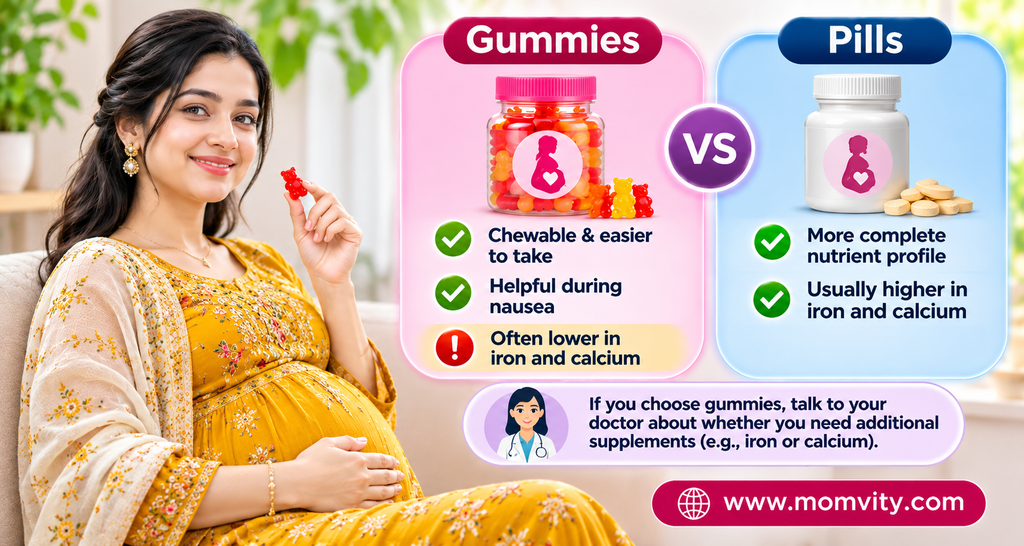
For those who experience significant nausea during early pregnancy, gummy vitamins may be a more manageable option. They are chewable, which many find convenient to take.

However, there is a drawback: many gummy prenatal vitamins do not contain sufficient amounts of iron or calcium. Therefore, if you choose to take gummies, consult your doctor about whether you need any additional supplements.

Managing Side Effects of Prenatal Vitamins

Nausea

Many women experience nausea during the early stages of pregnancy, and taking prenatal vitamins can sometimes make this discomfort worse.

Have you ever felt stomach discomfort throughout the day after taking your vitamins in the morning? If so, you might consider—with your doctor’s approval—taking them at night alongside a light snack. This approach proves helpful for some women.

However, if you experience persistent vomiting or are unable to keep any food or medication down, please consult your doctor. They may be able to recommend a different type of supplement if necessary.

Constipation

Taking prenatal vitamins that contain iron can sometimes lead to constipation. This can be particularly uncomfortable for those who already have digestive issues.

You can follow a few steps to help alleviate this problem.

  • Drink plenty of water every day.
  • Eat fruits, vegetables, and fiber-rich foods.
  • Engage in light walking, provided you have your doctor’s approval.
  • Consult your doctor about using a stool softener, if necessary.

Also, keep in mind that you should not stop taking iron supplements on your own just because you are experiencing constipation. If you inform your doctor about the issue, they can adjust the type of supplement or the method of administration as needed.

Conclusion: A Healthy Beginning for Your Little One

By now, you surely understand that taking care of yourself during early pregnancy is not just about eating more food or taking a large number of vitamins at once. Rather, the most important thing is to know which nutrients are needed, when they are required, and how to consume them safely. A high-quality prenatal vitamin, a nutritious diet, and regular medical consultations will help ensure a healthy start to your pregnancy.

Health Disclaimer: This article is intended solely for general health education purposes. It is not a substitute for professional medical advice. Always consult with your doctor, OB-GYN, or midwife before starting, stopping, or changing any vitamins or supplements during pregnancy.

Frequently Asked Questions

What Vitamins Should I Take in Early Pregnancy?

Generally, an appropriate prenatal vitamin—rich in folic acid, iron, iodine, and vitamin D—is necessary. Choline and DHA are also important. However, specific requirements may vary depending on your diet and physical condition.

When Should I Start Taking Prenatal Vitamins?

Ideally, it is best to start taking prenatal vitamins containing folic acid at least one month before planning a pregnancy. However, if you have not started by then, begin taking them after consulting your doctor once you learn that you are pregnant.

Can I Take a Regular Multivitamin Instead of a Prenatal Vitamin?

It is better to choose prenatal vitamins instead of regular multivitamins, as the levels of folic acid, iron, or iodine in regular multivitamins may not be suitable for pregnancy. Some products may also contain excessive amounts of vitamin A.

Are Gummy Prenatal Vitamins as Good as Pills?

Taking gummy vitamins can be easy, especially for those experiencing nausea. However, many gummy vitamins do not contain sufficient amounts of iron and calcium. Therefore, consult with a doctor before taking them.

Is Methylfolate Better Than Folic Acid?

Methylfolate, or 5-MTHF, is an alternative form of vitamin B9. However, the effectiveness of folic acid in preventing neural tube defects is well-established. Therefore, when choosing prenatal vitamins, check to ensure they contain folic acid.

Why Does My Prenatal Vitamin Make Me Nauseous?

Nausea can occur during early pregnancy due to hormonal changes. Taking vitamins may further increase this discomfort. In some cases, taking them at night along with a light meal can be helpful.

Can I Take Too Many Vitamins During Pregnancy?

Yes, taking excessive amounts of vitamins can be harmful. In particular, high levels of preformed vitamin A can increase the risk of birth defects. Therefore, do not take multiple multivitamins or supplements at the same time.

Do I Need a DHA Supplement in Early Pregnancy?

Not everyone needs a separate DHA supplement. DHA can be obtained from fish low in mercury, such as salmon and sardines. If you do not eat fish regularly, consult your doctor about whether an additional supplement is necessary for you.

Scroll to Top