Signs of Early Pregnancy: Common Signs of the First Stage of Motherhood

Tahmina Noor

Published: 27/01/2026
Updated: 27/01/2026

Signs of early pregnancy are the first indicators that a new life is beginning to grow inside you. From missed periods to nausea, read our guide to learn more about the early signs of pregnancy.

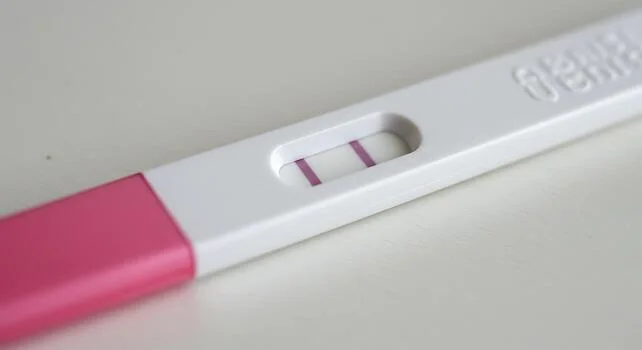
This journey of having a baby is very exciting and amazing. When a new life is born inside the body, the body starts expressing it through various signals. Many times these symptoms may seem like common physical ailments, but in fact these are signs of early pregnancy. If you are planning to get pregnant or have missed your period, it is important to pay attention to the small changes in your body. If you understand these early signals, you can take a pregnancy test at the right time and start taking the necessary care. Awareness can ensure a healthy and safe motherhood from the beginning of pregnancy.
Physical reasons behind initial fatigue

There are several scientific and physical reasons behind feeling tired in the first few weeks of pregnancy

Increase in progesterone hormone: Immediately after conception, the level of progesterone hormone in the body increases drastically. This hormone helps to maintain the pregnancy, but it acts like a natural sleeping pill, which keeps you sleepy or tired throughout the day.

Increased blood production: The body now starts producing a lot more blood to ensure the nourishment of the baby. The heart has to work a lot harder to pump this extra blood, which quickly tires the body.

Changes in metabolic processes: Creating a new organ (placenta or embryo) is a very energy-intensive task for the body. Your body’s metabolism rate increases significantly during this time, making you feel weak.

Decreased blood pressure and sugar: Due to hormonal changes, blood pressure and blood sugar levels can decrease in early pregnancy, which directly causes fatigue and dizziness.

Mental and emotional effects

In addition to physical changes, the mixed reactions (joy, fear or excitement) that arise in the mind after receiving the news of pregnancy can be quite tiring mentally; this mental stress or ’emotional drain’ makes the body even more tired.

Ways to relieve this fatigue

  • Listen to your body: Whenever you feel very tired, take a short sleep or ‘power nap’ of at least 15-20 minutes.
  • Drink enough water: Dehydration increases fatigue, so drink plenty of water and fluids throughout the day.
  • Nutritious food: To keep your blood sugar levels stable, try to eat small, nutritious meals frequently rather than eating too much at once.
  • Fall asleep faster than before: Increase your nightly sleep time and make it a habit to go to bed early.

Causes of sudden mood swings

Many women say that they themselves do not understand why they get upset so easily, or why they get teary-eyed at the slightest thing. These mood swings often make them feel uncomfortable.

Mood swings are very normal in early pregnancy. This is because hormonal fluctuations directly affect the brain during this time. As a result it becomes difficult to control emotions.

His time is usually seen in

• Getting angry at small things

• Feeling upset for no reason

• Sudden crying

In this situation, instead of getting angry at yourself, you should understand that your body is not in a normal state at that time. These changes can be largely managed with time.

Why nausea or aversion to food can occur in early pregnancy

Many people think that nausea or aversion to food starts much later. But in reality for many women it occurs at the very beginning of pregnancy. Even before the missed period, the body often starts giving this signal. Then people do not understand whether it is a simple gastric or something else.

Nausea is a very common symptom among the sins of early pregnancy. However it does not always come in the form of vomiting. Many times there is an uncomfortable feeling throughout the day. As soon as you sit down to eat you feel that you are no longer feeling well. Even when you see your favorite food, you are not interested. 

During this time many women notice

• Disgust with the smell of cooking

• Nausea when waking up in the morning

• Discomfort on an empty stomach

• Aversion to your favorite foods

The main reason behind all this is hormonal changes. When the body starts to adapt to the new situation, the digestive process also becomes a little chaotic. This is accompanied by emotional instability, which further increases the discomfort.

Why are breast changes considered such an important symptom?

In early pregnancy, breast changes are very noticeable to many women. Some say that the breasts suddenly become heavier, while others say that they hurt when touched. Sometimes even wearing clothes causes discomfort.

Among the sins of early pregnancy, these breast changes are very important, because they show the effects of hormones very quickly. Then the body begins to prepare itself for the future. As part of the preparation for milk production, changes occur inside the breasts and this is the cause of this discomfort.The t

things that are usually seen at this time are:

• Heaviness in the breasts

• Sensitivity to touch

• Mild pain or tightness

• Swelling compared to before

Many women confuse these changes with the symptoms of premenstrual syndrome. However, the difference is that during pregnancy, this discomfort is often more intense and does not subside easily. It can become more pronounced over time.

Most of the time, these changes are not harmful, just uncomfortable. Wearing comfortable clothes and avoiding very tight bras during this time brings relief for many. The most important thing is to try to understand these changes in your body without getting scared.

Why do strange feelings or mild pains start in the lower abdomen?

Many women experience strange feelings in the lower abdomen at the very beginning of pregnancy. It is not exactly severe pain, but it does not completely relieve it either. It is like a pulling or mild pressure inside. Many times this feeling feels like pain before menstruation, so many people do not pay attention to it at first.

This feeling in the lower abdomen is a very familiar one among the sins of early pregnancy. Because at this time, a big change is happening inside the uterus. The fertilized egg sits on the wall of the uterus and blood flow increases in that part. As a result, that part becomes a little sensitive. This sensitivity is often felt as pain or pressure.

What many women feel at this time

• Mild pulling or tingling

• Occasional pain, then goes away

• Some relief when lying down

These feelings are often normal. However, if the pain is very intense, difficult to bear, or is accompanied by bleeding, you need to pay attention. Usually, this pain is part of the body’s preparation.

Reasons for sudden changes in sleep patterns

Many women say that their sleep becomes completely irregular at the beginning of pregnancy. Some want to sleep a lot, while others cannot sleep at night. Where six to seven hours of sleep was enough before, now they sleep all day.

This change in sleep is very common among the sins of early pregnancy, but many times people do not consider it a separate symptom. The main reason for this is hormones. When the body starts to adapt to the new situation, the brain also takes the effect of that change.

If sleep is not good, the mind also does not feel good. As a result, even small things become annoying. It is necessary to give yourself a little rest during this time. This change in sleep is often temporary and will gradually get better as your body adapts.

Why is the feeling of frequent urination so annoying in early pregnancy?

In early pregnancy, many women feel one thing very clearly – the urge to urinate is much more intense than before. Waking up at night and having to go to the bathroom repeatedly, and when they do go out, they have to find a place again and again. Then they think, how is it possible so quickly?

Among the sins of early pregnancy, frequent urination is a very familiar symptom. Several factors work together behind it. At the beginning of pregnancy, blood circulation in the body increases. The kidneys have to work harder. As a result, the body processes more fluid and, as a result, the urge to urinate increases.

Another reason is hormones. Due to the influence of hormones, the bladder becomes a little more sensitive. As a result, even if you urinate very little, you feel like you have to go right away. Many times, even after urinating, you feel like you haven’t completely emptied it.

In this time many women experience these symptoms during:

• Frequent urination

• Frequent waking up at night

• Discomfort when going out

• Increased pressure despite urinating less

This condition is usually normal, although it is annoying. However, if there is irritation, pain or burning during urination, then it may be a different matter. In general, this symptom is a part of the body’s changes.

Why is the feeling of frequent urination so annoying in early pregnancy?

In early pregnancy, many women feel one thing very clearly – the urge to urinate is much more intense than before. Waking up at night and having to go to the bathroom repeatedly, and when they do go out, they have to find a place again and again. Then they think, how is it possible so quickly?

Among the sins of early pregnancy, frequent urination is a very familiar symptom. Several factors work together behind it. At the beginning of pregnancy, blood circulation in the body increases. The kidneys have to work harder. As a result, the body processes more fluid and, as a result, the urge to urinate increases.

Another reason is hormones. Due to the influence of hormones, the bladder becomes a little more sensitive. As a result, even if you urinate very little, you feel as if you have to go right away. Many times, even after urinating, you feel like you haven’t completely emptied it.

Body temperature and why mild fever can cause fever

During pregnancy, your body’s immune system becomes slightly weaker so that your body does not reject the fetus as a foreign object and taking advantage of this weak immunity, minor common colds or viral infections can easily attack you, resulting in a mild fever. In addition, the surface of the skin may feel hot due to the increased blood circulation in the body and if you do not drink enough water, Dehydration can also cause an increase in body temperature. During this time, mild fatigue or muscle aches along with a fever are a signal from your body that you need extra rest and care. This usually decreases gradually after the first trimester as your body adjusts. However, if your body temperature exceeds 100.4 degrees Fahrenheit, it is important to consult a doctor without delay.

What to do if your body temperature rises

Drink plenty of water and fluids to keep your body hydrated and your internal temperature under control.

Wear comfortable, loose-fitting cotton clothing so that excess body heat can escape easily.

You can sponge your body with lukewarm water or take a bath, which will provide immediate relief.

Get plenty of rest and avoid taking any antibiotics or fever medications as you wish.

Dizziness and sudden weakness

Dizziness or sudden weakness in early pregnancy is a very unfamiliar experience for many women. Some feel dizzy while standing, while others say that they feel dizzy even while sitting. Many people are afraid of this situation.

Dizziness is a very common symptom among the sins of early pregnancy. This is because during this time, there is a change in the body’s blood pressure and blood circulation pattern. The brain then tries to adapt to this new situation and at that time there is a feeling of weakness or dizziness.

What usually happens during this time

• Dizziness when standing suddenly

• Feeling weak on an empty stomach

• Seeing darkness in the eyes

Why are digestive problems and gas more bothersome in early pregnancy?

In early pregnancy, many women say that their stomach is not working as well as it used to. Eating something light makes the stomach feel heavy, causes gas, sometimes heartburn, sometimes bloating. Foods that were not a problem before, now cause discomfort. 

In fact, digestive problems are a very common sin in early pregnancy.. At the beginning of pregnancy, the body starts to organize itself in such a way that it makes room for a new life inside. During this time, the digestion process slows down a bit. Food takes time to leave the stomach, and that is why gas or discomfort is created.

Many women experience the following during this time:• Flatulence

• Discomfort after eating

• Heartburn or belching

• Constipation

There is no need to worry too much in this situation, unless the pain is very severe or vomiting begins. Small habits can often help reduce this problem. For example, eating smaller meals rather than eating large meals at once, avoiding spicy or fried foods, and drinking enough water throughout the day.Why is attention loss and forgetfulness so common?

At the beginning of pregnancy, many women are surprised that they are not able to maintain their attention as before. While working, they suddenly feel like they have forgotten what they came to do. They cannot remember where they put their keys, they are looking for where they put their phone. In this situation, many people get upset with themselves, thinking that maybe they are not as smart as they used to be.

This mental change is also very common among the sins of early pregnancy. Because at this time, the effect of hormones falls not only on the body, but also on the brain. When fatigue, sleep problems and stress are added to this, it becomes very normal to have a decrease in attention.

What usually happens at this time

• Forgetting little things

• Not wanting to concentrate on work

• Taking time to make simple decisions

• Forgetting words when speaking

These changes are not permanent, but this time can be a bit annoying. The best thing to do is not to put too much pressure on yourself. Don’t try to do everything perfectly, but do it slowly. Many women find that this problem subsides a lot once their bodies adjust a little. So the smart thing to do is to accept it as part of the process rather than blaming yourself.

Why do sudden changes in the skin and face worry many?

Many women are worried when changes in the skin and face occur at the beginning of pregnancy. Some people suddenly get acne on their face, some have very dry skin, and some have an unusual shine on their face. Many people stand in front of the mirror and think, “Why is this change happening again?”

These skin changes are very familiar among the sins of early pregnancy. Hormonal fluctuations have a direct effect on the skin. The amount of oil secretion from the skin changes, as a result, in some cases acne increases, and in some cases the skin becomes dry.

Many women notice at this time

• Acne or spots on the face

• Excessively dry or oily skin

• Slight shine on the face

These changes are often not harmful, just unexpected. It is best to take care of the skin naturally during this time without using too many chemical-containing cosmetics. When big changes occur inside the body, it is normal to see it on the outside.

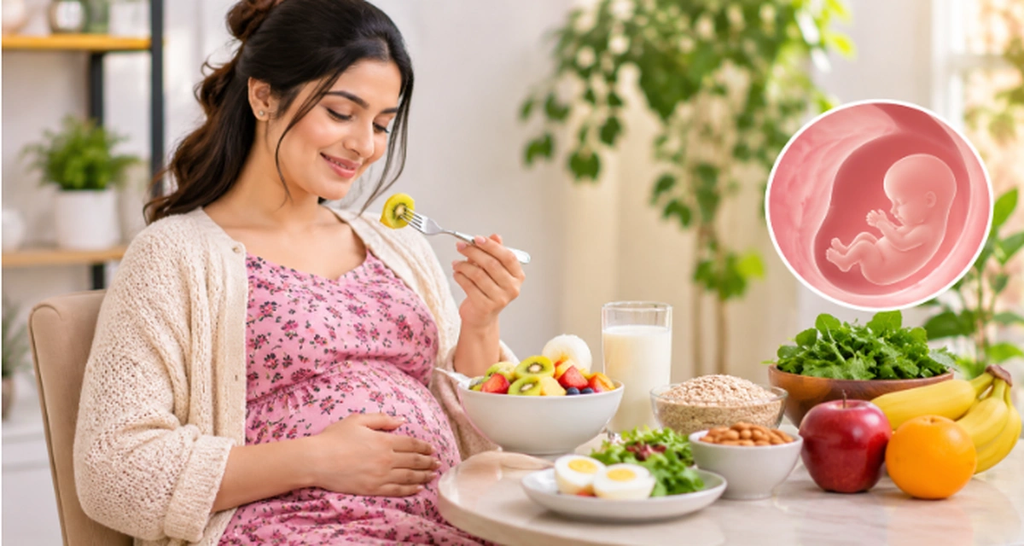
Related Articles

first trimester diet

First Trimester Diet What to Eat, What to Avoid, and How to Cope With Nausea

Since learning you are pregnant, have you suddenly found yourself rethinking everything you eat? Foods you once loved might now trigger nausea at the mere smell. At times, you may feel the urge to eat a large meal, while at other times, the thought of eating anything at all feels unappealing. Many expectant mothers go through this.

However, it is important to remember one thing: during the first trimester, you do not need to eat double the amount of food—as if you were eating for two. Instead, the focus should be on ensuring your body gets the necessary nutrients, choosing safe food options, and trying to eat regularly, even when you are feeling nauseous. A well-planned first trimester diet helps maintain your own well-being while providing the essential nutrients required for your baby’s early development.

So, what exactly should you eat during this period?

Which foods should you avoid? And what can you do when nausea makes it difficult to eat anything at all? Let’s explore these questions step by step.

First Trimester Diet at a Glance

Let’s first take a look at which nutrients should be prioritized in your daily diet. For a proper first trimester diet plan, the following quantities generally apply to pregnant women aged 19–50. However, nutritional requirements may vary based on individual health, age, and medical conditions.

NutrientDaily RequirementWhy It Matters
Folic Acid400 mcg from supplementNeural tube development
Folate600 mcg DFECell growth and development
Iron27 mgRed blood cell production
Calcium1,000 mgBaby’s bones and teeth
Iodine220 mcgBrain and thyroid development
Choline450 mgBrain and nervous system development
Vitamin D600 IUBone development
WaterAbout 8–12 cupsHydration and normal body functions

These are provided to help you understand your daily nutritional targets. It is not required that every nutrient be obtained solely from food; prenatal vitamins or other necessary supplements—taken as advised by a doctor—can also be helpful.

Do You Need to Eat More in the First Trimester?

Many people increase their food intake as soon as they learn they are pregnant, based on the common belief that they now need to “eat for two.” But is extra food really necessary during the first three months?

Generally, no. According to guidelines from the Academy of Nutrition and Dietetics, there is typically no need for additional calorie intake during the first trimester. In the second trimester, an extra 340 calories per day may be required, and in the third trimester, this increases to approximately 450 extra calories.

This is because the baby is very small during the early stages of pregnancy. At this time, the nutritional quality of your food is more important than the quantity. Therefore, rather than simply trying to eat more, focus on including protein, fruits, vegetables, grains, and essential nutrients in your daily diet.

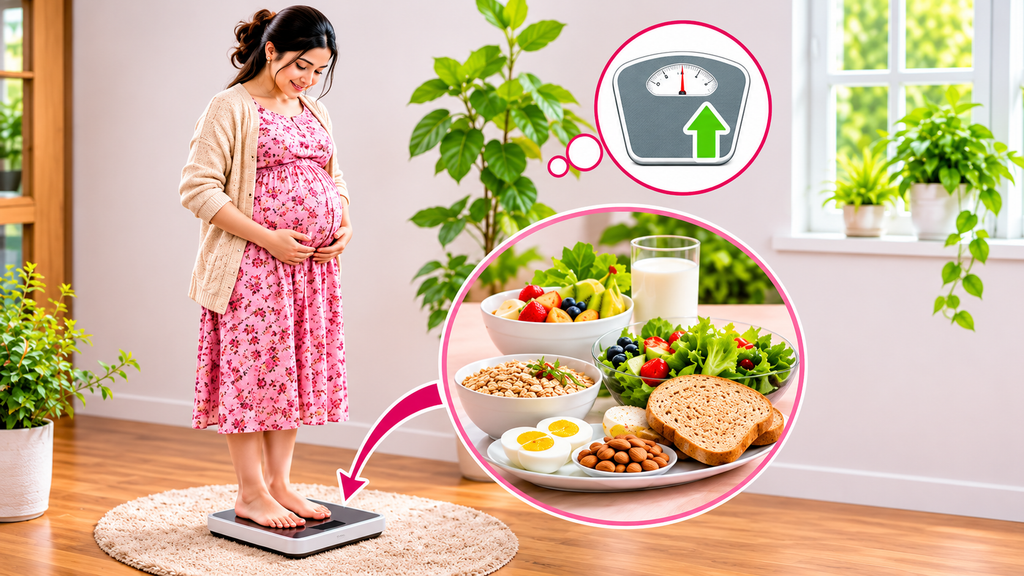
What About Weight Gain?

During the first three months, weight typically does not increase significantly. Some may experience a slight gain, while others might even lose a little weight due to morning sickness. Therefore, when following a First Trimester Diet, there is no need to judge the quality of your food intake solely based on changes in your weight.

The appropriate amount of weight gain throughout the entire pregnancy depends on your pre-pregnancy BMI.

Pre-Pregnancy BMIRecommended Total Weight Gain
Underweight (Below 18.5)28–40 lb
Normal Weight (18.5–24.9)25–35 lb
Overweight (25.0–29.9)15–25 lb
Obesity (30 or Above)11–20 lb

These are general guidelines, not individual targets. Recommendations for weight gain may differ in cases of twin pregnancies, pre-existing health conditions, or other complications. Therefore, do not attempt to control your weight by reducing your food intake on your own; instead, consult with your doctor.

Essential Nutrients for Your First Trimester Diet

During the early stages of pregnancy, many significant changes occur in the baby’s body. The initial development of the brain, spinal cord, heart, and other organs begins. Certain nutrients play a particularly important role during this period.

Folic Acid Is a Priority

Why is folic acid so important for the early development of a baby’s brain and nervous system?

It is a form of vitamin B9 that supports the proper development of the baby’s neural tube. Therefore, it is essential to prioritize folic acid as part of a healthy First Trimester Diet.

The CDC recommends that women who could become pregnant take 400 micrograms of folic acid daily. Ideally, this should be started at least one month before conception. While natural folate can be found in leafy greens, lentils, and legumes, you may need a prenatal vitamin containing folic acid—as advised by your doctor—to ensure your requirements are fully met.

Remember, consuming more does not provide additional benefits. Do not take multiple supplements simultaneously without a doctor’s guidance.

Iron and Vitamin C Work Together

Will consuming only iron-rich foods provide the body with enough iron?

Not always. During pregnancy, the body needs to produce extra blood to deliver oxygen to the baby, and iron plays a crucial role in this process. Consequently, the daily iron requirement during pregnancy increases to 27 milligrams.

A healthy first trimester diet can include meat, lentils, chickpeas, spinach, and iron-fortified foods. However, vitamin C is also essential to enhance iron absorption. For instance, you could add lemon juice to lentils, include tomatoes with chickpeas, or eat an orange alongside your cereal. Such simple adjustments help improve the absorption of iron from your food.

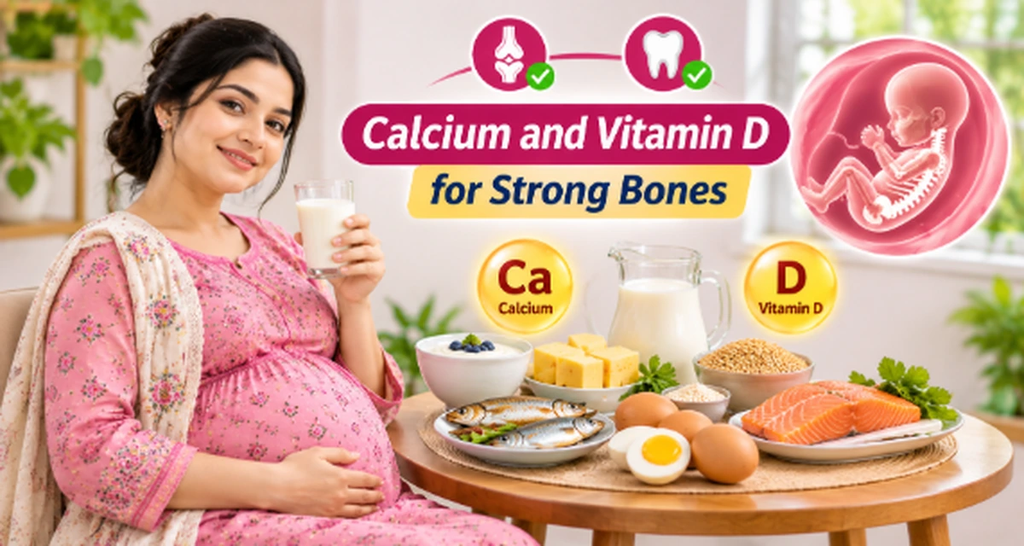
Calcium and Vitamin D for Strong Bones

Calcium is essential for the development of a baby’s bones and teeth. It is also important for maintaining the health of your own bones. Pregnant women aged 19–50 require approximately 1,000 milligrams of calcium daily.

Good sources of calcium include milk, yogurt, cheese, small fish (eaten with their bones), sesame seeds, and calcium-fortified foods. Those who cannot consume milk should consult a doctor to explore alternative food options.

Additionally, vitamin D helps the body absorb calcium. It can be obtained from egg yolks, fatty fish, and vitamin D-fortified milk. Pregnant women (adults) require approximately 600 IU of vitamin D per day.

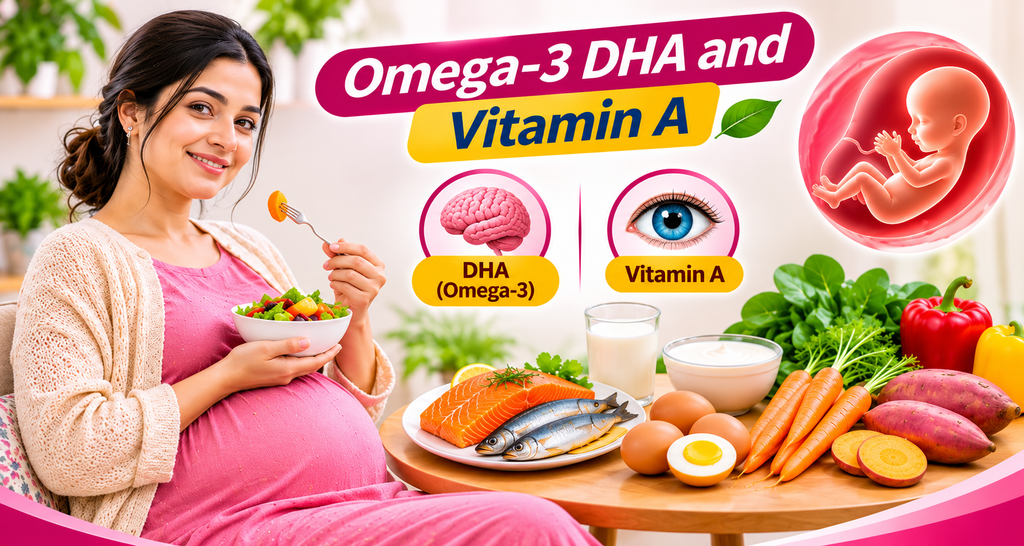
Omega-3 DHA and Vitamin A

DHA is a type of Omega-3 fatty acid that plays a role in the development of a child’s brain and eyes. Fish with low mercury content, such as salmon and sardines, are good sources of DHA. It is also added to some types of eggs and milk.

However, some caution is advised regarding Vitamin A. While Vitamin A is essential for normal physical growth and eye health, an excess of “preformed” Vitamin A can be harmful. It is found in particularly high amounts in liver and certain supplements.

The body can produce Vitamin A as needed from beta-carotene, which is found in carrots, sweet potatoes, and colorful vegetables. Therefore, ensure a varied diet and avoid taking extra Vitamin A supplements without consulting a doctor.

Best Foods to Eat in the First Trimester

It is not necessary to eat the same type of food every day during the first three months. Instead, it is better to choose foods from various food groups, as this provides an opportunity to obtain a wider range of nutrients.

It is entirely possible to create a healthy first trimester diet using familiar, locally available foods in Bangladesh.

Food GroupRecommended Food Choices
VegetablesSpinach, carrots, sweet potatoes, pumpkin
FruitsGuava, orange, banana, apple
ProteinEggs, fish, chicken, lentils, chickpeas
DairyMilk, yogurt, pasteurized cheese
Whole GrainsRed rice, oats, whole-wheat flatbread (roti)
Healthy FatsNuts, seeds, and low-mercury fish

Protein-Rich Foods

Protein is important for the development of a child’s cells and tissues. Essential protein can be obtained from eggs, fish, chicken, milk, lentils, chickpeas, and soybeans.

If the smell of meat causes nausea, you can try meeting your protein requirements for a while by consuming eggs, yogurt, or lentils. However, all food must be thoroughly cooked.

Fruits and Vegetables

Fruits and vegetables contain vitamins, minerals, and fiber. Guavas, oranges, and papayas are sources of vitamin C. Bananas and apples are easy to consume, and many people find them tolerable when experiencing nausea.

However, be sure to wash fruits and vegetables thoroughly before eating them. When preparing raw salads, use clean water and clean kitchen utensils.

A Simple First Trimester Meal Plan

Instead of worrying too much about what to eat every day, you can follow a simple routine. The list below is just an example; you may adjust your meals based on your appetite, personal preferences, and your doctor’s advice.

Meal TimeExample Foods
Before Getting UpPlain Crackers
BreakfastEggs, whole-wheat flatbread, and milk
Mid-MorningBanana or guava
LunchRice, fish, lentils, and vegetables
Afternoon SnackYogurt or nuts
DinnerRice or roti, chicken, and cooked vegetables
Evening SnackToast or fruit

Do you have to eat the exact same amount of food every day?

Not at all. During the First Trimester Diet, prioritize your own appetite and physical comfort. If you have a smaller appetite on any given day, you can eat smaller portions more frequently. And if a particular food doesn’t sit well with you, choose an alternative that offers similar nutritional value.

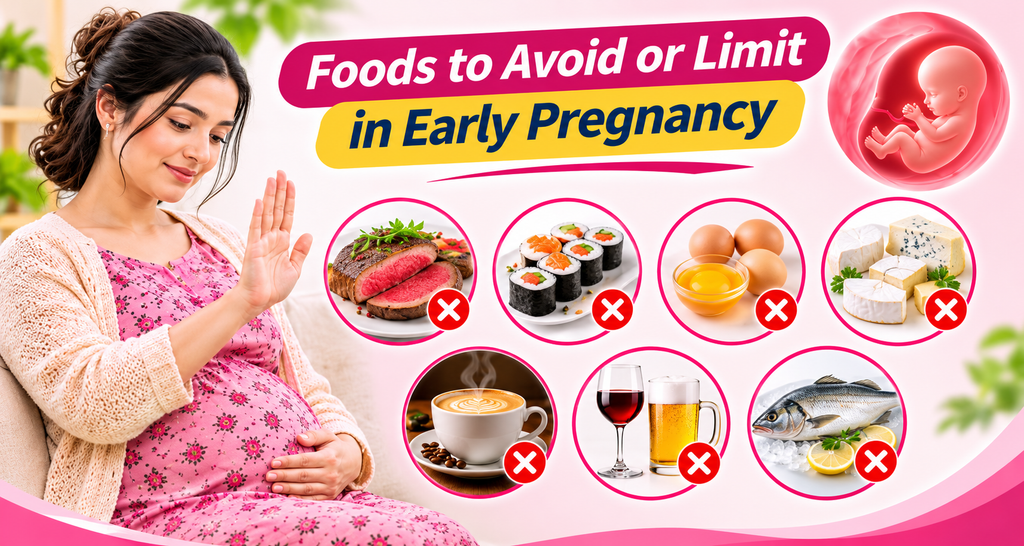
Foods to Avoid or Limit in Early Pregnancy


During pregnancy, the safety of food is just as important as its nutritional value. Some foods may contain germs or chemical substances that pose risks to both the mother and the baby.

According to the CDC, pregnant women are about 10 times more likely to contract a *Listeria* infection compared to the general healthy adult population. Therefore, it is essential to be cautious when selecting and storing food.

Food or DrinkWhat You Should Do
Raw or Undercooked MeatCook thoroughly before eating.
Raw EggsAvoid
Unpasteurized MilkChoose pasteurized milk
Unpasteurized Soft CheeseAvoid non-pasteurized cheese.
High-Mercury FishAvoid
Deli Meat and Hot DogsHeat to a temperature of 165°F or 74°C
AlcoholAvoid completely
CaffeineKeep it below 200 mg per day

Which Fish Should You Avoid?

During pregnancy, fish serves as a good source of protein and omega-3 fatty acids. However, mercury levels vary from one type of fish to another. Excessive mercury can be harmful to a baby’s developing nervous system.

According to FDA guidelines, pregnant women can consume 8–12 ounces (approximately 225–340 grams) per week of fish that are low in mercury.

Salmon, shrimp, cod, tilapia, and sardines are good choices. Conversely, fish such as king mackerel, marlin, orange roughy, shark, swordfish, Gulf of Mexico tilefish, and bigeye tuna should be avoided.

It is important to note that mercury levels differ among various types of tuna; therefore, it would be inaccurate to categorize all tuna as equally restricted.

How to Eat When Morning Sickness Hits

The most difficult thing for many mothers in the first three months is not eating, but keeping food in the stomach. Waking up in the morning may experience nausea, discomfort from the smell of cooking or not being able to eat even after seeing your favorite food.

According to ACOG, nausea during pregnancy can happen at any time of the day. It usually starts early and subsides by 14 weeks in most cases.

So what to do at such a time? First of all, remember that there is no need to panic even if the food list is not perfect for a few days. Try to eat small amounts of foods that are currently tolerated.

Choose Bland Foods

During this time, foods that are high in oil, spices, or strong odors may increase discomfort. Therefore, you might consider eating items such as rice, bread, potatoes, bananas, crackers, or plain toast.

If you can tolerate it, add a small amount of protein—for example, you could have peanut butter with toast or pasteurized cheese with crackers.

What If Prenatal Vitamins Make You Nauseous?

Sometimes, taking prenatal vitamins can increase feelings of nausea. If this happens, do not stop taking the vitamins on your own. Consult your doctor; they may suggest taking them at night, consuming them after a meal, or switching to a different type of supplement.

In some cases, your doctor might recommend vitamin B6 or other safe medications. Do not start taking any medication on your own.

Food Aversions and Cravings

Do you find that the smell of a food you once loved now makes you feel uncomfortable during pregnancy? Or perhaps you are experiencing sudden, unusual cravings for certain foods? Such food aversions and cravings can occur due to hormonal changes.

Pay attention to how your body reacts during this time. If you have trouble eating meat, try obtaining protein from sources like eggs, milk, yogurt, lentils, or chickpeas. If you don’t feel like eating vegetables, you might try consuming fruits or vegetable-based soups instead.

However, even if you develop a strong craving for a particular food, ensure that it does not replace your daily, nutritious meals. It is best to maintain variety in your diet.

When to Call Your Doctor or Midwife

Mild nausea or a loss of appetite is common during the first trimester. However, vomiting can sometimes become so severe that it leads to dehydration. This serious condition is known as Hyperemesis Gravidarum.

Contact your doctor if you experience any of the following symptoms.

SymptomWhat You Should Do
Inability to retain water for more than 8 hoursContact a doctor immediately.
Inability to retain food for more than 24 hoursConsult a doctor.
Decreased or concentrated urineThese can be signs of dehydration.
Dizziness or faintingSeek medical attention promptly.
Losing weightInform the doctor
Vomiting bloodSeek emergency medical attention
Severe abdominal pain or feverSeek medical advice promptly.

If you are unable to keep any food or liquid down, do not wait. If necessary, a doctor can provide fluids and other treatments to address dehydration.

Remember, you should not delay in seeking help. There are effective treatments for morning sickness, and safe medications can also be used if needed.

Final Thoughts

So, is it essential for every meal to be “perfect” during the first three months? Not at all. What matters is understanding your body’s needs and choosing food that is as nutritious and safe as possible.

Ensure a daily intake of folic acid, include foods rich in iron and calcium, opt for fish low in mercury, and avoid alcohol. On days when you experience nausea, try to eat small portions of whatever you can tolerate. The goal of following a “first trimester diet” is not to confine yourself to rigid, restrictive eating rules, but rather to cultivate mindful habits that support the well-being of both mother and baby.

And if there are days when you manage to eat nothing more than some rice, a banana, or a few crackers—do not blame yourself. Seek medical advice if necessary, and gradually return to your regular diet. Remember, in the journey of motherhood, the intention to care for yourself and your baby is far more important than striving for perfection.

Health Disclaimer: This article is intended for general health education purposes and is not a substitute for professional medical advice, diagnosis, or treatment. Always consult your doctor or a qualified healthcare professional before making any changes to your diet, prenatal vitamins, or supplements during pregnancy. Seek medical attention promptly if you notice any concerning symptoms.

Frequently Asked Questions About First Trimester Diet

What Should I Eat in My First Trimester?

During the first three months, you can consume fruits, vegetables, whole grains, eggs, fish, lentils, milk, and other protein-rich foods. Additionally, ensure you take prenatal vitamins containing folic acid, and focus on meeting your requirements for iron, calcium, and iodine.

Do I Need Extra Calories in the First Trimester?

Generally, no. There is no need for extra calorie intake during the first trimester. However, the body’s requirements increase during the second and third trimesters. Please discuss your individual needs with your doctor.

Is It Okay If I Can Only Eat Crackers and Toast?

Do not be alarmed if, due to nausea, you are only able to eat crackers or toast for a short period. However, if this continues for a long time, consult a doctor. Seek help promptly, especially if you are unable to retain fluids.

How Much Weight Should I Gain in the First Trimester?

Weight gain during the first three months is typically minimal. Some may experience a slight increase, while others might even lose weight due to nausea. The target for total weight gain throughout the pregnancy depends on your initial BMI and your overall health status.

Scroll to Top