Why lower back pain early pregnancy and when to be careful

Nusrat Ayaan

Published: 27/01/2026
Updated: 27/01/2026

It is very normal to have a lower back pain early pregnancy. Don’t be afraid of it at all. Actually, your uterus or the baby’s room inside is small, but when the baby starts coming, that room starts to grow slowly. This is why the uterus is getting bigger and getting stretched, which is why it twists or pulls in the abdomen. It is much like the cramping pain before your period. In simple words, your body is now busy making room for the baby and that is why your abdomen feels a little tight.
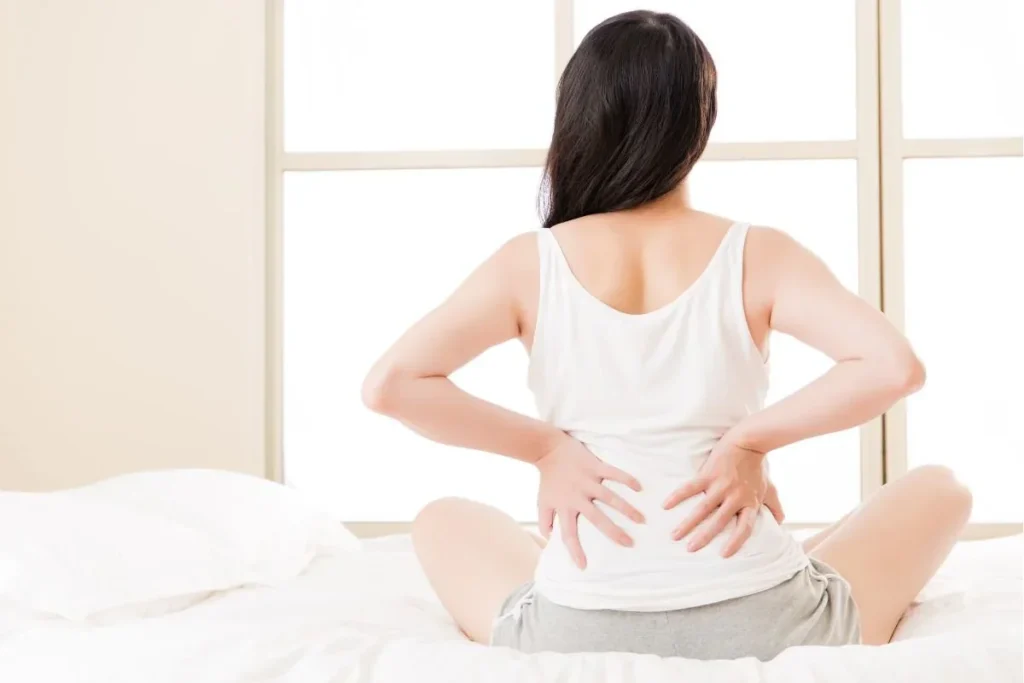
Why does back pain occur in early pregnancy2: 

Back pain in early pregnancy is very normal and is a common complaint of almost every expectant mother. Even though your baby is very small now, your body has been preparing for him or her to grow up for a long time. As part of this preparation, some changes occur in the body that directly put pressure on your spine and waist muscles. In simple words, your body is now becoming a little ‘loose’ or loose so that it is easier to give birth to a baby in the future and this change is the reason for the tingling pain in the waist.

The main causes of back pain are given below:

Hormonal manipulation (Relaxin): During pregnancy, a hormone called ‘relaxin’ is released from the body. Its function is to soften and loosen your bone joints or ligaments. This causes the joints of your pelvis or waist bones to become a little loose, which results in back pain.

Change in Center of Gravity: As the uterus grows, your body’s center of gravity shifts forward. Maintaining this balance puts extra pressure on your spine and waist.

Stress: Sometimes, the muscles in your waist tighten due to pregnancy anxiety, which can cause pain.

Sleeping or sitting style: Since the body is now sensitive, sitting in one position for a long time or sleeping in the wrong position can strain your waist muscles.

Muscle stretching: When the abdominal muscles stretch to make room for the baby, the ability to support the waist muscles decreases slightly, which can cause back pain.

Things you can do to reduce pain: 

1. Try to sit upright and place a small pillow or cushion behind your back. 

2. Sleep on your left side and place a pillow between your knees. 

3. When lifting something from below, sit with your knees bent without bending your waist.

How does lower back pain usually feel?

This lower back pain in early pregnancy is not the same for everyone. It affects each body differently. However, most mothers describe this pain as a ‘heavy weight’ or ‘twitching’ discomfort in the lower back. It is usually felt more in the lower back where the spine ends.

The pain can usually be felt in the following ways:

Dull Ache: It will feel like your lower back is constantly feeling heavy or aching. Much like it feels after sitting on a hard surface for a long time.

Sharp Pain: Sometimes when you suddenly get up from a chair, turn around in bed, or sneeze or cough, you will suddenly feel a sharp pain on one side of your back. It may feel like a flash of lightning.

Radiating Pain: Sometimes this pain is not confined to the waist, it can start from the waist and go down to the back of your buttocks or thighs. Many people think of this as sciatica pain.

Monotonous fatigue: After working all day, in the afternoon, you may feel like your waist is breaking or you no longer have the strength to stand straight. It decreases again when you rest.

When should you notice this type of pain? If you see that the pain is not in the middle but is only on one side, or if your legs are tingling or numb with the pain, then you should pay attention to it.

Does this pain feel like premenstrual cramps?

Yes, you’re right! Early in pregnancy, abdominal pain feels a lot like your period or menstrual cramps. Many times, women don’t even realize they’re pregnant, thinking that their stomach is clenching or twisting because it’s about to get its period.

Why does it feel like that?

Just like before menstruation, there is discomfort or cramping pain in the lower abdomen. When your uterus starts to grow, the muscles around it tighten, which looks and feels exactly like menstrual cramps. Just like your stomach feels a little heavy or swollen during menstruation, you may have the same feeling in early pregnancy due to hormones.

Just like many people experience pain in the waist during menstrual cramps, in early pregnancy, along with abdominal pain, your waist may also feel a little heavy. Menstrual cramps usually increase over time and become severe when you start bleeding. But pregnancy cramps are usually very mild and go away on their own with rest or lying down. They’re not as intense as periods, which means you’ll be bedridden.

How long is this back pain normal?

Back pain during pregnancy is not really a clock-based thing. To be honest, this pain can be more or less present throughout your pregnancy. However, in the beginning, when the body tries to adapt to all the new changes, this discomfort may be a little more in the first three months.

During this time, the bones soften due to hormones, so back pain starts. This is very normal. Sometimes the pain decreases a little around four to six months. Because the body gets used to it then. When the baby grows up and its weight increases, the pressure on the back starts to increase again. Then the pain may be a little more.

When should you not be afraid? If you find that your back hurts after standing for a long time at work or holding your back at night after running around all day, then you will understand that it is completely normal. If the pain subsides with rest or a warm compress, there is nothing to worry about. If the pain goes away after a few days, there is nothing to worry about. But if the pain persists for several weeks and you are unable to do anything, it is a good idea to inform your doctor.

Discover more here: Early pregnancy symptoms before missed period

In which condition is back pain more felt

Back pain is not always the same. This pain can increase from time to time based on your daily movement or work. In simple words, the pain is felt more whenever there is extra pressure on your back.

Back pain can increase more during the following times:

Standing for a long time: If you stand in the kitchen for a long time, work or stand in line, the back muscles get tired and start to hurt.

Sitting in one way: If you sit hunched over in a chair at the office or at home for a long time, the pressure on the lower back can cause pain.

Turning over in bed: When you suddenly turn from one side to the other from a lying position, you may feel a sharp pull on the back.

Lifting something heavy: When you try to lift a heavy bucket, small child or shopping bag from below, there is a direct pull on the back. This should not be done at this time.

Climbing stairs: Repeatedly climbing stairs puts pressure on the joints of the lumbar spine, which can increase pain.

At the end of the day or at night: When you go to bed at night after a day of running and work, the accumulated pain of the day comes back to you as soon as you stretch your body.

Ways to get instant relief:

1. Do not stand or sit for more than half an hour at a time. Take a walk. 

2. Place a soft pillow or cushion behind your back while sitting. 

3. If you need to lift something from below, kneel down and lift it without bending your waist.

What to do to get relief from lower back pain

You don’t have to do anything big to reduce back pain. If you make some small changes in your daily routine and take a little care of your body, you will see that the pain has reduced a lot. Below are some simple home remedies that will give you quick relief:

Decide the type of rest: Do not force yourself when the pain starts. Lie down for a while. It is better if the mattress is not too soft or too hard while sleeping.

Pillow magic: Try to sleep on your left side while sleeping. Place another pillow between your knees. You will see that the pressure on your waist has reduced a lot and you are sleeping better.

Hot or cold compress: You can apply hot water to the area of ​​lower back pain with a hot water bag or a clean cloth. This softens the muscles and provides relief. In some cases, cold compresses also work well.

Sitting correctly: Whenever you sit, place a small soft pillow or cushion behind your back. Do not sit hunched over, try to sit straight. And do not sit with your legs dangling for a long time.

Light walking: Do not stop moving because of pain. Walk very slowly for a short time indoors. This improves blood circulation and reduces pain. But of course, unless your doctor has forbidden it.

Do not do anything forcefully: When you want to lift something from below, do not bend your waist, but rather bend your knees. Do not put any sudden pressure on your body.

When should you be a little more careful? If you see that the pain does not decrease at all after doing all this, but on the contrary, it increases, then do not take any painkillers on your own. Be sure to talk to your doctor for medication.

What kind of back pain is not normal

It is very common to have a little pain in the back during pregnancy, but it is not right to ignore all pain. There are some pains that are a big ‘danger signal’ for the body. If the type of pain is such that you can no longer tolerate it, do not consider it normal.

If you see the following signs, you will know that the pain is not normal:

Unbearable or severe pain: If the pain is so severe that you cannot stand straight or move from bed, then inform the doctor immediately.

Spreading pain: If the pain from the back goes to the feet like an electric shock and the legs feel tingling or numb, it may be due to nerve pressure.

Bleeding with pain: If you see blood or spotting in your vagina along with back pain, do not ignore it at all.

Fever: If you have a fever or chills along with back pain, it means that there is an infection or infection inside the body.

Burning sensation during urination: If you have pain in the back of your waist and it burns when you urinate or there is a foul smell in your urine, it may be a sign of a kidney or urinary tract infection.

If the pain is stabbing: If your waist is stabbing at regular intervals, like period pain (like every 5 or 10 minutes), it may be a sign of premature labor.

What you should do now: If you have any of the above symptoms, talk to your doctor without delay or go to a nearby hospital.

Can stress increase back pain?

The simple answer is yes, of course it can! Your mind and body are deeply connected. If you are upset or tense during pregnancy, it will directly affect your back.

When we are very worried or afraid about something, the muscles in our body become stiff or tense without us knowing. Especially the muscles in the neck, back and waist become the most stiff. If the muscles are stiff for a long time, there will be sharp pain. If you are mentally calm, then minor pain does not affect you. But if you are stressed, even minor pain can seem like a mountain to you. When you are under a lot of stress, the body produces some hormones that increase pain.

If you don’t get enough sleep at night due to anxiety, your body doesn’t get enough rest. This weakens the tired muscles in your back and increases the pain.

Some easy ways to lighten your mind:

1. Talk openly: Don’t keep any fears or worries in your mind. Talk to your partner, mother or a close friend. 

2. Breathe deeply: Whenever you feel very tense, close your eyes and take long, deep breaths and exhale. This relaxes your muscles. 

3. Do something good: Listen to your favorite music or read a book. Keeping yourself busy will prevent bad thoughts from coming to your mind.

When should you definitely consult a doctor? 

There is no need to run to the doctor for every little thing during pregnancy, but there are some symptoms that you should not delay even for a moment. If your body gives the signals mentioned below, you will understand that now is not the time for home remedies or rest. You need to talk to the doctor directly.

If the following conditions occur, go to the doctor immediately:

If the pain comes with a bite like a period: If the pain in the waist or lower abdomen bites very hard after a while and this biting time is frequent (such as every 5-10 minutes), then do not delay.

If blood or water starts to break: If blood appears with the pain (whether it is light or heavy) or if something like water starts to come out of the vagina.

If any part of the body is numb: The pain goes from the waist to the legs and the legs become numb or it is difficult to move them.

If you have a fever: If you have a fever of 101 or 102 degrees along with back pain and chills.

If you have trouble urinating: If you have a burning sensation while urinating or if you have severe pain on both sides of your back (this may be a sign of a kidney infection).

If you want to take painkillers: Before using any painkillers or balms on your own, be sure to ask your doctor.

Things to keep in mind when going to the doctor:

1. Where exactly is the pain (in the middle or on one side). 

2. Is the pain continuous or does it come and go? 

3. Is there any other problem with the pain, such as nausea or dizziness?

Why does the waist become loose or loose due to hormones?

During pregnancy, your body produces a type of hormone called ‘Relaxin’. Just by hearing its name, you can understand that its function is to ‘relax’ or loosen the body.

Nature actually prepares your body in advance so that the baby can easily come out of your waist bone during childbirth. This hormone makes the ligaments that hold the joints or joints of your waist bone soft and loose like rubber.

What happens as a result of this:

Reduced waist strength: Since the joints of the bones are not as tightly held as before, the stability or balance of the waist decreases slightly. Even if you move a little, it feels like the waist is not supporting properly.

Easy strain: Due to the loosening of the ligaments, when you suddenly walk or turn to the side, there is extra pressure on the waist muscles. And because of this pressure, that familiar tingling pain starts.

Body swaying: Due to the loosening of the waist, the way you walk may also change a little. You may feel like you are wobbling a little or you are not getting strength in your waist.

What you should do at this time:

1. Do not move suddenly: When getting up from the sofa or bed, do not get up suddenly. First, lean to one side and then get up slowly with the weight of your hands. 

2. Light walking: Do not lie down completely because your body has become loose. Walk a little at a very normal pace, this will keep the muscles active and the pain will be less. 

3. Wear low shoes: Give up wearing high heels altogether. Wear very even and soft shoes so that the body feels less shaking while walking.

Sitting or sleeping in the wrong position can increase back pain

During pregnancy, the way you sit or sleep becomes more important than before. You may not be able to do it the way you used to sit or sleep on your stomach. Because the muscles of your body are now much softer, even a slight wrong position can cause severe tension in your back.

Common mistakes we make while sitting or sleeping:

Slouching: When we sit on a sofa or chair, we often bend our back or hunch over. This puts all the weight on the bones below your waist, which can cause severe pain.

Sitting for a long time continuously: Sitting with your legs hanging in one position for a long time causes the back muscles to tighten. This hinders blood circulation and causes the back to ache.

Sleeping upright: When you lie on your back or lie down straight during pregnancy, the entire weight of the uterus falls on your spine and blood vessels in your waist. This can cause back pain and can also make you feel short of breath or dizzy.

Getting up suddenly: When you suddenly get up from a lying position and sit up straight, it puts a lot of strain on the ligaments in your back. It’s like suddenly pulling on a rubber band.

In simple words, the last word 

This early period of pregnancy is both joyful and a little bit of anxiety. The slight tingling pain that you are feeling in your waist or stomach is actually a natural fight of your body to make room for your little one inside you. So, don’t panic if you have a slight pain. Trust your body and keep your mind calm. Remember that in this journey of becoming a mother, your body will give you little signals, they are small proofs of your baby’s growth.

My last few simple tips for you:

Take care of yourself: Work will be there for the rest of your life, but now your rest is the most important. Whenever your body says “tired”, stop all your work and take a break.

Be careful but don’t be afraid: Only if the type of pain changes, such as heavy bleeding or unbearable stabbing pain, is there a reason to worry. Also, don’t increase your tension by unnecessarily googling about minor pain.

Get help from your partner: If you have back pain, ask your partner to massage you or move the cushion forward. At this time, everyone’s love and care will reduce half of your pain.

Related Articles

pregnancy food guidelines

A huge guide to pregnancy food guidelines and the nectar of food on the way to the arrival of Sonamani

Don’t be afraid of pregnancy food guidelines or the right rules of eating during pregnancy, mother. In this new light of 20 Rome 2026, a detailed guide to which foods are nectar and which are poison for the good health of you and your baby.

pregnancy food guidelines

Listen, my dear mothers, that long nine-month journey of pregnancy has been like a worship. A miraculous miracle is now taking shape inside your body. A small soul, a piece of your liver, Sonamani is now building its own body from your bones, flesh and blood. This is a cosmic process, here your main tool is your eating plate. Whatever you put in your mouth, Sonamani will get exactly that nutrition. This is why it is so important to know about pregnancy food guidelines in our time. In the past, the mothers of Geram did not let them eat whatever they got, they would selectively feed them the good things. On this bright day of 20 Rome 2026, you will have to be a brave and fighting mother. If you do not know which food will build your baby’s brain and which will harm it, then your nine months of suffering may go in vain. Remember, mother, pregnancy does not mean eating food for two, but eating food with double the nutrition. Whatever you eat should be a blessing to every cell of your baby’s body. If you go, then with the touch of Geramya Maya, you will help your baby to step into this position with a smile.

The first step of pregnancy and the main basis of pregnancy food guidelines

Go understood, after receiving the news of Bean, a tide of joy started flowing in my heart. But amidst this joy, you will have to strengthen your food rules. Many people say, “Mother, eat more and more,” but I say, pay attention to quality rather than quantity. This is the first lesson of pregnancy food guidelines. Your food should have a beautiful combination of protein, calcium, iron and vitamins.

Folic acid and the formation of the baby’s nerves

Mothers, in the first three months of pregnancy, folic acid works like magic for the development of the baby’s bones and nerves. Green vegetables, pulses and citrus fruits are rich in it. If you eat a bowl of greens and pulses every day, the fear of your baby having birth defects will completely disappear. This is a very important part of pregnancy food guidelines. Are you putting green vegetables in your diet today, mother?

Iron power and elimination of anemia

Your body has a lot of blood during pregnancy. As your baby grows, your blood will become weak. There is no comparison between raw vegetables, liver, eggs and red meat to increase this blood. According to pregnancy food guidelines, you should include something rich in iron in your daily diet. If your blood is low, your body will become weak and you will not get energy during pregnancy.

The friendship of vitamin C and iron

Let me tell you a secret, mom, if you eat a little lemon juice or vitamin C fruits with iron-rich foods, the body can absorb that iron very quickly. These small tricks are the real beauty of pregnancy food guidelines.

Calcium reserves and protection of mother’s bones

When the baby grows inside the womb, it draws all the calcium from your body to build its bones. If you do not eat calcium properly, your teeth will become brittle and there will be permanent pain in your waist. This is why milk and dairy products are very important in pregnancy food guidelines.

The glory of milk, curd and cheese

Try to drink at least one glass of pure milk every day. If milk smells bad, then eat curd or cheese. Calcium will strengthen your baby’s bones and teeth and make your body like beans. These foods are absolutely royal ingredients in the list of pregnancy food guidelines.

Chew small fish and bones

Small fish of the sea like Mala, Dhela or Kachaki fish increase the brightness of your eyes and strengthen your bones. Chewing these fish with bones provides a lot of calcium. There is no alternative to fresh small fish from the market to ensure pregnancy food guidelines, mother.

The magic of protein or meat and the structure of the baby’s body

Every organ, muscle and liver of the baby is made of protein. If you eat less protein, the baby will be born very weak and limp. In pregnancy food guidelines, protein is called the foundation of life.

The need for eggs and chicken meat

Eggs are the cheapest and best protein in the world. At least one well-cooked egg a day is like nectar for you and the baby. Chicken or mutton also increases the strength of the body. However, keep in mind, mothers, that the meat should be cooked thoroughly. Raw or semi-cooked meat is strictly prohibited in pregnancy food guidelines.

Nutrition of pulses and grains

Those who eat less fish and meat should eat more pulses, chickpeas and nuts. Pulses are a unique food to meet the lack of protein. The more diverse food you eat, the more nutritious your baby will taste. This is the real lesson of pregnancy food guidelines.

Importance of water and liquid food

Mothers, do you know that your baby is surrounded by a clear bag of water? To maintain this water or amniotic fluid, you will have to drink a lot of water. In pregnancy food guidelines, lack of water is considered the biggest danger.

Relationship between constipation and water

Constipation or stomach cramps are very common during pregnancy. To avoid this problem, it is important to eat at least 10-12 glasses of water and fibrous foods (such as yam husk or fruit) a day. The more water you drink, the more toxins your body will get rid of. This is a silent medicine of pregnancy food guidelines.

Coconut water and fruit juice

Instead of drinking colorful juices from the market, drink coconut water or fresh fruit juice made at home. This will relieve the body’s fatigue and keep the mind alert. To ensure pregnancy food guidelines, mothers completely avoid dirty drinks from outside.

Keeping a clear mind and having affection for food

Mothers, eat whatever you eat with a happy heart. If you eat when you are bored or forcefully, the food does not taste good to your body. You create a strange affection for food. When you sit down to eat, talk to your child in your mind “Look, Dad/Mom, what a beautiful meal I have brought for you.”

Eat little by little and often

During pregnancy, eating too much at once can cause heartburn or vomiting. One of the best rules of pregnancy food guidelines is to eat little by little every two hours. This also makes the body feel light and the flow of nutrients to the child is also continuous.

Tips to avoid adulteration in the market

These days, vegetables contain a lot of poison. Soak them in salt water for at least half an hour before cooking. This awareness has become a modern part of pregnancy food guidelines. The responsibility of protecting your precious baby lies solely with you.

Ideal daily food list for pregnancy

Food CategoryExamplesWhy You Should Eat This
Main CarbohydratesRed/Brown rice, Whole wheat roti (Atar ruti).To provide a continuous supply of energy.
ProteinEggs, Chicken, Fish, Lentils (Dal).To build the baby’s body structure and muscles.
CalciumMilk, Yogurt (Doi), Cheese (Ponir), Small fish.To strengthen both mother’s and baby’s bones.
Vitamins & FiberLeafy greens, Colorful vegetables, Fruits.To increase blood count and prevent constipation.
Fluids / LiquidsPure water, Coconut water, Soup.To keep the body refreshed and maintain amniotic fluid.

Poisoning of forbidden foods and strict rules of pregnancy food guidelines

Listen, mom, during pregnancy, the mind often becomes confused. The taste of salty or sour foods makes the tongue water, and it is at this opportunity that we put something wrong in our mouth. But mother, nature is now keeping your body in a very sensitive state. There are some foods that are good during normal times, but they are absolutely poisonous during pregnancy. Recognizing these forbidden foods is the biggest test of pregnancy food guidelines.

Hidden dangers of raw papaya and pineapple

The elders of Geram do not mix, mom do not touch raw papaya and pineapple in the early stages of pregnancy. The skin of raw papaya contains latex which can cause uterine contractions and premature abortion or bleeding. Similarly, the bromelain present in pineapple softens the cervix. These two fruits are the forbidden foods written in red ink in the pregnancy food guidelines. Are you not giving these to your mouth by mistake, mother?

Death trap of raw and semi-cooked food

Many people like to eat semi-cooked eggs (poached) or semi-cooked meat. But mother, this semi-cooked food is the home of all the strange germs called ‘Salmonella’ or ‘Listeria’. These germs can reach the baby through your blood and veins and damage his heart and brain. For this reason, the pregnancy food guidelines have strict instructions – whatever you eat should be steaming hot and well-cooked.

Precautions while cooking fish

Do not eat fish if there is blood near the bones while cooking it. The fish will be hard and run away. Even raw fish, if not washed properly and cooked in a tight net, will be against the pregnancy food guidelines.

Mercury poisoning in sea fish and be vigilant

Fish is our main food, but not all sea fish are as good as your goldfish. Some large sea fish contain a type of poison called ‘methyl mercury’. This poison can completely destroy the development of the baby’s growing nervous system. This is why there is a special guideline for selecting sea fish in the pregnancy food guidelines.

Which fish should you avoid and why?

Large sea fish such as shark, swordfish, and king mackerel should be avoided completely. These fish take in a lot of ocean dirt and chemicals. Modern doctors in 2026 say that eating these fish is the same as eating poison. These are the harmful aspects of pregnancy food guidelines.

Praise for small fish and river fish

Instead, you can eat small sea fish (shrimp, salmon, rupchanda) or our native river fish. Omega-3 fatty acids help in the development of the baby’s brain, which is abundant in small fish. There is no alternative to fresh live fish to ensure pregnancy food guidelines, mother.

Open food on the roadside and toxic dust

Mothers, who doesn’t get mouth watering when you see fuchka, chatpati or roadside pickles during pregnancy! But those open foods contain thousands of flies and toxic dust on the road. Your liver is very delicate during pregnancy, so those foods can directly go against the pregnancy food guidelines and push you towards jaundice or typhoid.

Dangers of open syrup and rotten ice

The ice used in roadside sugarcane juice or lemon juice is often made with drain or dirty water. These syrups are strictly prohibited drinks in the pregnancy food guidelines. If you get thirsty, always keep boiled water with you at home. Coconut water is a real friend at this time.

The abundance of packaged foods and chemicals in the market

Colorful chips, noodles or packaged foods contain a large amount of preservatives or tasting salts. These chemicals directly attack the baby’s hormones. For this reason, the pregnancy food guidelines have asked to completely avoid processed foods or packaged foods. Fresh food prepared at home is the best gift for your precious baby.

Explore more here: what foods affect breast milk

The bad effects of tea, coffee and alcoholic beverages

Mothers, many have the bad habit of drinking tea or coffee all day long. But tea and coffee contain caffeine, which increases your baby’s heart rate and prevents the baby from gaining weight. This excess caffeine intake is against the pregnancy food guidelines.

Caffeine and sleep disturbance

It is better not to drink more than one cup of tea or coffee a day. Excess caffeine will disrupt your sleep and increase the baby’s restlessness. The more peacefully you sleep, the better your baby will be. Remember, mothers, anything intoxicating (such as drugs, tobacco or alcohol) can cause harm to your baby. These are the biggest warnings of the pregnancy food guidelines.

The deadly bite of salt and white sugar

We often eat a lot of salt in cooking or love sweet foods. But excess salt during pregnancy will increase your blood pressure, which can cause your feet to swell (pre-eclampsia). This excess salty food is also a silent enemy of pregnancy food guidelines.

Jaggery or honey instead of sugar

Eating too much sugar or sweets increases the risk of developing diabetes during pregnancy. If you want to eat sweets instead, eat jaggery or pure honey in moderation. Colorful sweets or cakes and biscuits bought in the market are completely excluded from the list of pregnancy food guidelines.

Stale food and bacteria in the refrigerator

Understood mom, many of us cook a lot at once, store them in the refrigerator and eat them again and again. But during pregnancy, a strange bacteria called ‘Losteria’ grows very quickly in this stale food. This is why stale food is avoided in pregnancy food guidelines it has been said.

The correct rule for heating food

If you have to eat food from the refrigerator, then eat it immediately by heating it up. Warm food is absolutely poisonous. For the health of your precious child, try to eat fresh food, mother. There is no alternative to fresh food to keep the body fresh.

The day of delivery is approaching and the final preparations for pregnancy food guidelines

Go mother, understand that the last three months of pregnancy (third trimester) are the most important time. During this time, the baby’s bones become strong and its skin color and skin are formed. There is a lot of pressure on your body now, so your eating habits will have to be completely adapted. At this time, the main goal of pregnancy food guidelines is to give you physical strength like a bean and keep the baby’s weight right. If you slack on nutrition now, your body will respond during the bean. In this new light of 20 Rome 2026, you will have to be a completely alert mother.

Ways to overcome heartburn and digestive problems

In the end, due to the growth of the baby, there is pressure on the stomach or stomach, so even if you eat a little, the stomach becomes bloated and the chest burns. To avoid this problem, the pregnancy food guidelines have a magical rule – do not eat all at once, but eat small meals 5-6 times throughout the day. Mothers should completely avoid fried foods and extra spices. Go to bed at least two hours after eating at night, so that the food has time to digest.

Glory to constipation and fibrous foods

Mothers, towards the end, stomach cramps or constipation are very common due to taking iron pills or due to the pressure of the baby. To avoid this problem, eat more red flour bread, lentils, and fruits with peels. According to the pregnancy food guidelines, it is absolutely necessary to have vegetables like isabgul husk or patal, jhing in your daily diet. If the stomach is clean, the mind also feels good and the pain during menstruation is less.

 Post-baby recovery and food quality

After having a baby, your body goes through a lot of changes. At that time, there is no alternative to food to bring your body back to its previous state and to reduce the flow of breast milk. The rules of pregnancy food guidelines must be followed even after birth so that both you and your baby stay healthy.

The magic of black cumin and garlic to increase breast milk

The mothers of Geram give hot rice with black cumin and garlic to the mothers of Biyani. This is a natural remedy. Black cumin and garlic increase the production of milk in your body and help the uterine wound to dry up quickly. These foods should be an integral part of your pregnancy food guidelines. The more liquid and nutritious food you eat, the more satisfied your baby will be.

The power of ghee and sesame oil

After delivery, the joints of the body become loose. Pure ghee and sesame oil help restore the internal strength of your body. But remember, everything in moderation, mother. Excessive oily food will make you gain weight, which will be difficult to reduce later. Pregnancy food guidelines means being healthy, not just getting fat.

Peace of mind and the sacred bond of food

Mother, do you know when you happily feed a child rice, your baby gets that feeling of happiness in your stomach? If you eat it with fear, worry or crying, then that food acts like poison. The biggest lesson of pregnancy food guidelines is food is a sacred blessing.

Tips for overcoming food aversion

Many people vomit at the smell of food during pregnancy. To overcome this, you can add a little lemon juice or grated ginger to food. Keep your mind calm. Talk to your child, tell him how much you are struggling for him to eat good food. This strength of mind, this is what will give you courage during that difficult labor pain.

Responsibility and affection of family members

At this time, it is the responsibility of the men of the house and the mothers-in-law to take care of and cook the favorite foods of the pregnant mothers. By giving food to the feet with affection, the mother’s taste increases. pregnancy food guidelines is not only the responsibility of the mother alone, this is a joint fight of the entire family.

Conclusion

This long journey of motherhood is an epic of infinite patience and sacrifice. We saw in our detailed conversation that pregnancy food guidelines is not just a list of food, but it is the foundation of your child’s life. Eating nutritious food at the right time, avoiding harmful foods and mental peace – by combining these three things, your precious one will come into the world like a piece of the moon. 20 Rome On this new day of 2026, make yourself a successful mother. Fresh nutritious food, proper rest and trust in Allah will make you recover quickly. May your precious child come to your lap with a sharp intellect and a healthy body, this is my prayer, mother. Take care of yourself, because a beautiful future depends on your health.

FAQ (10 important questions and answers)

1. Which is the most beneficial fruit according to pregnancy food guidelines? Ripe bananas, apples and oranges. They are rich in potassium and vitamin C.

2. How many eggs can be eaten during pregnancy? Eating at least one boiled egg a day helps meet the baby’s protein needs.

3. Can tea and coffee be avoided at all? One cup of liqueur tea or coffee can be consumed a day, but if you eat too much, there is a risk of the baby losing weight.

4. Why is raw papaya harmful? Raw papaya pulp can cause uterine contractions, increasing the risk of premature birth.

5. What is the alternative if you cannot drink milk? Yogurt, chickpeas or paneer can be consumed instead of milk. Small fish are also a good source of calcium.

6. How important is water in pregnancy food guidelines? At least 10-12 glasses of water a day are essential to maintain the fluid around the baby and reduce constipation.

7. Is it safe to eat liver? A small amount of liver can be eaten once or twice a month, but too much vitamin A can harm the baby.

8. Can you eat the outside of the chickpeas? No, mother, there is a risk of jaundice and typhoid germs in it.

9. Is eating late at night harmful? 

Yes, eating late can cause digestive problems and heartburn.

10. Is seafood safe during pregnancy? Yes, but it is absolutely safe to eat small fish while avoiding large seafood (which has high mercury).

Scroll to Top