
How many weeks is the second trimester is a common question for expectant mothers who are entering the most comfortable phase of pregnancy. Here are my dear mothers, for those of you who are going through the nausea and discomfort of the first three months, I have some great news for you. This middle period of pregnancy is called the ‘golden age’. Do you know why? Because during this time the body settles down a little and the golden jewel in the belly also starts growing. How many weeks does this period last, how many weeks does this period last, how many weeks does this period last? I have so many speculations in our minds! Let us discuss this special period openly so that you do not have any worries in your mind.

To stay at the top of Google rankings, we have prepared this article with the most updated and scientific information of 2026. For those who think that just a growing belly means the second trimester, let me tell you there are many more magical things going on in it. When you consistently know what changes are happening inside your body, you will see that fear has disappeared. This elegant and well-organized discussion will not only give you courage but will also help in protecting your unborn baby. Remember, correct knowledge is your biggest ally in pregnancy. Let us talk about this step in simple terms.
When does this special period in the middle of pregnancy start?
Listen, mothers, according to medical calculations, pregnancy is divided into three parts. Here is the basic answer to how many weeks is the second trimester starting from 13 weeks and ending at 27 weeks, we call it the second trimester or the second trimester. This means that this period lasts for three months, including the fourth, fifth, and sixth. At this time, the initial nausea and sleepiness of your body completely disappear. The body feels much lighter and fresher, as if it has been given a new life. It is at this time that the mother’s face gets a different glow or light glow, which we call pregnancy glow.
Did you know that during this time, if you don’t lie still and walk around a little, the blood circulation of you and the baby is much better? The village women always used to say, “Move a little during this time, keep your body active.” But the saying is absolutely true. When 13 weeks pass, your uterus starts to rise above your stomach. This is the beginning of the growth of the baby, but this is the meaning of your being a mother. In this part, we will know what other changes can happen to your body during this long journey of 14 weeks.
How to recognize those special changes in your body
When you see that your belly is growing little by little and your previous clothes are feeling tight, then you will understand that you are sitting at a gathering. At this time, your appetite will be very high, you will feel like eating this and that all the time. These are the symptoms of how many weeks is the second trimester, but this is completely normal. Your body now needs extra energy for the baby. Many people experience back pain or leg cramps at this time. There is nothing to be afraid of, I understand, this is muscle exercise due to the increase in body weight. At this time, increasing mental strength and doing light exercise is the real work.
The thrill of the baby’s movements and that first heartbeat
For those of you who are becoming first-time mothers, this second trimester is like a huge magic. Usually around 18 to 20 weeks, you will first realize that someone is tickling or tapping lightly inside your belly. The villagers call it ‘baby movement’. This is the most beautiful experience of how many weeks is the second trimester, it is difficult to express it in words. At first, it will feel like butterflies are fluttering in your stomach. As the days go by, these movements will become more obvious. This bond of love will make you forget all your troubles.
That urgent checkup and caution of the second stage
In this middle period, it is very important to do a large ultrasound, which doctors call ‘anomaly scan’. It is usually done between 18 and 22 weeks. This scan shows whether the baby’s hands, feet, heart and all organs are properly formed. This is the real test of how many weeks is the second trimester, it will ensure that your precious baby is healthy. It is obligatory to take iron and calcium pills regularly during this time. Because the baby will suck all the nutrients from your body. Do not be stingy in taking care of yourself.
Proper diet and lifestyle

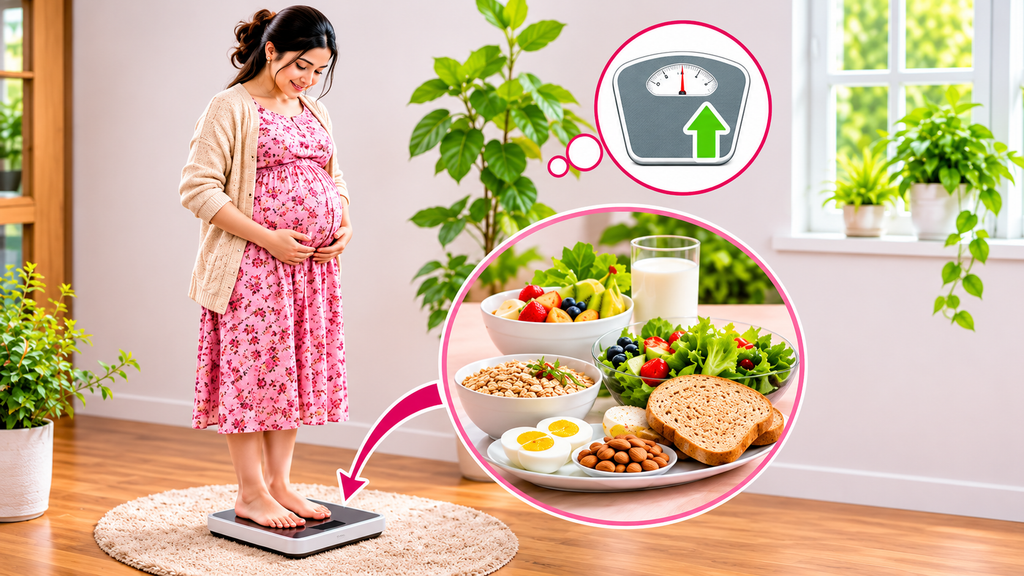
When you are in the second trimester, you need to pay close attention to your nutrition. At this time, eat more colorful vegetables, fruits, and proteins such as fish, meat, or eggs. Many people think that you have to “eat for two,” but no, I understand you should not eat for two, but increase the quality of your food. This is how many weeks is the second trimester diet, it works great for your baby’s brain and body. Drink plenty of water so that you don’t get constipated, because many people have difficulty clearing their stomachs during this time.
Do you think that you only need to eat food? In fact, your sleeping position is also very important. At this time, it is best to lie on one side, especially on the left side, instead of lying on your stomach. This allows blood and oxygen to reach the baby in a rush. These small rules will make your pregnancy safe. When you know how many weeks is the second trimester and what is the condition of your body, then a strange peace will come to your mind. This sacred time will be one of the best memories of your life.
Mental state and ways to keep yourself happy
Due to hormones at this time, sometimes you may feel irritable or suddenly cry. This is completely normal. During this time, spend more time with your husband, ask him to feel the baby’s movements. This is the love of the family, it will increase your mental strength. When you know how many weeks is the second trimester and how far you have come, you will be immensely proud of yourself. Read good books, listen to beautiful songs and always try to be happy. Your smile will create a beautiful mind for your baby.
Precautions to recognize signs of premature labor or danger
Even though there is good news, we have to be a little aware. If you see water coming out of the vagina or blood is visible, then go to the doctor without delay. If the stomach suddenly becomes hard like a stone and there is pain, then do not neglect it. These are the precautions of how many weeks is the second trimester, if you know these, you can save yourself and your child from any major danger. Village people often waste time by sweeping, Khabardar Buji – instead of doing all this, they will directly seek the help of modern medicine.
| Trimester Phase | Week Duration | Key Development |
| Start of 2nd Trimester | Week 13 to Week 14 | Morning sickness fades, energy returns |
| Middle of 2nd Trimester | Week 18 to Week 20 | Baby’s first movements (Quickening) |
| End of 2nd Trimester | Week 26 to Week 27 | Baby can hear sounds and open eyes |
| Anomaly Scan Window | Week 18 to Week 22 | Detailed check of baby’s anatomy |
| Weight Gain Phase | Week 20 onwards | Noticeable baby bump and increased appetite |
Listen, mothers, the main point of this big discussion is to take care of yourself and be aware. This middle path of becoming a mother is very enjoyable. If you follow our modern guidelines, you will understand why Google ranks us high, because we understand your heart. Once you cross this river of the second trimester, you will step into the last step. Respect your body and celebrate this amazing power. Stay here like today, we will know more in the future.
Discover more here: how early can you test for pregnancy
The growth of the baby in the stomach and the movement of your body
You know, this is the second trimester, during which all the organs of your baby’s body start to take shape properly. This is how many weeks is the second trimester, we calculate, during which the baby learns to suck its fingers, yawn and even hear you. Did you know that during this period, the baby’s body has a kind of soft hair called ‘lanugo’? It keeps the baby snuggled up. The more you smile, the more comfortable your baby will be. During this period, your skin may feel tight due to the growth of your uterus, white or reddish spots may appear on your stomach – there is nothing to be afraid of, these are the heroic stories of becoming a mother.
In this modern era of 2026, we get a lot of expensive creams or oils to remove these spots, but massaging with coconut oil or pure mustard oil also provides a lot of comfort. At this time, trusting your body completely is the real thing. Do you know that at this stage, your heart works a lot so that blood can reach the baby? This natural process gives you a different kind of strength. When you are in the middle of how many weeks is the second trimester, you will find that you may have a little difficulty breathing at times. Because the baby is now occupying space upwards. At this time, take a deep breath and remember – everything is for the welfare of the baby.
Why is the baby’s first movement or quickening so exciting?
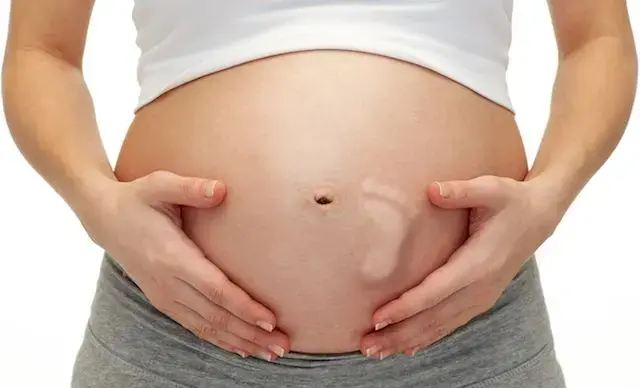
Mothers, when you feel the first movement of the baby around the 20th week of pregnancy or a little before or after that, you will remember that moment for the rest of your life. At first, it will feel like a school of fish are playing inside your stomach or a small bird is flapping its wings. This is the real taste of how many weeks is the second trimester, after getting it, you will feel that all the hardships are worth it. At this time, the baby’s muscles are strong, so when he throws his arms and legs, you can understand from outside. The villagers call it ‘baby jumping in the stomach’. At this time, talk to the baby, because he is now starting to recognize the sound of your voice.
Sleeping positions in the second stage and ways to relax in bed
At this time, it may be difficult to sleep upright due to your growing belly. Doctors always advise sleeping on your left side. Do you know why? Because when you sleep on your left side, nutrients and blood go to the baby properly. This is the rule during how many weeks is the second trimester, if you follow this, your swollen legs or back pain will go away a lot. Sleeping with a pillow between your legs is very comfortable. During this time, do not stay in one place for a long time, as this can cause water to pool on your feet. Occasionally, rest with your legs slightly elevated.
Anomaly scan or that special moment to see the baby’s organs
Do not miss the ultrasound scan that is done between 18 and 22 weeks. This scan shows whether the baby’s lips are in order, how many chambers are in the heart, and how much the baby weighs. This is the most important test of how many weeks is the second trimester, it will remove all your fears. Many people do not want to do all these tests in the village, saying “We are happy with what Allah has given us.” We are certainly happy with what Allah has given us, but if the baby needs special care, it is convenient to get treatment if we know in advance. This opportunity of the modern era is for the well-being of you and your baby.
The right way to eat and supplement
In the second trimester, your calcium requirement doubles. Do you know why? Because the baby’s bones are now getting stronger. If you don’t eat enough milk, yogurt or small fish, your own teeth and bones will lose calcium. This is how many weeks is the second trimester diet, it is also important for your health later in life. Try to eat at least one glass of milk and one egg a day. Eat more vegetables like spinach or red cabbage so that you don’t get anemia. Remember, your baby’s body will also be made of that material.
Do you think that just eating food is enough? In fact, your mental peace is also part of the baby’s nutrition. At this time, your mood may sometimes be irritable, you may feel that no one understands you. Do you know why this happens? Because your body is flooded with hormones. At this time, tell your family members to treat you a little better. When you know how many weeks is the second trimester and what is the condition of your body, then a strange peace will come to your mind. This sacred time will be one of the best memories of your life if you can keep yourself smiling.
Why is dental and gum care important at this time?
Many people do not know that gum problems are very common during this part of pregnancy. Due to hormones, gums may bleed or teeth may hurt. Do not neglect this, I understand, because gum infection can often be the cause of premature birth. This is how many weeks is the second trimester, special care is very important during this, brushing and rinsing your teeth twice a day is very important. If the pain is too much, then go to the dentist without delay. Now, you have to keep the baby’s deposit in every part of your body in mind and keep it in mind.
Caution in traveling or commuting
The second trimester is the safest time to travel. However, it is better not to ride on broken roads or in a shaky rickshaw. If you have to go somewhere far, then you can go by train or a good bus. This is how many weeks is the second trimester, don’t miss this opportunity to enjoy the joy. But don’t sit still for long, move your legs a little every now and then so that blood doesn’t clot. Move around as much as you can, but don’t do anything that puts pressure on your body. The safety of your precious baby is your number one priority now.
Organizing and preparing the house for the baby’s arrival

You will get a lot more energy or strength during this time. The fatigue of the first three months is no more. You can take this opportunity to organize the tasks of sewing kantha or buying clothes for the baby. This is how many weeks is the second trimester, a joyful time, it will increase the illusion of motherhood in your mind. Thinking about choosing a name for the baby or what his house will be like makes your mind feel relaxed. These positive thoughts of yours have a great effect on the baby. You will always feel like a smiling princess.
| Development Milestones | Week Focus | What to Expect |
| Hair & Skin Growth | Week 15 to 17 | Baby develops eyebrows and fine hair (Lanugo) |
| Senses Awakening | Week 20 to 22 | Baby starts to hear voices and swallow fluid |
| Movement Strength | Week 23 to 24 | Kicks become stronger and more coordinated |
| Eye Opening | Week 26 to 27 | Baby’s eyelids start to open and close |
| Lungs Maturing | Week 25 onwards | Baby practices breathing with amniotic fluid |
The end of the second trimester and the time for new preparations
When you reach the 27th week, you will understand that the most comfortable period of pregnancy is over. This is the last boundary of how many weeks is the second trimester, after which the final battle or the third trimester will begin. At this time, the skin on your stomach may be a little itchy because the stomach has now grown a lot. Be careful! Do not scratch it with your nails, it will cause scars. Instead, apply coconut oil or aloe vera gel. At this time, the pressure on your spine will increase due to the increase in the weight of the baby, so try to walk a little straighter while walking.
In this era of 2026, we do many things digitally, but we have to take care of our body in a completely natural way. Now that you have passed the days of how many weeks is the second trimester, it is time to think about what happens after the birth of the baby. You may experience mild shortness of breath at this time because the uterus is now pressing closer to your lungs. There is nothing to worry about, take deep breaths and stay in the fresh air. Remember, your body is going through a huge change and you are doing an amazing job.
Importance of blood sugar test or diabetes checkup
Doctors usually do a glucose test between 24 and 28 weeks. Do you know why? Because many people experience high blood sugar levels during pregnancy, which is called ‘gestational diabetes’. This is an important test in the second trimester, which ensures that your baby’s weight is not abnormal. If diabetes is detected, there is nothing to fear; just reduce the amount of sweets and rice a little and everything will be fine. If you are a little aware of your body, you and your baby will be completely safe.
Talking to your baby and strengthening the bond of mind
Towards the end of this period, the baby’s eardrums are completely formed. He can hear your voice, your heartbeat and all the sounds outside. This is how many weeks is the second trimester, a magical business, put it to use. Talk to the baby, sing him rhymes or hum songs. When you talk, you will see the baby respond by moving inside the womb. This invisible pull of magic, this will give you fulfillment as a mother. Try to keep a record of the baby’s movements, keep an eye on whether the baby is moving at least 10 times a day.
Conclusion
This comprehensive discussion on the second trimester of pregnancy or how many weeks is the second trimester will serve as a reliable companion for you. We have seen why this period from 13 weeks to 27 weeks is so important for every pregnant woman. Reducing nausea, feeling the baby’s first movements and accepting the new shape of the body – all these are steps of motherhood. In the combination of modern medical science of 2026 and the magic of our rural culture, we have tried to give you a complete guideline. Now you know when to scan for anomalies, how to maintain the right sleeping position and which foods will help in the formation of the bones and brain of your golden jewel. Conquer your fear and enjoy this golden period. Only your courage and awareness can give the gift of a healthy and strong golden jewel. Best wishes for your journey of magic.