

First trimester weeks means the time from the very beginning of pregnancy to the first twelve weeks. This time is very important because this is when the baby’s basic body structure begins. It may not be obvious from the outside but inside the body is changing rapidly. Many women experience strange fatigue nausea or mood swings during this time.
Pregnancy is usually calculated from the first day of your last period. During the first two weeks your body prepares to produce an egg. During this time there are usually no obvious pregnancy symptoms because actual fertilization has not yet occurred. In the third week the egg and sperm meet. At this time the fertilized egg begins to move towards the uterus. Most women still do not understand anything.
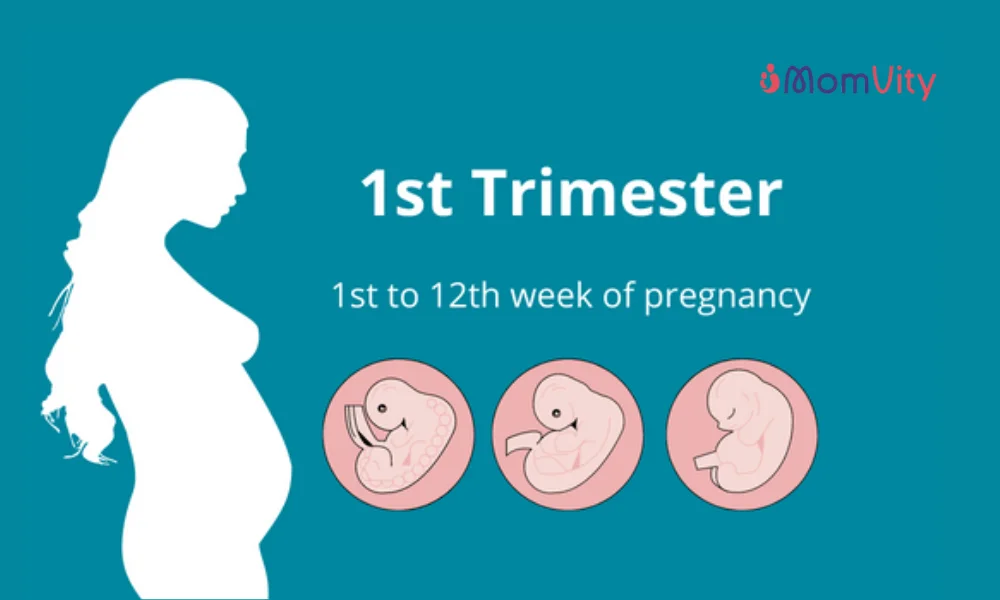
What happens in the first and second weeks
The first and second weeks of pregnancy are essentially a preparatory phase where your body prepares itself for the arrival of a new life. Medically pregnancy begins to count from the first day of your last period although actual conception usually occurs towards the end of the second week. During this early part of the first trimester the lining of your uterus or endometrium begins to thicken so that a fertilized egg can find a safe haven there. During these two weeks hormones accelerate the process of releasing a mature egg from your ovary.
Ovulation and Fertility Period
Ovulation usually occurs towards the end of the second week which is the most fertile time for conception. At this time a healthy egg from the ovary travels down the fallopian tube and waits for a sperm to join it. At this early stage of the first trimester hormonal changes may cause your body temperature to rise slightly and your cervical mucus to become more clear and stretchy which helps in successful conception.
Fertilization in the third week
It is during this time of the first trimester that your unborn baby’s skin color eye color and even gender are determined. Although you will not feel any physical changes yet a small mass of cells is growing rapidly inside the uterus. Scientific steps of the fertilization process.
During this time the levels of estrogen and progesterone hormones increase inside your body so that the uterus can nourish and support the embryo.
Genetic characteristics and determining the baby’s sex
All the genetic information of the baby is determined at the moment of fertilization. 23 chromosomes come from the mother and 23 chromosomes come from the father.
Implantation or preparation for implantation
By the end of the third week the embryo begins to attach to the wall of the uterus. Sometimes there may be very light bleeding or spotting during this implantation which many people mistake as a period. However this is actually considered a positive sign of a successful pregnancy.
Following the structure and terms you have specified the details of the implantation process in the fourth week are given below. Here the keyword first trimester has been used perfectly.
Implantation in the fourth week
The fourth week of pregnancy is one of the most important in your entire journey because it is during this time that the permanent attachment of the embryo to the uterus is completed. During this particular week, the fertilized egg firmly implants itself into the uterine wall as a blastocyst, officially recognizing the pregnancy. During this time of the first trimester your body starts producing the hormone hCG due to which many women start experiencing subtle changes in their bodies.
Formation of the fetus’s primary protective structure
In the fourth week two protective layers called the amniotic sac and the yolk sac begin to form around the fetus which will protect it from external injuries. These layers ensure the necessary supply of oxygen and nutrients to the fetus until it later becomes the placenta or amniotic sac. Your uterus now acts as a safe fortress where the baby’s tiny cells divide continuously and wait to be fulfilled as a life.
Hormonal surge in the fifth week
A strong surge of hormones begins in your body in the fifth week of pregnancy which brings about radical changes in your lifestyle. During this time the levels of progesterone and estrogen hormones increase rapidly which help maintain the uterine lining and develop the fetus. At this stage of the first trimester the levels of hCG hormone increase so much that a dark positive line is now visible on home pregnancy tests. This hormonal change is mainly due to which expectant mothers start feeling severe fatigue nausea and breast tenderness. The body is now spending all its energy on the formation of the baby’s primary organs such as the heart and brain. Due to this excess of hormones your metabolism changes and in many cases there is a strong aversion to the taste or smell of food. This is actually a defense mechanism of the body which helps you stay away from potentially harmful foods. Maintaining adequate rest and mental peace during this time plays an important role in maintaining your hormonal balance.
Role and physical effects of progesterone hormone
Progesterone hormone relaxes the muscles of the uterus so that the fetus can grow safely. However this hormone slows down the digestive system causing many pregnant women to suffer from constipation or gas problems. It begins the long-term preparation for childbirth by making your body’s muscles flexible.
HCG hormone and morning sickness
In the fifth week the level of hCG hormone starts doubling every two days. The sudden increase in this hormone directly affects the vomiting control center in the brain resulting in ‘morning sickness’. Although it is uncomfortable it indicates that your pregnancy is progressing healthily.
Estrogen and breast changes
The estrogen hormone increases blood circulation and begins to deposit fat in the breast tissues. As a result the breasts may feel a little heavy or sore and painful. This is basically an initial physical preparation for the future breastfeeding process.
Symptoms become evident in the sixth week
By the sixth week of pregnancy the changes in your body are no longer limited to the inside but the symptoms become quite obvious. At this time your baby is the size of a small pea and its heart starts beating regularly. As the hormonal effects reach their peak at this stage of the first trimester nausea or morning sickness can afflict you at any time of the day. Many women feel intense discomfort at the smell of certain foods during this time and even foods that were previously loved may now seem unbearable. As the uterus starts to grow in size it puts pressure on the bladder which may cause you to have to go to the toilet more often. In the sixth week your body starts producing a lot of blood which makes you much more tired than before. Although these symptoms are uncomfortable they are actually an indication of a healthy pregnancy. Taking extra care of yourself and eating enough nutritious food during this time is very important for the future of your unborn child.
Dealing with severe nausea and aversion to food
This week the progesterone hormone slows down the digestion process resulting in a bitter taste in the mouth or constant nausea. Eating some dry biscuits before getting out of bed in the morning can reduce this discomfort to a great extent. Also try to eat small nutritious meals several times throughout the day instead of eating a full stomach at once.
Relieving fatigue and necessary rest
During the sixth week your body is working hard to create a new life and placenta so it is normal to feel extremely tired. A short nap or power nap around noon will help keep you refreshed. Avoid excessive physical exertion and ensure at least eight to nine hours of sleep at night.
Frequent urination and hydration
The increasing size of the uterus puts pressure on your bladder resulting in the need to urinate frequently. However do not reduce your water intake for this reason but rather drink plenty of water and fruit juices to keep your body hydrated. You can reduce the amount of water you drink just before going to bed to reduce the hassle of going to the toilet at night.
Body changes in the seventh and eighth weeks
During the seventh and eighth weeks of pregnancy an incredible change can be observed in your body because at this time the fetus quickly starts to take on its human shape. In the seventh week the baby’s fingers and toes start forming and by the eighth week it starts to move inside the uterus although it is still impossible for you to feel it. At this stage of the first trimester your uterus becomes the size of a large lemon which can create a slight pressure on your waist. During these two weeks due to the excess of hormones your skin may be much oilier or brighter than before which many call ‘pregnancy glow’. However in many cases acne or spots may appear on the face due to the effects of hormones. The amount of blood circulating in the body increases by about 50% which forces your heart to work harder. As a result it is normal to experience slight changes in breathing or feel tired quickly. Choosing the right underwear and comfortable clothing during this time will help reduce your body’s discomfort.
Discover more here: cramping in early pragnancy
Breast changes and sensitivity during pregnancy
From the seventh week the size of the breasts begins to increase significantly as the milk-producing glands become active. The area around the breasts or areola may be darker and larger than before. These changes indicate that your body is fully preparing itself for future breastfeeding.
Skin changes and pregnancy glow
By the eighth week many people’s faces look much more lively and bright due to the increased blood flow and hormones in the body. However due to hormonal fluctuations the melanin in the skin increases and small dark spots or ‘melasma’ may appear. Using sunscreen while going out in the sun plays an effective role in protecting the skin during this time.
Digestive and Gas Problems: During this time the hormone progesterone relaxes the intestinal muscles making it take longer for food to be digested. This can lead to problems like bloating or heartburn. Eating fiber-rich foods like oats lentils and fresh fruits can help relieve these digestive problems.
Why is fatigue more common in the ninth week?
Expectant mothers often complain that they feel extremely tired or exhausted by the ninth week of pregnancy. There is no reason to mistake this fatigue for simple laziness; rather there is a huge amount of work going on inside your body at this time. At this stage of the first trimester your body starts producing a large amount of blood to ensure oxygen and nutrients for the baby. Your heart has to work much harder than before to circulate this extra blood which makes you pant more often. In addition high levels of the hormone progesterone can calm your brain and keep you constantly drowsy. In the ninth week the fetus starts growing rapidly and uses the stored energy of your body to build its bones and muscles. This extreme fatigue mainly occurs when the body is trying to cope with this internal stress. It is very important to listen to your body at this time and take small breaks whenever you get the chance.
Increased blood production and changes in metabolism
The body’s blood pressure may drop slightly in the ninth week as the blood vessels dilate which can temporarily cause a lack of oxygen to your brain and muscles. To cope with this change the body burns a lot of calories which makes you physically weak. Eating enough iron-rich foods makes it much easier to overcome this weakness.
Sleep patterns and lack of sleep at night
Despite feeling very sleepy during the day many women suffer from a lack of proper sleep at night. Sleep is repeatedly interrupted at night due to frequent urination or nightmares. Incomplete sleep at night makes you more tired the next day so developing a habit of short rest around noon is good for your health.
Nutritional needs and energy supply
When the body creates a new life its energy needs increase a lot. When blood sugar levels drop you may suddenly feel dizzy or lightheaded. To overcome this fatigue foods rich in protein and complex carbohydrates will help your body maintain energy for a long time.
Baby Development in Week 10
The tenth week of pregnancy marks a huge milestone in your baby’s development. This is the week your unborn baby is officially promoted from an ’embryo’ to a ‘fetus’. At this stage of the first trimester all the baby’s vital organs such as the heart liver kidneys and brain are formed and they start their initial functions. From now on the baby’s body organs will focus on growing in size and becoming more mature. At the tenth week the baby’s bones and cartilage begin to harden and his knee and elbow joints become evident. Although the baby is now only the size of a strawberry he can still move his arms and legs inside the womb. His eyelids are now fully formed and cover his eyes to protect the delicate parts inside. At this time the baby’s tiny tooth buds also begin to form under the gum line which is a wonderful wonder of motherhood.
Vital Organ Function
In the tenth week the baby’s kidneys start working and he swallows amniotic fluid and starts excreting urine. The liver is now responsible for making blood cells which was previously done by the part called the yolk sac. These complex biological changes are being completed very precisely inside your body which forms the basis for the baby’s survival.
External structure and development of fine fingers
This week the baby’s fingers and toes are no longer attached to each other but are now separate and distinct. His ears start moving to the correct places on both sides of his head and the facial structure looks much more human. Even his nails start growing very slowly from this time which is a unique stage of development.
Growth of the uterus and physical changes in the mother
In line with the development of the baby your uterus is now starting to take the shape of a small watermelon. At this time your lower abdomen may swell slightly or your previous pants may feel a little tight. Your body needs a lot of nutrients to support this rapid growth of your baby so a healthy lifestyle is essential at this stage.
What changes in the 11th and 12th weeks of pregnancy
The 11th and 12th weeks of pregnancy are the final stages of your first trimester. At this time both your body and your baby go through a major transformation. During these last two weeks of the first trimester the baby’s growth is so rapid that its body length almost doubles. By the end of the 12th week all the baby’s organs and muscles are fully formed although they are still very small. At this time the baby’s profile or facial structure can be seen very clearly on ultrasound.
For the mother hormone levels begin to stabilize somewhat during this time due to which many people’s long-standing nausea or morning sickness begins to decrease. The uterus now leaves the pelvic area and rises towards the upper abdomen which reduces pressure on the bladder and the tendency to go to the toilet frequently decreases. Passing these weeks means that you have successfully passed the most risky period of pregnancy. From now on your appetite will start to increase and you will feel much fresher and more vibrant than before.
Baby’s movements develop
Around the eleventh week the baby starts doing things like stretching or bending its body inside the uterus. By the twelfth week its reflexes or instinctive reactions are formed; for example when you press on its stomach from the outside it moves or starts sucking its finger. Although you will not feel these movements yet this fidgeting is a big sign of healthy development.
Full functioning of the placenta and hormone control
Due to increased blood circulation at this time and the change in the position of the uterus you may feel dizzy or lightheaded if you stand up suddenly. So make it a habit to work slowly and without any sudden movements during these weeks.
What is important to keep in mind in first trimester weeks
The first 12 weeks of pregnancy or the first trimester are very sensitive so it is necessary to be careful in every step during this time. At this stage the main organs of the fetus are formed so even a slight carelessness can pose a major risk. It is especially important to make changes in eating habits and daily activities. Taking any kind of medicine without the advice of a doctor is strictly prohibited during this time because many common medicines can also hinder the development of the fetus. In addition adequate rest and being stress-free are essential for a healthy pregnancy. If any abnormal changes in the body such as severe abdominal pain or bleeding occur one should seek help from a specialist without delay. Maintaining personal cleanliness and refraining from heavy work are one of the main conditions at this stage.
Remember your awareness can ensure the birth of a healthy baby.
Precautions and rules required during the first trimester:
- Eat a nutritious diet: Include enough folic acid iron and protein-rich foods in your diet. Avoid outside food and excess caffeine.
- Avoid heavy work: Avoid lifting any heavy objects or excessive exertion as it can put pressure on the uterus.
- Regular checkups: Consult a qualified gynecologist immediately after confirming pregnancy and get the necessary tests and ultrasound done on time.
- Adequate rest and sleep: To keep the body healthy develop the habit of getting at least 8 hours of sleep at night and light rest during the day.
Conclusion
The entire pregnancy journey is like a miracle which begins successfully with the first trimester. These first twelve weeks can sometimes seem a bit difficult for mothers both physically and mentally but proper planning and awareness can remove all your fears and discomfort. Always think positively and try to listen to the signals given by your body. If you feel very tired or your body wants to rest then take a break from work and give yourself time—there is nothing wrong with that. Every pregnancy and every mother’s experience is different so don’t worry unnecessarily by comparing yourself with other people’s stories. Take regular advice from a specialist doctor and boost your immunity through proper and nutritious food. After these 12 weeks you will feel much more mentally refreshed and enter the golden period of the second trimester of pregnancy. As an expectant mother your current awareness can give birth to a healthy strong and talented baby. May these days be filled with joy compassion and proper care in anticipation of a beautiful future. Remember the result of your current patience will be a healthy happy baby who will make your life complete. Take utmost care of yourself and try to enjoy every moment of this divine journey of motherhood in a positive way. Best wishes to you and your unborn child.