
Early pregnancy | Momvity

symptoms of early pragnancy

What are the early signs of pregnancy? The early signs your body gives you

Symptoms that may appear in the body at the beginning of pregnancy

The beginning of pregnancy comes very silently. At this time, the body does not tell you anything in a big way, but rather starts giving hints through small changes. Many women are still not sure, but their bodies start changing inside. These changes are called early pregnancy symptoms.

Not all symptoms are the same for all women. Some symptoms come very quickly, while others come slowly. Therefore, it is very important to pay attention to your body at this time.

Feeling very tired for no reason

Have you been feeling tired in the morning even after getting enough sleep at night? Or even after a simple task like climbing stairs or cleaning the house, you feel like you’ve worked like a mountain? This feeling of being tired or exhausted for no reason is what we call ‘feeling tired for no reason’.

Why do you feel tired for no reason?

Fatigue is not always caused by a major illness, but some small mistakes in our lifestyle can also be behind it:

Lack of water in the body: Many times we don’t realize that even if we don’t feel thirsty, there may be a lack of water in the body. Drinking less water slows down blood circulation, resulting in fatigue in the brain and muscles.

Anemia: The main reason for fatigue in our country, especially in women, is lack of iron in the blood. If hemoglobin is low in the blood, sufficient oxygen does not reach the body’s cells, resulting in sleepiness all the time.

Thyroid problems: Thyroid hormones control the energy use of our body. If these hormones are out of balance, the body may feel very tired even without doing any work.

Lack of nutritious food: If you eat only biscuits or fried food all day, the body does not get the necessary calories. Especially due to the lack of vitamins D and B12, the body breaks down.

Excessive mental stress: Anxiety or mental instability tires the brain more than the body. When the mind is depressed, the body also loses its strength.

Irregular sleep: You may be sleeping for 78 hours, but if the sleep time is not right (such as sleeping too late), the body’s biological clock gets messed up and causes fatigue.

Ways to overcome fatigue and become alert

You can try the following changes to refresh yourself again:

1. Increase the amount of water: Drink at least 8-10 glasses of water a day. If you make a habit of drinking a glass of warm water after waking up in the morning, the body will activate faster.

2. Dietary changes: Include iron and protein-rich foods in your diet (e.g. bananas, eggs, dates, vegetables). Try eating fruits instead of relying on caffeine or sugar for quick energy.

3. Light exercise: It may sound strange, but it is true that a little walking or exercise when you feel tired increases blood circulation in the body and reduces fatigue.

4. Digital detox: Put away your phone or laptop at least an hour before bed. Deep sleep is the best medicine for relieving fatigue.

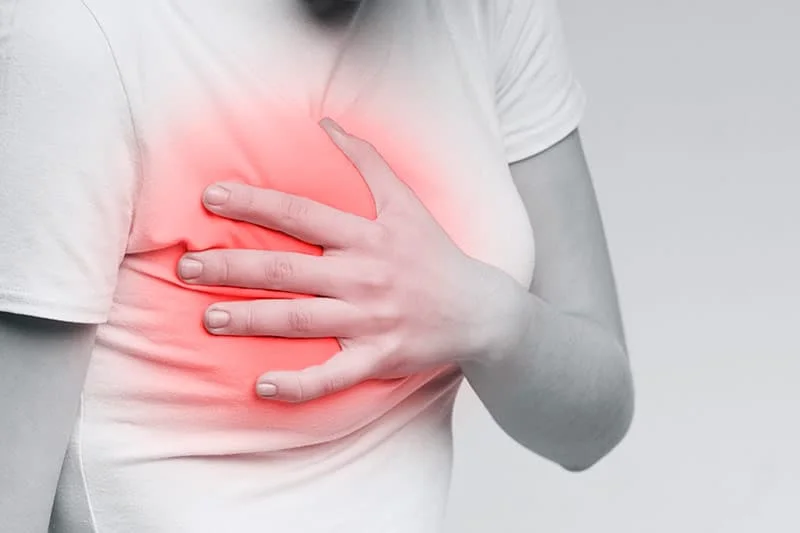
Chest heaviness or pain when touched

Many of us experience problems such as feeling an invisible pressure or heaviness on the chest or pain when touching or pressing a specific area of ​​the chest. Many times we panic, thinking it is a direct heart problem, but there may be many other common causes behind it.

Why does the chest feel heavy or feel painful when touched?

In the language of medical science, this chest discomfort can be divided into several categories. The most common physical and mental reasons behind it are:

Muscle or bone pain: When there is inflammation at the junction of the bones of the rib cage with the cartilage, it feels very painful when touched. Lifting something heavy, twisting suddenly, or coughing hard can also cause tension in the chest muscles.

Gas problems or acidity: When excess gas accumulates in our stomach, it pushes upwards. As a result, the chest feels heavy and it feels like something is stuck in the chest. We often confuse this with ‘heartburn’.

Mental anxiety and panic attacks: If you are very worried or suddenly afraid for some reason, your chest may feel heavy. Sometimes it feels like you are having difficulty breathing and that a stone is pressing on your chest.

Lung problems: If you have bronchitis or lung infection with phlegm in your chest, your chest feels heavy. In this case, you may have a chronic cough along with chest pain.

Possibility of heart disease: If you have a heavy chest, you sweat a lot, the pain spreads to the jaw or left arm, and you feel short of breath, then this may be a sign of a heart problem.

Remedies and things to do

You can take the following steps to reduce this chest discomfort:

1. Rest and ice: If the pain is due to muscle tension, do not do any heavy work for a few days. Applying mild heat or cold to the painful area relaxes the muscles and reduces the pain.

2. Change your eating habits: If the chest heaviness is due to gas, avoid oily and fried foods. Make a habit of eating small, frequent meals instead of eating too much at once, and don’t lie down right after eating.

Mild tightness or discomfort in the lower abdomen

A slight pulling or discomfort in the lower abdomen is a very common thing that can happen to both men and women. However, in women, it is more related to pregnancy or the menstrual cycle. Many times we think of it as a simple stomach ache, but there are specific reasons behind it.

Why do we feel pulling or discomfort in the lower abdomen?

There can be several main reasons behind this kind of feeling in the lower abdomen:

Muscle tension: Lifting something heavy or twisting the body suddenly incorrectly can cause tension in the lower abdominal muscles. We usually call this ‘tension in the veins’.

Early pregnancy: If you are trying to conceive, you may feel a slight pulling or discomfort in the lower abdomen as the embryo settles in the uterus. It is usually not as intense as period pain.

Gas problems or constipation: When gas accumulates in the intestines or the stomach is not clean, the lower abdomen feels heavy and sometimes feels tight. Many times it is felt on one side or below the abdomen.

Urinary tract infection: If you have a urinary tract infection, there is always a feeling of discomfort or heaviness in the lower abdomen. This tension may be felt more especially during or after urination.

Menstruation or ovulation: It is very normal to feel mild tension or pain on one side of the lower abdomen a few days before the start of your period or in the middle of the month when the egg is released.

What you can do to reduce this discomfort

Following some home remedies to reduce lower abdominal tension can help you get relief quickly:

1. Rest: Whenever you feel tension or discomfort, leave everything and lie down on your stomach. Keeping your legs slightly elevated (on a pillow) relaxes the abdominal muscles.

2. Light heat: Apply a warm water bag or hot water bag to the lower abdomen. This works like magic to reduce muscle spasms and increase blood circulation.

3. Drink enough water: If the body is dehydrated, the tendency to tense muscles increases. So drink enough water and coconut water throughout the day.

4. Eat fibrous foods: If you are uncomfortable due to constipation, eat more vegetables and fruits. This keeps the stomach clean and reduces pressure in the lower abdomen.

Sudden irritation by odor

Sudden discomfort or hypersensitivity to smell is a special physical condition. The smell of perfume or food that you used to like before may now make you want to put clothes on your nose or make you feel dizzy. This is often called ‘hyperosmia’ in medical terms.

Why do you suddenly feel uncomfortable with smell?

Our sense of smell is directly linked to the brain. Therefore, any change in the body can affect smell:

Pregnancy: At the very beginning of pregnancy, the sense of smell increases several times due to the increase in hormone levels (especially estrogen). Then, the smell of cooking spices, fish or perfume causes severe nausea and discomfort.

Migraine: Those who have migraine problems find any strong smell unbearable before or during the headache. Even a mild smell can cause them discomfort.

Liver problems: When toxins or toxic substances cannot be removed from the body properly, sometimes there is a reluctance or discomfort in the smell of food.

Sinus or cold: After a long-term sinus or cold, the olfactory nerves often become overly sensitive.

Stress and fatigue: Excessive anxiety or lack of sleep can cause the brain to react very quickly and negatively to external stimuli.

Ways to reduce discomfort or annoyance with smells

If you have a problem with a specific smell, you can adopt the following strategies:

1. Fresh air system: Keep the windows of the room you live in open so that air can circulate. Smells stay in a closed room for a long time, which increases annoyance.

2. Use lemon or ginger: When you feel confused or annoyed by a smell, try drying a piece of fresh lemon or ginger. The refreshing scent of lemon helps calm the brain and reduce nausea.

3. Avoid strong fragrances: Temporarily stop using strong perfumes, air fresheners, or incense sticks. You can choose scent-free products when buying detergents or soaps.

4. Eat food cold: The smell of hot food spreads more in the air. If you have a problem with cooking odors, eating food slightly colder can reduce the smell and reduce discomfort.

Change in food taste

A change in taste means that your favorite foods no longer taste good or you want to eat something you didn’t like before. In many cases, you may even feel a metallic or bitter taste in your mouth. This is a big signal of internal changes in the body.

why does food taste change?

There can be several physical and psychological reasons behind taste changes:

Pregnancy hormones: At the beginning of pregnancy, the hormone ‘estrogen’ increases in the body. As a result, many people have a strong desire to eat sour foods or feel nauseous at the smell of their favorite fish and meat. We call this ‘food aversion’.

Nutritional deficiency (zinc and B-12): If there is a lack of zinc or vitamin B-12 in the body, the taste buds do not work properly. This can make food taste bitter or tasteless.

Acidity and digestive problems: If you have flatulence or heartburn, a white coating forms on the tongue, which prevents the real taste of food from being available and reduces the taste.

Drug effects: If you have recently taken any antibiotics or strong medicines, the chemical effects of the medicine may cause a metallic or bitter taste in your mouth for a few days.

Stress and depression: If you are upset or worried for a long time, the brain reduces the desire to eat. Then even the most delicious food does not taste good in your mouth.

Home remedies to restore taste

You can try the following ways to restore taste in your mouth and eat regularly:

1. Eat small amounts frequently: Eating a lot of food at once can further reduce your taste. So instead of eating a lot at once, eat something nutritious in small amounts every 2-3 hours.

2. Changing the taste of your mouth: To get rid of the bitter feeling, you can try mildly sour foods such as lemon water, tamarind pickle or amla. This helps to increase taste by activating the salivary glands.

3. Cold or room temperature foods: The smell of hot food often reduces taste. So eating food a little colder makes it taste better.

Sudden change in mood

Sudden changes in mood, or what we call ‘mood swings’ in English, are an integral part of many of our lives. You may be very happy one moment, and then the next moment you feel sad or irritable for no reason.

Why do moods change suddenly?

Some chemical and environmental factors are mainly responsible for our moods:

Hormonal changes: Especially in women, at the beginning of pregnancy, before the menstrual cycle or during menopause, there is a huge fluctuation in the hormones estrogen and progesterone in the body. This directly affects the part of the brain that controls our emotions.

Lack of adequate sleep: If you do not sleep properly for several days in a row, your brain becomes tired. Then you may get very angry or cry even over very small things.

Excessive stress: When work pressure, family problems or thoughts of the future weigh on our heads, our patience decreases. As a result, it is very natural to have sudden mood swings.

Low blood sugar: Not eating for a long time can cause low blood sugar, which can lead to dizziness and irritability. This is called ‘Hangry’ in English.

Vitamin deficiency: Vitamin B12 or vitamin D deficiency can have a negative effect on our mind, which can lead to depression or restlessness.

Ways to keep or control your mind good

Discover more here: Very Early Signs of Pregnancy 2 Weeks

Although mood swings cannot be completely stopped, there are some strategies that can help control them:

1. Acknowledge your feelings: When you feel like you’re in a bad mood, tell yourself, “I’m feeling sad right now and it’s temporary.” Don’t force yourself, take a moment to take a break.

2. Breathe deeply: If you suddenly get angry or cry, close your eyes, take 10 long breaths and exhale slowly. This will calm your nerves and reduce immediate restlessness.

3. Talk to your loved ones: Share everything with someone you trust without keeping it all in your mind. Sometimes just talking can lighten the load on your mind by half.

4. Taking care of your body: Eating nutritious food on time and sleeping at least 7-8 hours is the best way to reduce mood swings. It is also better to avoid caffeine or excessive tea and coffee.

Feeling dizzy or weak

Dizziness or sudden loss of body weight is a problem that stops our daily work. Many times, when we suddenly stand up from sitting, the surroundings appear dark or our head feels dizzy. This can be a symptom of a disease or it can also be a symptom of a general deficiency in the body.

Why do we feel dizzy or weak?

These problems occur when the body’s energy balance is disrupted. The main reasons for this are:

Low blood pressure: When we suddenly stand up from sitting, our blood pressure can temporarily drop, causing dizziness. In medical science, this is called ‘orthostatic hypotension’.

Low blood sugar: If we don’t eat for a long time or if the sugar in the body decreases, the brain does not get enough energy. This can cause the body to tremble and cause extreme weakness.

Dehydration or lack of water: When the amount of water in the body decreases, the blood density increases and blood circulation slows down. As a result, dizziness and fatigue are very common.

Anemia: When there is a lack of iron in the body, hemoglobin decreases. This results in less oxygen reaching the brain and cells, which makes you feel weak all the time and causes dizziness.

Pregnancy: At the beginning of pregnancy, the blood vessels in the body dilate and hormonal changes occur. As a result, many expectant mothers may feel dizzy or light-headed.

Ear problems: The inner ear is a part of our body that maintains balance. If there is an infection or problem there, severe dizziness occurs.

Ways to reduce dizziness and weakness

You can take the following steps to get immediate relief and a long-term solution:

1. Move slowly: When getting up from a lying or sitting position, get up slowly and do not rush. Sit for a few seconds before standing.

2. Salt-sugar syrup or ORS: If you feel weak, drink a glass of saline or lemon-salt sugar syrup. This helps to balance the electrolyte balance in the body and normalize blood pressure.

3. Nutritious small meals: Do not go without eating for a long time. Eat energy-rich foods like bananas, dates, or nuts at short intervals to keep your blood sugar levels stable.

Light spotting or change in discharge

Light spotting and changes in vaginal discharge are very normal during early pregnancy or before and after your period. When your body goes through a new physical change (such as pregnancy or your menstrual cycle), this discharge is the first sign of it.

1. Light Spotting

Spotting basically refers to a few drops of blood on your underwear. It is not a period-like flow.

Implantation Bleeding: Very light bleeding may occur in the very beginning of pregnancy when the embryo implants itself in the uterine wall. It is usually pink or dark brown in color.

Hormonal Effects: Fluctuations in estrogen or progesterone levels can also cause spotting in the middle of the month or just before your period.

Cervical Sensitivity: During pregnancy, blood flow to the cervix increases, so it is not uncommon to have light spotting after heavy work or sexual intercourse.

2. Changes in Discharge

During early pregnancy or due to hormonal changes, the type or amount of discharge changes a lot:

Increased amount: In early pregnancy, the body produces more discharge to protect the uterus and prevent infection. This is called ‘leucorrhoea’ in medical terms.

Color and thickness: This normal discharge is usually white or clear like thin milk and has very little or no odor.

Slippery: During ovulation, this discharge becomes slippery and transparent like raw egg white.

When is this change not normal?

If the discharge or spotting is accompanied by the following symptoms, it is important to understand that there is an infection or problem:

1. Color change: If the discharge is yellowish, greenish or gray in color. 2. Strong odor: If the discharge smells fishy or rotten. 3. Itching and burning: If there is itching around the vagina or burning during urination. 4. Thick, curd-like discharge: If the discharge is thick and white, like cottage cheese or yogurt (this is usually a sign of a yeast infection). 5. Bright red blood: If the spotting is bright red instead of brown and is accompanied by pain.

conclusion

Starting from spotting in early pregnancy to fatigue, mood swings or changes in food taste, each of these symptoms is a signal of a huge process happening inside your body. Although these changes may seem uncomfortable at times, in most cases they indicate a healthy and beautiful future.

In the context of the entire discussion, it is important for you to remember the following points:

Give your body time: Pregnancy or hormonal changes are not an illness, but a special stage of life. So, give yourself enough time when your body wants to rest.

Caution is protection: Although symptoms like spotting or discharge are normal, keep an eye on their color, pattern and smell. If you feel anything unusual, do not hesitate to seek expert advice.

Very early sins of pragnancy 2 week

The silent signals your body starts giving in the second week of pregnancy

Very Early Signs of Pregnancy 2 Weeks

The second week of pregnancy is a very silent time. Most women do not notice anything for sure during this time. No major changes are visible on the body, but the body slowly starts changing inside. very early signs of pregnancy 2 weeks are usually so mild that many people mistake them for normal fatigue or premenstrual problems.

This week, the body starts to give small signs that something is different inside. If you pay attention, you can catch these signals.

 Why it happen to get Feeling very tired for no reason:rid of it

Many of us feel very tired at the end of the day or in the middle of the day, even if we don’t do any heavy work all day, we can survive if we sleep a little. Many times, even after getting enough sleep, we wake up in the morning and feel tired. We call this ‘tired for no reason’. In fact, fatigue does not come without a reason, maybe we do not understand the reasons.

Some of the main reasons for feeling tired

When the body lacks energy or strength, the brain and the body cannot coordinate properly. 

AnemiaThis problem is more common in our country, especially among girls. When hemoglobin in the blood decreases, the body lacks oxygen, resulting in shortness of breath or fatigue.

Lack of adequate sleep: You may be sleeping for 67 hours, but is that sleep deep? Repeatedly waking up or lack of deep sleep does not allow the body to recover.

Excessive anxiety and stress: If there is tension in the head all the time, the brain cannot calm down. Mental fatigue has a direct impact on the body.

Lack of water in the body: Many of us do not drink water unless we are thirsty. But even if the amount of water in the body decreases slightly, blood circulation slows down and fatigue sets in.

Lack of nutritious food: Eating only fried or outside food all day long does not provide the body with the necessary vitamins and minerals. Especially due to the lack of vitamins D and B12, the body feels very tired.

What you can do to eliminate this fatigue

It is not very difficult to eliminate unnecessary fatigue. By making small changes in your daily habits, you can become as alert as before:

  • 1. Sleep according to the routine: Try to go to bed and wake up at a specific time every day. Stay away from your mobile phone or laptop at least an hour before bed.
  • 2. Drink plenty of water: Make it a habit to drink at least 810 glasses of water a day regularly. If the body is hydrated, the energy level is fine.
  • 3. Choose a balanced diet: Although foods like chakfi or sweets give temporary energy, they make the body more tired later. Instead, include vegetables, fruits, eggs, and nuts in your diet.

What does abnormal sleep changes actually mean?

Not all people have the same sleep habits. Some sleep a little earlier, some sleep late. But abnormal changes are said to occur when:

  • You toss and turn in bed all night but still can’t sleep.
  • You may have fallen asleep quickly, but suddenly wake up in the middle of the night and don’t want to come back.
  • After waking up in the morning, you feel like you haven’t slept a single bit, your body is completely confused.
  • You feel very sleepy during the day, but the same problem occurs again at night.

Why does this happen?

There is no major disease behind the sudden change in your sleep pattern, but rather some minor irregularities may be responsible:

Gadget or mobile addiction: We stare at the phone screen until the moment before going to sleep. This blue light from the phone tricks our brain into thinking it is still day. As a result, the secretion of the sleep hormone ‘melatonin’ decreases.

Irregular routine: Sometimes sleeping at 10 pm and sometimes at 2 am, this is not the right time, which disrupts the body’s internal clock.

Anxiety and stress: If there is any restlessness in the mind or worry about tomorrow’s work, the body cannot relax. As a result, even if sleep comes, it is not deep.

Dietary irregularities: Eating heavy meals or drinking caffeine just before going to bed at night can disrupt sleep.

Ways to get back from this problem

If you want to fix your sleep rhythm, you can follow the following points:

1. Keep the bed only for sleep: Stop working on the laptop or eating in bed. When your body goes to bed, your brain should understand that it is only a place to sleep.

2. Follow the ‘digital curfew’: Keep all kinds of electronic devices away at least 30-40 minutes before going to bed. You can make a habit of reading a book or listening to some light music.

3. Sunlight: Try to get some sun during the day, especially in the morning. This keeps the body’s natural clock in order and helps you sleep on time at night.

Changing moods is a big problem for many of us. When we feel good, but then five minutes later, for no reason, we become depressed or very angry. We usually call it a ‘mood swing’. There are many people around us whom we call ‘moody’, but there can actually be many mental and physical reasons behind this.

Sudden change in mood

There is not always a major illness behind sudden mood swings. Some small things in our daily lives can also be responsible for this:

Hormonal fluctuations: The hormones in our body have a direct effect on our mind. Especially in the case of girls, before their period or during pregnancy, there is a tendency to get angry or cry suddenly due to hormonal changes.

Excessive mental stress When we are under a lot of work pressure or are troubled by personal problems, our patience decreases. As a result, we react suddenly to even the smallest things.

Lack of adequate rest: If we do not sleep properly, the brain is tired. It is very difficult for a tired person to control his mood. So people become irritable due to lack of sleep.

Low blood sugar: It may seem surprising, but if you are really hungry, your blood sugar can drop and make you feel bad. This is called Hangry in English.

Other psychological reasons: Even if you have problems like depression or bipolar disorder, people’s moods fluctuate very quickly.

Some easy ways to keep your mood in check

If you want to take control of your state of mind, you can try these things:

1. Try to understand your feelings: Whenever you feel like you are getting in a bad mood, ask yourself – “Why am I feeling this way?” It is easier to calm your mind when you find the reason.

2. Breathe deeply: When you suddenly start to feel angry or upset, count from one to ten and take deep breaths. This immediately signals your brain that you are calm.

Mild pressure or discomfort in the lower abdomen

Mild pressure or discomfort in the lower abdomen is a very common problem. It is a feeling that is neither painful nor comfortable at all. Sometimes it feels like something is stuck or heavy in the stomach. Everything from our daily diet to lifestyle plays a role in this.

Why does lower abdomen feel uncomfortable?

There can be several common reasons behind mild pressure or discomfort in the lower abdomen:

Gas problems and constipation: This is the biggest reason. If there is excess gas in the stomach or if the stomach is not cleaned, there is a heaviness or discomfort in the lower abdomen.

Urinary tract infection: If the discomfort is accompanied by frequent urination or burning sensation during urination, then it is likely that there is a urinary tract infection.

Abdominal muscle tension: Sometimes lifting something heavy or making sudden wrong movements can cause tension in the lower abdominal muscles, which causes discomfort.

Menstrual causes in women: It is very normal to feel pressure in the lower abdomen a few days before or during the period due to uterine contractions.

Food allergies: There are some foods that are not tolerated by everyone (such as milk or excessive spices). After eating such foods, gas can cause discomfort in the stomach.

What you can do to relieve this discomfort

To relieve this mild pressure or discomfort in the lower abdomen, it is better to follow some home remedies without taking medicine:

1. Warm water bath: If you feel discomfort in the lower abdomen, you can apply a warm water bag to it. This relaxes the muscles in that area and provides comfort.

2. Ginger tea or warm water: Ginger helps in digestion and removes stomach gas. Drinking a cup of ginger tea or warm water reduces stomach discomfort to a great extent.

3. Eating fibrous foods: If you have constipation problems, make a habit of eating vegetables and fruits regularly. This keeps the stomach clean and reduces pressure in the lower abdomen.

4. Drink more water: Lack of water in the body causes digestive problems and there is a risk of urinary tract infections. Therefore, it is important to drink enough water throughout the day.

5. Light walking: If you are uncomfortable with gas accumulation in the stomach, do not lie down and take a walk. This will help the gas to leave the body and you will feel lighter.

When is it important to be careful?

If you see that this discomfort is not only mild but also the following symptoms are occurring, you should see a doctor without delay:

  • If the discomfort turns into severe pain.
  • If there is blood in the urine or severe burning.
  • If the stomach is very swollen or there is nausea.
  • If there is a fever.

Chest heaviness or sensitivity to touch

Many of us have experienced problems such as feeling a pressure or heaviness on the chest or feeling pain or tenderness when touching a part of the chest. Many times we get scared thinking it is a heart problem, but this may not always be the case.

Why does the chest feel heavy or feel painful when touched?

There can be both physical and psychological reasons behind the feeling of chest heaviness or tenderness. Let’s find out the reasons:

Gas or acidity problem: One of the main reasons for chest heaviness in our country is gas. When excess gas accumulates in the stomach, it presses on the chest, which makes it feel like a stone is pressing on the chest.

Muscle strain or injury: The muscles of the chest cage are very delicate. If the muscle is injured due to lifting something heavy, twisting suddenly or exercising, it hurts very much when touched. This is called ‘costochondritis’.

Mental anxiety and panic attacks: If you are very worried or suddenly afraid for some reason, your chest may palpitate and your chest may become heavy. Sometimes it feels like you are having trouble breathing.

Lung problems: Even if you have a cold, phlegm or lung infection, your chest may feel heavy and you may have difficulty breathing.

Possibility of heart disease: If your chest feels heavy and you sweat, the pain spreads to your left arm and you feel short of breath, this may be a sign of a heart problem.

Remedies and things to do

You can take the following steps to reduce this chest discomfort:

1. Rest: If the pain is due to muscle tension, do not do any heavy work for a few days. Applying mild heat or cold to the area can provide relief.

2. Change your eating habits: If your chest feels heavy due to gas, avoid oily and fried foods. Make a habit of eating small amounts frequently rather than eating too much at once.

3. Sit or lie down straight: If you work hunched over for a long time, it puts pressure on your chest. Always try to sit with your spine straight. Keeping your head slightly elevated while sleeping may help your chest feel lighter.

 Body feels a little hot.

When the body does not have a direct fever but feels like it is churning inside or the body is churning, we say that the body feels hot or the body feels hot. It is not an illness but a signal from the body that something is happening inside.

Explore more here: spotting in early pregnancy

Why does the body feel hot?

If you measure it with a thermometer, it may show that there is no fever (it is below 98.4° Fahrenheit) but you feel like your body is burning. There may be some common reasons behind this:

Lack of water in the body (dehydration): Our body keeps itself cool through sweat. But if there is not enough water in the body, the body cannot cool down anymore. As a result, the inside remains hot.

Mental stress and tension: Are you very worried or scared? When our mind is restless, blood pressure increases slightly and the body feels hot.

Lack of adequate sleep: If we do not sleep properly throughout the night, the body’s ability to regulate temperature decreases slightly. This makes the body feel slightly warm and tired the next day.

Drink too much tea or coffee: Caffeine or coffee can increase the body’s internal temperature slightly. People who drink tea repeatedly throughout the day may experience this feeling.

Hormonal changes: During puberty or before menstruation and during menopause, the body suddenly feels hot (called hot flashes).

Being in the sun or heat: When you walk in the sun for a long time or are in very hot weather, the body absorbs the heat that remains for a long time.

Ways to keep the body cool and alert

If the body feels uncomfortably hot, you can try these simple things:

1. Drink plenty of water and syrup: If the body feels hot, drink a glass of coconut water or lemon syrup. This will adjust the salt and water balance of the body and cool it down.

2. Bathing or washing hands and face: If possible, take a bath in lukewarm or normal temperature water. If bathing is not possible, wipe your hands, feet and neck with a wet towel.

3. Loose cotton clothing: If you feel hot, avoid wearing tight or synthetic clothing. Wearing thin cotton clothing can easily allow body heat to escape.

Sudden discomfort with smell

Sudden discomfort in smell or being overly sensitive to smell is a very annoying problem for many of us. It is sometimes called ‘hyperosmia’ in medical terms. Even the smell of a normal perfume or incense stick is unbearable. It feels like I’m going to vomit or feel dizzy.

Why do you suddenly feel uncomfortable with smell?

If the smell of your favorite food suddenly starts to smell bad, some subtle physical changes may be responsible for it:

Pregnancy: The biggest and most common reason for discomfort in smell in women is pregnancy. During this time, the estrogen hormone increases in the body, which makes the sense of smell much more acute.

Migraine: Those who have migraine problems cannot tolerate any strong smell before or during the headache. Sometimes the smell of perfume or incense can also trigger a headache.

Hormonal changes: During periods or when the hormonal balance in the body is disrupted, aversion to certain smells can sometimes develop.

Stress and anxiety: If you are under a lot of stress, your brain can overreact to everything. Then even ordinary smells can seem very strong.

Liver or stomach problems: Sometimes, if you have liver problems or long-term gastritis, the smell of food makes you feel nauseous.

Viral infections: After a cold or sinus problem, the natural balance of the sense of smell is lost, so some smells seem very strong.

What to do if you are uncomfortable with smells?

You can use some small strategies to get rid of this discomfort and make life easier:

1. Avoiding strong smells: Try to stay away from things that cause you problems with the smell (such as strong perfumes, smoke, or cooking fumes). Stop using air fresheners at home or in the office.

2. Ventilation: Open the windows of the place where you live or work. If there is enough light and air, the smell cannot accumulate, which reduces discomfort.

3. Use of cold or fresh scents: The scent of lemon, ginger or mint leaves often helps to reduce nausea or discomfort. You can cut a lemon and smell it occasionally.

4. Awareness in food selection: If you have a problem with the smell of food, do not eat food when it is too hot and eat it a little cold. The smell of hot food spreads more in the air, which can increase discomfort.

5. Using a mask: You can use a mask when going out or while cooking. This will prevent the strong smell from directly reaching your nose.

 Change in food taste

A sudden change in the taste or flavor of food is a big signal for our body. The food that you used to eat very comfortably before, now you may want to turn away whenever you see it. Or you always have a bitter or metallic taste in your mouth. These are the things that cause a change in the taste of food.

Below is a very simple discussion of why the taste of food changes and ways to overcome this problem:

Why does the taste of food change like this?

Our tongue has thousands of taste buds that send signals to the brain. When there is an obstacle in this whole process, the taste or flavor of food changes. The reasons for this are:

Fever or cold and cough: When the body is fighting against any common virus, it is very normal for the taste of the mouth to be lost. Especially if there is a cold in the nose, you cannot smell and if you cannot smell, you cannot understand the taste of food properly.

Tooth or gum problems: If there is a cavity in the teeth, bleeding from the gums or dirt accumulates on the tongue, there is always a bad smell and taste in the mouth. As a result, no food tastes good.

Nutritional deficiency in the body: Especially due to the lack of zinc and vitamins, the taste of food in humans is severely reduced. When this happens, all food seems tasteless.

Side effects of medicines: Have you been taking any antibiotics or harsh medicines lately? Many medicines cause a metallic (bitter) taste in the mouth, which spoils the real taste of food.

Stomach upset: If there is a liver problem or long-term constipation, the stomach does not feel hungry, resulting in aversion to food.

Mental state: If we are depressed or very worried, our brain cannot enjoy food.

Easy ways to restore taste in the mouth

Some lifestyle changes are more effective than any expensive medicine to restore taste:

1. Keep your mouth and tongue clean: Along with brushing your teeth twice a day, clean your tongue thoroughly. Gargling with mouthwash or mild salt-hot water kills the germs in the mouth and restores taste.

2. Sour or citrus foods: Lemon juice, tamarind or amla work very well to relieve mouth ulcers. Drinking water with a little lemon before eating creates saliva in the mouth, which increases the taste of food.

3. Eat small amounts repeatedly: Seeing a lot of food in front of you at once can scare tasteless people. So, instead of forcefully eating a lot, eat small, nutritious foods at regular intervals.

Conclusion

So far, we have discussed some small but important changes in the human body and mind. Unexplained fatigue, sleep problems, restlessness or changes in food taste, each of these things tells us that something may be lacking in the body or that the body requires a little extra care.

In our mechanical lives, we often do not pay attention to these small signals of the body. But when we can control small problems at the beginning through diet, adequate rest and a worry-free lifestyle, the possibility of a major disaster is greatly reduced.

How long does spotting last in early pragnancy

How long is normal and when is it a cause for concern?

How long does spotting last at the beginning of pregnancy?

What you need to know about early spotting

Many women get scared when they suddenly see a little blood at the beginning of pregnancy. When you see even a little blood, one question comes to mind—how long will it last? Is it normal? The truth is, spotting in early pregnancy is most often short-lived and in many cases, it is normal.

This article will gradually explain how long spotting usually lasts, why it happens, and when you need to be careful.

What does early pregnancy spotting look like?

The spotting or bleeding that occurs at the beginning of pregnancy is not at all like a normal period or menstruation. Many times, new mothers are worried about whether their period has started or not. But if you look closely, you can see that its color and pattern are completely different.

Color and pattern of spotting

The color of this spotting that occurs at the beginning of pregnancy can be different for each person, but it is basically of two types:

Light pink: It looks like a very thin pink. When the blood mixes with the normal vaginal discharge, it looks so light.

Dark brown: It can look like a rust or coffee color. If the blood is a little late in coming out of the body, its color changes from red to brown when exposed to air. Many people also call it ‘old blood’.

Remember: Spotting is usually not as bright red as period blood, which is bright red or dark red.

What does it actually look like?There are some other easy ways to tell the difference between spotting and spotting:

Drip spotting: It doesn’t flow like a period. You might see a small spot or two on your underwear or a light tinge when you wipe with a tissue after using the toilet.

Thickness: Spotting usually doesn’t have the small blood clots or clots that period blood has. It can be as thin as water or as thin as regular mucus.

Persistence: It doesn’t last for days at a time. You might see a little in the morning and then it’s gone all day. You might see a drop the next morning.

How long does spotting usually last?

When spotting occurs at the beginning of pregnancy or for any other physical reason, our first concern is how long it will last? Spotting usually does not last as long as a period. It is just a very short-term guest.

How long does spotting usually last?

The duration of spotting depends on why it is happening. However, in most cases, the time is like this:

Implantation spotting (early pregnancy): Spotting that occurs when the baby implants in the uterus can usually last from a few hours to 2 days. If it is very heavy, it can appear lightly for up to 3 days. It is not continuous, sometimes one or two drops are seen.

Ovulation spotting (during ovulation): Many girls have a little spotting in the middle of the month. It usually lasts 1 to 2 days.

Before or after period: Light brown spotting that appears just before the start of the period or the day after it ends usually lasts 1 day.

Why does spotting not last long?

During your period, the entire lining of your uterus breaks down and bleeds, so it lasts for 4-7 days. But the reasons why spotting lasts less are:

Light bleeding: Spotting is just a small amount of blood leaking from a small blood vessel in your uterus. Since the amount of blood is very small, it stops quickly.

Normal body processes: This bleeding stops automatically when your hormones return to balance.

No injury: This is usually not a major injury or wound that will bleed for a long time. It is just a result of a temporary change in your body.

Discover more here: Early signs of pregnancy before menstruation

Why does spotting occur at the beginning of pregnancy?

Spotting is a very normal thing at the beginning of pregnancy or at the very beginning of pregnancy. We often call it ‘implantation bleeding’. When a woman is about to become a mother, many big changes take place inside her body and this little drop of blood or spotting is a manifestation of those changes.

Main causes of spotting

There can be several reasons behind spotting in early pregnancy. They are given below in point form:

Baby taking up residence in the uterus: When the fertilized egg implants itself firmly in the uterine wall at the beginning of pregnancy, a little bleeding may occur from the soft lining of the uterus. It is a bit like the soil loosening a little when planting a seedling.

Hormonal fluctuations: To maintain the pregnancy, the levels of various hormones, including progesterone, suddenly increase. While the body adapts to these hormonal changes, a little spotting may occur.

Increased blood flow to the cervix: After pregnancy, the blood flow to the cervix increases a lot and that area becomes very sensitive. As a result, light bleeding may occur from there if you do any heavy work, stand for a long time or have physical intercourse.

Uterine changes: When the body starts preparing the uterus for a new life, some changes occur in the inner layer of the uterus, which may result in light red or brown spots.

Is spotting always normal?

Although spotting is normal in most cases, sometimes it can be a sign of a special condition in the body:

Ectopic pregnancy: Spotting can occur if the baby starts growing in the Fallopian tube instead of inside the uterus. This is, however, a very rare problem.

Infection: If there is an infection in the uterus or vagina, light bleeding may also occur from there.

Early signs of miscarriage: In some cases, spotting or light bleeding can appear as an early sign of miscarriage or abortion. However, if this happens, there is severe abdominal pain along with spotting.

When should you not be afraid and when should you be careful?

There is nothing to be afraid of if: 1. Spotting lasts only 1 to 2 days and is very light. 2. The color of the blood is light pink or dark brown. 3. You do not have any other discomfort in your body.

Consult a doctor immediately if: 1. The color of the blood is bright red and the amount increases like a period. 2. There is severe twisting pain on one side of the abdomen or in the lower abdomen. 3. It is accompanied by problems such as fever, chills, or dizziness.

What is the difference between spotting and menstruation?

Many people mistake spotting and menstruation or period as the same thing. It is very important to understand the difference between the two, especially for those who are trying to become a mother. Spotting is a small amount of blood, while menstruation is a regular cycle of the body.

Key differences between spotting and menstruation

We can understand what is actually happening in the body by paying attention to the following points:

Amount of blood: Bleeding during menstruation is quite heavy, for which you have to change your pad or napkin several times a day. But spotting is just a few drops of blood. It does not soak the pad and only stains your underwear slightly.

Color of blood: Menstrual blood is usually bright red or dark red in color. On the other hand, the color of spotting is either light pink or dark brown (like coffee or rust).

Duration or duration: Menstruation usually lasts for 4 to 7 days. But spotting is very short-lived, maybe for a few hours or intermittently for 1 to 2 days at most.

Blood clots: During menstruation, blood may be accompanied by small clots or clots like meat. Spotting does not contain any such clots, it is very thin or watery.

Pain type: During menstruation, there is a very intense pain or twisting feeling in the lower abdomen, waist or thighs. There is no pain during spotting, at most there may be a very light, slight tingling sensation.

Why is it important to understand this difference?

1. To confirm pregnancy: If you have light spotting a few days before your period and the color is brown, it can be a sign of pregnancy or implantation.

2. To understand the condition of the body: Spotting at times other than your period may mean that there is a hormonal imbalance or infection in the body.

3. To avoid wrong treatment: Many people mistake spotting for menstruation and take the wrong medicine, which can be harmful to pregnancy. So if you know the difference, you can make the right decision at the right time.

What’s the problem if spotting stops and comes back?

It is very normal to feel worried when spotting stops and then reappears. Especially if you are in the beginning of pregnancy or face it in the middle of your period, you may think that there is something wrong inside. Sometimes it is for normal reasons and sometimes it can be a warning sign from the body.

Why can spotting come back again and again?

There can be several reasons behind spotting stopping and coming back:

Cervical sensitivity: In early pregnancy, the blood flow to the cervix increases a lot. Maybe the spotting stopped once, but then if you do something heavy, climb stairs for a long time or have sex, the pressure on the cervix may cause a little bleeding again.

Hormonal fluctuations: The hormones in our body do not always work at the same pace. Especially in early pregnancy or before your period, if hormone levels fluctuate, spotting may stop for a while and then reappear a few drops.

Infection: If there is a bacterial or fungal infection in the vagina or uterus, spotting may come back repeatedly. In this case, there may be itching or a foul odor.

Part of the implantation process: When the baby permanently implants itself in the uterus, the process sometimes takes a while to complete. Spotting may occur with a break of one to two days during this time.

Uterine polyps: If there is a small lump or polyp in the cervix, it may also bleed occasionally, which tends to come back again.

Is this a sign of danger?

It is not always something to be afraid of, but you should be careful if you see some signs:

1. Color change: If you see that the spotting was brown before but is now bright red blood, then this may be a matter of concern. 2. Intensity of pain: If the spotting stops and comes back, and there is severe pain or twisting in one side of the lower abdomen, then it may not be normal spotting. 3. Increased amount: If the amount of bleeding from spotting increases and you have to use a pad, you should seek medical advice immediately.

What is not normal with spotting?

Spotting or light bleeding is usually not a cause for concern, but when other symptoms occur with this spotting, we should be concerned. When the body signals danger, it releases additional symptoms. It is not normal to have certain symptoms with spotting in early pregnancy or even during normal times.

Symptoms to be careful with

If any of the following symptoms occur with spotting, you may know that there may be a problem inside:

Severe abdominal pain or cramps: If spotting is accompanied by pain in the lower abdomen that is more than a period or if there is pain on one side of the abdomen, it is not normal. This may be a sign of an ectopic pregnancy or some other complication.

Clotted blood or fleshy lumps: Spotting means thin blood spots. But if you see something like small wheels or pieces of meat coming out with it, it is not a good sign at all. This may be a sign of miscarriage.

Bright red blood: Spotting is usually pink or brown in color. But if you see that the color of the blood is very bright red and it is not dripping but flowing like menstruation or period, then it is not right to delay.

Foul-smelling discharge: If the discharge from the vagina along with spotting has a foul smell, then you should understand that you have an infection or infection in your uterus or vagina.

Fever and chills: Although it is not unusual to have mild discomfort in the body, if spotting is accompanied by a high fever or the body is shaking, then it is a big sign of infection.

Other abnormal changes in the body

In addition to bleeding, pay attention to some things in your body:

1. Dizziness or fainting: In addition to bleeding, if you feel dizzy, see darkness in your eyes, or suddenly faint, then you should understand that you are having internal bleeding or some internal problem.

2. Severe lower back pain: Mild back pain can occur during pregnancy, but if spotting is accompanied by severe pressure or pain just below the waist, it is a matter of concern.

3. Shoulder pain: It may sound strange, but severe pain at the shoulder joint in early pregnancy is a major symptom of ‘ectopic pregnancy’. If this happens, you should not delay even a moment.

What usually happens when spotting stops?

Spotting stops means that the temporary instability or change in your body has settled down. In most cases, spotting stops are a positive sign. Especially if you are pregnant, spotting stops means that your pregnancy is now safer and more stable than before.

What happens after spotting stops

The following changes are usually seen in the body after spotting stops:

Implantation complete: If it is early pregnancy spotting (implantation bleeding), then stopping it means that the embryo has successfully and firmly implanted in the wall of your uterus. It will now start growing.

Hormone balance returns: The intense hormonal fluctuations that were present at the beginning calm down a bit. The body adapts to this new situation, so the bleeding stops.

Calming of the cervix: The increased blood circulation or sensitivity that was present in the cervix becomes somewhat normal. As a result, there is no longer any fear of bleeding even with the slightest movement.

Other symptoms become clear: After spotting stops, other pregnancy symptoms such as breast tenderness, morning sickness, or fatigue may become more noticeable.

Do you have anything to worry about if spotting stops?

Usually, spotting stops, which is nothing to worry about. However, it is good to keep a few small things in mind:

1. Are the symptoms still there? If your nausea, breast tenderness, or other pregnancy symptoms suddenly disappear as soon as spotting stops, it is a good idea to talk to your doctor. This may be an indication of something going on inside your body. 2. Has the pain subsided? If the cramping pain in your stomach also subsides after spotting stops, then you know that everything is fine. But if severe abdominal pain persists even after the bleeding stops, do not ignore it.

What to do during spotting

Spotting is a very stressful time for anyone. Especially if you are expecting a baby, even seeing a drop of blood can make you anxious. If you do not panic or get nervous during this time, following some rules will keep your body and mind calm and avoid any major danger.

1. Give your body complete rest

As soon as you see spotting, your first and main task is to leave all your work and lie down. Keep your body as still as possible.

Why do it: Walking or working puts pressure on the uterus, which can increase bleeding. Lying down relaxes the uterine muscles and gives the bleeding a chance to stop on its own.

2. Avoid heavy work altogether

Avoid lifting buckets of water, sweeping the house, carrying heavy bags, or walking vigorously. Even standing in the kitchen for a long time is better to avoid during this time.

3. Use pads or liners

Use a pad or panty liner to understand the amount and color of blood.

Why do it: Wiping with a tissue is often not accurate. Using a pad will allow you to clearly tell the doctor exactly how much blood has passed and what color it was (red, pink or brown). Do not use tampons during this time.

4. Maintain cleanliness

There is a high risk of infection or infection during spotting. So keep the vagina clean but do not use any kind of perfumed soap or chemical-like liquids. Plain clean water is enough.

5. Abstain from sexual intercourse

If you are pregnant and spotting starts, stay away from sexual intercourse until the bleeding stops completely and the doctor gives the green signal.

6. Drink enough water and fluids

If there is a lack of water in the body, fatigue increases and the muscles of the uterus can contract. So try to drink plenty of water, coconut water or fruit juice. This will give your body energy from within.

When should you consult a doctor?

Spotting or light bleeding is normal at times, but there are some situations when staying at home is not at all right. When the body is facing a major problem, it gives some special signals. Recognizing those signals and going to the doctor at the right time is most important for your and your baby’s safety.

1. If the amount of bleeding increases

Spotting means spotting. But if you see that your bleeding has become like a period and you have to change a pad every 1-2 hours, then this is a warning sign. Excessive bleeding can be a risk factor for pregnancy.

2. If the color of the blood is bright red

Usually, spotting in early pregnancy is pink or brown. But if you see the blood is very bright or bright red, then you should understand that there is new internal bleeding. In such a situation, it is important to seek advice from a specialist immediately.

3. If you have severe pain in your stomach or waist

A slight tingling pain may be normal, but if the pain is such that you cannot bear it or if it causes severe pain when twisting on one side of your stomach, it is not a good sign at all. This can be an early sign of an ‘ectopic pregnancy’ (pregnancy outside the uterus) or miscarriage.

4. If blood clots or wheels come out

If you see blood clots like small grains of rice or pieces of meat coming out with bleeding, do not delay even a moment. This is an emergency condition of the body and requires immediate medical attention.

5. Dizziness or loss of consciousness

If you experience severe dizziness, coldness, blurred vision or fainting with bleeding, it is important to understand that the blood pressure inside the body has decreased. This is a medical emergency.

6. Fever and chills: If you have a fever (over 100°F) and chills along with spotting or bleeding, it could be a sign of an infection in the uterus or an internal infection.

Conclusion

Spotting or light bleeding in early pregnancy can sometimes be a cause for concern, but through discussion, we learned that it is not always something to be afraid of. It can be part of a normal body change that signals the arrival of a new life. However, with awareness and accurate information, it is possible to be free from unnecessary worries.

Finally, it is important to remember the following points:

Understand body language: Don’t panic if you are spotting, but pay attention to its color, quantity, and consistency. This will help you make the right decision.

Rest is the best medicine: Keep your body as calm as possible during spotting and stay away from heavy work.

Early pragnancy pain areas

In which parts of the body can pain be felt in the early stages of pregnancy?

Pain areas in early pregnancy

The body begins to change gradually in early pregnancy, but these changes are not always clearly understood. Sometimes, even if there are no major symptoms, something is happening inside the body – it can only be felt. At this time, many women notice strange pain or pressure in some part of the body. Then the question naturally arises, are these pains normal or a cause for concern.

This is where pain areas in early pregnancy become important. Because pain at the very beginning of pregnancy does not always indicate a problem. In many cases, they are part of the body’s natural preparation. However, it is very important to know which pains are normal and which are not.

There is no medical language in this article. Here we will talk about real experiences that many women experience but are not clearly written anywhere.

Mild pain or pulling in the lower abdomen

The most common pain that people notice in early pregnancy is a mild pulling or pressure in the lower abdomen. Sometimes this pain feels similar to the feeling before menstruation. So many people don’t pay attention to it at first, thinking that menstruation is coming.

This type of pain is the most common of the pain areas in early pregnancy. This is because at this time the uterus begins to change its position. The fertilized egg sits on the wall of the uterus and that area becomes a little sensitive. As a result, it is not uncommon to feel a mild pain or pulling.

This type of pain is usually like this

• Not very intense

• Sometimes it comes and goes

• It can be on one side or both sides

Many times this pain is accompanied by slight discomfort, but it is not enough to stop daily activities. As long as this pain is tolerable and not accompanied by bleeding or severe pain, it is usually nothing to worry about.

Why does lower back pain occur

Many women are surprised at the beginning of pregnancy, because lower back pain starts very early. They wonder why back pain would occur so soon. But in reality, the lower back is very common among the pain areas in early pregnancy.

There are several reasons behind this pain. On the one hand, hormonal changes, and on the other hand, changes in internal pressure in the body. When the uterus gradually begins to change its position, the surrounding muscles and ligaments also become tense. This tension is often felt as lower back pain.

This type of pain usually

• Increases when sitting for a long time

• Feels like working too much

• Relieves a little when resting

This pain often comes in such a way that people ignore it, thinking it is a normal back pain. But if you know about the pain areas in early pregnancy, you will understand that it can also be a normal reaction of the body.

Pain and discomfort around the chest or breasts

Many women experience discomfort or pain around the chest at the very beginning of pregnancy. In some cases, it feels like a light pressure, in other cases, it hurts just to touch. This feeling is often similar to premenstrual pain, but it feels a little more sensitive.

This discomfort in the chest is very important among the pain areas in early pregnancy. Because hormonal changes affect it very quickly. Then the body begins to prepare itself for the future and part of this is breast changes.

What can happen during this time

• Heaviness in the breasts

• Pain to the touch

• Mild burning

This pain is usually not harmful, but uncomfortable. As the body gradually gets used to it, this pain often decreases.

Hip and thigh joint pain

Many people are surprised when they feel a strange pain near the hip or thigh. They wonder where it comes from. But this area is often one of the areas of early pregnancy pain.

At the beginning of pregnancy, the ligaments in the body begin to loosen a little. As a result, the body’s balance changes. This change affects the hip and thigh joints

This pain usually

• Intensifies when walking

• Feels tight when standing up suddenly

• May be felt more on one side

This type of pain usually decreases over time.

Why head and neck pain can start

At the very beginning of pregnancy, many women experience strange pain in the head and neck. This pain is often so intense that they don’t even understand why it’s happening. Some think it’s due to lack of sleep, some think it’s due to work stress. But in reality, the head and neck also fall into the category of early pregnancy pain.

At this time, hormones in the body fluctuate very rapidly. This change affects blood pressure and also puts pressure on the nerves. As a result, it’s not uncommon for the head to feel heavy, the neck to be stiff, or a light headache to begin. Many times, this pain is accompanied by a feeling oTf dizziness.

his type of pain is usually

• More felt in the morning

• Increases when looking at the screen for a long time

• Persistent if you don’t get proper rest

You should let your body go a little slower during this time. Drinking water properly, not taking too much stress – these little things help a lot. As long as this pain is tolerable and there is no blurred vision or severe pain in the eye, it is usually not a cause for concern.

Why head and neck pain can start

At the very beginning of pregnancy, many women experience strange pain in the head and neck. This pain is often so intense that they don’t even understand why it’s happening. Some think it’s due to lack of sleep, some think it’s due to work stress. But in reality, head and neck also fall into the category of early pregnancy pain.

At this time, the body’s hormones fluctuate very rapidly. This change affects blood pressure and also puts pressure on the nerves. As a result, it’s not uncommon for the head to feel heavy, the neck to be stiff, or a light headache to begin. Many times, this pain is accompanied by a feeling of dizziness.

This type of pain is usually

• More felt in the morning

• Increases when looking at the screen for a long time

• Persistent if you don’t get proper rest

You should let your body go a little slower during this time. Drinking water properly, not taking too much stress – these little things help a lot. As long as this pain is tolerable and there is no blurred vision or severe pain in the eye, it is usually not a cause for concern.

Why do knees and feet hurt?

It may sound strange to many that knees or feet hurt in the early stages of pregnancy. But in reality, the feet are also often a part of the pain in the early stages of pregnancy.

The main cause of this pain is the changes in the ligaments inside the body. Under the influence of hormones, the ligaments begin to loosen a little, so that it is easier to handle the weight of the body in the future. This affects the knees, feet and ankles.

This type of pain usually

• Increases when walking a lot

• It occurs when standing for a long time

• Decreases when resting

People often do not pay attention to this pain, but it is also important to understand it as a signal from your own body. It is better to walk slowly at this time without putting too much pressure.

Why is pain felt more on one side of the body

Many women notice that pain is felt more on one side of the body. For example, pain in the lower abdomen only on the right, or more pressure on one side of the back. Many people are afraid of this.

In the case of pain in early pregnancy, this pain on one side can often be normal. This is because the fertilized egg usually sits on one side of the uterus. The ligaments on that side are then more taut.

This pain is usually

• In one specific place

• Mild to moderate

• Decreases over time

However, if this pain on one side is very severe or is accompanied by bleeding, you should definitely see a doctor.

When are these pains no longer normal

Not all pains are normal. In addition to knowing the areas of pain in early pregnancy, it is also important to know when to be careful.

It is not worth delaying if these symptoms appear

• Unbearable pain

• Bleeding with pain

• Fever or feeling very unwell

In these situations, it is safest to consult a doctor rather than making decisions on your own.

What kind of problems do these pains create in daily life?

The pains that occur in early pregnancy are not limited to physical sensations. Gradually, they also begin to affect daily life. Many women then do not understand why they are not able to do things as they used to, or why everything suddenly seems difficult. This is where the pain areas of early pregnancy become very real.

If you have pain around your lower abdomen, back, legs or chest, you will have to do even simple tasks slowly. It is difficult to stand for a long time, and it is uncomfortable to sit for a long time. Some say, “What used to take ten minutes, now takes half an hour.” This change often creates stress.

Explore more here: How soon can a pregnancy test be done

Problems that usually arise during this time

• Having to take frequent breaks during work

• Difficulty maintaining attention

• The body gets tired quickly

• You may wake up at night

Although these problems may seem very small, when they come together, both the body and the mind become tired. So it is better not to expect the same performance from yourself during this time. The body is preparing for another big task—remembering this will reduce the pressure on yourself.

How to easily manage these aches

It’s not that you can’t do anything when you have pain in early pregnancy. There’s no need to do anything big. On the contrary, small habits often go a long way. At this time, the best way is to cooperate with your body a little instead of fighting it.

The first thing is to move slowly. Instead of running like before, walk slowly. Take breaks between tasks, get up and walk around occasionally if you’re sitting – these simple things help reduce pain.

Things that work for many people at this time

• Using a lap pillow or soft cushion

• Avoiding staying in one position for long

• Doing light stretching

• Avoiding being too cold or too hot

Many women say that they feel relief when they put a little warm water on their back or lower abdomen. Some people feel relief just by lying on their side. Your body will tell you what will work for you. It’s very important to listen to your body at this time.

Why excessive fear of pain arises and its effects

It is quite natural that pain in early pregnancy means fear. Because everyone around warns, tells stories and sometimes scares. This fear often becomes bigger than the real problem.

If you think too much about the places of pain in early pregnancy, the body becomes tense. Muscles tense up, sleep is reduced and pain is felt worse. In other words, fear increases pain.

What happens in this situation

• Even a small pain is felt big

• The mind is always bad

• Every feeling in the body is suspicious

At this time, the most important thing is to keep yourself calm. Not all pain is a sign of danger – remind yourself again and again. Of course, you need to be careful, but fear and caution are not the same thing.

When to trust yourself and when to seek help

It is very important to know the answer to this question. Because just as not every pain requires a trip to the doctor, you should not leave everything to yourself either. Understanding the areas of pain in early pregnancy makes this decision easier.

If the pain

• is tolerable

• decreases with rest

• is not accompanied by bleeding

then you can usually manage it yourself. But if the pain increases, is difficult to tolerate, or is accompanied by other unusual symptoms, it is better not to delay.

At this time, you need to learn to trust your body. Your body often tells you clearly when it needs help.

Conclusion

All in all, one thing is very clear—the body is not completely silent during the early stages of pregnancy, nor does it show everything at once. It gradually gives some hints, and most of those hints come in the form of pain or discomfort. The confusion about early pregnancy pain areas is actually very natural. Because these pains sometimes feel like premenstrual cramps, and sometimes they feel completely different.

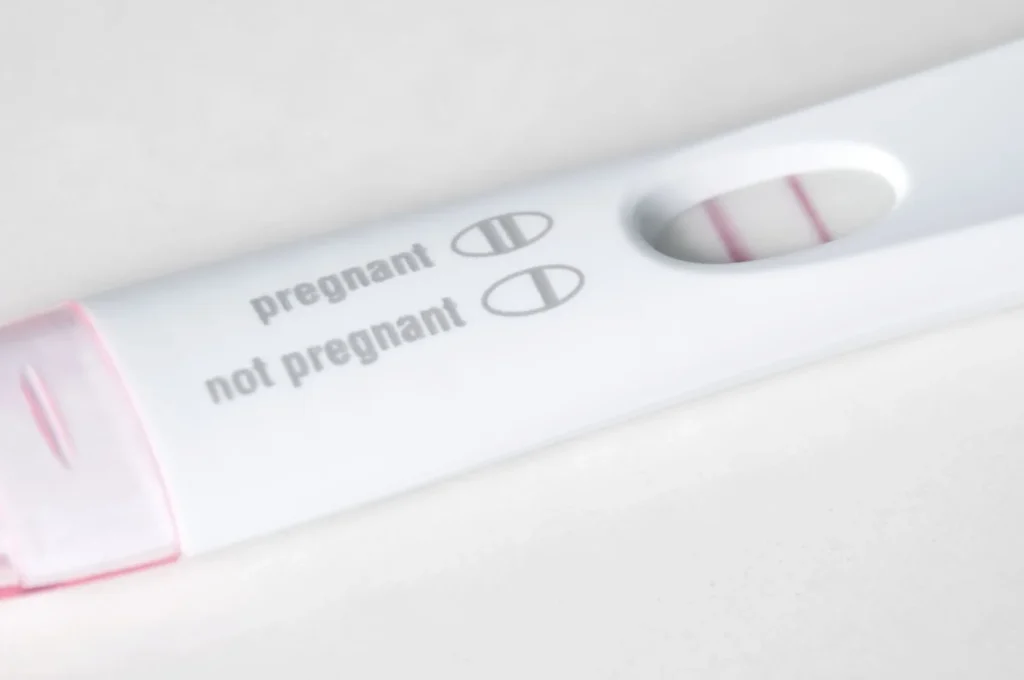
How early can you take a pragnancy

Based on real experience How soon can a pregnancy test be done?

How soon can a pregnancy test be done?

Very few people plan and bring this question to mind. Most of the time it comes out of the blue. Your period is not on time, your body feels a little different, or your mind is somehow restless. That’s when the question arises in your mind – well, how soon can you get pregnant? Will testing now help you understand something, or is it better to wait a little longer?

There are many feelings behind this question. Some people have hope, some people have fear, and some people are just confused. The problem is, everyone around them says different things. Some say test now, some say wait a little longer. This confuses your head even more.

There is no medical language in this article. Here, we will talk about things that ordinary people actually experience, but are not written anywhere.

When does this question come to mind

For most people, this question comes to mind for a very simple reason. Suddenly, small changes in the body become noticeable. For example, there is no energy like before, feeling tired for no reason, or the mind becomes a little more emotional. These are not things that can be said for sure that pregnancy has occurred, but doubts begin from that moment.

Many times people want to convince themselves—

• Maybe it is due to stress

• Maybe the period is late

• Maybe I am thinking too much

But the mind does not want to believe it. Before going to bed at night, that question comes back—how soon can you get pregnant, and will it be credible?

One thing is very normal at this time

• People Google

• Search for other people’s experiences

• Start noticing their own body too much

This stage is very unstable mentally. Because nothing is known for sure, only assumptions.

What is the real description of pregnancy after intercourse

You can only be born with intercourse alone. In fact, it is not that easy. Make a long erection. If you understand this process, the answer to the question of how soon you can get pregnant becomes much clearer.

The body does not get pregnant immediately after the egg and sperm meet. The fertilized egg has to travel to the uterus and settle. This journey takes a few days. In the case of the network, it is faster, in the case of the code.

After the egg settles properly, the body starts producing a hormone. This hormone is read in the pregnancy code. But this hormone is not seen in the party.

For this reason

• Can come very quickly

• Later the same council can be positive again

• People are more confused

So how soon can you get pregnant?

How soon can you test?

This is where the biggest mistake is made. Many people think that the sooner you test, the better. But in reality, that’s not always the case. The answer to how soon you can detect pregnancy is not the same for everyone.

Some people’s bodies produce hormones very quickly. They can get a faint positive result before their period stops. In many cases, it takes a few days even after their period stops.

A lot depends on these factors:

• Day of ovulation

• Hormonal changes in the body

• Stress

Testing too early often means only one thing – it’s not time yet.

Why testing too early creates misunderstandings

Many people think that the sooner a pregnancy test is done, the better. But in reality, testing too early often creates more confusion in the mind than benefits. The biggest problem with this question is how early you can test for pregnancy. Because the body often does not give any clear signals, but the mind wants an answer.

Many people know from their own experience what happens when you test too early. When the test comes back negative, you think “no, it didn’t happen”. But after a few days, the body feels different again. Then doubts arise again. This makes people think about the same thing over and over again. This mental tension is the real problem.

What happens in this situation

• People start testing again and again

• They cannot believe the results of one day

• They doubt their own body

Many times, a negative report is not actually negative, it is just done ahead of time. But the mind does not want to accept that logic. Therefore, to understand how early to understand pregnancy, you need to think not only about your body, but also about your mind. If you test a little late, you can often get a clear answer immediately, which is very peaceful mentally.

 Which body symptoms confuse people the most

In the early stages of pregnancy, the body shows some symptoms that are not very obvious. These are not such that you can say for sure that something has happened. They cannot be completely ignored either. This is where people get confused the most and the question of how soon you can get pregnant comes to mind.

Many people say, “My body doesn’t feel the same as before.” But it is not clear why. Fatigue comes, but it can also be due to work. Feeling sad, but it can also come from hormones or stress

Symptoms that worry people the most

• Sleeping for no reason

• Mild abdominal pain

• Change in the taste of food

• Rapid mood swings

These symptoms can be caused by many other reasons besides pregnancy. So the answer to how soon you can get pregnant cannot be found by looking at them. The biggest thing at this time is to calmly observe your body, not to be unnecessarily afraid.

Why does each person’s body give different results

It is often seen that one person tests very early and comes out positive, while another tests at the same time and comes out negative. So the question naturally arises – if it is the same thing, then why are the results different. Here, too, the question of how soon you can get pregnant is involved.

Every body is different. Some people’s hormones increase very quickly, some slowly. Some ovulate earlier, some later. These are things that we cannot control ourselves.

These differences affect the results

• Speed ​​of hormone production

• Overall health of the body

• Mental stress

This is why it is not right to compare your results with others. There is no rule that says that just because someone has gotten pregnant before, you can get pregnant. The answer to how soon you can get pregnant is actually very personal.

Why is waiting sometimes the smartest thing to do?

I know waiting is not easy. But sometimes waiting is the smartest thing to do. It is much more peaceful to test a little later and get a clear result than to test too early and doubt again and again.

What happens if you wait

• Hormones increase properly

• Results come out clear

• No need to test again and again

In addition to knowing how early it is possible to take a pregnancy test, it is also important to know when to take it. Because peace of mind is very important at this time.

Why do people get more nervous when they test before their period is missed?

The biggest reason for testing before their period is restlessness. People don’t know anything for sure then, but they can’t wait either. The body feels a little different, a thousand thoughts run through their heads, and then the question arises—how soon is it possible to get pregnant? If we do it now, will we understand anything?

The mental state at this time is very strange. On the one hand, hope works, on the other hand, fear. With the test in hand, people are in such a state that any result seems emotionally heavy. If it comes out negative, they feel upset, and even if it is positive, fear arises—is it true or false?

At this time, people usually

• Start to notice their body too much

• Think of every small feeling as a big deal

• Want to match it with all their previous experiences

The problem is that the body often does not give clear signals before their period is missed. So the test result puts more pressure on the mind than it tells the truth. A little patience here can avoid a lot of unnecessary mental trouble.

Discover more here: Early Pregnancy Symptoms

Why it is wrong to assume that a negative result is the end of everything

Many people assume that nothing has happened after seeing a negative result. Then, if the body continues to change repeatedly, more confusion arises. Here is a big mistake – a negative result means making a final decision.

A big aspect of the question of how soon to get pregnant is time. Many times, this process is going on inside the body, but the hormones that can be detected by the test have not yet been produced. This does not mean that the test is wrong, it is just that it was done too early.

What happens in this situation

• People start to blame themselves

• Deny the body’s symptoms

• Start to think again

In fact, the best thing to do at this time is to give your body some time. If you test again after a few days, the result is often completely clear. So, the first negative result does not mean that you should despair.

Why do some people test positive so early, and others so late?

This question is very natural—one person tested positive so early, why didn’t I? This is where the comparisons start, and with comparison comes stress.

Every body is different. Some ovulate earlier, some later. Some bodies produce hormones faster, some slower. There is nothing you can do to control them.

The reasons for this difference can be

  • Hormonal balance
  • Overall body condition
  • Sleep, diet, stress

So the answer to how quickly you can get pregnant may not be the same for one person, but it may be the same for another. Comparing your own experience with others only increases anxiety.

Why repeated testing can be psychologically harmful

Many people do not stop at one test. They did it today, did it tomorrow, and did it again the day after tomorrow. It seems that this time something will change. But most of the time it only increases mental stress.

Repeated testing

• Increases expectations

• Increases frustration

• Increases anger at oneself

In addition to knowing how early it is possible to take a pregnancy test, it is also important to know how often you should take a pregnancy test. Because at this time the mind is more damaged than the body.

Taking breaks, keeping the mind calm—this is very important at this time.

Why everything becomes easier when you get the right time

When you test at the right time, many things become easier. The results become clear, doubts are reduced, and decisions are easier to make.

The right time means

• Body is ready

• Hormones are sufficient

• Results are reliable

The answer to how soon you can get pregnant is actually “when your body is ready”. Taking a little time for this preparation is good for yourself.

Conclusion

All things considered, one thing is very clear—there is no one-line answer to this whole thing. How soon can you get pregnant? In reality, this question is not as simple as it seems. Because not only the body is involved, but also the mind. There is hope, there is fear, and confusion. And when these three are together, it becomes difficult to make a decision.

The biggest mistake is when we start fighting our body. We want answers too fast, we want to be sure too fast. But the body moves at its own pace. It cannot be forced. In some cases, it is understood quickly, in some cases it takes a while—that is normal.

Early Pregnancy Symptoms

Early Pregnancy Symptoms – Body Changes That Indicate Early Signs of Pregnancy

What are the early signs of pregnancy?

The early signs of pregnancy are-

Changes in the body and mind begin in the first 1 to 6 weeks of pregnancy

During this time, the desire to listen to music begins to change rapidly. This is seen in various ways under the influence of these hormones.Remember:Not all are seen in all women.he highlightsT above are visible, and several are vis

Start exercising to start getting pregnant

The early stages of pregnancy are quite confusing for many women. Because at this time the body begins to change, very frequent and often problems with periods are resolved. As a result, it is easy to think that a new life has begun

In many cases, the mass perception begins to change the energy structure in just 7-10 scenes. At this time, the fertilized egg is implanted in the wall of the uterus. Then bright discomfort, pressure or discomfort in the lower abdomen may be felt. However, most of this is so subtle that they are not noticeable in front of a large woman.

Again, many women during pregnancy first notice the cessation of menstruation. For them, successful menstruation is the most appropriate signal. With the cessation of menstruation, complications such as nausea or excessive condition should be manifested.

Usually, pregnancy is relatively clearly visible within 4-6 weeks. At this time, hormonal processes increase rapidly, which in turn affects the body and mind.

Important information about the onset of pregnancy by time

  • Conception changes can begin between 7-10 weeks of pregnancy
  • Can I drink too much at this time
  • For many women, the first obvious sign is after the period stops
  • Missing a period is a major symptom
  • Nausea, vomiting and breast changes are more common at 4-6 weeks
  • Not all women’s bodies are the same, so these may vary
  • These may start in the market

Why is a missed period considered a major sign of pregnancy?

A missed period is one of the most well-known and common signs of pregnancy. Especially for those who usually have regular periods, a sudden absence of a period indicates a major change in the body. Many women take it lightly at first, but in reality it indicates the possibility of pregnancy.

When you become pregnant, the body starts releasing certain hormones that temporarily stop the menstrual cycle. This is because the body starts preparing itself to hold the fetus. Therefore, even after the scheduled time has passed, when menstruation does not start, pregnancy naturally comes to mind.

However, a missed period does not always mean pregnancy. Menstruation can also stop due to stress, sudden weight loss or gain, excessive physical exertion, or hormonal imbalance. Therefore, it is wise not to panic if you miss your period, but to understand the situation and take the next steps.

Things to remember if you miss your period

  • Is your period usually regular?
  • Is your period not over yet?
  • Are there any other symptoms (nausea, fatigue) with your period?
  • Have you been under a lot of stress recently?
  • Have you suddenly lost or gained weight?
  • Are there any hormonal issues?
  • Have you taken a pregnancy test 5-7 days after you missed your period?
  • Consider seeking medical advice if necessary

Why does nausea occur in early pregnancy?

Many women experience nausea at the very beginning of pregnancy, commonly called morning sickness. Although the name suggests that it only occurs in the morning – in reality, this is not true. This discomfort is caused by rapid hormonal changes in the body after pregnancy and can occur at any time of the day.

Morning nausea is often accompanied by loss of appetite, discomfort with light smells, or dizziness. In some cases, it is very mild – just discomfort but no vomiting. In others, vomiting is so severe that it becomes difficult to eat normal food. However, in most cases, it is a normal part of pregnancy.

This problem usually begins between 4-6 weeks of pregnancy and gradually subsides in the first trimester for many. Although it can last for a few days for some women, the condition is usually under control with proper nutrition and rest.

Explore more here: Early signs of pregnancy

Important information about morning sickness

  • Nausea can occur in early pregnancy
  • Despite the name “morning”, it is not limited to the morning
  • Discomfort can occur at any time of the day or night
  • Some people only feel nauseous, not vomiting
  • Some people may also vomit
  • The problem is made worse by strong odors, an empty stomach, or excessive fatigue
  • Eating light foods and drinking plenty of water may provide some relief
  • If you are unable to eat due to excessive vomiting, it is important to consult a doctor.

Why do you feel extra tired and sleepy in early pregnancy?

At the very beginning of pregnancy, many women suddenly feel extra tired and sleepy. It seems like they have no energy all day. They don’t even want to do things that were easy to do before. Sometimes, even a small amount of work can cause your body to break down and make you want to lie down again and again. Although these changes may seem unusual to many, in reality, they are a very important and normal sign of pregnancy.

The main reason for this fatigue is the major hormonal changes in the body. After pregnancy, the hormone progesterone increases rapidly. This hormone prepares the body for pregnancy, but at the same time it slows the body down a bit. As a result, you sleep more, lose focus, and feel tired all the time. Also, the body uses extra energy to build a new life, which results in this fatigue.

Not getting enough rest during this time can increase fatigue. Therefore, it is better to give importance to what your body wants.

Changes that are common in the body during this time

  • Feeling very tired after doing little work
  • Feeling sleepy all day
  • Not wanting to do normal work
  • Needing more sleep than before
  • Wanting to lie down in the afternoon or falling asleep suddenly
  • Having trouble concentrating on work
  • Body feels heavy
  • Getting some relief from rest

What changes occur in the breasts after pregnancy

It is very common to experience some changes in the breasts at the very beginning of pregnancy. Many women do not realize at first that these changes could be signs of pregnancy. A sudden feeling of heaviness, increased sensitivity than before, or mild pain – these are usually the result of hormonal changes in the body.

After pregnancy, the hormones estrogen and progesterone increase rapidly. These hormones cause changes in the breasts as part of preparation for future breastfeeding. As a result, the breasts may swell slightly, be painful when pressed, or feel uncomfortable even with a light touch. Sometimes the nipple and the area around it may look darker or blacker than before, which is a normal sign of pregnancy.

For many women, these feelings can feel like breast pain before menstruation. However, the difference is that during pregnancy, these changes are more intense and last longer. So if you notice such changes along with your period, this can be an important sign of pregnancy.

Why do you urinate frequently in early pregnancy?

Many women notice early in pregnancy that they are feeling the urge to urinate more frequently than before. They feel the need to go to the toilet within a short period of time, even having to get up repeatedly during the night while sleeping. Although this may seem annoying to many, it is actually a normal and common symptom of pregnancy.

The main cause of this problem is hormonal changes in the body. After pregnancy, the levels of certain hormones increase, including human chorionic gonadotropin (hCG), which speeds up the functioning of the kidneys. At the same time, blood flow to the kidneys also increases. As a result, the body excretes more fluid, which causes frequent urination.

However, one thing is very important here. If you feel irritation, pain, burning or discomfort when urinating, this may not be a normal pregnancy symptom. In this case, there is a possibility of a urinary tract infection, which should not be neglected during pregnancy. Then it is the safest decision to consult a doctor immediately.

Things to know about frequent urination

  • You may feel the urge to urinate frequently in early pregnancy
  • This is a normal problem due to hormonal changes
  • Increased blood flow to the kidneys is also a major cause
  • You may have to go to the toilet frequently at night
  • It is not right to think that drinking less water will reduce the problem
  • You should be alert if you experience burning or pain during urination
  • If there is burning, pain or fever, it may indicate an infection
  • If you have these symptoms, you should see a doctor without delay

Why do food aversions or cravings develop in early pregnancy?

Early in pregnancy, many women notice that their food preferences suddenly change. Foods that were once very popular no longer taste good. Sometimes, they develop strong cravings for foods that were not previously on their list of favorites. Although these changes may seem strange to many, they are actually a normal sign of pregnancy.

The main reason for this is hormonal changes in the body. After pregnancy, hormone levels fluctuate rapidly, which affects the sense of taste and smell. As a result, even the slightest smell can cause nausea, intolerance to cooking odors, or aversion to food. Many women say that strong odors become the most uncomfortable for them in early pregnancy.

During this time, some women feel an unusual attraction to sour, sweet, or spicy foods. Others find it difficult to eat even simple foods like rice, fish, or meat. In most cases, this problem is more common in the first few weeks of pregnancy and gradually decreases over time.

Common symptoms of food aversions and food cravings

  • Sudden dislike of previously favorite foods
  • Unusual cravings for certain foods
  • Intolerance to the smell of cooked or raw foods
  • Nausea at the slightest smell
  • Foods that you like one day, but don’t want to eat the next day
  • Increased cravings for sour, sweet, or spicy foods
  • Foods that don’t taste the same as before
  • Comfort when eating soft foods

Why do dizziness and headaches occur in early pregnancy?

Many women experience dizziness and headaches in early pregnancy. Dark spots in front of the eyes, dizziness, or severe pain when standing up suddenly are quite common symptoms during this time. Sometimes these problems are so mild that they are not given importance, while in other cases they can affect daily activities.

The main reason for this is the rapid hormonal changes in the body. After pregnancy, the blood vessels dilate slightly, which can lower blood pressure. At the same time, even though the blood volume in the body increases, it takes time for the body to adapt to it at first. This results in a feeling of dizziness or seeing darkness. Also, this problem can be aggravated if you do not drink enough water or have not eaten for a long time.

Similar reasons work for headaches. Headaches are very common in early pregnancy due to hormonal fluctuations, lack of sleep, or stress. However, these symptoms usually subside somewhat if you rest, drink enough water, and eat light meals.

Things to remember if you have dizziness and headaches

  • You may feel dizzy or lightheaded when you stand up suddenly
  • You may feel heavy or have pain in your head
  • The problem may worsen if you don’t drink enough water
  • The tendency to dizziness increases when your blood pressure drops
  • Discomfort increases after a long period of not eating
  • Rest often provides relief
  • If you are very dizzy, it is important to sit or lie down
  • If the symptoms are severe or persistent, you should consult your doctor.

Why do you experience bloating and digestive problems in early pregnancy?

Many women experience bloating and digestive problems in early pregnancy. Sometimes the stomach feels heavy, feels uncomfortable after eating a small meal, or they have gas. Although these problems may seem like simple gastritis to many, they can actually be part of the early symptoms of pregnancy.

The main reason for this is hormonal changes in the body. After pregnancy, the hormone progesterone increases, which slows down the digestive process. As a result, food takes longer to digest and normal bowel movements decrease. As a result, gas accumulates in the stomach, which causes bloating and constipation in many people. These problems are more felt in the first few weeks of pregnancy.

Sometimes this feeling of bloating can feel like a problem before menstruation. However, during pregnancy, it is relatively long-lasting and occurs along with other symptoms. In most cases, these problems can be controlled to some extent with proper diet, enough water, and light exercise.

Symptoms of flatulence and constipation

  • A feeling of heaviness or bloating in the stomach
  • Gas discomfort
  • Feeling full after eating a small amount
  • Delayed digestion
  • Inappropriate bowel movements or constipation
  • Pressure or discomfort in the stomach
  • Problems worsened by sitting for long periods
  • Drinking water and eating fibrous foods can provide some relief

Is it safe to get pregnant if you have all the symptoms?

Many times, when we notice some changes in our body, the question arises in our mind—am I pregnant? But the reality is, having all the symptoms does not mean that we are definitely pregnant. The early symptoms of pregnancy are similar to those of premenstrual syndrome (PMS). For example, nausea, breast tenderness, bloating, headaches, or mood swings—they can also occur before your period.

For this reason, it is not right to rely solely on your body’s feelings to make a decision. There are many women who have these symptoms but are not pregnant. On the other hand, there are women who have no symptoms at all but are pregnant. Therefore, the idea that “having symptoms means being pregnant” is not always true.

The most important thing is to be sure. There are reliable medical methods to confirm pregnancy. It is wise to get a proper test rather than worrying about your doubts.

Things to remember when confirming pregnancy

  • You may not be pregnant even if you have all the symptoms
  • Many of the symptoms are similar to premenstrual syndrome
  • The same symptoms can also occur due to stress or hormonal problems
  • It is not right to rely entirely on your own assumptions
  • The best way to confirm pregnancy is to get tested
  • Home pregnancy tests give an initial idea
  • For confirmed results, it is better to consult a pregnancy specialist
  • If in doubt, it is safe to visit a doctor without delay.

Why is it important to take a pregnancy test at the right time?

Many women want to know when to take a pregnancy test to get an accurate result. If you test too early, the result can often be negative, even though the pregnancy has actually begun. This is because the hCG hormone produced in the body after conception takes some time to reach a certain level.

Usually, a few days after your period is missed, the amount of hCG hormone in the body reaches a level that the test kit can detect. Therefore, if you wait a while after your period stops, instead of rushing to test, the result is more reliable. This also reduces unnecessary anxiety.

Another important factor is the time of testing. The concentration of urine varies at different times of the day. The concentration of hCG hormone is higher in the first urine after waking up in the morning. Therefore, if you test in the morning, you are more likely to get an accurate result. However, there is no need to be discouraged even if you get a negative result the first time, because the hormone levels may still be low.

The correct rules and time to take a pregnancy test 

  • It is best to test 5-7 days after your missed period
  • Testing too early can result in a negative result
  • Testing with the first urine in the morning gives better results
  • If the first test is negative, it is better not to make a decision immediately
  • The test can be repeated after 2-3 days
  • It is important to follow the instructions on the test kit exactly
  • If in doubt, a blood test gives more reliable results
  • It is safest to consult a pregnancy specialist to be sure.

Conclusion

It is important to be aware from the beginning.

The early signs of pregnancy are actually part of the body’s natural changes. After pregnancy, the body gradually begins to prepare itself for a new life, and as a result of that preparation, various physical and mental changes occur. In some cases, these signs are very obvious, while in others they appear relatively rarely or late – this is normal.

Nusrat Ayaan

19/01/2026

Latest Posts

very early signs of pregnancy 1 week

Signs of the very early signs of pregnancy 1 week Awareness Guide

In America’s busy life, when we race day and night against the clock then the small changes that occur inside the body often escape our attention. But when a woman dreams of becoming a mother then every pulse of her body becomes very important. Very early signs of pregnancy 1 week or the signs of the very first week of pregnancy means stepping on the path of a new dream. Although doctors say that pregnancy is not fully understood in the first week because this is the time of preparation of the body, some subtle signs also start to give the body.

very early signs of pregnancy 1 week

Come on, whether you live in an open field in Texas or travel in the crowded subway of New York understanding your own body is the real work. Women in America are now much more aware and they note even the small changes in their diaries. In the first week, the counting of days begins with the time of your last menstruation During this time, the body prepares itself so that a new life can settle in the uterus. Many people think that big signs will appear in the first week but in fact, this time is a time of very quiet change. The modern American health system teaches us how to take care of ourselves by paying attention to these subtle signs.

Are the first week signs really understandable?

American reproductive experts say that in the first week, you may not realize that something magical is starting to happen inside you But those who keep track of their bodies very well can feel some changes. Very early signs of pregnancy 1 week The biggest sign is missing a period Although this is clearer towards the end of the first week or in the second week. However, hormones can start playing in the body in the first week Which can make you a little tired or exhausted.

Do you think that nausea will start on the first day? No, brother, this is a misconception. In the first week, your uterus is basically preparing itself at this time, you may feel a slight twisting or cramping in the lower abdomen, which feels a lot like menstrual pain. Many people mistake this for menstruation but this may be the first sign of your unborn child. In America, women pay attention to their ‘basal body temperature’ or body temperature at this time if you see that your body temperature is slightly higher than normal, this can be a big sign. If you understand these subtle things, you can be aware of it from the beginning which is very good for your future.

Hormonal changes and mood swings

In the first week, a huge wave of estrogen and progesterone hormones flows in the body due to this, it is very normal to feel sad or angry all of a sudden. In America, this is called ‘Mood Swing’ maybe you cry for no reason or get angry over very trivial things. This is not madness rather, it is a sign of a great catastrophe happening inside your body. At this time, the love and patience of your partner is very important because he may not understand what is going on inside you.

In the developed American society, these mental changes are now given great importance. Doctors say that it is very important to keep mothers’ minds open during this time. If you feel that you are alone then talk to someone you love. This game of hormones will try to overcome you but you have to be strong. Remember that the little soul inside you is trying to grow it can understand your thoughts. So keeping yourself calm and staying away from unnecessary worries is the big task of this time.

Breast tenderness or heaviness

At the very beginning of pregnancy, the body starts preparing to produce milk in the first week, many times it may feel that the breasts are a little heavy or a little sore. It may be a little uncomfortable when clothes touch or someone touches it this is an advance message from the body that tells you that big changes are coming in the coming days. Many health apps in America give great importance to this symptom because it often appears before a missed period.

Implantation

When the embryo implants itself in the uterine wall towards the end of the first week then a kind of commotion is created inside the body. Sometimes a little blood or spotting may appear which many people mistake for menstruation. But this blood is very light and short-lived. American doctors value this sign very much because this is the real news of the baby’s birth.

Fatigue and excessive sleep: Listening to the body’s call

In America’s busy life, we always try to keep ourselves energized by drinking coffee But if you suddenly see that your body is not moving even after sleeping all night, then this can be a big sign of Very early signs of pregnancy 1 week. At this time, the body uses all its energy to strengthen the walls of the uterus and produce hormones So the body of a woman who is on the way to becoming a mother gets tired very quickly.

Bye go, if you work sitting at a desk or provide service standing This fatigue will make your work difficult. At this time, it is completely normal to yawn repeatedly or want to lie down Many people think that this may be due to the pressure of work, but in fact, your body is working hard to make room for a new life. At this time in America, doctors say that it is better to rest the body and eat nutritious food Coffee or caffeine-like things are better to avoid at this time because the body should be allowed to produce them naturally. This deep fatigue This is a sign from nature that warns you.

Diet and food care in America: The real power of mother and child

In America, we often fill our stomachs with fast food in a hurry but in the first week of pregnancy, this habit has to be completely shaken off. Your body is now a huge factory where a new human being is being made step by step. Therefore, it is very important to have nutritious things on your plate. In the first week, start eating foods rich in folic acid such as spinach and lentils American doctors say that this works like magic in building the baby’s spine and brain.

Bye, if you live in a cold place like Illinois or Chicago then getting fresh vegetables can be a little difficult. Still, always try to find fresh goods rather than frozen goods ‘Organic’ food is available in American supermarkets which is very good for pregnancy. Eating at least one raw egg and a glass of milk every morning is the biggest act of kindness which will give a lot of strength to your body. Reduce sugar and sweets at once because these will make your body lazy and weak. There is no alternative to drinking water in the first week of pregnancy drinking at least eight to ten glasses of water a day will improve your blood circulation and keep the uterus fresh. This advanced American diet will strengthen the foundation of your unborn child which will help him grow healthily.

Say ‘no’ to raw or semi-cooked food

Many restaurants in America sell raw fish or semi-cooked meat which is called ‘Sushi’ or ‘Rare Steak’ in the first week of pregnancy, you should say no to these at once. Raw food often contains some toxic bacteria that can cause great harm to your little fetus and even increase the risk of miscarriage. Always cook food very well and wash fruits very well before eating because this small precaution in a foreign land will save you from many big dangers.

Controlling Tea, Coffee and Caffeine

In American life, coffee has become a lifeline but caffeine should be consumed in moderation during the first week of pregnancy. Excessive coffee consumption can hinder the growth of the fetus Doctors say that one cup of coffee can be consumed at most a day. Still, it is best to give it up completely Instead of coffee, make a habit of drinking fresh fruit juice or coconut water, which will keep your body cool and fresh.

Discover more here: miscarriage and baby loss awareness month

The value of mental peace and light exercise in the first week

American life is often very stressful but in the first week of pregnancy, your peace of mind is your baby’s biggest medicine. If you are tense and worried all day then your body’s hormonal game can be disrupted. At this time, talk openly with your life partner and try to be happy and smiling many American mothers do light yoga at this time, which helps a lot in keeping their mind calm.

Do you think that when you are pregnant, you have to stay in bed all day long? No, brother, this is a completely wrong idea. In the first week, light walking is very beneficial for the body do not rush, walk at least 20 minutes every day in a calm environment. If you walk in the parks of America in the morning, your lungs will get fresh air and your blood circulation will increase the more active your body is, the more comfortable your pregnancy will be. However, remember not to put excessive burden on your body in any way give your body some time and rest it when it wants a little bit of rest. This correct lifestyle of America will take you a long way on the path to becoming a healthy mother which will increase your courage even more.

The cause of sadness and sudden crying

During the first week, due to hormones, you may cry for trivial reasons or become irritable this problem becomes even bigger in places like America where people are alone a lot of the time. During this time, talk to your parents on video calls or think of something nice that you love Remember that this is not a mental illness but a part of your body’s transformation. Loving yourself and taking care of yourself is the biggest task of this time which will keep you mentally strong.

Restful sleep and body rest

People working in the night shift in America often suffer from sleep problems But in the first week of pregnancy, at least 8 hours of deep sleep every day is absolutely mandatory for you. If you do not sleep properly, your body will not get the strength to grow the fetus Try to sleep in a completely dark room instead of using your mobile phone or doing office work at night. When your body is rested in peace Then it works the most to build your child’s future.

American Doctors and Hospitals: Preparing for the First Checkup

When you get a positive result in a foreign country then after dealing with the first happy shock, your real job is to find a good ‘OB-GYN’ or midwife. Even though the American healthcare system is very advanced, getting an appointment here is often a test of patience So when you call the clinic after understanding the symptoms in the first week, they may tell you to be patient until at least eight weeks. But if you have any previous physical problems Then it is very important to see you at the beginning because it is not right to take any risks in a foreign country.

Bye, whether you live in a sunny city in Florida or in the bitter cold of Michigan Always keep your health insurance or insurance papers handy. At the first checkup in American hospitals, they will take detailed information about your blood pressure, your weight and all your previous illnesses At this time, tell the doctor everything – whether you have any special food restrictions or have you undergone any major surgery before. Sharing the fear or joy that arises in your mind after seeing the symptoms in the first week with the doctor will make your mind much lighter American doctors are very compassionate and will explain every step to you like water. Ask them all your questions without any shame or hesitation so that no superstition or nonsense thoughts can take root in your mind.

Ultrasound and the illusion of seeing the first picture of the baby

Although the face of the fetus is not clearly visible in the ultrasound in the first week still, doctors often do this test to understand the condition of the uterus. With the advanced American machine, you may see the first picture of your baby like a drop of light which will bring tears of joy to your eyes. At this time, you should carefully file each report because in the American system, the cost of these documents is very high. These small reports will be of great help during the birth of your baby and the next check-up which will remove all the worries in your mind.

The correct rules for taking vitamins and pills

‘Prenatal Vitamin’ or special pregnancy pills are available in American pharmacies Thai doctors recommend taking these in the first week so that the baby’s bones and blood are properly formed. However, do not swallow any nonsense pills on your own or after listening to someone even before taking a simple Napa or Paracetamol, talk to your doctor. Doing anything wrong in a foreign land means damaging your unborn baby so always being vigilant about your medications is your first job.

Loneliness and the struggle for mental strength in a foreign land

In American life, many times we are alone thousands of miles away from our loved ones In this beautiful time of motherhood, when your birth mother or grandmother is not there, your heart is very sad. Very early signs of pregnancy 1 week or during that tiring time of the first week when no one is making you a cup of tea then the pain and loneliness of expatriates increases a lot. At this time, your mental strength and patience become your biggest shield Spend time with your life partner and make him understand that this is not your fight alone but this is a new dream for both of you.

Do you think this loneliness will harm your child? No brother, if you are strong inside, your child will also come into the world brave. There are many online groups in America where there are thousands of Bengali mothers like you talk to them and listen to their experiences so that your mind is refreshed. Watch good words or inspirational videos on YouTube or Facebook that will give you courage the more you love your body, the safer your child will be. Take this lonely life in America as an opportunity to develop a deep love for your child try to always keep yourself happy because a mother’s beautiful mind works like magic in the development of a child’s intelligence.

Maternity Leave Tips

If you work for a company in America then it is wise to start by talking to your boss about your leave. Although this is just the beginning it is very important to know your rights in advance. Understanding how much leave you will get or what the salary arrangement will be according to the American ‘Family Leave’ law will reduce your mental anxiety a lot Start a plan to save money now because a new guest means bringing a lot of expenses with you.

Keep up your hobbies

When you feel very tired in the first week then do not give up your small hobbies at once. Listening to music or reading a good book will relax your mind Sit in the beautiful parks of America and spend time with nature. The better your mind is, the more tolerable these pregnancy symptoms will be do not confine yourself within four walls and expose yourself to the light and air outside.

Final warning: What to give up at once

There are many things in American behavior that have become part of our habits But it is obligatory for you to give up these things in the first week of pregnancy. Stop taking drugs or alcohol at once Because this can completely destroy the brain and body structure of the baby. Smoking or going near the smoke of bidi-cigarettes is also very dangerous As soon as you notice Very early signs of pregnancy 1 week, you should make your life completely white and clean so that the baby does not suffer any harm.

Bye go, if you have the habit of going to the gym regularly, then stop lifting heavy weights or doing exercises that put direct pressure on the stomach. It is also not a good idea to take a hot tub or steam bath at this time because excessive heat can harm the fetus. Do not hold your urine or stool in any way because there is a risk of getting a yeast infection, which is a big problem for American expatriates. Always wear loose cotton clothes so that your body can breathe it is better to reduce chemical dyes or heavy makeup at this time because these toxins can mix with the baby’s blood through the skin. If you consider yourself a sacred trust and follow these precautions, you can become the mother of a healthy and beautiful baby which will be the best achievement of your life.

The fight between coffee and sleep

I have said before that you should reduce your coffee intake completely this coffee culture in America can disrupt your sleep, which is harmful to the baby. When the body is working day and night for the baby, you have no alternative to deep sleep Give your body complete rest by avoiding staying up late watching movies or doing office work. Your peace of mind means the good health of your baby so give yourself some time.

Anxiety and fear of the internet

Many times, people get scared after reading nonsense news on the internet remember that every person’s body is different. What happened to one person does not mean that it will happen to you if you get unnecessarily scared, your blood pressure can increase, which can be a life-threatening situation for the baby. Always read good news and trust your body if you trust your superior, all the worries in your mind will go away in an instant.

Conclusion: A song of a new life

The first week of pregnancy is a time when you are opening the door to a new world Very early signs of pregnancy 1 week or the first week’s symptoms are just a hint of a strange magic of your body. At this time, taking care of yourself, keeping your diet in check, and following the advice of doctors is the biggest sign of a conscious mother.

I pray that your journey of becoming a mother in America will be a good one remember that you are not alone, another life is beating inside you now. Always be cheerful, eat nutritious food, and believe in yourself you can handle a mountain alone in a foreign land if you have courage and immense love in your heart. Stay healthy and prepare yourself beautifully for your future guest victory will be yours!

Scroll to Top